
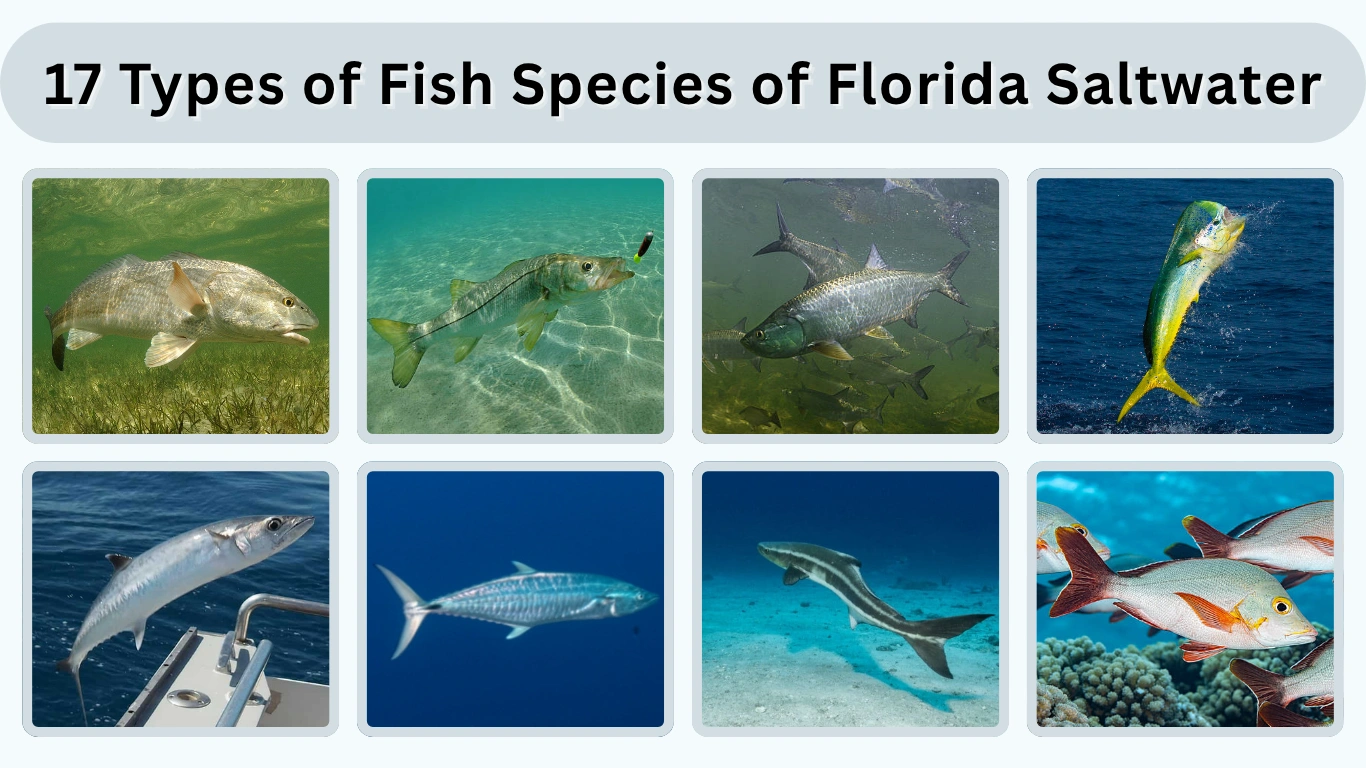
Florida’s saltwater environments are rich with diverse fish species, making it one of the top fishing destinations in the world. With access to the Atlantic Ocean, the Gulf of Mexico, and countless bays and estuaries, anglers can explore a wide variety of habitats filled with unique marine life.
From powerful game fish like Tarpon and Cobia to delicious table fish like Snapper and Pompano, Florida offers something for every type of fishing experience. This guide highlights 17 common saltwater fish species found in Florida, helping you identify and understand their key characteristics, habitats, and behaviors.
1. Red Drum (Redfish)
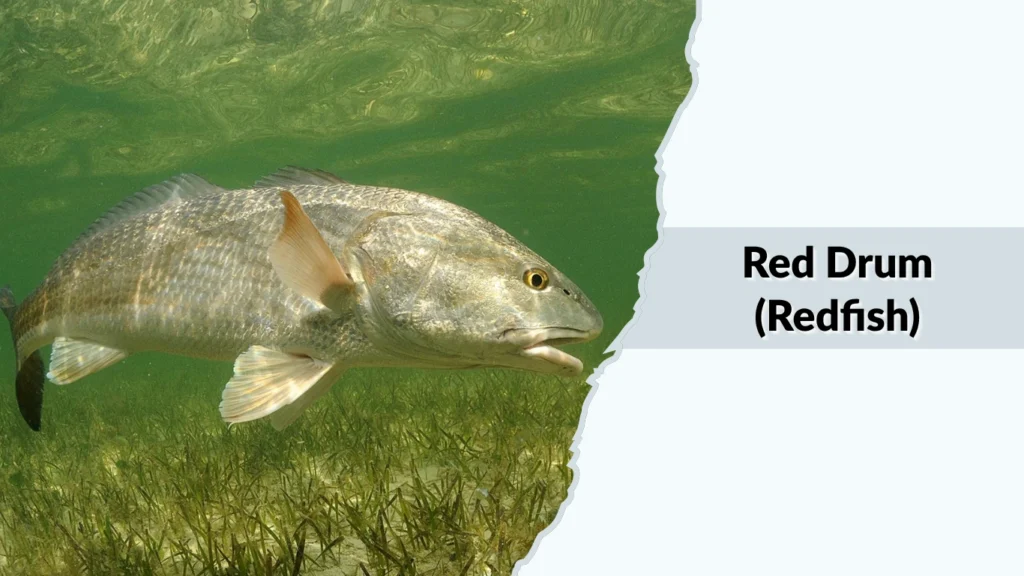
Red Drum, commonly known as Redfish, is one of the most popular saltwater fish species in Florida. It is well known for its strength, adaptability, and presence in shallow coastal waters, making it a favorite among inshore anglers.
Identification
- Copper-bronze body with a lighter underside
- One or more black spots near the tail
- Streamlined, slightly elongated body
- Downward-facing mouth
- Can grow over 40 inches and weigh more than 50 pounds
Habitat
Red Drum are commonly found in shallow coastal waters such as bays, lagoons, estuaries, and tidal creeks. They prefer areas with sandy or muddy bottoms where food is abundant. Juveniles stay in protected inshore waters, while adults may move to deeper coastal areas. They can tolerate a wide range of salinity, allowing them to thrive in both brackish and saltwater environments across Florida.
Behavior
Redfish are often seen in schools, especially when young. They are active feeders and tend to move with the tides, searching for food in shallow waters. Larger individuals may become more solitary. They are also known for producing a drumming sound during spawning using muscles near their swim bladder.
Diet
Red Drum primarily feed on crustaceans and small fish. Their diet includes shrimp, crabs, and baitfish. They use their downward-facing mouths to forage along the bottom, often digging into sand or mud to find prey.
Lifespan
Red Drum can live for more than 40 years in the wild. Their growth rate depends on environmental conditions, food availability, and habitat quality, with larger individuals typically being older and more experienced predators.
2. Snook
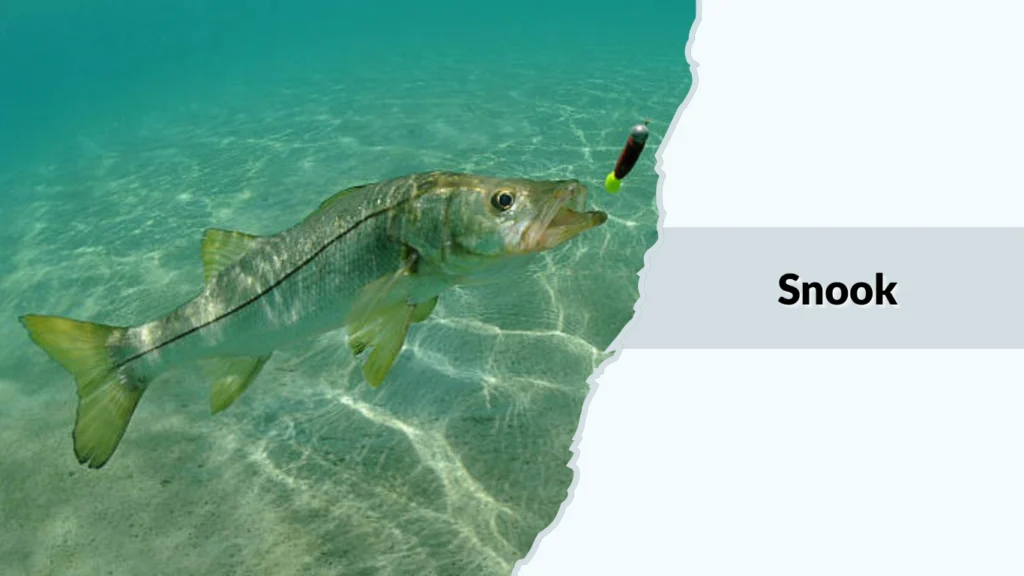
Snook is a highly prized saltwater fish in Florida, known for its strong fight and sleek appearance. It is commonly found in both saltwater and brackish environments, making it a versatile and popular species among inshore anglers. Its seasonal movements and sensitivity to temperature add to its challenge.
Identification
- Slender, elongated body with a silver coloration
- Distinct black lateral line running from gills to tail
- Slightly upturned mouth with a protruding lower jaw
- Large fins, especially the dorsal fin
- Can grow over 40 inches and weigh more than 50 pounds
Habitat
Snooks are typically found in coastal waters, estuaries, mangroves, and river mouths throughout Florida. They prefer warm water and are often associated with structures such as docks, bridges, and seawalls. During colder months, snook move into deeper, warmer waters like canals and springs to survive. Juveniles are usually found in protected inshore areas, while adults move between inshore and nearshore zones. Their ability to live in both freshwater and saltwater allows them to adapt to changing environments easily.
Behavior
Snooks are known for their aggressive strikes and strong resistance when hooked. They often stay close to the structure, using it for both protection and hunting. These fish are most active during warmer months and tend to slow down during cold weather. They are also known for seasonal spawning migrations, often gathering in passes and inlets.
Diet
Snooks are carnivorous and mainly feed on smaller fish and crustaceans. Their diet includes mullet, sardines, shrimp, and crabs. They are ambush predators, hiding near structure and striking quickly when prey comes close.
Lifespan
Snooks can live up to 20 years or more. Growth rates vary depending on habitat and food availability, with larger individuals typically being older and more experienced hunters.
3. Tarpon
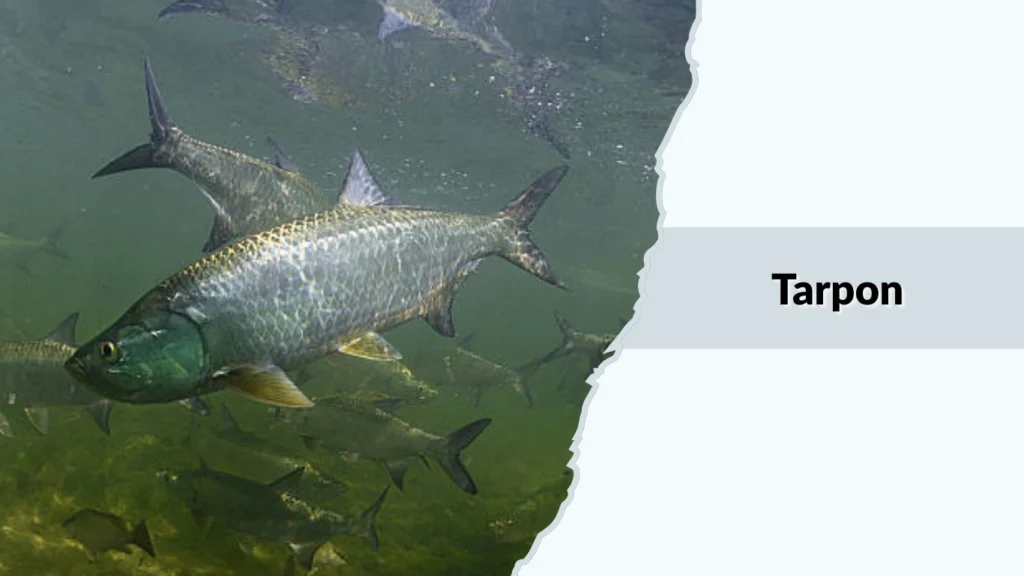
Tarpon is one of the most iconic saltwater fish in Florida, often called the “Silver King” because of its large, shiny scales. It is highly valued by anglers for its size, strength, and spectacular jumping ability, making it one of the most exciting sport fish in coastal waters.
Identification
- Large, elongated body with bright silver scales
- Upturned mouth with a prominent lower jaw
- Large eyes adapted for low-light vision
- Long dorsal fin with a trailing filament
- Can grow over 6–8 feet long and weigh more than 200 pounds
Habitat
Tarpon are commonly found in coastal waters, estuaries, bays, and nearshore areas throughout Florida. Juveniles prefer brackish environments such as mangrove creeks and backwaters, where predators are fewer. Adult tarpon migrate along coastlines and are often seen near inlets and passes. They prefer warm waters and are known for their ability to survive in low-oxygen environments by gulping air at the surface. Their wide range of habitats makes them one of the most adaptable saltwater fish in Florida.
Behavior
Tarpon are famous for their powerful leaps and acrobatic displays when hooked. They often roll at the surface to breathe air, which is a unique behavior among fish. These fish are highly migratory and usually travel in schools, especially during spawning season. They are most active in warm conditions and are often seen moving along coastlines in search of food.
Diet
Tarpon are carnivorous and feed mainly on fish and crustaceans. Their diet includes mullet, sardines, crabs, and shrimp. They swallow prey whole and rely on quick strikes and strong jaws to capture food, especially during low-light conditions.
Lifespan
Tarpon can live for more than 50 years. They grow slowly but can reach very large sizes, making older individuals some of the most powerful and experienced predators in Florida waters.
4. Spotted Seatrout
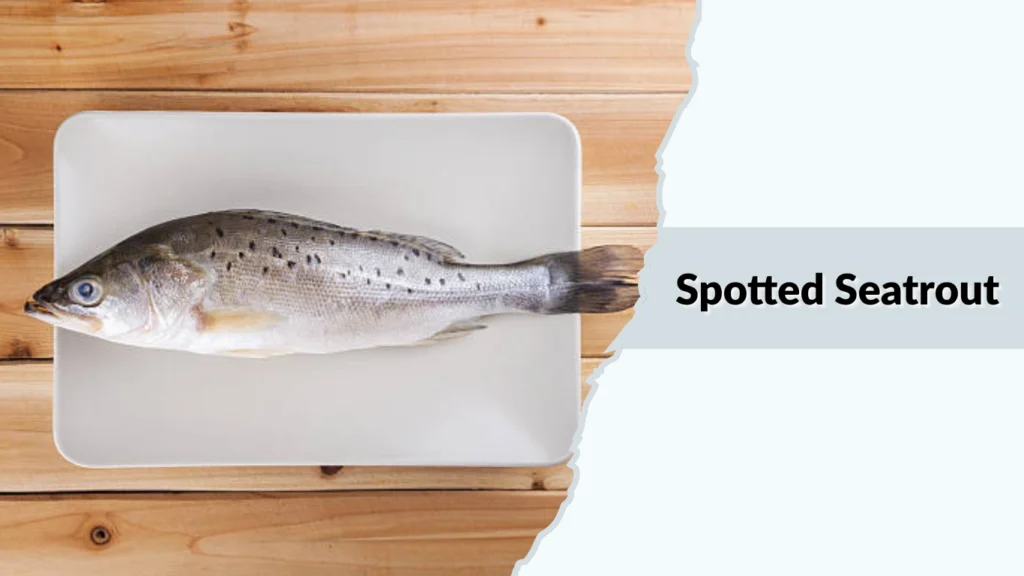
Spotted Seatrout is a popular inshore saltwater fish in Florida, known for its distinctive spotted pattern and active feeding behavior. It is commonly targeted by anglers due to its abundance and accessibility in shallow coastal waters.
Identification
- Slender, silver-gray body with a greenish back
- Numerous black spots on the body and fins
- Long body with a slightly pointed snout
- Large mouth with small sharp teeth
- Typically grows 15–25 inches, but can exceed 30 inches
Habitat
Spotted Seatrout are mainly found in shallow coastal waters such as bays, estuaries, lagoons, and seagrass flats. They prefer clear water with abundant vegetation, which provides both shelter and feeding opportunities. These fish are often associated with seagrass beds where they can hide and ambush prey. They remain in inshore waters year-round but may move to deeper areas during colder weather. Their distribution is influenced by water temperature, salinity, and food availability.
Behavior
Spotted Seatrout are active predators that often form loose schools, especially when young. Larger individuals are usually more solitary. They prefer calm, shallow waters and are most active during early morning and late evening. During spawning season, they gather in groups in deeper channels. Their quick strikes and consistent feeding make them a favorite among anglers.
Diet
Spotted Seatrout are carnivorous and mainly feed on small fish and crustaceans. Their diet includes shrimp, mullet, and baitfish. They use an ambush strategy, hiding in vegetation before striking quickly at passing prey.
Lifespan
Spotted Seatrouts typically live 5–10 years, although some individuals may live longer. Growth rates depend on environmental conditions, with females generally growing larger and living longer than males.
5. Mahi-Mahi (Dolphinfish)
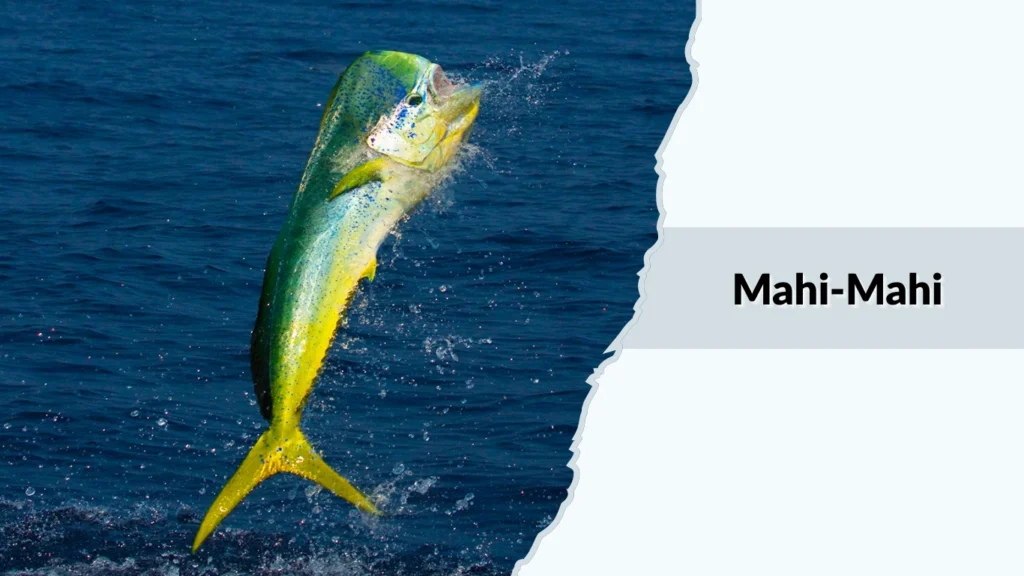
Mahi-Mahi is a fast-growing and colorful saltwater fish found in Florida’s offshore waters. It is highly valued for both sport fishing and its excellent taste. Known for its speed and vibrant colors, it is a favorite among deep-sea anglers.
Identification
- Bright blue, green, and yellow coloration
- Long, slender body with a blunt head
- Males have a prominent squared forehead
- Single long dorsal fin running along the body
- Deeply forked tail
- Can grow over 50 inches and weigh more than 50 pounds
Habitat
Mahi-Mahi are found in offshore waters, especially in warm ocean currents like the Gulf Stream. They are often seen near floating objects such as seaweed, debris, and buoys, which attract smaller fish. These fish prefer open ocean environments and are highly migratory, moving long distances in search of food. They are more common during warmer months when water temperatures rise. Their association with floating structures makes them easier to locate in vast offshore areas.
Behavior
Mahi-Mahi are very active and fast swimmers, often traveling in small groups or schools. They are known for their energetic behavior and acrobatic jumps when hooked. These fish are usually seen near the surface and are most active during daylight hours. Their constant movement and aggressive feeding habits make them exciting to catch.
Diet
Mahi-Mahi are carnivorous and feed on a variety of prey, including small fish, squid, and crustaceans. Their diet often includes flying fish, sardines, and shrimp. They are aggressive hunters and use speed to chase down prey in open water.
Lifespan
Mahi-Mahi have a relatively short lifespan, typically living up to 4–5 years. However, they grow very quickly, reaching large sizes in a short period, which contributes to their abundance in Florida waters.
6. King Mackerel
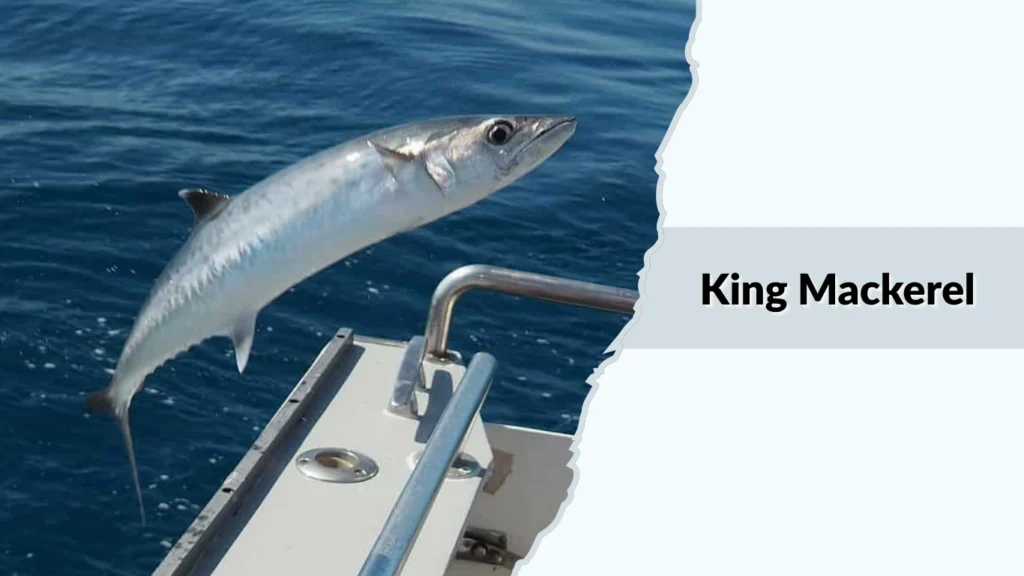
King Mackerel, also known as Kingfish, is a powerful and fast-moving saltwater species found in Florida’s coastal and offshore waters. It is highly valued by anglers for its speed, sharp strikes, and strong fighting ability. This species is also important in commercial fishing due to its firm meat.
Identification
- Long, slender, and streamlined body built for speed
- Silvery sides with a bluish or greenish back
- Sharp, triangular teeth clearly visible even when the mouth is closed
- Deeply forked tail for rapid swimming
- Lateral line dips sharply downward toward the tail
- Can grow over 5 feet long and weigh more than 90 pounds
Habitat
King Mackerel are commonly found in both nearshore and offshore waters along Florida’s Atlantic and Gulf coasts. They prefer warm, open water and are frequently associated with reefs, wrecks, drop-offs, and areas where baitfish are abundant. Juveniles are often found closer to shore, including beaches and inlets, while adults typically inhabit deeper waters. These fish are highly migratory and move seasonally along coastlines, following temperature changes and food sources. During cooler months, they may move southward or into deeper waters, while warmer conditions bring them closer to shore.
Behavior
King Mackerel are highly active predators that rarely stay still. They are often found swimming in loose schools and are known for their fast, aggressive attacks on baitfish. When feeding, they may slash through schools of fish at high speed, creating visible surface activity. They are most active during daylight hours when visibility is high. When hooked, they are famous for long, fast runs and powerful bursts of speed, making them a challenging and exciting catch for anglers.
Diet
King Mackerel are carnivorous and primarily feed on schooling fish. Their diet includes sardines, anchovies, mullet, and small mackerel, as well as squid. They rely on speed and sharp teeth to capture prey, often striking quickly and cutting through schools. Juveniles feed on smaller baitfish, while adults target larger prey. Their feeding patterns are closely tied to the presence of baitfish and water movement, especially around reefs and currents.
Lifespan
King Mackerel typically live around 10–15 years. Growth rates are relatively fast in their early years, allowing them to reach large sizes quickly. Environmental conditions, food availability, and migration patterns all influence their growth and longevity in Florida waters.
7. Spanish Mackerel
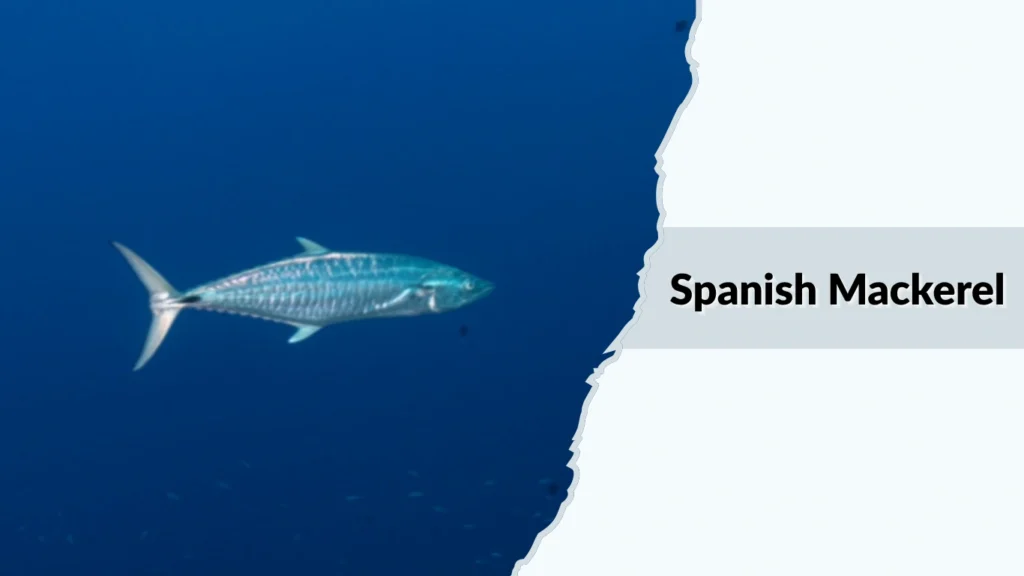
Spanish Mackerel is a fast and agile saltwater fish commonly found in Florida’s coastal waters. It is popular among anglers for its speed, aggressive strikes, and schooling behavior. This species is also valued for its taste and is often caught in large numbers during peak seasons.
Identification
- Slender, elongated body with a silvery base color
- Yellow or gold oval spots along the sides
- Greenish to bluish back
- Sharp, pointed teeth
- Deeply forked tail built for speed
- Typically grows 14–24 inches, but can exceed 30 inches
Habitat
Spanish Mackerel are widely distributed in Florida’s coastal waters, including bays, inlets, beaches, and nearshore reefs. They prefer warm, shallow to moderately deep water and are often found close to shore, especially during warmer months. These fish are highly migratory and move in large schools along the coastline. Juveniles are commonly found in protected inshore waters, while adults roam more open coastal areas. They are frequently located where baitfish are abundant, making feeding grounds easy to identify.
Behavior
Spanish Mackerel are highly active and travel in large, fast-moving schools. They are known for aggressive feeding behavior, often attacking baitfish near the surface and creating visible splashes. These fish are most active during daylight hours and rely on speed and coordination when hunting. When hooked, they make quick, powerful runs, providing an exciting experience for anglers. Their schooling nature makes it common to catch multiple fish in a short time.
Diet
Spanish Mackerel are carnivorous and mainly feed on small schooling fish. Their diet includes sardines, anchovies, and small mullet, as well as shrimp. They use their sharp teeth to slash through prey at high speed. Juveniles consume smaller prey, while adults target larger baitfish. Their feeding activity is often intense and occurs in bursts when they encounter large schools of food.
Lifespan
Spanish Mackerel typically live around 5–8 years. They grow quickly, especially in their early years, which helps maintain strong populations in Florida waters despite heavy fishing pressure.
8. Cobia
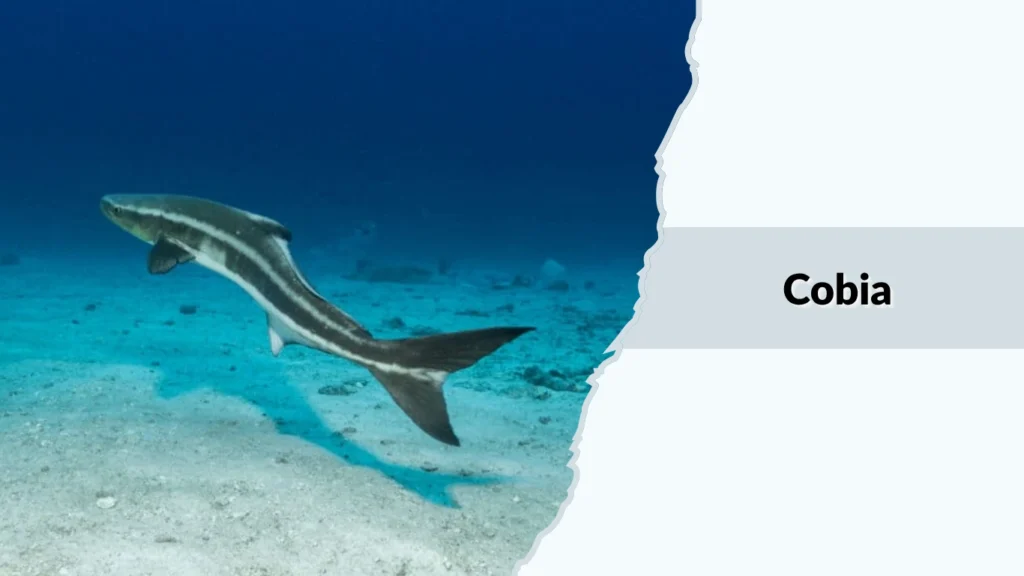
Cobia is a large and powerful saltwater fish found in Florida’s coastal and offshore waters. It is highly valued by anglers for its strength, size, and excellent taste. Known for its curious nature, cobia often approach boats and floating objects, making it easier to spot.
Identification
- Long, torpedo-shaped body with dark brown to bronze coloration
- Distinct white or lighter stripe running along the sides
- Broad, flattened head with a slightly protruding lower jaw
- Small, smooth scales giving a sleek appearance
- Strong, forked tail for powerful swimming
- Can grow over 6 feet long and weigh more than 100 pounds
Habitat
Cobia are commonly found in a wide range of environments, including coastal waters, bays, reefs, wrecks, and nearshore structures. They are often seen near floating objects such as buoys, debris, and even large marine animals like sharks and rays. These fish prefer warm waters and are frequently spotted near the surface. Juveniles may inhabit estuaries and sheltered areas, while adults roam both inshore and offshore waters. Their movement is often influenced by water temperature and food availability, leading to seasonal migrations along Florida’s coastline.
Behavior
Cobia are known for their curious and sometimes solitary behavior. They often swim alone or in small groups and may approach boats or divers without hesitation. These fish are strong fighters, making long, powerful runs when hooked. They are most active during warmer months and tend to move along coastlines in search of food. Their tendency to linger near floating structures and follow larger animals makes them unique among saltwater species.
Diet
Cobia are carnivorous and opportunistic feeders. Their diet includes fish, crabs, shrimp, squid, and other marine organisms. They often feed near the bottom or around structures where prey is abundant. Using their strength and quick movements, they capture prey efficiently. Juveniles consume smaller prey, while adults target larger fish and crustaceans.
Lifespan
Cobia typically live around 10–15 years. They grow relatively quickly, especially in warm waters with abundant food. Their size and growth rate make them an important species for both recreational and commercial fishing in Florida.
9. Grouper
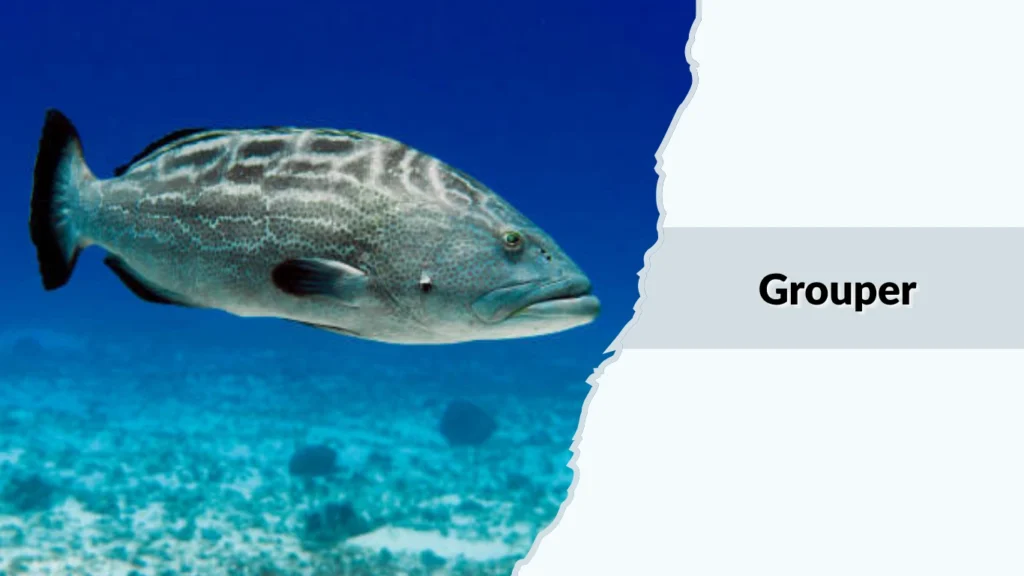
Grouper is a well-known saltwater fish in Florida, valued for both recreational and commercial fishing. It includes several species such as Gag Grouper and Red Grouper. These fish are known for their large mouths, heavy bodies, and strong resistance when caught.
Identification
- Thick, heavy-bodied shape with a large head
- Wide mouth capable of swallowing large prey
- Color varies by species, often brown, gray, or reddish with patterns
- Rounded tail fin
- Small, rough scales
- Can grow over 3 feet long and weigh more than 50 pounds
Habitat
Grouper are typically found in offshore waters around reefs, wrecks, ledges, and rocky bottoms. Juveniles may inhabit shallow waters such as estuaries and seagrass beds, while adults prefer deeper offshore environments. They rely heavily on structure for shelter, often hiding in holes, caves, and crevices. These fish tend to stay close to the bottom and rarely move far from their territory. Florida’s warm waters provide ideal conditions for multiple grouper species to thrive throughout the year.
Behavior
Grouper are generally solitary and territorial fish. They spend most of their time resting near structures, waiting to ambush prey. When hooked, they are known for powerful, short bursts of strength, often trying to return quickly to their hiding spots. During the spawning season, some species gather in groups at specific offshore locations. Their secretive nature and strong fighting ability make them a challenging catch.
Diet
Grouper are carnivorous predators that feed mainly on fish, squid, and crustaceans. They use a suction-feeding method, quickly opening their mouths to pull prey inside. Juveniles eat smaller fish and invertebrates, while adults target larger prey. Their diet depends on availability and habitat.
Lifespan
Groupers can live for 20–50 years depending on the species. They grow relatively slowly but can reach large sizes, making older individuals important for maintaining healthy populations.
10. Snapper
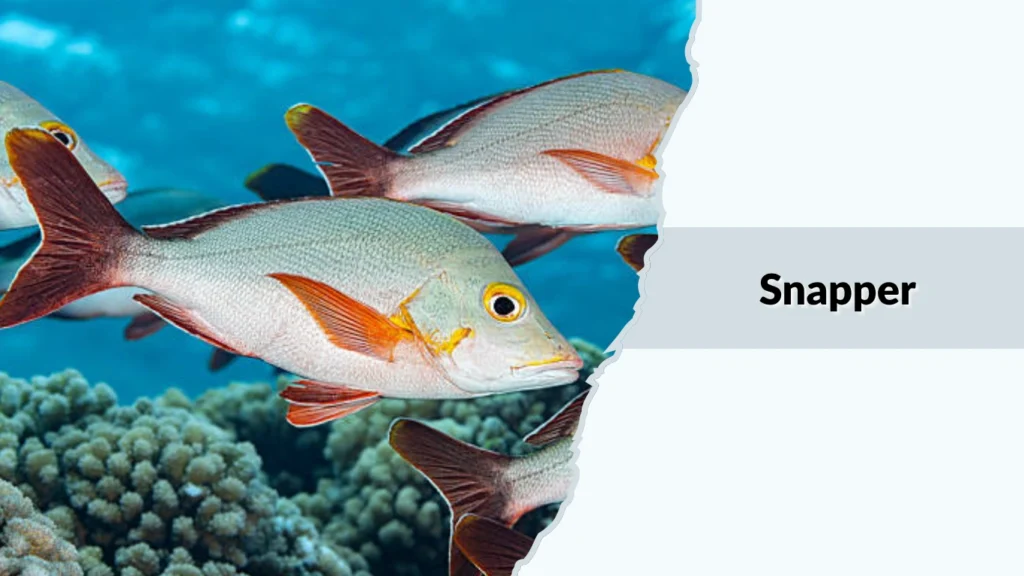
Snapper is one of the most popular saltwater fish groups in Florida, known for its great taste and importance in both commercial and recreational fishing. Common species include Red Snapper, Mangrove Snapper, and Yellowtail Snapper, all widely found in Florida waters.
Identification
- Streamlined body with a slightly sloped head
- Color varies by species, often red, pink, yellow, or gray
- Large eyes and sharp teeth
- Forked tail for steady swimming
- Continuous dorsal fin
- Typically grows 12–36 inches depending on species
Habitat
Snapper are commonly found in coastal and offshore waters, especially around reefs, wrecks, rocky ledges, and artificial structures. Juveniles often inhabit mangroves, estuaries, and seagrass beds where they find protection from predators. As they grow, they move into deeper offshore waters. These fish prefer warm environments and are widely distributed along Florida’s Atlantic and Gulf coasts. Structure is essential to their habitat, providing both shelter and feeding opportunities.
Behavior
Snapper behavior varies by species, but they are generally cautious and alert. Some species form schools, while others are more solitary. They are most active during low-light periods such as early morning and evening. In heavily fished areas, they can become difficult to catch due to increased wariness. During spawning season, many snapper species gather in large groups in offshore locations.
Diet
Snapper are carnivorous and feed on a variety of prey including fish, shrimp, crabs, and squid. They are active hunters and use their sharp teeth to पकड़ and hold prey. Juveniles eat smaller invertebrates, while adults target larger fish and crustaceans.
Lifespan
Snapper lifespan varies by species, but many can live between 15–50 years. Larger species like Red Snapper tend to live longer, while smaller species have shorter lifespans.
11. Flounder
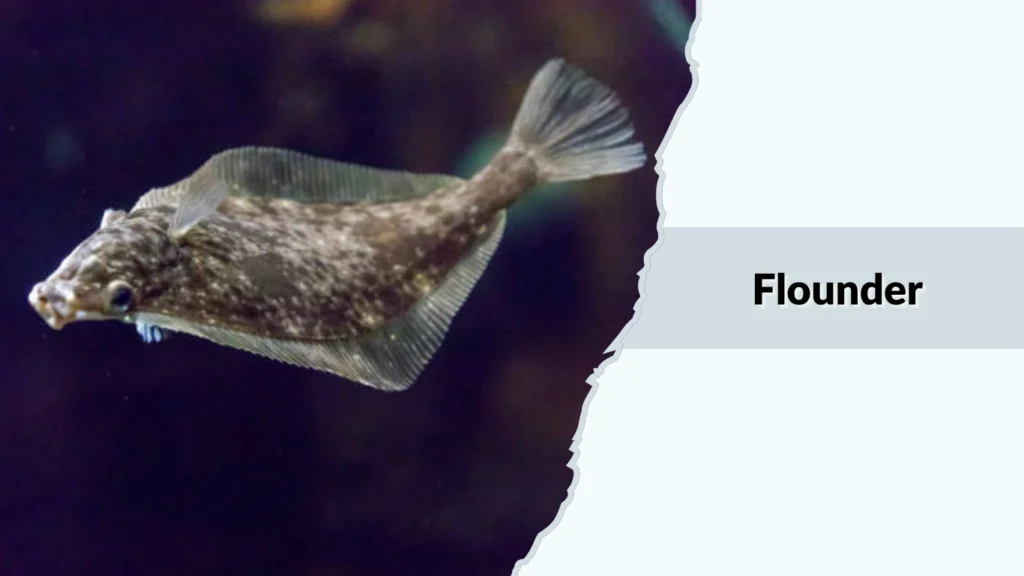
Flounder is a unique bottom-dwelling saltwater fish in Florida, known for its flat body and excellent camouflage. It is highly valued for its mild, delicate meat and is commonly targeted by inshore anglers in coastal waters.
Identification
- Flat, oval-shaped body with both eyes on one side
- Brown, sandy, or mottled coloration for camouflage
- Small mouth with sharp teeth
- Dorsal and anal fins run along the length of the body
- Ability to change color to match surroundings
- Typically grows 12–24 inches
Habitat
Flounder are commonly found in coastal waters such as estuaries, bays, tidal creeks, and nearshore areas. They prefer sandy or muddy bottoms where they can easily bury themselves. These fish are often located near structures like docks, bridges, and channels where currents bring food. Juveniles stay in shallow protected waters, while adults may move to deeper areas. Florida’s warm coastal environment provides ideal conditions for flounder throughout the year.
Behavior
Flounder are solitary and spend most of their time lying on the bottom, often partially buried in sand or mud. They rely on camouflage to avoid predators and ambush prey. These fish are most active during tidal movements when food is more available. Although generally slow-moving, they can strike quickly when hunting. Their stealthy behavior makes them both fascinating and challenging to catch.
Diet
Flounder are carnivorous and primarily feed on small fish and crustaceans. Their diet includes shrimp, minnows, and other bottom-dwelling organisms. They wait patiently for prey to come close before attacking with sudden speed.
Lifespan
Flounder typically live around 3–10 years, depending on the species and environmental conditions. Growth rates vary, but they generally reach maturity within a few years.
12. Pompano
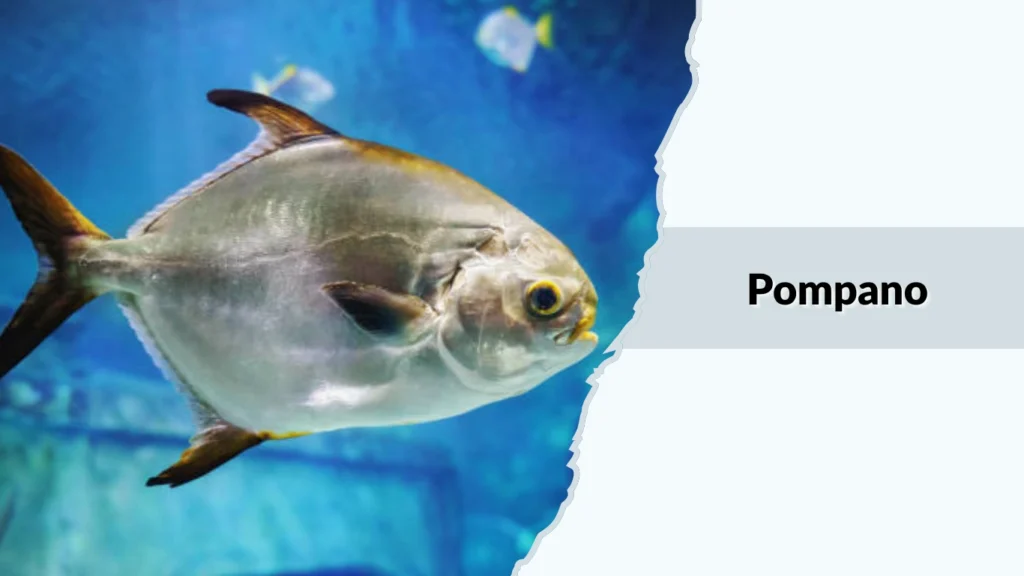
Pompano is a highly prized saltwater fish in Florida, known for its excellent taste and fast, energetic movement. It is commonly found along sandy beaches and coastal waters, making it a favorite target for surf anglers.
Identification
- Deep, compressed body with a bright silver color
- Slight yellow tint on the belly and fins
- Forked tail and smooth, streamlined shape
- Small mouth with a short snout
- No prominent spots or stripes
- Typically grows 10–20 inches
Habitat
Pompano are typically found in coastal waters, especially along sandy beaches, flats, and nearshore areas. They prefer clear, warm water and are often seen in the surf zone where waves break. Juveniles may inhabit shallow bays and estuaries, while adults are more commonly found in open coastal waters. These fish move along shorelines in search of food and are influenced by tides, currents, and water temperature. Areas with sandy bottoms and active wave movement provide ideal feeding conditions.
Behavior
Pompano are active, fast-swimming fish that usually travel in small schools. They are often seen moving along beaches, especially during incoming and outgoing tides. These fish are known for quick bursts of speed and strong resistance when hooked. They tend to stay near the bottom but will move into the surf zone to feed. Their constant movement and responsiveness to changing conditions make them exciting to catch.
Diet
Pompano are carnivorous and mainly feed on small bottom-dwelling organisms. Their diet includes sand fleas, small crabs, shrimp, and marine worms. They use their small mouths to pick food from the sand, often feeding where waves disturb the bottom.
Lifespan
Pompano typically live around 3–6 years. They grow quickly and reach maturity at a relatively young age, which helps maintain healthy populations in Florida waters.
13. Barracuda
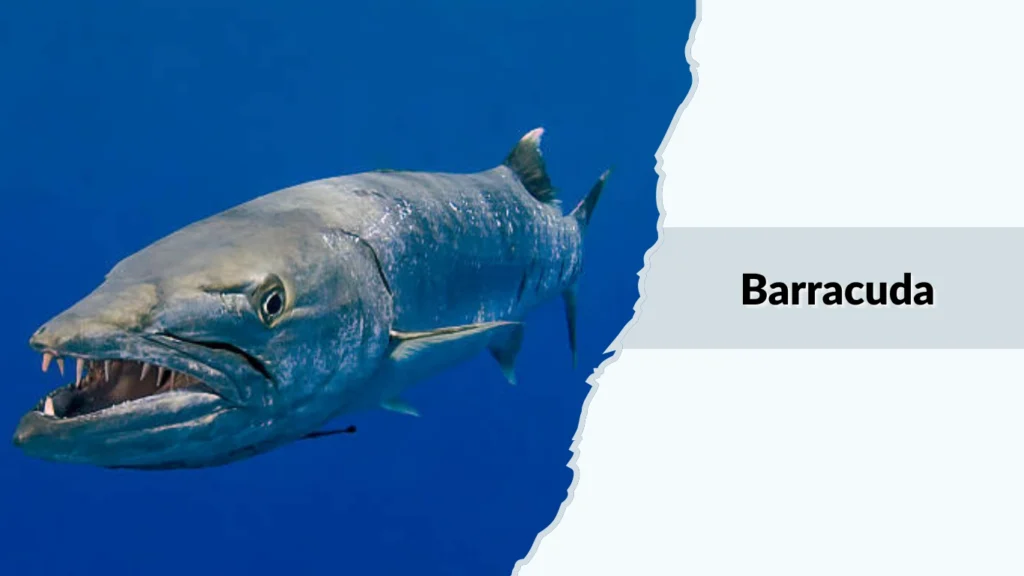
Barracuda is a powerful and aggressive saltwater predator found in Florida’s coastal and offshore waters. It is well known for its speed, sharp teeth, and striking appearance. This fish is often recognized as one of the top predators in nearshore environments.
Identification
- Long, slender body with a silver or gray coloration
- Large mouth filled with sharp, fang-like teeth
- Pointed head with a slightly undercut lower jaw
- Dark spots or bars along the sides (in some individuals)
- Two widely separated dorsal fins
- Can grow over 5 feet long
Habitat
Barracuda are commonly found in coastal waters, reefs, seagrass beds, and nearshore areas throughout Florida. They prefer clear, warm water and are often seen near the surface or around structures such as reefs and wrecks. Juveniles may inhabit shallow waters like bays and estuaries, while adults are more commonly found in deeper coastal zones. These fish are often associated with areas where smaller fish are abundant, as these locations provide consistent feeding opportunities.
Behavior
Barracuda are known for their aggressive and bold behavior. They often remain still in the water, appearing almost motionless before launching sudden, high-speed attacks on prey. They are typically solitary but may occasionally be seen in small groups. These fish rely heavily on vision and are most active during daylight hours. When hooked, barracuda are strong fighters, making fast and powerful runs.
Diet
Barracuda are carnivorous and primarily feed on fish. Their diet includes mullet, sardines, and other small schooling fish. They use speed and sharp teeth to पकड़ and tear prey quickly, often striking with precision and force.
Lifespan
Barracuda can live up to 10–15 years. Growth rates depend on food availability and environmental conditions, with larger individuals typically being older and more dominant predators.
14. Permit
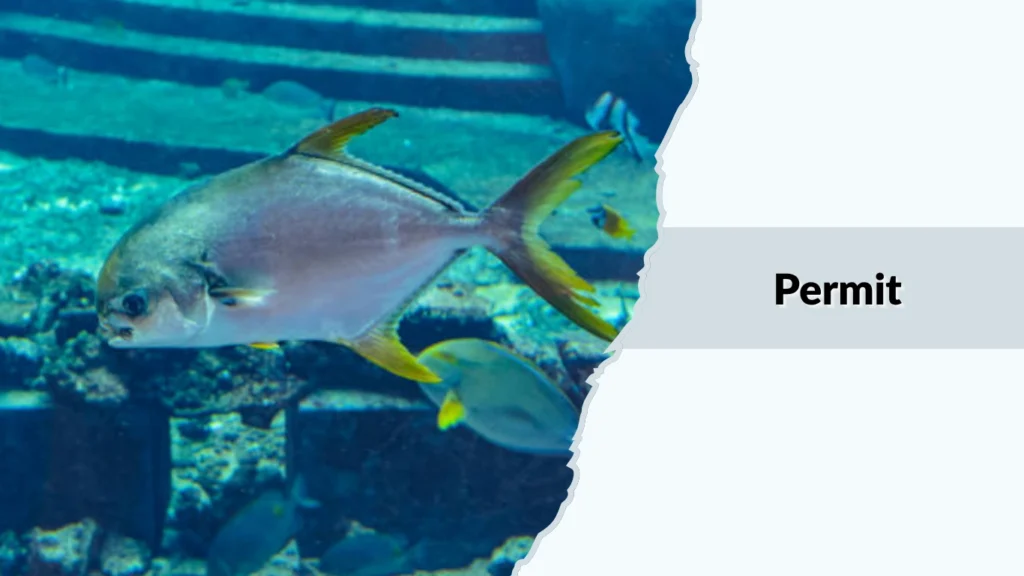
Permit is a highly respected saltwater game fish in Florida, known for its strength, speed, and challenging nature. It is especially popular among flats anglers and is often considered one of the most difficult inshore fish to catch.
Identification
- Deep, compressed body with a bright silver color
- Dark shading along the back
- Forked tail and long, pointed fins
- Small mouth with a blunt snout
- No distinct spots or stripes
- Typically grows 15–30 inches, but can exceed 40 pounds
Habitat
Permits are commonly found in shallow coastal waters such as flats, reefs, and nearshore wrecks. They prefer clear water with sandy or grassy bottoms where they can search for food. Juveniles may stay in inshore environments, while adults move between flats and offshore structures. These fish are most abundant in warm, tropical areas of Florida, especially in the southern regions. Their presence is often linked to calm conditions and good water clarity.
Behavior
Permitters are cautious and highly alert fish, making them difficult to approach. They are often seen alone or in small groups, slowly cruising shallow flats in search of food. These fish are most active during warm, calm conditions. When hooked, they are known for powerful, fast runs and strong resistance, making them a prized catch among experienced anglers.
Diet
Permit primarily feed on crustaceans, especially crabs. Their diet also includes shrimp and small mollusks. They use their small but strong mouths to pick prey from the bottom, often targeting crabs hidden in sand or seagrass.
Lifespan
Permit can live for around 20–25 years. Their growth depends on environmental conditions and food availability, with larger individuals typically being older and more experienced.
15. Bonefish
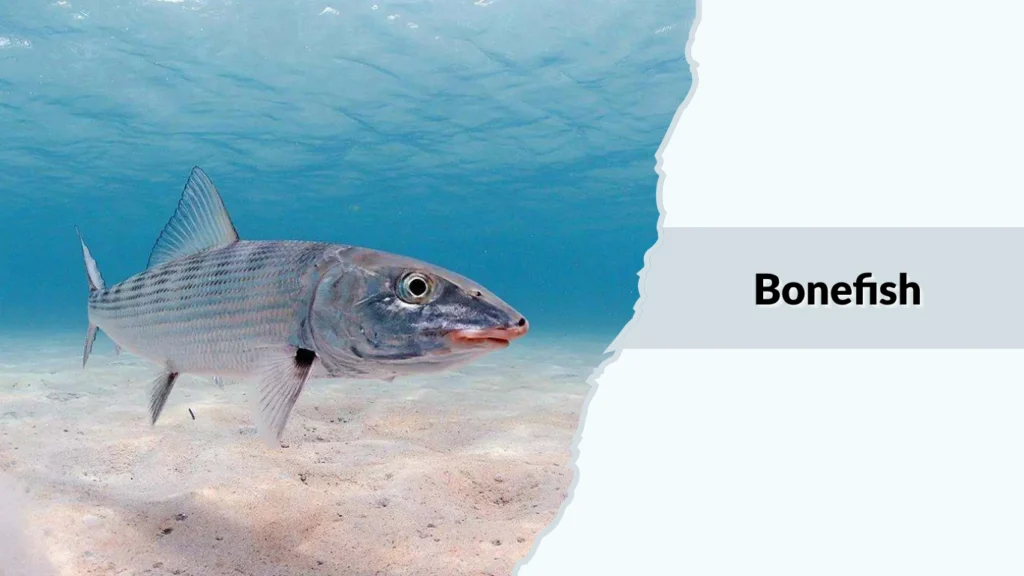
Bonefish is a fast and elusive saltwater fish found in Florida’s shallow flats. It is highly prized by anglers for its speed and challenge rather than for food. Often called the “ghost of the flats,” it is difficult to spot due to its reflective body and cautious nature.
Identification
- Slender, torpedo-shaped body with bright silver coloration
- Faint green or bluish tint along the back
- Deeply forked tail built for speed
- Small, downward-facing mouth
- Large reflective scales
- Typically grows 15–30 inches
Habitat
Bonefish are commonly found in shallow, clear waters such as sandy flats, seagrass beds, lagoons, and coastal bays. They prefer warm, tropical conditions and are most abundant in southern Florida. These fish are often seen in very shallow water, sometimes with their tails or backs visible as they feed. Juveniles may inhabit protected bays and estuaries, while adults roam open flats. Clean water and minimal disturbance are essential for their habitat.
Behavior
Bonefish are extremely cautious and sensitive to movement, making them difficult to approach. They usually travel in small schools and move quickly when threatened. These fish are most active during calm, warm conditions. When hooked, bonefish are known for long, powerful runs, often stripping line rapidly. Their speed and awareness make them one of the most challenging fish to catch.
Diet
Bonefish primarily feed on small bottom-dwelling organisms. Their diet includes shrimp, crabs, worms, and small mollusks. They use their downward-facing mouths to dig into the sand and locate prey, often leaving visible feeding marks.
Lifespan
Bonefish can live up to 15–20 years. Their growth and survival depend on habitat quality, food availability, and environmental conditions in Florida’s coastal ecosystems.
16. Ladyfish
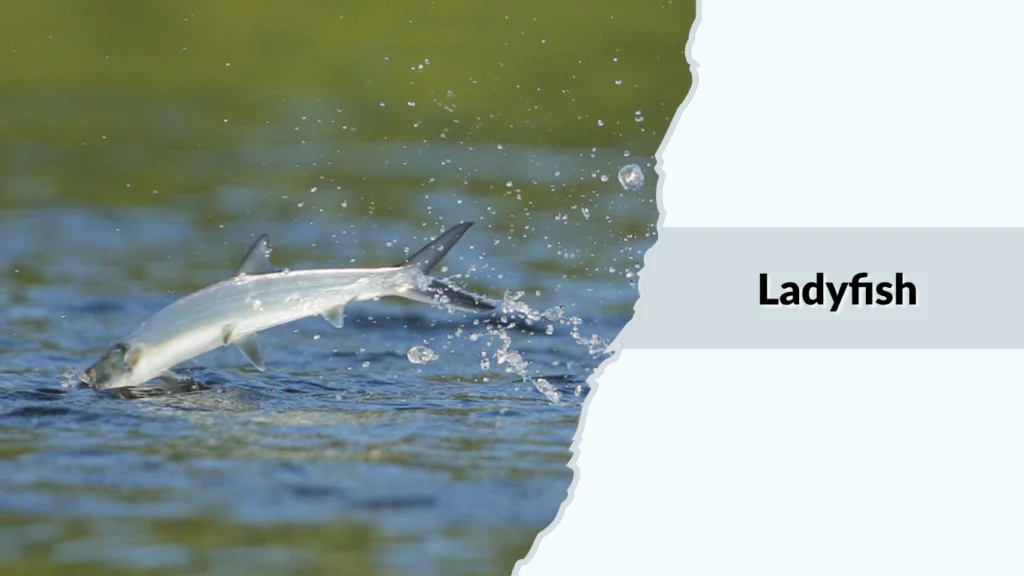
Ladyfish is a fast and energetic saltwater fish commonly found in Florida’s coastal waters. It is well known for its acrobatic jumps and strong fight when hooked. Although not highly valued for eating, it is popular among anglers for its sport and excitement.
Identification
- Slender, elongated body with a bright silver color
- Deeply forked tail for fast swimming
- Large eyes and a small, pointed head
- Fine, sharp teeth
- Single dorsal fin positioned mid-body
- Typically grows 12–30 inches
Habitat
Ladyfish are widely distributed in coastal waters, including estuaries, bays, beaches, and tidal creeks throughout Florida. They prefer warm, shallow waters and are often found near the surface. Juveniles are commonly seen in brackish areas such as river mouths and mangroves, while adults move between inshore and nearshore environments. They are frequently found in areas where baitfish are abundant, especially near inlets and along shorelines.
Behavior
Ladyfish are highly active and often travel in schools. They are known for their quick movements and frequent jumping, especially when hooked, making them exciting for anglers. These fish are most active during daylight hours and are often seen chasing baitfish near the surface. They tend to follow tides and currents in search of food.
Diet
Ladyfish are carnivorous and primarily feed on small fish and crustaceans. Their diet includes minnows, anchovies, shrimp, and other small prey. They use speed and agility to chase down prey in open water, often feeding near the surface.
Lifespan
Ladyfish typically live around 6–9 years. They grow relatively quickly and adapt well to different coastal environments, contributing to their wide distribution in Florida waters.
17. Tripletail
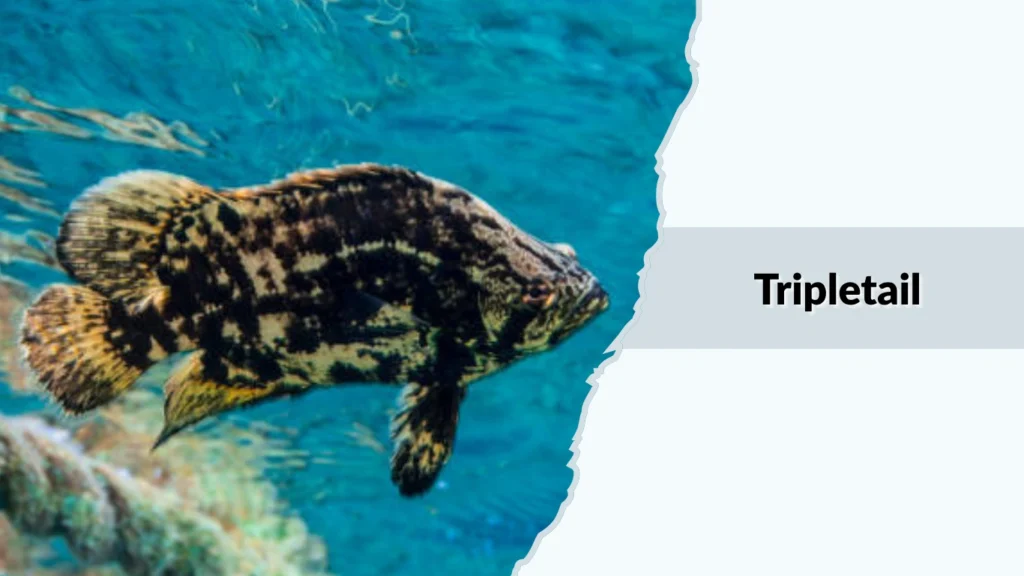
Tripletail is a unique saltwater fish found in Florida’s coastal waters, known for its unusual shape and behavior. It is highly valued for its excellent taste and is often spotted near the surface, floating like debris or leaves.
Identification
- Deep, rounded body with dark brown to black coloration
- Large, rounded dorsal and anal fins that resemble a third tail
- Broad head with a large mouth
- Mottled pattern for camouflage
- Can slightly change color to match surroundings
- Typically grows 15–30 inches, but can exceed 40 pounds
Habitat
Tripletails are commonly found in coastal and nearshore waters, especially around floating objects such as buoys, debris, crab trap floats, and weed lines. They prefer warm, calm waters and are often seen near the surface. Juveniles may inhabit estuaries and bays, while adults are more common in nearshore and offshore areas. Their habit of staying near floating structures provides both shelter and feeding opportunities in Florida waters.
Behavior
Tripletails are known for their unique behavior of floating on their side near the surface, mimicking leaves or floating debris. This helps them avoid predators and ambush prey. They are generally solitary and move slowly, conserving energy. When hooked, they are strong fighters despite their calm appearance. Their unusual behavior makes them easy to spot but sometimes difficult to approach.
Diet
Tripletails are carnivorous and feed on small fish, shrimp, and crabs. They are opportunistic feeders and often wait near floating objects for prey to pass by. Their feeding style is based on patience and ambush rather than chasing prey.
Lifespan
Tripletail can live around 7–10 years. Their growth depends on environmental conditions and food availability, with individuals in rich habitats growing faster and reaching larger sizes.
FAQs
What are the most popular saltwater fish in Florida?
Some of the most popular saltwater fish in Florida include Red Drum, Snook, Tarpon, Snapper, and Grouper. These species are widely targeted due to their strong fight, availability, and in some cases, excellent taste.
Which saltwater fish is best for beginners?
For beginners, species like Spotted Seatrout, Ladyfish, and Spanish Mackerel are easier to catch. They are abundant, actively feed, and are commonly found in accessible inshore waters, making them ideal for new anglers.
What is the best time to catch saltwater fish in Florida?
The best time is usually early morning and late evening when fish are more active. Seasonal changes also matter, as many species migrate based on water temperature. Warmer months generally provide better fishing opportunities.
Are Florida saltwater fish safe to eat?
Most saltwater fish in Florida are safe to eat, but it is important to follow local guidelines and advisories. Larger predatory fish may contain higher mercury levels, so moderation is recommended for certain species.
Where can you find saltwater fish in Florida?
Saltwater fish can be found in various locations such as beaches, bays, estuaries, reefs, and offshore waters. Inshore areas like mangroves and flats are ideal for smaller species, while larger fish are often found in deeper offshore environments.