
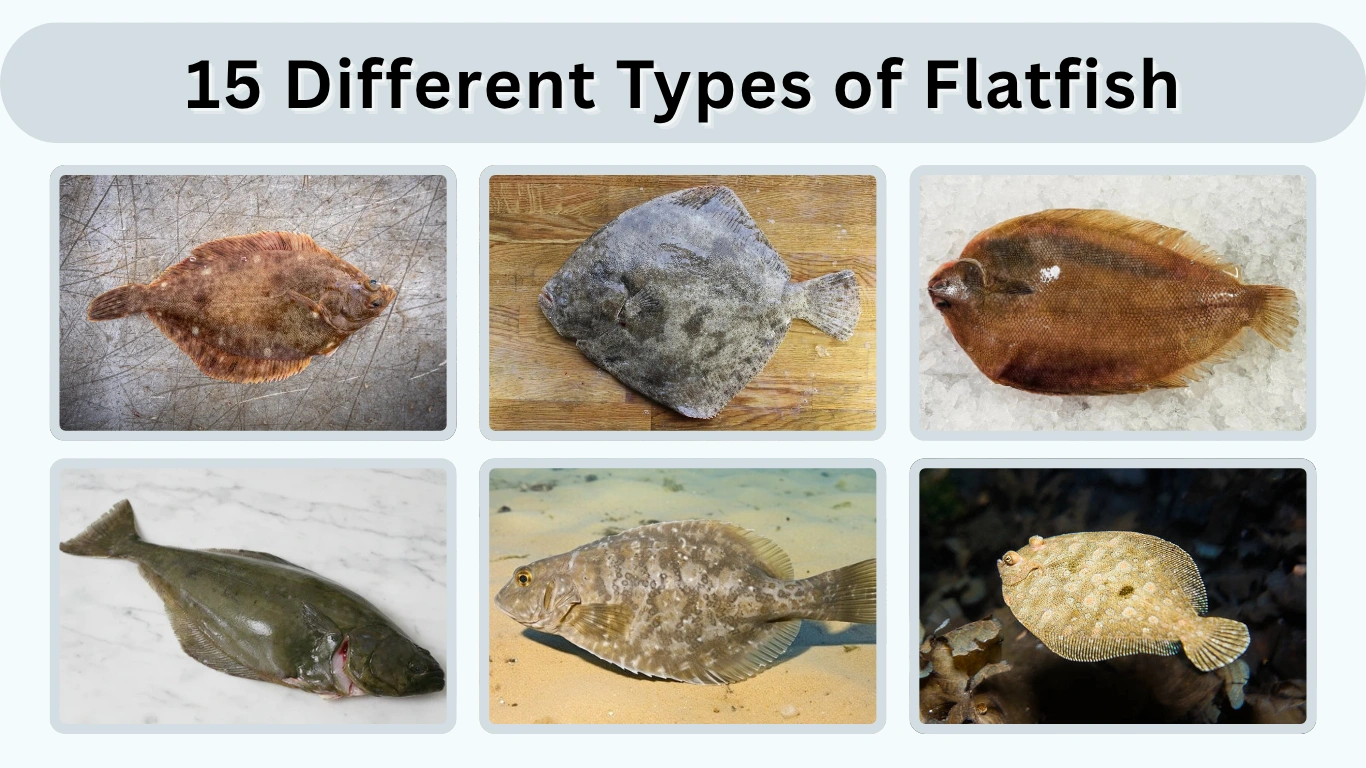
Flatfish are a fascinating group of marine species known for their unique body structure and bottom-dwelling lifestyle. With both eyes positioned on one side of their body, they are perfectly adapted to life on the ocean floor. These fish are found in coastal and offshore waters around the world, playing an important role in marine ecosystems. From flounders to halibut, flatfish come in various shapes, sizes, and patterns. In this guide, you will explore 15 different types of flatfish and learn what makes each one unique.
1. Flounder Fish
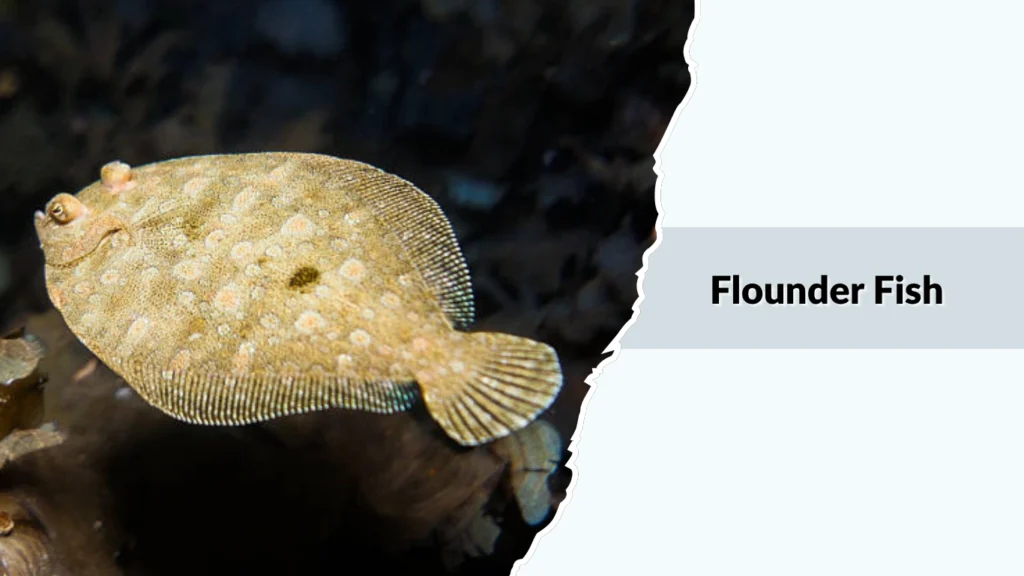
Flounder Fish is a well-known flatfish recognized for its unique body shape and remarkable adaptation to life on the ocean floor. Its flattened body and eye placement make it highly efficient at blending into its surroundings. This species is widely distributed in coastal waters and plays an important role in marine ecosystems as both predator and prey.
Identification
- Flat, oval-shaped body designed for bottom living
- Both eyes located on one side of the head
- Brown, gray, or mottled coloration for camouflage
- Ability to change color to match the seabed
- Small mouth with a slightly asymmetrical face
Habitat
Flounder Fish are typically found in coastal waters, including estuaries, bays, and nearshore areas. They prefer sandy or muddy bottoms where they can easily bury themselves for protection. While many species stay in shallow waters, some can move to deeper areas depending on temperature and food availability. Their habitat choice helps them remain hidden from predators and close to feeding grounds.
Behavior
Flounder Fish are mostly sedentary and spend much of their time lying flat on the seabed. They rely heavily on camouflage and can partially bury themselves in sand. When hunting, they remain still and strike quickly at passing prey. Their movement is usually slow, except during short bursts when escaping danger or capturing food.
Diet
Flounder Fish are carnivorous and feed on a variety of small marine organisms. Their diet includes small fish, shrimp, crabs, and worms. They are ambush predators, using their camouflage to remain undetected until prey comes close enough to catch.
2. Halibut Fish
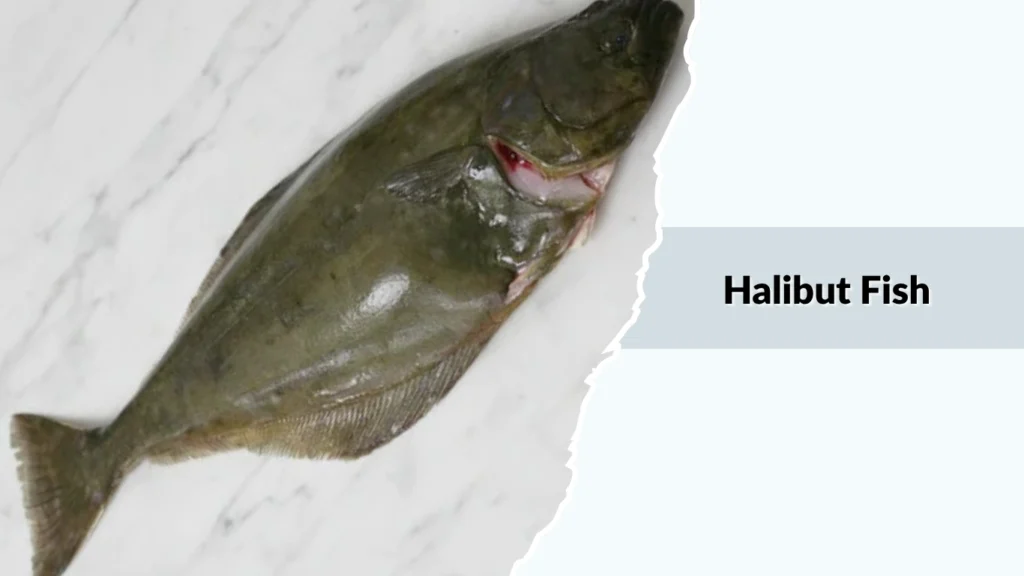
Halibut Fish is one of the largest flatfish species, known for its impressive size and strong swimming ability. Despite its flat body, it is more active than many other flatfish and can move quickly when needed. It is highly valued for its firm, white flesh and plays an important role in marine ecosystems.
Identification
- Large, diamond-shaped flat body
- Both eyes located on the right side in most species
- Dark brown or gray upper side with a lighter underside
- Strong, muscular body compared to other flatfish
- Can grow very large, often exceeding several feet in length
Habitat
Halibut Fish are found in cold marine waters, typically along continental shelves. They prefer depths ranging from shallow coastal areas to over 1000 meters. Juveniles are often found in shallower waters, while adults move to deeper regions. They are commonly associated with sandy, gravel, or muddy seabeds.
Behavior
Halibut Fish are more active than most flatfish and are capable of swimming long distances. They are often solitary and spend time both resting on the seabed and swimming in open water to hunt. Seasonal migration is common, especially for spawning and feeding.
Diet
Halibut Fish are carnivorous and feed on a wide range of prey. Their diet includes fish, squid, octopus, and crustaceans. They are aggressive predators and rely on both ambush and active hunting to capture food.
3. Sole Fish
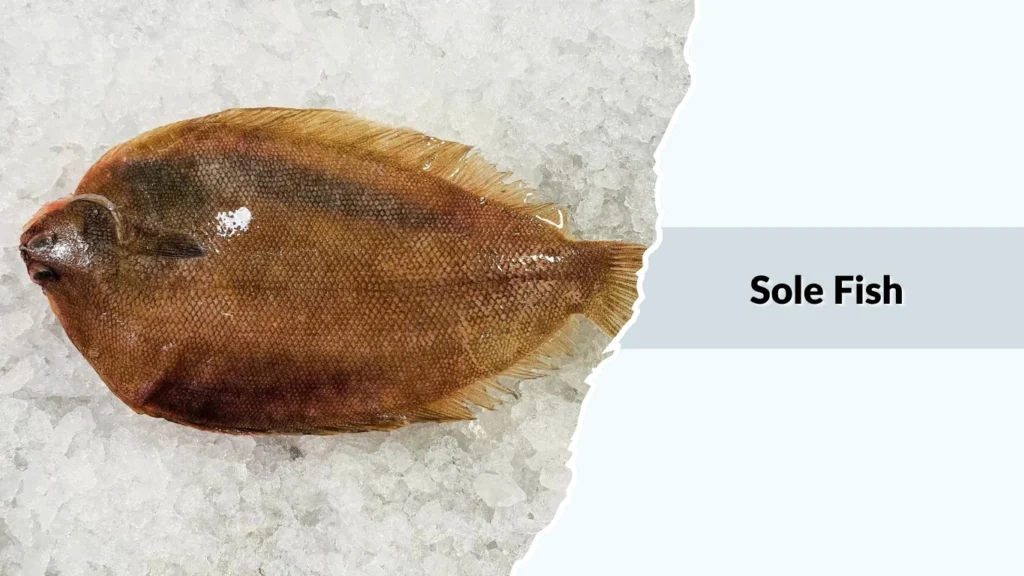
Sole Fish is a well-known flatfish admired for its delicate texture and subtle flavor. It has a slim, elongated body and is perfectly adapted for life on the seabed. This species is commonly found in coastal waters and is important both ecologically and commercially.
Identification
- Slender, oval to elongated flat body
- Both eyes located on the same side of the head
- Smooth, brown to gray coloration with a lighter underside
- Small mouth positioned slightly to one side
- Soft, fine-scaled skin with a delicate appearance
Habitat
Sole Fish are typically found in shallow coastal waters, including sandy or muddy seabeds. They often inhabit areas such as estuaries and continental shelves at depths ranging from a few meters to around 200 meters. These environments allow them to bury themselves easily and remain hidden from predators.
Behavior
Sole Fish are bottom-dwelling and spend most of their time resting on or slightly buried in the seabed. They are generally solitary and become more active at night when they search for food. Their slow and careful movements help them avoid detection.
Diet
Sole Fish are carnivorous and feed mainly on small invertebrates. Their diet includes worms, small crustaceans, and tiny mollusks. They use their sense of touch and smell to locate prey hidden in the sand.
4. Plaice Fish
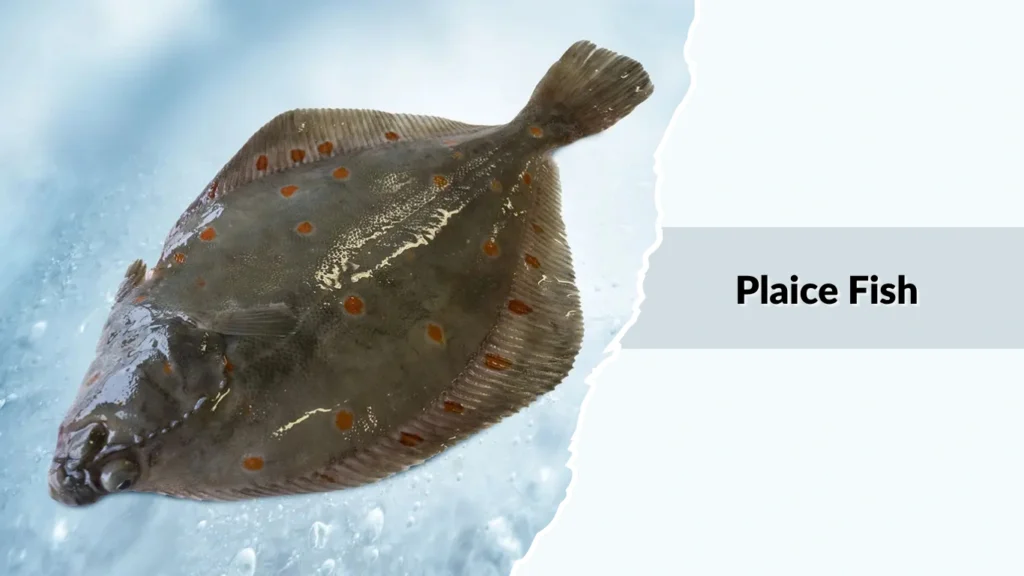
Plaice Fish is a well-known flatfish recognized for its distinctive orange spots and smooth, flat body. It is commonly found in European waters and is valued both for its ecological role and as a food fish. Its unique appearance makes it easy to identify among other flatfish species.
Identification
- Flat, oval-shaped body
- Brown to dark green upper side with bright orange spots
- Both eyes located on one side of the head
- Smooth skin with fine scales
- Medium size, typically growing up to 2 feet
Habitat
Plaice Fish are typically found in coastal waters, especially over sandy or muddy seabeds. They inhabit depths ranging from shallow areas to about 200 meters. Juveniles are often found closer to shore, while adults may move to deeper waters. These environments allow them to bury themselves for protection and hunting.
Behavior
Plaice Fish are bottom-dwelling and spend most of their time resting on the seabed. They are generally solitary but may gather in groups during spawning. Their ability to blend into the sand helps them avoid predators and ambush prey effectively.
Diet
Plaice Fish are carnivorous and feed mainly on bottom-dwelling organisms. Their diet includes worms, shellfish, small crustaceans, and tiny fish. They use their flattened body and camouflage to approach prey without being noticed.
5. Turbot Fish
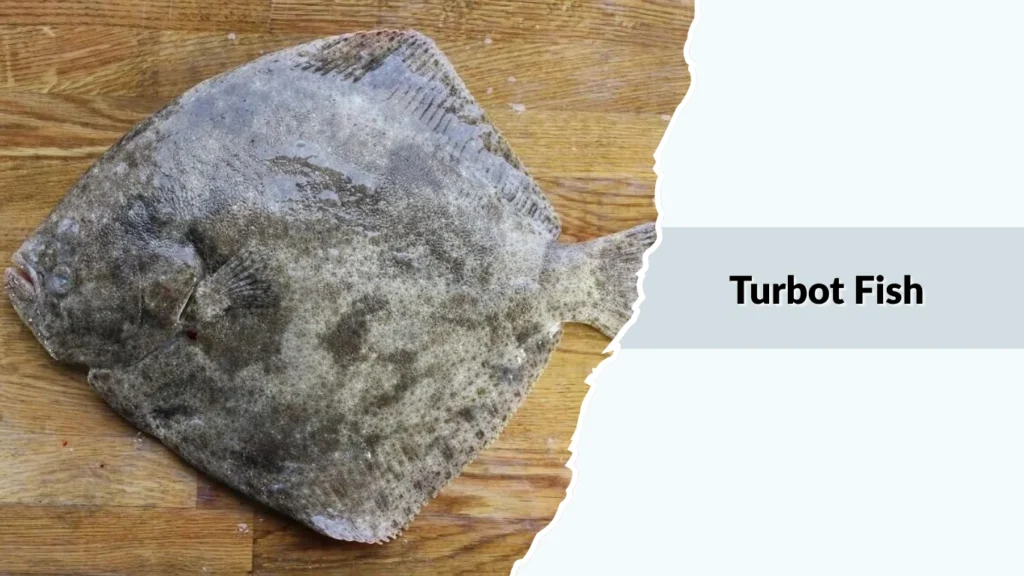
Turbot Fish is a premium flatfish known for its large size, firm flesh, and distinctive rounded body. It is highly valued in culinary markets and is commonly found in European waters. Its strong build and unique appearance set it apart from many other flatfish species.
Identification
- Large, almost circular flat body
- Dark brown to gray upper side with small bumps
- Both eyes located on the left side of the head
- Thick, muscular body compared to other flatfish
- Rough skin with tiny nodules
Habitat
Turbot Fish are typically found in coastal and offshore waters, especially over sandy, gravel, or mixed seabeds. They inhabit depths ranging from shallow waters to around 100 meters. This species prefers cooler temperatures and areas where it can easily blend into the bottom.
Behavior
Turbot Fish are bottom-dwelling and usually remain still on the seabed. They rely on camouflage to avoid predators and ambush prey. Although generally solitary, they may move to different areas for feeding or spawning.
Diet
Turbot Fish are carnivorous and feed mainly on fish and larger invertebrates. Their diet includes small fish, crustaceans, and mollusks. They are powerful predators that use quick movements to capture prey.
6. Brill Fish
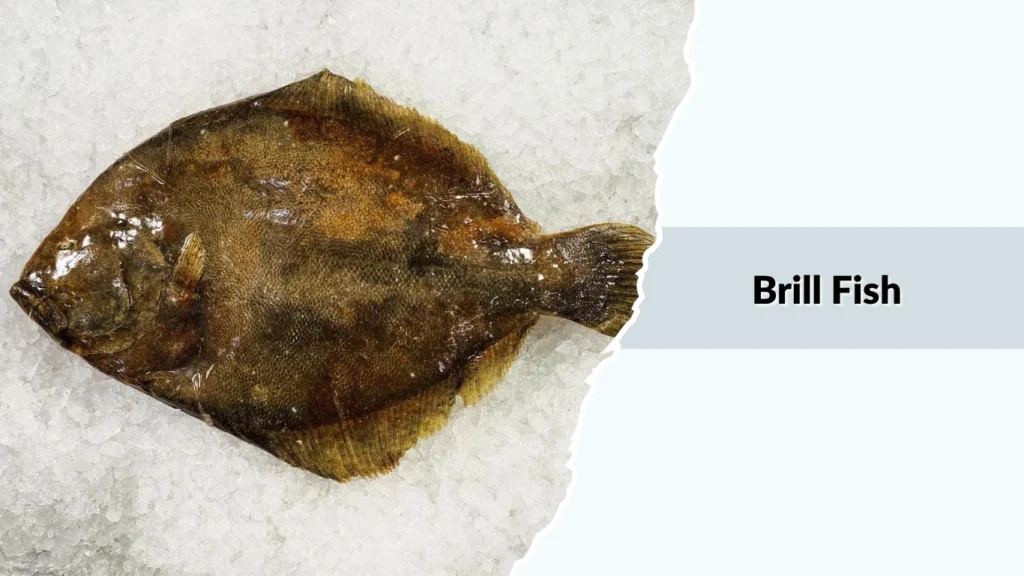
Brill Fish is a close relative of turbot and is known for its smooth body and elegant appearance. It is a valuable flatfish species found mainly in European waters and is appreciated for its delicate texture and mild flavor.
Identification
- Flat, diamond-shaped body
- Brown to sandy-colored upper side with lighter spots
- Both eyes located on the left side of the head
- Smooth skin without the rough bumps seen in turbot
- Slender and slightly less thick body compared to turbot
Habitat
Brill Fish are commonly found in coastal and offshore waters, especially over sandy or muddy seabeds. They usually inhabit depths from shallow areas to around 100 meters. This species prefers clean, well-oxygenated water and environments where it can easily blend into the seabed.
Behavior
Brill Fish are bottom-dwelling and spend most of their time resting on the seabed. They rely on camouflage to avoid predators and ambush prey. They are generally solitary but may move to different areas for feeding or seasonal spawning.
Diet
Brill Fish are carnivorous and feed on a variety of marine organisms. Their diet includes small fish, crustaceans, and worms. They use their camouflage and quick movements to catch prey efficiently.
7. Dab Fish
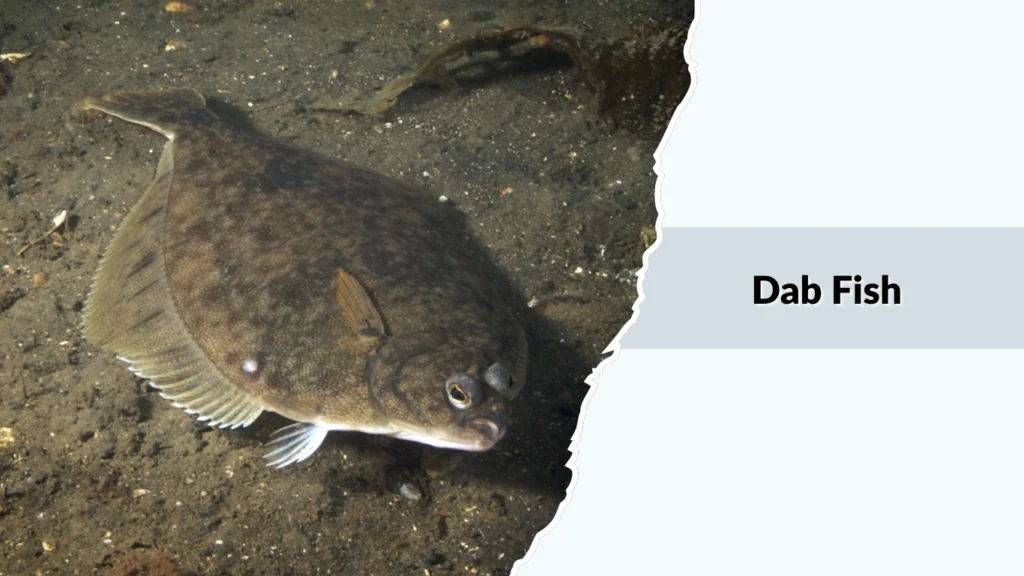
Dab Fish is a small flatfish commonly found in the northeastern Atlantic. It is known for its round body shape and smooth texture. Although not as commercially valuable as larger flatfish, it plays an important role in marine ecosystems.
Identification
- Small, rounded flat body
- Light brown to sandy coloration with darker speckles
- Both eyes located on the right side of the head
- Smooth skin with fine scales
- Typically smaller, usually under 1 foot in length
Habitat
Dab Fish are commonly found in coastal waters over sandy or muddy seabeds. They usually inhabit depths ranging from shallow areas to around 150 meters. This species prefers cooler waters and is often abundant in continental shelf regions.
Behavior
Dab Fish are bottom-dwelling and spend most of their time lying on the seabed. They rely on camouflage to avoid predators and often remain still unless disturbed. They may form loose groups but are generally not highly social.
Diet
Dab Fish are carnivorous and feed mainly on small bottom-dwelling organisms. Their diet includes worms, small crustaceans, and tiny mollusks. They use their senses to locate prey hidden in the sediment.
8. Lemon Sole Fish
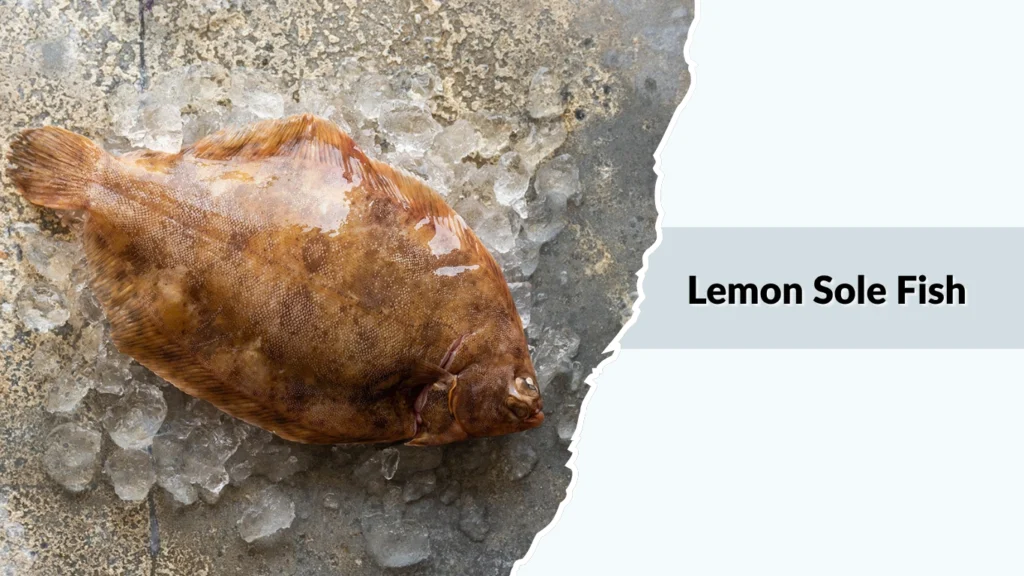
Lemon Sole Fish is a popular flatfish known for its delicate flavor and attractive appearance. Despite its name, it is not a true soul but belongs to the flounder family. It is widely found in European waters and is valued both commercially and ecologically.
Identification
- Oval-shaped flat body with smooth texture
- Light brown to yellowish coloration with subtle markings
- Both eyes located on the right side of the head
- Small head with a slightly pointed snout
- Fine scales giving a soft appearance
Habitat
Lemon Sole Fish are typically found in coastal waters over sandy or gravel seabeds. They inhabit depths ranging from shallow areas to around 200 meters. This species prefers cooler waters and environments where it can easily blend into the seabed for protection.
Behavior
Lemon Sole Fish are bottom-dwelling and usually remain still on the seabed. They rely heavily on camouflage to avoid predators and ambush prey. They are generally solitary but may move during spawning or feeding periods.
Diet
Lemon Sole Fish are carnivorous and feed mainly on small marine organisms. Their diet includes worms, crustaceans, and small mollusks. They locate prey using their senses and capture it with quick, precise movements.
9. Witch Flounder Fish
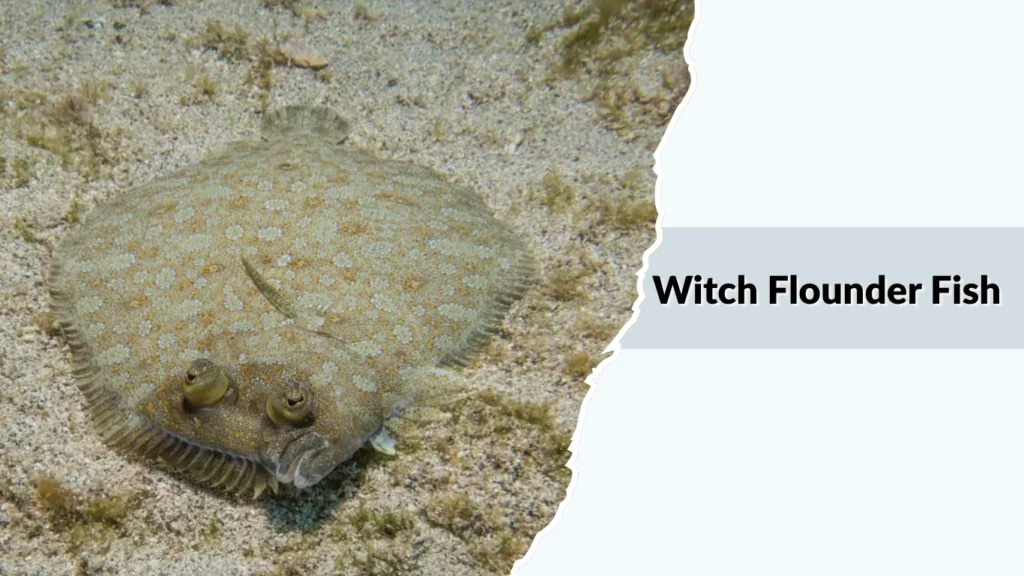
Witch Flounder Fish is a deep-water flatfish known for its thin body and elongated shape. It is commonly found in the North Atlantic and is recognized for its smooth texture and subtle coloration. This species is important in both marine ecosystems and fisheries.
Identification
- Thin, elongated flat body
- Light brown to gray coloration with a slightly darker upper side
- Both eyes located on the left side of the head
- Smooth skin with fine scales
- Slender appearance compared to other flounders
Habitat
Witch Flounder Fish are typically found in deeper offshore waters, often at depths ranging from 100 to over 1000 meters. They prefer cold environments and are usually associated with muddy or soft seabeds where they can rest and hide.
Behavior
Witch Flounder Fish are bottom-dwelling and generally solitary. They spend most of their time lying on the seabed and rely on camouflage to avoid predators. Their movements are slow, with occasional activity when feeding.
Diet
Witch Flounder Fish are carnivorous and feed on small marine organisms. Their diet includes worms, crustaceans, and small fish. They use their senses to detect prey in the sediment and capture it with quick movements.
10. Sand Dab Fish
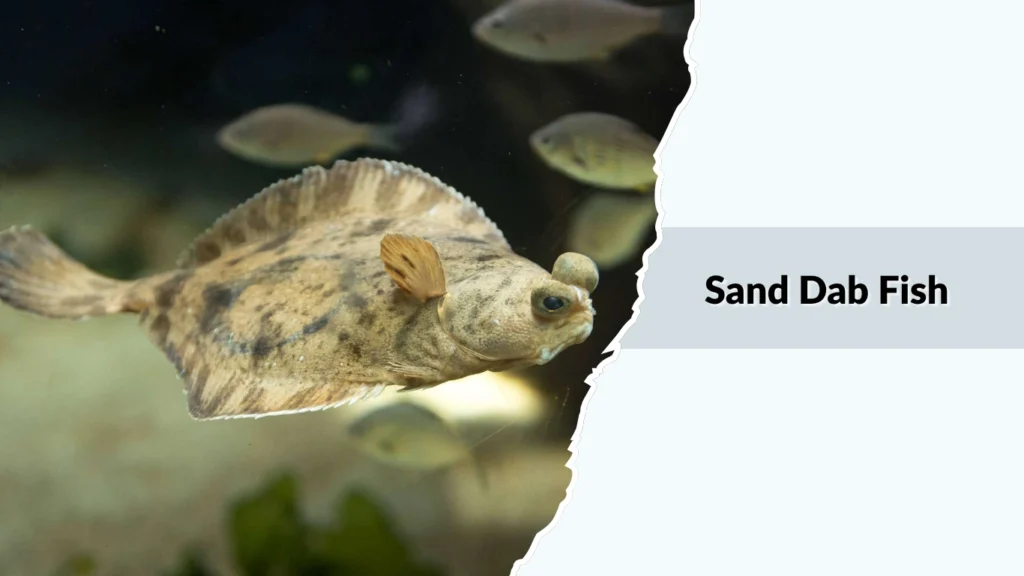
Sand Dab Fish is a small flatfish commonly found along coastal regions, especially in sandy-bottom habitats. It is known for its compact size and excellent ability to blend into its surroundings. This species plays an important role in nearshore ecosystems.
Identification
- Small, oval-shaped flat body
- Light brown to sandy coloration with darker speckles
- Both eyes located on one side of the head
- Smooth skin with fine scales
- Typically grows under 1 foot in length
Habitat
Sand Dab Fish are typically found in shallow coastal waters, especially over sandy seabeds. They inhabit depths ranging from just a few meters to around 150 meters. These environments allow them to bury themselves easily and stay hidden from predators.
Behavior
Sand Dab Fish are bottom-dwelling and spend most of their time resting or partially buried in sand. They are generally solitary but may gather in loose groups. Their camouflage helps them avoid predators and ambush prey effectively.
Diet
Sand Dab Fish are carnivorous and feed mainly on small bottom-dwelling organisms. Their diet includes worms, small crustaceans, and tiny fish. They rely on stealth and quick movements to capture prey.
11. Arrowtooth Flounder Fish
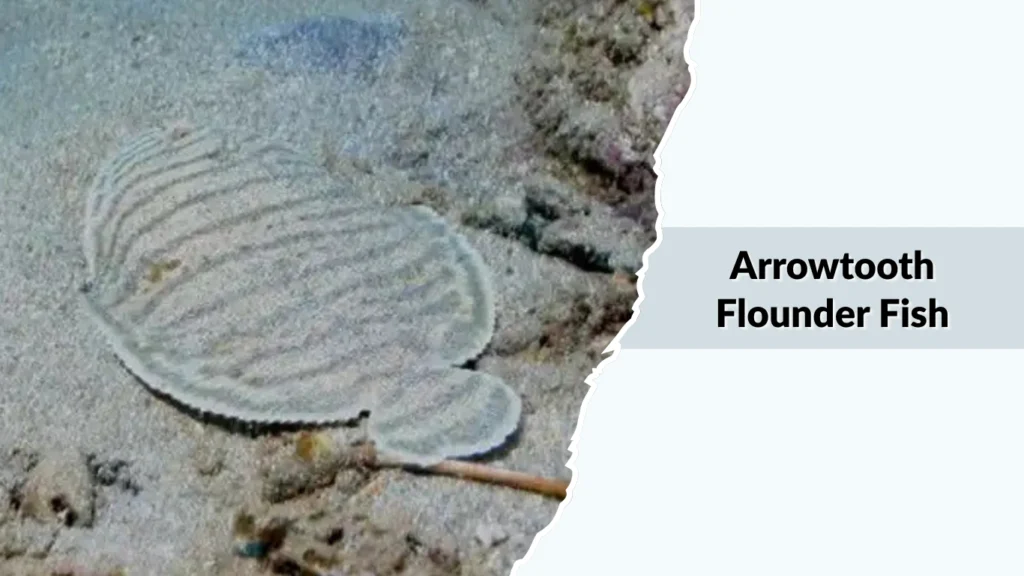
Arrowtooth Flounder Fish is a large flatfish species known for its sharp teeth and slender body. It is commonly found in the North Pacific and is recognized for its active hunting behavior compared to many other flatfish.
Identification
- Elongated, flat body with a slightly pointed shape
- Brown to olive coloration with subtle patterns
- Both eyes located on the left side of the head
- Large mouth with sharp, arrow-like teeth
- Smooth skin with fine scales
Habitat
Arrowtooth Flounder Fish are typically found in coastal and offshore waters, often at depths ranging from 50 to over 1000 meters. They prefer cold marine environments and are commonly associated with sandy or muddy seabeds.
Behavior
Arrowtooth Flounder Fish are more active than many flatfish species. They can swim off the seabed to hunt and are often solitary. Their movements depend on feeding opportunities and seasonal changes.
Diet
Arrowtooth Flounder Fish are carnivorous and feed mainly on fish and invertebrates. Their diet includes smaller fish, squid, and crustaceans. They use their speed and sharp teeth to capture prey efficiently.
12. Rock Sole Fish
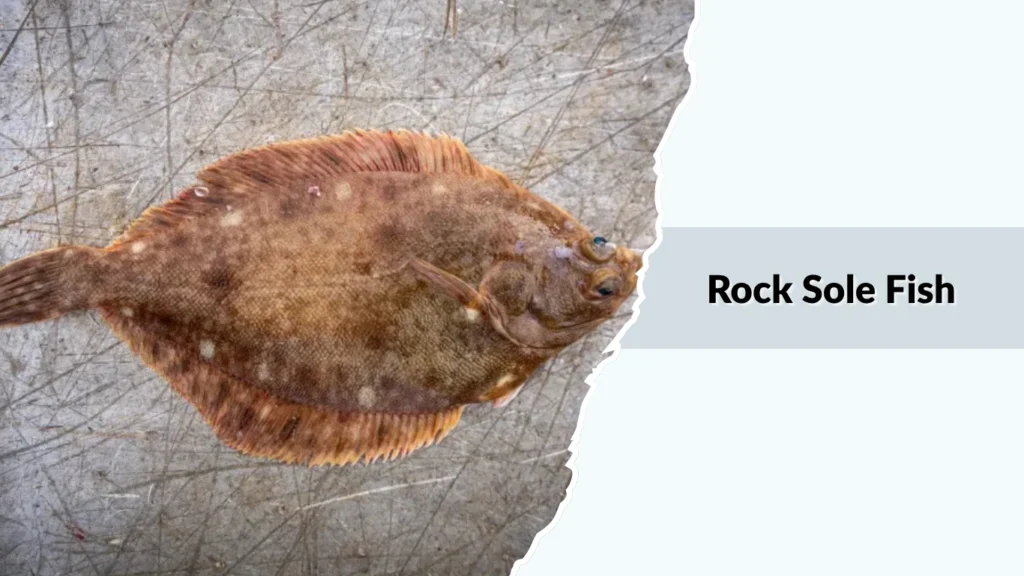
Rock Sole Fish is a bottom-dwelling flatfish commonly found in the North Pacific. It is known for its strong adaptability to different seabed types and its importance in commercial fisheries. This species is well suited to life close to the ocean floor.
Identification
- Oval, flat body with a slightly rough texture
- Brown to olive coloration with darker blotches
- Both eyes located on one side of the head
- Small mouth with a slightly curved shape
- Fine scales covering the body
Habitat
Rock Sole Fish are typically found in coastal and offshore waters, especially over sandy, muddy, or rocky seabeds. They inhabit depths ranging from shallow areas to about 300 meters. This species prefers cooler marine environments where it can easily blend into the bottom.
Behavior
Rock Sole Fish are bottom-dwelling and spend most of their time resting on the seabed. They rely on camouflage to avoid predators and often remain still unless feeding. They are generally solitary but may be found in small groups.
Diet
Rock Sole Fish are carnivorous and feed mainly on small marine organisms. Their diet includes worms, crustaceans, and small mollusks. They search for prey within the sediment and use quick movements to capture it.
13. English Sole Fish
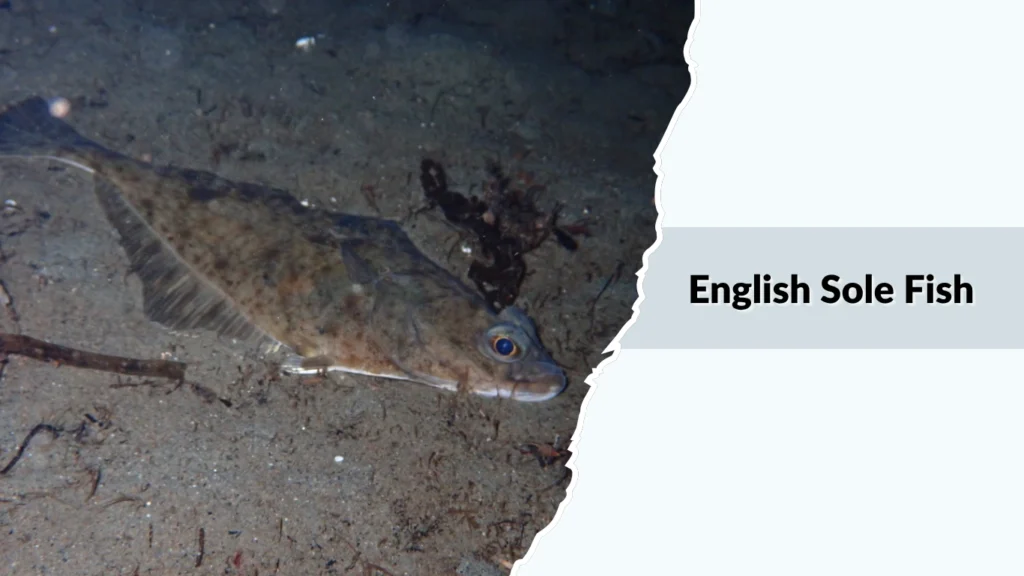
English Sole Fish is a slender flatfish commonly found along the Pacific coast of North America. It is known for its smooth texture, mild flavor, and adaptability to coastal environments. This species is important both ecologically and in regional fisheries.
Identification
- Slender, elongated flat body
- Brown to reddish-brown coloration with fine speckles
- Both eyes located on the right side of the head
- Small mouth with a slightly curved shape
- Smooth skin with fine scales
Habitat
English Sole Fish are typically found in coastal waters, especially over sandy or muddy seabeds. They inhabit shallow areas such as bays and estuaries, as well as deeper waters up to around 500 meters. This species prefers calm environments where it can easily bury itself for protection.
Behavior
English Sole Fish are bottom-dwelling and spend most of their time resting or partially buried in the seabed. They are generally solitary and become more active during feeding periods. Their camouflage helps them avoid predators and ambush prey effectively.
Diet
English Sole Fish are carnivorous and feed mainly on small bottom-dwelling organisms. Their diet includes worms, crustaceans, and small mollusks. They locate prey within the sediment and capture it with quick, precise movements.
14. Starry Flounder Fish
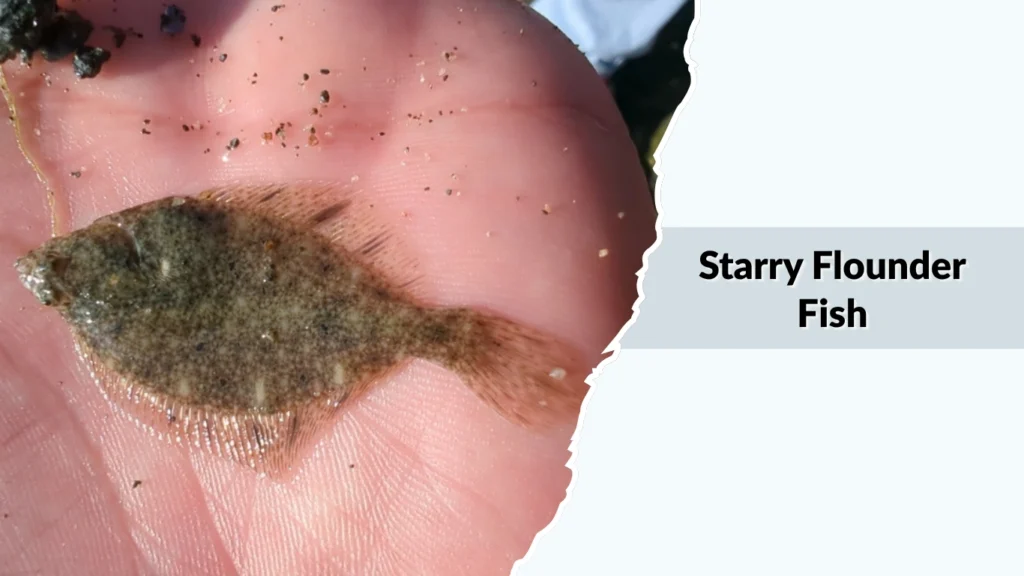
Starry Flounder Fish is a distinctive flatfish known for its rough texture and star-like bony plates on its body. It is commonly found in coastal waters and can tolerate a wide range of environments, including brackish and even freshwater areas.
Identification
- Rough body with star-like bony plates (scutes)
- Dark brown to black coloration with lighter spots
- Both eyes located on one side, but can vary sides
- Striped dorsal and anal fins
- Thick, oval-shaped flat body
Habitat
Starry Flounder Fish are typically found in coastal waters, estuaries, and river mouths. They can tolerate both saltwater and freshwater conditions, making them highly adaptable. They usually inhabit shallow areas but may move to deeper waters depending on seasonal changes.
Behavior
Starry Flounder Fish are bottom-dwelling and often rest on the seabed. They are known for their adaptability and can survive in varying salinity levels. They may move between habitats for feeding or spawning and are generally solitary.
Diet
Starry Flounder Fish are carnivorous and feed on a variety of small organisms. Their diet includes worms, crustaceans, mollusks, and small fish. They rely on camouflage and quick strikes to capture prey.
15. Windowpane Flounder Fish
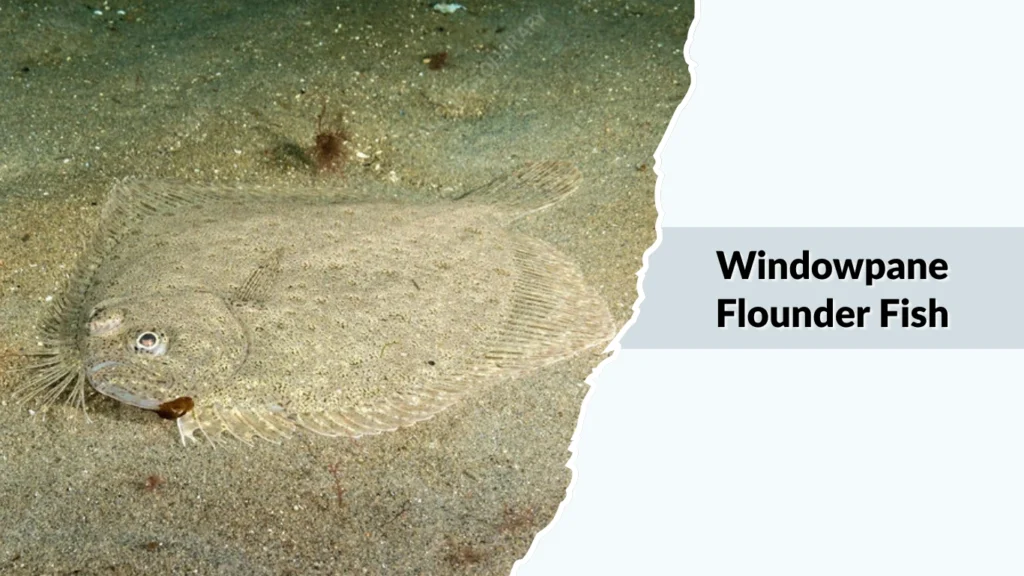
Windowpane Flounder Fish is a delicate and thin flatfish known for its almost transparent appearance, especially in younger individuals. It is commonly found along the western Atlantic coast and is recognized for its fragile body and light coloration.
Identification
- Extremely thin, almost transparent flat body
- Light brown to pale coloration with subtle patterns
- Both eyes located on one side of the head
- Fragile, soft body structure
- Rounded shape with smooth edges
Habitat
Windowpane Flounder Fish are typically found in coastal waters over sandy or muddy seabeds. They inhabit shallow areas such as bays and nearshore zones, usually at depths up to 100 meters. These environments allow them to remain hidden and protected.
Behavior
Windowpane Flounder Fish are bottom-dwelling and spend most of their time lying flat on the seabed. They rely on their thin body and light coloration for camouflage. They are generally solitary and move slowly unless disturbed.
Diet
Windowpane Flounder Fish are carnivorous and feed on small marine organisms. Their diet includes tiny fish, shrimp, and worms. They use stealth and quick movements to capture prey when it comes within reach.
FAQs
What are flatfish?
Flatfish are a group of fish with flattened bodies and both eyes located on one side of the head. This unique feature allows them to live on the ocean floor, where they use camouflage to blend into their surroundings and avoid predators.
Where are flatfish commonly found?
Flatfish are usually found in coastal and offshore marine waters around the world. They prefer sandy or muddy seabeds where they can easily bury themselves. Some species can also live in brackish or freshwater environments.
What do flatfish eat?
Flatfish are carnivorous and mainly feed on small fish, crustaceans, worms, and other bottom-dwelling organisms. They are ambush predators, relying on camouflage and quick movements to capture prey.
Are flatfish good for aquariums?
Most flatfish are not suitable for home aquariums because they require large tanks, specific water conditions, and a natural seabed environment. They are better suited to marine exhibits or natural ocean habitats.
Why do flatfish have both eyes on one side?
Flatfish are born with eyes on both sides of their head, but as they grow, one eye migrates to the other side. This adaptation helps them lie flat on the seabed while still being able to see above them for food and predators.