
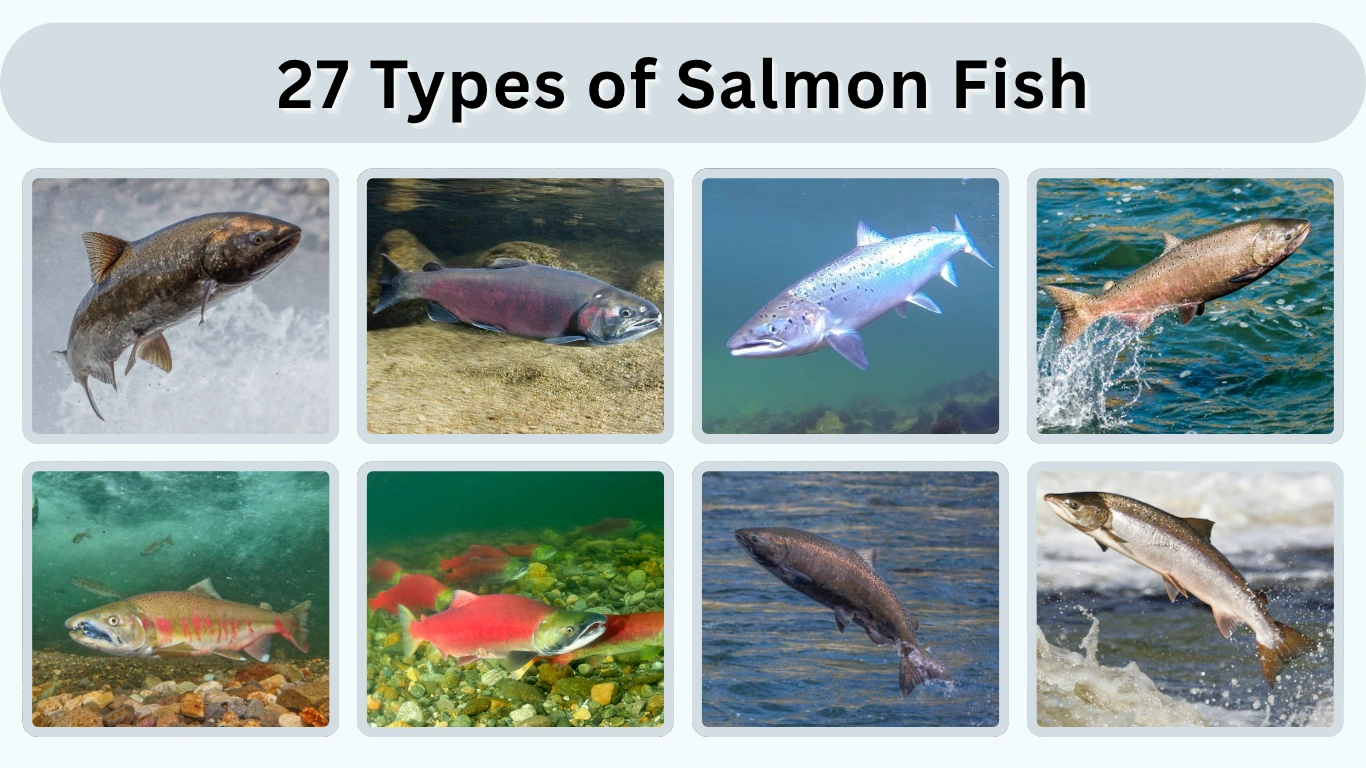
Salmon are among the most popular and widely recognized fish in the world, valued for their taste, nutrition, and ecological importance. Found mainly in the Pacific and Atlantic regions, these fish are known for their unique life cycle, migrating between freshwater and the ocean. There are many types of salmon, each with distinct features, habitats, and behaviors. In this guide, you will discover 27 types of salmon with their common names and key characteristics, helping you understand their differences and importance in both nature and fisheries.
1. Chinook Salmon
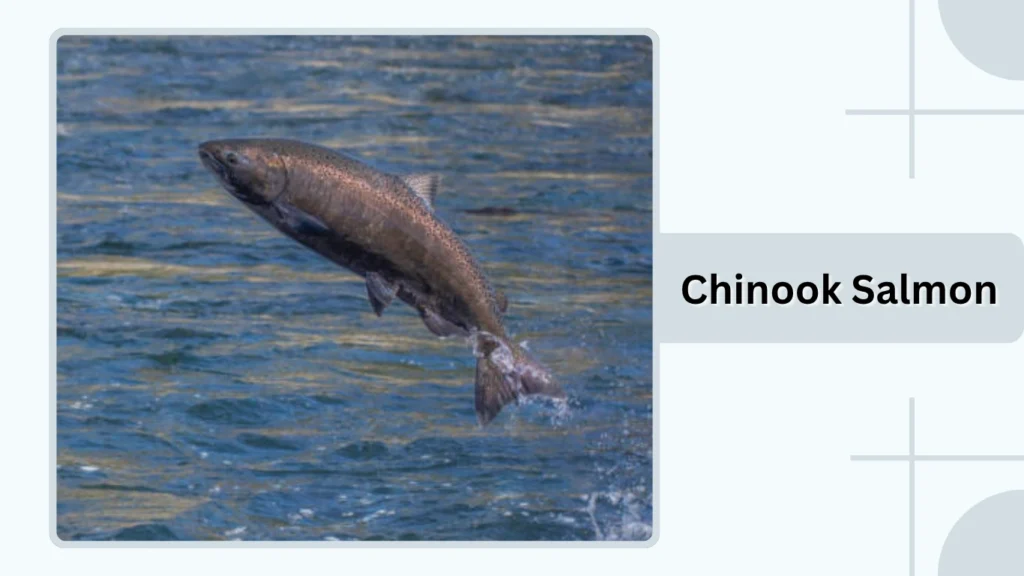
Chinook salmon is the largest and most valued salmon species, famous for its rich taste and high fat content. It is often called the “king” of salmon due to its size and importance in commercial and recreational fishing. This species is widely distributed across the Pacific Ocean and nearby river systems, making it one of the most recognized salmon types in the world.
Identification
- Large and robust body, often the biggest among salmon
- Blue-green back with shiny silver sides and white underside
- Small black spots on the back, dorsal fin, and tail
- Dark or black gums inside the mouth
Habitat
Chinook salmon live most of their adult life in the Pacific Ocean but return to freshwater rivers and streams to spawn. They are commonly found along the western coasts of North America and parts of Asia. Clean, cold, and fast-flowing rivers are essential for their breeding, as these environments provide oxygen-rich water needed for egg development.
Diet
Chinook salmon are active predators that feed on a variety of marine organisms. Their diet mainly includes smaller fish such as herring and anchovies, along with squid and crustaceans. In their juvenile stage, they consume plankton and aquatic insects. As they grow, their diet shifts toward larger prey, helping them gain the energy needed for long migrations.
Behavior
Chinook salmon are known for their anadromous life cycle, meaning they migrate from the ocean to freshwater to reproduce. They are strong swimmers and can travel long distances upstream against powerful currents. After spawning, most adults die, completing their life cycle and contributing nutrients back into the ecosystem.
Lifespan
The typical lifespan of Chinook salmon ranges from 3 to 7 years. Growth rate and survival depend on environmental factors such as food availability, water temperature, and migration challenges. Some individuals may live slightly longer, but most complete their life cycle within this time frame, returning once to spawn before dying.
2. Coho Salmon
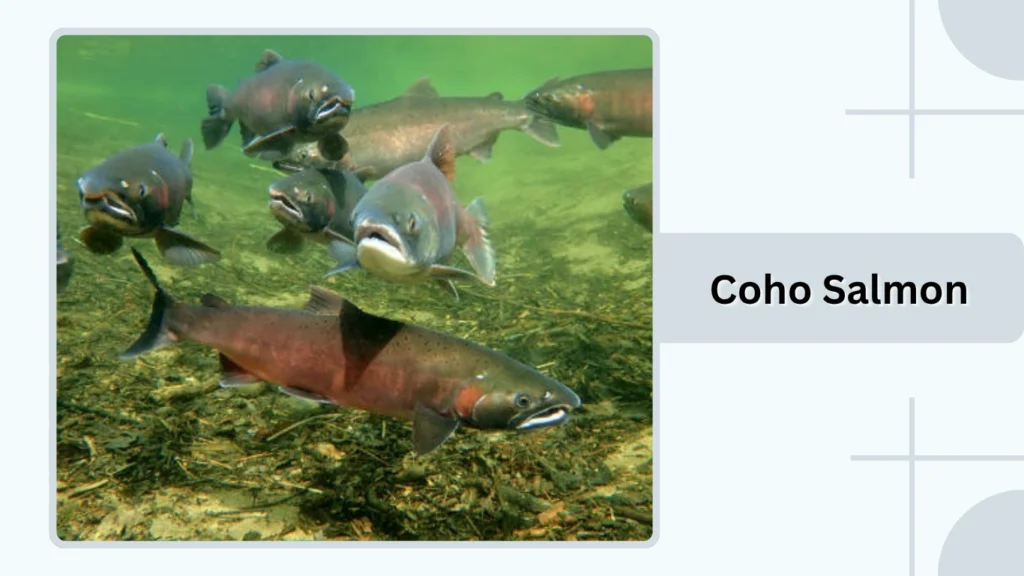
Coho salmon is a popular and widely recognized species known for its bright color and firm, flavorful meat. It is smaller than Chinook but still highly valued in both commercial fisheries and recreational angling. Coho salmon are commonly found in the Pacific Ocean and nearby freshwater systems, especially along North America’s western coastline.
Identification
- Medium-sized body with a streamlined shape
- Metallic blue or green back with silver sides
- Small black spots on the upper back and tail
- White gums with a black line along the jaw
Habitat
Coho salmon spend most of their adult life in the Pacific Ocean but return to freshwater rivers and streams to spawn. They are commonly found along the coasts of Alaska, Canada, and the northwestern United States. They prefer smaller streams with gravel bottoms for spawning and juvenile development.
Diet
Coho salmon feed on a mix of aquatic organisms throughout their life. Juveniles mainly consume insects and plankton in freshwater. As adults in the ocean, they shift to a diet of small fish, squid, and crustaceans, which supports their growth and energy needs for migration.
Behavior
Coho salmon are anadromous and migrate from the ocean to freshwater to reproduce. They are known for their aggressive behavior, especially during spawning season. Males develop hooked jaws and become more territorial. After spawning, most adults die, completing their natural life cycle.
Lifespan
The lifespan of Coho salmon is typically around 3 to 5 years. They spend about one to two years in freshwater before moving to the ocean, where they grow rapidly. After returning to spawn, they usually die shortly afterward, like most Pacific salmon species.
3. Sockeye Salmon
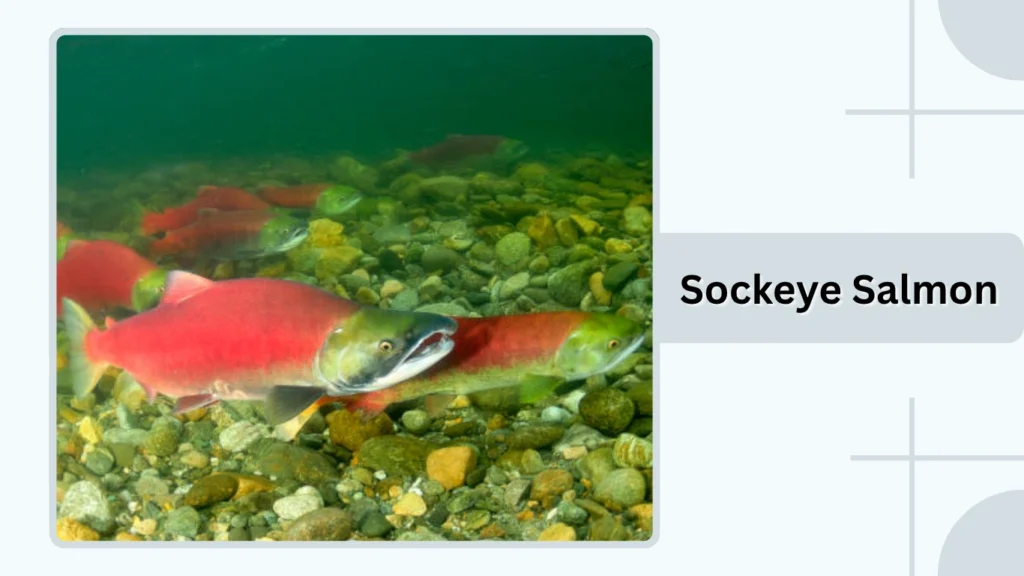
Sockeye salmon is well known for its deep red flesh and strong, rich flavor. It is one of the most commercially important salmon species and is highly valued for both fresh and canned products. This species is commonly found in the North Pacific Ocean and is especially famous for its dramatic color change during spawning.
Identification
- Medium-sized, slender body
- Blue-green back with silver sides in the ocean
- Turns bright red with a green head during spawning
- No large spots on the tail like some other salmon
Habitat
Sockeye salmon live in the North Pacific Ocean but return to freshwater lakes and rivers to spawn. Unlike many salmon, they prefer lake systems connected to rivers for breeding. They are widely found in Alaska, western Canada, and parts of Asia, where cold, clean water supports their life cycle.
Diet
Sockeye salmon have a unique diet compared to other salmon species. They primarily feed on plankton, especially zooplankton, throughout much of their life. This diet contributes to their vibrant red flesh color. Juveniles also consume small aquatic insects before transitioning fully to plankton in larger bodies of water.
Behavior
Sockeye salmon are anadromous and known for their strong homing instinct, returning to the exact freshwater location where they were born. During spawning, they undergo a striking color transformation. Like other Pacific salmon, they stop feeding during migration and die shortly after spawning.
Lifespan
The typical lifespan of Sockeye salmon ranges from 4 to 6 years. They usually spend one to three years in freshwater lakes before migrating to the ocean. After growing and maturing in the ocean, they return once to spawn, completing their life cycle.
4. Pink Salmon
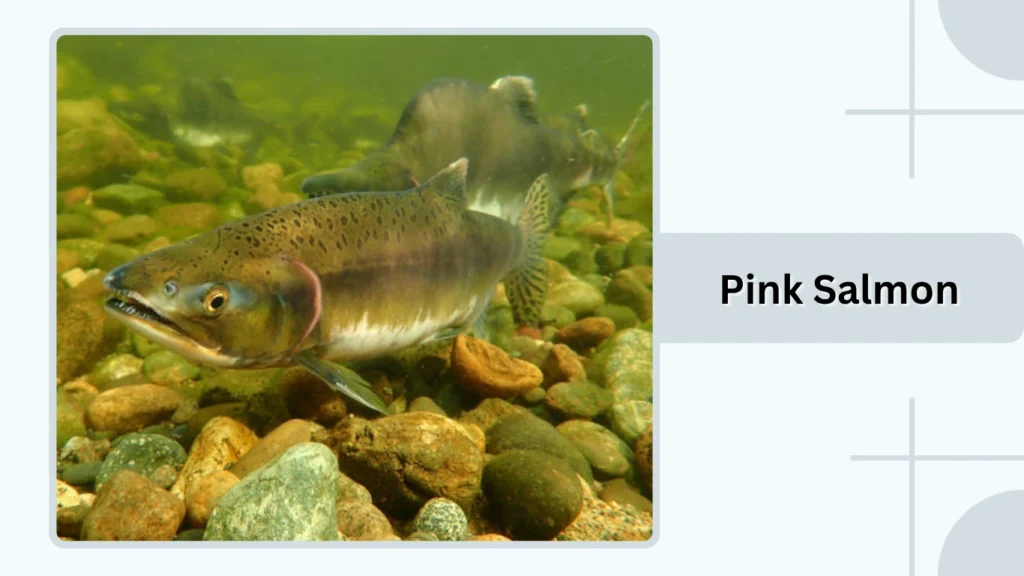
Pink salmon is the smallest and most abundant species of Pacific salmon. It is widely known for its light-colored flesh and mild flavor, making it popular in canned and processed products. Due to its large population and short life cycle, pink salmon plays a significant role in commercial fisheries across the North Pacific region.
Identification
- Small size compared to other salmon species
- Blue-green back with bright silver sides
- Large oval black spots on the back and tail
- Develops a noticeable hump on the back during spawning (males)
Habitat
Pink salmon are found throughout the North Pacific Ocean and nearby coastal rivers. They prefer cold marine waters and return to freshwater streams for spawning. Unlike other salmon, they often spawn in shorter rivers close to the ocean, reducing the distance they need to travel.
Diet
Pink salmon primarily feed on plankton, small crustaceans, and tiny fish. Their diet is relatively simple compared to larger salmon species. Juveniles feed on microscopic organisms, while adults consume a mix of small marine life that supports their rapid growth during their short lifespan.
Behavior
Pink salmon are anadromous and have a strict two-year life cycle. They migrate from the ocean to freshwater to spawn and are known for their synchronized breeding patterns. Males develop a distinct hump and become more aggressive during spawning. Like other Pacific salmon, they die soon after reproduction.
Lifespan
The lifespan of pink salmon is typically about 2 years, the shortest among salmon species. They hatch, migrate to the ocean, grow quickly, and return to spawn within this fixed cycle. This predictable life pattern helps maintain their large population numbers.
5. Chum Salmon
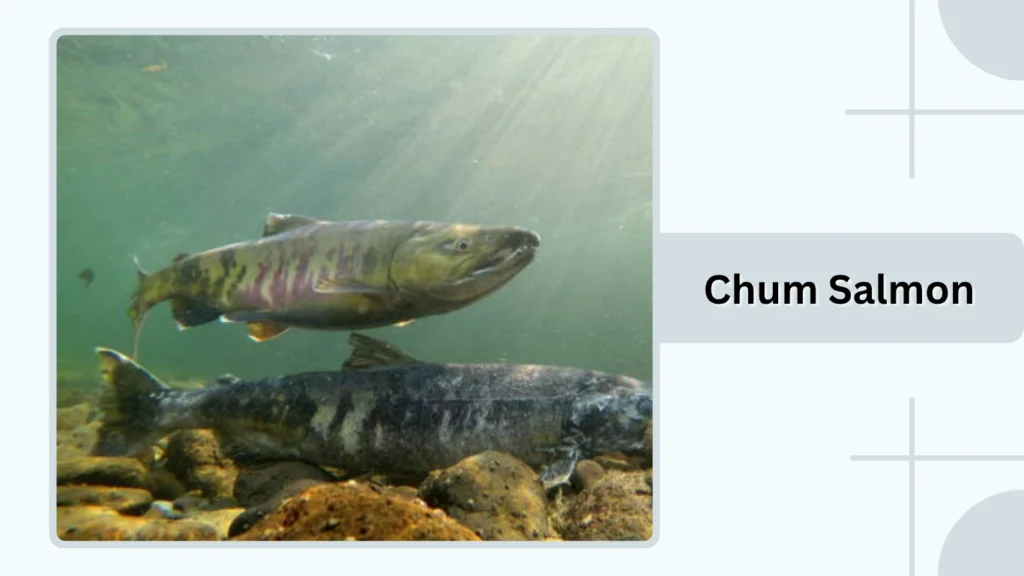
Chum salmon is a widely distributed Pacific species known for its firm flesh and importance in commercial fishing. It is sometimes called “dog salmon” due to its large teeth during spawning. While not as rich in flavor as some other salmon, it is highly valued for its roe and is commonly used in processed seafood products.
Identification
- Medium to large body with a slender shape
- Metallic greenish-blue back with silver sides in the ocean
- Faint vertical bars appear on the body during spawning
- Large, visible teeth, especially in males
Habitat
Chum salmon are found throughout the North Pacific Ocean and migrate to freshwater rivers and streams to spawn. They tend to spawn closer to river mouths compared to other salmon species. They are commonly found along the coasts of Alaska, Canada, and parts of Asia.
Diet
Chum salmon feed on plankton, insects, and small crustaceans during their early life stages. As adults in the ocean, they consume a variety of small fish, jellyfish, and other marine organisms. Their diet helps them build energy reserves needed for their spawning migration.
Behavior
Chum salmon are anadromous and return to freshwater to reproduce. They are less likely to travel long distances upstream compared to other salmon species. During spawning, males develop stronger features and compete for mates. Like other Pacific salmon, they stop feeding and die after spawning.
Lifespan
The typical lifespan of chum salmon ranges from 3 to 5 years. They spend a short time in freshwater before migrating to the ocean, where they grow and mature. After returning to spawn once, they complete their life cycle and die.
6. Atlantic Salmon
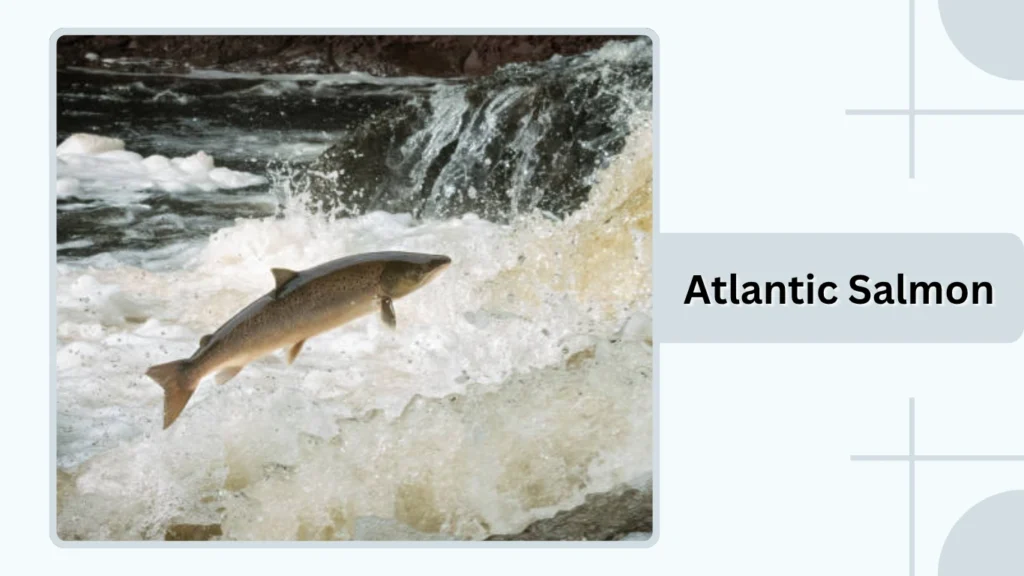
Atlantic salmon is one of the most well-known salmon species, especially in aquaculture and global seafood markets. Unlike Pacific salmon, it can survive spawning and may return to the ocean afterward. It is prized for its mild flavor and tender texture and is commonly farmed in many parts of the world.
Identification
- Medium to large streamlined body
- Silvery sides with a dark bluish-green back
- Few or no black spots on the tail
- Lighter-colored gums compared to Pacific salmon
Habitat
Atlantic salmon are native to the North Atlantic Ocean and surrounding rivers in North America and Europe. They spend most of their adult life at sea but return to freshwater rivers to spawn. Clean, cool rivers with gravel beds are essential for their reproduction and early development.
Diet
Atlantic salmon feed on a variety of organisms depending on their life stage. Juveniles eat insects and small invertebrates in freshwater. In the ocean, they consume fish such as herring and capelin, along with crustaceans. This varied diet supports steady growth and energy storage.
Behavior
Atlantic salmon are anadromous and migrate between ocean and freshwater environments. Unlike Pacific species, some individuals can survive spawning and return to the ocean, potentially spawning multiple times. They are strong swimmers and can travel long distances to reach their breeding grounds.
Lifespan
The lifespan of Atlantic salmon typically ranges from 4 to 6 years, though some may live longer. They spend one to three years in freshwater before migrating to the ocean. Their ability to survive spawning gives them a slightly different life cycle compared to most Pacific salmon.
7. Masu Salmon
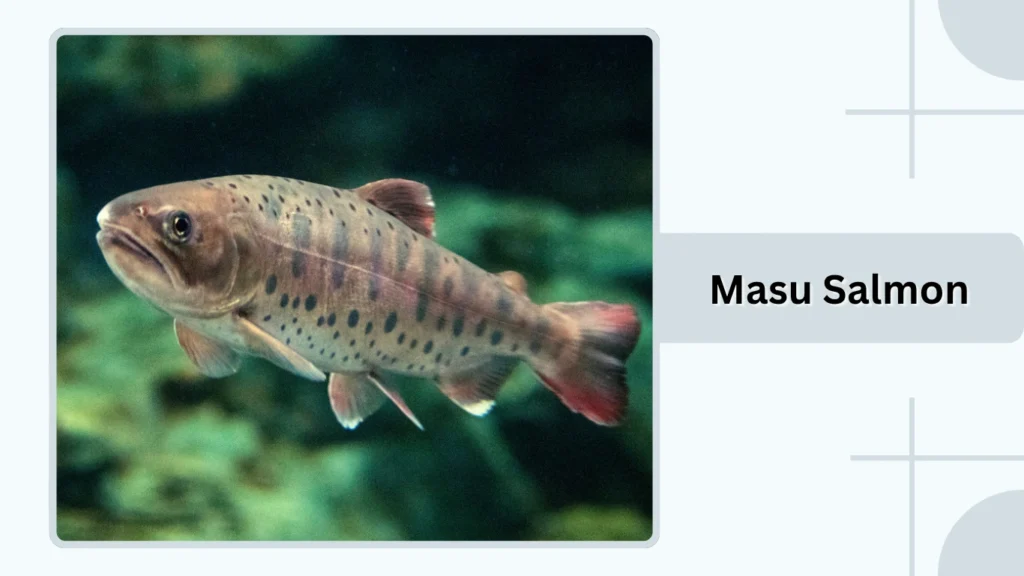
Masu salmon is a Pacific species native to East Asia, especially Japan, Korea, and parts of Russia. It is known for its attractive appearance and cultural importance. This species is unique because some individuals remain in freshwater for their entire lives, while others migrate to the ocean.
Identification
- Medium-sized body with a slender shape
- Silvery sides with a bluish-green back in the ocean phase
- Distinct dark spots along the upper body
- Develops red or pink coloration with vertical markings during spawning
Habitat
Masu salmon are found in the western Pacific region, including rivers and coastal waters of Japan, Korea, and Russia. Some populations are fully migratory, while others stay in freshwater streams and lakes. They prefer clear, cold water environments for spawning and growth.
Diet
Masu salmon feed on insects, small crustaceans, and aquatic invertebrates in freshwater. In the ocean, they expand their diet to include small fish and other marine organisms. Their feeding habits vary depending on whether they are migratory or landlocked.
Behavior
Masu salmon can be either anadromous or resident, meaning some migrate to the ocean while others remain in freshwater. During spawning, they return to rivers and develop bright coloration. They are active swimmers and show strong territorial behavior during breeding.
Lifespan
The typical lifespan of Masu salmon ranges from 3 to 5 years. Growth and lifespan can vary depending on whether the fish migrates to the ocean or remains in freshwater. Like many salmon species, most individuals die after spawning.
8. Amago Salmon
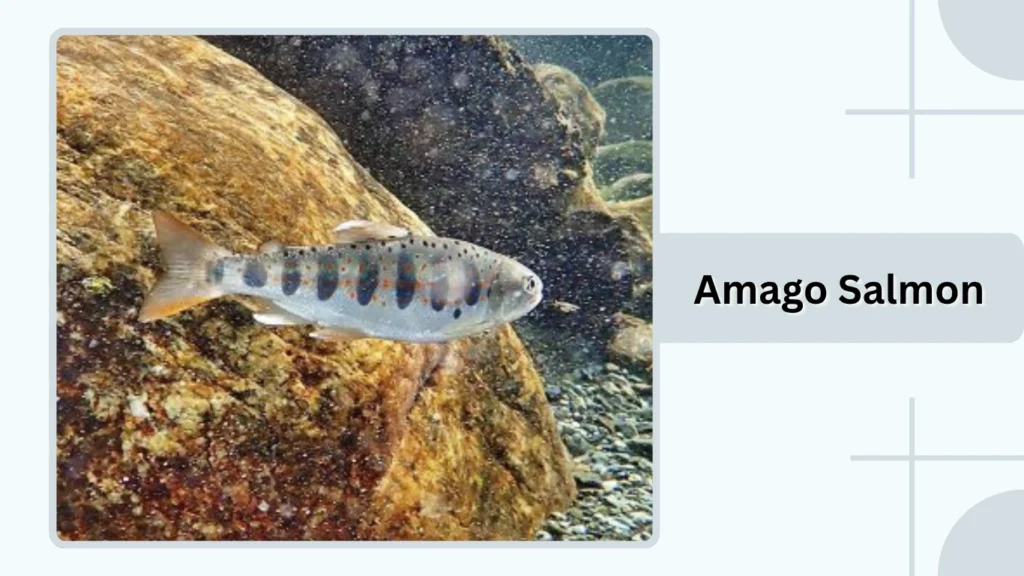
Amago salmon is a freshwater form closely related to masu salmon and is native to Japan. It is well known for its beautiful body patterns and is popular in recreational fishing. Unlike many other salmon species, amago salmon typically spend their entire lives in freshwater environments.
Identification
- Small to medium-sized body
- Silvery to light brown coloration
- Distinct red or orange spots along the sides
- Dark spots scattered across the upper body
Habitat
Amago salmon are primarily found in clear, cold freshwater streams and rivers in Japan. They prefer fast-flowing waters with rocky or gravel bottoms. Unlike anadromous salmon, they usually remain in freshwater throughout their life cycle.
Diet
Amago salmon feed mainly on aquatic insects, larvae, and small crustaceans. They may also consume small fish when available. Their diet depends on the availability of food in their freshwater habitat and changes slightly as they grow.
Behavior
Amago salmon are non-migratory and spend their entire life in freshwater. They are active and territorial, especially during the breeding season. Spawning occurs in riverbeds, where females lay eggs in gravel nests.
Lifespan
The lifespan of amago salmon is generally around 3 to 4 years. Environmental factors such as water quality, temperature, and food availability can influence their growth and survival.
9. Cherry Salmon
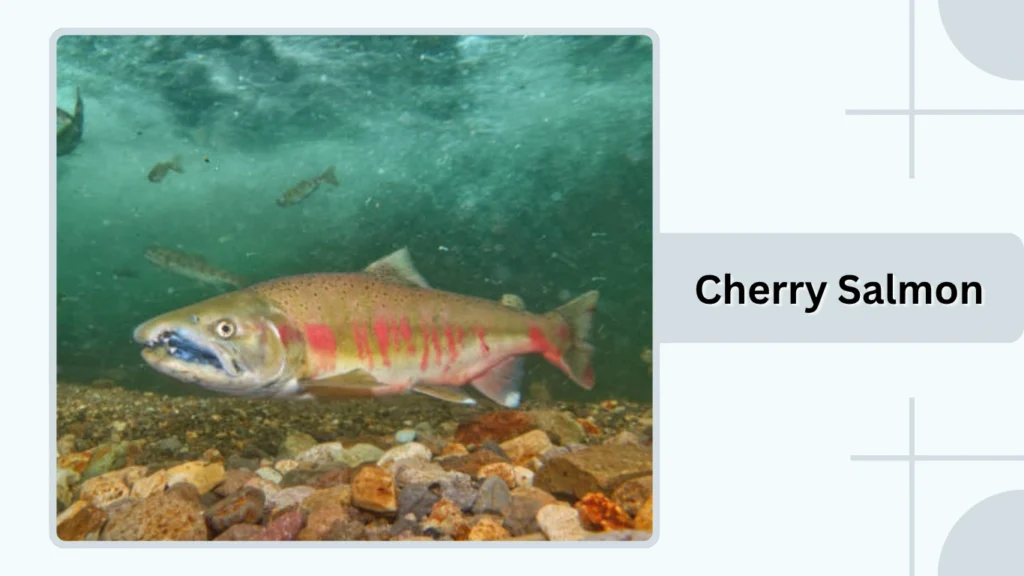
Cherry salmon is a name often used for the sea-run form of masu salmon, especially in East Asia. It is admired for its seasonal color changes and cultural significance. This species is commonly found in coastal waters and rivers of Japan and nearby regions.
Identification
- Medium-sized, streamlined body
- Silvery coloration in the ocean phase
- Develops pink or cherry-red hues during spawning
- Dark spots along the back and upper sides
Habitat
Cherry salmon live in the western Pacific Ocean and migrate to freshwater rivers to spawn. They are commonly found in Japan, Korea, and parts of Russia. Clean, cool rivers with gravel beds are essential for their reproduction.
Diet
Cherry salmon feed on insects and small aquatic organisms in freshwater. In the ocean, their diet expands to include small fish, crustaceans, and other marine life. This varied diet helps support their growth and migration.
Behavior
Cherry salmon are anadromous, migrating between ocean and freshwater environments. They are known for their strong homing instinct, returning to their birth rivers to spawn. During spawning, they develop vibrant coloration and become more aggressive.
Lifespan
The typical lifespan of cherry salmon is around 3 to 5 years. They spend part of their life in freshwater before migrating to the ocean. After returning to spawn, most individuals die, completing their life cycle.
10. Silver Salmon
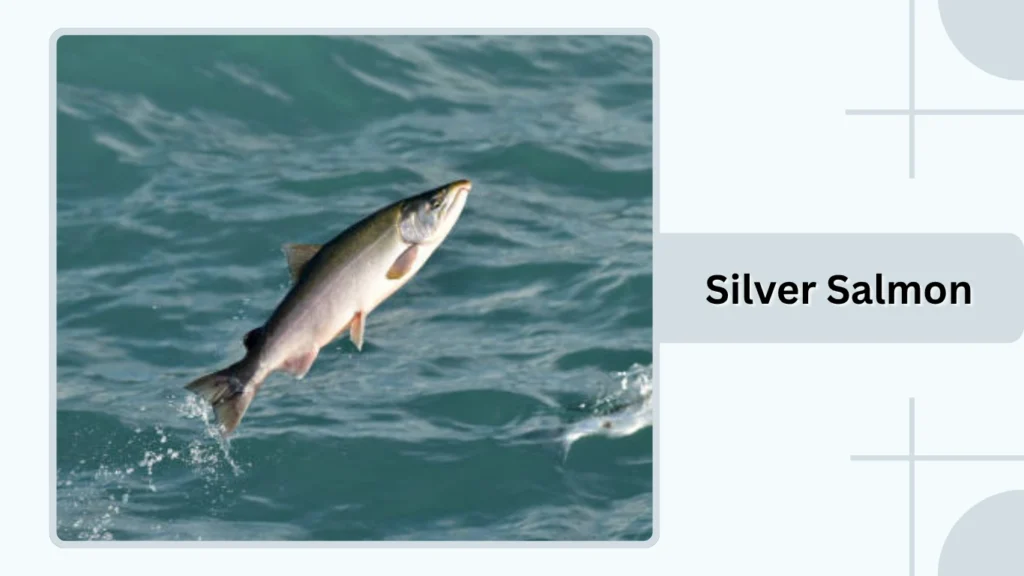
Silver salmon is another common name for coho salmon, widely known for its bright appearance and energetic behavior. It is popular among anglers due to its fighting ability and is also valued for its flavorful meat. This species is commonly found in the Pacific Ocean and nearby freshwater systems.
Identification
- Medium-sized body with a sleek, streamlined shape
- Bright silver sides with a dark blue or green back
- Small black spots on the upper back and tail
- White gums with a distinct black line on the jaw
Habitat
Silver salmon are found throughout the North Pacific Ocean and migrate into freshwater rivers and streams to spawn. They are commonly seen along the coasts of Alaska, Canada, and the northwestern United States. They prefer smaller streams with clean, cool water for breeding.
Diet
Silver salmon feed on insects and small aquatic organisms during their early freshwater stage. In the ocean, they consume fish, squid, and crustaceans. Their diet supports rapid growth and provides the energy needed for migration and reproduction.
Behavior
Silver salmon are anadromous and migrate from the ocean to freshwater to spawn. They are known for their aggressive nature and strong swimming ability. During spawning, males become more territorial and develop physical changes. Like other Pacific salmon, they die after spawning.
Lifespan
The lifespan of silver salmon is typically 3 to 5 years. They spend one to two years in freshwater before moving to the ocean. After maturing, they return to their natal streams to spawn once and complete their life cycle.
11. King Salmon
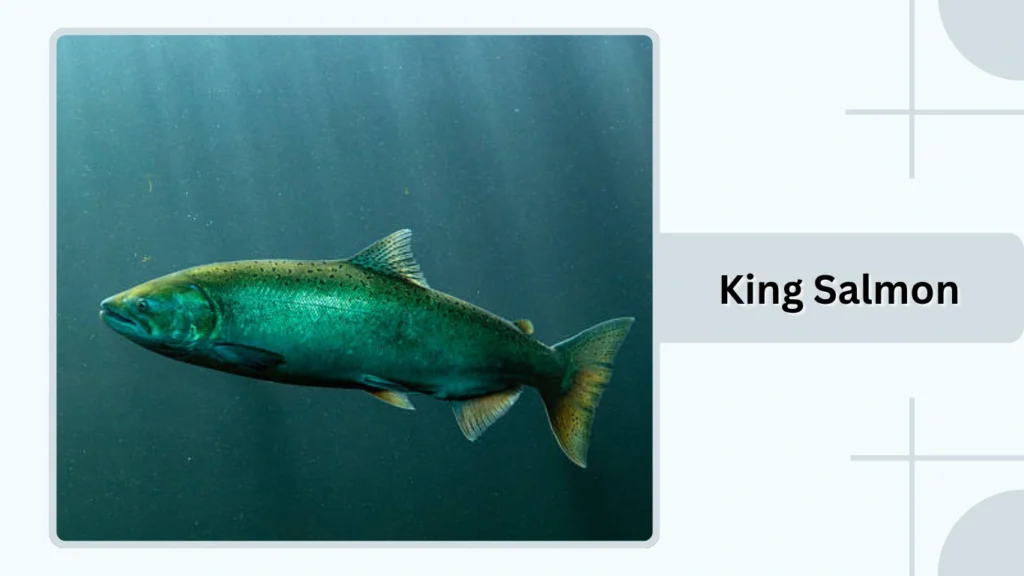
King salmon is another common name for Chinook salmon, the largest of all salmon species. It is highly prized for its rich, buttery flavor and high oil content. This species is widely recognized in both commercial fishing and sport angling across the Pacific region.
Identification
- Very large and heavy-bodied fish
- Blue-green back with bright silver sides
- Black spots on the back, dorsal fin, and tail
- Dark or black gums inside the mouth
Habitat
King salmon are found in the Pacific Ocean and migrate to freshwater rivers and streams to spawn. They are commonly distributed along the west coast of North America and parts of Asia. They prefer large river systems with cold, oxygen-rich water for reproduction.
Diet
King salmon feed on a variety of marine organisms. Their diet includes smaller fish, squid, and crustaceans in the ocean. Juveniles consume insects and plankton in freshwater before transitioning to larger prey as they grow.
Behavior
King salmon are anadromous and known for their long-distance migrations. They are powerful swimmers capable of traveling far upstream against strong currents. During spawning, they stop feeding and focus on reproduction, after which most individuals die.
Lifespan
The typical lifespan of king salmon ranges from 3 to 7 years. They grow rapidly in the ocean and return once to spawn. Environmental conditions and food availability can influence their growth and overall lifespan.
12. Red Salmon
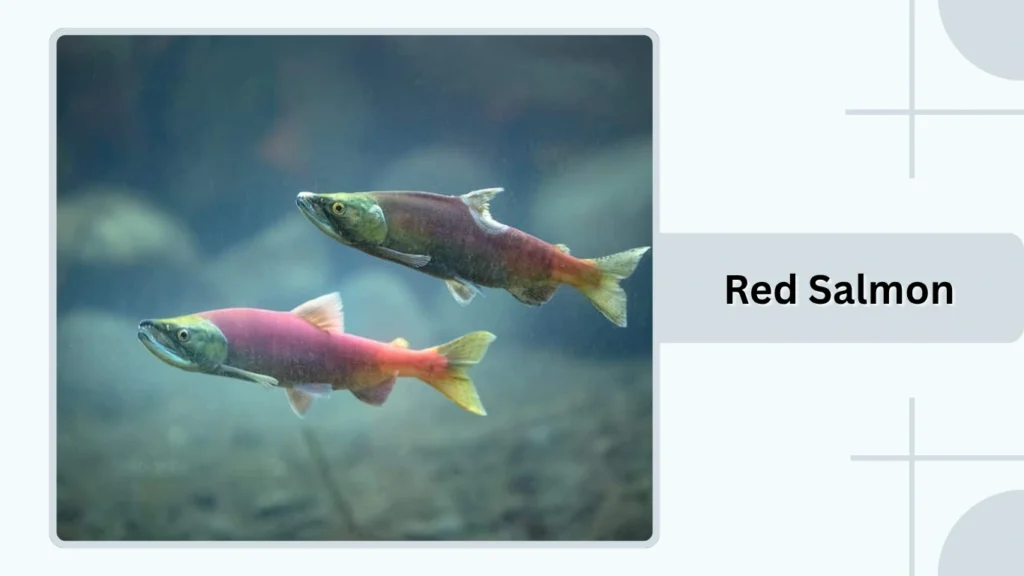
Red salmon is another common name for sockeye salmon, known for its deep red flesh and strong flavor. It is highly valued in commercial fisheries and is commonly used in fresh, frozen, and canned products. This species is widely found in the North Pacific region.
Identification
- Medium-sized, slender body
- Blue-green back with silver sides in the ocean
- Bright red body with a green head during spawning
- Lacks large spots on the tail
Habitat
Red salmon live in the North Pacific Ocean and migrate to freshwater rivers and lakes to spawn. They are unique because they often require lake systems connected to rivers for reproduction. They are commonly found in Alaska, western Canada, and parts of Asia.
Diet
Red salmon primarily feed on plankton, especially zooplankton, which gives their flesh its rich red color. Juveniles also consume small aquatic insects in freshwater before transitioning to a plankton-based diet in larger waters.
Behavior
Red salmon are anadromous and have a strong homing instinct, returning to their birthplace to spawn. They undergo dramatic color changes during breeding and stop feeding during migration. Like most Pacific salmon, they die after spawning.
Lifespan
The typical lifespan of red salmon ranges from 4 to 6 years. They spend one to three years in freshwater before migrating to the ocean. After maturing, they return once to spawn and complete their life cycle.
13. Dog Salmon
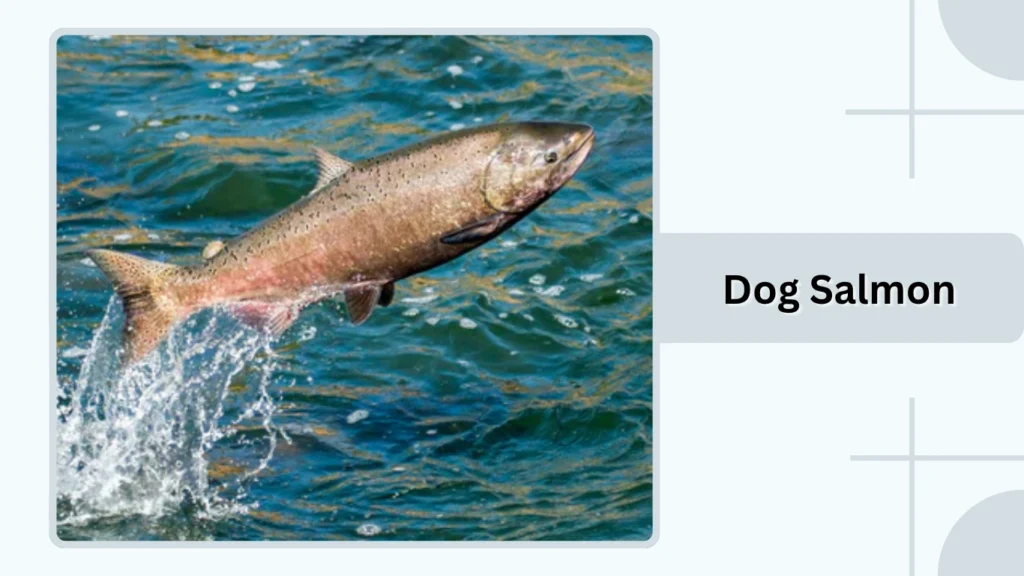
Dog salmon is a common name for chum salmon, known for its strong appearance and large teeth during spawning. While it is not as highly prized for its flesh as some other salmon, it is important commercially, especially for its roe. It is widely distributed across the North Pacific region.
Identification
- Medium to large body with a somewhat elongated shape
- Silvery sides with a greenish-blue back in the ocean
- Vertical dark bars appear on the body during spawning
- Large, sharp teeth, especially in males
Habitat
Dog salmon are found throughout the North Pacific Ocean and migrate into freshwater rivers to spawn. They often spawn closer to river mouths compared to other salmon species. They are commonly seen along the coasts of Alaska, Canada, and parts of Asia.
Diet
Dog salmon feed on plankton, insects, and small crustaceans during early life stages. In the ocean, they consume small fish, jellyfish, and other marine organisms. Their diet supports steady growth and prepares them for migration.
Behavior
Dog salmon are anadromous and migrate from the ocean to freshwater to reproduce. They are known for less extensive upstream travel compared to other salmon. During spawning, males become more aggressive and develop stronger physical features.
Lifespan
The lifespan of dog salmon is typically 3 to 5 years. They spend a short time in freshwater before moving to the ocean. After returning once to spawn, they complete their life cycle and die.
14. Humpback Salmon
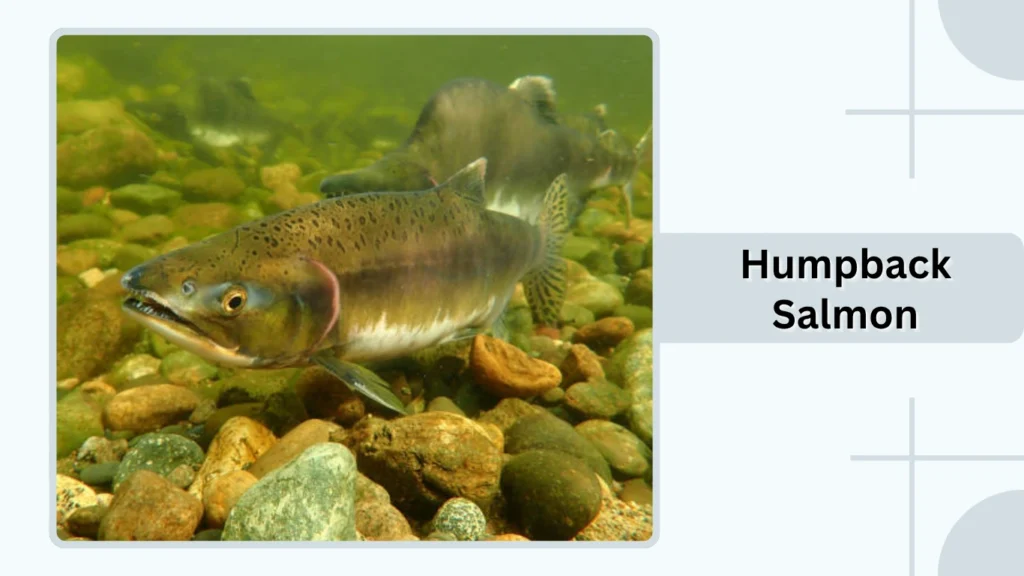
Humpback salmon is another common name for pink salmon, recognized for the distinct hump that males develop during spawning. It is the most abundant salmon species in the Pacific and plays a major role in commercial fisheries due to its large population and short life cycle.
Identification
- Small-sized body compared to other salmon
- Blue-green back with bright silver sides
- Large black spots on the back and tail
- Males develop a noticeable hump during spawning
Habitat
Humpback salmon are found throughout the North Pacific Ocean and migrate to freshwater rivers and streams to spawn. They typically choose shorter coastal rivers, allowing them to complete their migration quickly. Cold, clean water is essential for their breeding success.
Diet
Humpback salmon feed mainly on plankton, small crustaceans, and tiny fish. Juveniles rely on microscopic organisms, while adults consume slightly larger marine prey. Their diet supports rapid growth during their short life span.
Behavior
Humpback salmon follow a strict two-year life cycle and migrate from ocean to freshwater to spawn. They are known for synchronized population cycles. Males develop a hump and become more aggressive during breeding. Like other Pacific salmon, they die after spawning.
Lifespan
The lifespan of humpback salmon is about 2 years. They grow quickly, migrate to the ocean, and return to spawn within this fixed cycle. Their short and predictable life cycle contributes to their large population numbers.
15. Spring Salmon
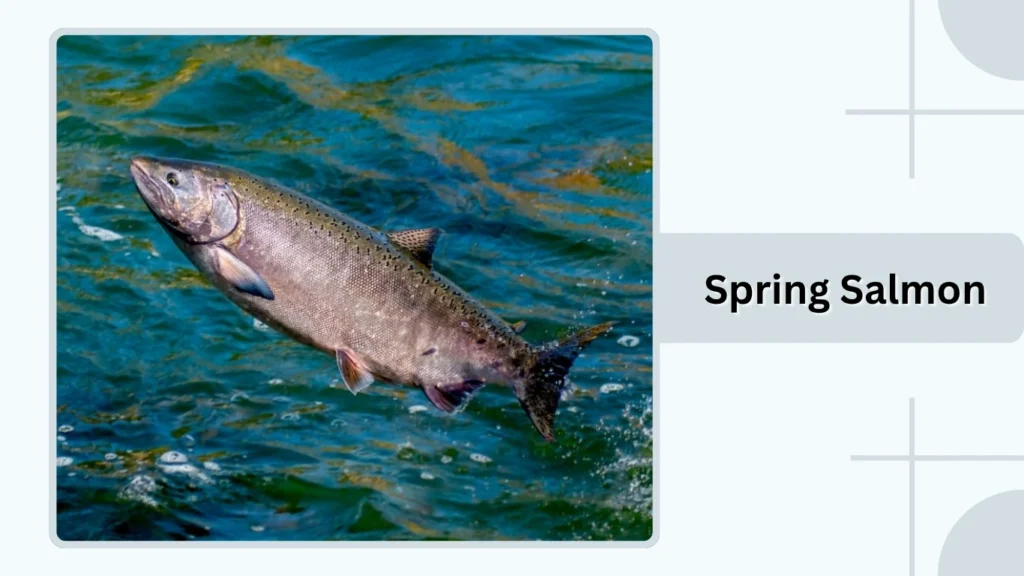
Spring salmon refers to Chinook salmon that return to freshwater rivers earlier in the year, typically during spring. These fish are highly valued for their rich fat content and excellent flavor, as they enter rivers before full maturity and continue developing as they migrate upstream.
Identification
- Large, thick-bodied fish similar to Chinook salmon
- Silvery sides with a blue-green back
- Black spots on the back and tail
- Dark gums inside the mouth
Habitat
Spring salmon are found in the Pacific Ocean and migrate into freshwater rivers earlier than other runs. They are commonly seen in large river systems along the west coast of North America. They travel far upstream, often reaching higher elevations before spawning.
Diet
Spring salmon feed on fish, squid, and crustaceans while in the ocean. Once they enter freshwater, they stop feeding and rely on stored energy reserves to complete their migration and spawning process.
Behavior
Spring salmon are known for early migration and long upstream journeys. They enter rivers months before spawning and hold in freshwater while maturing. Their strong swimming ability allows them to travel great distances against currents.
Lifespan
The lifespan of spring salmon generally ranges from 3 to 7 years. They spend several years growing in the ocean before returning to freshwater once to spawn and complete their life cycle.
16. Summer Salmon
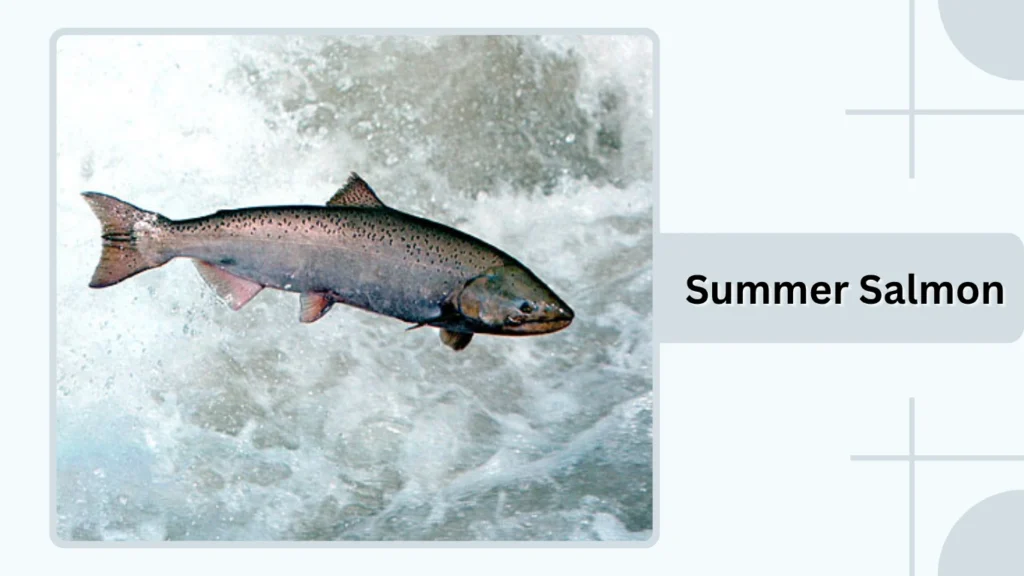
Summer salmon refers to salmon, often Chinook or steelhead-type runs, that migrate into freshwater during the summer months. They are important in both commercial and sport fishing and are known for entering rivers while still developing, continuing their maturation in freshwater before spawning.
Identification
- Medium to large body depending on species
- Silvery coloration when entering freshwater
- Slight spotting on the back and tail
- Gradual color change as spawning approaches
Habitat
Summer salmon are found in the Pacific Ocean and migrate into rivers during summer. They are commonly seen in large river systems where they may travel long distances upstream. They often hold in deeper pools while waiting to spawn.
Diet
Summer salmon feed on fish, squid, and crustaceans while in the ocean. After entering freshwater, they generally stop feeding and rely on stored body fat to sustain them throughout migration and spawning.
Behavior
Summer salmon enter rivers months before spawning and remain there while maturing. They are strong swimmers and capable of long upstream journeys. During this time, they conserve energy and prepare for reproduction.
Lifespan
The lifespan of summer salmon typically ranges from 3 to 6 years, depending on the species. They spend most of their life in the ocean before returning once to freshwater to spawn and complete their life cycle.
17. Fall Salmon
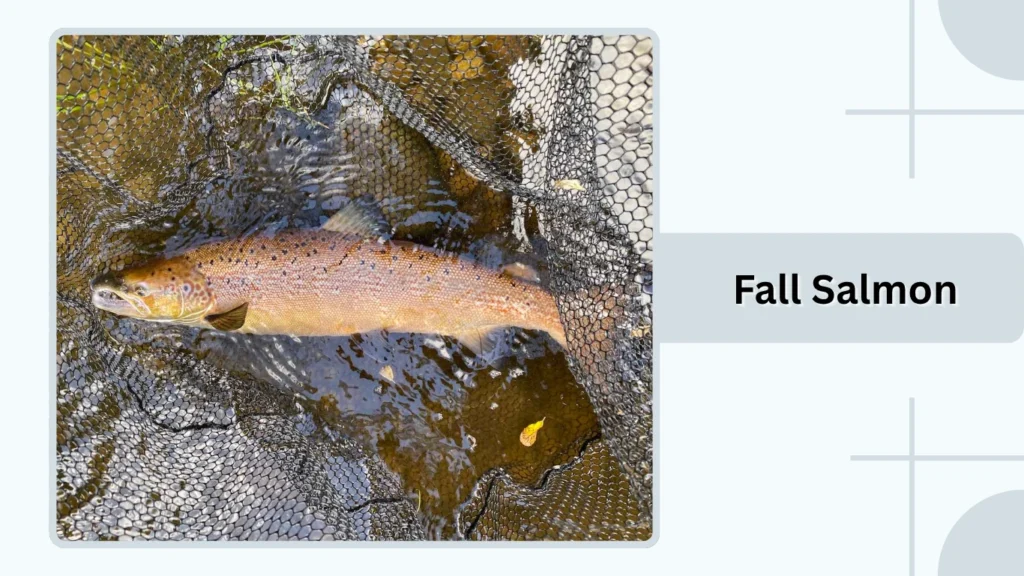
Fall salmon refers to salmon, often Chinook, that return to freshwater during the fall season to spawn. These fish are usually more mature when they enter rivers compared to spring or summer runs. They are widely important in fisheries due to their abundance and timing.
Identification
- Medium to large, robust body
- Silvery sides with a darker back when entering rivers
- Noticeable spots on the back and tail
- Color darkens as spawning approaches
Habitat
Fall salmon are found in the Pacific Ocean and migrate into freshwater rivers during autumn. They typically spawn in lower river sections compared to earlier runs. These habitats include gravel-bottom rivers with steady water flow.
Diet
Fall salmon feed on fish, squid, and crustaceans while in the ocean. After entering freshwater, they stop feeding and depend on stored energy reserves to support their migration and spawning activities.
Behavior
Fall salmon migrate later in the year and spawn soon after entering freshwater. They do not travel as far upstream as some other runs. Their life cycle follows the typical salmon pattern of migrating, spawning once, and then dying.
Lifespan
The lifespan of fall salmon generally ranges from 3 to 6 years. They spend most of their life growing in the ocean before returning to freshwater once to reproduce and complete their life cycle.
18. Winter Salmon
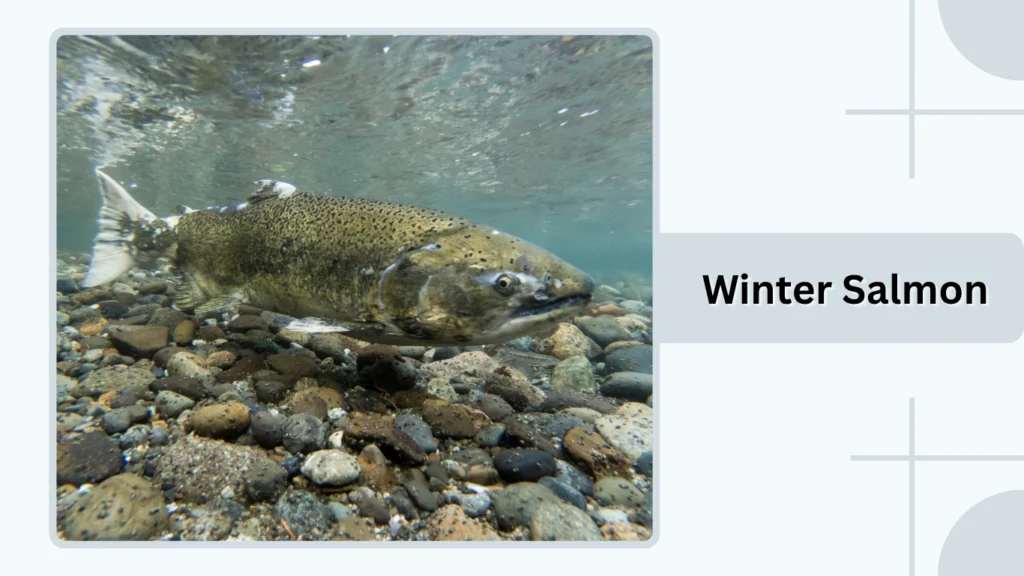
Winter salmon refers to salmon, often Chinook, that enter freshwater rivers during the winter season. These fish are typically less common and are adapted to colder water conditions. They are important for maintaining seasonal diversity within salmon populations.
Identification
- Medium to large body size
- Silvery coloration when entering freshwater
- Fewer visible markings compared to other runs
- Darkens in color as spawning approaches
Habitat
Winter salmon are found in the Pacific Ocean and migrate into freshwater rivers during colder months. They often prefer deeper, slower-moving sections of rivers where water temperatures remain stable. These habitats provide suitable conditions for survival during winter migration.
Diet
Winter salmon feed on fish, squid, and crustaceans while in the ocean. After entering freshwater, they generally stop feeding and rely on stored fat reserves to sustain their energy needs during migration and spawning.
Behavior
Winter salmon migrate during colder months and may travel moderate distances upstream. They tend to conserve energy due to lower temperatures and reduced food availability. Like other salmon, they focus entirely on reproduction once in freshwater.
Lifespan
The lifespan of winter salmon typically ranges from 3 to 6 years. They spend most of their life in the ocean before returning once to freshwater to spawn, after which they usually die.
19. Landlocked Salmon
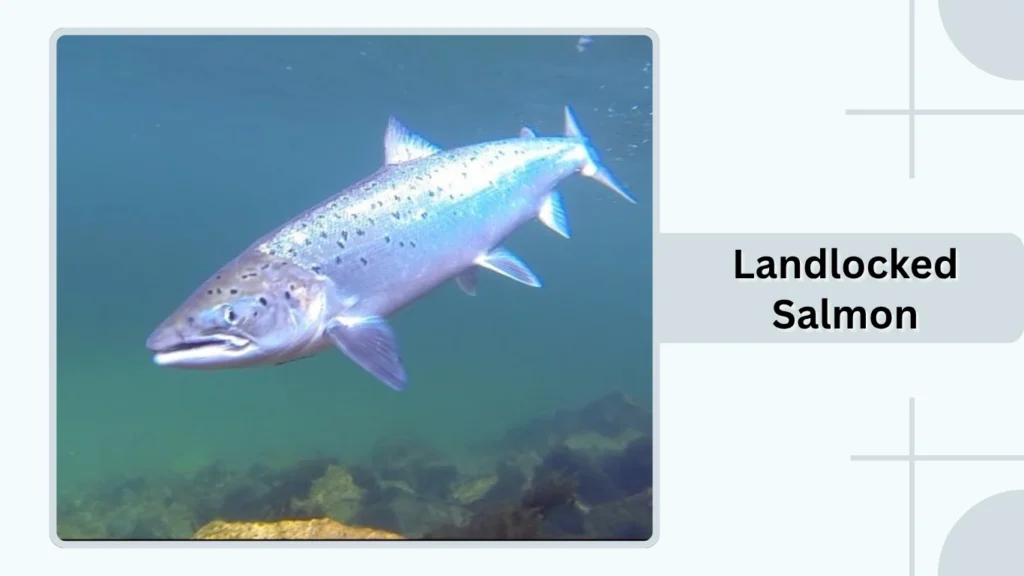
Landlocked salmon are freshwater forms of salmon that spend their entire lives in lakes and rivers instead of migrating to the ocean. They are often derived from Atlantic salmon populations and are popular in sport fishing due to their adaptability and fighting ability.
Identification
- Medium-sized, streamlined body
- Silvery coloration with a darker back
- Fewer spots compared to sea-run salmon
- Smaller size due to freshwater life
Habitat
Landlocked salmon live entirely in freshwater lakes and connected river systems. They are commonly found in regions of North America and Europe where suitable cold-water lakes exist. Clean, oxygen-rich water is essential for their survival and reproduction.
Diet
Landlocked salmon feed on insects, small fish, and crustaceans within freshwater systems. Juveniles mainly consume aquatic insects, while adults shift to larger prey such as small fish, depending on availability in their habitat.
Behavior
Unlike anadromous salmon, landlocked salmon do not migrate to the ocean. They move within lakes and rivers, especially during spawning season, when they travel upstream to reproduce. They are active swimmers and often display strong territorial behavior.
Lifespan
The typical lifespan of landlocked salmon ranges from 3 to 5 years. Growth and survival depend on food availability, water quality, and environmental conditions within their freshwater habitat.
20. Black Salmon
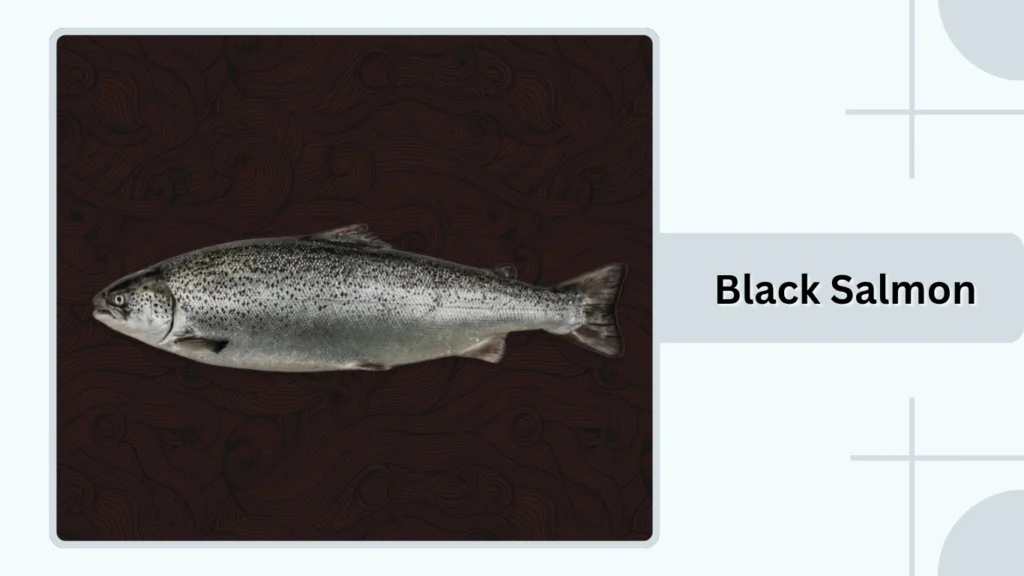
Black salmon is a common name often used for Atlantic salmon after spawning, when their body becomes darker in color. At this stage, they are weaker and less active, having used most of their energy reserves during reproduction.
Identification
- Darkened body color, often brownish or black
- Slender and weakened appearance
- Faded silver coloration compared to ocean phase
- Worn fins and rough skin after spawning
Habitat
Black salmon are found in freshwater rivers after spawning. They remain in these environments for a period before some individuals return to the ocean. Clean, cool water is important for their recovery if they survive.
Diet
After spawning, black salmon may resume limited feeding if they survive. Their diet can include small fish, insects, and aquatic organisms, helping them regain strength before returning to the ocean.
Behavior
Black salmon are less active and more vulnerable after spawning. Unlike most Pacific salmon, some Atlantic salmon survive and may migrate back to the ocean. During this stage, their focus is on recovery rather than reproduction.
Lifespan
The lifespan of black salmon is similar to Atlantic salmon, typically 4 to 6 years. Individuals that survive spawning may live longer and have the chance to spawn again in future cycles.
21. Blueback Salmon
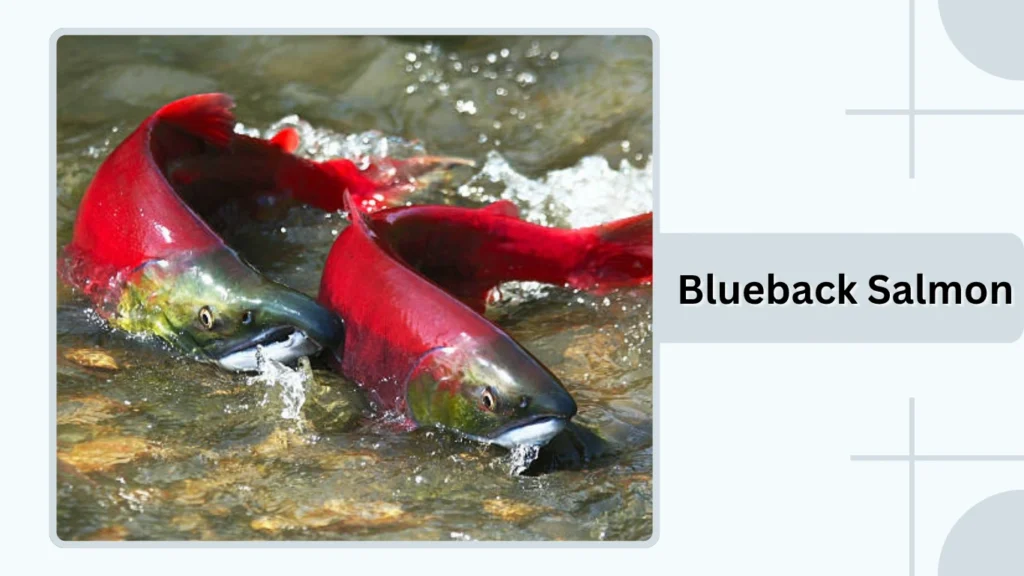
Blueback salmon is another common name for sockeye salmon, especially used in certain regions. It is known for its rich red flesh and importance in commercial fishing. The name comes from the bluish color seen on its back while in the ocean.
Identification
- Medium-sized, streamlined body
- Blue or blue-green back with bright silver sides
- Turns bright red with a green head during spawning
- Lacks prominent spots on the tail
Habitat
Blueback salmon are found in the North Pacific Ocean and migrate to freshwater lakes and rivers to spawn. They are especially associated with lake-based systems connected to rivers, where they complete their breeding cycle.
Diet
Blueback salmon mainly feed on plankton, particularly zooplankton, which contributes to their deep red flesh color. Juveniles also consume small aquatic insects before transitioning to a plankton-rich diet in larger waters.
Behavior
Blueback salmon are anadromous and migrate from ocean to freshwater to reproduce. They are known for their strong homing instinct and dramatic color change during spawning. Like other Pacific salmon, they stop feeding and die after spawning.
Lifespan
The typical lifespan of blueback salmon ranges from 4 to 6 years. They spend part of their life in freshwater before migrating to the ocean, then return once to spawn and complete their life cycle.
22. Keta Salmon
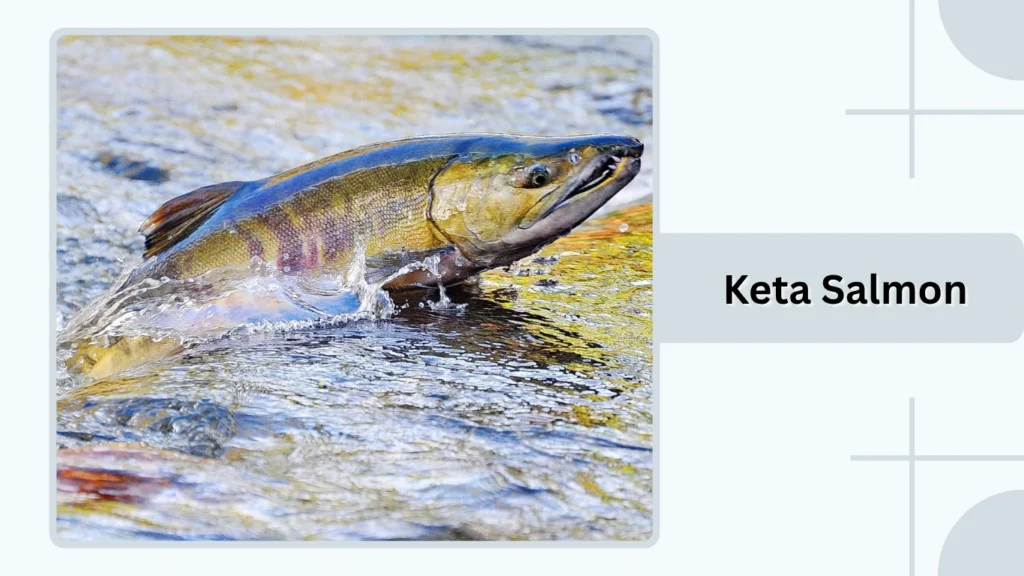
Keta salmon is another common name for chum salmon, widely used in scientific and regional contexts. It is an important species in commercial fisheries, especially valued for its roe. While its flesh is less fatty than some other salmon, it remains widely harvested across the North Pacific.
Identification
- Medium to large, elongated body
- Metallic greenish-blue back with silver sides
- Vertical dark bars appear during spawning
- Large, noticeable teeth, especially in males
Habitat
Keta salmon are found throughout the North Pacific Ocean and migrate into freshwater rivers to spawn. They are often seen in coastal regions and tend to spawn closer to river mouths compared to other salmon species.
Diet
Keta salmon feed on plankton, small crustaceans, and insects during early life stages. As adults in the ocean, they consume small fish, jellyfish, and other marine organisms that support their growth and migration.
Behavior
Keta salmon are anadromous, migrating from the ocean to freshwater to reproduce. They are known for shorter migration distances and strong spawning behavior. Like most Pacific salmon, they stop feeding and die after spawning.
Lifespan
The lifespan of keta salmon typically ranges from 3 to 5 years. They spend a brief period in freshwater before moving to the ocean, where they grow and mature before returning once to spawn.
23. Hooknose Salmon
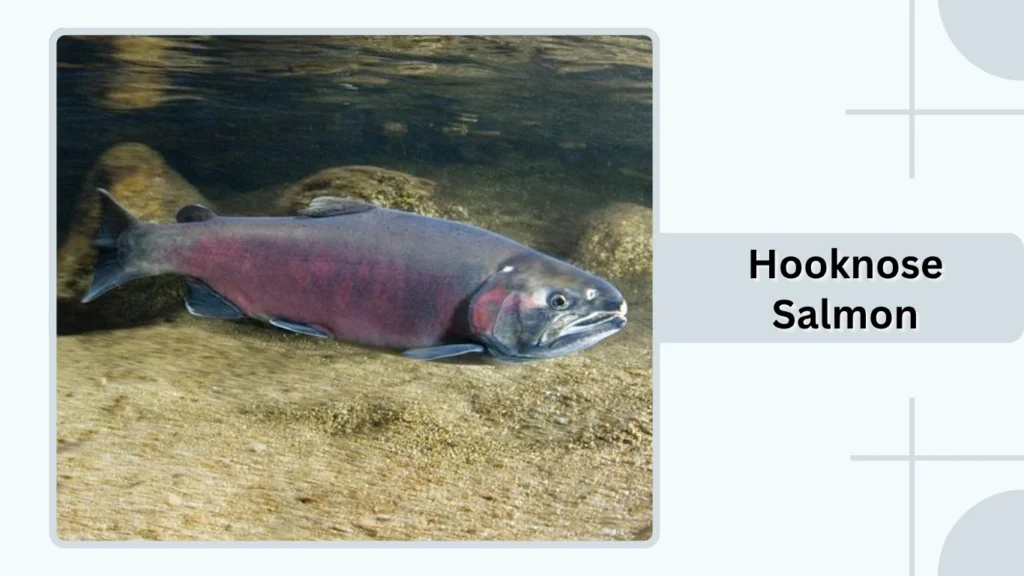
Hooknose salmon is a common name often used for male salmon, especially chum or pink salmon, during the spawning stage when they develop a hooked jaw. This physical change is a key feature during breeding season and is linked to competition for mates.
Identification
- Medium-sized body depending on species
- Distinct hooked or curved jaw in males
- Darkened body color during spawning
- Enlarged teeth, especially in spawning males
Habitat
Hooknose salmon are found in freshwater rivers during the spawning period. Before this stage, they live in the ocean like other salmon species. They migrate into rivers and streams where spawning takes place in gravel beds.
Diet
Hooknose salmon feed on fish, crustaceans, and other marine organisms while in the ocean. Once they enter freshwater for spawning, they typically stop feeding and rely on stored energy reserves.
Behavior
Hooknose salmon show aggressive behavior during spawning season. Males use their hooked jaws to compete with other males for access to females. After spawning, most individuals die, following the typical Pacific salmon life cycle.
Lifespan
The lifespan of hooknose salmon depends on the species but generally ranges from 2 to 5 years. They spend most of their life in the ocean before returning once to freshwater to reproduce.
24. Sea-run Salmon
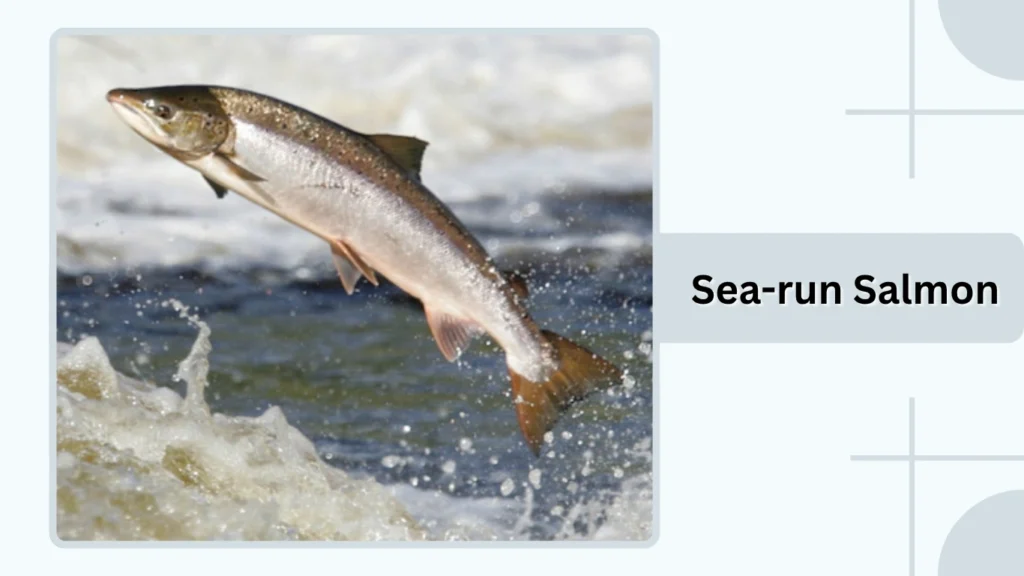
Sea-run salmon refers to salmon that migrate from freshwater to the ocean and then return to freshwater to spawn. This term is commonly used to describe the typical life cycle of many salmon species, especially those in the Pacific region.
Identification
- Medium to large body depending on species
- Bright silver coloration in the ocean phase
- Darker back with possible spots on body and tail
- Color changes significantly during spawning
Habitat
Sea-run salmon are found in both marine and freshwater environments. They spend most of their adult life in the ocean but return to rivers and streams to reproduce. These habitats must be clean and well-oxygenated for successful spawning.
Diet
Sea-run salmon feed on plankton, small fish, squid, and crustaceans while in the ocean. Juveniles consume insects and small aquatic organisms in freshwater before migrating to the sea for further growth.
Behavior
Sea-run salmon are anadromous, migrating long distances between ocean and freshwater. They have a strong homing instinct, returning to their birthplace to spawn. After reproduction, most Pacific salmon die, completing their life cycle.
Lifespan
The lifespan of sea-run salmon varies by species but generally ranges from 2 to 7 years. They grow in the ocean and return once to freshwater to spawn, marking the end of their life cycle in most cases.
25. Freshwater Salmon
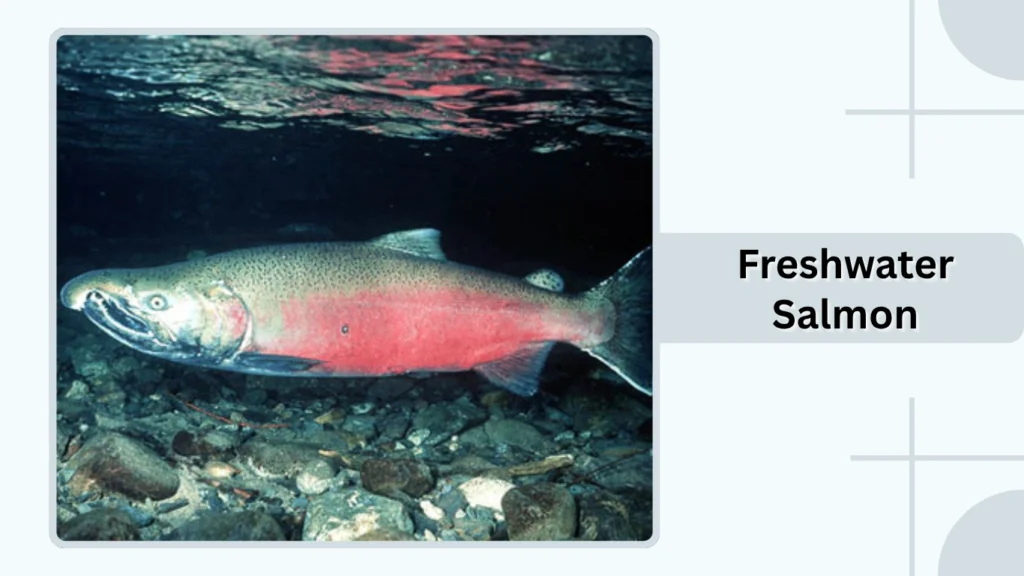
Freshwater salmon refers to salmon populations that spend their entire life cycle in freshwater without migrating to the ocean. These are often forms of other salmon species that have adapted to lakes and river systems.
Identification
- Medium-sized body with a streamlined shape
- Silvery to slightly darker coloration
- Fewer markings compared to sea-run forms
- Generally smaller than ocean-migrating salmon
Habitat
Freshwater salmon live in lakes, rivers, and connected freshwater systems. They are found in regions with cold, clean, and oxygen-rich water. These habitats provide all the necessary conditions for feeding, growth, and reproduction without ocean migration.
Diet
Freshwater salmon feed on insects, larvae, small fish, and crustaceans. Their diet depends on what is available in their environment. Juveniles focus more on insects, while adults may consume larger prey like small fish.
Behavior
Freshwater salmon do not migrate to the ocean. Instead, they move within lakes and rivers, especially during spawning. They are active swimmers and may travel short distances upstream to reproduce in suitable gravel beds.
Lifespan
The lifespan of freshwater salmon typically ranges from 3 to 5 years. Growth and survival depend on water quality, food availability, and environmental conditions within their freshwater habitat.
26. Pacific Salmon
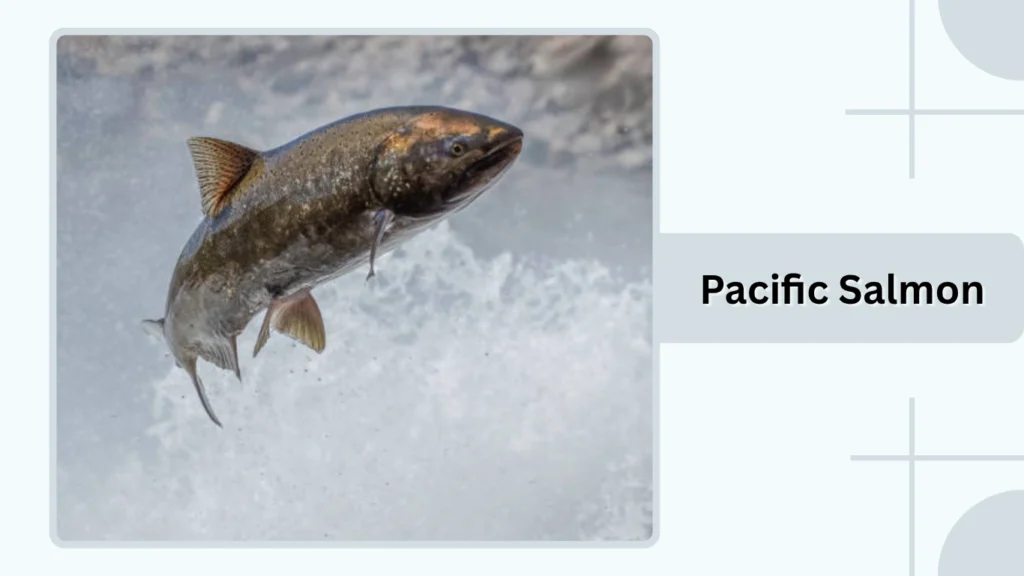
Pacific salmon is a general term used for salmon species native to the Pacific Ocean, including well-known types like Chinook, Coho, Sockeye, Pink, and Chum. These species are vital to ecosystems and fisheries across North America and Asia.
Identification
- Varies by species but generally streamlined body
- Silvery sides with darker backs in ocean phase
- Often have spots on the back and tail
- Undergo noticeable color changes during spawning
Habitat
Pacific salmon are found in the North Pacific Ocean and migrate to freshwater rivers and streams to spawn. They are widely distributed along the coasts of North America and Asia, requiring clean, cold water for successful reproduction.
Diet
Pacific salmon feed on plankton, small fish, squid, and crustaceans in the ocean. Juveniles consume insects and small aquatic organisms in freshwater before migrating to marine environments for growth.
Behavior
Pacific salmon are anadromous and known for their long migrations between ocean and freshwater. They have a strong homing instinct and return to their birthplace to spawn. After reproduction, most species die.
Lifespan
The lifespan of Pacific salmon varies by species but generally ranges from 2 to 7 years. They spend most of their life in the ocean before returning once to freshwater to spawn and complete their life cycle.
27. Farmed Salmon
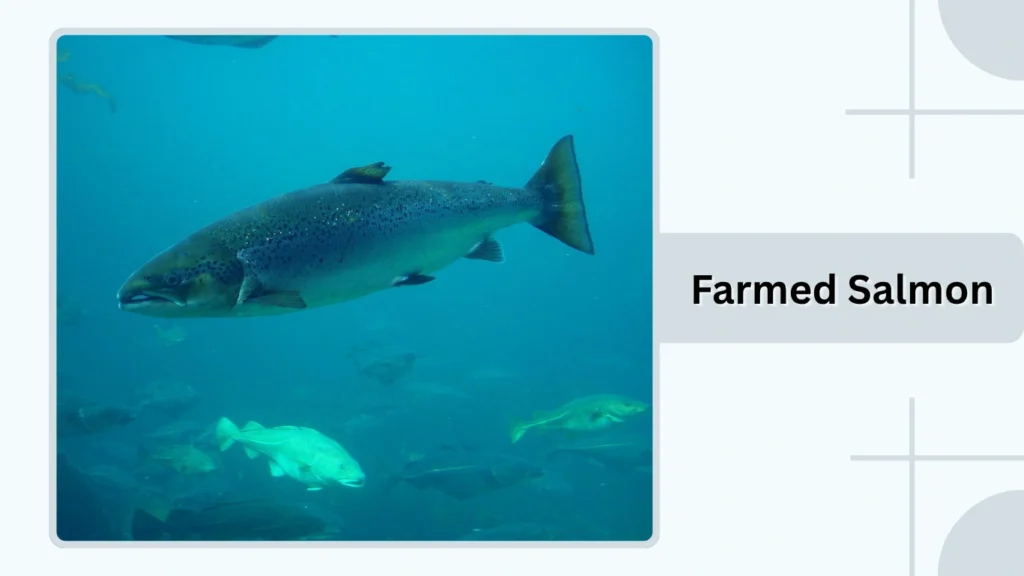
Farmed salmon refers to salmon that are raised in controlled environments such as aquaculture farms. These are usually Atlantic salmon, bred for consistent supply, size, and quality. Farmed salmon plays a major role in meeting global seafood demand.
Identification
- Medium to large size depending on farming conditions
- Uniform body shape and smooth appearance
- Silvery coloration with fewer natural markings
- Often appears cleaner and more consistent than wild salmon
Habitat
Farmed salmon are raised in man-made environments such as sea cages, pens, or freshwater tanks. These systems are designed to control water quality, temperature, and feeding conditions to support growth and health.
Diet
Farmed salmon are fed a controlled diet that includes fish meal, fish oil, and plant-based ingredients. This balanced diet is designed to promote fast growth, maintain health, and ensure consistent flesh quality.
Behavior
Farmed salmon live in confined spaces and do not migrate like wild salmon. Their behavior is influenced by controlled feeding schedules and limited space, making them less active compared to wild populations.
Lifespan
Farmed salmon are typically raised for 2 to 3 years before harvest. Their growth rate is carefully managed to reach market size efficiently, ensuring a steady and reliable supply for consumers.
FAQs
What is the most popular type of salmon?
Chinook salmon, also known as king salmon, is considered the most popular due to its large size, rich flavor, and high fat content. It is widely preferred in restaurants and premium seafood markets because of its buttery texture and strong taste.
Which salmon has the best taste?
Many people consider Chinook salmon the best tasting because of its high oil content and rich flavor. Sockeye salmon is also highly regarded for its deep red color and bold taste, making it a favorite for grilling and smoking.
What is the smallest salmon species?
Pink salmon is the smallest and most abundant salmon species. It has a short life cycle of about two years and is commonly used in canned products due to its mild flavor and widespread availability.
Do all salmon migrate to the ocean?
No, not all salmon migrate to the ocean. Some types, such as landlocked or freshwater salmon, spend their entire lives in lakes and rivers. However, most salmon species are anadromous and migrate between ocean and freshwater.
What is farmed salmon?
Farmed salmon refers to salmon raised in controlled environments like sea cages or tanks. It is usually Atlantic salmon and is produced to meet global demand. Farming allows consistent supply, size, and quality compared to wild-caught salmon.