
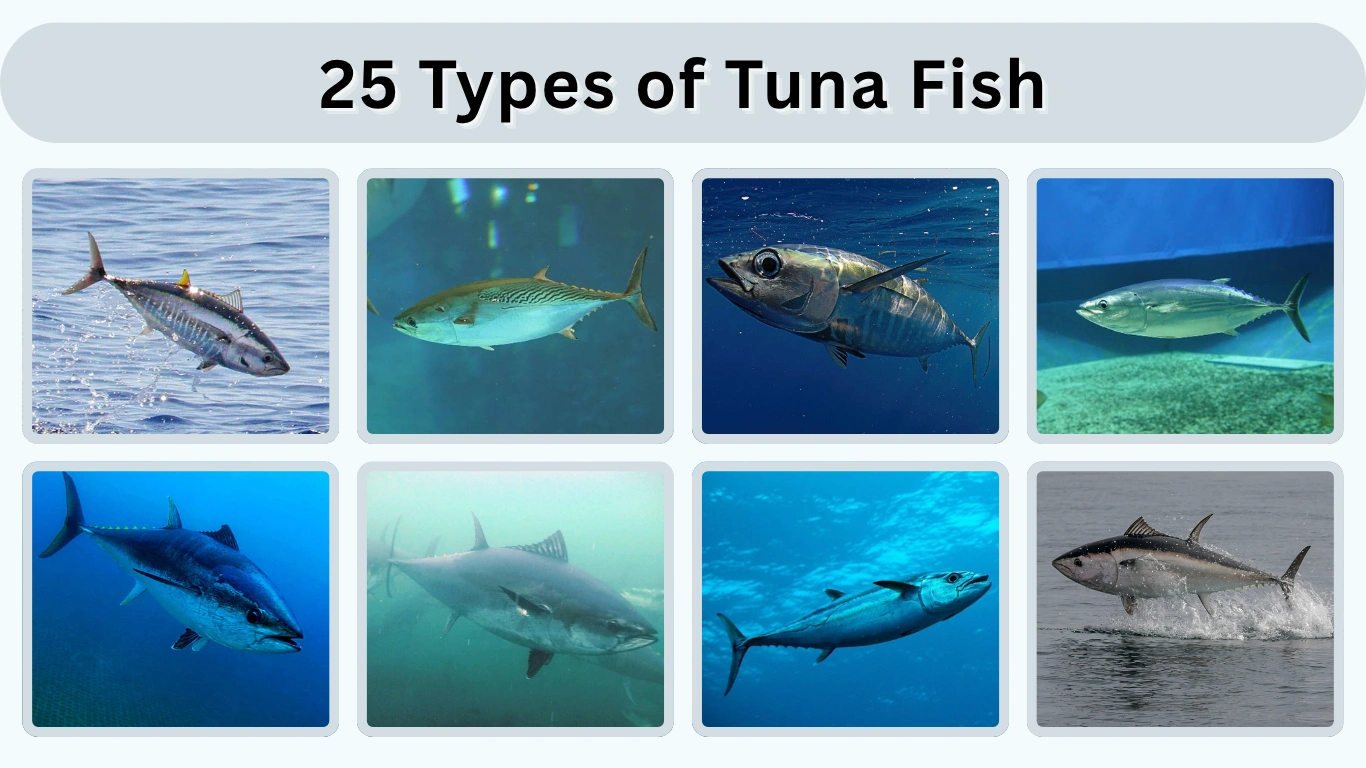
Tuna are among the most important and widely consumed fish in the world, known for their speed, strength, and nutritional value. Found in oceans across the globe, these fish play a major role in both marine ecosystems and commercial fisheries. There are many types of tuna, ranging from small coastal species to large ocean predators. Each type has unique characteristics, habitats, and behaviors. In this guide, you will explore 25 types of tuna fish with their common names and key details to better understand their differences and importance.
1. Bluefin Tuna
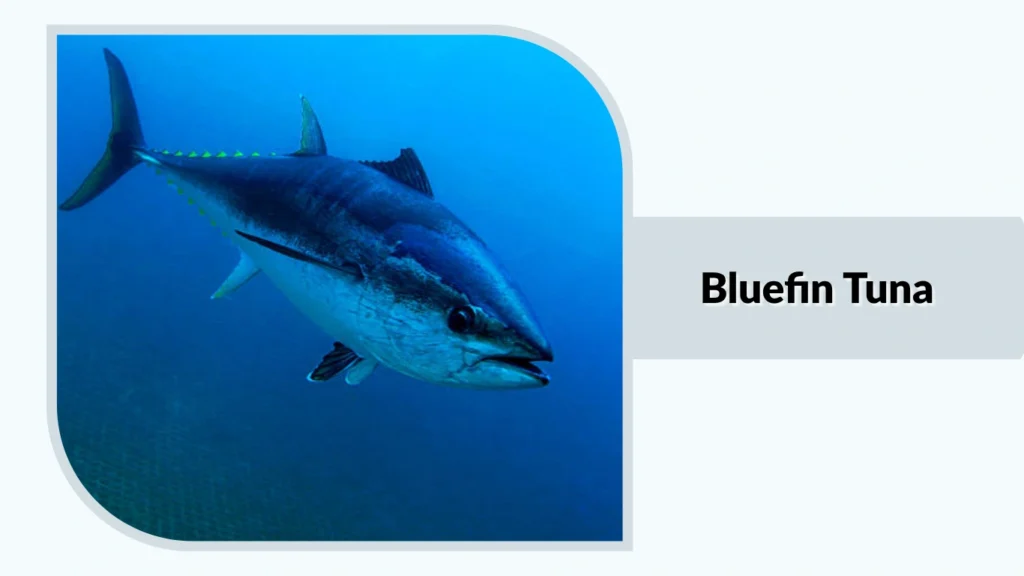
Bluefin tuna is one of the largest and most powerful tuna species, known for its high value and rich, fatty meat. It is highly prized in global seafood markets, especially for sushi and sashimi. This species is found in both the Atlantic and Pacific Oceans and is recognized for its speed, strength, and long migrations.
Identification
- Large, heavy, and torpedo-shaped body
- Dark blue back with silvery-white underside
- Short pectoral fins compared to other tuna
- Metallic sheen along the sides
Habitat
Bluefin tuna inhabit both the Atlantic and Pacific Oceans, often traveling across vast distances. They prefer open ocean environments but can also be found near coastal waters. They migrate seasonally for feeding and spawning, often moving between warmer and cooler regions.
Diet
Bluefin tuna are top predators and feed on a variety of marine life. Their diet includes smaller fish such as mackerel, herring, and sardines, along with squid and crustaceans. Their strong hunting ability allows them to chase fast-moving prey.
Behavior
Bluefin tuna are known for their incredible speed and endurance. They are highly migratory and can travel thousands of kilometers across oceans. They often swim in schools and are capable of maintaining high body temperatures, which helps them hunt effectively in colder waters.
Lifespan
Bluefin tuna can live for a long time compared to other fish, typically ranging from 15 to 40 years. Their slow growth and late maturity make them vulnerable to overfishing, which has led to conservation concerns in many regions.
2. Yellowfin Tuna
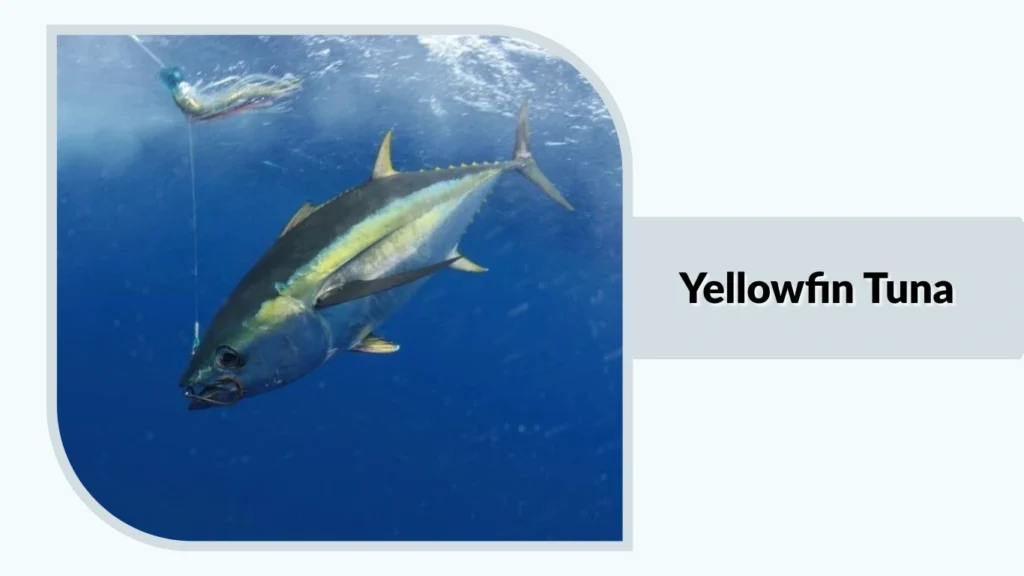
Yellowfin tuna is a fast-swimming and widely distributed species known for its bright yellow fins and lean, flavorful meat. It is commonly used in both fresh and canned seafood products. This species is popular in commercial and recreational fishing due to its abundance and strong fighting ability.
Identification
- Streamlined, torpedo-shaped body
- Dark blue back with silver sides and belly
- Long, bright yellow dorsal and anal fins
- Yellow finlets along the tail
Habitat
Yellowfin tuna are found in tropical and subtropical oceans worldwide. They prefer warm, open waters but can also be found near coastal areas. They often swim in the upper layers of the ocean and migrate in search of food and suitable temperatures.
Diet
Yellowfin tuna feed on a wide range of prey, including small fish, squid, and crustaceans. They are active hunters and often chase fast-moving prey. Their diet varies depending on location and availability of food in their environment.
Behavior
Yellowfin tuna are highly active and social, often forming large schools. They are known for their speed and agility, making them strong fighters when caught. They may also associate with floating objects or marine animals while searching for food.
Lifespan
The lifespan of yellowfin tuna is typically around 5 to 7 years. They grow quickly and reach maturity at a relatively young age, which helps maintain their population despite heavy fishing pressure.
3. Albacore Tuna
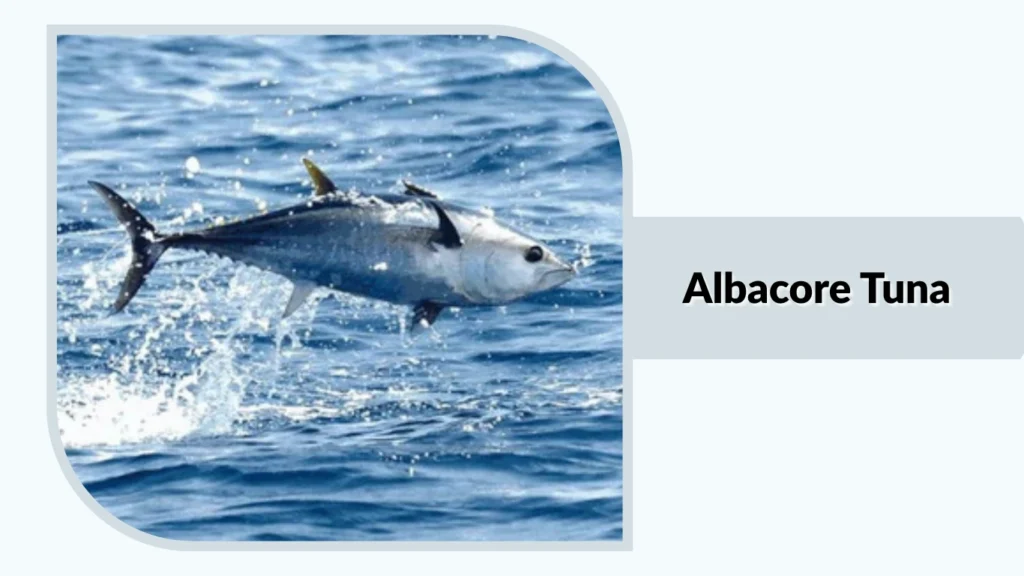
Albacore tuna is a medium-sized tuna species known for its light-colored flesh and mild flavor. It is commonly referred to as “white tuna” and is widely used in canned products. This species is popular in both commercial fishing and global seafood markets due to its taste and versatility.
Identification
- Slender, streamlined body
- Dark blue back with silver-white sides
- Very long pectoral fins compared to other tuna
- Smooth, metallic appearance
Habitat
Albacore tuna are found in temperate and tropical oceans around the world. They prefer cooler offshore waters but may also move into warmer regions during migration. They often travel long distances across open oceans.
Diet
Albacore tuna feed mainly on fish, squid, and crustaceans. They are active predators and hunt in mid-water depths. Their diet supports steady growth and provides the energy needed for long-distance movement.
Behavior
Albacore tuna are migratory and often travel in schools. They are known for their endurance and ability to cross entire ocean basins. They may also form groups based on size or age.
Lifespan
The typical lifespan of albacore tuna ranges from 8 to 12 years. They grow at a moderate rate and reach maturity within a few years, allowing them to reproduce multiple times during their life.
4. Bigeye Tuna
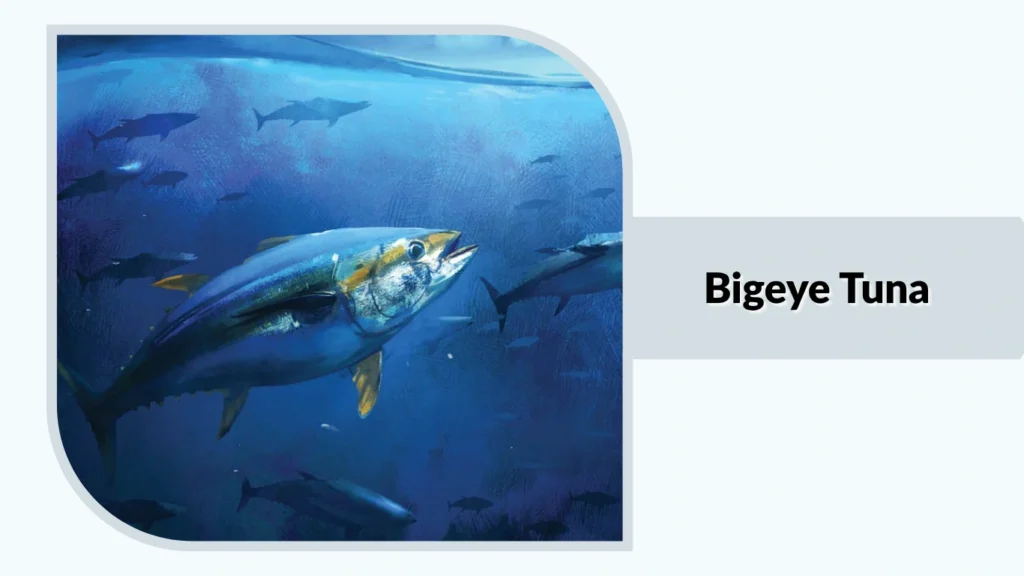
Bigeye tuna is a large, deep-water species known for its rich, fatty flesh and excellent taste. It is highly valued in commercial fisheries, especially for sushi and sashimi. This species is named for its noticeably large eyes, which help it see in low-light conditions.
Identification
- Large, robust, torpedo-shaped body
- Dark blue back with silvery sides
- Noticeably large eyes compared to other tuna
- Long pectoral fins and finlets with yellow edges
Habitat
Bigeye tuna are found in tropical and subtropical oceans worldwide. They prefer deeper, cooler waters during the day and often move closer to the surface at night. They are commonly found in open ocean environments far from the coast.
Diet
Bigeye tuna feed on a variety of prey, including fish, squid, and crustaceans. They often hunt at deeper depths, taking advantage of their large eyes to locate prey in dim light. Their diet supports their large size and energy needs.
Behavior
Bigeye tuna are known for vertical migration, moving between deep and shallow waters daily. They may form schools, sometimes mixing with other tuna species. They are strong swimmers and capable of long-distance movement.
Lifespan
The lifespan of bigeye tuna typically ranges from 10 to 15 years. They grow relatively fast and reach maturity within a few years, allowing them to reproduce multiple times during their life.
5. Skipjack Tuna
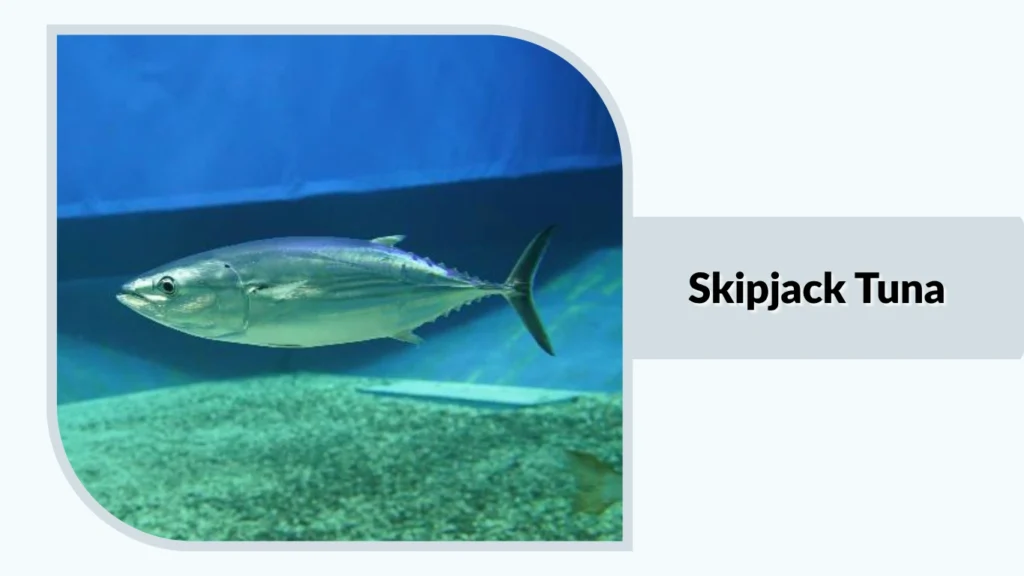
Skipjack tuna is one of the most abundant and widely harvested tuna species in the world. It is commonly used in canned tuna products and is known for its strong flavor and lower fat content. This species plays a major role in global fisheries due to its large population and fast growth.
Identification
- Small to medium-sized, streamlined body
- Dark blue to purplish back with silver belly
- Distinct horizontal dark stripes on the lower sides
- Short pectoral fins compared to other tuna
Habitat
Skipjack tuna are found in tropical and subtropical oceans worldwide. They prefer warm surface waters and are commonly seen in open ocean areas. They often stay near the surface and may associate with floating objects or marine life.
Diet
Skipjack tuna feed on small fish, crustaceans, and plankton. They are active feeders and often hunt in large groups, targeting schools of small prey. Their diet supports rapid growth and high energy levels.
Behavior
Skipjack tuna are highly social and form large schools, sometimes mixing with other tuna species. They are fast swimmers and are often found near the surface. Their schooling behavior helps them hunt efficiently and avoid predators.
Lifespan
The lifespan of skipjack tuna is relatively short, typically around 5 to 8 years. They grow quickly and reach maturity early, which helps sustain their large populations despite heavy fishing pressure.
6. Blackfin Tuna
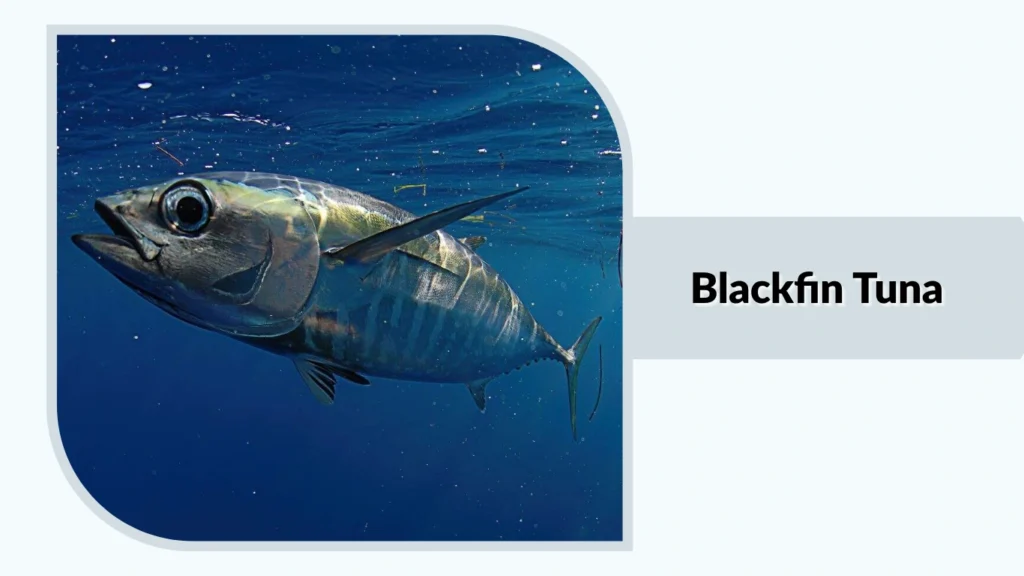
Blackfin tuna is the smallest species of true tuna in the Atlantic Ocean, known for its firm texture and rich flavor. It is popular among recreational anglers and is valued for its taste, especially when used fresh in various seafood dishes.
Identification
- Small to medium-sized, streamlined body
- Dark blue to black back with silvery sides
- Yellow tint on finlets and edges of fins
- Slightly elongated body compared to similar species
Habitat
Blackfin tuna are found in the western Atlantic Ocean, especially around the Gulf of Mexico and Caribbean Sea. They prefer warm, offshore waters but are also seen near reefs and coastal areas.
Diet
Blackfin tuna feed on small fish, squid, and crustaceans. They are active predators and often hunt in groups, chasing fast-moving prey near the surface or in mid-water depths.
Behavior
Blackfin tuna are fast swimmers and often form small schools. They are known for their agility and are frequently found near floating objects or areas with abundant food. They are also a popular target in sport fishing.
Lifespan
The typical lifespan of blackfin tuna is around 5 to 8 years. They grow relatively quickly and reach maturity early, supporting stable populations in their natural range.
7. Longtail Tuna
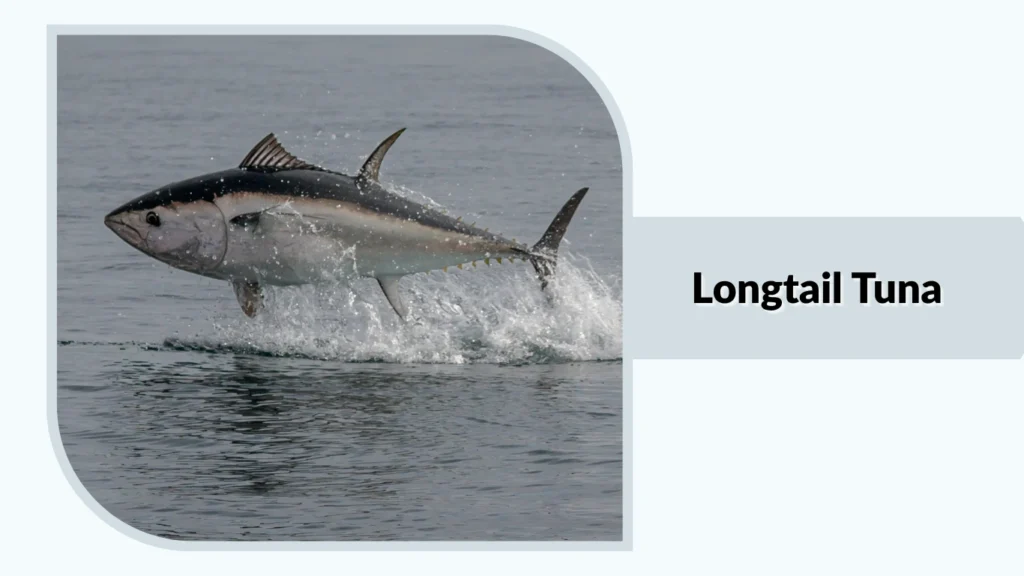
Longtail tuna is a medium-sized species known for its elongated body and strong swimming ability. It is commonly found in coastal waters of the Indo-Pacific region and is popular in both commercial and recreational fishing. This species is valued for its firm flesh and adaptability to nearshore environments.
Identification
- Slender, elongated body shape
- Dark blue back with bright silver sides
- Long tail region giving a stretched appearance
- Small finlets with yellowish tones
Habitat
Longtail tuna are mainly found in the Indo-Pacific region, especially in coastal and nearshore waters. They prefer warm, shallow seas and are often seen close to shorelines, bays, and estuaries. Unlike many other tuna species, they do not usually stay far offshore.
Diet
Longtail tuna feed on small fish, squid, and crustaceans. They are active hunters and often chase schooling prey in shallow waters. Their diet varies depending on the availability of food in coastal ecosystems.
Behavior
Longtail tuna are fast and agile swimmers, often seen moving in small groups. They are known for staying closer to land compared to other tuna species. Their behavior includes quick bursts of speed when hunting prey near the surface.
Lifespan
The lifespan of longtail tuna is typically around 5 to 7 years. They grow at a moderate rate and reach maturity relatively early, which helps maintain their population in coastal regions.
8. Bullet Tuna
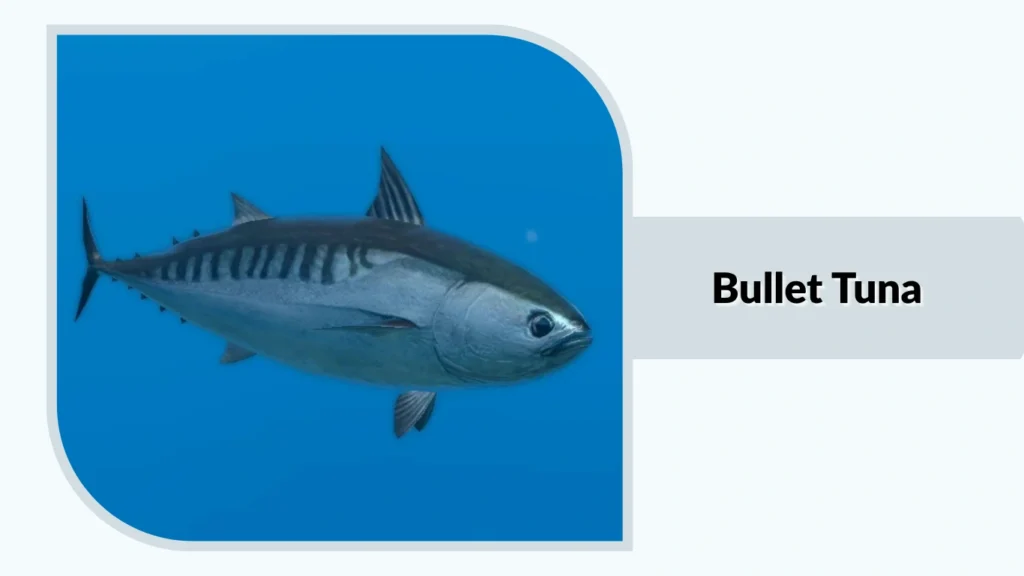
Bullet tuna is a small, fast-swimming tuna species known for its compact, bullet-like body shape. It is commonly found in warm waters and is often caught in small-scale fisheries. Although not as commercially valuable as larger tuna, it is still important in local markets and ecosystems.
Identification
- Small, compact, bullet-shaped body
- Dark blue back with silvery underside
- Short pectoral fins
- Wavy or broken dark lines on the upper body
Habitat
Bullet tuna are found in tropical and subtropical oceans, especially in the Atlantic and Indo-Pacific regions. They prefer warm, surface waters and are often seen near coastal areas as well as offshore zones. They tend to stay in areas with abundant food supply.
Diet
Bullet tuna mainly feed on small fish, plankton, and crustaceans. They are opportunistic feeders and often hunt in groups, targeting dense schools of small prey near the surface.
Behavior
Bullet tuna are highly active and form large schools. They are fast swimmers and often move quickly through surface waters while feeding. Their schooling behavior helps them avoid predators and improve feeding efficiency.
Lifespan
The lifespan of bullet tuna is relatively short, typically around 3 to 5 years. They grow quickly and reach maturity early, which supports their survival despite environmental pressures and fishing.
9. Frigate Tuna
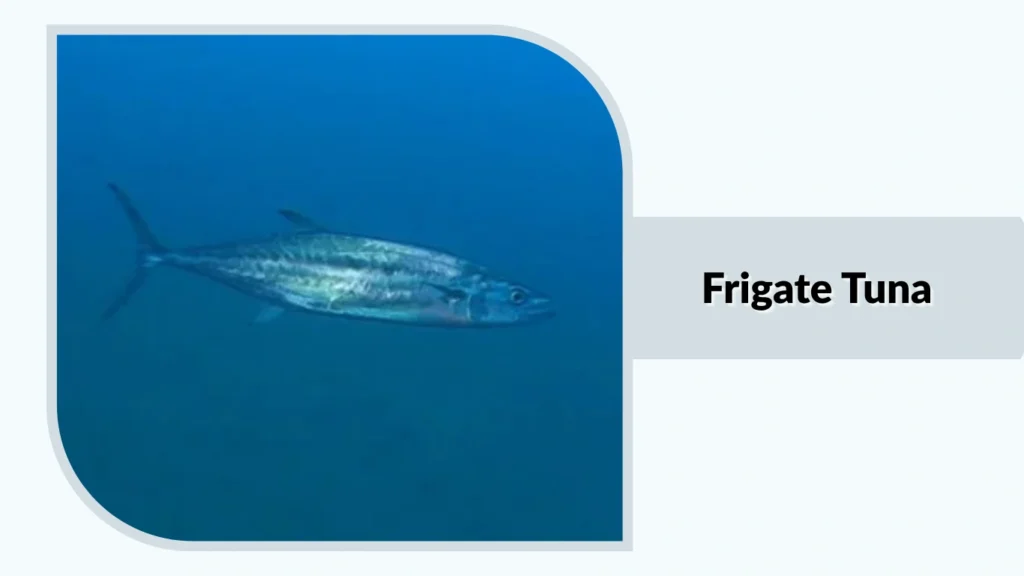
Frigate tuna is a small tuna species known for its speed and distinctive body markings. It is commonly found in warm ocean waters and is often caught in coastal fisheries. Although not as commercially valuable as larger tuna, it plays an important role in marine ecosystems.
Identification
- Small, streamlined body with a torpedo shape
- Dark blue back with silvery sides
- Distinct wavy or broken dark lines on the upper body
- Short pectoral fins and narrow tail base
Habitat
Frigate tuna are widely distributed in tropical and subtropical oceans, especially in the Atlantic and Indo-Pacific regions. They prefer warm surface waters and are often found near coastlines, islands, and open ocean environments with strong currents.
Diet
Frigate tuna feed on small fish, plankton, and crustaceans. They are opportunistic feeders and often hunt near the surface, targeting dense groups of prey. Their diet supports their fast growth and active lifestyle.
Behavior
Frigate tuna are fast and energetic swimmers that often form schools. They are frequently seen near the surface, sometimes mixed with other small tuna species. Their quick movements help them capture prey and avoid predators.
Lifespan
The lifespan of frigate tuna is typically around 4 to 6 years. They grow quickly and reach maturity early, allowing them to reproduce efficiently in warm ocean environments.
10. Kawakawa Tuna
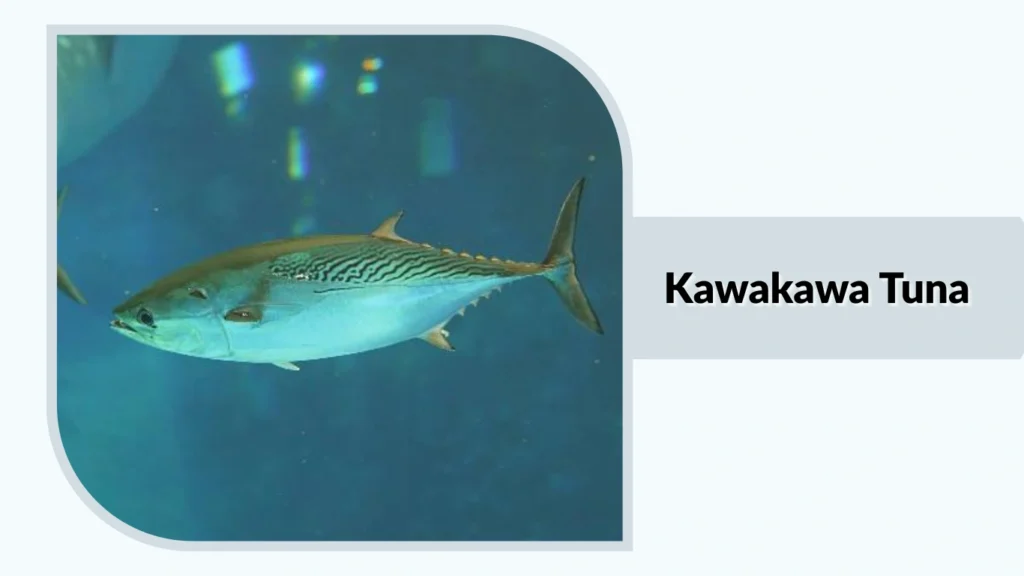
Kawakawa tuna is a small to medium-sized species commonly found in the Indo-Pacific region. It is known for its distinctive body patterns and is often caught in coastal fisheries. This species is important for local consumption and is valued for its firm meat.
Identification
- Medium, elongated body with a streamlined shape
- Dark blue back with silvery sides
- Irregular dark vertical bars on the upper sides
- Small black spots between the pectoral and pelvic fins
Habitat
Kawakawa tuna are found in warm coastal waters of the Indo-Pacific region. They are commonly seen near shorelines, reefs, and island areas. This species prefers shallow, warm waters and is often found in regions with strong currents and abundant food.
Diet
Kawakawa tuna feed on small fish, squid, and crustaceans. They are active predators and often hunt near the surface in groups. Their diet varies depending on the availability of prey in coastal environments.
Behavior
Kawakawa tuna are fast swimmers and usually form schools. They are often seen near the surface and may associate with floating objects or other fish species. Their schooling behavior helps them hunt efficiently and stay protected from predators.
Lifespan
The lifespan of kawakawa tuna is typically around 4 to 6 years. They grow relatively quickly and reach maturity early, which supports stable populations in their natural habitat.
11. Dogtooth Tuna
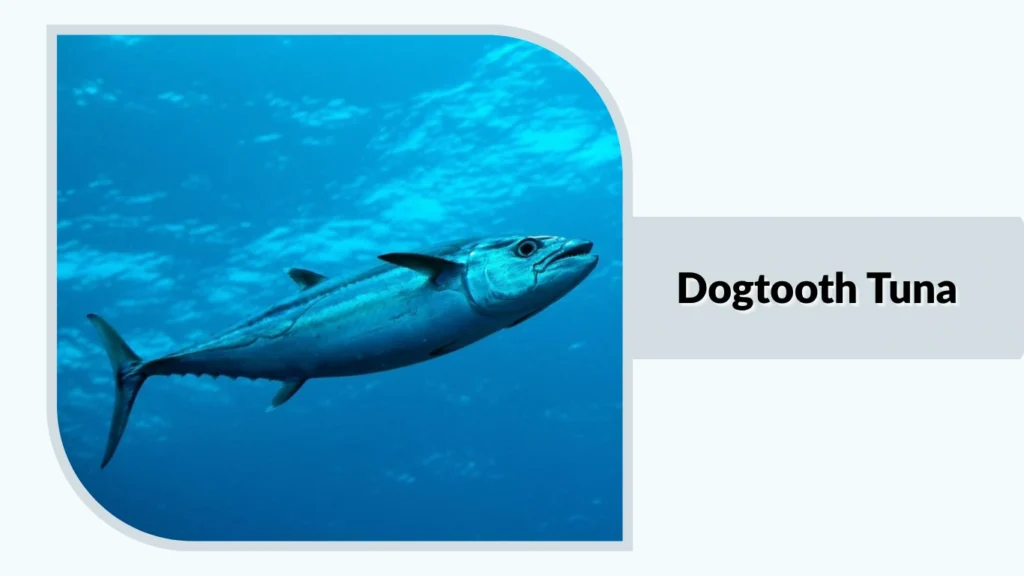
Dogtooth tuna is a powerful and aggressive species known for its large size and sharp teeth. It is highly valued in sport fishing due to its strength and fighting ability. Unlike many tuna species, it is often associated with reef environments rather than open ocean waters.
Identification
- Large, muscular, torpedo-shaped body
- Dark blue to gray back with silvery sides
- Very large, sharp teeth visible even when mouth is closed
- Long body with a strong tail for powerful swimming
Habitat
Dogtooth tuna are found in the Indo-Pacific region, especially around coral reefs, drop-offs, and deep coastal waters. They prefer warm tropical environments and are often seen near underwater structures rather than open ocean areas.
Diet
Dogtooth tuna are aggressive predators that feed mainly on fish such as mackerel, reef fish, and squid. They often hunt alone or in small groups, using speed and power to capture prey near reefs and deep water edges.
Behavior
Dogtooth tuna are known for their solitary or small-group behavior. They are strong and fast swimmers, often staying near reefs or deep drop-offs. Their aggressive nature makes them a challenging target for anglers.
Lifespan
The lifespan of dogtooth tuna is estimated to be around 10 to 15 years. They grow relatively slowly compared to smaller tuna species and reach maturity later, which can make them more vulnerable to overfishing.
12. Pacific Bluefin Tuna
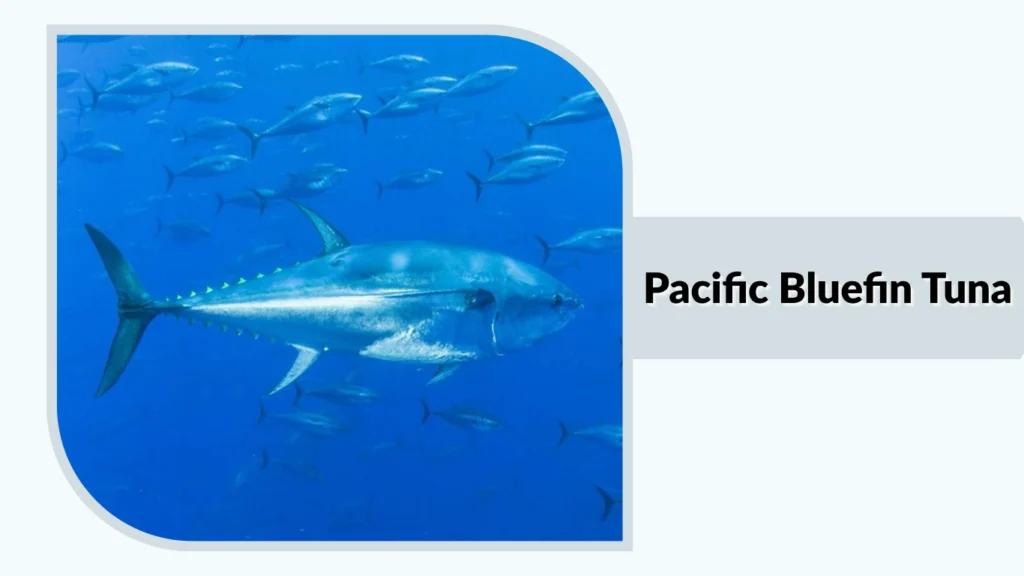
Pacific bluefin tuna is a large and highly prized tuna species known for its rich, fatty meat and importance in global seafood markets. It is especially valued in sushi and sashimi. This species is native to the Pacific Ocean and is known for its long migrations across vast ocean distances.
Identification
- Large, heavy, and torpedo-shaped body
- Dark blue back with silvery underside
- Short pectoral fins compared to other tuna
- Metallic sheen along the sides
Habitat
Pacific bluefin tuna are found throughout the North Pacific Ocean. They migrate across large distances, often traveling between the coasts of Asia and North America. They prefer open ocean waters but may also move closer to coastal areas during feeding or migration.
Diet
Pacific bluefin tuna feed on a variety of marine life, including fish such as sardines and anchovies, as well as squid and crustaceans. They are powerful predators capable of chasing fast-moving prey over long distances.
Behavior
Pacific bluefin tuna are highly migratory and known for their endurance and speed. They often swim in schools and can cross entire ocean basins. They are also capable of regulating their body temperature, allowing them to survive in cooler waters.
Lifespan
The lifespan of Pacific bluefin tuna can reach up to 20 years or more. They grow steadily and mature later than smaller tuna species, which makes them more sensitive to overfishing pressures.
13. Atlantic Bluefin Tuna
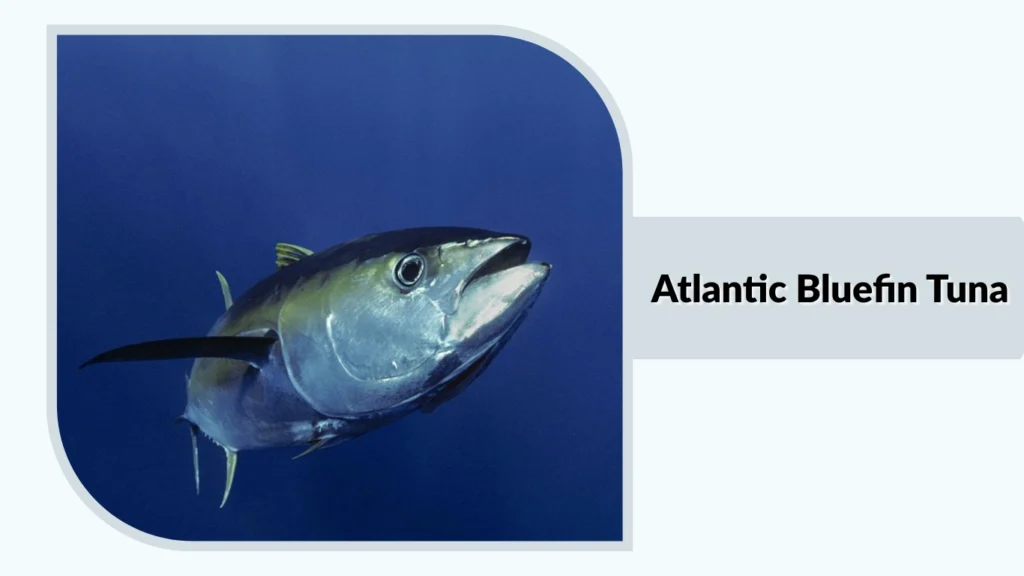
Atlantic bluefin tuna is one of the largest and most valuable tuna species, highly prized for its rich, fatty flesh. It is widely used in premium seafood markets, especially for sushi and sashimi. This species is known for its strength, speed, and long-distance migrations across the Atlantic Ocean.
Identification
- Very large, thick, torpedo-shaped body
- Dark blue back with silvery-white belly
- Short pectoral fins compared to other tuna
- Strong, powerful tail for high-speed swimming
Habitat
Atlantic bluefin tuna are found throughout the Atlantic Ocean, including the Mediterranean Sea. They prefer open ocean environments but migrate to specific spawning areas in warmer waters. They travel long distances between feeding and breeding grounds.
Diet
Atlantic bluefin tuna feed on a variety of marine organisms, including fish like herring and mackerel, as well as squid and crustaceans. They are apex predators and rely on speed and power to catch their prey.
Behavior
Atlantic bluefin tuna are highly migratory and capable of traveling thousands of kilometers. They often form schools and are known for their endurance and speed. They can maintain body heat, allowing them to hunt in cooler waters.
Lifespan
The lifespan of Atlantic bluefin tuna can exceed 30 years. They grow slowly and reach maturity later than many other tuna species, making them more vulnerable to overfishing and population decline.
14. Southern Bluefin Tuna
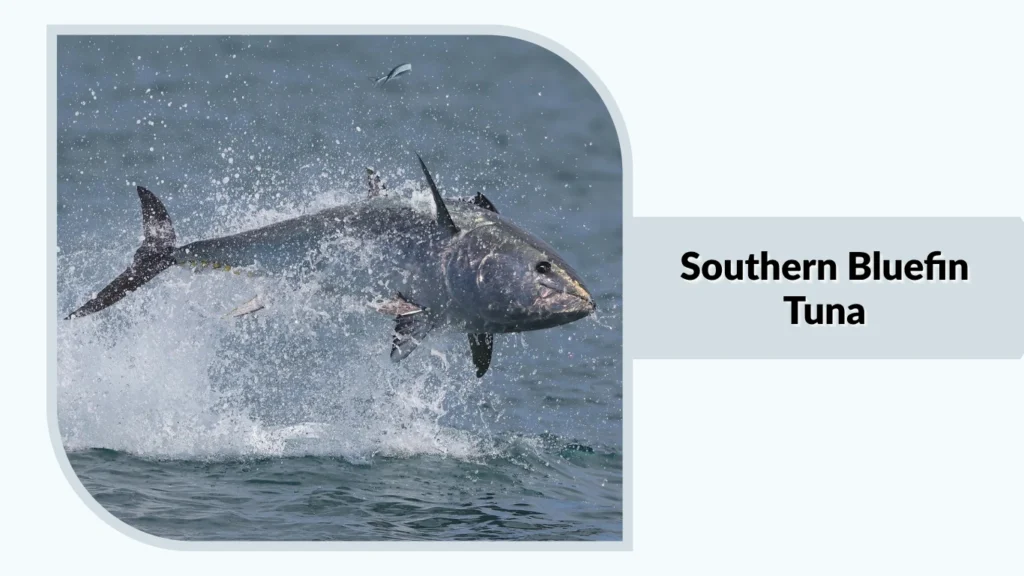
Southern bluefin tuna is a large and highly valued tuna species found in the southern hemisphere. It is prized for its rich, oily flesh and is widely used in high-end seafood markets. This species is known for its long migrations across southern oceans and its importance in global fisheries.
Identification
- Large, robust, torpedo-shaped body
- Dark blue back with silvery-white underside
- Short pectoral fins similar to other bluefin species
- Smooth, metallic appearance
Habitat
Southern bluefin tuna are found in the southern oceans, especially around Australia, New Zealand, and South Africa. They prefer open ocean environments and migrate long distances between feeding areas in cooler waters and spawning areas in warmer regions.
Diet
Southern bluefin tuna feed on fish such as sardines and anchovies, as well as squid and crustaceans. They are powerful predators and rely on speed to catch fast-moving prey in open water.
Behavior
Southern bluefin tuna are highly migratory and travel vast distances across oceans. They often form schools and are capable of maintaining elevated body temperatures, allowing them to hunt effectively in cold waters.
Lifespan
The lifespan of southern bluefin tuna can reach up to 30 to 40 years. They grow slowly and mature later in life, which makes them particularly vulnerable to overfishing and environmental changes.
15. Northern Bluefin Tuna
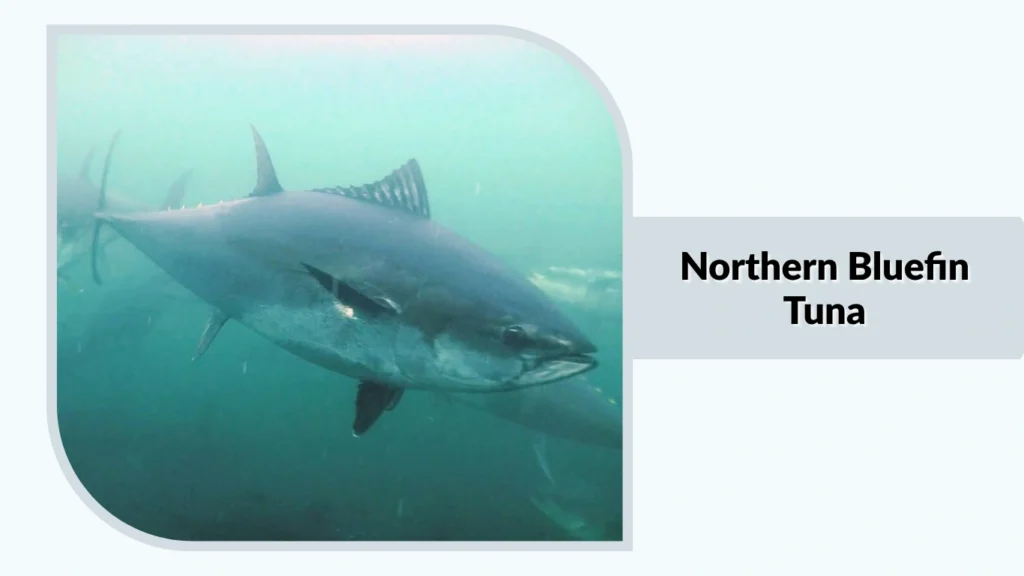
Northern bluefin tuna is a term sometimes used to refer to bluefin populations found in the northern regions of the Atlantic and Pacific Oceans. These fish are known for their large size, strength, and high commercial value, especially in premium seafood markets.
Identification
- Very large, thick-bodied, streamlined shape
- Dark blue upper body with silvery underside
- Short pectoral fins typical of bluefin species
- Strong tail built for speed and endurance
Habitat
Northern bluefin tuna are found in temperate and cold waters of the northern Atlantic and Pacific Oceans. They migrate across vast distances between feeding areas in cooler waters and spawning grounds in warmer regions.
Diet
Northern bluefin tuna feed on a variety of prey, including fish like herring, mackerel, and sardines, as well as squid and crustaceans. Their diet supports their large size and high energy needs.
Behavior
Northern bluefin tuna are highly migratory and capable of long-distance travel. They often form schools and are known for their speed and endurance. They can regulate their body temperature, allowing them to thrive in colder waters.
Lifespan
The lifespan of northern bluefin tuna can reach 20 to 30 years or more. They grow slowly and mature later in life, making them sensitive to overfishing and environmental pressures.
16. Slender Tuna
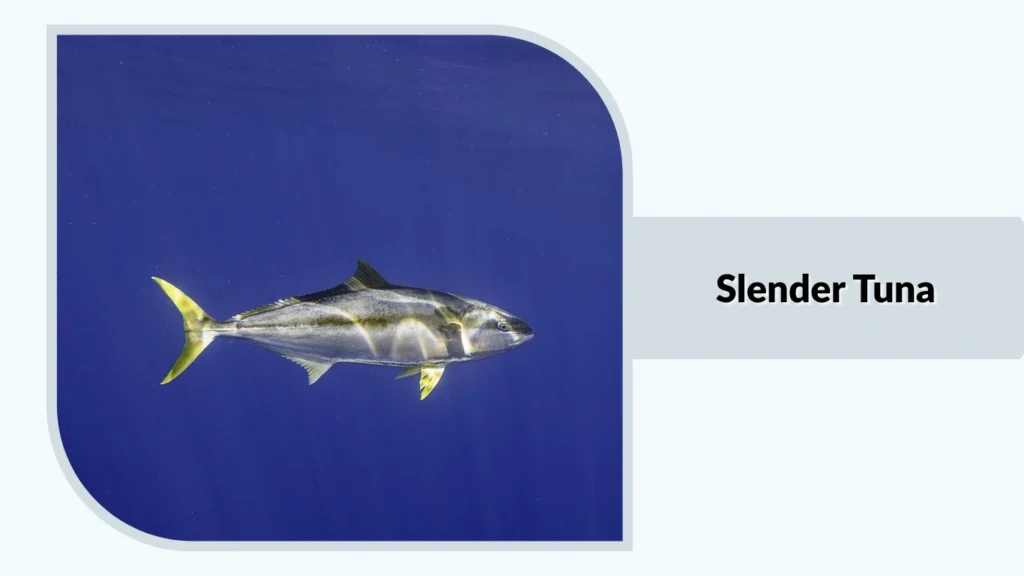
Slender tuna is a small and less commonly known tuna species found mainly in the Indo-Pacific region. It is named for its thin, elongated body shape and is typically caught in small-scale fisheries. Although not widely commercialized, it plays an important role in local ecosystems and coastal fishing.
Identification
- Small, slender, and elongated body
- Dark bluish back with silvery sides
- Narrow body compared to other tuna species
- Subtle markings with a smooth appearance
Habitat
Slender tuna are found in warm coastal waters of the Indo-Pacific region. They are often seen near shorelines, reefs, and shallow seas. This species prefers tropical and subtropical environments with stable temperatures.
Diet
Slender tuna feed on small fish, plankton, and crustaceans. They are opportunistic feeders and usually hunt in areas where food is abundant. Their diet supports their fast movement and active lifestyle.
Behavior
Slender tuna are active swimmers and may form small schools. They are often found near the surface and can move quickly when chasing prey. Their behavior is similar to other small tuna species, focusing on speed and group movement.
Lifespan
The lifespan of slender tuna is relatively short, typically around 4 to 6 years. They grow quickly and reach maturity early, helping maintain their population in coastal environments.
17. Mackerel Tuna
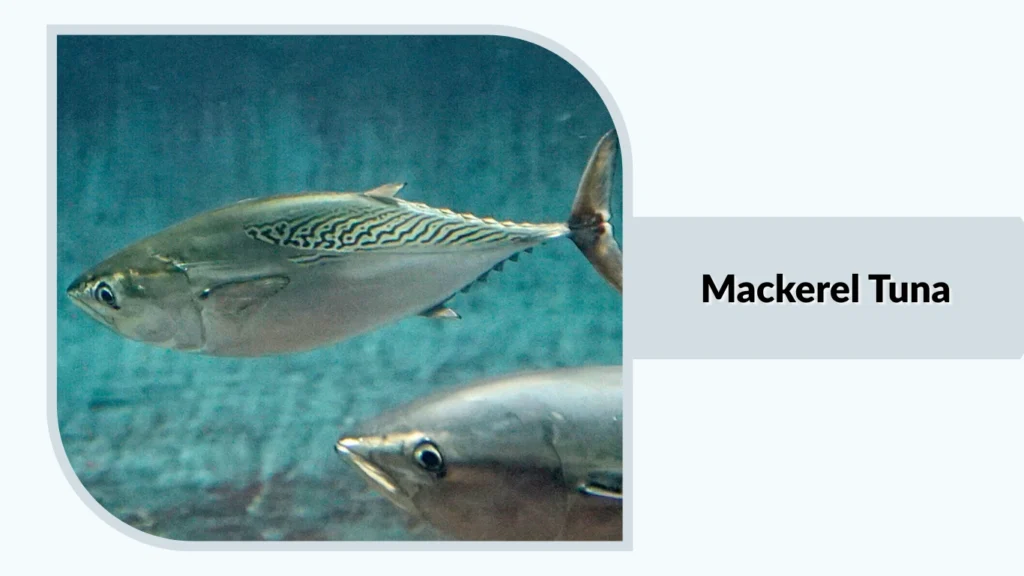
Mackerel tuna is a small tuna species known for its fast movement and resemblance to mackerel in body shape and behavior. It is commonly found in warm ocean waters and is important in local fisheries. Though not as commercially valuable as larger tuna, it plays a key role in marine ecosystems.
Identification
- Small, streamlined, mackerel-like body
- Dark blue back with silvery underside
- Wavy or broken dark lines on the upper body
- Short pectoral fins and narrow tail base
Habitat
Mackerel tuna are found in tropical and subtropical oceans, especially in the Indo-Pacific region. They prefer warm surface waters and are often seen near coastlines, reefs, and open ocean areas with strong currents.
Diet
Mackerel tuna feed on small fish, plankton, and crustaceans. They are active predators and often hunt in groups, targeting dense schools of prey near the surface.
Behavior
Mackerel tuna are fast swimmers and usually form schools. They are often seen near the surface and may mix with other small tuna species. Their speed and group behavior help them hunt efficiently and avoid predators.
Lifespan
The lifespan of mackerel tuna is typically around 4 to 6 years. They grow quickly and reach maturity early, supporting stable populations in warm ocean environments.
18. Little Tunny
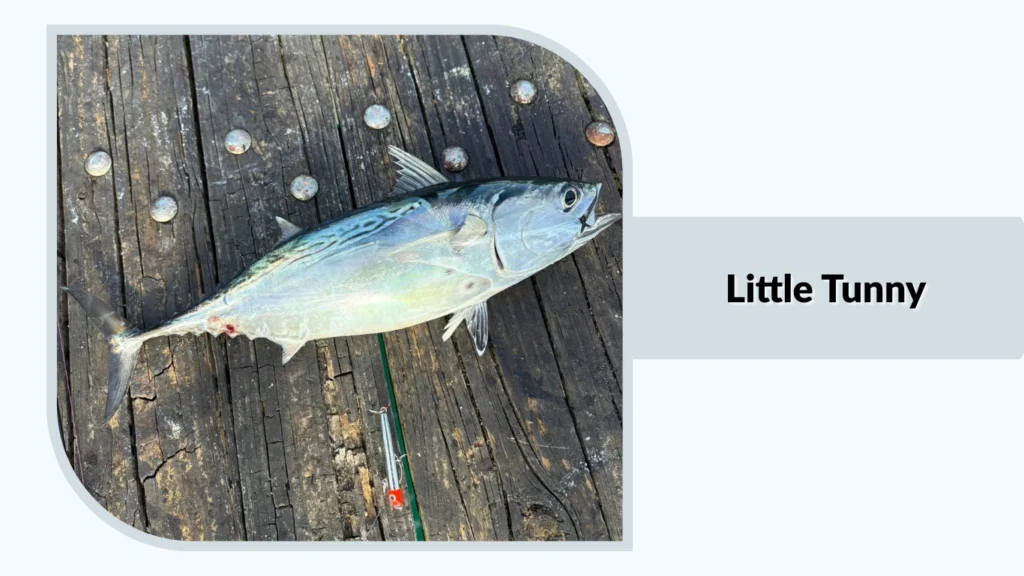
Little tunny is a small tuna species known for its speed and strong fighting ability. It is commonly found in warm coastal waters and is popular in recreational fishing. Although not highly valued commercially, it plays an important role in marine food chains.
Identification
- Small to medium-sized, compact body
- Dark blue back with silvery sides
- Wavy dark lines on the upper body
- Small black spots between the pectoral and pelvic fins
Habitat
Little tunny are found in tropical and subtropical waters of the Atlantic Ocean and nearby seas. They are commonly seen in coastal areas, bays, and nearshore environments, often swimming close to the surface.
Diet
Little tunny feed on small fish, squid, and crustaceans. They are active predators and often hunt in groups, chasing schools of baitfish in shallow waters.
Behavior
Little tunny are fast, energetic swimmers that often form schools. They are frequently seen near the surface and are known for aggressive feeding behavior. Their speed makes them a challenging catch for anglers.
Lifespan
The lifespan of little tunny is typically around 5 to 8 years. They grow quickly and reach maturity early, helping maintain stable populations in their natural habitat.
19. Bonito Tuna
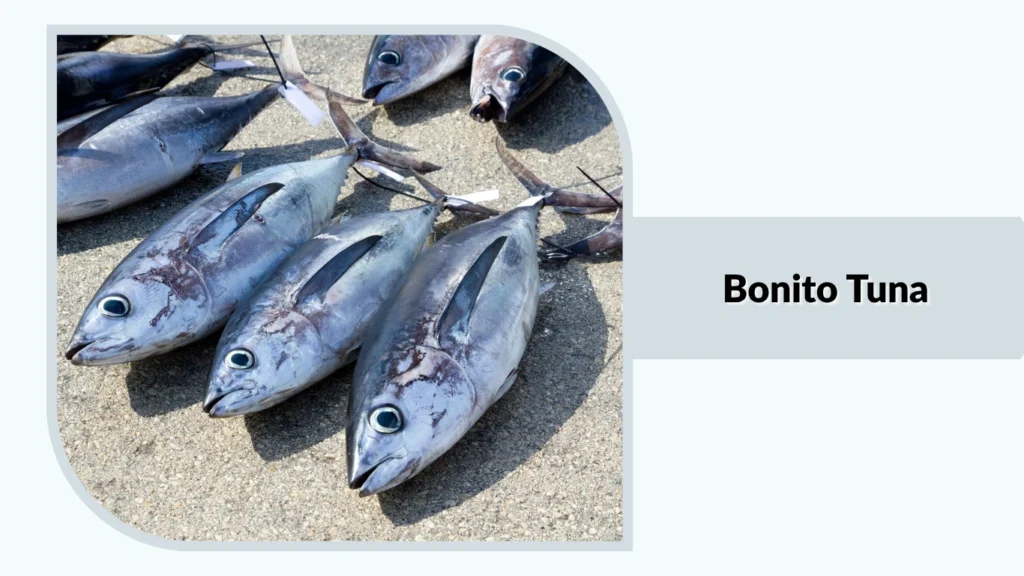
Bonito tuna is a small, fast-moving species often grouped with tuna due to its similar appearance and behavior. It is commonly found in warm and temperate oceans and is popular in both commercial and recreational fishing. It is also widely used in dried and processed seafood products.
Identification
- Small to medium-sized, streamlined body
- Dark blue back with silver sides
- Distinct diagonal or horizontal dark stripes on the body
- Sharp snout and strong tail
Habitat
Bonito tuna are found in both tropical and temperate oceans worldwide. They prefer coastal and offshore waters and are often seen near the surface. They are commonly found around islands, reefs, and areas with strong currents.
Diet
Bonito tuna feed mainly on small fish, squid, and crustaceans. They are aggressive hunters and often chase fast-moving prey in schools. Their diet supports their high energy levels and rapid swimming ability.
Behavior
Bonito tuna are highly active and form schools. They are fast swimmers and often seen breaking the surface while chasing prey. Their schooling behavior helps them hunt efficiently and avoid predators.
Lifespan
The lifespan of bonito tuna is typically around 5 to 8 years. They grow quickly and reach maturity early, which supports their survival in dynamic ocean environments.
20. False Albacore
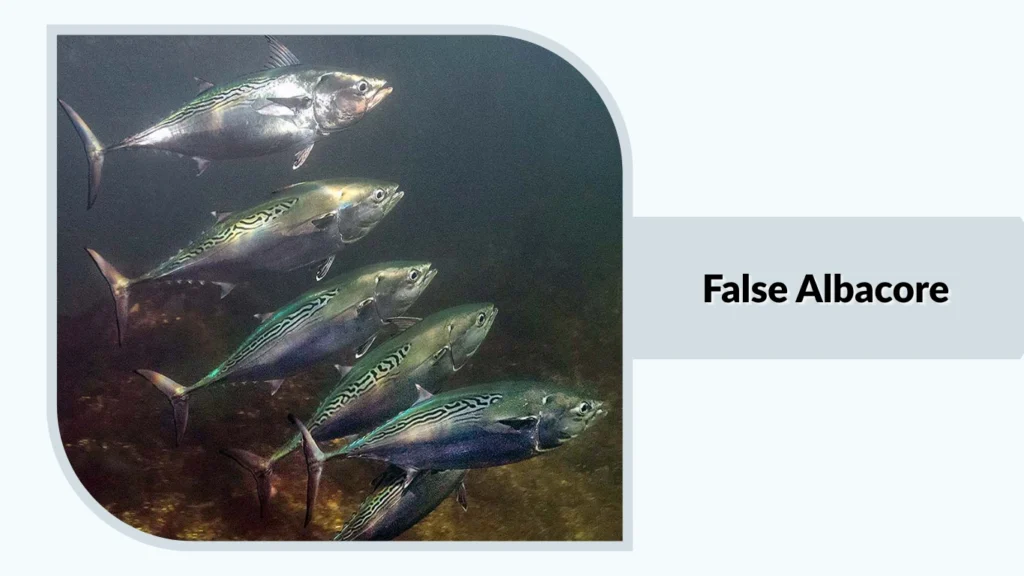
False albacore, also known as little tunny in some regions, is a fast and powerful fish often mistaken for true tuna. It is popular among sport anglers due to its speed and strength, although it is less valued for commercial consumption compared to other tuna species.
Identification
- Small to medium-sized, compact body
- Dark bluish-green back with silvery sides
- Wavy dark lines on the upper body
- Small black spots between the pectoral and pelvic fins
Habitat
False albacore are found in warm and temperate waters of the Atlantic Ocean. They are commonly seen in coastal areas, bays, and nearshore environments, often close to the surface where food is abundant.
Diet
False albacore feed on small fish such as anchovies and sardines, along with squid and crustaceans. They are aggressive feeders and often hunt in groups, targeting dense schools of prey.
Behavior
False albacore are extremely fast swimmers and are known for their energetic behavior. They often form schools and are frequently seen chasing baitfish near the surface, creating visible splashes.
Lifespan
The lifespan of false albacore is typically around 5 to 8 years. They grow quickly and reach maturity early, allowing them to maintain stable populations in their natural habitat.
21. Tonggol Tuna
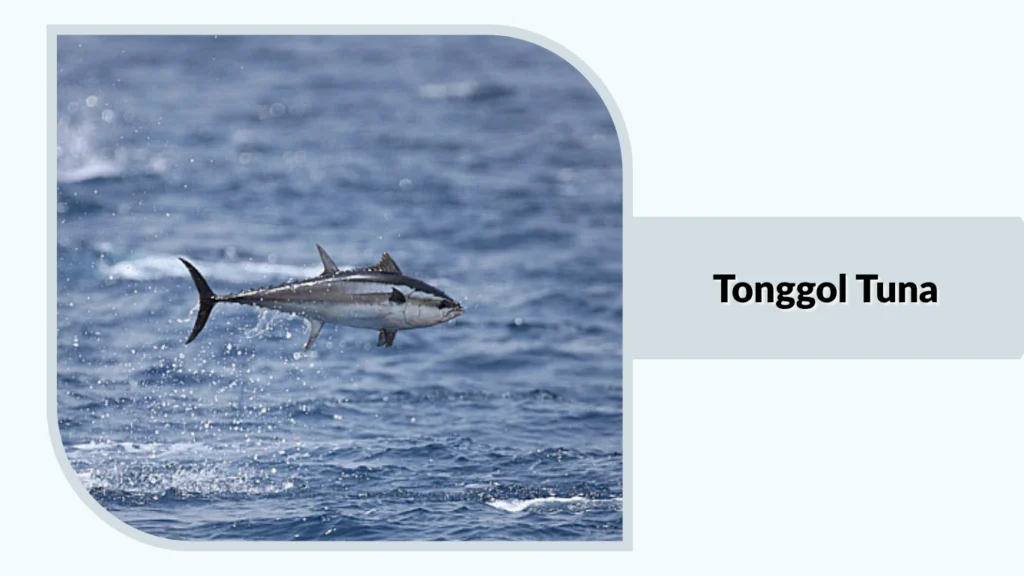
Tonggol tuna is a coastal tuna species commonly found in the Indo-Pacific region. It is important in regional fisheries and is widely used for fresh, dried, and canned products. This species is known for its moderate size and preference for nearshore environments.
Identification
- Medium-sized, elongated body
- Dark bluish back with silvery sides
- Relatively long pectoral fins
- Smooth body with minimal markings
Habitat
Tonggol tuna are found in warm coastal waters of the Indo-Pacific, especially around Southeast Asia and northern Australia. They prefer shallow seas, bays, and areas near the continental shelf rather than deep offshore waters.
Diet
Tonggol tuna feed on small fish, squid, and crustaceans. They are active predators and usually hunt in areas where prey is abundant, often near the surface or mid-water depths.
Behavior
Tonggol tuna are generally found in small schools or loose groups. They are active swimmers and often stay close to coastal areas. Their movement patterns are influenced by food availability and seasonal changes.
Lifespan
The lifespan of tonggol tuna is typically around 5 to 7 years. They grow at a moderate rate and reach maturity relatively early, which helps maintain their populations in coastal regions.
22. Auxis Tuna
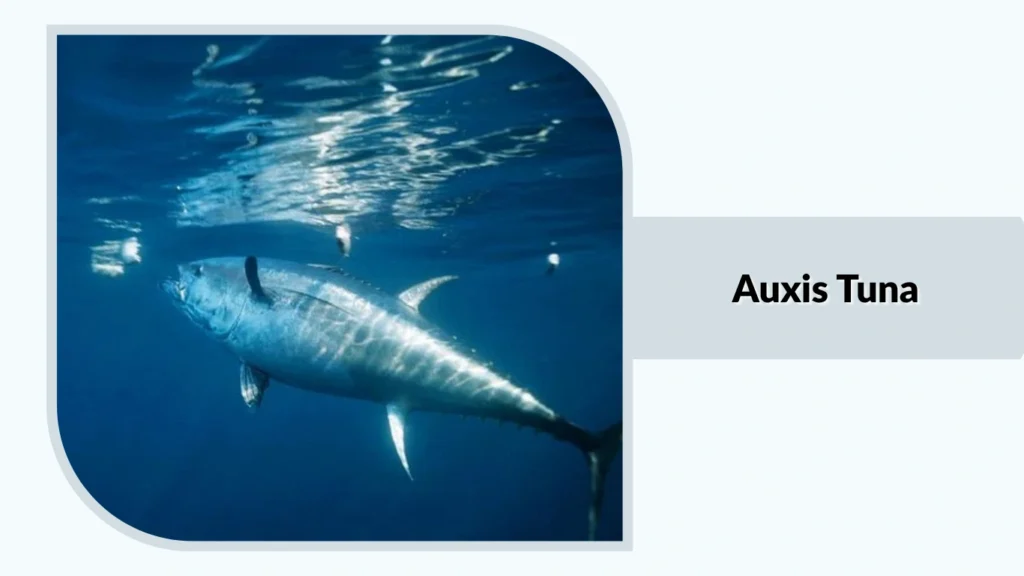
Auxis tuna refers to small tuna species within the Auxis group, including bullet tuna and frigate tuna. These fish are fast-moving and widely distributed in warm oceans. They are important in local fisheries and serve as a key part of the marine food chain.
Identification
- Small, compact, and streamlined body
- Dark blue back with silvery underside
- Wavy or broken dark markings on the upper body
- Short pectoral fins and narrow tail base
Habitat
Auxis tuna are found in tropical and subtropical oceans worldwide. They prefer warm surface waters and are commonly seen in both coastal and offshore environments. They often gather in areas with strong currents and abundant food.
Diet
Auxis tuna feed mainly on small fish, plankton, and crustaceans. They are opportunistic feeders and often hunt in groups, targeting dense schools of prey near the surface.
Behavior
Auxis tuna are highly active and form schools. They are fast swimmers and frequently move near the surface while feeding. Their schooling behavior helps improve feeding efficiency and provides protection from predators.
Lifespan
The lifespan of Auxis tuna is relatively short, typically around 3 to 5 years. They grow quickly and reach maturity early, allowing them to reproduce efficiently in warm ocean environments.
23. Euthynnus Tuna
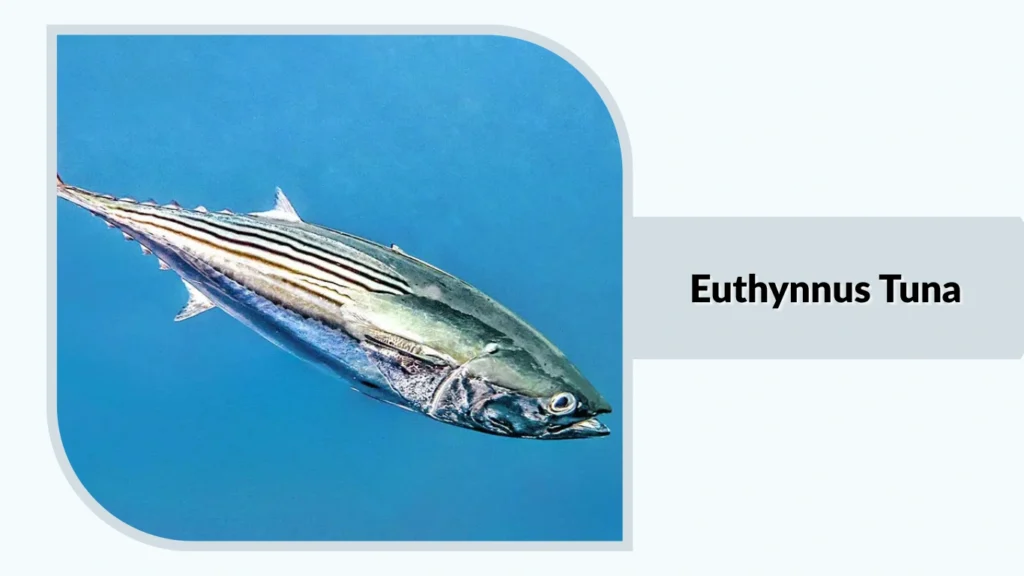
Euthynnus tuna refers to a group of small tuna species within the Euthynnus genus, including little tunny and kawakawa. These fish are commonly found in warm ocean waters and are important in regional fisheries. They are known for their speed and distinctive body markings.
Identification
- Small to medium-sized, streamlined body
- Dark blue back with silvery sides
- Wavy lines or spots on the upper body
- Short pectoral fins and strong tail
Habitat
Euthynnus tuna are found in tropical and subtropical oceans worldwide. They prefer warm surface waters and are often seen near coastlines, reefs, and open ocean areas with good food supply.
Diet
Euthynnus tuna feed on small fish, squid, and crustaceans. They are active predators and often hunt in groups, targeting schools of prey near the surface.
Behavior
Euthynnus tuna are fast swimmers and usually form schools. They are often seen near the surface and may mix with other tuna species. Their speed and group behavior help them hunt efficiently and avoid predators.
Lifespan
The lifespan of Euthynnus tuna typically ranges from 4 to 6 years. They grow quickly and reach maturity early, supporting stable populations in warm ocean environments.
24. Thunnus Tuna
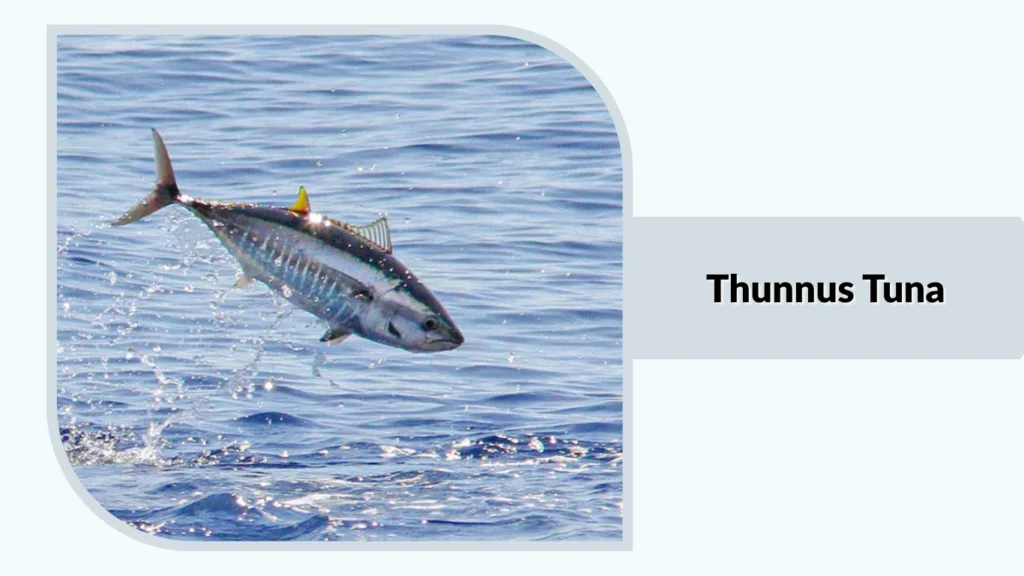
Thunnus tuna refers to the group of large, true tuna species within the Thunnus genus, including bluefin, yellowfin, bigeye, and albacore. These are among the most commercially important tuna worldwide, known for their size, strength, and high-quality meat.
Identification
- Large, powerful, torpedo-shaped body
- Dark blue back with silvery sides
- Finlets behind dorsal and anal fins
- Strong tail designed for speed and endurance
Habitat
Thunnus tuna are found in oceans around the world, especially in tropical, subtropical, and temperate waters. They prefer open ocean environments but may move closer to coastal areas during feeding or migration.
Diet
Thunnus tuna feed on a variety of prey, including fish, squid, and crustaceans. They are apex predators and rely on speed and strength to catch fast-moving prey in open water.
Behavior
Thunnus tuna are highly migratory and capable of traveling long distances across oceans. They often form schools and are known for their endurance and ability to swim continuously at high speeds.
Lifespan
The lifespan of Thunnus tuna varies by species but generally ranges from 8 to over 30 years. Larger species tend to live longer and mature later than smaller tuna types.
25. Tropical Tuna
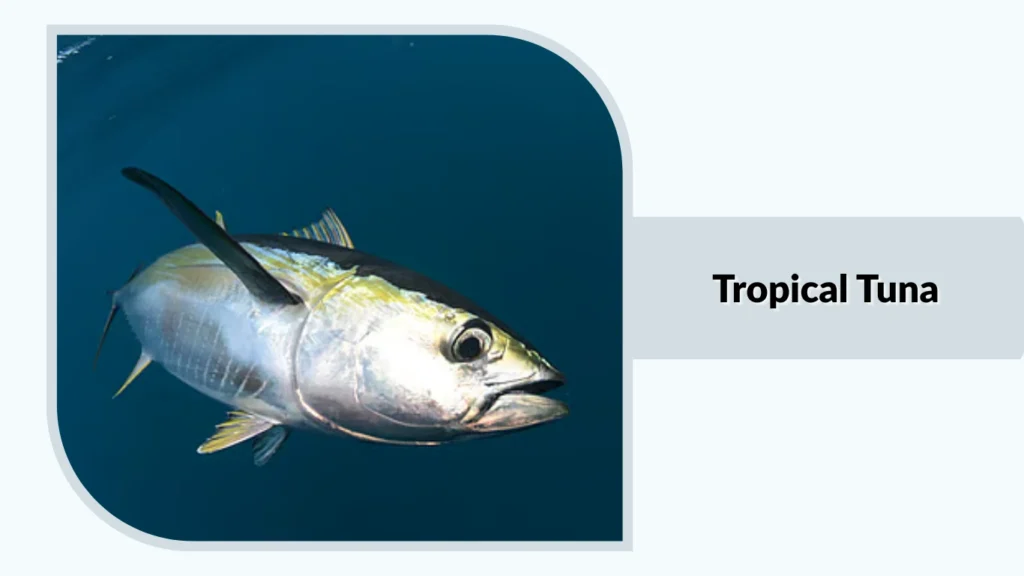
Tropical tuna is a general term used to describe tuna species that live in warm tropical ocean waters, such as skipjack, yellowfin, and bigeye. These species are highly important in global fisheries and are widely used in canned and fresh seafood markets.
Identification
- Medium-sized, streamlined body depending on species
- Dark blue back with silvery sides
- Yellow or metallic finlets in some species
- Smooth, torpedo-shaped body built for speed
Habitat
Tropical tuna are found in warm tropical and subtropical oceans around the world. They prefer surface to mid-water depths and are commonly seen in open ocean areas with stable temperatures and abundant food.
Diet
Tropical tuna feed on small fish, squid, plankton, and crustaceans. Their diet varies by species but generally includes fast-moving prey found in warm ocean waters.
Behavior
Tropical tuna are active swimmers and often form large schools. They migrate within warm water zones and may associate with floating objects or marine animals while feeding.
Lifespan
The lifespan of tropical tuna varies by species but generally ranges from 5 to 10 years. They grow quickly and reach maturity relatively early, supporting high population levels.
FAQs
What is the most popular type of tuna?
Bluefin tuna is considered the most popular due to its rich, fatty meat and high demand in sushi and sashimi markets. It is one of the most valuable fish globally, often sold at premium prices because of its taste and quality.
Which tuna is best for eating?
Yellowfin and albacore tuna are commonly preferred for eating. Yellowfin has a firm texture and mild flavor, while albacore is known as “white tuna” and is popular in canned products due to its softer texture and lighter taste.
What is the smallest tuna species?
Bullet tuna and frigate tuna are among the smallest tuna species. They have compact bodies and shorter lifespans compared to larger tuna like bluefin, making them less valuable commercially but still important in local fisheries.
Do all tuna migrate long distances?
Most tuna species are highly migratory and travel long distances across oceans in search of food and suitable temperatures. However, some smaller species tend to stay closer to coastal areas and do not migrate as far as larger tuna.
What is tropical tuna?
Tropical tuna is a general term for tuna species that live in warm ocean waters, such as skipjack, yellowfin, and bigeye. These species are widely used in commercial fishing and are commonly found in canned and fresh seafood products worldwide.