
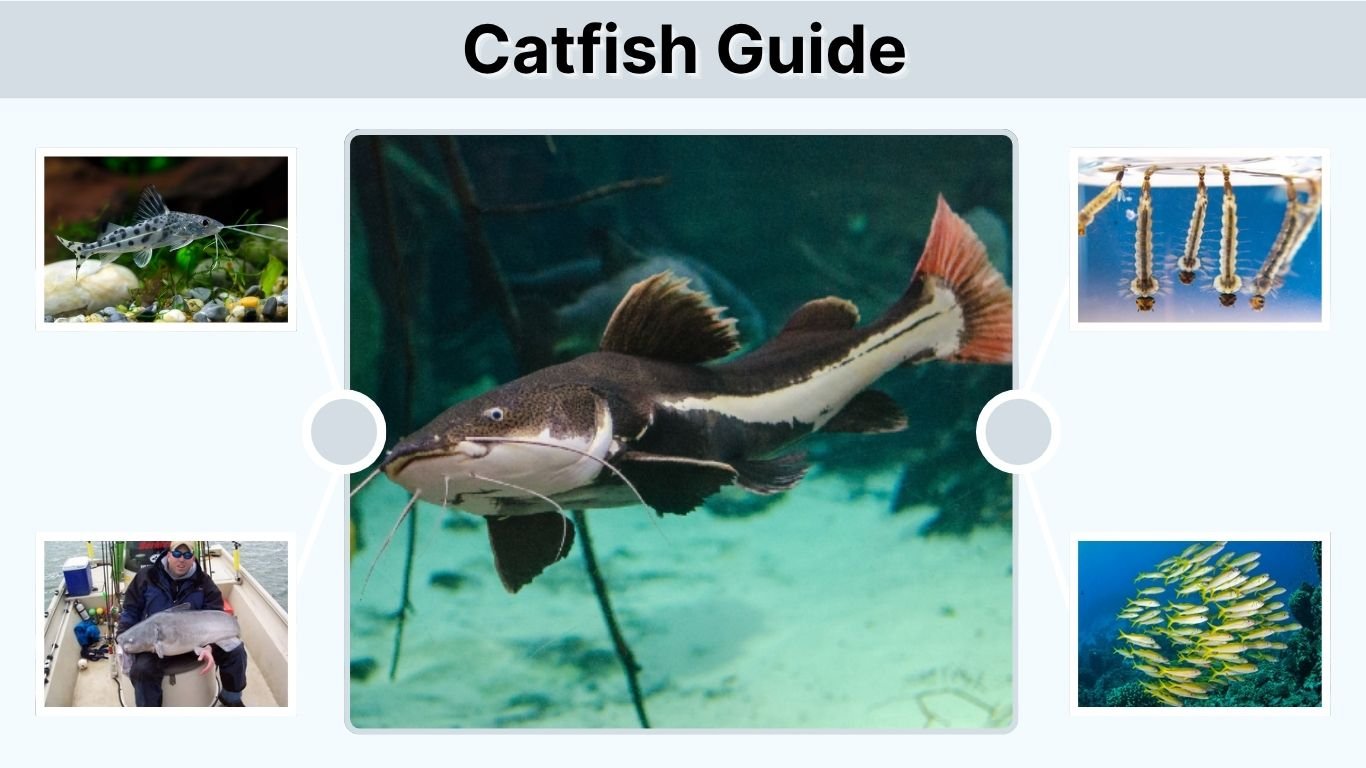
Catfish are one of the most recognizable freshwater fish groups in the world. They are known for their whisker-like barbels, bottom-feeding habits, and wide range of sizes. Some catfish stay small enough for home aquariums, while others grow into river giants. From channel catfish and blue catfish to cory catfish and redtail catfish, this group includes many species with different habitats, diets, and behaviors.
What Is a Catfish?
Catfish are fish from the order Siluriformes. Their most famous feature is the set of barbels around the mouth. These barbels look like cat whiskers, which is where the name “catfish” comes from.
Most catfish use their barbels to find food in muddy, dark, or low-visibility water. Many species live near the bottom, but not all catfish are slow or inactive. Some are powerful predators, some are peaceful scavengers, and others are popular aquarium fish.
Main Features of Catfish
Catfish can look very different depending on the species, but many share similar traits.
- Whisker-like barbels around the mouth
- Smooth or armored body
- Strong sense of smell and taste
- Bottom-dwelling behavior
- Wide mouth for feeding
- Ability to live in rivers, lakes, ponds, and aquariums
- Some species have sharp pectoral or dorsal fin spines
Common Types of Catfish
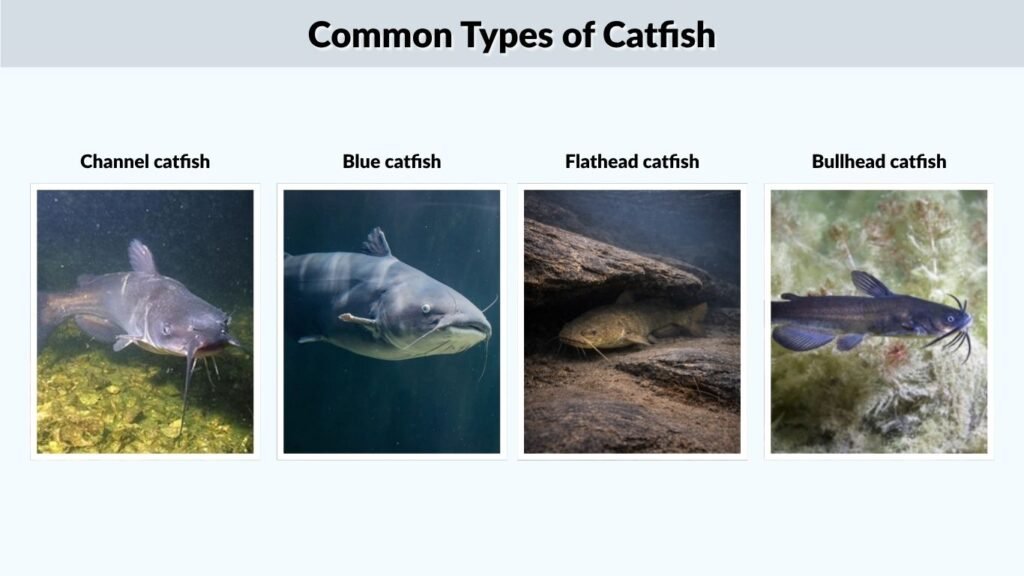
There are thousands of catfish species, but some are much more familiar to anglers, aquarium keepers, and fish lovers. The most searched types include blue catfish, channel catfish, flathead catfish, bullhead catfish, cory catfish, pictus catfish, redtail catfish, and wels catfish.
| Catfish Type | Common Habitat | Notable Feature |
| Channel catfish | Rivers, lakes, ponds | Popular sport and food fish |
| Blue catfish | Large rivers and reservoirs | Can grow very large |
| Flathead catfish | Rivers and deep holes | Strong predator |
| Bullhead catfish | Ponds and slow waters | Hardy and smaller |
| Wels catfish | European rivers and lakes | One of the largest catfish |
| Cory catfish | Freshwater aquariums | Small peaceful bottom dweller |
| Pictus catfish | Aquariums and rivers | Long barbels and spotted body |
| Redtail catfish | South American rivers | Large size and red tail |
Channel Catfish
Channel catfish are one of the most common catfish in North America. They are popular with anglers because they are strong fighters and can adapt to many waters. They usually have a slender body, forked tail, and small dark spots when young.
Channel catfish eat insects, worms, small fish, plant matter, and dead animals. They are often found in rivers, ponds, lakes, and reservoirs. Because they are hardy and fast-growing, they are also widely raised in fish farms.
Blue Catfish
Blue catfish are large freshwater catfish known for their bluish-gray body and deeply forked tail. They are often found in major river systems and reservoirs. Compared with channel catfish, blue catfish usually grow much larger and have a heavier body.
They are powerful predators and scavengers. Their diet includes fish, mussels, crayfish, and other aquatic animals. Many anglers target blue catfish because they can reach impressive sizes.
Flathead Catfish
Flathead catfish are easy to recognize because of their broad, flat head and wide mouth. Unlike channel catfish and blue catfish, flatheads often prefer live prey. They commonly eat fish, crayfish, and other animals that fit into their large mouths.
Flathead catfish usually hide near logs, deep holes, undercut banks, and other cover. They are mostly active at night and are known as strong, heavy-bodied fish.
Bullhead Catfish
Bullhead catfish are smaller, hardy catfish often found in ponds, creeks, and slow-moving waters. They can survive in muddy or low-oxygen environments better than many other fish.
There are different types of bullheads, including black bullhead, brown bullhead, and yellow bullhead. They are usually smaller than channel catfish and have a rounded tail instead of a deeply forked tail.
Giant Catfish Species
Some catfish species are famous because of their massive size. These giant catfish often live in large rivers and lakes where they have enough space and food to grow.
Giant catfish are important in their ecosystems because they can act as top predators or large scavengers. However, many large catfish species are also affected by overfishing, habitat loss, dams, and river pollution.
Wels Catfish
The wels catfish is one of the largest freshwater fish in Europe. It has a long body, wide mouth, and powerful build. Wels catfish live in large rivers, lakes, and reservoirs.
This species is known for eating fish, frogs, birds, and other animals when it becomes large. Because of its size and strength, wels catfish are popular among anglers looking for trophy fish.
Mekong Giant Catfish
The Mekong giant catfish is one of the most famous giant freshwater fish in the world. It comes from the Mekong River system in Southeast Asia. Unlike many predatory catfish, this species is mostly herbivorous as an adult.
The Mekong giant catfish is also known for conservation concern. River changes, dams, and heavy fishing pressure have made it much rarer than before.
Redtail Catfish
The redtail catfish is a large South American species with a dark body, pale belly, and orange-red tail. It is sometimes sold in the aquarium trade, but it grows far too large for most home tanks.
Young redtail catfish may look attractive in pet stores, but adults need huge space and powerful filtration. They are best suited for public aquariums or very large custom systems.
Aquarium Catfish
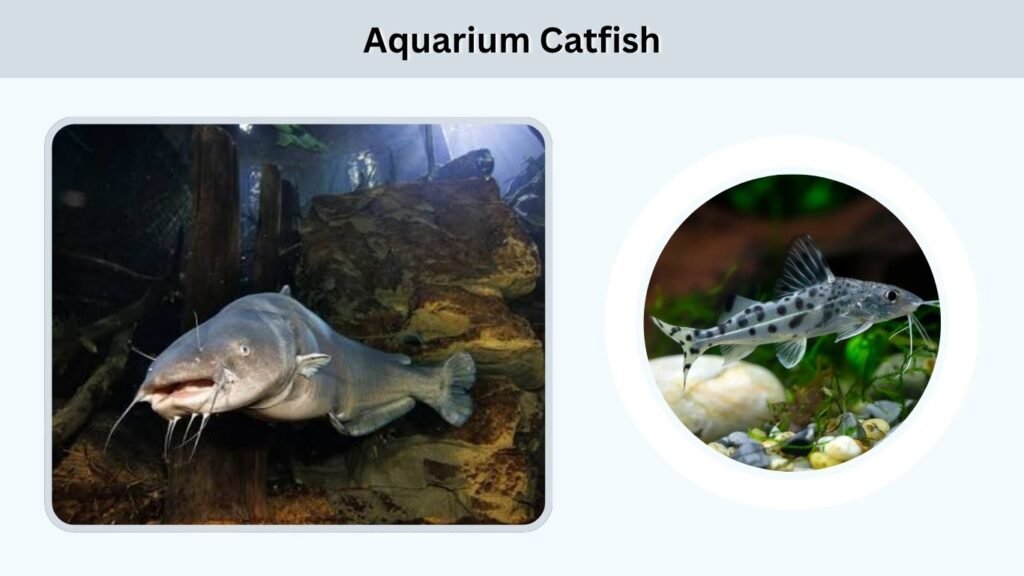
Many people know catfish through home aquariums. Aquarium catfish range from tiny peaceful species to large predatory fish. Choosing the right species is very important because some catfish grow much bigger than beginners expect.
Small community catfish can help clean leftover food, but they should not be treated as a replacement for tank maintenance. They still need proper food, clean water, and suitable tank mates.
Cory Catfish
Cory catfish, also called corydoras catfish, are among the best catfish for peaceful community aquariums. They stay small, live in groups, and spend much of their time searching the bottom for food.
Cory catfish should be kept on smooth sand or soft substrate because rough gravel can damage their barbels. They do best in groups of six or more and should be fed sinking pellets, frozen foods, and small live foods.
Pictus Catfish
Pictus catfish have silver bodies with black spots and long flowing barbels. They are active swimmers and need more space than small bottom dwellers like cory catfish.
Although pictus catfish are popular, they may eat very small fish if given the chance. They are better for medium to larger community tanks with fish that are not small enough to swallow.
Glass Catfish
Glass catfish are unusual because their bodies are almost transparent. Their bones and internal structure can be seen through the body, making them one of the most unique aquarium catfish.
They are peaceful schooling fish and should not be kept alone. Glass catfish need clean water, gentle flow, and calm tank mates. They can be sensitive, so they are better for aquarists with some experience.
Otocinclus Catfish
Otocinclus catfish are tiny algae-eating catfish often used in planted aquariums. They are peaceful and do well with small fish like tetras, rasboras, and shrimp.
They should be added only to mature tanks with stable water and natural algae growth. Many otocinclus are delicate when first introduced, so careful acclimation and good water quality are important.
Catfish Habitat and Distribution
Catfish live on almost every continent except Antarctica. They are especially common in freshwater habitats, but some species live in brackish or saltwater environments.
Most catfish prefer places where they can find cover and food. This may include muddy river bottoms, submerged logs, plants, rocks, deep holes, and shaded banks. Some species live in fast rivers, while others prefer slow ponds and swamps.
What Do Catfish Eat?
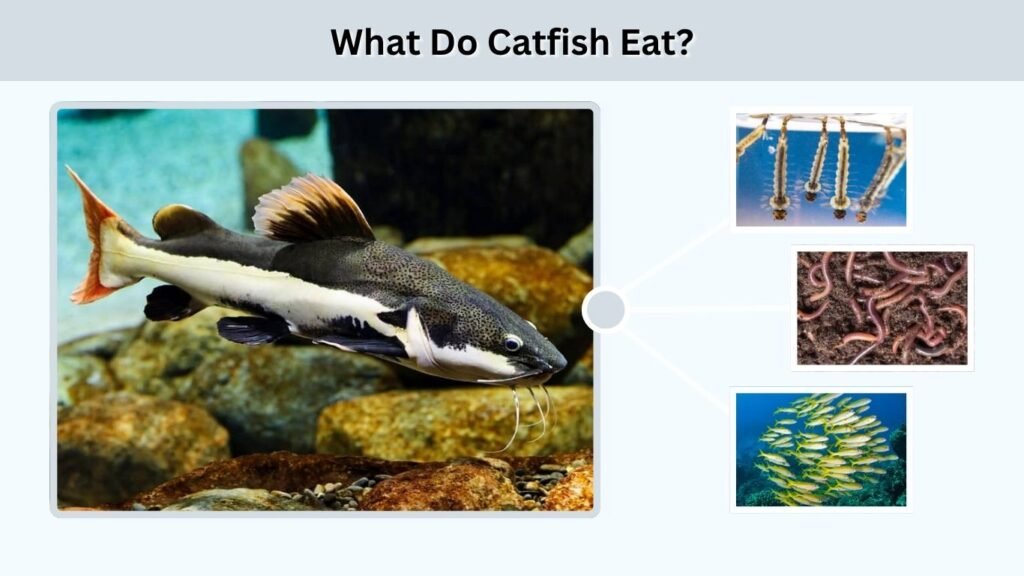
Catfish diets vary by species. Some eat mostly insects and worms, while others feed on fish, crustaceans, algae, plant matter, or dead animals. Their barbels help them detect food by taste and smell.
Common catfish foods include:
- Insects and insect larvae
- Worms
- Small fish
- Crayfish
- Mussels and snails
- Algae
- Plant material
- Dead fish or animals
- Commercial pellets in aquariums
In aquariums, catfish should be fed species-appropriate foods. Cory catfish need sinking foods, otocinclus need algae and vegetable-based foods, and predatory catfish need protein-rich diets.
Catfish Size: Small to Giant
Catfish size depends heavily on the species. Some aquarium catfish stay under 2 inches, while giant river species can reach several feet long.
| Size Group | Example Species | General Size |
| Tiny aquarium catfish | Otocinclus catfish | Around 1–2 inches |
| Small community catfish | Cory catfish | Around 2–3 inches |
| Medium catfish | Bullhead catfish | Around 8–14 inches |
| Large sport catfish | Channel catfish, blue catfish | Several pounds or more |
| Giant catfish | Wels, Mekong giant, redtail | Several feet long |
This size range is one reason proper identification matters. A fish sold as a small pet may become too large for a normal home aquarium.
Catfish and Fishing
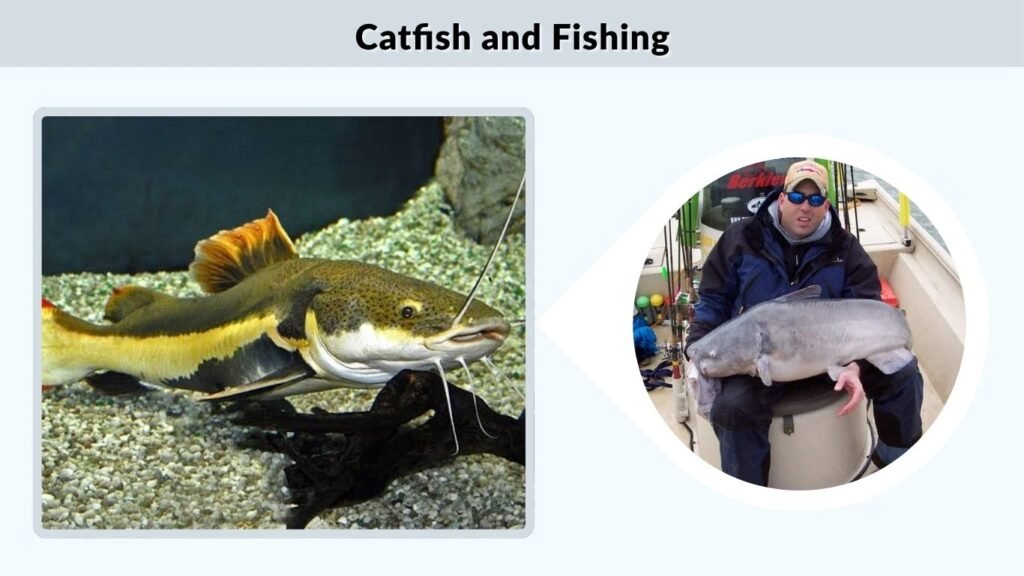
Catfish are popular sport fish because they are strong, widespread, and often active at night. Anglers commonly target channel catfish, blue catfish, flathead catfish, and bullhead catfish.
Catfish bait depends on the species. Channel catfish may take stink bait, worms, cut bait, or prepared bait. Blue catfish are often caught with cut fish. Flathead catfish are commonly targeted with live bait because they are active predators.
Catfish rigs usually keep bait near the bottom, where many catfish search for food. However, local rules, seasons, and size limits should always be checked before fishing.
FAQs
Are Catfish Freshwater or Saltwater Fish?
Most catfish are freshwater fish, but not all of them. Many live in rivers, lakes, ponds, and swamps, while some species live in brackish or saltwater habitats. Aquarium catfish are usually freshwater species, but wild catfish have a wide range of habitats.
What Is the Most Common Type of Catfish?
Channel catfish are one of the most common and familiar catfish in North America. They are popular in rivers, lakes, ponds, and fish farms. In aquariums, cory catfish are among the most common small catfish kept by hobbyists.
What Is the Biggest Catfish?
Some of the biggest catfish include the Mekong giant catfish and the wels catfish. These species can grow several feet long in large river systems. Their huge size makes them famous among fish researchers, conservationists, and anglers.
Are Catfish Good for Aquariums?
Some catfish are excellent for aquariums, but others grow too large. Cory catfish, otocinclus, and some small species are good for community tanks. Redtail catfish and other giant species are not suitable for normal home aquariums.
Do Catfish Clean the Tank?
Catfish may eat leftover food or algae depending on the species, but they do not replace tank cleaning. They still produce waste and need proper care. Aquarium catfish should receive their own food, clean water, and a suitable tank setup.