
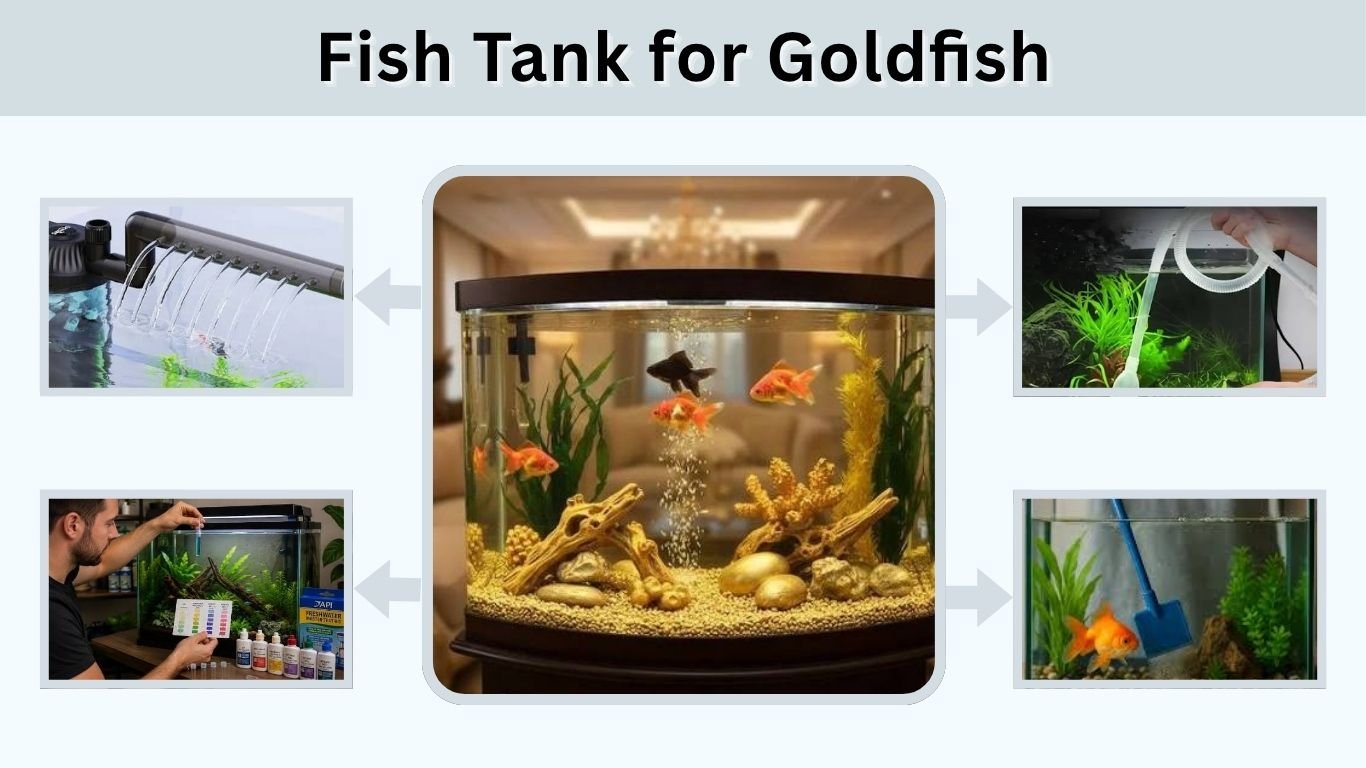
Choosing the right fish tank for goldfish is essential for keeping these colorful freshwater fish healthy, active, and comfortable. Although goldfish are often kept in small bowls, they actually need spacious aquariums, reliable filtration, and stable water conditions. The ideal aquarium size depends on the goldfish variety, the number of fish, and their adult size. Whether you are setting up your first goldfish aquarium or upgrading an existing tank, understanding the proper tank size, temperature, equipment, and maintenance requirements will help you create a healthier environment for your fish.
What Size Fish Tank Do Goldfish Need?
Goldfish require more swimming space than many beginners realize. Their adult size, activity level, and waste production make aquarium capacity especially important. Fancy goldfish usually need less space than common or comet goldfish. Choosing an appropriately sized aquarium improves water stability, reduces overcrowding, and supports healthy growth.
Recommended Fish Tank Sizes for Goldfish
Tank requirements depend on the variety and number of fish. These are practical starting recommendations for long-term care:
- One fancy goldfish: At least 30 gallons provides a reasonable starting point for many fancy varieties.
- Two fancy goldfish: A 40–55-gallon aquarium offers more swimming space and supports better water quality.
- One common goldfish: Around 75 gallons or more may be needed, depending on its adult size.
- Two common or comet goldfish: A substantially larger aquarium or spacious outdoor pond is generally preferable.
Can Goldfish Live in a 5, 10, or 20-Gallon Tank?
A 5-gallon or 10-gallon aquarium is unsuitable for keeping goldfish permanently. These tanks restrict swimming space and allow harmful waste to accumulate quickly.
A 20-gallon fish tank may temporarily house a small juvenile fancy goldfish, but it is not an ideal permanent environment. Larger aquariums provide greater water stability and reduce maintenance difficulties as goldfish grow.
How to Choose the Best Fish Tank for Goldfish
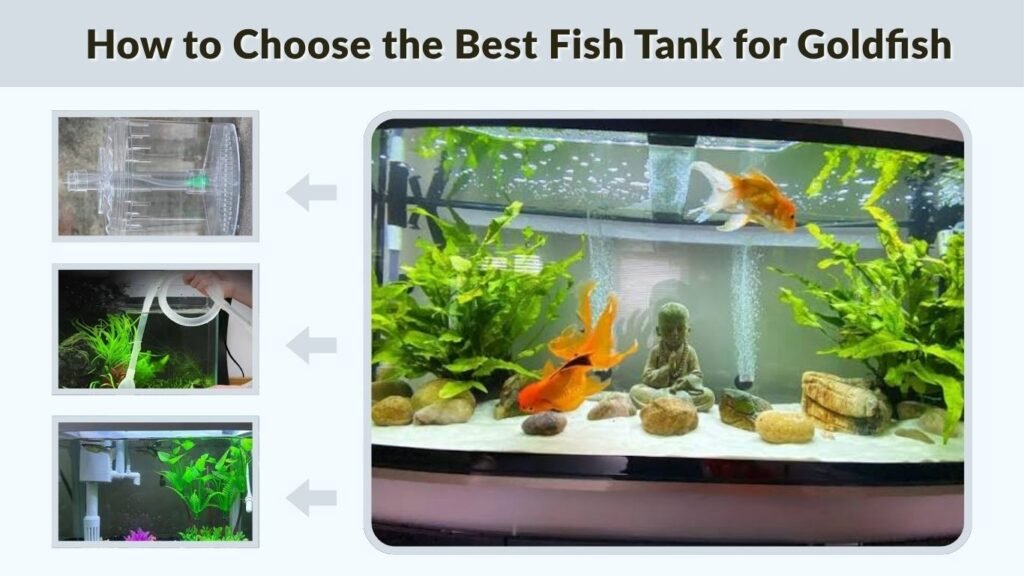
The best fish tank for goldfish should provide adequate swimming space, proper filtration, and easy maintenance. Aquarium shape, construction material, and equipment compatibility also influence its suitability. Rather than selecting a tank based on appearance alone, prioritize a design that accommodates your goldfish throughout their lifespan.
Glass vs. Acrylic Goldfish Tanks
Glass aquariums are popular because they resist scratching, provide clear visibility, and are available in numerous sizes. However, they are relatively heavy and require strong supporting furniture.
Acrylic aquariums are lighter and available in various shapes, but they scratch more easily. Both materials are suitable when the aquarium is properly supported and maintained.
Best Tank Shape for Goldfish
Rectangular aquariums are generally preferable because they offer more horizontal swimming space. Their broad water surface also supports oxygen exchange.
Avoid narrow decorative tanks and traditional fishbowls. These designs often restrict movement and make installing effective filtration equipment difficult.
A wide aquarium also provides sufficient room for decorations while maintaining open swimming areas.
How to Set Up a Fish Tank for Goldfish
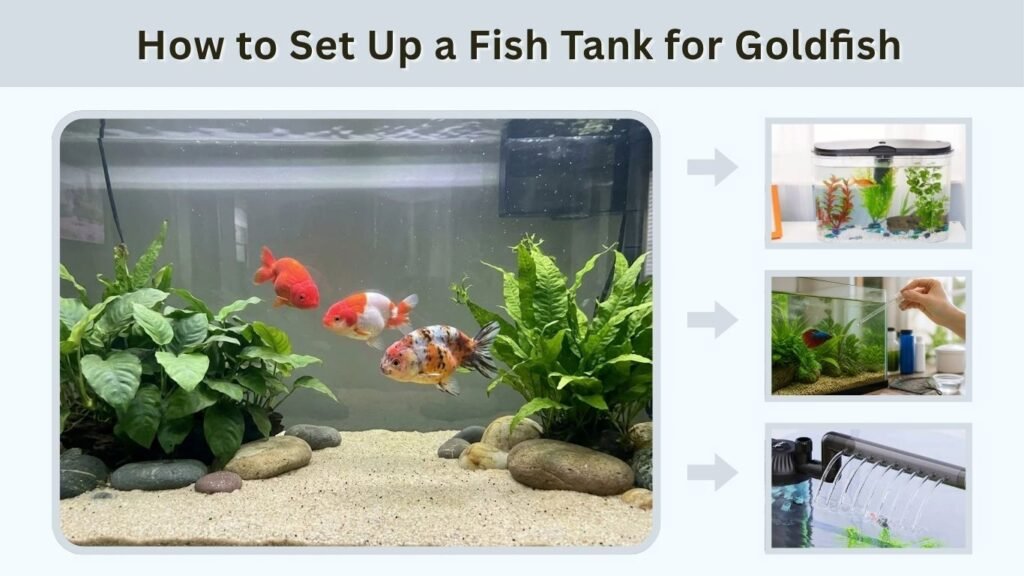
Setting up a fish tank for goldfish involves preparing the aquarium before introducing fish. Proper equipment, conditioned water, and established beneficial bacteria help maintain a healthy environment. New aquariums must complete the nitrogen cycle so biological filtration can safely process ammonia produced by fish waste.
Step-by-Step Goldfish Tank Setup
Follow these steps to prepare a suitable goldfish aquarium:
- Choose the aquarium: Select an appropriately sized rectangular tank based on the goldfish variety and adult size.
- Position the tank: Place it on a stable stand away from direct sunlight and temperature fluctuations.
- Add suitable substrate: Use aquarium-safe sand or another substrate that cannot easily become lodged in a goldfish’s mouth.
- Install a filter: Choose an efficient filtration system with sufficient biological media.
- Add decorations: Arrange smooth ornaments and plants without restricting swimming space.
- Prepare the water: Add conditioned tap water and establish the biological cycle before introducing goldfish.
Best Fish Tank Decorations for Goldfish
Goldfish enjoy exploring their surroundings, making aquarium decorations useful for enrichment. Smooth stones, aquarium-safe caves, and hardy aquatic plants create a comfortable environment.
Anubias and Java fern are commonly used because their tougher leaves may tolerate goldfish activity. Avoid sharp plastic ornaments, small swallowable gravel, and decorations with narrow openings where fish could become trapped.
Ideal Fish Tank Temperature and Water Conditions
Maintaining appropriate temperature and water chemistry is essential for goldfish health. Although goldfish are coldwater fish, their preferred temperatures vary depending on the variety. Stable conditions help reduce stress, while regular water testing prevents harmful ammonia and nitrite accumulation.
Ideal Water Parameters for Goldfish
Maintaining suitable water conditions requires monitoring several important factors:
- Water temperature: Approximately 64–73°F (18–23°C) suits many indoor fancy goldfish.
- pH level: A stable pH of approximately 7.0–8.0 is suitable for many goldfish aquariums.
- Ammonia: Maintain zero detectable ammonia.
- Nitrite: Keep nitrite at zero to prevent toxic exposure.
- Nitrate: Maintain low levels through appropriate stocking and regular water changes.
Do Goldfish Need a Heater?
Most goldfish do not need a heater when indoor temperatures remain stable within a suitable range.
However, a thermostatically controlled heater may be useful in colder environments where aquarium temperatures fluctuate significantly. An aquarium thermometer helps monitor conditions.
Good oxygen exchange is equally important. A properly positioned filter or air stone can help maintain surface movement and aeration.
Best Fish Tank Filters for Goldfish
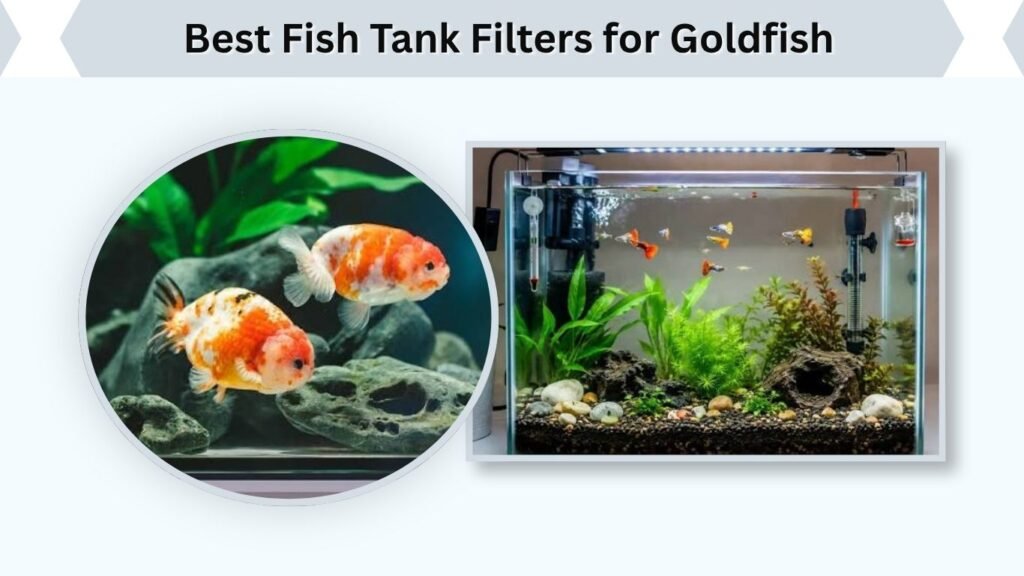
Goldfish produce considerable waste, making efficient filtration necessary for a healthy aquarium. A suitable filter removes suspended particles and supports beneficial bacteria that process nitrogen waste. Choosing the correct filtration system helps maintain clearer water and reduces the risk of dangerous ammonia buildup.
Which Filter Is Best for a Goldfish Tank?
Canister filters are effective for larger goldfish aquariums because they hold substantial filtration media. Hang-on-back filters are practical alternatives for many medium-sized tanks.
Sponge filters can provide additional biological filtration and gentle water movement. Fancy goldfish particularly benefit from adjustable filtration flow because powerful currents may interfere with their swimming.
How Often Should You Clean a Goldfish Tank Filter?
Filter maintenance depends on the amount of waste produced and the equipment used. Inspect the filter regularly and clean it when accumulated debris reduces water flow.
Gently rinse reusable biological media in removed aquarium water rather than untreated chlorinated tap water. Avoid replacing all established biological media simultaneously because this can disrupt beneficial bacteria.
How to Clean and Maintain a Goldfish Tank
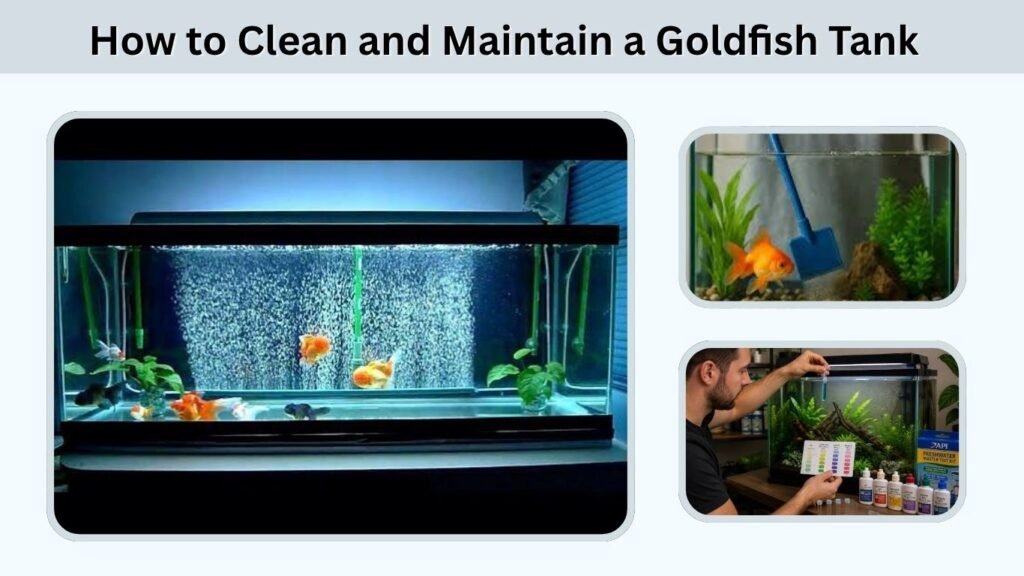
Regular maintenance helps prevent waste accumulation and keeps aquarium conditions stable. Goldfish produce substantial organic waste, so water changes, substrate cleaning, and filtration maintenance are important. Establishing a consistent cleaning routine also makes it easier to identify problems before they affect fish health.
Weekly Goldfish Tank Maintenance
A simple maintenance schedule should include these essential tasks:
- Change aquarium water: Replace approximately 20–25% weekly as a starting point, adjusting according to water test results.
- Remove debris: Vacuum waste and uneaten food from the substrate.
- Test water quality: Check ammonia, nitrite, and nitrate regularly.
- Inspect equipment: Ensure filters, air pumps, and thermometers are functioning properly.
Why Is My Goldfish Tank Cloudy?
Cloudy aquarium water may result from uneaten food, suspended debris, bacterial blooms, or inadequate filtration.
Newly established tanks sometimes develop temporary bacterial cloudiness while the biological system stabilizes.
Test the water, reduce overfeeding, and remove accumulated debris. Avoid completely replacing aquarium water or excessively cleaning biological filter media, as these actions may disrupt beneficial bacteria.
What Fish Can Live With Goldfish in the Same Tank?
Choosing appropriate tank mates requires consideration of water temperature, swimming ability, feeding behavior, and adult size. Goldfish may consume very small fish, while aggressive species can damage their fins. A goldfish-only aquarium is often the most manageable arrangement for beginners.
Best Tank Mates for Goldfish
Goldfish of similar size and swimming ability are generally the most compatible companions. Fancy goldfish usually coexist better with other suitable fancy varieties, while common and comet goldfish are better matched with similarly active goldfish.
Avoid overcrowding, and provide sufficient swimming space and filtration for every additional fish.
Can Betta Fish or Cleaner Fish Live With Goldfish?
Betta fish are generally unsuitable companions because they prefer warmer water and may experience compatibility problems.
Some algae-eating fish, including common plecos, may also become too large or behave unpredictably around goldfish.
Instead of relying on cleaner fish, maintain proper filtration and regular aquarium cleaning.
FAQs
1. What Is the Best Fish Tank Size for One Goldfish?
A 30-gallon aquarium is a practical starting point for one fancy goldfish. Common goldfish generally need substantially larger tanks.
2. Can Two Goldfish Live in a 20-Gallon Tank?
A 20-gallon aquarium is generally too small for two adult goldfish. Two fancy goldfish are better accommodated in approximately 40–55 gallons or more.
3. What Temperature Should a Goldfish Tank Be?
Many fancy goldfish thrive at approximately 64–73°F (18–23°C). Maintaining consistent temperatures is particularly important.
4. Do Goldfish Need a Filter?
Yes. Goldfish produce considerable waste, and biological filtration is essential for maintaining safe aquarium water.
5. Can Goldfish Live in a Tank Without an Air Pump?
Yes, provided the aquarium has sufficient oxygen exchange through filtration and surface movement. Additional aeration may still be beneficial.