
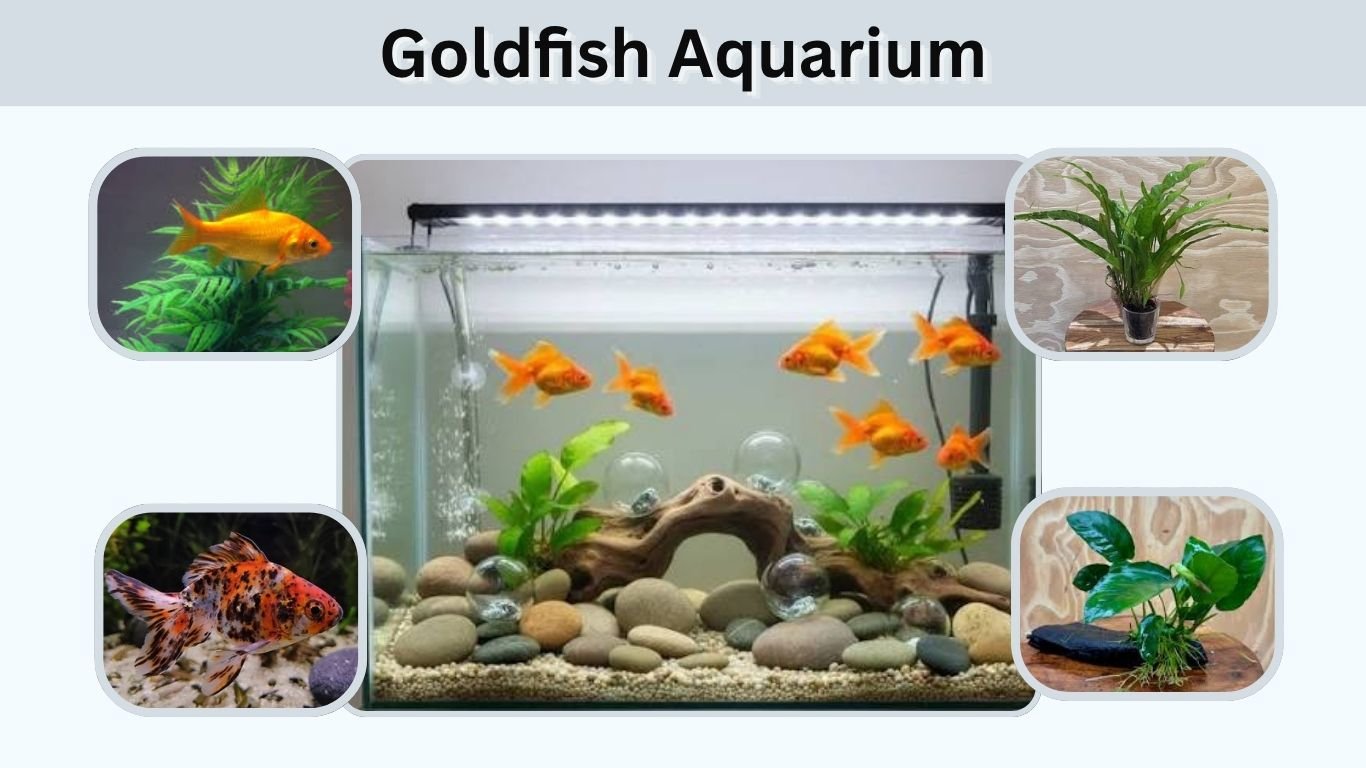
A well-planned goldfish aquarium gives your fish enough room to swim, grow, and stay healthy for years. While goldfish are often associated with tiny bowls, they actually need spacious tanks, dependable filters, clean water, and stable temperatures. The right setup also depends on whether you keep fancy goldfish or larger common and comet varieties. This guide explains how to choose an appropriate aquarium size, select plants and decorations, manage water conditions, and maintain a comfortable environment without making common beginner mistakes.
What Size Aquarium Do Goldfish Need?
Choosing the correct goldfish aquarium size is essential for healthy growth and comfortable swimming. Goldfish produce considerable waste and need sufficient water volume to maintain stable conditions. Fancy goldfish generally require less space than common or comet varieties, which become significantly larger.
Recommended Goldfish Aquarium Sizes
Aquarium requirements depend on the number and variety of goldfish. Consider these practical starting recommendations:
- 20-gallon aquarium: Generally too small as a permanent home for adult goldfish, but it may temporarily accommodate a juvenile fancy goldfish.
- 30-gallon aquarium: A reasonable starting size for one fancy goldfish.
- 40-gallon aquarium: May accommodate two smaller fancy goldfish with effective filtration and careful maintenance.
- 55-gallon aquarium: Provides additional swimming space for two fancy goldfish.
- 75-gallon aquarium: A possible starting point for one common goldfish, although larger tanks or ponds are often preferable.
Fancy Goldfish vs. Common Goldfish Aquarium
Fancy goldfish, including fantails, ranchus, and black moors, have rounded bodies and relatively slower swimming abilities. They benefit from wide aquariums with gentle water movement.
Common and comet goldfish are more active swimmers that may exceed 12 inches in length. These varieties require longer swimming areas and substantially larger aquatic environments.
How to Set Up a Goldfish Aquarium
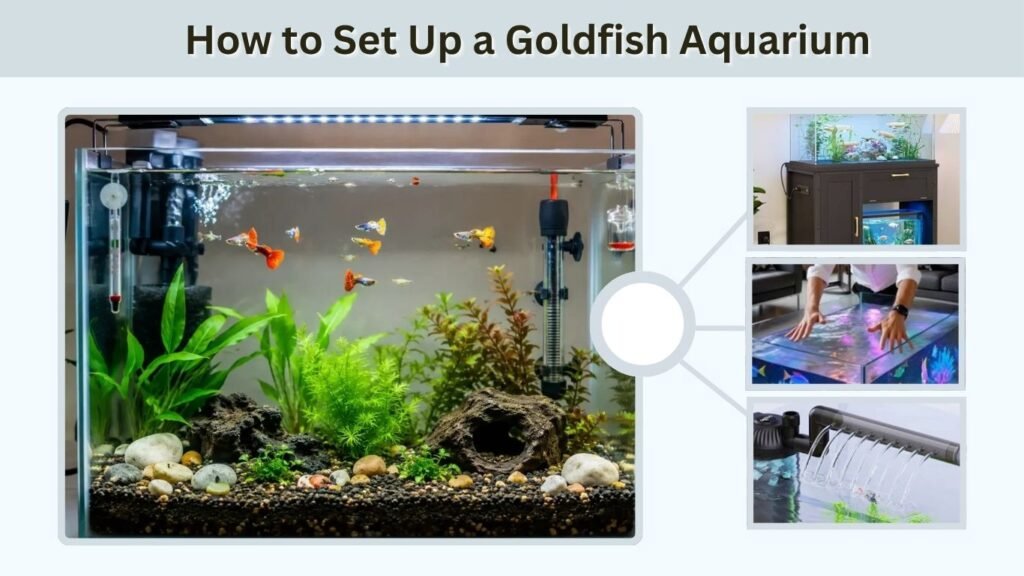
A proper goldfish aquarium setup requires suitable equipment, conditioned water, and an established biological filtration system. Preparing the aquarium before adding fish helps prevent dangerous ammonia accumulation. Beginners should prioritize functionality and fish safety rather than filling the aquarium with excessive decorations.
Step-by-Step Goldfish Aquarium Setup
Follow these steps to create a suitable aquarium environment:
- Select the aquarium: Choose a spacious rectangular tank appropriate for your goldfish variety.
- Position the tank: Place it on a sturdy stand away from direct sunlight and heat sources.
- Add substrate: Use rinsed aquarium sand or another safe substrate.
- Install filtration: Choose a filter capable of handling the aquarium’s waste production.
- Arrange decorations: Include smooth ornaments and suitable aquatic plants.
- Condition the water: Neutralize chlorine and chloramine using an aquarium water conditioner.
- Cycle the aquarium: Establish beneficial bacteria through fishless cycling and confirm that ammonia and nitrite return to zero before introducing fish.
Best Aquarium Shape for Goldfish
Rectangular aquariums are generally preferable because they provide greater horizontal swimming space. A wide water surface also supports oxygen exchange.
Tall, narrow aquariums offer less practical swimming room. Traditional fishbowls are unsuitable because of their limited volume and difficulty accommodating effective filtration.
Ideal Aquarium Temperature and Water Conditions
Maintaining stable water conditions is necessary for goldfish health. Although goldfish tolerate cooler temperatures than many tropical fish, sudden fluctuations can cause stress. Regular testing helps maintain appropriate temperature, pH, and nitrogen waste levels while identifying problems before they become serious.
Best Aquarium Temperature for Goldfish
Many indoor fancy goldfish do well at approximately 68–75°F (20–24°C), while common goldfish generally tolerate cooler conditions.
Goldfish usually do not need a heater when room temperatures remain stable and suitable. However, a thermostatically controlled heater may help prevent significant temperature fluctuations in colder environments.
Ideal pH and Water Quality
Goldfish generally thrive in stable, approximately neutral to slightly alkaline water. A pH near 7.0–8.0 is suitable for many aquariums.
Ammonia and nitrite should remain undetectable, while nitrate should be controlled through water changes and appropriate stocking.
Regular water testing is essential because clear aquarium water does not necessarily indicate safe conditions.
Best Aquarium Filters and Lighting for Goldfish
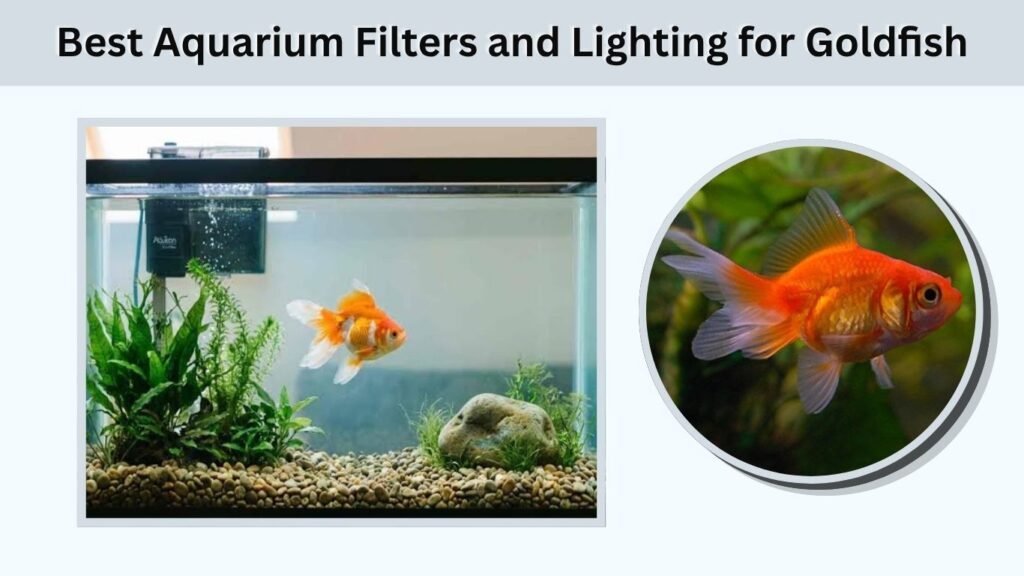
Effective filtration and appropriate lighting help maintain a comfortable goldfish aquarium. Filters remove debris and support beneficial bacteria, while lighting creates a regular day-and-night cycle. Both systems should match the aquarium’s size and the requirements of its inhabitants.
Best Aquarium Filter for Goldfish
Canister filters are effective for larger aquariums because they provide substantial space for mechanical and biological filtration media.
Hang-on-back filters are another practical choice for appropriately sized tanks. Sponge filters can provide additional biological filtration and gentle aeration.
For fancy goldfish, adjustable water flow is particularly important because strong currents may make swimming difficult.
Do Goldfish Need Aquarium Lighting?
Goldfish benefit from a consistent lighting schedule that mimics natural daylight.
Approximately 8–10 hours of aquarium lighting daily is suitable for many setups. Turn off the lights at night to provide a regular rest period.
Avoid direct sunlight because it can increase water temperature and encourage excessive algae growth.
Best Aquarium Plants and Decorations for Goldfish
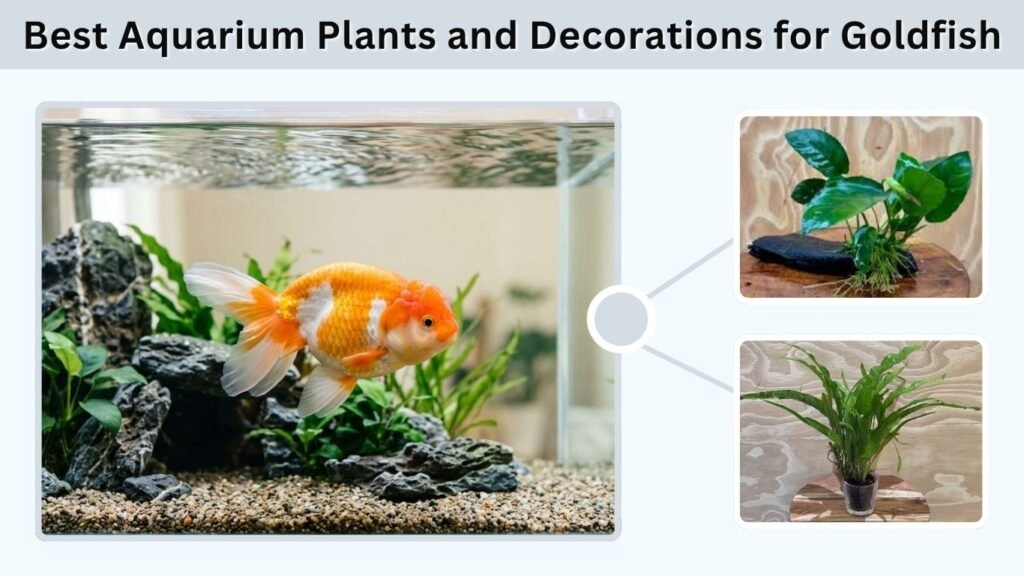
Live plants can improve the appearance of a goldfish aquarium while providing shelter and environmental enrichment. However, goldfish sometimes nibble leaves or uproot plants while searching for food. Choosing hardy species and arranging decorations carefully helps create an attractive environment without restricting swimming space.
Best Live Aquarium Plants for Goldfish
Several aquarium plants may tolerate goldfish activity better than delicate species:
- Anubias: Features thick, durable leaves and grows well attached to rocks or driftwood.
- Java Fern: A hardy, low-maintenance plant that can be attached to aquarium decorations.
- Hornwort: A fast-growing plant that may float freely, although goldfish sometimes eat it.
- Java Moss: Provides greenery and hiding areas but may be disturbed by active goldfish.
- Amazon Sword: Offers broad leaves and attractive growth, although it may need protection from digging.
Goldfish Aquarium Decoration Ideas
Smooth river stones, aquarium-safe caves, and natural-looking driftwood can create attractive underwater surroundings.
Avoid sharp artificial plants, rough ornaments, and decorations with narrow openings. Fancy goldfish with delicate fins or protruding eyes are particularly vulnerable to injury.
Leave adequate open swimming space rather than overcrowding the aquarium with ornaments.
Should You Use Aquarium Salt for Goldfish?
Aquarium salt is sometimes used as a supportive treatment for specific freshwater fish health problems. However, it is not necessary for routine goldfish aquarium maintenance. Healthy goldfish can thrive in properly conditioned freshwater without additional salt.
When Is Aquarium Salt Useful?
Aquarium salt may be recommended for certain external parasite problems or specific treatment situations. The appropriate concentration depends on the condition being treated and other aquarium inhabitants.
Improper use may harm sensitive plants or fish. Consult an aquatic veterinarian or qualified fish health professional before beginning treatment, especially when the cause of illness is uncertain.
What Fish Can Live With Goldfish in an Aquarium?
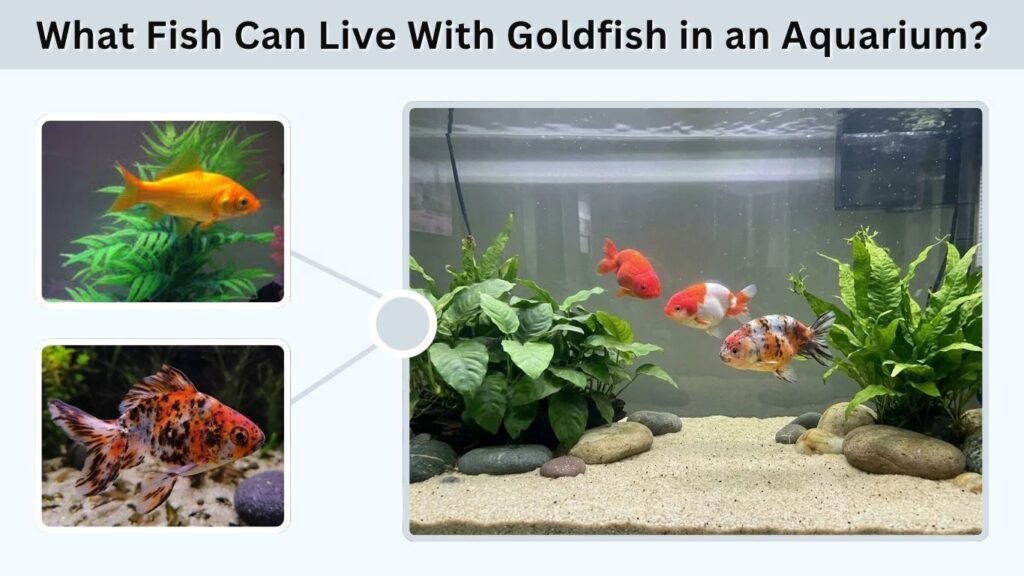
Goldfish aquarium mates should have compatible temperature requirements, suitable temperaments, and similar swimming abilities. Poorly matched species may compete for food, damage fins, or experience stress. Keeping compatible goldfish together is often the simplest choice for beginners.
Best Aquarium Mates for Goldfish
Fancy goldfish generally do well with other fancy goldfish of similar size and activity level. Common goldfish are better matched with other active, single-tailed varieties.
Betta fish and many tropical species are unsuitable because their preferred water conditions and behavior differ.
Algae-eating fish should not be added simply to clean the aquarium, since they introduce additional waste and may create compatibility problems.
How to Clean and Maintain a Goldfish Aquarium
Regular maintenance supports healthy goldfish and stable aquarium conditions. Because goldfish produce substantial waste, cleaning should include partial water changes, substrate maintenance, and equipment inspection. A consistent routine helps prevent cloudy water and harmful waste accumulation.
Weekly Goldfish Aquarium Maintenance
Follow these maintenance practices to keep your aquarium clean:
- Change water: Replace approximately 10–25% weekly, adjusting according to test results.
- Clean substrate: Remove uneaten food and waste with an aquarium vacuum.
- Test water: Monitor ammonia, nitrite, nitrate, and pH.
- Inspect equipment: Check filtration, aeration, and temperature regularly.
Why Does Goldfish Aquarium Water Become Cloudy?
Cloudy water may develop from bacterial blooms, suspended debris, overfeeding, or insufficient filtration.
New aquariums sometimes experience temporary bacterial cloudiness during biological establishment. However, ammonia and nitrite should always be tested when cloudiness appears.
Avoid completely replacing aquarium water or aggressively washing biological filter media, which can disrupt beneficial bacteria.
FAQs
1. What Is the Best Aquarium Size for One Goldfish?
A 30-gallon aquarium is a reasonable starting size for one fancy goldfish. Common goldfish require considerably more space.
2. Can Goldfish Live in a 20-Gallon Aquarium?
A 20-gallon aquarium is generally too small as a permanent home for adult goldfish, although it may temporarily accommodate a juvenile.
3. Do Goldfish Need Live Plants in Their Aquarium?
Live plants are not essential, but suitable hardy plants can provide shelter, enrichment, and a more natural environment.
4. Should I Add Aquarium Salt to My Goldfish Tank?
Routine salt addition is unnecessary. Aquarium salt should be used only when appropriate for a specific treatment.
5. How Often Should I Clean a Goldfish Aquarium?
Perform partial water changes approximately weekly and adjust the maintenance schedule according to water quality tests.