
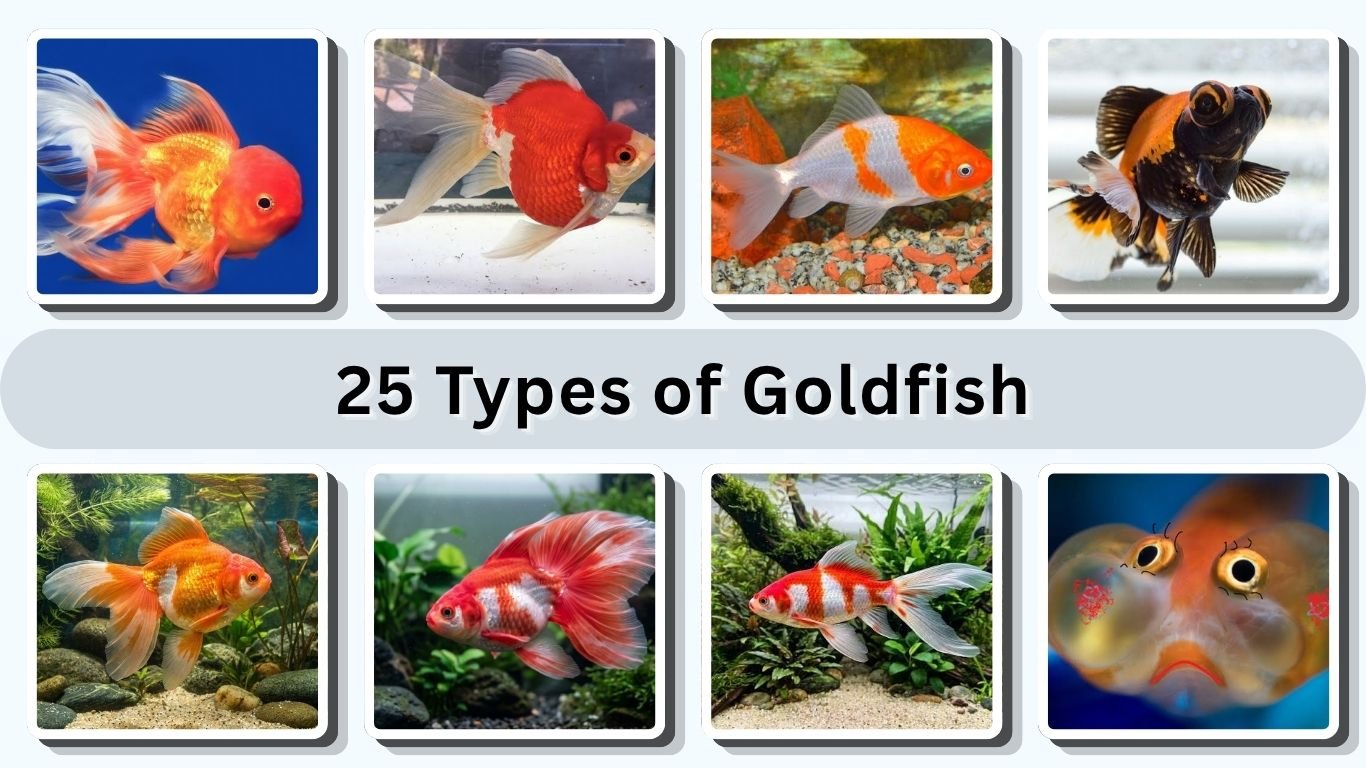
Goldfish are among the most popular freshwater aquarium fish, admired for their beautiful colors, unique body shapes, and fascinating swimming behaviors. From the familiar Common Goldfish to rare varieties like Tosakin and Lionchu, each type has distinctive characteristics. Some goldfish are excellent swimmers, while others feature flowing tails, rounded bodies, or unusual eyes. In this guide, we’ll explore 25 types of goldfish, including their identification, appearance, habitat, feeding habits, and lifespan, to help you discover these beautiful aquatic fish.
1. Common Goldfish
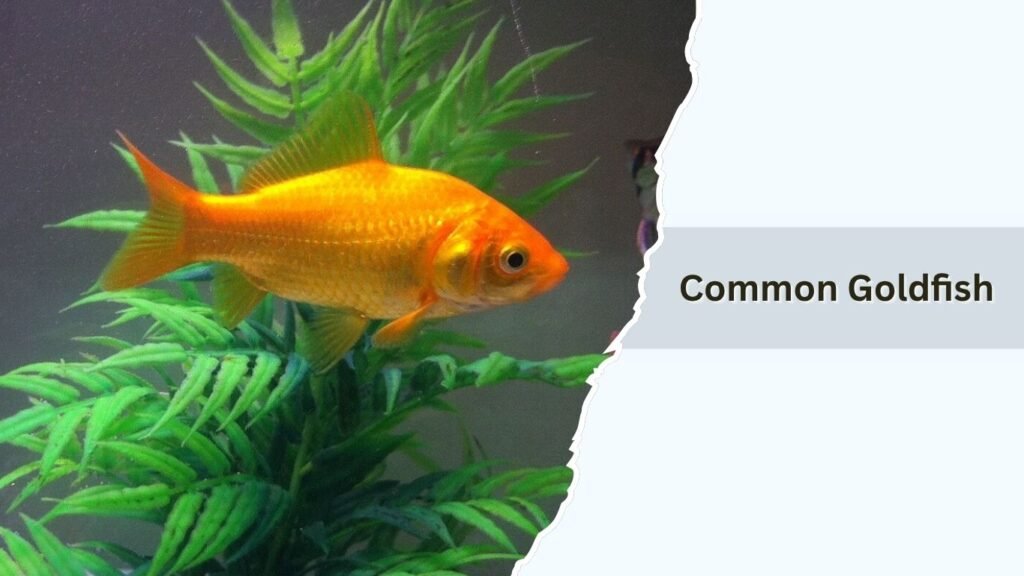
The Common Goldfish (Carassius auratus) is one of the most popular and recognizable freshwater aquarium fish. Known for its bright orange coloration, streamlined body, and active swimming behavior, this goldfish is a favorite among beginners and experienced fishkeepers. Common Goldfish are hardy, adaptable, and can live for many years when provided with proper care. They are suitable for large aquariums and outdoor ponds with adequate space and filtration.
Identification
- Scientific Name: Carassius auratus
- Common Name: Common Goldfish
- Size: 8–12 inches, sometimes larger
- Color: Orange, red, yellow, white, or mixed
- Body Shape: Long, streamlined, and slightly flattened
- Tail: Single, moderately forked tail fin
- Lifespan: 10–20 years or longer with proper care
- Temperament: Peaceful, social, and active
Habitat and Living Conditions
Common Goldfish originated from domesticated East Asian carp and thrive in freshwater environments. They prefer spacious aquariums or outdoor ponds with clean, well-oxygenated water. These fish tolerate a range of temperatures but generally do well in cooler water between 65°F and 75°F. Strong filtration, regular water changes, and sufficient swimming space are essential for maintaining their health.
Diet and Feeding Habits
Common Goldfish are omnivores that consume both plant and animal matter. Their diet should primarily consist of high-quality goldfish pellets, supplemented with vegetables such as blanched peas and leafy greens. They may also enjoy occasional treats like bloodworms and brine shrimp. Feeding small, appropriate portions helps maintain healthy digestion and prevents excess food from polluting the aquarium.
Behavior and Lifespan
Common Goldfish are peaceful, curious, and active swimmers that often interact with other goldfish. They generally enjoy living with similarly sized, compatible fish. Unlike some fancy goldfish varieties, their streamlined bodies allow them to swim quickly and explore their surroundings easily. With proper nutrition, clean water, and suitable living conditions, Common Goldfish can live for 10–20 years or longer, making them long-term aquatic companions.
2. Comet Goldfish
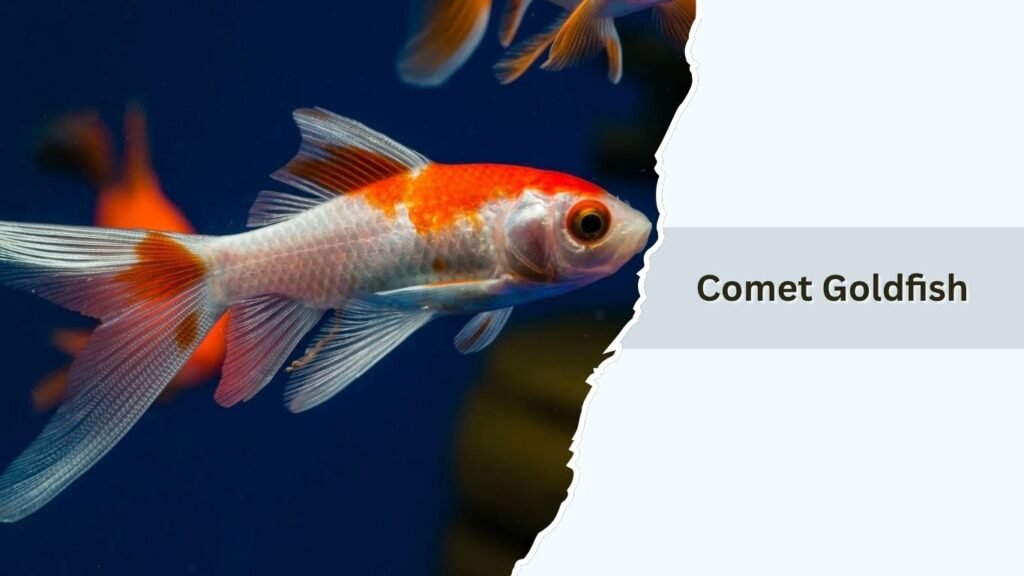
The Comet Goldfish is a beautiful and energetic freshwater fish known for its long, flowing tail and slender body. Developed in the United States, this goldfish variety is popular among aquarium enthusiasts and pond keepers. Comet Goldfish are hardy, fast swimmers that require plenty of space to thrive. Their attractive appearance and relatively easy care requirements make them an excellent choice for fishkeepers with spacious aquariums or outdoor ponds.
Identification
- Scientific Name: Carassius auratus
- Common Name: Comet Goldfish
- Size: 10–12 inches or larger
- Color: Orange, red, white, yellow, or mixed
- Body Shape: Long, slender, and streamlined
- Tail: Long, deeply forked, flowing single tail
- Lifespan: 10–20 years or longer
- Temperament: Peaceful, active, and social
Habitat and Living Conditions
Comet Goldfish thrive in large freshwater aquariums and outdoor ponds with sufficient swimming space. They prefer clean, well-oxygenated water and tolerate moderately cool temperatures. Their active swimming behavior makes spacious environments essential for healthy development. Strong filtration and regular water changes help maintain excellent water quality and prevent common health problems.
Diet and Feeding Habits
Comet Goldfish are omnivorous and enjoy a varied diet of high-quality goldfish pellets, vegetables, and occasional protein-rich foods. Blanched spinach, peas, and other suitable greens provide additional nutrients. These fish are enthusiastic feeders, so maintaining appropriate portions is important to prevent overfeeding and digestive problems.
Behavior and Lifespan
Comet Goldfish are energetic swimmers that enjoy exploring their surroundings. They are peaceful and generally coexist well with other single-tailed goldfish of similar size. Their speed and feeding behavior make them less suitable companions for slow-moving fancy goldfish. With proper aquarium maintenance and balanced nutrition, Comet Goldfish commonly live 10–20 years and sometimes longer.
3. Shubunkin Goldfish
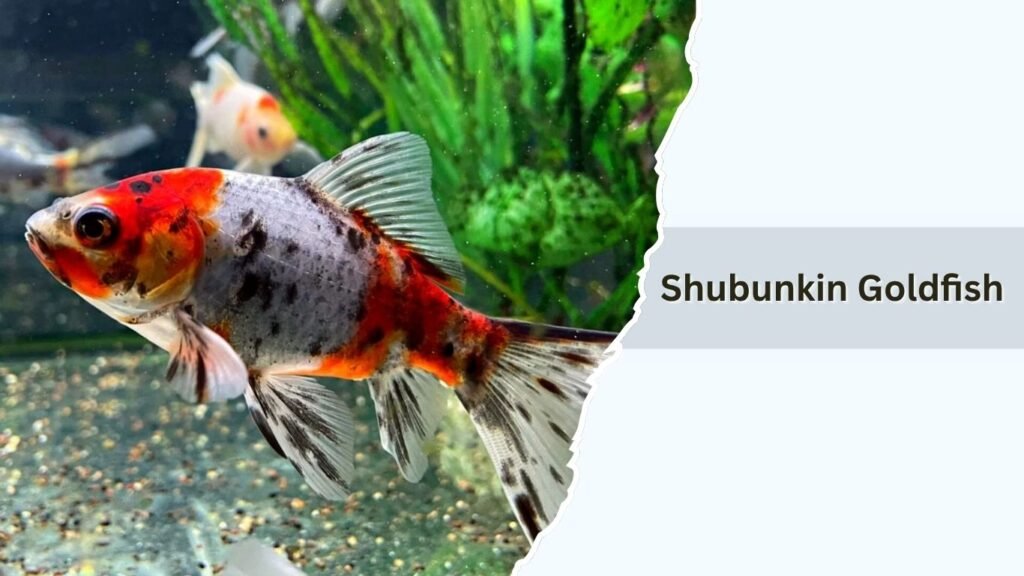
The Shubunkin Goldfish is an attractive freshwater fish recognized for its colorful calico pattern and elegant swimming movements. Originally developed in Japan, this variety features a beautiful combination of blue, red, orange, black, and white markings. Shubunkins are hardy, active, and adaptable fish that thrive in spacious aquariums and outdoor ponds. Their distinctive coloration makes them particularly popular among goldfish collectors and pond enthusiasts.
Identification
- Scientific Name: Carassius auratus
- Common Name: Shubunkin Goldfish
- Size: 8–12 inches or larger
- Color: Blue, red, orange, black, and white
- Body Shape: Slender and streamlined
- Tail: Single tail, with shape varying by variety
- Scales: Nacreous scales creating a translucent, metallic appearance
- Lifespan: 10–20 years or longer
Habitat and Living Conditions
Shubunkin Goldfish prefer spacious freshwater environments with clean, oxygen-rich water. They adapt well to outdoor ponds and large aquariums, especially when provided with adequate filtration. Their active nature requires open swimming areas and stable water conditions. Aquatic plants and smooth decorations can provide shelter without restricting movement.
Diet and Feeding Habits
Shubunkins are omnivorous fish that consume commercial goldfish pellets, vegetables, and occasional live or frozen foods. A balanced diet supports their overall health and vibrant coloration. They enjoy leafy greens, blanched peas, and occasional protein-rich treats such as brine shrimp. Regular feeding in controlled amounts helps maintain healthy growth.
Behavior and Lifespan
Shubunkin Goldfish are peaceful, energetic, and social fish that generally do well with Common and Comet Goldfish. They spend much of their time actively swimming and searching for food. Their hardy nature makes them suitable for experienced beginners with appropriately sized aquariums. Under excellent conditions, Shubunkins can live for 10–20 years or longer.
4. Fantail Goldfish
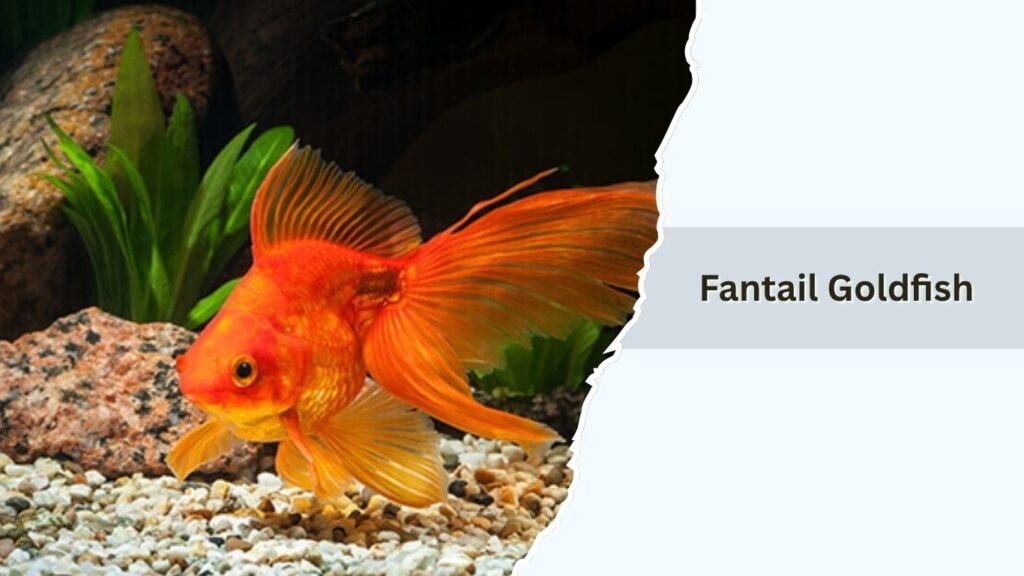
The Fantail Goldfish is a popular fancy goldfish variety known for its rounded body and beautifully divided double tail. This ornamental freshwater fish has a graceful appearance and relatively peaceful personality. Fantails are often recommended as an introduction to fancy goldfish keeping because they are generally hardier than more delicate varieties. Their bright colors and flowing fins make them attractive additions to spacious, well-maintained aquariums.
Identification
- Scientific Name: Carassius auratus
- Common Name: Fantail Goldfish
- Size: 6–8 inches, sometimes larger
- Color: Orange, red, white, black, or mixed
- Body Shape: Short, rounded, and egg-shaped
- Tail: Double, fan-shaped caudal fin
- Dorsal Fin: Upright and well-developed
- Lifespan: 10–15 years or longer
Habitat and Living Conditions
Fantail Goldfish thrive in spacious freshwater aquariums with gentle to moderate water movement. Their rounded bodies and elaborate fins make them slower swimmers than single-tailed goldfish. A well-filtered aquarium with stable water parameters helps prevent health problems. Smooth decorations, open swimming space, and regular water changes are essential for maintaining healthy Fantails.
Diet and Feeding Habits
Fantails require a balanced omnivorous diet consisting of quality sinking goldfish pellets and nutritious vegetables. Blanched peas, spinach, and other suitable greens provide useful fiber. Occasional treats such as bloodworms or brine shrimp add dietary variety. Because their compact bodies can make digestive problems more troublesome, appropriate portion sizes and avoiding overfeeding are especially important.
Behavior and Lifespan
Fantail Goldfish are peaceful, curious, and relatively slow-moving fish. They generally prefer living with other fancy goldfish that have similar swimming abilities. Their elegant tail movements and bright coloration make them enjoyable to observe. With proper nutrition, sufficient aquarium space, and consistent maintenance, Fantails can live for 10–15 years or longer.
5. Ryukin Goldfish
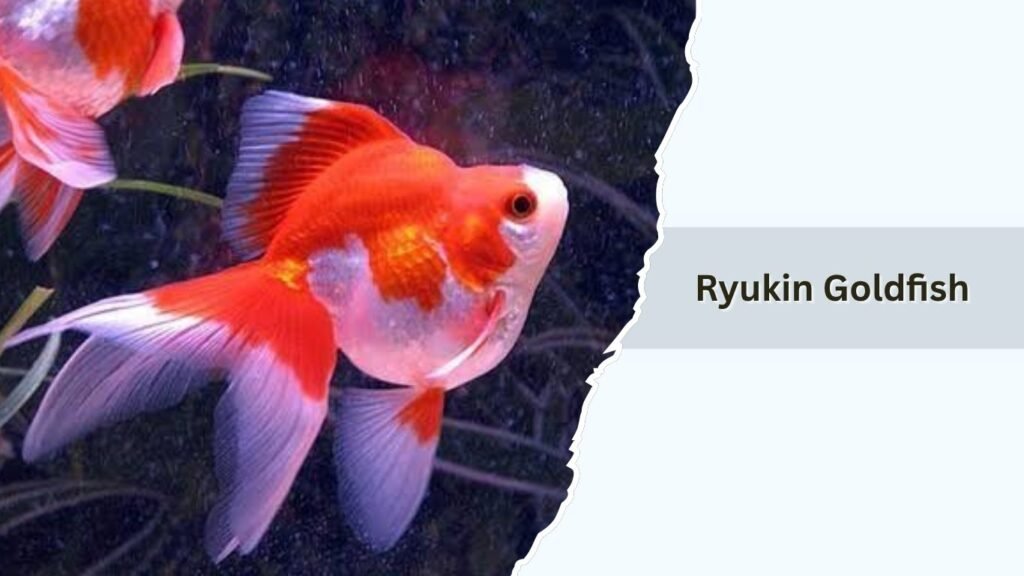
The Ryukin Goldfish is a distinctive fancy goldfish variety recognized for its deep, rounded body and prominent hump behind the head. Originally developed in East Asia, this ornamental fish is admired for its elegant appearance and flowing fins. Ryukins are available in several attractive colors, including orange, red, white, and calico. Their compact body shape and impressive tail make them especially popular among fancy goldfish enthusiasts.
Identification
- Scientific Name: Carassius auratus
- Common Name: Ryukin Goldfish
- Size: 6–8 inches, sometimes larger
- Color: Red, orange, white, calico, or mixed
- Body Shape: Short, deep, and rounded
- Back: Distinctive high shoulder hump
- Tail: Double tail, either short or flowing
- Lifespan: 10–15 years or longer
- Temperament: Generally peaceful, sometimes assertive during feeding
Habitat and Living Conditions
Ryukin Goldfish thrive in spacious freshwater aquariums with clean water and reliable filtration. Their deep bodies and elaborate fins require sufficient swimming space without excessive water currents. Smooth decorations help prevent fin injuries, while stable water conditions reduce stress. Ryukins are best housed with compatible fancy goldfish that have similar feeding and swimming abilities.
Diet and Feeding Habits
Ryukins are omnivorous and benefit from a varied diet of high-quality goldfish pellets, vegetables, and occasional protein-rich treats. Sinking pellets are often preferred because they encourage natural feeding behavior. Blanched leafy vegetables provide additional nutrients and fiber. Feeding moderate portions helps prevent obesity and digestive complications associated with their compact body structure.
Behavior and Lifespan
Ryukin Goldfish are active for a fancy variety and often display confident feeding behavior. Although generally peaceful, some individuals may compete aggressively for food. They enjoy exploring their surroundings and interacting with compatible aquarium companions. With adequate space, balanced nutrition, and proper water maintenance, Ryukins can live for 10–15 years or longer.
6. Oranda Goldfish
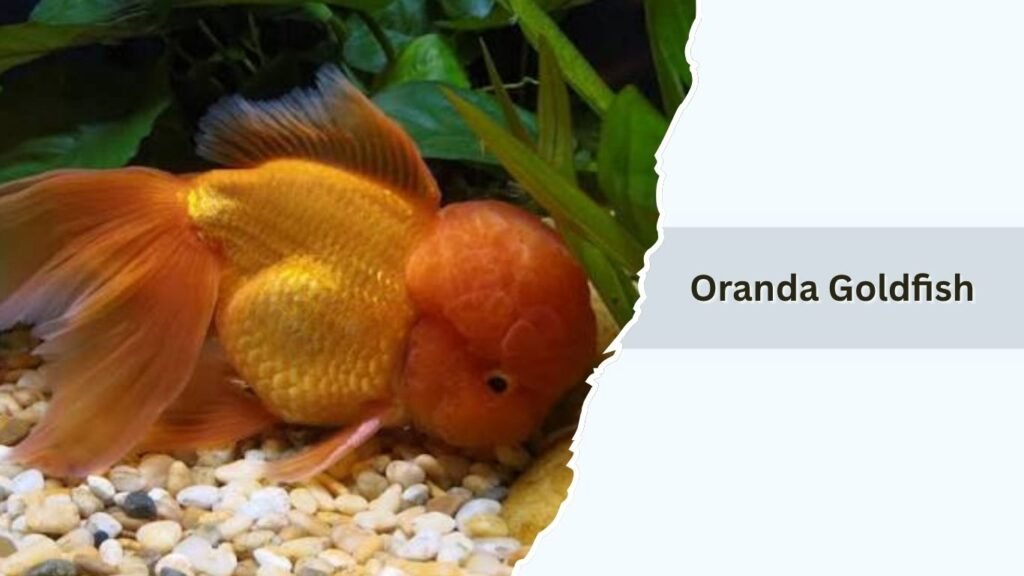
The Oranda Goldfish is one of the most recognizable fancy goldfish varieties, admired for its distinctive fleshy head growth called a wen. This beautiful freshwater fish has a rounded body, flowing double tail, and a wide range of attractive color patterns. Orandas are especially popular among ornamental fishkeepers because of their unique appearance and graceful swimming style. They require attentive aquarium care to maintain healthy growth and overall well-being.
Identification
- Scientific Name: Carassius auratus
- Common Name: Oranda Goldfish
- Size: 6–10 inches, sometimes larger
- Color: Red, orange, white, black, blue, or mixed
- Body Shape: Rounded and egg-shaped
- Head: Prominent fleshy growth called a wen
- Tail: Flowing, divided double tail
- Lifespan: 10–15 years or longer
- Temperament: Peaceful, social, and gentle
Habitat and Living Conditions
Oranda Goldfish require spacious freshwater aquariums with efficient filtration and stable water conditions. Their delicate fins and prominent head growth make smooth decorations particularly important. Gentle water movement allows them to swim comfortably without excessive effort. Regular maintenance and careful observation help prevent bacterial infections and other health problems affecting the wen.
Diet and Feeding Habits
Orandas are omnivorous and should receive a nutritious diet consisting of quality sinking goldfish pellets, vegetables, and occasional protein-rich foods. Blanched peas and leafy greens can help provide essential fiber. Because Orandas have compact bodies, overfeeding may contribute to digestive problems. Consistent feeding routines and appropriately sized meals help maintain healthy development.
Behavior and Lifespan
Oranda Goldfish are peaceful, social fish that generally coexist well with other slow-swimming fancy goldfish. They are curious and often recognize familiar feeding routines. Their elaborate fins and head growth require gentle surroundings, while excessive web development can sometimes interfere with vision. Under proper care, Orandas can live for 10–15 years or longer, becoming long-term aquarium companions.
7. Ranchu Goldfish
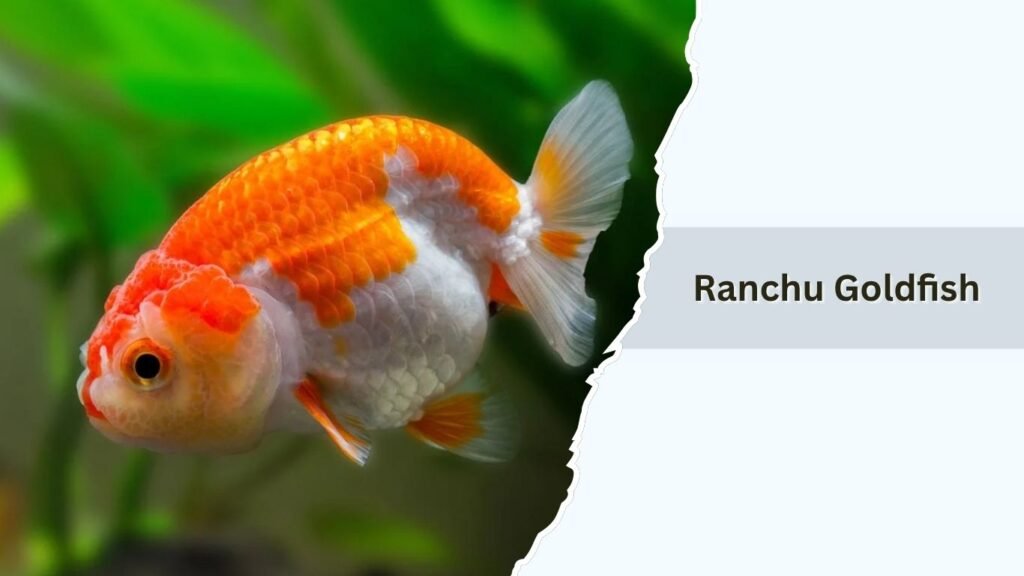
The Ranchu Goldfish is a highly prized fancy goldfish variety known for its rounded body, curved back, and distinctive head growth. Originally developed in Japan, Ranchus are often called the “King of Goldfish” because of their elegant appearance and historical importance in ornamental fishkeeping. Unlike many other goldfish varieties, Ranchus lack a dorsal fin, giving them a smooth back profile. Their peaceful nature and unique swimming movements make them popular among dedicated goldfish enthusiasts.
Identification
- Scientific Name: Carassius auratus
- Common Name: Ranchu Goldfish
- Size: 5–8 inches, sometimes larger
- Color: Red, orange, white, black, or mixed
- Body Shape: Short, rounded, and egg-shaped
- Head: Fleshy head growth called a wen
- Dorsal Fin: Absent
- Tail: Short, divided double tail
- Lifespan: 10–15 years or longer
Habitat and Living Conditions
Ranchu Goldfish thrive in spacious freshwater aquariums with clean, well-oxygenated water. Their rounded bodies and lack of dorsal fins make them slower swimmers than many other goldfish varieties. Gentle water movement and smooth decorations help prevent injuries and unnecessary stress. Strong biological filtration, consistent water changes, and stable temperatures are essential for maintaining their health.
Diet and Feeding Habits
Ranchus are omnivorous fish that benefit from a balanced diet of high-quality sinking goldfish pellets, vegetables, and occasional protein-rich foods. Blanched leafy greens and peas provide useful nutrients and fiber. Their compact bodies can make digestive problems more troublesome, so feeding small portions and avoiding excess food are important for healthy growth.
Behavior and Lifespan
Ranchu Goldfish are peaceful, gentle, and relatively slow swimmers. They generally coexist well with other slow-moving fancy goldfish, particularly those with similar feeding abilities. Their characteristic waddling swimming motion makes them fascinating to observe. With proper nutrition, excellent water quality, and appropriate aquarium conditions, Ranchus can live for 10–15 years or longer.
8. Lionhead Goldfish
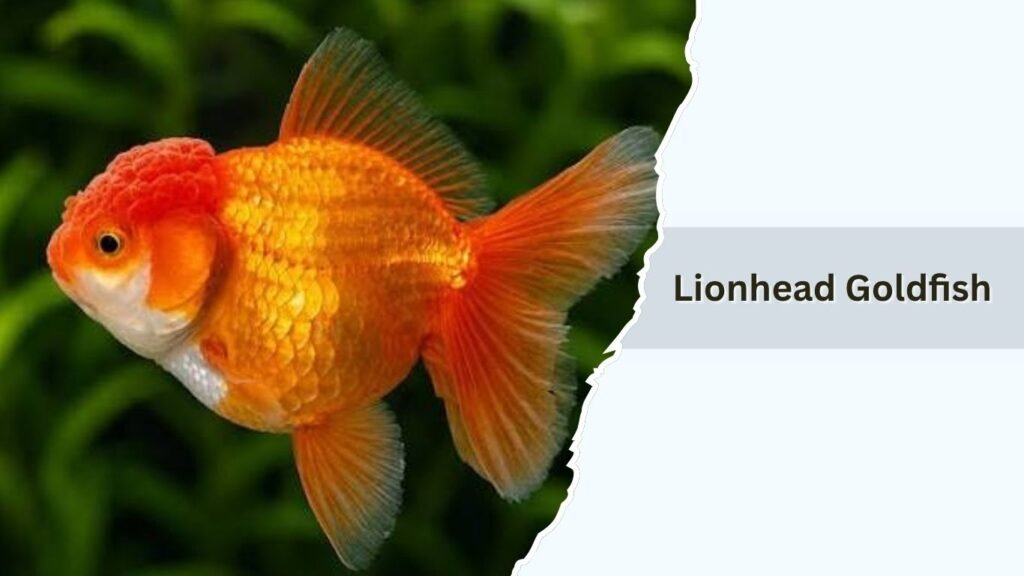
The Lionhead Goldfish is a distinctive fancy goldfish variety recognized for its prominent head growth and rounded body. Originating from China, this ornamental fish is admired for its unusual appearance and peaceful temperament. Its fleshy head growth resembles a lion’s mane, giving the variety its name. Lionheads lack a dorsal fin and have a relatively slow swimming style, making them especially suitable for aquariums containing other gentle fancy goldfish.
Identification
- Scientific Name: Carassius auratus
- Common Name: Lionhead Goldfish
- Size: 5–8 inches, sometimes larger
- Color: Orange, red, white, black, or mixed
- Body Shape: Short, rounded, and deep-bodied
- Head: Thick, fleshy head growth resembling a lion’s mane
- Dorsal Fin: Absent
- Tail: Short, divided double tail
- Lifespan: 10–15 years or longer
Habitat and Living Conditions
Lionhead Goldfish prefer spacious freshwater aquariums with gentle water currents and effective filtration. Their rounded bodies and lack of dorsal fins reduce swimming efficiency, making calm environments particularly important. Smooth aquarium decorations and open swimming areas help prevent accidental injuries. Regular water changes and careful monitoring of water parameters support healthy development.
Diet and Feeding Habits
Lionhead Goldfish are omnivorous and require a balanced diet containing quality goldfish pellets, vegetables, and occasional animal-based treats. Sinking pellets are useful because they allow these slower fish to feed comfortably. Blanched peas, spinach, and suitable leafy greens can supplement their diet. Controlled feeding portions help prevent digestive problems and maintain healthy body condition.
Behavior and Lifespan
Lionheads are peaceful and social fish that usually interact well with other slow-swimming fancy goldfish. They spend much of their time exploring the aquarium and searching for food. Their substantial head growth may occasionally interfere with eyesight, requiring careful observation during feeding. With proper maintenance and suitable nutrition, Lionhead Goldfish can live for 10–15 years or longer.
9. Telescope Goldfish
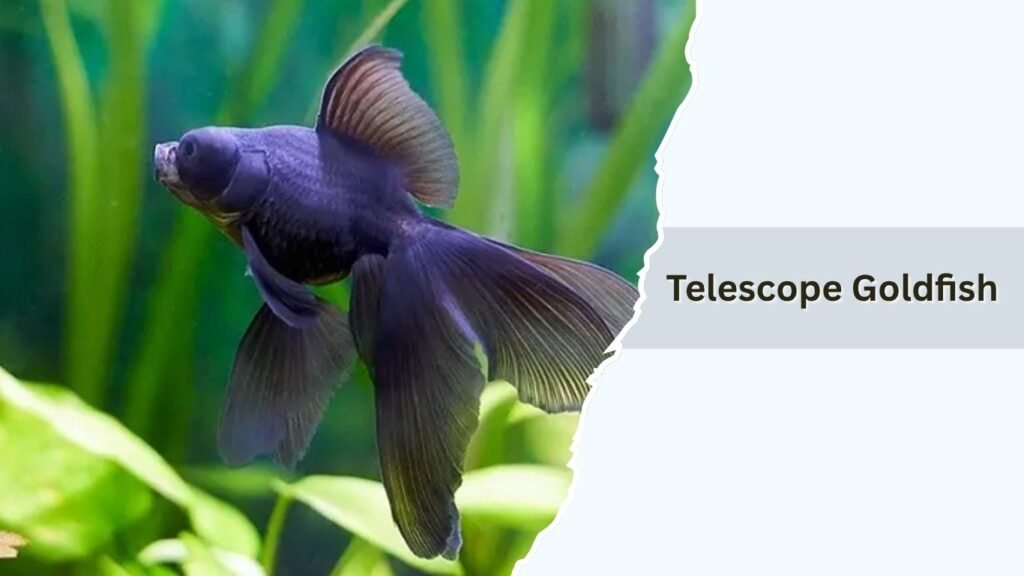
The Telescope Goldfish is a fascinating fancy goldfish variety known for its large, protruding eyes and rounded body. Developed through selective breeding in East Asia, this ornamental fish has become popular worldwide because of its unusual appearance. Telescope Goldfish are available in numerous colors and tail shapes, making them attractive additions to fancy goldfish collections. Their delicate eyes require extra attention, particularly when selecting aquarium decorations and compatible tankmates.
Identification
- Scientific Name: Carassius auratus
- Common Name: Telescope Goldfish
- Size: 5–8 inches, sometimes larger
- Color: Orange, red, black, white, calico, or mixed
- Body Shape: Short, rounded, and egg-shaped
- Eyes: Large, protruding, telescope-shaped eyes
- Tail: Divided double tail, varying in length
- Dorsal Fin: Usually present and upright
- Lifespan: 10–15 years or longer
Habitat and Living Conditions
Telescope Goldfish require spacious freshwater aquariums with clean water and gentle to moderate filtration flow. Their protruding eyes are vulnerable to physical injuries, so sharp decorations and rough surfaces should be avoided. An open swimming area with smooth ornaments creates a safer environment. Stable water conditions and regular maintenance help prevent infections and other aquarium-related health issues.
Diet and Feeding Habits
Telescope Goldfish are omnivorous and consume high-quality goldfish pellets, vegetables, and occasional protein-rich treats. Sinking pellets can make feeding easier because these fish often have limited vision. Blanched vegetables provide additional nutrients and fiber. Feeding them alongside similarly slow-moving fish helps ensure that faster aquarium companions do not consume all available food.
Behavior and Lifespan
Telescope Goldfish are peaceful, curious, and relatively slow swimmers. Their unusual eyes can limit their ability to locate food and navigate crowded environments. They generally do best with other gentle fancy goldfish that have similar swimming speeds. With proper nutrition, a safe aquarium environment, and consistent water maintenance, Telescope Goldfish can live for 10–15 years or longer.
10. Black Moor Goldfish
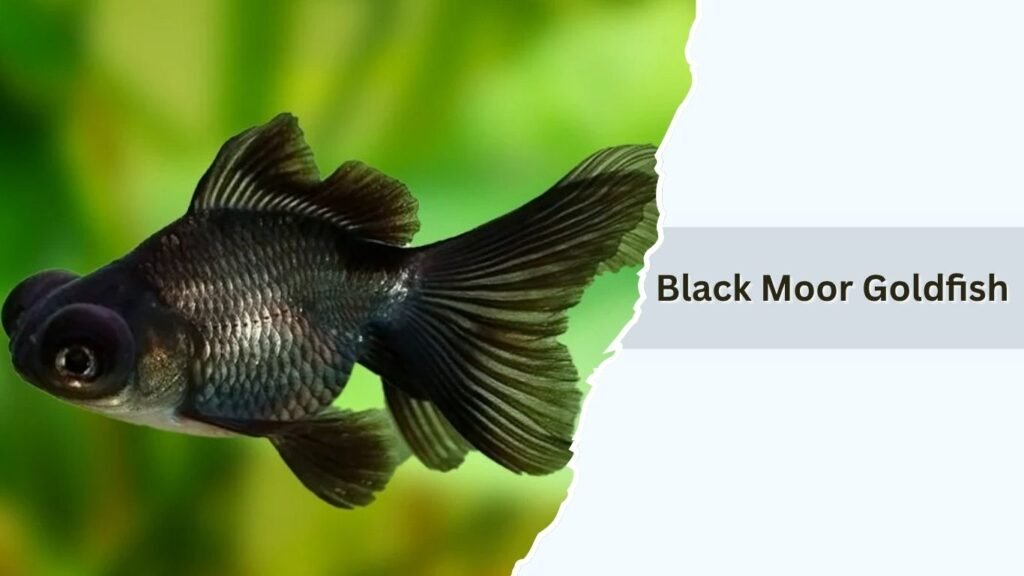
The Black Moor Goldfish is a striking fancy goldfish variety recognized for its deep black coloration, rounded body, and prominent telescope eyes. This ornamental freshwater fish is a black variety of Telescope Goldfish and has become popular among aquarium hobbyists because of its distinctive appearance. Black Moors are generally peaceful and display graceful swimming movements. Their unusual eyes and delicate fins require careful aquarium management to ensure long-term health and comfort.
Identification
- Scientific Name: Carassius auratus
- Common Name: Black Moor Goldfish
- Size: 6–8 inches, sometimes larger
- Color: Deep black, sometimes developing bronze or orange patches
- Body Shape: Rounded, short, and egg-shaped
- Eyes: Large, protruding telescope eyes
- Tail: Flowing, divided double tail
- Dorsal Fin: Upright and well-developed
- Lifespan: 10–15 years or longer
Habitat and Living Conditions
Black Moor Goldfish thrive in spacious freshwater aquariums with gentle water circulation and effective filtration. Their protruding eyes make them vulnerable to injuries caused by sharp decorations or aggressive tankmates. Smooth aquarium ornaments and sufficient swimming space help protect their delicate features. Regular water changes and stable water parameters are essential for maintaining healthy skin, eyes, and fins.
Diet and Feeding Habits
Black Moors are omnivorous and enjoy a varied diet containing high-quality sinking goldfish pellets, vegetables, and occasional protein-rich foods. Blanched peas, leafy greens, and small portions of brine shrimp provide nutritional variety. Their limited eyesight can make locating food challenging, so consistent feeding locations are helpful. Avoiding overfeeding supports healthy digestion and maintains good water quality.
Behavior and Lifespan
Black Moor Goldfish are peaceful, social, and relatively slow-moving fish. They enjoy exploring their surroundings but may struggle to compete with faster swimmers during feeding. Other gentle fancy goldfish are usually suitable companions when sufficient space is available. With proper aquarium maintenance, a balanced diet, and careful protection of their eyes, Black Moors can live for 10–15 years or longer.
11. Butterfly Tail Goldfish
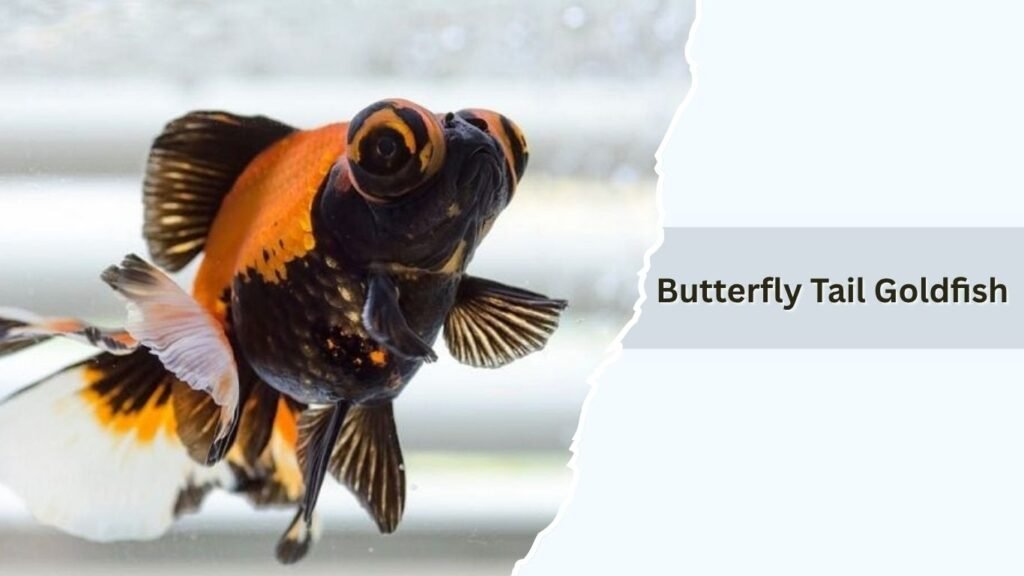
The Butterfly Tail Goldfish is an elegant fancy goldfish variety admired for its broad, symmetrical tail that resembles butterfly wings when viewed from above. Often associated with telescope-eyed goldfish, this ornamental variety is especially popular among collectors who appreciate distinctive fin shapes. Butterfly Tail Goldfish are available in several colors, including black, red, white, and calico. Their graceful appearance and unusual tail structure make them beautiful additions to carefully maintained freshwater aquariums.
Identification
- Scientific Name: Carassius auratus
- Common Name: Butterfly Tail Goldfish
- Size: 5–8 inches, sometimes larger
- Color: Black, orange, red, white, calico, or mixed
- Body Shape: Rounded and compact
- Eyes: Often protruding telescope eyes
- Tail: Broad, symmetrical double tail resembling butterfly wings
- Dorsal Fin: Usually present
- Lifespan: 10–15 years or longer
Habitat and Living Conditions
Butterfly Tail Goldfish thrive in spacious freshwater aquariums with gentle water movement and reliable filtration. Their elaborate tails can make swimming more demanding, particularly in strong currents. Smooth decorations and open swimming areas reduce the risk of fin damage. Regular water changes and stable conditions help maintain their delicate fins and overall health.
Diet and Feeding Habits
Butterfly Tail Goldfish are omnivorous and require a nutritious diet containing quality goldfish pellets, vegetables, and occasional protein-rich treats. Sinking pellets are particularly suitable for individuals with telescope eyes because they may have difficulty locating floating food. Blanched vegetables provide beneficial fiber and additional nutrients. Moderate feeding portions support healthy digestion and prevent unnecessary water pollution.
Behavior and Lifespan
Butterfly Tail Goldfish are peaceful, gentle, and relatively slow swimmers. Their broad tails create beautiful movements as they navigate the aquarium. They generally do well with other fancy goldfish that share similar swimming abilities and feeding requirements. Their delicate fins require careful monitoring, especially when housed with other fish. With proper care, Butterfly Tail Goldfish can live for 10–15 years or longer.
12. Veiltail Goldfish
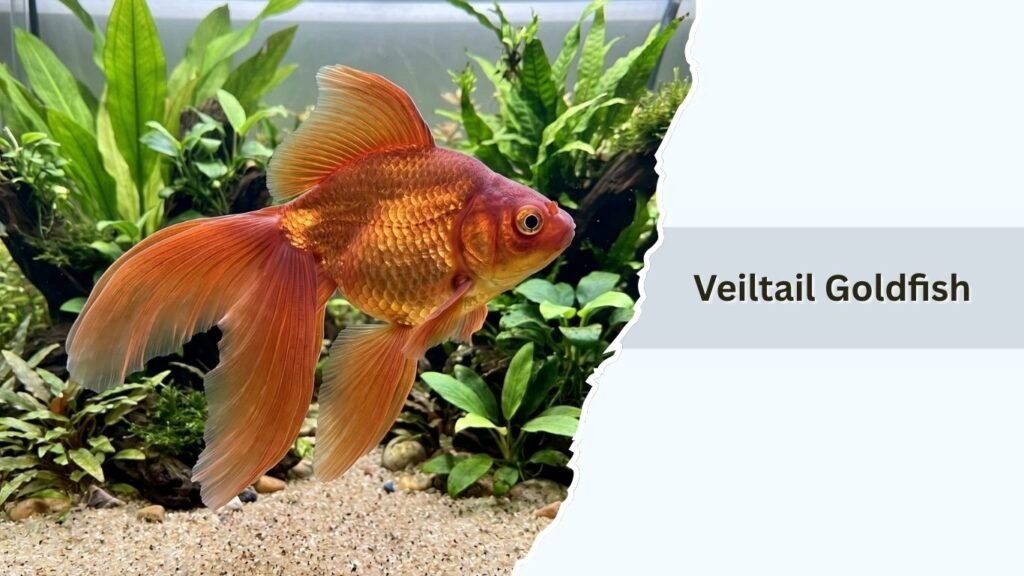
The Veiltail Goldfish is an elegant fancy goldfish variety admired for its exceptionally long, flowing fins and graceful swimming movements. Originally developed through selective breeding, this ornamental fish is especially popular among collectors who appreciate unusual tail shapes. Veiltails have rounded bodies and beautiful double tails that resemble delicate underwater veils. Their attractive appearance and peaceful temperament make them wonderful additions to spacious freshwater aquariums with carefully maintained water conditions.
Identification
- Scientific Name: Carassius auratus
- Common Name: Veiltail Goldfish
- Size: 6–8 inches, sometimes larger
- Color: Orange, red, white, black, calico, or mixed
- Body Shape: Short, rounded, and deep-bodied
- Tail: Long, flowing double tail with minimal forking
- Dorsal Fin: Tall, upright, and well-developed
- Lifespan: 10–15 years or longer
- Temperament: Peaceful, gentle, and social
Habitat and Living Conditions
Veiltail Goldfish thrive in spacious freshwater aquariums with clean, well-oxygenated water and gentle filtration currents. Their long fins can become damaged by sharp decorations or aggressive tankmates. Smooth ornaments and open swimming areas provide a comfortable environment. Consistent water changes and stable water parameters are important for maintaining healthy fins and preventing infections.
Diet and Feeding Habits
Veiltails are omnivorous fish that benefit from high-quality sinking goldfish pellets, vegetables, and occasional protein-rich foods. Blanched spinach, peas, and other suitable leafy greens provide additional nutrients and fiber. Their slower swimming abilities make controlled feeding important, especially when sharing an aquarium with other fish. Avoiding overfeeding helps maintain healthy digestion and water quality.
Behavior and Lifespan
Veiltail Goldfish are peaceful, relatively slow swimmers that display graceful movements through the water. They generally coexist well with other fancy goldfish that have similar swimming speeds. Their delicate fins require careful observation to detect damage or disease. With proper aquarium maintenance, balanced nutrition, and suitable living conditions, Veiltail Goldfish can live for 10–15 years or longer.
13. Pearlscale Goldfish
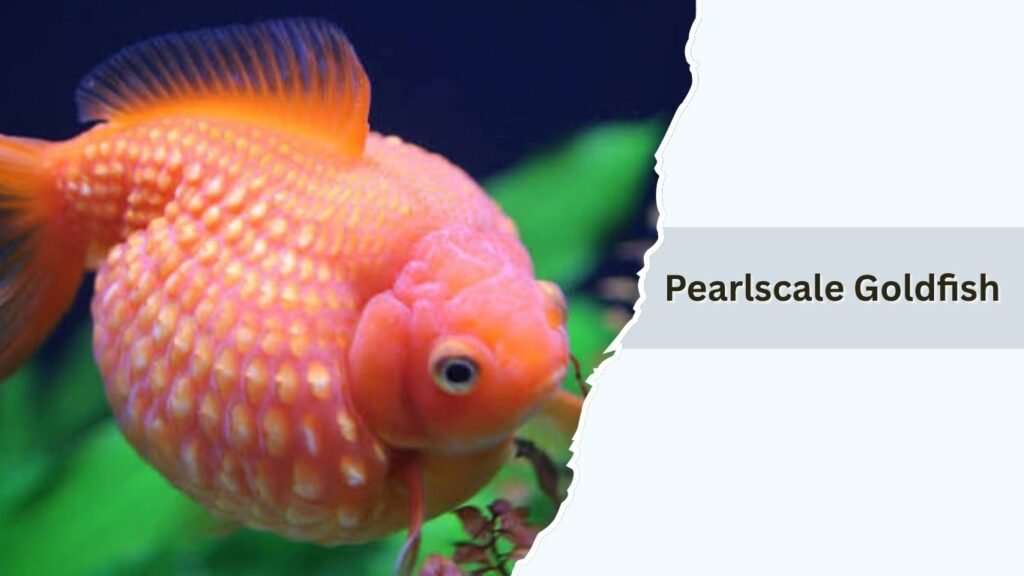
The Pearlscale Goldfish is a fascinating fancy goldfish variety recognized for its unusually rounded body and distinctive pearl-like scales. Originally developed in China, this ornamental freshwater fish has become popular because of its unique appearance. Each raised scale resembles a tiny pearl, creating a textured pattern across the body. Pearlscales are available in several beautiful colors and require attentive care due to their compact body shape and relatively limited swimming abilities.
Identification
- Scientific Name: Carassius auratus
- Common Name: Pearlscale Goldfish
- Size: 4–8 inches
- Color: Orange, red, white, calico, black, or mixed
- Body Shape: Extremely rounded and nearly spherical
- Scales: Raised, dome-shaped scales resembling pearls
- Tail: Short or moderately long double tail
- Dorsal Fin: Usually upright and present
- Lifespan: 10–15 years or longer
Habitat and Living Conditions
Pearlscale Goldfish prefer spacious freshwater aquariums with gentle water currents and effective biological filtration. Their rounded bodies make them less efficient swimmers than streamlined goldfish varieties. Smooth decorations and open swimming areas help prevent injuries to their delicate scales. Stable water quality and regular maintenance are essential for maintaining their health and reducing unnecessary stress.
Diet and Feeding Habits
Pearlscales are omnivorous and require a balanced diet of quality goldfish pellets, vegetables, and occasional protein-rich treats. Sinking pellets are often suitable because they encourage comfortable feeding near the aquarium bottom. Blanched peas and leafy greens provide fiber and essential nutrients. Their compact body structure makes portion control particularly important to avoid digestive problems.
Behavior and Lifespan
Pearlscale Goldfish are peaceful, gentle, and relatively slow swimmers. They generally do best with other calm fancy goldfish that have similar feeding abilities. Their unusual body shape creates a distinctive swimming motion that many aquarium enthusiasts find appealing. With proper nutrition, sufficient space, and consistent water maintenance, Pearlscale Goldfish can live for 10–15 years or longer.
14. Bubble Eye Goldfish
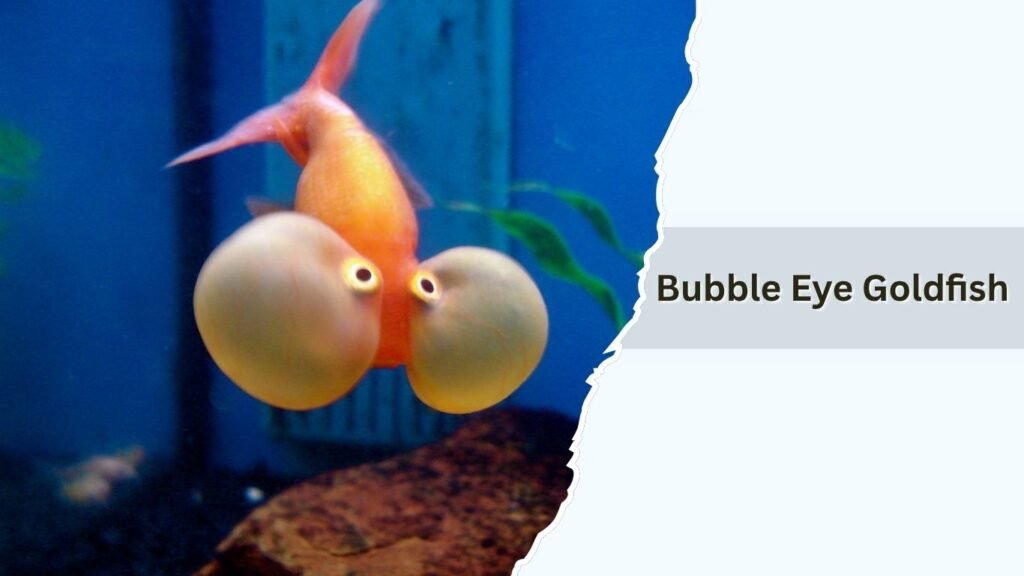
The Bubble Eye Goldfish is one of the most unusual fancy goldfish varieties, recognized for its large, fluid-filled sacs beneath each eye. Originating from selective breeding in China, this ornamental fish has a rounded body and typically lacks a dorsal fin. Its delicate eye sacs create a distinctive appearance but also make the fish more vulnerable to injuries. Bubble Eye Goldfish require specialized aquarium care and are generally better suited to experienced fishkeepers.
Identification
- Scientific Name: Carassius auratus
- Common Name: Bubble Eye Goldfish
- Size: 3–6 inches
- Color: Orange, red, white, yellow, black, or mixed
- Body Shape: Rounded and slightly elongated
- Eyes: Large, fluid-filled sacs beneath both eyes
- Dorsal Fin: Absent in standard varieties
- Tail: Divided double tail
- Lifespan: Often 5–10 years or longer with excellent care
- Temperament: Peaceful, delicate, and slow-moving
Habitat and Living Conditions
Bubble Eye Goldfish require spacious freshwater aquariums with gentle water movement and carefully selected decorations. Their delicate fluid-filled sacs can rupture when they encounter sharp objects or unprotected filter intakes. Smooth aquarium surfaces, protected filtration equipment, and unobstructed swimming areas are essential. Maintaining excellent water quality reduces the risk of infections and other health complications.
Diet and Feeding Habits
Bubble Eye Goldfish are omnivorous and consume quality sinking goldfish pellets, vegetables, and occasional animal-based foods. Their unusual eyes can make locating food more challenging, especially in crowded aquariums. Feeding in a consistent location helps them find meals more easily. Small, balanced portions support healthy digestion while reducing unnecessary food waste.
Behavior and Lifespan
Bubble Eye Goldfish are gentle, peaceful fish that move slowly through the aquarium. Their delicate eye sacs make them unsuitable companions for aggressive or fast-swimming fish. They generally do best with similarly slow and noncompetitive fancy goldfish. With a carefully arranged aquarium, nutritious food, and consistent maintenance, Bubble Eye Goldfish may live for 5–10 years or longer.
15. Celestial Eye Goldfish
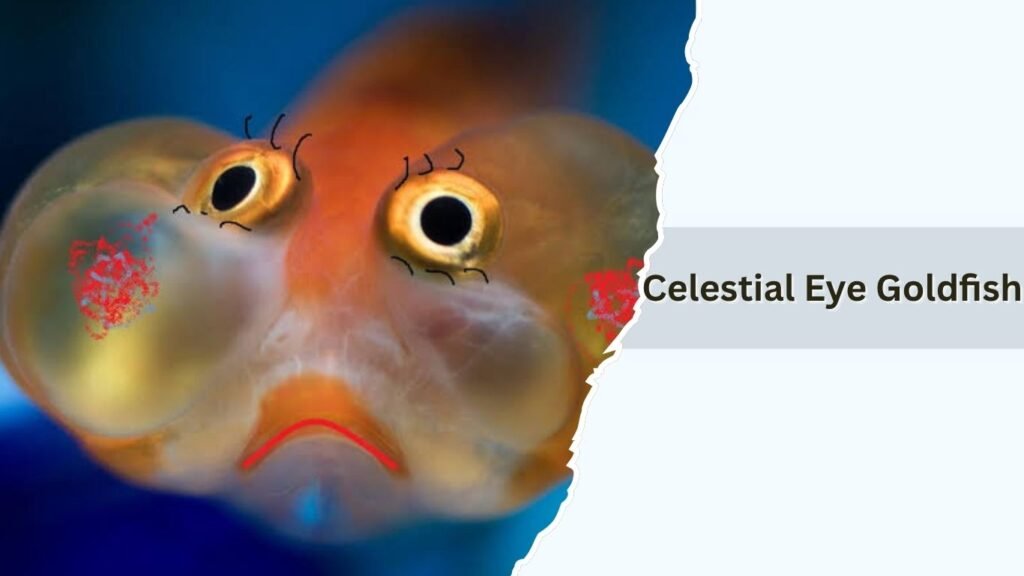
The Celestial Eye Goldfish is a distinctive fancy goldfish variety recognized for its upward-facing eyes and unusual body structure. Developed through selective breeding in China, this ornamental fish is sometimes called the Stargazer Goldfish because its eyes permanently point toward the sky. Celestial Eye Goldfish typically lack a dorsal fin and have a rounded, elongated body. Their unusual appearance makes them attractive to collectors, although their limited field of vision requires specialized aquarium care.
Identification
- Scientific Name: Carassius auratus
- Common Name: Celestial Eye Goldfish
- Size: 4–6 inches, sometimes larger
- Color: Orange, red, white, or mixed
- Body Shape: Rounded, elongated, and egg-shaped
- Eyes: Protruding eyes directed permanently upward
- Dorsal Fin: Usually absent
- Tail: Divided double tail
- Lifespan: 10–15 years or longer
- Temperament: Peaceful and gentle
Habitat and Living Conditions
Celestial Eye Goldfish thrive in spacious freshwater aquariums with gentle water currents and smooth decorations. Their upward-facing eyes can make navigating obstacles and locating food more difficult. Sharp objects, rough ornaments, and aggressive tankmates should be avoided. Open swimming areas, reliable filtration, and consistent water maintenance help create a safe environment for these unusual fish.
Diet and Feeding Habits
Celestial Eye Goldfish are omnivorous and require a nutritious diet consisting of high-quality sinking goldfish pellets, vegetables, and occasional protein-rich treats. Because their eyes face upward, they may struggle to locate food compared with other goldfish varieties. Feeding in a consistent location and monitoring their food intake helps ensure proper nutrition.
Behavior and Lifespan
Celestial Eye Goldfish are peaceful and curious fish that display distinctive swimming movements. Their unusual eye position makes them less competitive during feeding, especially when housed with faster goldfish varieties. They are best kept with similarly gentle fish, particularly other Celestial Eye or compatible Bubble Eye Goldfish. With appropriate care, they can live for 10–15 years or longer.
16. Pompon Goldfish
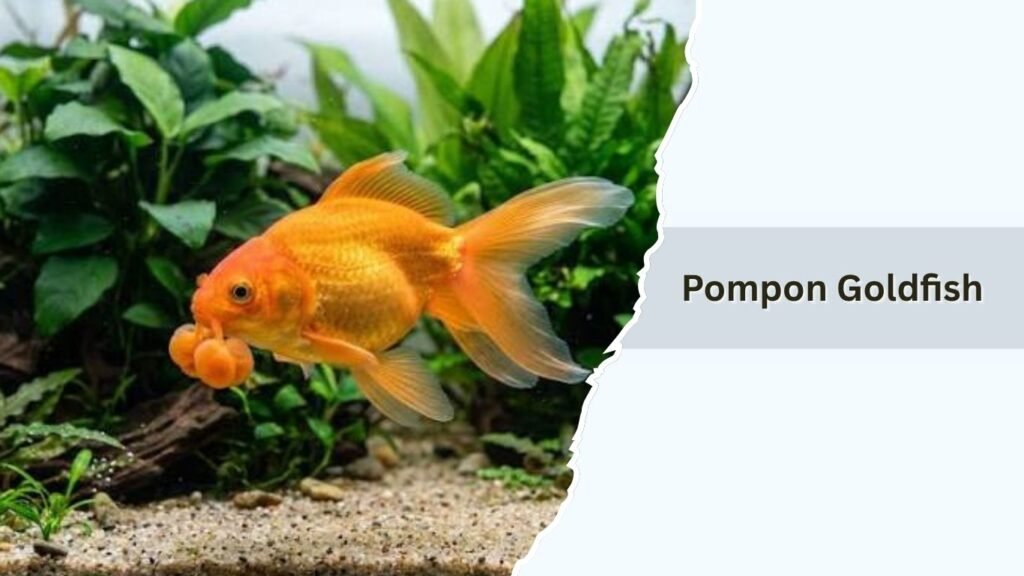
The Pompon Goldfish is a fascinating fancy goldfish variety recognized for the unusual fleshy growths surrounding its nasal openings. These decorative structures resemble small pompoms, giving the fish its distinctive name. Originally developed in China, this ornamental freshwater fish is available in various colors and body shapes. Pompon Goldfish are relatively uncommon compared with other fancy varieties, making them particularly interesting to collectors and aquarium enthusiasts who appreciate unusual physical characteristics.
Identification
- Scientific Name: Carassius auratus
- Common Name: Pompon Goldfish
- Size: 4–8 inches
- Color: Orange, red, white, black, yellow, or mixed
- Body Shape: Rounded or slightly elongated
- Nose: Enlarged, fleshy nasal growths resembling pompons
- Dorsal Fin: Present or absent, depending on variety
- Tail: Usually a divided double tail
- Lifespan: 10–15 years or longer
- Temperament: Peaceful, gentle, and social
Habitat and Living Conditions
Pompon Goldfish thrive in spacious freshwater aquariums with clean water and gentle filtration currents. Their delicate nasal growths can become damaged when exposed to sharp decorations or rough aquarium surfaces. Smooth ornaments and open swimming areas help prevent injuries. Regular water changes and stable water parameters support healthy development and reduce the risk of infections affecting their unusual nasal structures.
Diet and Feeding Habits
Pompon Goldfish are omnivorous and enjoy a balanced diet containing high-quality goldfish pellets, vegetables, and occasional protein-rich foods. Sinking pellets allow these fish to feed comfortably without excessive competition. Blanched leafy greens and peas provide additional nutrients and fiber. Proper portion control helps prevent digestive problems and maintains healthy growth.
Behavior and Lifespan
Pompon Goldfish are peaceful, moderately active fish that generally coexist well with other gentle fancy goldfish. Their distinctive nasal growths do not usually prevent normal swimming, although exceptionally large growths may require closer observation. They enjoy exploring their surroundings and interacting with compatible aquarium companions. With balanced nutrition, adequate swimming space, and excellent water quality, Pompon Goldfish can live for 10–15 years or longer.
17. Wakin Goldfish
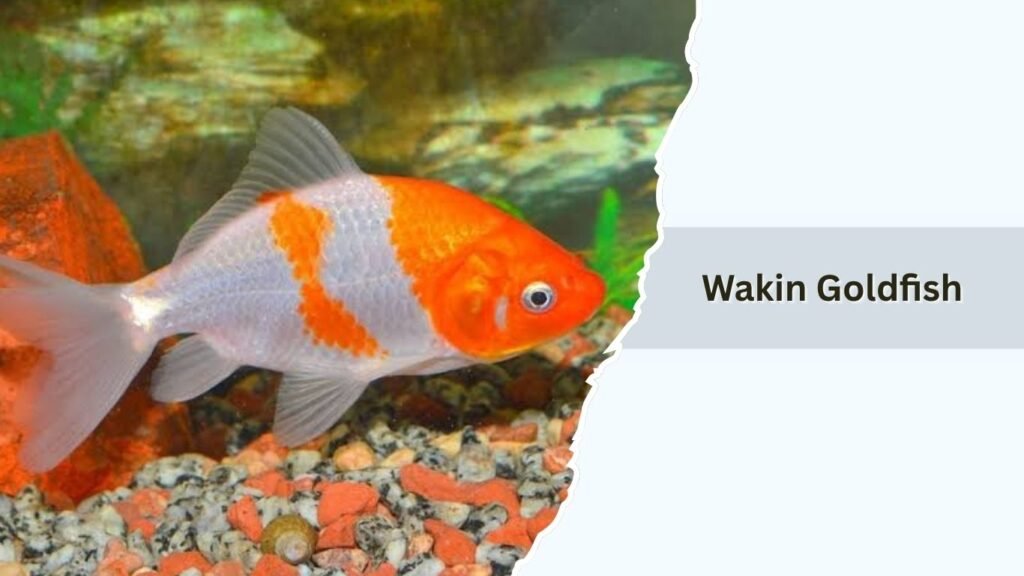
The Wakin Goldfish is a traditional Japanese goldfish variety recognized for its elongated body and distinctive double tail. It is considered one of the oldest double-tailed goldfish varieties and has played an important role in the development of modern fancy goldfish. Unlike many rounded fancy varieties, Wakin Goldfish are strong swimmers with hardy characteristics. Their attractive red-and-white coloration, active behavior, and adaptability make them popular choices for spacious freshwater aquariums and outdoor ponds.
Identification
- Scientific Name: Carassius auratus
- Common Name: Wakin Goldfish
- Size: 8–12 inches, sometimes larger
- Color: Red, white, orange, yellow, or mixed
- Body Shape: Long, streamlined, and slightly rounded
- Tail: Short, divided double tail
- Dorsal Fin: Upright and well-developed
- Lifespan: 10–20 years or longer
- Temperament: Peaceful, active, and social
Habitat and Living Conditions
Wakin Goldfish thrive in spacious freshwater aquariums and outdoor ponds with clean, oxygen-rich water. Their streamlined bodies allow them to swim more efficiently than many fancy goldfish varieties. They tolerate moderately cool temperatures and benefit from open swimming areas. Effective filtration and regular water changes are essential for maintaining their overall health.
Diet and Feeding Habits
Wakin Goldfish are omnivorous and consume high-quality goldfish pellets, vegetables, and occasional protein-rich foods. Blanched leafy greens and peas provide additional fiber and nutrients. Their active feeding behavior makes them enthusiastic eaters, so controlled portions are important to prevent overfeeding and maintain clean water.
Behavior and Lifespan
Wakin Goldfish are peaceful, energetic fish that enjoy swimming and exploring their surroundings. They generally coexist well with other active goldfish of similar size, including Common and Comet Goldfish. Their hardy nature makes them suitable for pond environments. With proper nutrition, sufficient swimming space, and excellent water conditions, Wakin Goldfish can live for 10–20 years or longer.
18. Jikin Goldfish
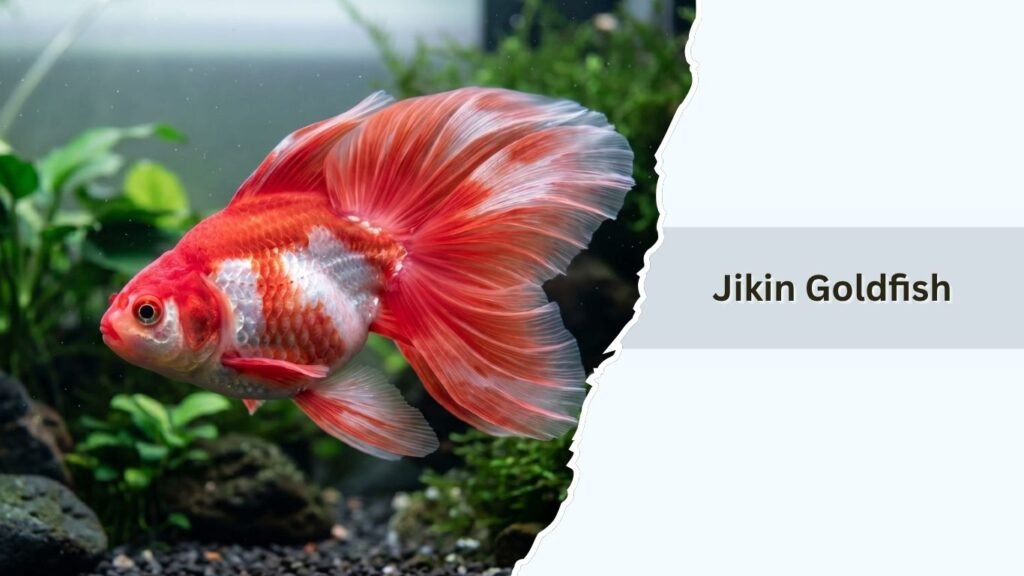
The Jikin Goldfish is a rare Japanese fancy goldfish variety admired for its distinctive peacock-shaped tail and elegant red-and-white coloration. Sometimes called the Peacock Tail Goldfish, this ornamental fish has a slender body and a uniquely divided tail that spreads outward when viewed from behind. Traditional Jikin Goldfish are especially valued for their specific red markings against a predominantly white body. Their unusual appearance and selective breeding history make them highly desirable among specialized goldfish collectors.
Identification
- Scientific Name: Carassius auratus
- Common Name: Jikin Goldfish
- Size: 6–8 inches, sometimes larger
- Color: Predominantly white with distinctive red markings
- Body Shape: Slender and elongated
- Tail: Four-lobed, outward-spreading peacock tail
- Dorsal Fin: Upright and well-developed
- Special Feature: Traditional twelve-point red coloration
- Lifespan: 10–15 years or longer
- Temperament: Peaceful and moderately active
Habitat and Living Conditions
Jikin Goldfish prefer spacious freshwater aquariums or carefully maintained outdoor ponds with clean, well-oxygenated water. Their unusual tail structure requires sufficient swimming space without excessive currents. Smooth aquarium decorations help protect their delicate fins from accidental damage. Stable water conditions, effective filtration, and regular maintenance are essential for supporting healthy development.
Diet and Feeding Habits
Jikin Goldfish are omnivorous and require a balanced diet containing quality goldfish pellets, nutritious vegetables, and occasional protein-rich treats. Blanched spinach, peas, and suitable greens provide useful dietary fiber. Feeding moderate portions supports healthy growth and helps prevent digestive complications. A varied diet also supports their overall condition and natural coloration.
Behavior and Lifespan
Jikin Goldfish are peaceful fish that generally interact well with compatible goldfish varieties. They display graceful swimming movements, although their specialized tails can make them less agile than common single-tailed goldfish. They are often maintained by experienced collectors who appreciate their unique appearance. With appropriate aquarium care and balanced nutrition, Jikin Goldfish can live for 10–15 years or longer.
19. Tosakin Goldfish
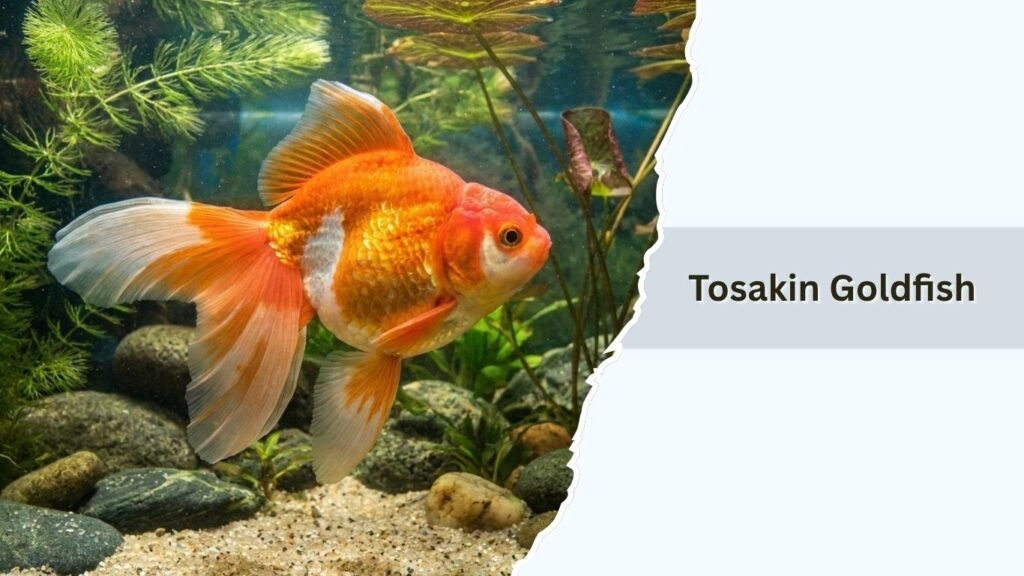
The Tosakin Goldfish is a rare Japanese fancy goldfish variety famous for its spectacular fan-shaped tail that spreads horizontally behind its body. Originally developed in Japan’s Kochi region, this ornamental fish is particularly admired when viewed from above. Tosakins have rounded bodies and distinctive tail edges that curl forward, creating an elegant circular appearance. Their specialized body structure and limited swimming abilities make them better suited for experienced goldfish keepers who can provide carefully controlled aquarium conditions.
Identification
- Scientific Name: Carassius auratus
- Common Name: Tosakin Goldfish
- Size: 4–8 inches
- Color: Red, orange, white, red-and-white, or other selectively bred colors
- Body Shape: Short, rounded, and deep-bodied
- Tail: Broad, horizontally spreading double tail with curled edges
- Dorsal Fin: Upright and well-developed
- Origin: Japan
- Lifespan: 10–15 years or longer
- Temperament: Peaceful, delicate, and slow-moving
Habitat and Living Conditions
Tosakin Goldfish require spacious freshwater environments with very gentle water movement. Their elaborate tails make strong swimming difficult, so powerful currents should be avoided. Shallow, broad aquariums with adequate water volume are often preferred because they allow comfortable movement and provide an attractive overhead view. Reliable filtration, excellent water quality, and smooth decorations help maintain their delicate fins.
Diet and Feeding Habits
Tosakins are omnivorous and benefit from high-quality goldfish pellets, vegetables, and occasional protein-rich foods. Their slower swimming abilities make feeding competition an important consideration. Offering appropriately sized meals in accessible locations helps ensure they receive sufficient nutrition. Controlled portions and a balanced diet support healthy digestion and overall body condition.
Behavior and Lifespan
Tosakin Goldfish are peaceful, relatively slow swimmers that display beautiful movements when viewed from above. Their large tails make them less competitive than more streamlined goldfish varieties. They generally do best with other Tosakins or similarly gentle companions. With specialized care, proper nutrition, and stable water conditions, Tosakins can live for 10–15 years or longer.
20. Watonai Goldfish
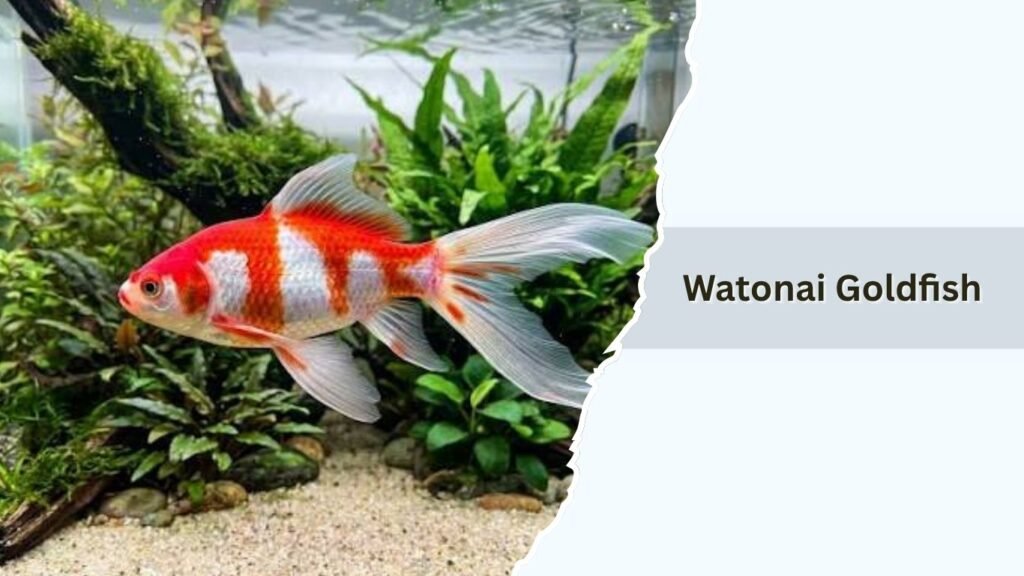
The Watonai Goldfish is an attractive Japanese goldfish variety known for its elongated body and long, flowing double tail. Developed through breeding involving Wakin and Ryukin Goldfish, this ornamental fish combines the swimming abilities of streamlined varieties with the beautiful fins of fancy goldfish. Watonai Goldfish are particularly appreciated for their elegant appearance, active behavior, and suitability for spacious outdoor ponds. Their distinctive tail shape makes them stand out among traditional Japanese goldfish varieties.
Identification
- Scientific Name: Carassius auratus
- Common Name: Watonai Goldfish
- Size: 8–12 inches, sometimes larger
- Color: Red, white, orange, yellow, or mixed
- Body Shape: Long, streamlined, and moderately deep
- Tail: Long, flowing, divided double tail
- Dorsal Fin: Upright and well-developed
- Origin: Japan
- Lifespan: 10–20 years or longer
- Temperament: Peaceful, active, and social
Habitat and Living Conditions
Watonai Goldfish thrive in large freshwater aquariums and spacious outdoor ponds with excellent water quality. Their relatively streamlined bodies allow them to swim more actively than many rounded fancy goldfish. They benefit from open swimming areas, effective filtration, and oxygen-rich water. Smooth decorations and sufficient space help protect their flowing tails from damage.
Diet and Feeding Habits
Watonai Goldfish are omnivorous and enjoy high-quality goldfish pellets, vegetables, and occasional protein-rich treats. Blanched peas, spinach, and other suitable greens provide additional nutrients. Their active feeding behavior requires appropriate portion control to prevent overfeeding. A varied diet supports healthy growth and maintains their attractive coloration.
Behavior and Lifespan
Watonai Goldfish are peaceful, energetic swimmers that enjoy exploring large aquatic environments. They generally coexist well with other active goldfish varieties of similar size and feeding ability. Their combination of flowing fins and active swimming makes them particularly attractive in outdoor ponds. With proper maintenance, nutritious food, and suitable conditions, Watonai Goldfish can live for 10–20 years or longer.
21. Tamasaba Goldfish
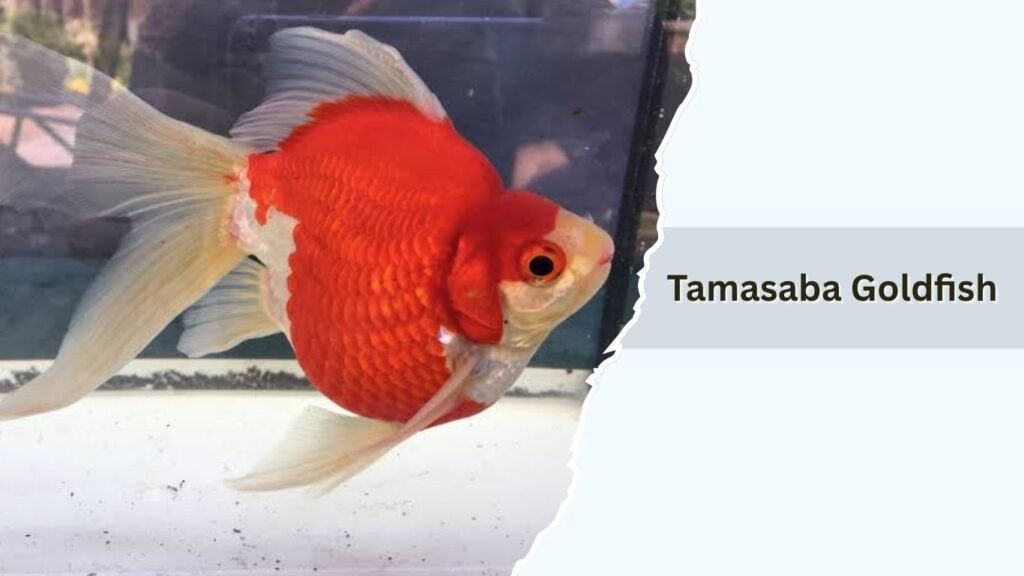
The Tamasaba Goldfish is a beautiful Japanese goldfish variety recognized for its rounded body and long, flowing single tail. Also known as the Sabao Goldfish, this ornamental fish combines a deep body similar to the Ryukin with a tail resembling that of a Comet Goldfish. Originally developed in Japan’s Yamagata region, Tamasabas are admired for their striking red-and-white coloration and hardy characteristics. They are popular among pond enthusiasts because of their active swimming behavior and attractive appearance.
Identification
- Scientific Name: Carassius auratus
- Common Name: Tamasaba Goldfish
- Alternative Name: Sabao Goldfish
- Size: 8–12 inches, sometimes larger
- Color: Red, white, orange, or red-and-white
- Body Shape: Deep, rounded, and slightly elongated
- Tail: Long, flowing single tail
- Dorsal Fin: Upright and well-developed
- Lifespan: 10–20 years or longer
- Temperament: Peaceful, active, and social
Habitat and Living Conditions
Tamasaba Goldfish thrive in spacious freshwater aquariums and outdoor ponds with clean, oxygen-rich water. Their strong swimming abilities and relatively hardy nature make them well suited for properly maintained pond environments. They tolerate cool water conditions but still require stable water quality and adequate filtration. Providing sufficient swimming space and regular maintenance supports healthy growth.
Diet and Feeding Habits
Tamasaba Goldfish are omnivorous and require a balanced diet consisting of quality goldfish pellets, vegetables, and occasional protein-rich foods. Blanched leafy greens and peas provide useful vitamins and fiber. Their active feeding habits make them enthusiastic eaters, so moderate portions are recommended. A varied diet supports healthy development and helps maintain their vibrant coloration.
Behavior and Lifespan
Tamasaba Goldfish are peaceful, energetic fish that enjoy swimming throughout spacious ponds or aquariums. They generally coexist well with compatible goldfish of similar size and activity level. Their flowing tails and rounded bodies create a distinctive appearance while swimming. With sufficient space, proper nutrition, and consistent water maintenance, Tamasaba Goldfish can live for 10–20 years or longer.
22. Nankin Goldfish
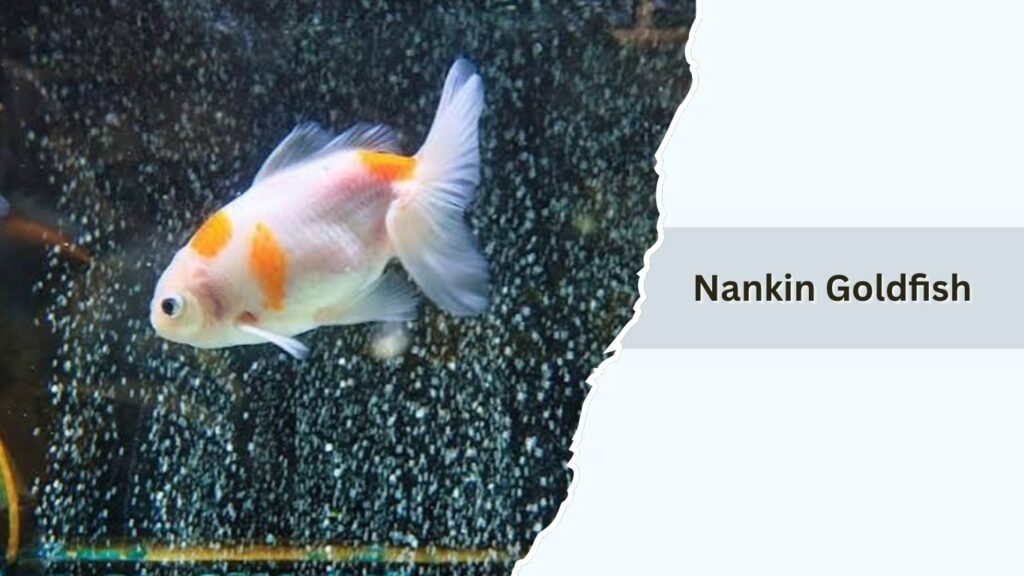
The Nankin Goldfish is a rare Japanese goldfish variety admired for its rounded body, smooth back, and distinctive red-and-white coloration. Originally developed in Japan’s Shimane Prefecture, this ornamental fish is especially appreciated for its appearance when viewed from above. Unlike many fancy goldfish, Nankins lack a dorsal fin and prominent head growth. Their balanced body shape, delicate tail, and historical significance make them particularly valuable among traditional Japanese goldfish enthusiasts.
Identification
- Scientific Name: Carassius auratus
- Common Name: Nankin Goldfish
- Size: Approximately 5–7 inches
- Color: Predominantly white with red or orange markings
- Body Shape: Rounded, compact, and egg-shaped
- Dorsal Fin: Absent
- Tail: Short, partially divided double tail
- Head: Small, without prominent fleshy growth
- Lifespan: Often 10–15 years with proper care
- Temperament: Peaceful, gentle, and moderately active
Habitat and Living Conditions
Nankin Goldfish thrive in spacious freshwater aquariums or carefully maintained outdoor ponds. Their dorsal-finless bodies make them less efficient swimmers than streamlined goldfish varieties. They prefer gentle water movement, clean water, and adequate oxygen levels. Smooth decorations and open swimming areas help protect their delicate fins. Regular water changes and effective biological filtration are essential for maintaining healthy aquarium conditions.
Diet and Feeding Habits
Nankin Goldfish are omnivorous and require a balanced diet of quality goldfish pellets, nutritious vegetables, and occasional protein-rich foods. Blanched spinach, peas, and suitable leafy greens provide additional vitamins and fiber. Feeding moderate portions supports healthy growth and reduces digestive problems. Their relatively slow swimming style also makes feeding competition an important consideration.
Behavior and Lifespan
Nankin Goldfish are peaceful, social fish that display graceful swimming movements. They generally coexist well with other gentle fancy goldfish that have similar swimming abilities. Their distinctive red-and-white patterns and rounded bodies are especially attractive when viewed from above. With proper nutrition, sufficient swimming space, and consistent maintenance, Nankin Goldfish may live for 10–15 years or longer.
23. Shukin Goldfish
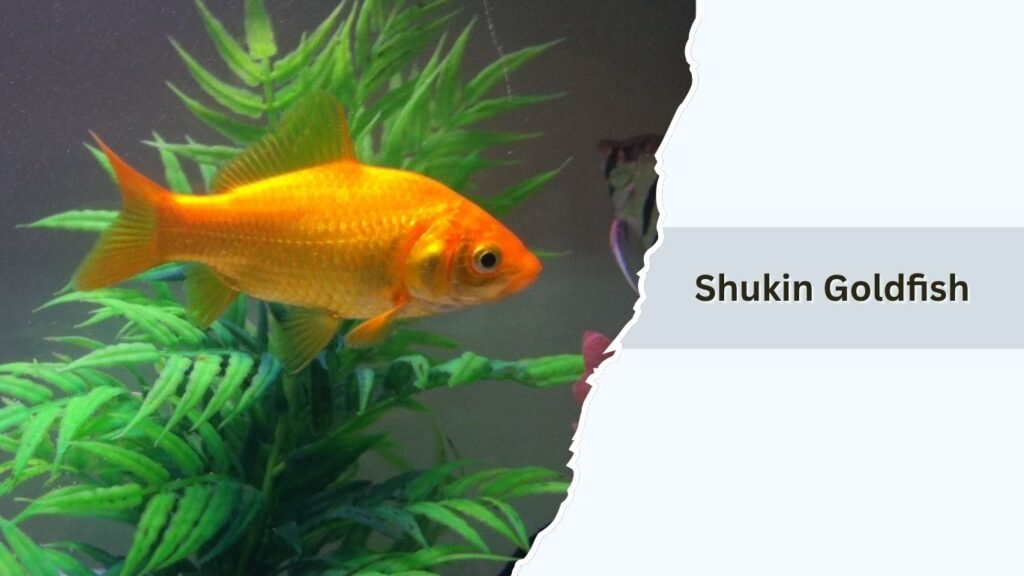
The Shukin Goldfish is a rare Japanese fancy goldfish variety known for its rounded body, smooth back, and long, flowing double tail. Developed in Japan during the late nineteenth century by crossing Ranchu and Oranda Goldfish, this ornamental fish combines characteristics of both varieties. Shukins typically lack a dorsal fin while displaying elegant tail movements. Their unusual appearance, historical significance, and limited availability make them especially interesting to experienced goldfish collectors.
Identification
- Scientific Name: Carassius auratus
- Common Name: Shukin Goldfish
- Size: Approximately 6–8 inches, sometimes larger
- Color: Red, white, red-and-white, blue, or silver
- Body Shape: Rounded and elongated, resembling a Ranchu
- Dorsal Fin: Absent
- Tail: Long, flowing double tail
- Head: May develop fleshy head growth
- Lifespan: Often 10–15 years or longer with proper care
- Temperament: Peaceful, gentle, and social
Habitat and Living Conditions
Shukin Goldfish require spacious freshwater aquariums with clean, well-oxygenated water and gentle filtration currents. Their long tails and lack of dorsal fins can make swimming in strong currents difficult. Open swimming areas and smooth decorations help prevent fin injuries. Regular water changes and stable water conditions support healthy development and reduce the risk of common aquarium diseases.
Diet and Feeding Habits
Shukins are omnivorous and benefit from high-quality sinking goldfish pellets, vegetables, and occasional protein-rich foods. Blanched leafy greens and peas provide fiber and essential nutrients. Their relatively slow swimming abilities make controlled feeding important when sharing an aquarium with other varieties. Providing suitable portions helps maintain proper digestion and supports overall health.
Behavior and Lifespan
Shukin Goldfish are peaceful, moderately active fish that enjoy exploring their surroundings. Their flowing tails create graceful movements as they swim. They generally do best alongside other gentle fancy goldfish that share similar swimming abilities. Because Shukins are uncommon, careful breeding and maintenance are important for preserving their distinctive characteristics. With balanced nutrition and excellent aquarium care, they may live for 10–15 years or longer.
24. Eggfish Goldfish
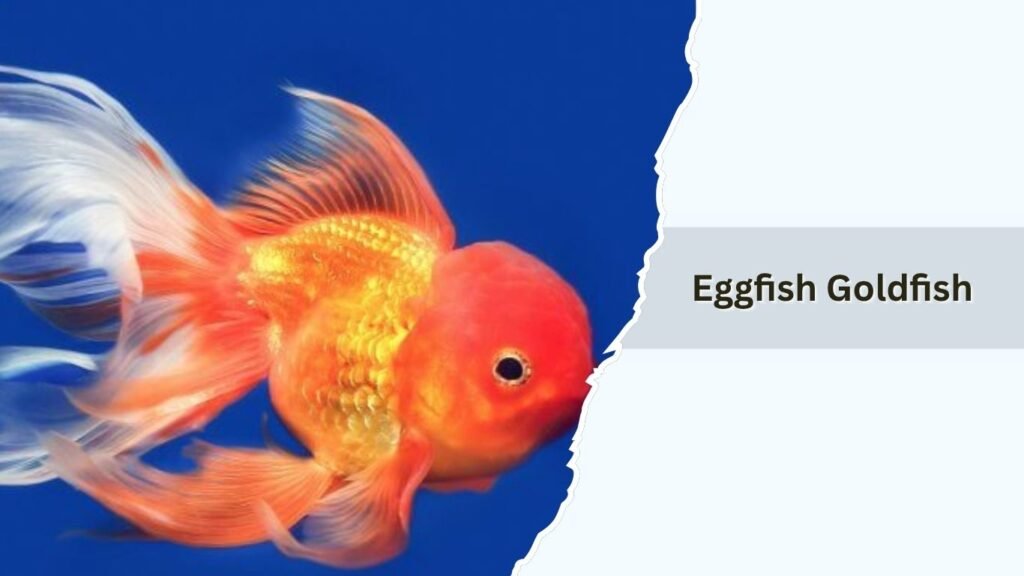
The Eggfish Goldfish is a traditional fancy goldfish variety recognized for its smooth, egg-shaped body and complete absence of a dorsal fin. Originating in China, Eggfish are among the older ornamental goldfish forms and contributed to the development of several modern fancy varieties. Unlike Lionheads or Ranchus, traditional Eggfish do not have prominent fleshy head growth. Their simple body structure, attractive coloration, and gentle swimming behavior make them fascinating additions to specialized freshwater aquariums.
Identification
- Scientific Name: Carassius auratus
- Common Name: Eggfish Goldfish
- Alternative Name: Maruko Goldfish
- Size: Approximately 5–8 inches
- Color: Orange, red, white, black, yellow, or mixed
- Body Shape: Smooth, rounded, and egg-shaped
- Dorsal Fin: Completely absent
- Tail: Single or double, depending on the variety
- Head: Smooth, without prominent fleshy growth
- Lifespan: Often 10–15 years or longer with proper care
- Temperament: Peaceful, gentle, and social
Habitat and Living Conditions
Eggfish Goldfish thrive in spacious freshwater aquariums with gentle water movement and effective biological filtration. Their lack of a dorsal fin can reduce swimming stability, making calm environments preferable. Smooth aquarium decorations and open swimming areas provide safe conditions for daily activity. Consistent water changes, adequate oxygen levels, and stable temperatures help maintain their long-term health.
Diet and Feeding Habits
Eggfish Goldfish are omnivorous and require a varied diet containing quality goldfish pellets, vegetables, and occasional animal-based treats. Blanched peas, spinach, and other suitable greens provide useful nutrients and fiber. Sinking pellets may help them feed comfortably. Moderate portions and consistent feeding routines help prevent digestive problems and maintain clean aquarium water.
Behavior and Lifespan
Eggfish Goldfish are peaceful, curious, and relatively slow-moving fish. They generally coexist well with other gentle fancy goldfish that have similar feeding abilities. Their smooth backs and rounded bodies create distinctive swimming movements. Although less commonly available than Fantails or Orandas, Eggfish remain important in ornamental goldfish breeding. With proper nutrition, suitable aquarium conditions, and regular maintenance, they may live for 10–15 years or longer.
25. Lionchu Goldfish
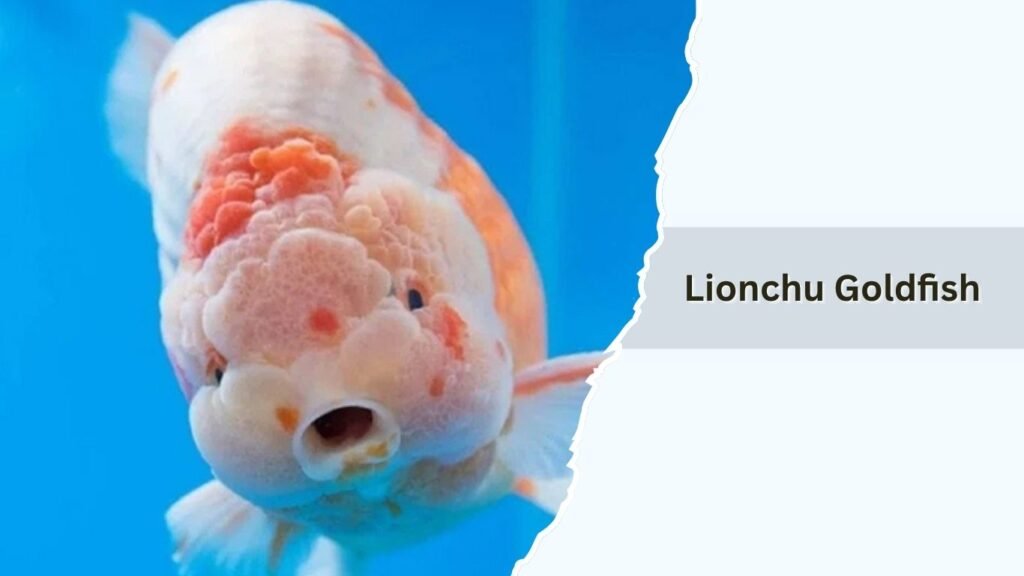
The Lionchu Goldfish is a distinctive fancy goldfish variety developed by crossing Lionhead and Ranchu Goldfish. This ornamental fish combines the rounded, curved body of a Ranchu with the prominent fleshy head growth of a Lionhead. Lionchus are especially admired for their unusual facial appearance, deep bodies, and smooth backs without dorsal fins. Their peaceful temperament and specialized physical characteristics make them popular among enthusiasts who appreciate carefully bred fancy goldfish.
Identification
- Scientific Name: Carassius auratus
- Common Name: Lionchu Goldfish
- Size: Approximately 5–8 inches, sometimes larger
- Color: Orange, red, white, black, calico, or mixed
- Body Shape: Short, deep, rounded, and compact
- Head: Large, fleshy head growth called a wen
- Dorsal Fin: Absent
- Back: Broad and smoothly curved
- Tail: Short, divided double tail
- Lifespan: Often 10–15 years or longer with proper care
- Temperament: Peaceful, gentle, and slow-moving
Habitat and Living Conditions
Lionchu Goldfish require spacious freshwater aquariums with clean, oxygen-rich water and gentle currents. Their rounded bodies and lack of dorsal fins make them relatively slow swimmers. Smooth decorations help protect their delicate head growth from injuries. Strong biological filtration, regular water changes, and stable water parameters are important for reducing stress and preventing infections.
Diet and Feeding Habits
Lionchus are omnivorous and benefit from high-quality sinking goldfish pellets, vegetables, and occasional protein-rich treats. Blanched spinach, peas, and other suitable leafy greens provide essential nutrients and fiber. Their compact bodies can make digestive problems more troublesome, so feeding appropriate portions is important. Balanced nutrition also supports healthy head development and overall growth.
Behavior and Lifespan
Lionchu Goldfish are peaceful, social fish that generally coexist well with other slow-moving fancy goldfish. They display gentle swimming movements and enjoy exploring calm aquarium environments. Their prominent head growth may occasionally interfere with vision, requiring careful observation during feeding. With proper nutrition, excellent water quality, and sufficient swimming space, Lionchu Goldfish can live for 10–15 years or longer.
FAQs
1. How Many Types of Goldfish Are There?
There are dozens of recognized goldfish varieties worldwide, with additional regional strains and selectively bred forms. Popular varieties include Common, Comet, Oranda, Ranchu, Fantail, Ryukin, and Telescope Goldfish. They differ in body shape, tail structure, eye appearance, coloration, and swimming ability.
2. Which Goldfish Type Is Best for Beginners?
Common, Comet, and Shubunkin Goldfish are generally hardy choices for beginners who have spacious aquariums or outdoor ponds. Fantail Goldfish are also suitable for beginners interested in fancy varieties. Regardless of type, goldfish require effective filtration, clean water, sufficient swimming space, and consistent maintenance.
3. What Is the Rarest Type of Goldfish?
Several goldfish varieties are considered rare, including Tosakin, Jikin, Nankin, and Shukin Goldfish. Their availability varies by country and breeder. Some are especially difficult to obtain outside Japan because they are maintained primarily by specialized collectors and traditional breeding groups.
4. Can Different Types of Goldfish Live Together?
Yes, many goldfish varieties can live together when they have compatible swimming speeds, feeding abilities, and environmental requirements. Common, Comet, and Shubunkin Goldfish generally make suitable companions for one another. Slower fancy varieties, such as Ranchu, Lionhead, and Bubble Eye Goldfish, are usually better housed with similarly gentle fish.
5. How Long Do Different Types of Goldfish Live?
Many goldfish can live for 10–20 years or longer with excellent care. Streamlined varieties such as Common and Comet Goldfish may live beyond 20 years, while some delicate fancy varieties can have shorter lifespans. Genetics, water quality, nutrition, aquarium space, and disease prevention strongly influence how long an individual goldfish lives.