
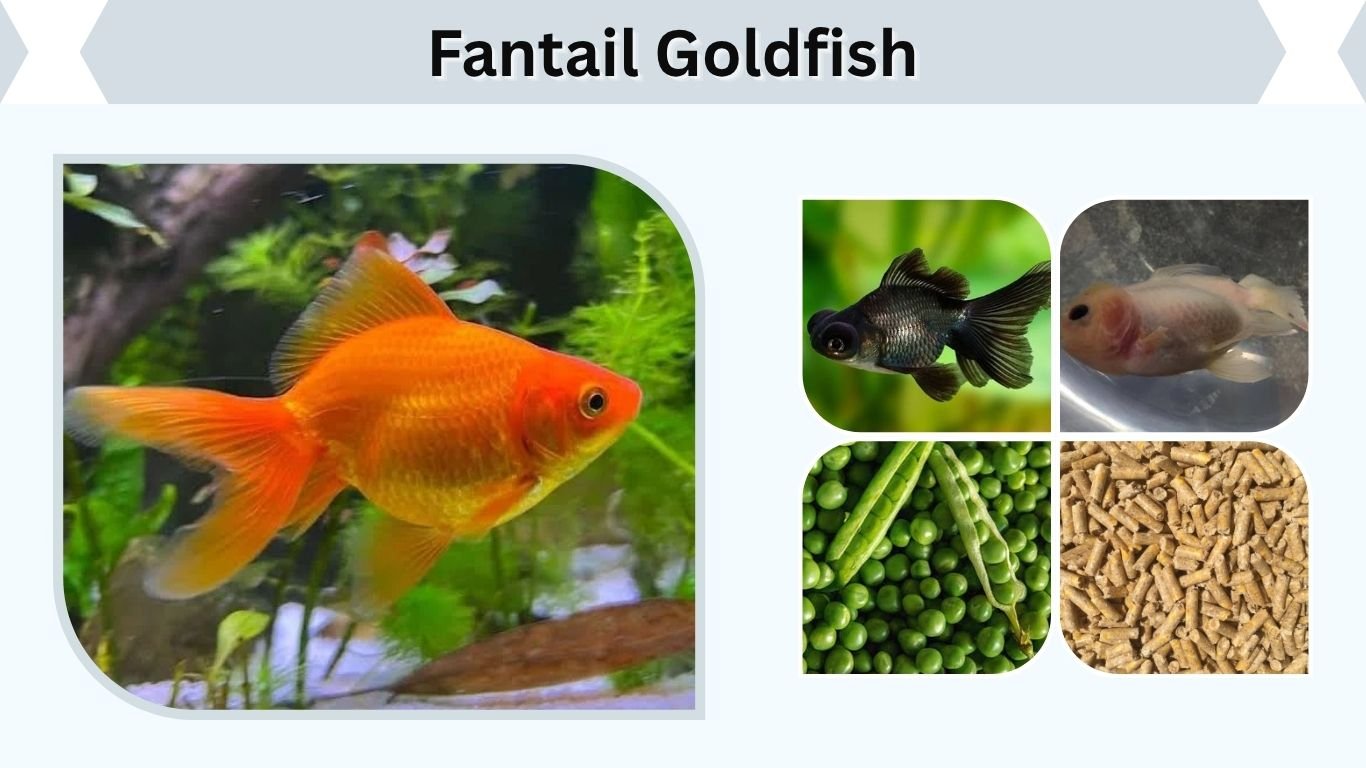
Fantail Goldfish are among the most beautiful freshwater aquarium fish, recognized for their flowing double tails, rounded bodies, and vibrant colors. These peaceful fish are popular with beginners and experienced aquarists because of their attractive appearance and relatively hardy nature. However, maintaining their health requires proper tank space, balanced nutrition, and clean water. Whether you prefer a red, black, gold, or calico Fantail Goldfish, understanding its needs is essential. This guide explores Fantail Goldfish size, lifespan, aquarium setup, feeding habits, behavior, and everyday care.
What Is a Fantail Goldfish?
The Fantail Goldfish (Carassius auratus) is a selectively bred variety of fancy goldfish originally developed in Asia. Unlike Common Goldfish, Fantails have short, egg-shaped bodies and distinctive divided tails that spread outward like fans. They are among the more resilient fancy goldfish varieties, making them a popular choice for aquarists who can provide spacious, properly maintained freshwater aquariums.
Fantail Goldfish Identification
- Scientific Name: Carassius auratus
- Common Name: Fantail Goldfish
- Family: Cyprinidae
- Adult Size: Usually 6–8 inches
- Body Shape: Rounded, short, and egg-shaped
- Tail: Flowing, divided double tail
- Colors: Red, orange, gold, white, black, and calico
- Lifespan: Commonly 10–15 years with good care
- Temperament: Peaceful and social
Fantail Goldfish Colors and Varieties
Fantail Goldfish come in several attractive colors and patterns. Red Fantail Goldfish display bright red or reddish-orange scales, while gold Fantails have beautiful yellow-gold or orange-gold coloration.
Calico Fantail Goldfish feature combinations of blue, white, red, orange, and black markings. White Fantails have pale or completely white bodies, while black Fantails display darker pigmentation.
Some fish develop changing color patterns as they mature. Color alone does not determine whether a goldfish is a true Fantail; its body and tail structure are more important.
Fantail Goldfish Size and Lifespan
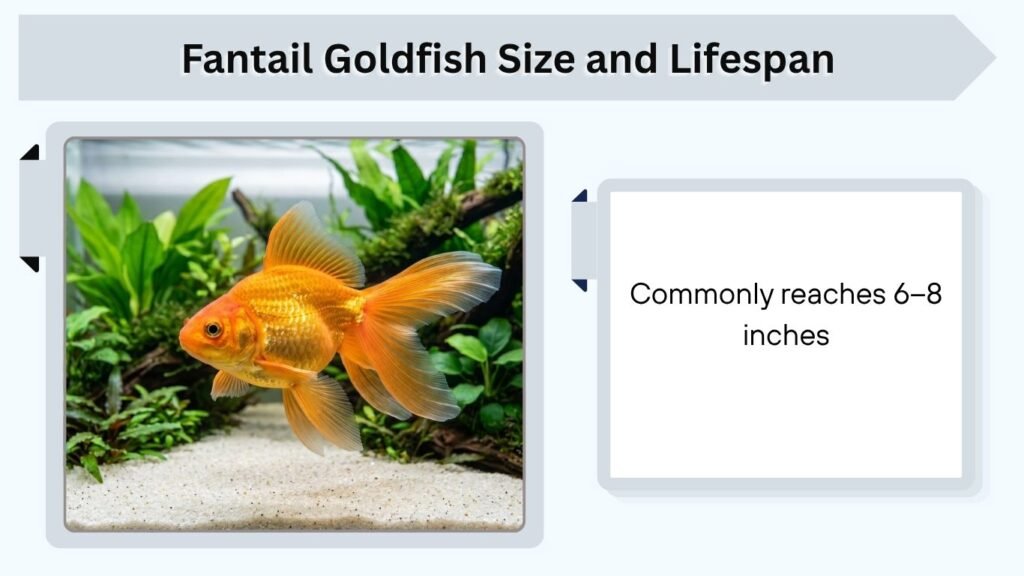
Fantail Goldfish may appear small when purchased, but they grow considerably with proper nutrition and sufficient aquarium space. Their eventual size depends on genetics, diet, water quality, and living conditions. Understanding their growth potential and lifespan helps fishkeepers plan a suitable aquarium rather than relying on a temporary setup that becomes overcrowded as the fish develops.
How Big Do Fantail Goldfish Get?
A full-grown Fantail Goldfish commonly reaches 6–8 inches in total length, including its tail. Some exceptionally large individuals may grow beyond this range.
Young Fantails often measure only a few inches, but they continue developing over several years. A spacious aquarium, quality food, and consistent water conditions support healthy growth.
Keeping a goldfish in an undersized tank can compromise its health and should not be used to control its adult size.
How Long Do Fantail Goldfish Live?
Fantail Goldfish can live for 10–15 years with good care, and some individuals survive considerably longer. Lifespan varies according to genetics, disease exposure, diet, and aquarium maintenance.
Poor water quality, overcrowding, and chronic stress can shorten their lives. Consistent care gives these fish the best opportunity to remain healthy for many years.
Fantail Goldfish Tank Size and Aquarium Setup
A properly designed Fantail Goldfish aquarium should provide enough space for comfortable swimming while maintaining excellent water quality. Although Fantails are slower than single-tailed goldfish, they still produce considerable waste and require efficient filtration. Their flowing fins also make gentle water circulation, smooth decorations, and a stable environment especially important for everyday comfort and long-term health.
Best Tank Size for Fantail Goldfish
An adult Fantail Goldfish should have at least 100 liters, approximately 26 US gallons, of aquarium space. A 30-gallon or larger tank is a practical starting choice for one adult fish.
Additional Fantails need substantially more water volume and swimming space. Larger aquariums also provide greater stability in water chemistry.
Small bowls and cramped tanks are unsuitable because they cannot reliably support healthy adult goldfish.
Water Temperature and Conditions
- Preferred Temperature: Approximately 59–73°F (15–23°C)
- pH Level: Generally 6.5–8.5
- Ammonia: 0 ppm
- Nitrite: 0 ppm
- Water Movement: Gentle to moderate
- Filtration: Effective biological and mechanical filtration
Aquarium Decorations and Maintenance
Fantails benefit from open swimming areas, smooth aquarium decorations, and suitable live or artificial plants. Sharp ornaments should be avoided because their flowing fins can become damaged.
Weekly partial water changes of around 25% are a useful starting routine, adjusted according to water test results. Always treat replacement tap water with a suitable conditioner.
A heater is not normally necessary when the aquarium remains within an appropriate, stable temperature range.
Fantail Goldfish Food and Feeding Habits
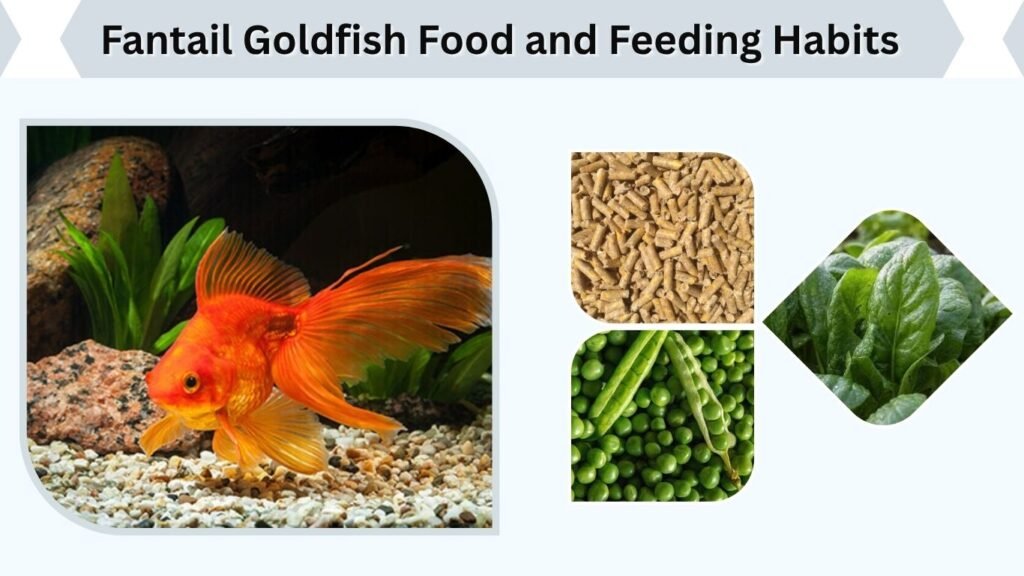
Fantail Goldfish are omnivorous fish that consume both plant-based and animal-based foods. Providing a varied, nutritionally balanced diet supports healthy development, attractive coloration, and normal digestion. Because Fantails have compact bodies, appropriate food portions are particularly important. Excess food can also accumulate in the aquarium, contributing to poor water quality and potentially serious health problems.
Best Food for Fantail Goldfish
High-quality goldfish pellets should form the foundation of a Fantail’s diet. Slow-sinking pellets are often useful because they allow fish to feed without taking excessive air from the surface.
Suitable supplements include blanched spinach, shelled peas, and other safe leafy vegetables. Occasional brine shrimp, daphnia, or bloodworms provide additional dietary variety.
How Often Should You Feed Fantail Goldfish?
Most adult Fantails can be fed once daily, offering only an amount they can consume within a few minutes. Smaller portions may be divided into two feedings when appropriate.
Remove uneaten food and avoid feeding excessive treats. Appetite, activity level, water temperature, and body condition can help guide adjustments to feeding amounts.
Fantail Goldfish Behavior and Tank Mates
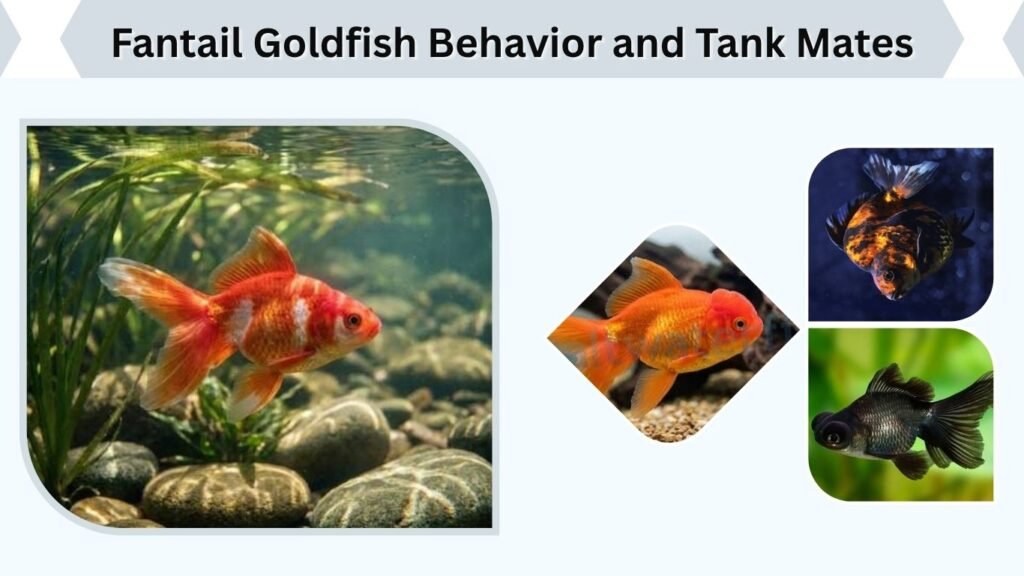
Fantail Goldfish are generally peaceful, curious fish that spend much of their time exploring the aquarium and searching for food. Their rounded bodies and divided tails make them slower swimmers than Common or Comet Goldfish. Choosing compatible companions helps prevent feeding competition, fin damage, and unnecessary stress while allowing them to display normal social behavior.
Best Tank Mates for Fantail Goldfish
Other Fantails are often excellent companions. Compatible fancy goldfish, including suitable Orandas, Ryukins, and Black Moors, may also live together when aquarium space and feeding abilities are carefully considered.
Fast-swimming Common and Comet Goldfish are less suitable because they can outcompete Fantails during feeding.
Betta fish are generally poor companions because their behavior and environmental requirements may conflict.
Are Fantail Goldfish Aggressive?
Fantail Goldfish are not normally aggressive. They generally coexist peacefully with compatible aquarium companions and may become accustomed to regular feeding routines.
Occasional chasing can occur during feeding or breeding. Persistent bullying, fin damage, or food competition indicates that the aquarium arrangement needs attention.
Can Fantail Goldfish Live in Outdoor Ponds?
Fantails can sometimes live in carefully managed outdoor ponds, but indoor aquariums are usually the safer option.
Their rounded bodies and flowing fins make them more vulnerable to strong currents, predators, and extreme temperature changes. Outdoor conditions must remain stable and suitable for fancy goldfish throughout the year.
Common Fantail Goldfish Health Problems and Breeding
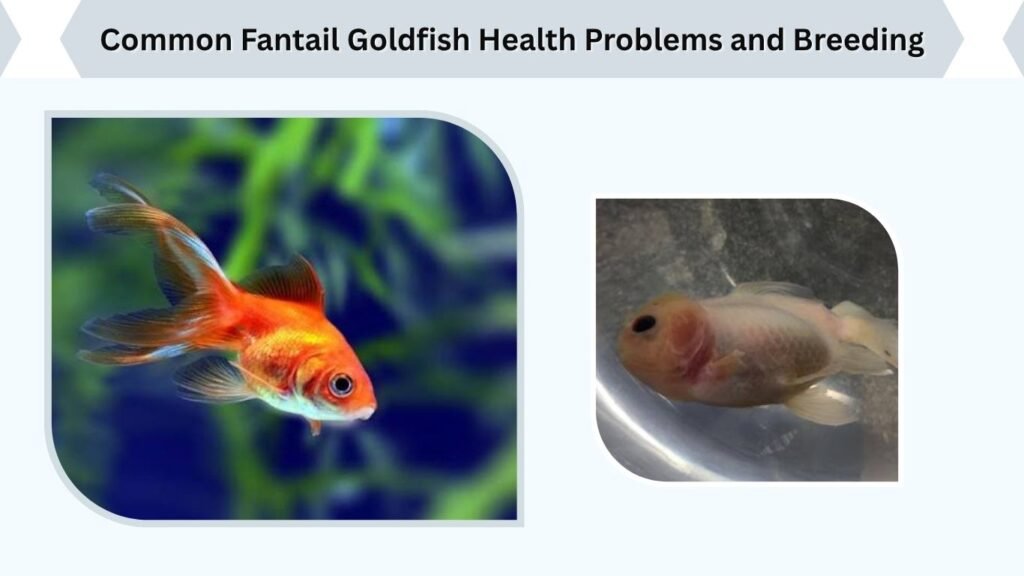
Although Fantails are relatively hardy compared with some other fancy goldfish, they can still develop health problems when aquarium conditions deteriorate. Their rounded bodies may contribute to buoyancy difficulties, while damaged fins can become infected. Recognizing abnormal behavior early and maintaining clean water are important steps toward protecting their health and supporting successful reproduction.
Common Health Problems
- Fin Rot: Frayed or deteriorating fins, sometimes associated with infection.
- Buoyancy Problems: Difficulty maintaining normal swimming position.
- White Spot Disease: Small white spots appearing on the body or fins.
- Poor Water Quality: Stress, lethargy, rapid breathing, or reduced appetite.
Sudden changes in swimming, appearance, or feeding should prompt immediate water testing and advice from an aquatic veterinarian when necessary.
Fantail Goldfish Breeding
Fantail Goldfish reproduce by laying eggs. During breeding, males may chase females, and females scatter adhesive eggs among plants or spawning mops.
The eggs can hatch within a few days under suitable conditions. Adult goldfish may eat the eggs, so breeders often move them into a separate, appropriately prepared aquarium.
Healthy breeding requires mature fish, stable water conditions, and specialized care for developing fry.
FAQs
1. Are Fantail Goldfish Good for Beginners?
Yes. Fantail Goldfish are among the more beginner-friendly fancy varieties. However, they still require a spacious, filtered aquarium, regular water changes, and appropriate feeding.
2. Can Fantail Goldfish Live Alone?
Yes, a Fantail can live alone when provided with suitable care and environmental enrichment. However, compatible goldfish companions can provide additional opportunities for social interaction when sufficient space is available.
3. Do Fantail Goldfish Need a Heater?
Usually, no. Fantails prefer relatively cool freshwater conditions. A heater may be necessary if room temperatures become excessively cold or fluctuate significantly.
4. Can Fantail Goldfish Live With Black Moors?
Yes. Fantails and Black Moors can often share an aquarium because they have relatively similar swimming abilities and environmental needs. Provide enough space and monitor feeding competition.
5. How Can You Tell Male and Female Fantail Goldfish Apart?
During the breeding season, males may develop small white breeding tubercles on their gill covers and pectoral fins. Mature females may have fuller, rounder bodies, particularly when carrying eggs.