
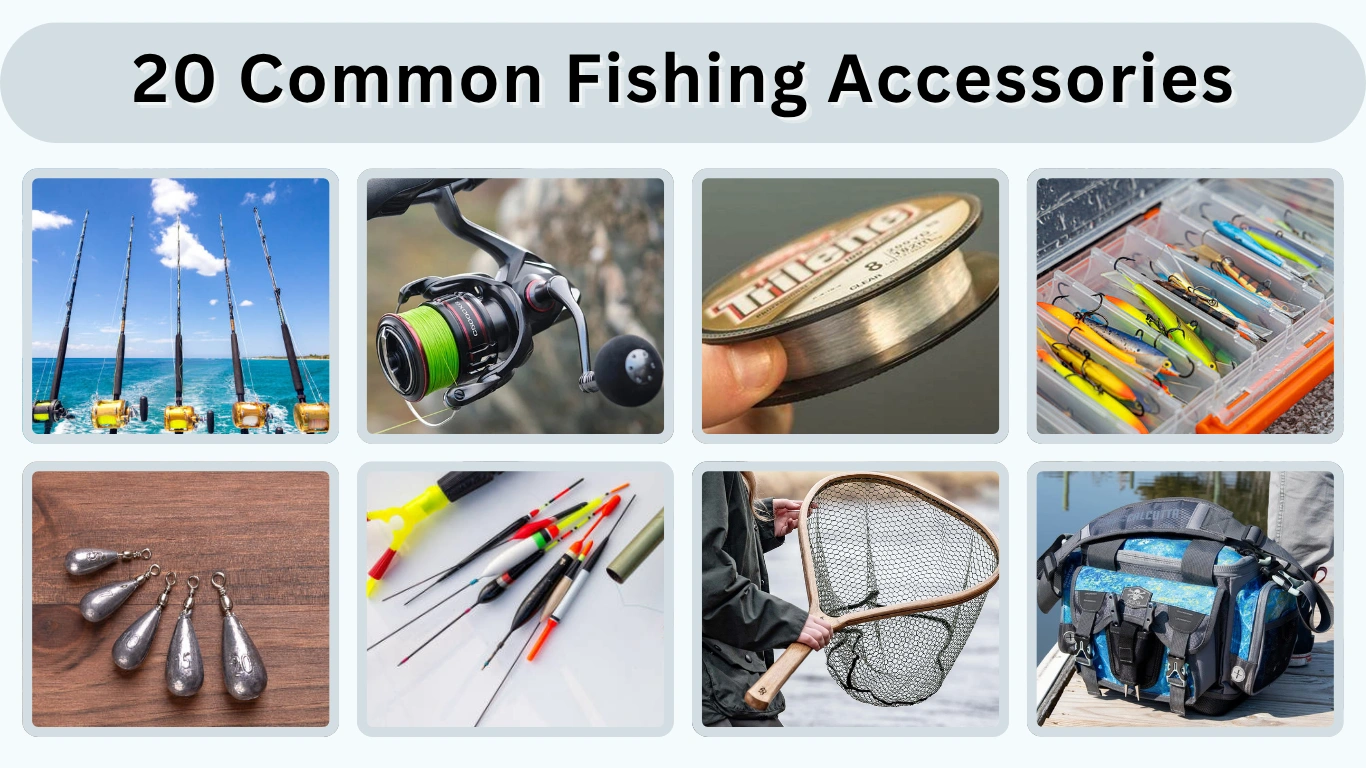
Fishing becomes more enjoyable and successful when you have the right accessories by your side. From basic tools like rods and reels to supportive gear such as tackle boxes and gloves, each item plays an important role in improving your overall fishing experience. Whether you are a beginner or an experienced angler, understanding these essential accessories helps you stay prepared for different situations. In this guide, you will discover 20 common fishing accessories that can make your fishing trips more efficient, comfortable, and productive.
1. Fishing Rod
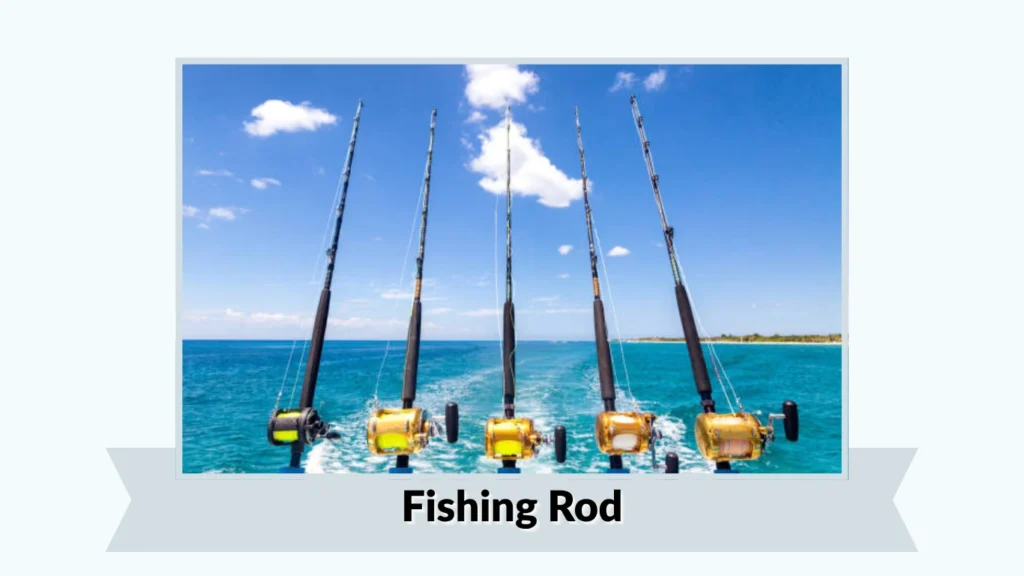
A fishing rod is the most essential tool for any angler, acting as the primary interface between you and the fish. It is designed to cast bait or lures into the water and provide the strength and flexibility needed to control and reel in a catch. Fishing rods vary widely in size, material, and performance, making them suitable for different fishing styles such as freshwater, saltwater, shore fishing, or deep-sea fishing. A well-chosen rod improves casting accuracy, enhances sensitivity to detect bites, and increases your overall fishing success. Whether you are a beginner or an experienced angler, understanding the basic structure and purpose of a fishing rod is crucial before selecting one.
Key Features
- Material (graphite, fiberglass, or composite)
- Length and power (ultra-light to heavy)
- Rod action (fast, medium, slow)
- Handle design and grip comfort
Types of Fishing Rods
Fishing rods come in different types, each suited for specific techniques. Spinning rods are popular for beginners due to their ease of use, while casting rods offer more control for experienced anglers. Fly rods are used for fly fishing, requiring a unique casting technique. Telescopic rods are compact and portable, ideal for travel. Choosing the right type ensures better performance and a more enjoyable fishing experience.
How to Choose the Right Fishing Rod
When selecting a fishing rod, consider your target fish species, fishing environment, and personal skill level. For beginners, a medium-action spinning rod is often recommended because it balances flexibility and strength. Length also matters—longer rods allow longer casts, while shorter rods provide better control. Matching the rod with the appropriate reel and line is equally important for optimal performance.
Maintenance Tips
Proper care can significantly extend the life of your fishing rod. After each fishing trip, especially in saltwater, rinse the rod with fresh water to remove dirt and salt deposits. Store it in a dry, safe place to prevent damage. Regularly inspect guides and the rod blank for cracks or wear. Using a protective case during transport can also help maintain its condition over time.
2. Fishing Reel
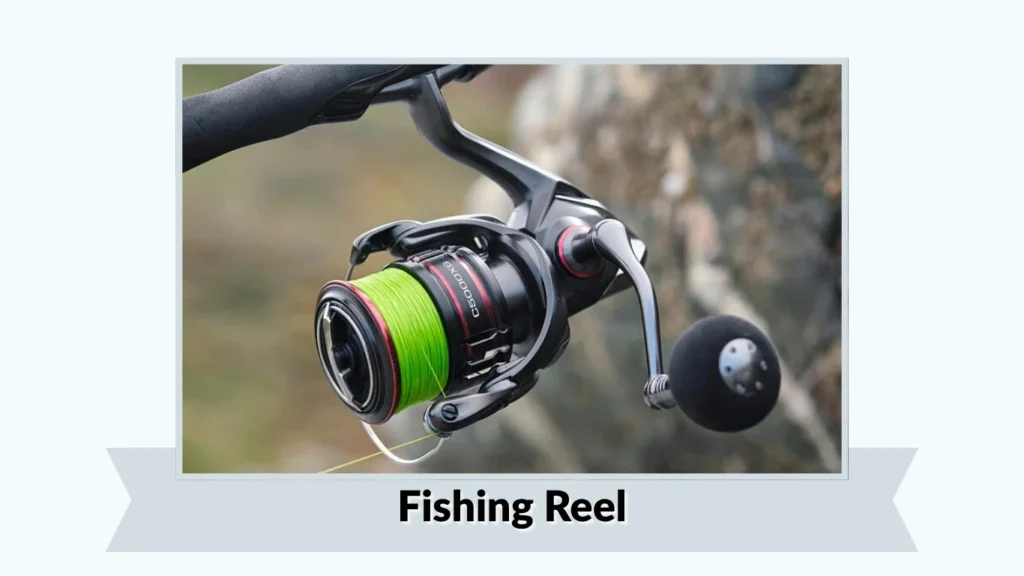
A fishing reel is a crucial component that works together with the rod to retrieve the fishing line and control the fish during a catch. It allows anglers to cast smoothly and reel in fish efficiently while maintaining tension on the line. Reels come in different designs, each suited for specific fishing techniques and skill levels. A good fishing reel improves accuracy, reduces effort, and provides better control when fighting strong fish. Whether you are fishing in freshwater or saltwater, selecting the right reel can significantly enhance your overall experience and success rate.
Key Features
- Gear ratio for speed and power
- Drag system for controlling fish resistance
- Line capacity
- Build material (aluminum, graphite)
Types of Fishing Reels
Fishing reels are available in several types, including spinning reels, baitcasting reels, spincast reels, and fly reels. Spinning reels are beginner-friendly and versatile, while baitcasting reels offer precision and control for experienced anglers. Spincast reels are simple and easy to use, and fly reels are specifically designed for fly fishing techniques.
How to Choose the Right Fishing Reel
Choosing the right reel depends on your fishing style, target species, and skill level. Beginners often start with spinning reels due to their ease of handling. Consider the reel size and ensure it matches your rod and fishing line. A smooth drag system is essential when targeting larger fish, as it helps prevent line breakage during the fight.
Maintenance Tips
Regular maintenance helps keep your fishing reel in good working condition. After each use, especially in saltwater environments, rinse the reel with fresh water and dry it properly. Periodically lubricate moving parts and check for signs of wear or corrosion. Proper storage in a clean, dry place will also extend its lifespan.
3. Fishing Line
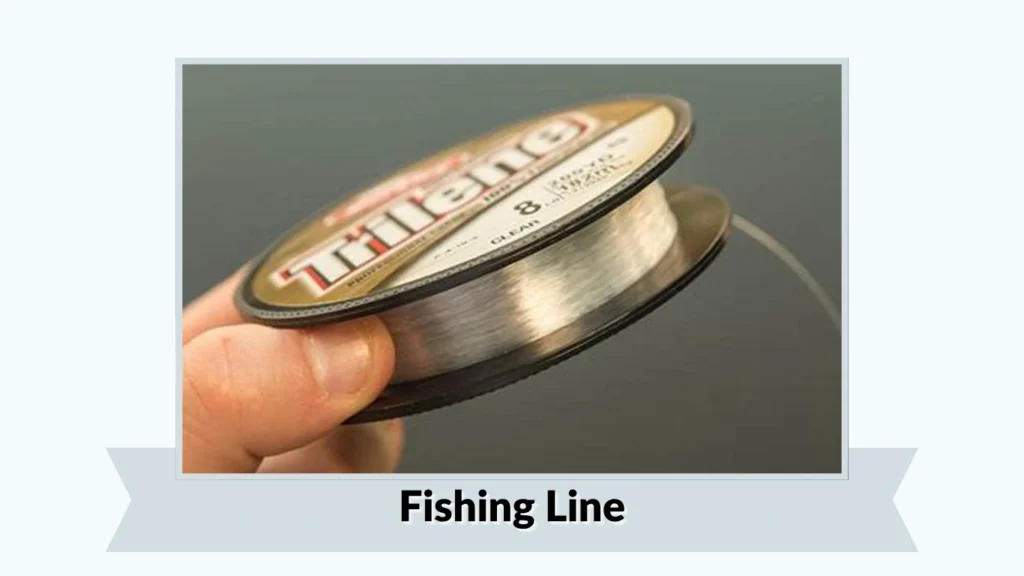
A fishing line is the direct connection between the angler and the fish, making it one of the most critical components of any fishing setup. It is responsible for carrying the bait or lure into the water and handling the tension when a fish is hooked. Fishing lines come in different materials, strengths, and thicknesses, each suited for specific fishing conditions and target species. A high-quality line ensures better casting distance, sensitivity to detect bites, and durability to handle strong fish. Choosing the right fishing line can greatly improve your success and overall fishing experience.
Key Features
- Line strength (pound test)
- Material type (monofilament, fluorocarbon, braided)
- Diameter and thickness
- Stretch and sensitivity
Types of Fishing Lines
Fishing lines are mainly categorized into monofilament, fluorocarbon, and braided lines. Monofilament is versatile and easy to handle, making it ideal for beginners. Fluorocarbon is nearly invisible underwater and works well in clear water conditions. Braided line is extremely strong with low stretch, making it suitable for heavy-duty fishing and catching larger species.
How to Choose the Right Fishing Line
Selecting the right fishing line depends on the fishing environment, target fish, and technique. For general use, monofilament is a great starting point. If you need more strength and sensitivity, braided lines are a better option. In clear water, fluorocarbon lines are preferred due to their low visibility. Always match the line strength with your rod and reel setup.
Maintenance Tips
To maintain your fishing line, regularly check for frays, knots, or weak spots and replace damaged sections. Avoid prolonged exposure to direct sunlight, as it can weaken the line. After fishing, especially in saltwater, rinse the line with fresh water and store your gear properly to extend its lifespan.
4. Hooks
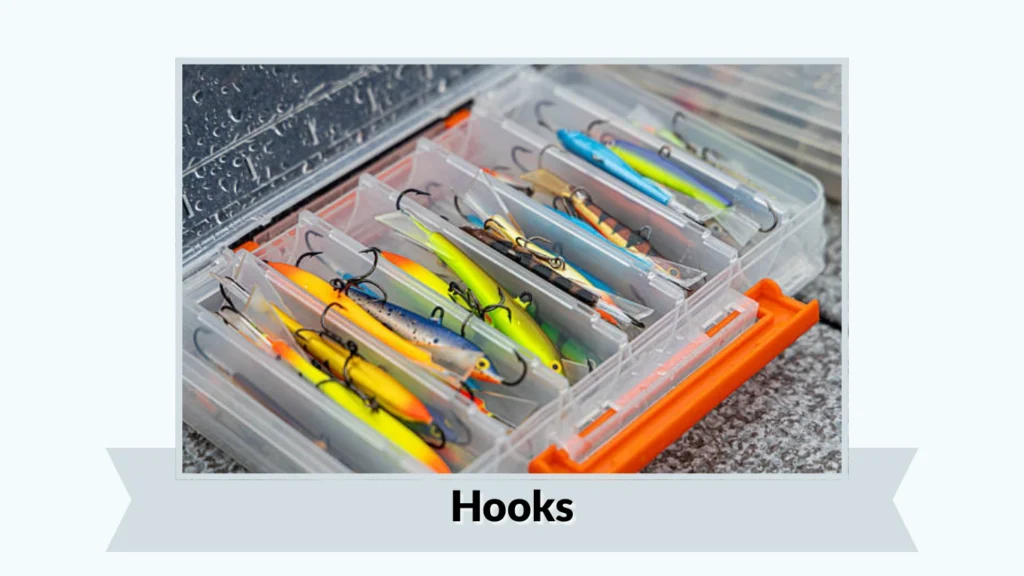
Fishing hooks are small but essential components that play a critical role in catching fish. They are designed to secure the fish once it bites the bait or lure. Hooks come in various sizes, shapes, and strengths, each suited for different fish species and fishing techniques. A properly chosen hook improves your chances of a successful catch by ensuring a strong hold without harming the bait presentation. Whether you are fishing in freshwater or saltwater, selecting the right hook is key to both efficiency and effectiveness.
Key Features
- Hook size and thickness
- Shape and design (circle, J-hook, treble)
- Material strength and durability
- Sharpness and corrosion resistance
Types of Hooks
There are several types of fishing hooks, including J-hooks, circle hooks, and treble hooks. J-hooks are the most common and versatile. Circle hooks are designed to hook fish in the corner of the mouth, reducing injury and improving catch-and-release success. Treble hooks feature three points and are commonly used with artificial lures for increased hooking chances.
How to Choose the Right Hook
Choosing the right hook depends on the type of fish you are targeting and the bait you are using. Smaller hooks work well for small fish and live bait, while larger hooks are better for bigger species. Circle hooks are ideal for beginners and conservation-focused fishing, while treble hooks are effective when using lures.
Maintenance Tips
Keep your hooks clean and dry after each use to prevent rust. Sharpen dull hooks regularly to maintain effectiveness. Store them in a dry tackle box and replace any hooks that show signs of bending, corrosion, or loss of sharpness to ensure reliable performance.
5. Sinkers (Weights)
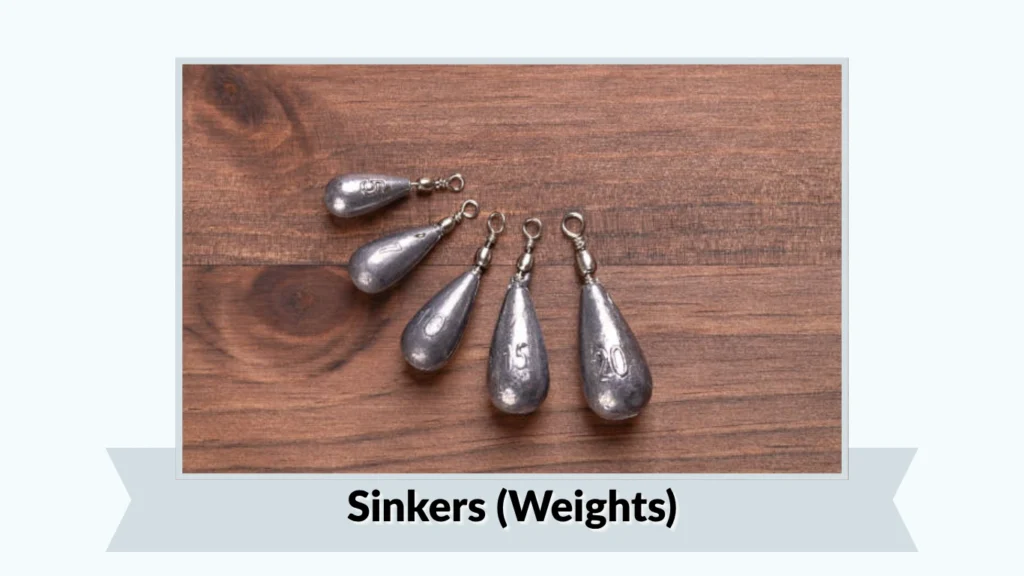
Sinkers, also known as weights, are used to help your bait or lure sink to the desired depth in the water. They play an important role in keeping your line stable, especially in strong currents or deep fishing areas. By adding weight to your setup, sinkers improve casting distance and ensure your bait stays in the target zone where fish are likely to be. They come in different shapes and sizes, allowing anglers to adapt to various fishing conditions and techniques.
Key Features
- Weight size and variety
- Shape (split shot, egg, pyramid, bullet)
- Material (lead, steel, tungsten)
- Ease of attachment to the line
Types of Sinkers
There are several types of sinkers designed for different fishing situations. Split shot sinkers are small and easy to attach, making them ideal for light fishing. Egg sinkers are commonly used for bottom fishing, while pyramid sinkers work well in strong currents. Bullet sinkers are popular in bass fishing as they move smoothly through weeds and obstacles.
How to Choose the Right Sinkers
Choosing the right sinker depends on water depth, current strength, and fishing technique. Lighter sinkers are suitable for calm waters, while heavier ones are needed for deeper or fast-moving water. The shape also matters—streamlined sinkers reduce snagging and improve movement. Matching the sinker with your bait and environment ensures better performance.
Maintenance Tips
After each use, rinse sinkers with fresh water, especially if used in saltwater, to prevent corrosion. Store them in a dry compartment to avoid rust or damage. Regularly check for wear or deformation and replace damaged sinkers to maintain effectiveness and safety.
6. Bobbers (Floats)
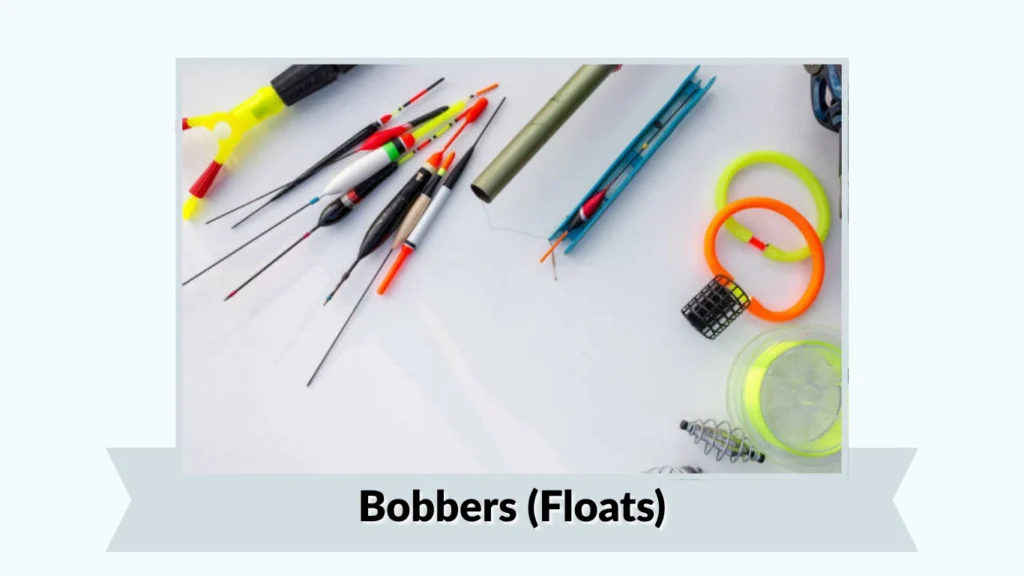
Bobbers, also known as floats, are used to keep your bait suspended at a specific depth while also acting as a visual indicator of fish bites. When a fish nibbles or takes the bait, the bobber moves, dips, or sinks, alerting the angler. This makes bobbers especially useful for beginners, as they provide a clear signal of activity underwater. They are commonly used in freshwater fishing and are ideal for targeting species that feed at mid-level depths rather than the bottom.
Key Features
- Buoyancy and weight capacity
- Visibility (bright colors for easy spotting)
- Attachment type (clip-on or slip float)
- Size and shape variety
Types of Bobbers
There are different types of bobbers designed for various fishing techniques. Fixed bobbers stay in one position on the line and are easy to use, making them great for beginners. Slip bobbers can move along the line, allowing for deeper fishing. Round bobbers are highly visible, while pencil-shaped bobbers are more sensitive to subtle bites.
How to Choose the Right Bobber
Choosing the right bobber depends on the type of fishing and water conditions. For shallow water, fixed bobbers work well, while slip bobbers are better for deeper areas. Smaller, more sensitive bobbers are ideal for detecting light bites, while larger ones are suitable for heavier bait and rough water conditions.
Maintenance Tips
To keep bobbers in good condition, rinse them with clean water after use and store them in a dry place. Check for cracks or damage that may affect buoyancy. Replace worn-out or less visible bobbers to ensure accurate bite detection and better fishing results.
7. Lures
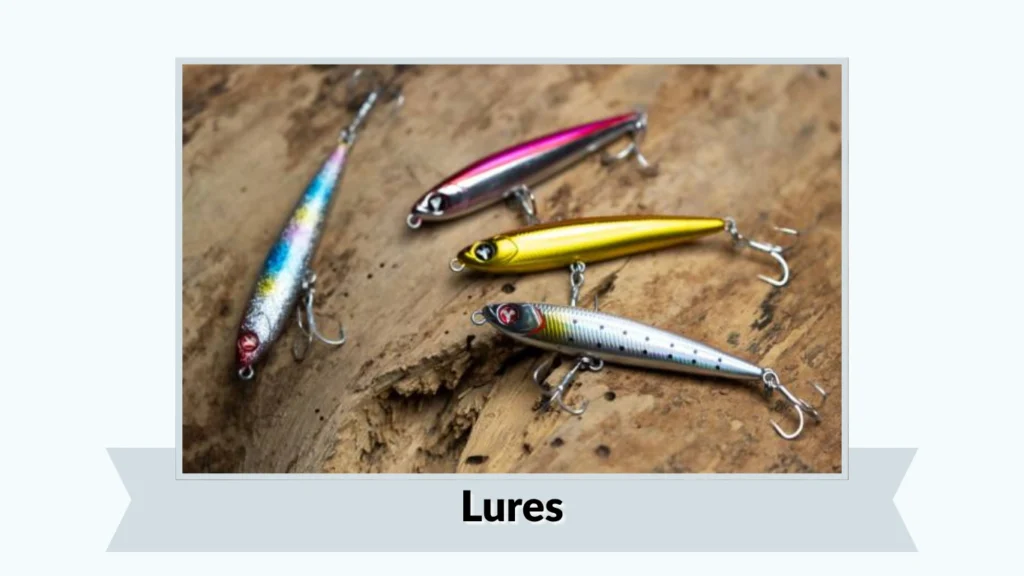
Fishing lures are artificial baits designed to attract fish by mimicking the movement, appearance, and behavior of prey. They are widely used because they can be reused and come in a variety of styles to target different fish species. Lures work by triggering a fish’s instinct to strike, either through motion, vibration, color, or shine. Using the right lure can significantly increase your chances of catching fish, especially when natural bait is not available or effective.
Key Features
- Material (plastic, metal, wood)
- Color and pattern
- Size and weight
- Action and movement in water
Types of Lures
There are many types of fishing lures, including crankbaits, spinnerbaits, soft plastics, jigs, and topwater lures. Crankbaits mimic swimming fish, while spinnerbaits create vibration and flash. Soft plastic lures resemble worms or insects, and jigs are versatile for bottom fishing. Topwater lures float and create surface action to attract fish.
How to Choose the Right Lure
Choosing the right lure depends on water conditions, fish species, and time of day. Bright-colored lures work well in murky water, while natural colors are better for clear water. The size of the lure should match the prey fish in the area. Experimenting with different lures often helps determine what works best.
Maintenance Tips
After use, rinse lures with fresh water to remove dirt and salt. Dry them properly before storing to prevent rust on hooks. Organize lures in a tackle box to avoid tangling. Regularly check for damaged hooks or worn paint and replace or repair them as needed.
8. Bait
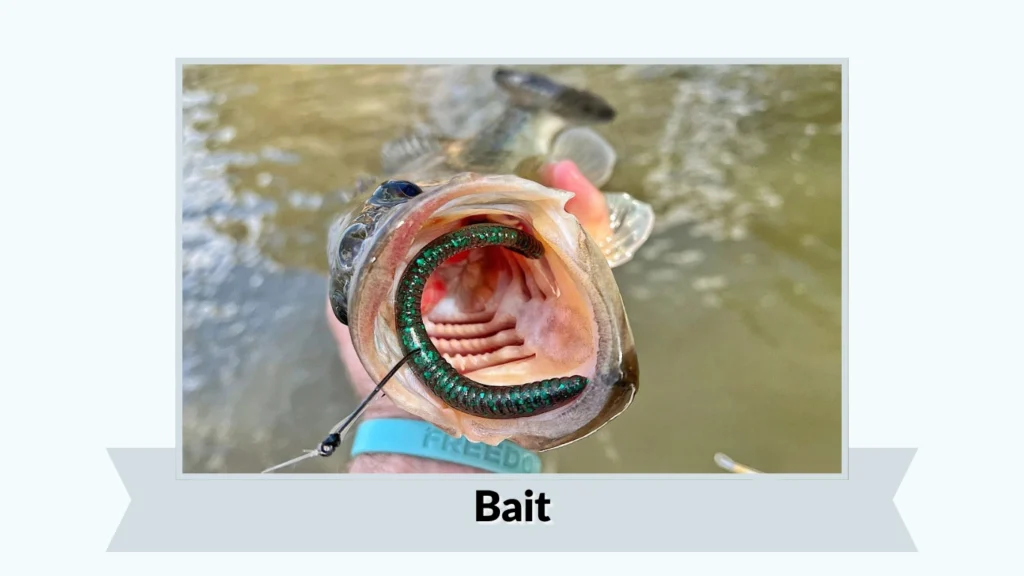
Bait is a natural or artificial substance used to attract fish and encourage them to bite the hook. It plays a crucial role in fishing success, as the right bait can make the difference between a productive trip and an empty catch. Natural baits such as worms, insects, or small fish closely match what fish naturally eat, while artificial baits are designed to imitate these food sources. Choosing the correct bait based on the target species and environment helps increase your chances of attracting fish effectively.
Key Features
- Type (live, dead, or artificial)
- Freshness and quality
- Size and suitability for target fish
- Ease of attachment to the hook
Types of Bait
Bait can be categorized into live bait, dead bait, and artificial bait. Live bait like worms, minnows, and insects is highly effective because of its natural movement. Dead bait includes cut fish or shrimp, often used for larger species. Artificial bait is designed to mimic real prey and is reusable, making it a convenient option for many anglers.
How to Choose the Right Bait
Selecting the right bait depends on the type of fish you want to catch and the fishing environment. Freshwater fish often prefer worms or insects, while saltwater species may respond better to shrimp or small fish. Matching the bait size to the fish and observing local feeding habits can improve your success rate.
Maintenance Tips
Keep live bait in proper containers with adequate water and oxygen to maintain freshness. Store dead bait in a cool place to prevent spoilage. For artificial bait, clean and dry it after use. Always dispose of unused bait responsibly to protect the environment.
9. Tackle Box
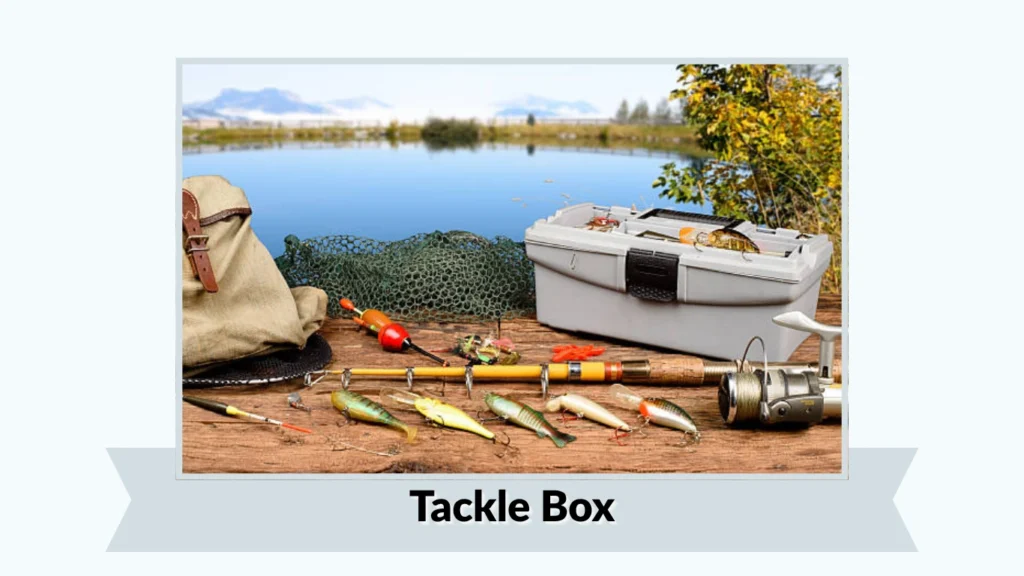
A tackle box is an essential storage solution for organizing and protecting all your fishing gear. It helps anglers keep accessories like hooks, lures, lines, and tools neatly arranged and easily accessible. A well-organized tackle box saves time on the water and ensures you can quickly find the right equipment when needed. Modern tackle boxes come in various sizes and designs, making them suitable for both beginners and experienced anglers who carry a wide range of gear.
Key Features
- Multiple compartments and trays
- Durable and water-resistant material
- Secure locking system
- Portable and lightweight design
Types of Tackle Boxes
Tackle boxes come in different styles, including traditional hard boxes, soft tackle bags, and modular storage systems. Hard boxes provide strong protection and structured compartments, while soft bags offer flexibility and extra storage space. Modular systems allow anglers to customize their storage based on specific needs.
How to Choose the Right Tackle Box
Choosing the right tackle box depends on how much gear you carry and your fishing style. Beginners may prefer a simple, compact box, while experienced anglers often need larger, multi-compartment systems. Consider portability, durability, and ease of access when making your choice to ensure convenience during fishing trips.
Maintenance Tips
To keep your tackle box in good condition, clean it regularly and remove any dirt or moisture. Dry it thoroughly after each trip to prevent rust on stored items. Organize your gear properly and check for damaged compartments or locks to maintain efficiency and longevity.
10. Swivels
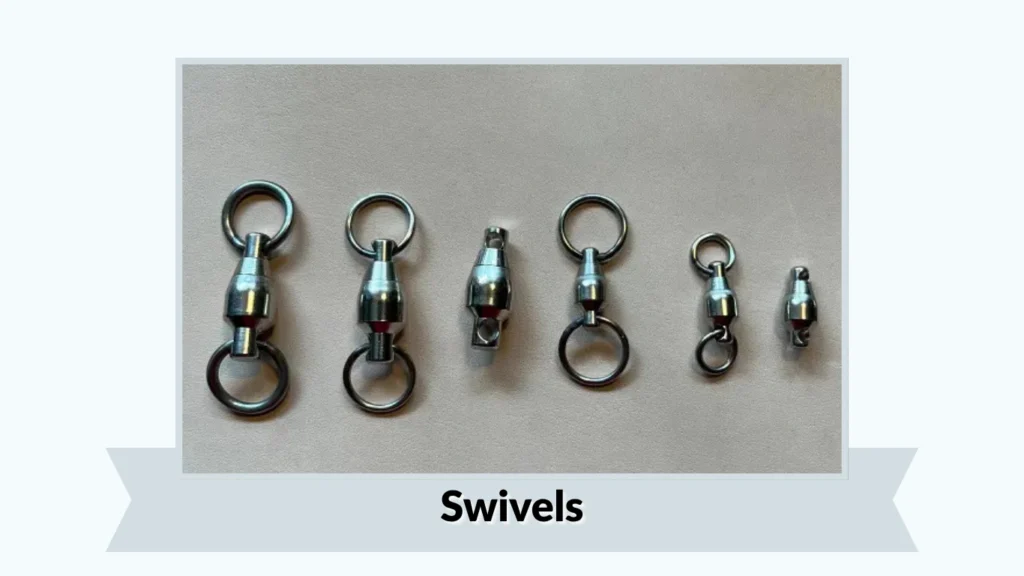
Swivels are small but important fishing accessories that connect different parts of your fishing setup, such as the main line and leader. Their primary function is to prevent line twisting, which can occur when using certain lures or when fish struggle. By reducing twists and tangles, swivels help maintain line strength and improve overall fishing performance. They are especially useful in setups involving spinning lures or live bait, where movement can easily cause the line to coil.
Key Features
- Anti-twist design
- Strength and weight rating
- Material (stainless steel or brass)
- Smooth rotation capability
Types of Swivels
There are several types of swivels, including barrel swivels, ball bearing swivels, and snap swivels. Barrel swivels are the most common and affordable. Ball bearing swivels offer smoother rotation and are ideal for heavy-duty fishing. Snap swivels include a clip, allowing quick changes of lures or rigs without retying knots.
How to Choose the Right Swivel
Choosing the right swivel depends on the fishing technique and the size of the fish you are targeting. For light fishing, small barrel swivels work well, while larger, stronger swivels are needed for bigger fish. If you frequently change lures, snap swivels provide added convenience and save time.
Maintenance Tips
After use, especially in saltwater, rinse swivels with fresh water to prevent corrosion. Dry them properly before storage. Regularly check for rust, stiffness, or damage, and replace worn-out swivels to ensure smooth performance and avoid line failure.
11. Fishing Net
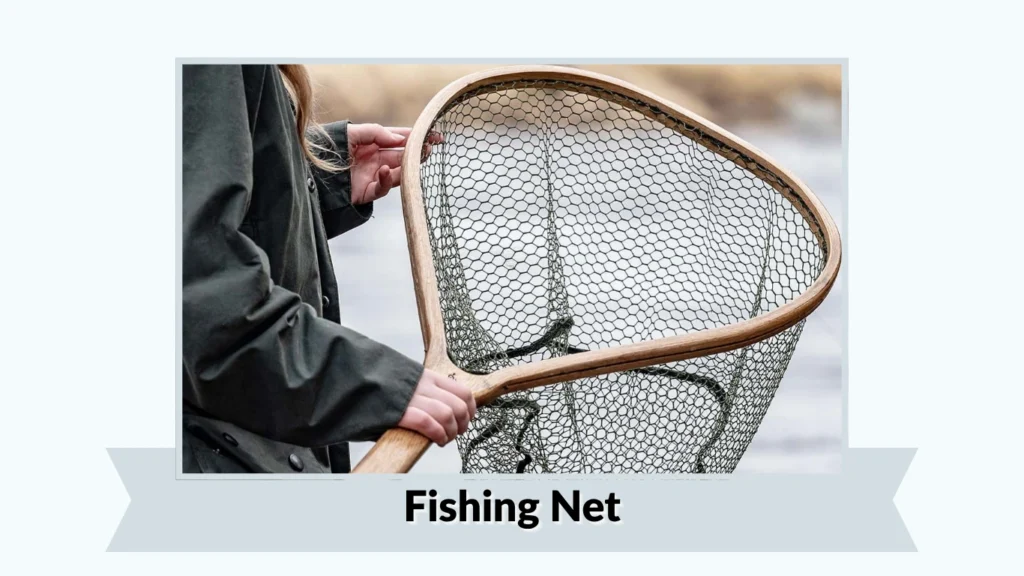
A fishing net is a practical tool used to safely land fish once they are close to you. It helps reduce the risk of losing the catch at the final moment and minimizes harm to the fish, especially during catch-and-release fishing. Nets are particularly useful when handling larger or more active fish that are difficult to lift using just the line. Using a proper fishing net improves efficiency and ensures a smoother, more controlled landing process.
Key Features
- Net material (rubber, nylon, or mesh)
- Handle length and grip
- Hoop size and shape
- Lightweight and durable construction
Types of Fishing Nets
Fishing nets come in various types, including landing nets, telescopic nets, and foldable nets. Landing nets are commonly used for general fishing, while telescopic nets offer extended reach for bank or pier fishing. Foldable nets are compact and convenient for anglers who travel frequently or have limited storage space.
How to Choose the Right Fishing Net
Choosing the right fishing net depends on the size of the fish and your fishing environment. Larger nets with deeper mesh are suitable for bigger fish, while smaller nets work well for light fishing. A rubber-coated net is ideal for catch-and-release fishing, as it is gentler on fish and reduces hook tangling.
Maintenance Tips
Rinse the net with fresh water after each use, especially after saltwater fishing. Allow it to dry completely before storage to prevent odor and damage. Regularly check the mesh for tears and the handle for stability to ensure safe and effective use.
12. Pliers
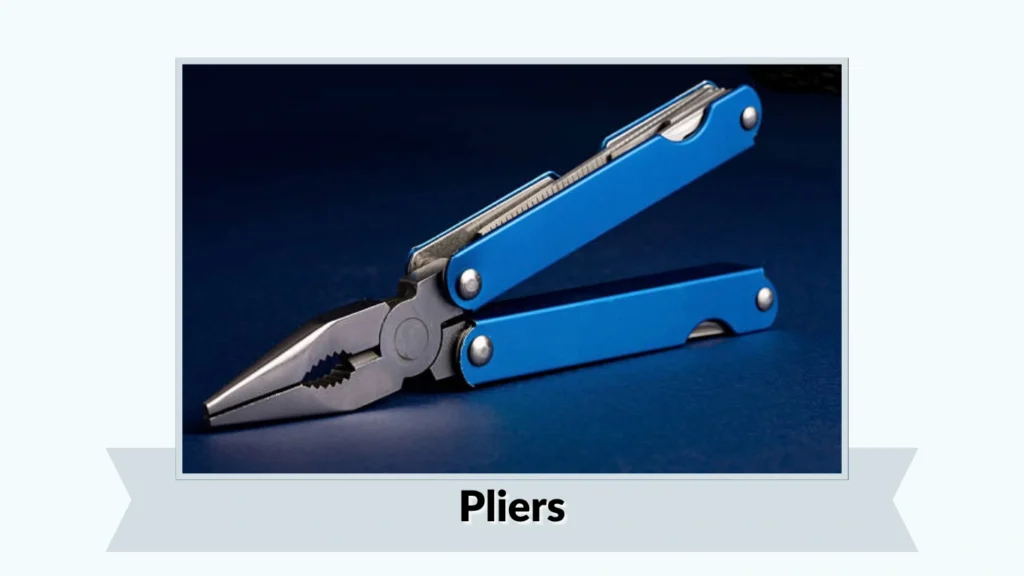
Fishing pliers are a handy tool used for various tasks such as removing hooks, cutting lines, and handling small components. They provide better grip and control, especially when dealing with sharp hooks or strong fish. Pliers are essential for both safety and efficiency, helping anglers avoid injuries and manage gear more effectively. Whether you are a beginner or an experienced angler, having a reliable pair of pliers can make your fishing experience smoother and more convenient.
Key Features
- Grip with non-slip handles
- Corrosion-resistant material (stainless steel or aluminum)
- Built-in cutters for line trimming
- Spring-loaded design for easy use
Types of Fishing Pliers
Fishing pliers come in different types, including standard pliers, split ring pliers, and long-nose pliers. Standard pliers are versatile for general use. Split ring pliers are designed for opening small rings on lures, while long-nose pliers are useful for removing hooks from deep inside a fish’s mouth.
How to Choose the Right Pliers
Choosing the right pliers depends on your fishing needs and environment. For saltwater fishing, corrosion-resistant materials are essential to prevent rust. Lightweight pliers are easier to handle during long fishing sessions. Consider additional features like line cutters or crimping tools for added functionality.
Maintenance Tips
After each use, rinse pliers with fresh water and dry them properly to prevent rust. Apply a small amount of oil to the joints to keep them working smoothly. Store them in a dry place and regularly check for wear or stiffness to ensure long-term durability.
13. Line Cutter
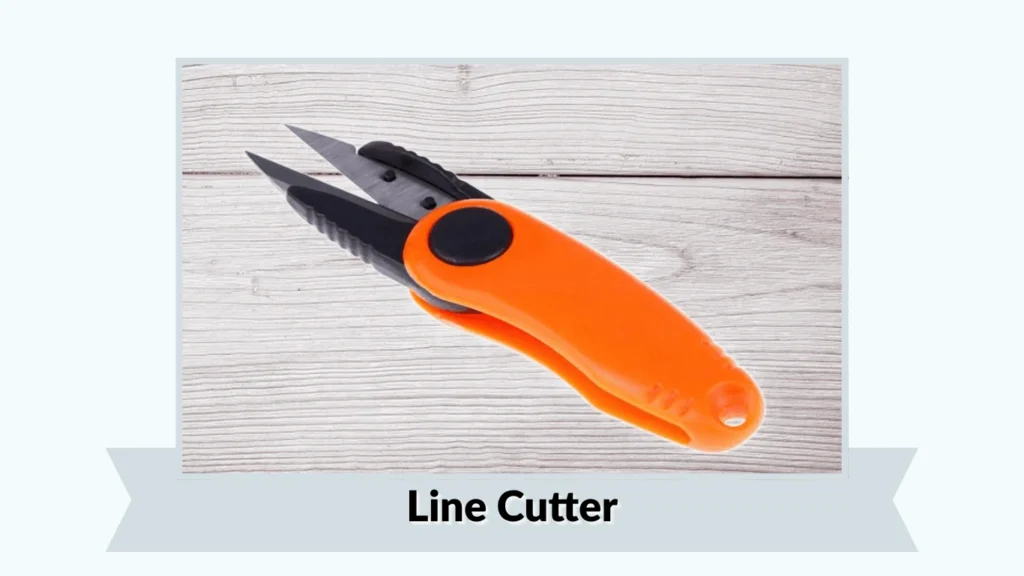
A line cutter is a small but essential tool used to cut fishing lines cleanly and efficiently. It ensures precise cuts, which are important for tying strong knots and maintaining a reliable fishing setup. Unlike using knives or scissors, a dedicated line cutter is safer, quicker, and more convenient, especially when you need to make adjustments frequently. Whether you are trimming excess line or preparing a new rig, this tool helps keep your fishing process smooth and hassle-free.
Key Features
- Sharp stainless steel blades
- Compact and portable design
- Corrosion-resistant material
- Easy one-hand operation
Types of Line Cutters
Line cutters come in various forms, including scissors-style cutters, clipper-style tools, and retractable cutters. Scissors-style cutters provide precision, while clipper-style cutters are compact and easy to carry. Retractable cutters are convenient for quick access, often attached to a vest or tackle bag.
How to Choose the Right Line Cutter
When choosing a line cutter, consider the type of fishing line you use. Braided lines require sharper, more durable blades, while monofilament lines can be cut with standard cutters. Look for a lightweight and rust-resistant design, especially if you fish in saltwater environments.
Maintenance Tips
To maintain your line cutter, rinse it with fresh water after each use and dry it properly. Keep the blades clean and sharp for effective cutting. Store it in a dry place and occasionally apply oil to prevent rust and ensure smooth operation.
14. Fish Gripper
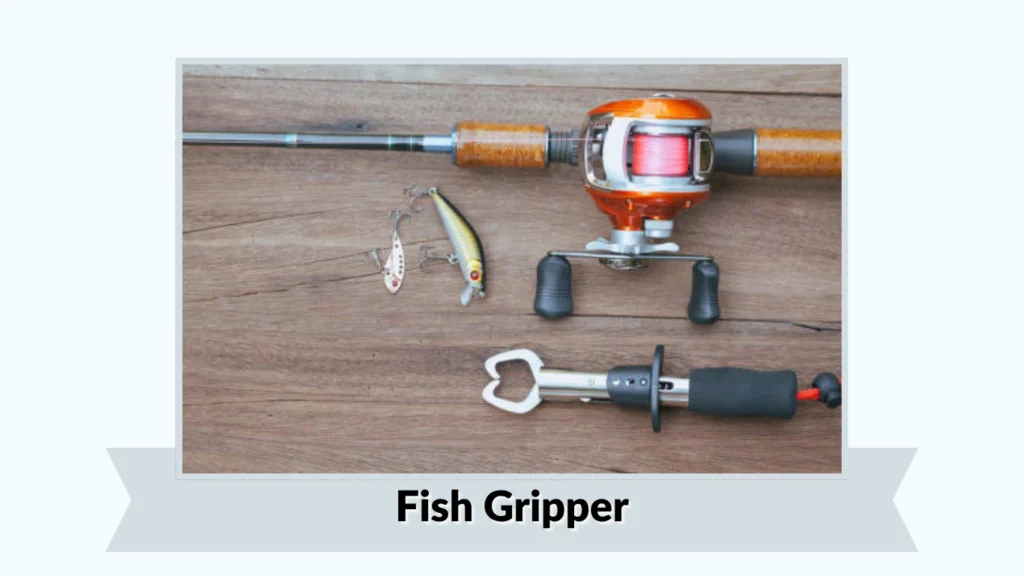
A fish gripper is a useful tool designed to securely hold fish, making it easier to handle them without causing harm or risking injury. It is especially helpful when dealing with slippery or sharp-toothed fish, providing a firm grip without direct hand contact. Fish grippers are widely used in both freshwater and saltwater fishing, particularly for catch-and-release practices where minimizing stress and injury to the fish is important.
Key Features
- Strong locking mechanism
- Non-slip grip handle
- Corrosion-resistant material
- Lightweight and durable design
Types of Fish Grippers
Fish grippers come in different designs, including manual and trigger-style models. Manual grippers require simple hand pressure, while trigger-style grippers offer easier one-handed operation. Some advanced models also include built-in weighing scales, allowing anglers to measure the fish while holding it securely.
How to Choose the Right Fish Gripper
Choosing the right fish gripper depends on the size of fish you target and your fishing environment. For larger fish, select a gripper with a strong locking system and sturdy build. Lightweight and ergonomic designs are ideal for long fishing sessions. If you need extra functionality, consider models with integrated scales.
Maintenance Tips
After each use, rinse the fish gripper with fresh water, especially after saltwater fishing, to prevent corrosion. Dry it thoroughly before storage. Regularly check the locking mechanism and moving parts to ensure smooth operation and replace it if any damage occurs.
15. Rod Holder
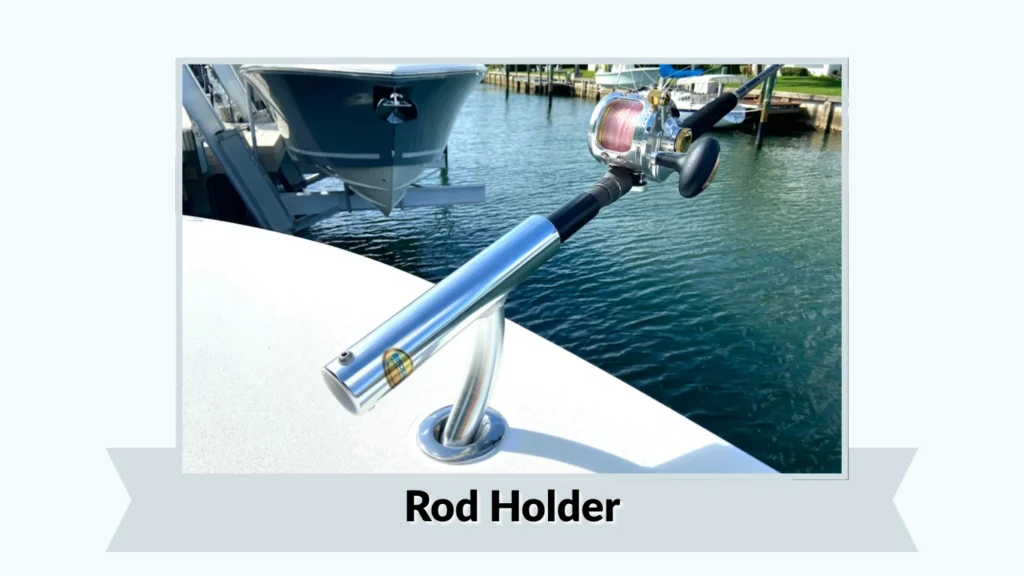
A rod holder is a convenient accessory that keeps your fishing rod securely in place when not in hand. It allows anglers to relax, manage multiple rods, or wait for a bite without constantly holding the rod. Rod holders are especially useful for shore fishing, boat fishing, or situations where long waiting periods are common. By keeping the rod stable and properly positioned, they help improve comfort and reduce fatigue during extended fishing sessions.
Key Features
- Stable construction
- Adjustable angle and positioning
- Material (plastic, metal, or stainless steel)
- Easy installation and portability
Types of Rod Holders
Rod holders come in various types, including bank rod holders, boat-mounted holders, and clamp-on holders. Bank rod holders are pushed into the ground for shore fishing. Boat-mounted holders are fixed to the boat for stability, while clamp-on holders can be attached to different surfaces for flexibility.
How to Choose the Right Rod Holder
Choosing the right rod holder depends on where and how you fish. For shore fishing, a sturdy ground holder works best. For boat fishing, consider a durable, corrosion-resistant holder that can withstand water exposure. Adjustable holders are ideal for customizing the rod position based on fishing conditions.
Maintenance Tips
To keep your rod holder in good condition, clean it after use and remove dirt or salt residue. Dry it thoroughly before storage to prevent rust or damage. Regularly check for loose parts or wear to ensure it remains secure and reliable during use.
16. Tackle Backpack
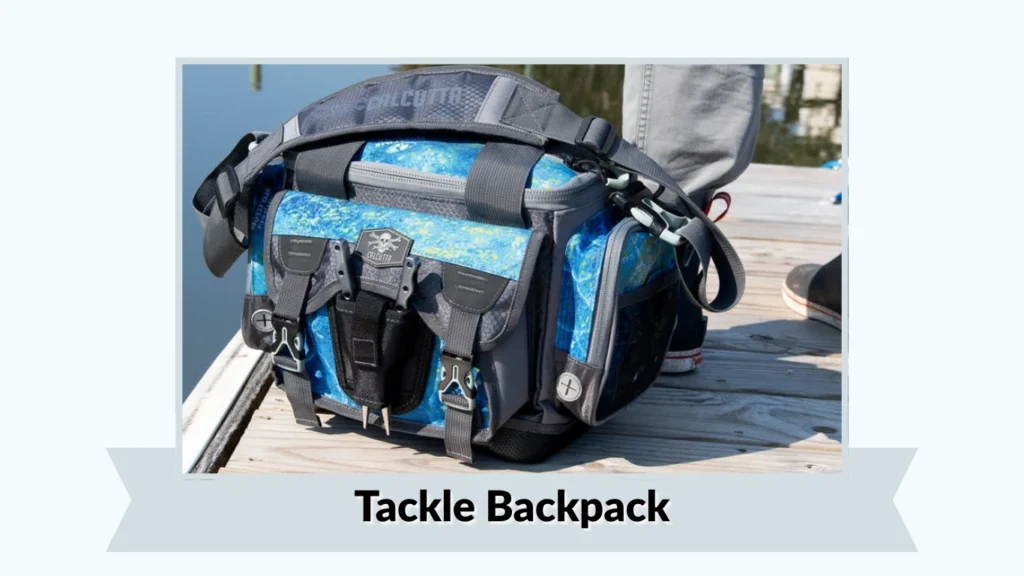
A tackle backpack is a modern and convenient way to carry and organize your fishing gear. It combines storage capacity with portability, allowing anglers to move freely while keeping all essential accessories within reach. Unlike traditional tackle boxes, a backpack distributes weight evenly across your shoulders, reducing fatigue during long trips. It is especially useful for anglers who travel to remote fishing spots or prefer mobility while fishing along riverbanks, lakes, or shorelines.
Key Features
- Multiple compartments and storage pockets
- Comfortable padded shoulder straps
- Water-resistant or waterproof material
- Lightweight yet durable construction
Types of Tackle Backpacks
Tackle backpacks come in different designs, including compact daypacks and large-capacity backpacks. Compact backpacks are ideal for short trips with minimal gear, while larger models can hold multiple tackle boxes, tools, and personal items. Some backpacks also include built-in rod holders or insulated compartments for added convenience.
How to Choose the Right Tackle Backpack
Choosing the right backpack depends on how much gear you carry and the duration of your fishing trips. Look for a design with enough compartments to keep items organized. Comfort is also important, so padded straps and back support are essential. Water-resistant materials are recommended to protect your gear from rain or splashes.
Maintenance Tips
After each trip, empty the backpack and remove any dirt or moisture. Clean it with a damp cloth and allow it to dry completely before storage. Check zippers and seams regularly for wear and repair any damage to maintain durability and performance.
17. Landing Mat
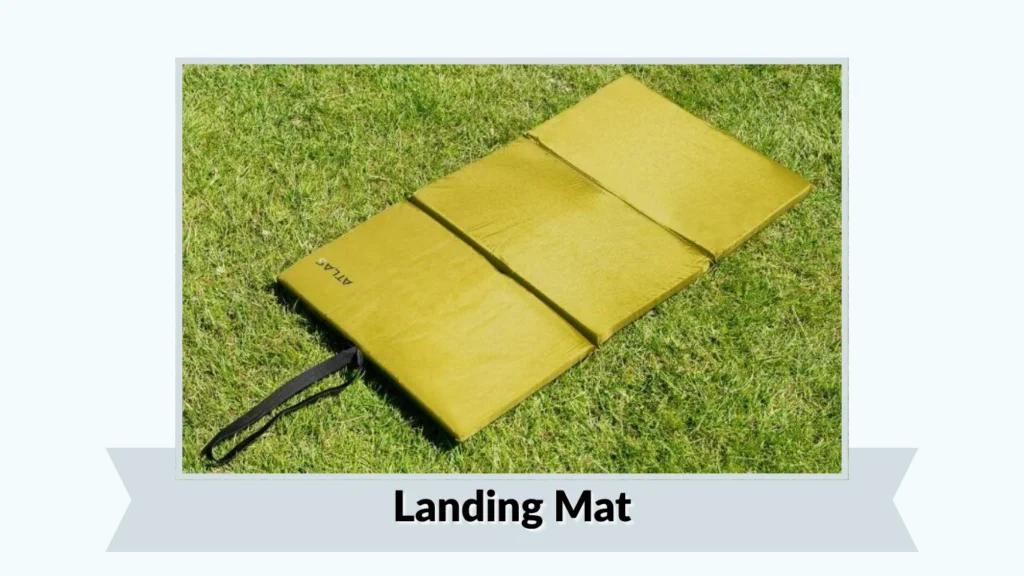
A landing mat is a protective surface used to safely place fish after they are caught. It helps prevent injury to the fish by providing a soft, cushioned area, especially during catch-and-release fishing. This is particularly important for larger or more delicate fish species. Using a landing mat not only protects the fish but also keeps it clean and reduces stress, making it an essential accessory for responsible anglers.
Key Features
- Soft and cushioned surface
- Resistant and easy-to-clean material
- Foldable and portable design
- Adequate size for different fish
Types of Landing Mats
Landing mats come in different styles, including foldable mats, roll-up mats, and cradle-style mats. Foldable mats are easy to carry and store, while roll-up mats are compact and ideal for travel. Cradle-style mats provide extra support and are commonly used for handling larger fish safely.
How to Choose the Right Landing Mat
Choosing the right landing mat depends on the size of fish you target and your fishing style. For larger fish, a thicker and wider mat is recommended. If portability is important, go for a lightweight, foldable option. Ensure the material is durable and easy to clean for long-term use.
Maintenance Tips
After use, rinse the landing mat with clean water to remove dirt and fish residue. Let it dry completely before storing to prevent odor or mold. Regularly inspect for tears or damage and replace it if necessary to ensure continued protection for the fish.
18. Bite Alarm
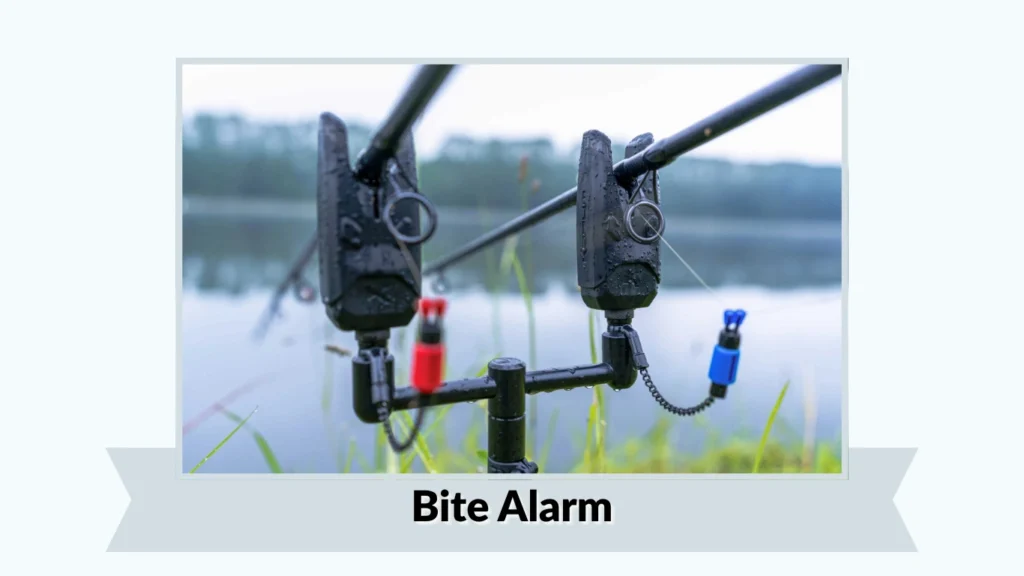
A bite alarm is an electronic device that alerts anglers when a fish bites the bait. It is especially useful for long fishing sessions, night fishing, or when using multiple rods. Instead of constantly watching the rod, the alarm produces sound or light signals when there is movement on the line. This allows anglers to relax while still staying aware of any activity, improving both convenience and efficiency during fishing.
Key Features
- Sound and light alert system
- Sensitivity adjustment
- Volume control
- Battery-powered operation
Types of Bite Alarms
Bite alarms come in different types, including basic sound alarms and advanced digital alarms. Basic models produce a simple beep when the line moves, while advanced versions may include wireless receivers, vibration alerts, and adjustable tones. Some alarms are also designed specifically for night fishing with LED indicators.
How to Choose the Right Bite Alarm
Choosing the right bite alarm depends on your fishing style and environment. For beginners, a simple and affordable alarm is sufficient. For serious anglers, advanced models with adjustable sensitivity and wireless features provide better performance. Consider weather resistance and battery life for outdoor reliability.
Maintenance Tips
To maintain your bite alarm, keep it dry and clean after use. Remove the batteries if not in use for long periods to prevent damage. Store it in a protective case and regularly check its functionality to ensure it works properly when needed.
19. Fishing Gloves
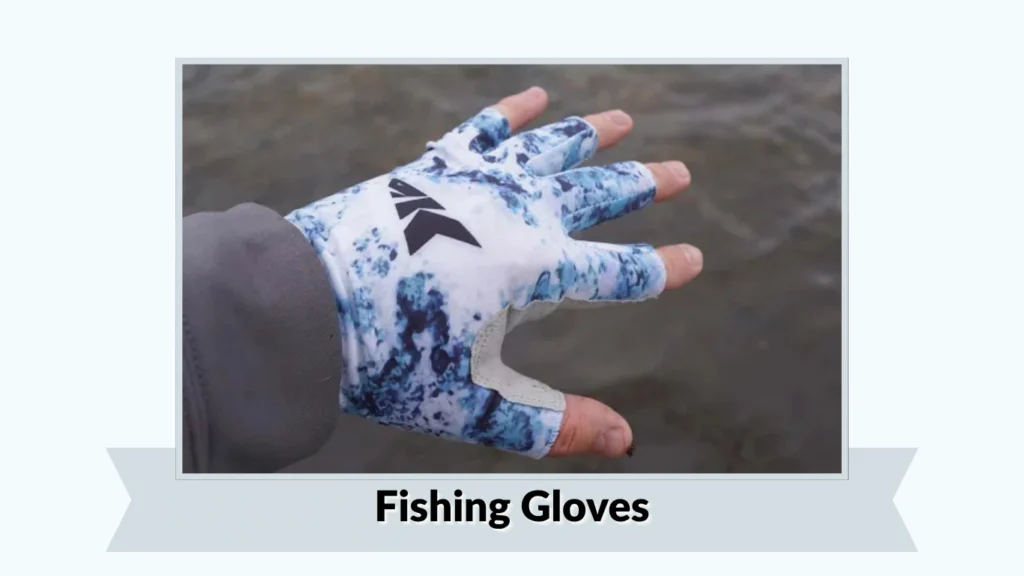
Fishing gloves are designed to protect your hands while handling fish, gear, and fishing lines. They provide safety from sharp fins, teeth, and hooks, while also improving grip in wet conditions. Gloves are especially useful when dealing with large or aggressive fish, as well as during long fishing sessions. In addition to protection, they offer comfort by reducing strain and preventing blisters, making them a valuable accessory for both beginners and experienced anglers.
Key Features
- Non-slip grip surface
- Cut and puncture resistance
- Breathable and quick-drying material
- Comfortable fit and flexibility
Types of Fishing Gloves
Fishing gloves come in different types, including full-finger gloves and fingerless gloves. Full-finger gloves provide maximum protection, while fingerless gloves offer better dexterity for tasks like tying knots. Some gloves are specifically designed for cold weather, providing insulation, while others are lightweight for warm conditions.
How to Choose the Right Fishing Gloves
Choosing the right gloves depends on your fishing environment and needs. For handling large or sharp fish, durable and cut-resistant gloves are ideal. In warm weather, lightweight and breathable gloves provide comfort, while insulated gloves are better for cold conditions. A proper fit ensures better control and ease of movement.
Maintenance Tips
After use, rinse the gloves with clean water to remove dirt and salt. Allow them to air dry completely before storing. Avoid prolonged exposure to direct sunlight, as it can weaken the material. Regularly check for wear and replace damaged gloves to maintain safety and performance.
20. Cooler Box
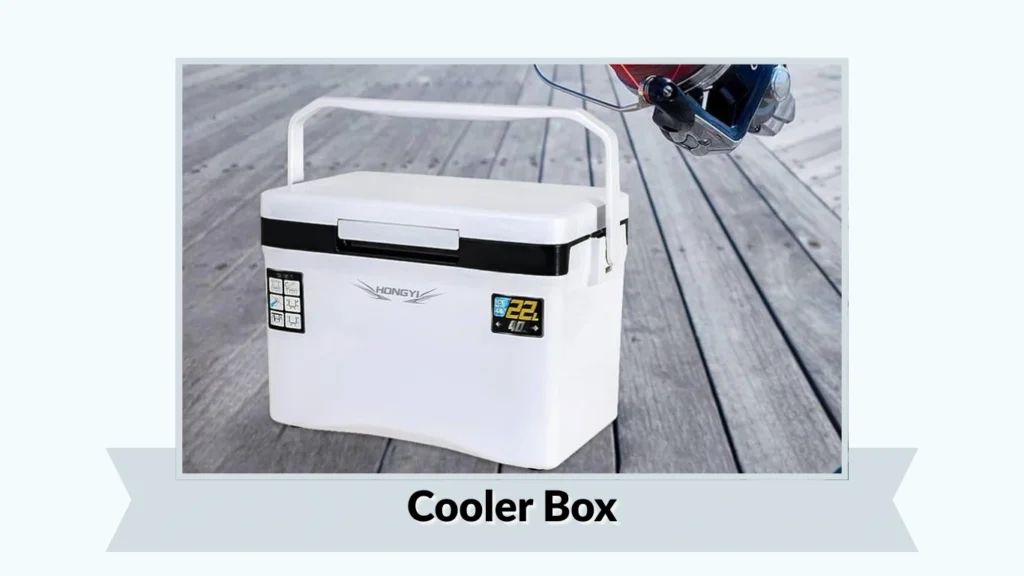
A cooler box is an essential accessory used to store and preserve your catch, bait, and drinks during fishing trips. It helps maintain a low temperature, keeping fish fresh for a longer time, especially in warm weather. Cooler boxes are also useful for carrying ice and protecting food items, making them a versatile addition to any fishing setup. Whether you are on a short trip or a full-day outing, a reliable cooler box ensures convenience and freshness.
Key Features
- Insulated interior for temperature retention
- Durable and impact-resistant build
- Another size and storage capacity
- Secure lid and easy-carry handles
Types of Cooler Boxes
Cooler boxes come in different types, including hard coolers and soft coolers. Hard coolers offer better insulation and durability, making them ideal for long trips. Soft coolers are lightweight and portable, suitable for short fishing outings. Some advanced coolers also include wheels for easy transport.
How to Choose the Right Cooler Box
Choosing the right cooler box depends on the duration of your trip and storage needs. For extended trips, a large, well-insulated cooler is recommended. For short outings, a compact and lightweight option works best. Consider portability, insulation quality, and capacity when making your choice.
Maintenance Tips
After each use, clean the cooler box with mild soap and water to remove odors and residue. Dry it completely before storing to prevent mold or mildew. Regularly check seals and hinges to ensure proper insulation and long-term durability.
FAQs
What is the most important fishing accessory for beginners?
The most important accessory for beginners is a fishing rod and reel combo, as these are the core tools needed to start fishing. Along with that, basic items like hooks, line, and bait are essential. Starting with simple and easy-to-use gear helps beginners learn quickly and enjoy the experience.
How do I choose the right fishing gear?
Choosing the right fishing gear depends on your target fish, location, and experience level. Beginners should opt for versatile and easy-to-use equipment like spinning rods and reels. It’s also important to match your rod, reel, and line properly to ensure smooth performance and better results.
Are expensive fishing accessories worth it?
Expensive fishing accessories can offer better durability, performance, and advanced features. However, they are not always necessary for beginners. Starting with affordable, reliable gear is usually enough. As your skills improve, you can upgrade to higher-quality equipment based on your specific needs.
How often should I maintain my fishing gear?
Fishing gear should be cleaned and checked after every use, especially after saltwater fishing. Regular maintenance like rinsing, drying, and inspecting for damage helps extend the lifespan of your equipment and ensures it performs well during every fishing trip.
Can I use the same accessories for freshwater and saltwater fishing?
Some accessories can be used in both freshwater and saltwater, but saltwater conditions are more corrosive. It’s best to use gear specifically designed for saltwater or ensure your equipment is corrosion-resistant. Proper cleaning after saltwater use is essential to prevent damage and maintain performance.