
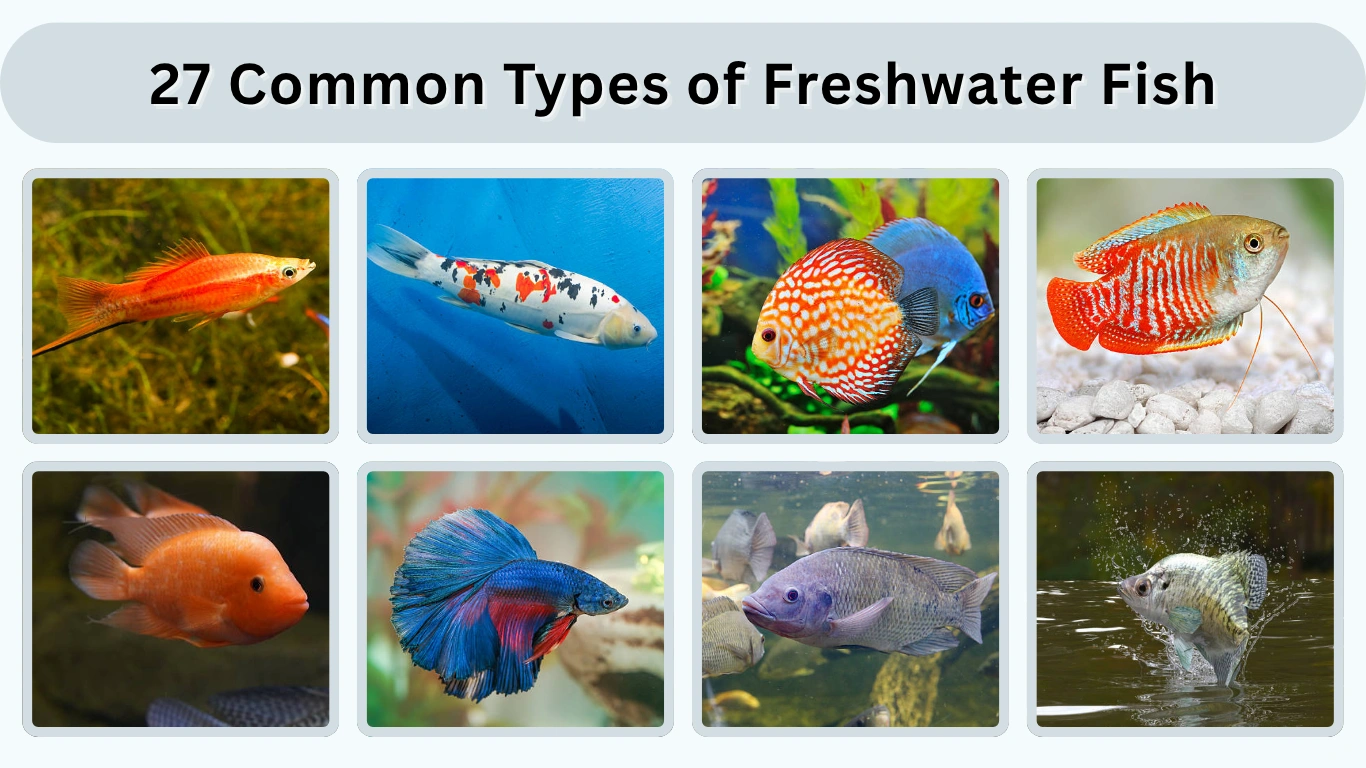
Freshwater fish are an essential part of aquatic ecosystems and are found in rivers, lakes, ponds, and streams around the world. They come in a wide variety of shapes, sizes, colors, and behaviors, ranging from small ornamental species to large predatory fish. These fish play important roles in maintaining ecological balance, supporting food chains, and providing resources for humans.
Many freshwater fish are popular in aquaculture and fishing industries due to their nutritional value and economic importance. Others are widely kept as aquarium pets because of their beauty, peaceful nature, and ease of care. From hardy species like tilapia and catfish to colorful aquarium favorites like guppies and angelfish, freshwater fish offer both practical and aesthetic value.
1. Tilapia
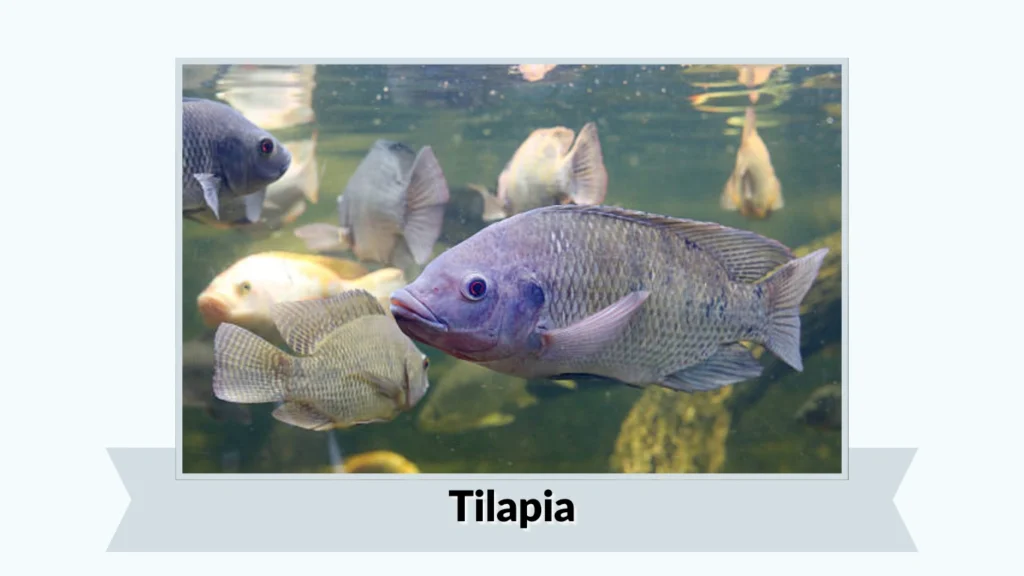
Tilapia is one of the most widely farmed freshwater fish in the world. Known for its mild taste and rapid growth, it adapts easily to various freshwater environments. This makes it a top choice for aquaculture and a common species found in rivers, lakes, and ponds across many regions.
Identification
- Oval-shaped, laterally compressed body
- Silvery-gray coloration with faint vertical bands
- Long dorsal fin extending along most of the back
- Small mouth relative to body size
- Average length ranges from 30 to 60 cm
Habitat
Tilapia thrives in warm freshwater environments such as ponds, lakes, canals, and slow-moving rivers. It prefers temperatures between 25°C and 30°C and can tolerate poor water quality better than many other fish species. This adaptability allows it to survive in both natural and artificial water systems.
Diet
Tilapia is primarily omnivorous. It feeds on algae, aquatic plants, plankton, and small invertebrates. In aquaculture, it is often provided with commercial feed to enhance growth. Its ability to consume a wide variety of food sources contributes to its fast growth and easy maintenance.
Behavior
Tilapia is known for its hardy nature and high reproductive rate. It breeds frequently and can quickly increase in population. The fish is generally peaceful but may show territorial behavior during breeding. It often swims in groups and adapts well to confined environments.
Uses
Tilapia is widely consumed due to its mild flavor and affordability. It plays a major role in global aquaculture industries. Besides food, it is also used in fisheries management and sometimes in controlling aquatic vegetation due to its plant-based diet.
2. Catfish
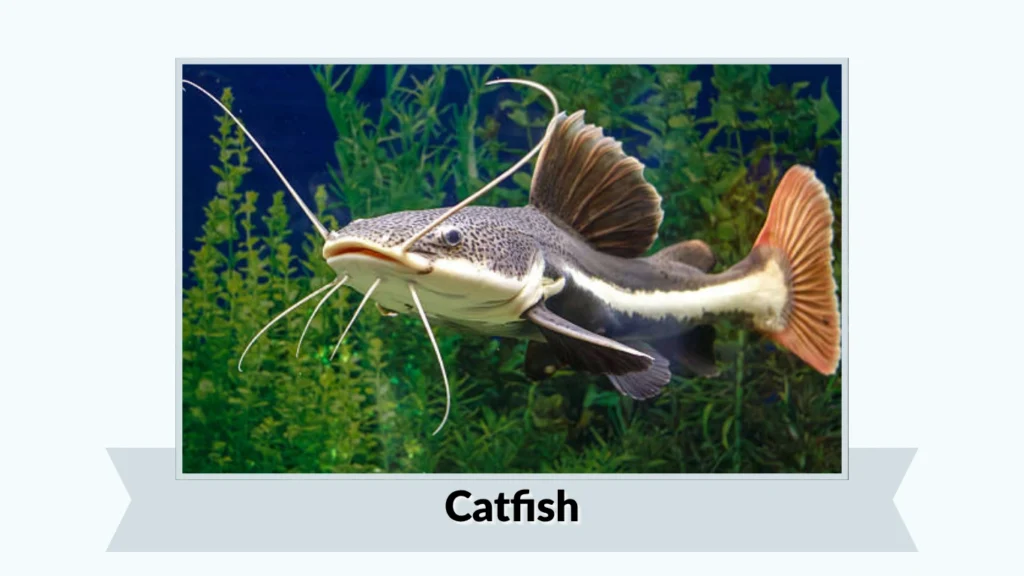
Catfish are a diverse group of freshwater fish known for their distinctive whisker-like barbels. They are widely distributed across rivers, lakes, and ponds and are popular both in wild fisheries and aquaculture due to their adaptability and bottom-feeding habits.
Identification
- Smooth, scaleless body
- Prominent barbels (“whiskers”) around the mouth
- Broad, flat head
- Long body with a slightly rounded belly
- Colors vary from gray and brown to black
Habitat
Catfish are typically found in freshwater environments such as rivers, lakes, ponds, and reservoirs. They prefer slow-moving or still waters with muddy or sandy bottoms. Many species can tolerate low oxygen levels and are often found hiding under rocks, logs, or submerged structures.
Diet
Catfish are mostly omnivorous and bottom feeders. They consume insects, small fish, algae, plant matter, and organic debris. In aquaculture, they are fed commercial pellets that promote rapid growth. Their feeding habits make them important for cleaning the aquatic environment.
Behavior
Catfish are generally nocturnal, becoming more active at night. They rely on their barbels to detect food in dark or murky water. Most species are solitary but can tolerate others in the same habitat. They are known for their resilience and ability to survive in tough conditions.
Uses
Catfish are widely valued as a food source due to their rich taste and high protein content. They are a major part of aquaculture industries worldwide. Additionally, they are popular in recreational fishing because of their size and fighting ability.
3. Carp
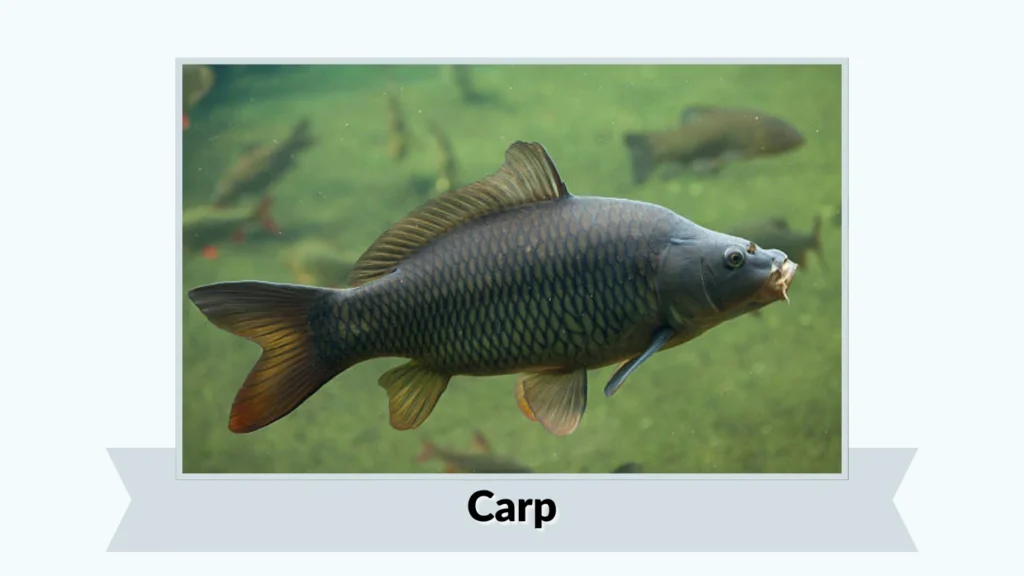
Carp are one of the most common and widely distributed freshwater fish species. They are known for their strong adaptability, large size, and importance in both aquaculture and wild fisheries. Carp have been cultivated for centuries and are found in many freshwater systems around the world.
Identification
- Large, elongated body
- Thick lips, often with barbels near the mouth
- Scales are large and clearly visible
- Color ranges from golden-brown to dark bronze
- Strong tail fin for powerful swimming
Habitat
Carp thrive in a variety of freshwater habitats including lakes, rivers, ponds, and reservoirs. They prefer slow-moving or still waters with soft, muddy bottoms. Carp can tolerate low oxygen levels and polluted water, making them highly adaptable to different environments.
Diet
Carp are omnivorous bottom feeders. They eat aquatic plants, algae, insects, crustaceans, and organic matter found in sediments. They often stir up the bottom while feeding, which can affect water clarity. In aquaculture, they are commonly fed grains and commercial feeds.
Behavior
Carp are hardy and social fish, often found in groups. They are known for their strong feeding activity and can be quite active during warmer months. Carp are also capable of surviving in harsh conditions, including cold winters and low oxygen environments.
Uses
Carp are widely used in aquaculture due to their fast growth and ease of breeding. They are consumed as food in many cultures and are also popular in recreational fishing. Some varieties, like koi, are bred for ornamental purposes.
4. Goldfish
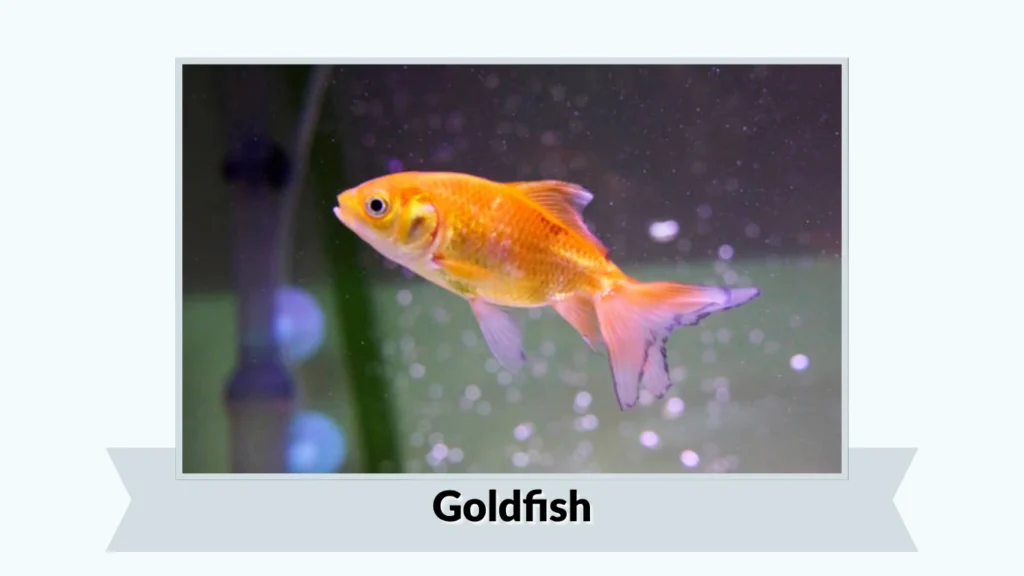
Goldfish are one of the most recognizable freshwater fish, widely kept as pets and ornamental species. Originally bred from carp, they are known for their bright colors, variety of shapes, and ease of care, making them popular in aquariums and garden ponds.
Identification
- Small to medium-sized, rounded body
- Bright orange, gold, white, or mixed coloration
- Flowing fins, especially in ornamental varieties
- No barbels (unlike carp)
- Large, expressive eyes in some breeds
Habitat
Goldfish thrive in calm freshwater environments such as ponds, lakes, and aquariums. They prefer cool to moderate water temperatures and require clean, well-oxygenated water. In the wild, they are often found in slow-moving or still waters with plenty of vegetation.
Diet
Goldfish are omnivorous and eat a wide variety of foods including plant matter, algae, small insects, and crustaceans. In captivity, they are commonly fed flakes, pellets, and occasional live or frozen foods to maintain a balanced diet.
Behavior
Goldfish are generally peaceful and social fish. They tend to swim in groups and are active during the day. They are also known for their curiosity and can recognize feeding routines, often gathering at the surface when food is expected.
Uses
Goldfish are primarily kept for ornamental purposes in aquariums and ponds. They are popular among beginners due to their hardy nature and low maintenance needs. Additionally, they are often used for decorative landscaping in water gardens.
5. Guppy
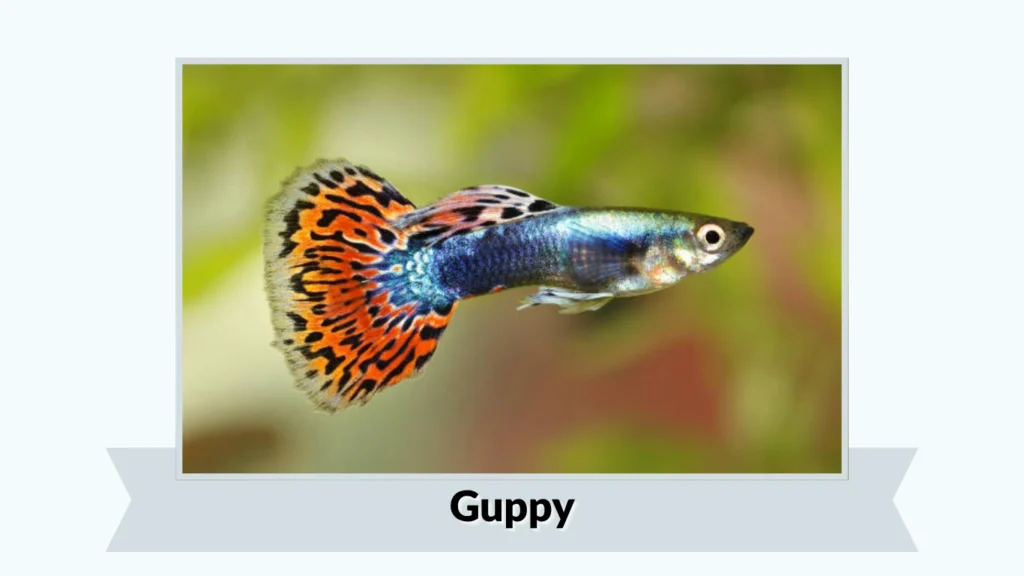
Guppies are small, colorful freshwater fish that are extremely popular in home aquariums. Known for their vibrant patterns and easy breeding, they are ideal for beginners. Their lively nature and adaptability make them one of the most widespread aquarium fish species in the world.
Identification
- Small, slender body (usually 3–6 cm long)
- Bright, multicolored patterns (especially in males)
- Fan-shaped or flowing tail fins
- Females are larger and less colorful than males
- Upturned mouth
Habitat
Guppies naturally inhabit warm freshwater streams, ponds, and slow-moving rivers. They prefer clean, slightly warm water between 22°C and 28°C. In the wild, they often stay near vegetation where they can find shelter and food.
Diet
Guppies are omnivorous and have a varied diet. They feed on algae, small insects, larvae, and plankton. In aquariums, they are commonly fed flakes, micro-pellets, and occasional live or frozen foods to maintain their color and health.
Behavior
Guppies are peaceful, active, and social fish that thrive in groups. They are constantly swimming and exploring their environment. Known for rapid reproduction, females can give birth to live young frequently, making population growth quick in confined spaces.
Uses
Guppies are mainly used as ornamental aquarium fish due to their bright colors and ease of care. They are also used in mosquito control programs because they feed on mosquito larvae, helping reduce insect populations in some areas.
6. Betta
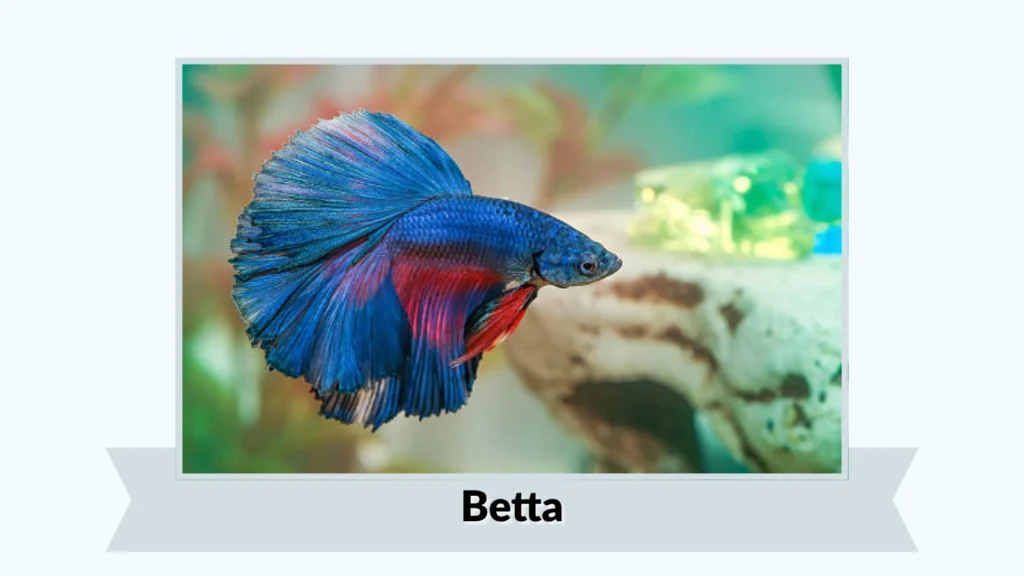
Betta fish, also known as Siamese fighting fish, are famous for their vibrant colors and flowing fins. They are popular aquarium fish, especially for small tanks. Bettas are known for their unique personality and ability to survive in low-oxygen water conditions.
Identification
- Small, slender body (about 5–7 cm long)
- Bright, striking colors like red, blue, purple, and white
- Long, flowing fins in males; shorter fins in females
- Upturned mouth
- Distinctive, fan-like tail
Habitat
Bettas are native to shallow freshwater habitats such as rice paddies, ponds, and slow-moving streams. They prefer warm water between 24°C and 30°C. These environments often have low oxygen levels, which Bettas tolerate due to their special breathing ability.
Diet
Bettas are primarily carnivorous. They feed on insects, larvae, and small crustaceans in the wild. In aquariums, they are given pellets, flakes, and live or frozen foods like bloodworms to maintain proper nutrition.
Behavior
Bettas are known for their territorial and aggressive behavior, especially males. They should not be kept together in small spaces. Despite this, they are intelligent and can recognize their environment and feeding routines.
Uses
Bettas are mainly kept as ornamental fish due to their beauty and variety of colors. They are widely popular in the aquarium trade and are often chosen by hobbyists for their striking appearance and relatively simple care requirements.
7. Angelfish
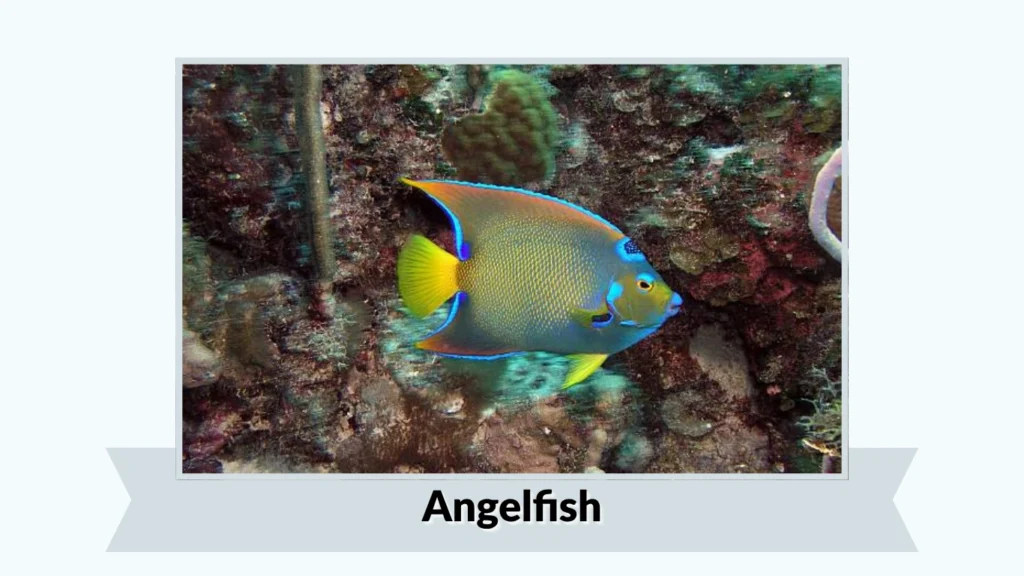
Angelfish are elegant freshwater fish known for their triangular shape and graceful swimming style. They are a favorite among aquarium enthusiasts due to their striking appearance and relatively calm nature. Originating from South America, they are commonly found in the Amazon River basin.
Identification
- Tall, laterally compressed, triangular body
- Long, flowing dorsal and anal fins
- Distinct vertical black stripes on a silver body (wild type)
- Can also appear in black, gold, marble, or koi color varieties
- Grows up to 15 cm in body length (fins can be longer)
Habitat
Angelfish naturally inhabit slow-moving rivers, floodplains, and swampy areas with dense vegetation. They prefer warm water between 24°C and 28°C and slightly acidic conditions. In aquariums, they thrive in well-planted tanks with plenty of vertical space for swimming.
Diet
Angelfish are omnivorous with a preference for protein-rich foods. In the wild, they consume small insects, larvae, and plant matter. In captivity, they are fed flakes, pellets, and live or frozen foods such as brine shrimp and bloodworms to support growth and coloration.
Behavior
Angelfish are generally peaceful but can become territorial, especially during breeding. They are social and do best when kept in small groups. They tend to swim calmly and may establish a hierarchy within their group.
Uses
Angelfish are primarily kept for ornamental purposes in aquariums. Their graceful appearance and variety of color patterns make them highly desirable among fish keepers. They are also commonly bred in captivity for the aquarium trade.
8. Tetra
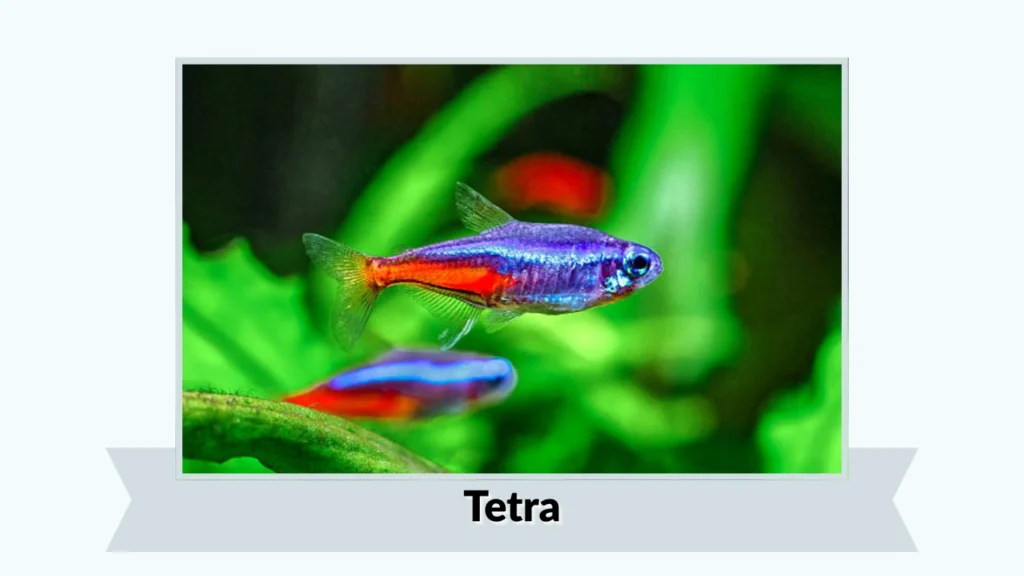
Tetras are small, colorful freshwater fish widely popular in aquariums due to their peaceful nature and schooling behavior. Native to South America and Africa, they are ideal for community tanks and are known for their shimmering colors and active swimming patterns.
Identification
- Small, slender body (usually 2–6 cm long)
- Bright, often metallic or translucent colors
- Some species have distinctive stripes (e.g., Neon Tetra)
- Forked tail fin
- Transparent or lightly colored fins
Habitat
Tetras are commonly found in slow-moving rivers, streams, and flooded forest areas with dense vegetation. They prefer soft, slightly acidic water with temperatures ranging from 22°C to 28°C. In aquariums, they thrive in planted tanks with subdued lighting.
Diet
Tetras are omnivorous and feed on small insects, larvae, algae, and plankton in the wild. In captivity, they accept flakes, micro-pellets, and occasional live or frozen foods like daphnia or brine shrimp for balanced nutrition.
Behavior
Tetras are peaceful, social fish that prefer to live in schools of at least 6–10 individuals. They are active swimmers and display better coloration and reduced stress when kept in groups. They rarely show aggression and mix well with other small fish.
Uses
Tetras are mainly kept as ornamental fish in aquariums. Their vibrant colors and schooling behavior make tanks more lively and visually appealing. They are especially popular among beginners due to their ease of care and compatibility with other species.
9. Molly
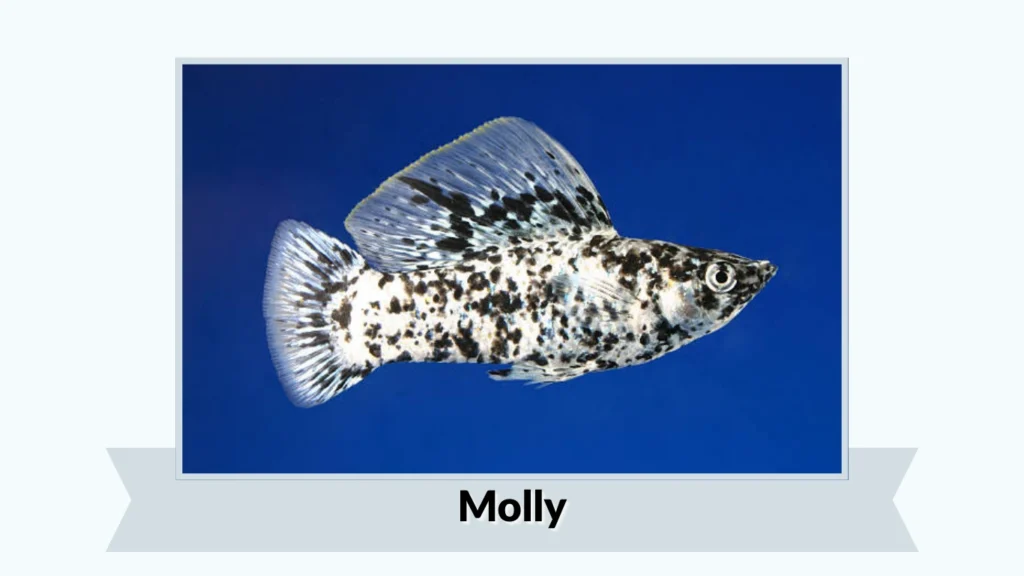
Mollies are popular freshwater fish known for their adaptability, variety of colors, and peaceful nature. They are widely kept in aquariums and are suitable for beginners due to their hardy characteristics. Mollies can also tolerate slightly brackish water, which makes them unique among many freshwater species.
Identification
- Medium-sized, elongated body (5–10 cm long)
- Available in various colors: black, white, orange, and spotted
- Rounded or sail-like dorsal fin (especially in Sailfin Mollies)
- Slightly upturned mouth
- Males are smaller with a pointed anal fin
Habitat
Mollies are commonly found in freshwater streams, ponds, and coastal areas. They prefer warm water between 24°C and 28°C and can tolerate a range of conditions, including slightly salty (brackish) water. They thrive in environments with plants and open swimming space.
Diet
Mollies are omnivorous with a strong preference for plant-based food. They feed on algae, plant matter, and small aquatic organisms. In aquariums, they are given flakes, pellets, and vegetable-based foods, along with occasional protein sources.
Behavior
Mollies are peaceful and social fish that do well in groups. They are active swimmers and interact frequently with other tank mates. They are livebearers, meaning they give birth to free-swimming young, and they reproduce easily in suitable conditions.
Uses
Mollies are mainly kept as ornamental fish in aquariums due to their variety of colors and ease of care. They are also helpful in controlling algae growth, making them beneficial for maintaining a clean tank environment.
10. Platy
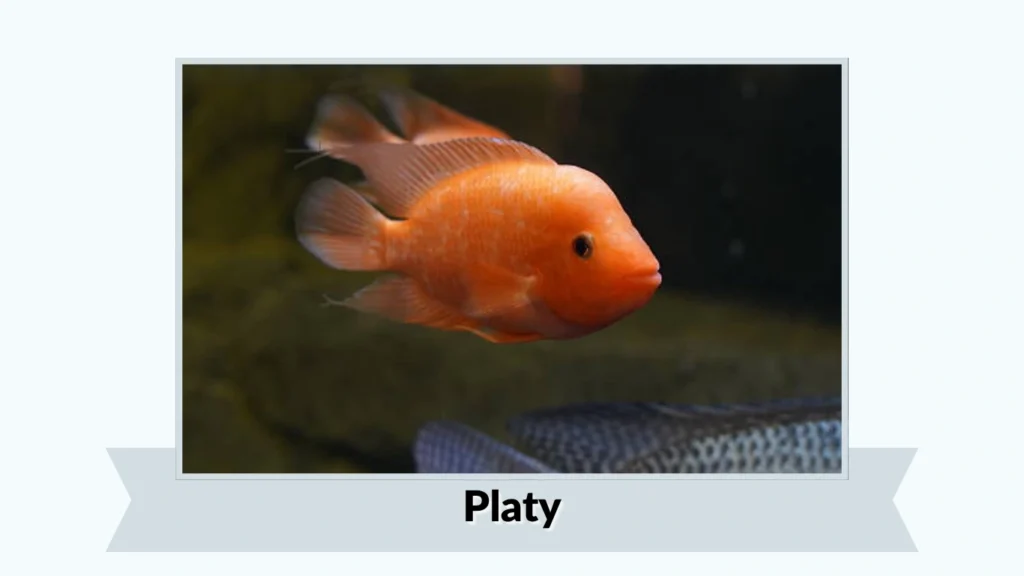
Platies are small, colorful freshwater fish that are highly popular among aquarium hobbyists. They are easy to care for, peaceful, and come in a wide range of bright colors and patterns. Their hardy nature makes them an excellent choice for beginners.
Identification
- Small, compact body (4–7 cm long)
- Bright colors including red, orange, yellow, blue, and mixed patterns
- Short fins with a slightly rounded tail
- Upturned mouth
- Males are smaller with a pointed anal fin
Habitat
Platies are naturally found in freshwater rivers, streams, and ponds with slow-moving water. They prefer warm temperatures between 22°C and 28°C. In aquariums, they do well in planted tanks with open swimming areas and stable water conditions.
Diet
Platies are omnivorous and consume a mix of plant and animal matter. In the wild, they eat algae, small insects, and organic debris. In captivity, they are fed flakes, pellets, and occasional live or frozen foods to maintain good health and coloration.
Behavior
Platies are peaceful, social fish that thrive in groups. They are active swimmers and rarely show aggression, making them suitable for community aquariums. Like mollies and guppies, they are livebearers and reproduce easily under proper conditions.
Uses
Platies are mainly kept as ornamental fish due to their vibrant colors and low maintenance needs. They are widely used in community aquariums and are especially recommended for beginners learning fish care.
11. Zebra Danio
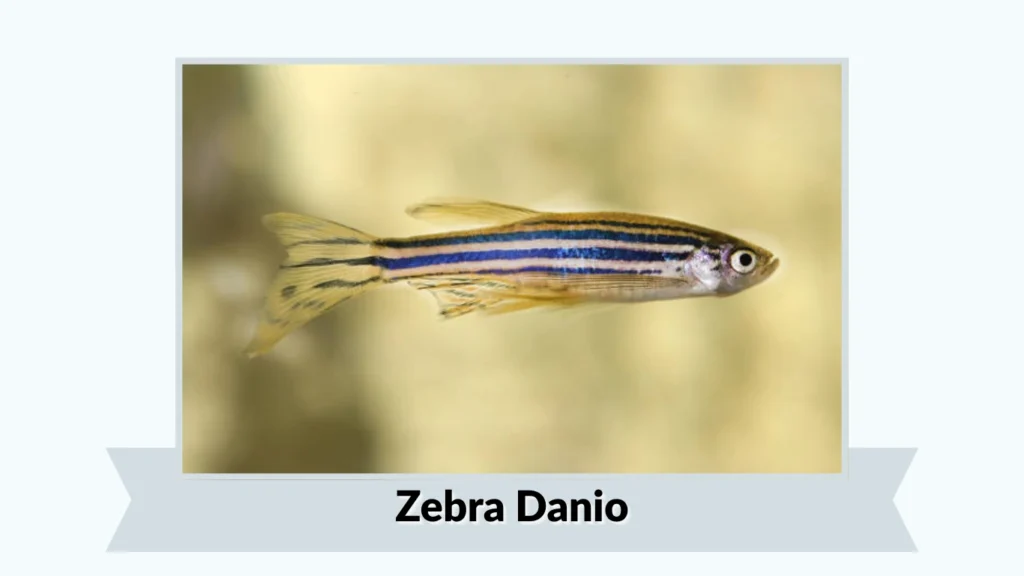
Zebra Danios are small, active freshwater fish known for their striking striped patterns and energetic swimming behavior. They are extremely hardy and adaptable, making them one of the best choices for beginner aquarists. Their lively nature adds constant movement to any aquarium.
Identification
- Small, slender body (4–6 cm long)
- Distinct horizontal blue and silver stripes
- Transparent fins
- Streamlined shape for fast swimming
- Slightly upturned mouth
Habitat
Zebra Danios are native to streams, rivers, and ponds with moderate water flow. They prefer temperatures between 18°C and 26°C, making them tolerant of slightly cooler water than many tropical fish. They thrive in well-oxygenated environments with open swimming space.
Diet
Zebra Danios are omnivorous and eat a wide range of foods. In the wild, they consume small insects, larvae, and plankton. In aquariums, they accept flakes, micro-pellets, and live or frozen foods such as daphnia and brine shrimp.
Behavior
Zebra Danios are very active and social fish that prefer to live in schools of at least 5–6 individuals. They are fast swimmers and spend most of their time in the upper levels of the tank. They are peaceful and compatible with many other species.
Uses
Zebra Danios are popular as ornamental aquarium fish due to their hardiness and active behavior. They are also widely used in scientific research because of their rapid breeding and transparent embryos, which are useful for biological studies.
12. Rainbowfish
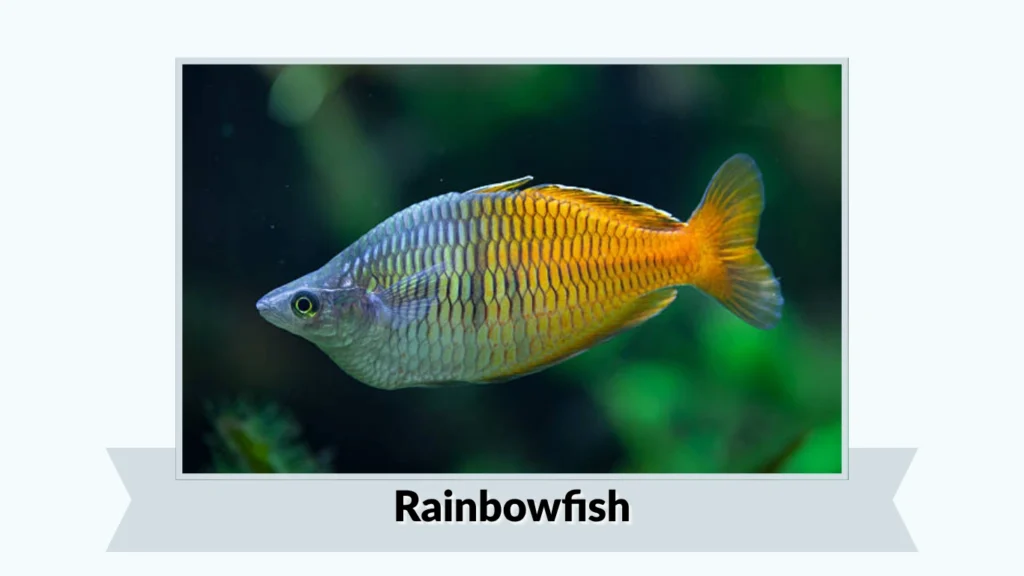
Rainbowfish are beautiful freshwater fish known for their shimmering, iridescent colors that reflect light like a rainbow. They are popular in aquariums for their peaceful nature and active swimming. Native to Australia and nearby regions, they thrive in clean, well-maintained water.
Identification
- Slender, laterally compressed body
- Bright, iridescent scales that reflect multiple colors
- Forked tail fin
- Two distinct dorsal fins
- Size ranges from 5–12 cm depending on species
Habitat
Rainbowfish are commonly found in freshwater rivers, lakes, and streams with clear, well-oxygenated water. They prefer temperatures between 22°C and 28°C. In aquariums, they do best in spacious tanks with plants and open swimming areas.
Diet
Rainbowfish are omnivorous and feed on insects, larvae, algae, and small crustaceans in the wild. In captivity, they are given flakes, pellets, and live or frozen foods to maintain their vibrant coloration and overall health.
Behavior
Rainbowfish are peaceful, social fish that prefer to live in groups. They are active swimmers and display their best colors when kept in schools. Males may show mild competition during breeding but are generally non-aggressive.
Uses
Rainbowfish are mainly kept as ornamental fish due to their bright, reflective colors and lively behavior. They are a popular choice for community aquariums and are appreciated for adding visual appeal and movement to tanks.
13. Gourami
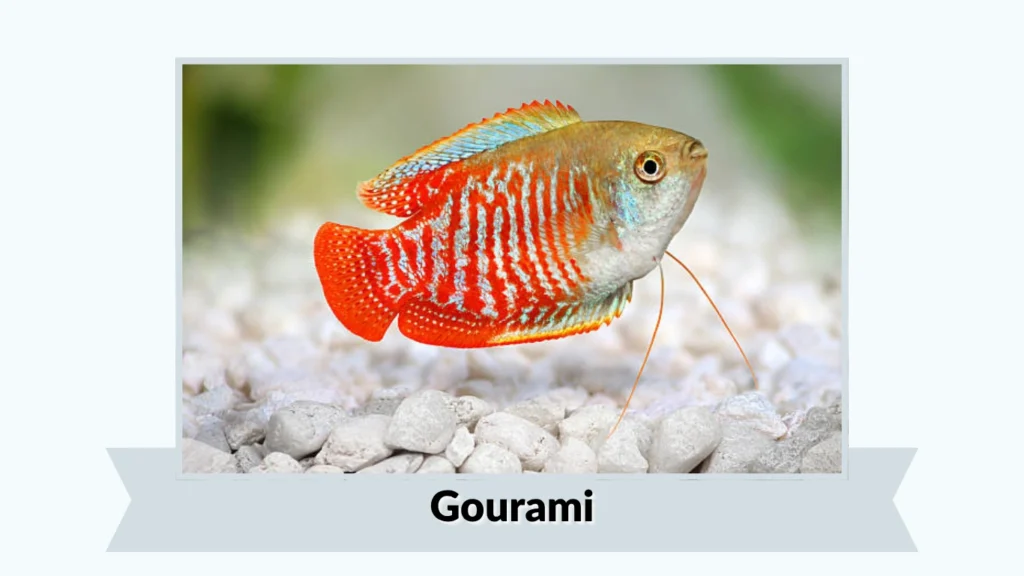
Gouramis are popular freshwater fish known for their unique breathing ability and graceful appearance. They belong to a group of fish that can breathe atmospheric air, making them highly adaptable. Gouramis are commonly kept in aquariums for their calm nature and attractive colors.
Identification
- Medium-sized, laterally compressed body
- Long, thread-like pelvic fins (feelers)
- Rounded dorsal and anal fins
- Colors vary: blue, gold, pearl, and dwarf varieties
- Size ranges from 5–15 cm depending on species
Habitat
Gouramis are native to slow-moving freshwater environments such as ponds, swamps, and rice fields. They prefer warm water between 24°C and 30°C and thrive in areas with dense vegetation. They can survive in low-oxygen conditions due to their labyrinth organ.
Diet
Gouramis are omnivorous and eat a mix of plant matter and small animals. Their natural diet includes insects, larvae, and algae. In aquariums, they are fed flakes, pellets, and live or frozen foods to maintain balanced nutrition.
Behavior
Gouramis are generally peaceful but can become territorial, especially males during breeding. They are slow swimmers and often explore the upper and middle levels of the tank. They are known for building bubble nests when reproducing.
Uses
Gouramis are mainly kept as ornamental fish due to their unique appearance and calm temperament. They are popular in community aquariums and are appreciated for their ability to adapt to different water conditions.
14. Discus
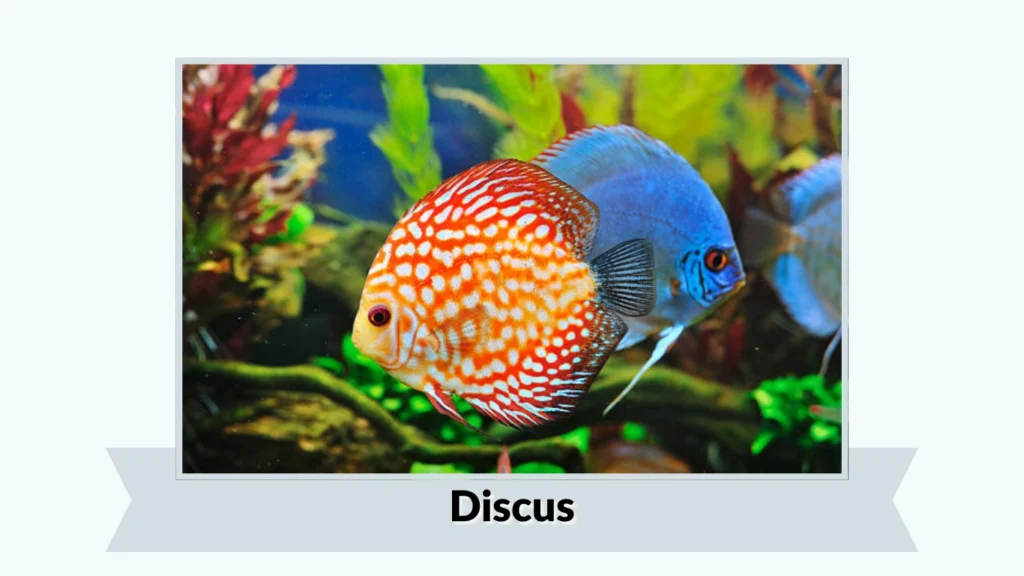
Discus are among the most beautiful and sought-after freshwater aquarium fish. Known for their round, disc-shaped bodies and vibrant colors, they are often considered the “king of the aquarium.” They require careful maintenance, making them more suitable for experienced fish keepers.
Identification
- Round, disc-shaped, laterally compressed body
- Bright colors including blue, red, green, and patterned varieties
- Large dorsal and anal fins extending along the body
- Small mouth and eyes relative to body size
- Typically grows up to 12–15 cm in diameter
Habitat
Discus are native to the Amazon River basin, where they live in slow-moving, warm, and soft acidic waters. They prefer temperatures between 26°C and 30°C. In aquariums, they require clean, well-maintained water with stable conditions and minimal stress.
Diet
Discus are omnivorous but require a protein-rich diet. In the wild, they feed on small insects, larvae, and organic matter. In captivity, they are given specialized pellets, frozen foods like bloodworms, and other high-quality feeds to support their health and color.
Behavior
Discus are peaceful and social fish that prefer to live in groups. They can be shy and easily stressed, especially in poor conditions. They often form hierarchies within their group and may show gentle territorial behavior during breeding.
Uses
Discus are primarily kept as ornamental fish due to their striking beauty and elegant swimming style. They are highly valued in the aquarium trade and are often a centerpiece species in well-maintained tanks.
15. Pike
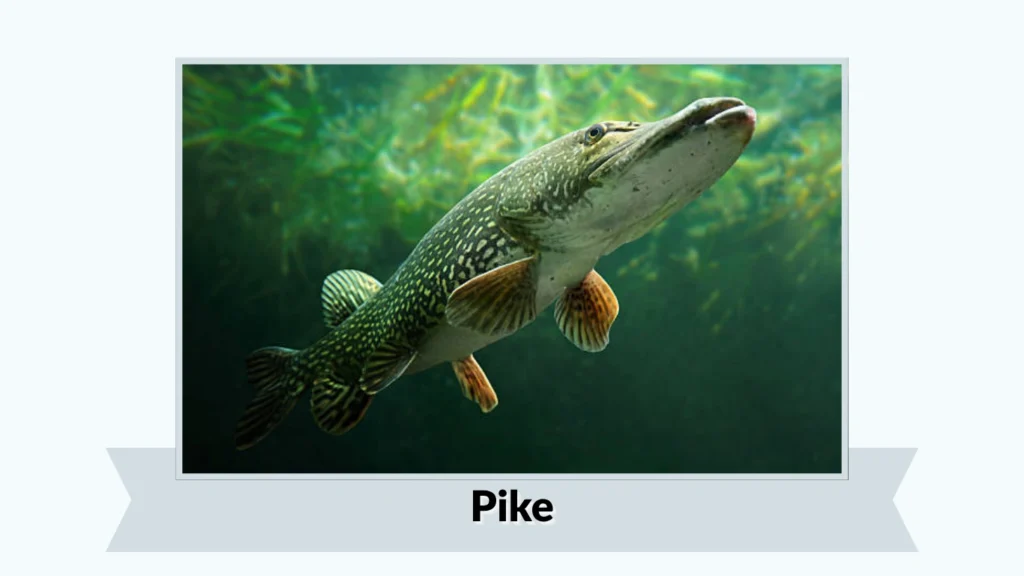
Pike are large, predatory freshwater fish known for their elongated bodies and sharp teeth. They are powerful hunters and are commonly found in lakes and rivers. Pike are popular among anglers due to their aggressive nature and strong fighting ability.
Identification
- Long, torpedo-shaped body
- Sharp, pointed snout resembling a duck’s bill
- Large mouth filled with sharp teeth
- Dark green body with light spots or markings
- Dorsal fin positioned far back near the tail
Habitat
Pike are typically found in freshwater lakes, rivers, and slow-moving streams. They prefer cool water and areas with plenty of vegetation where they can hide and ambush prey. They are often seen near reeds, weeds, and submerged structures.
Diet
Pike are carnivorous predators. They mainly feed on smaller fish but will also eat frogs, insects, and even small birds or mammals if available. Their diet depends on size and habitat, and they are known for their ambush hunting style.
Behavior
Pike are solitary and highly territorial fish. They rely on stealth and remain motionless before striking quickly at prey. They are aggressive hunters and are most active during cooler parts of the day.
Uses
Pike are valued in recreational fishing due to their size and strength. They are also consumed as food in many regions. Their presence in ecosystems helps control populations of smaller fish species.
16. Perch
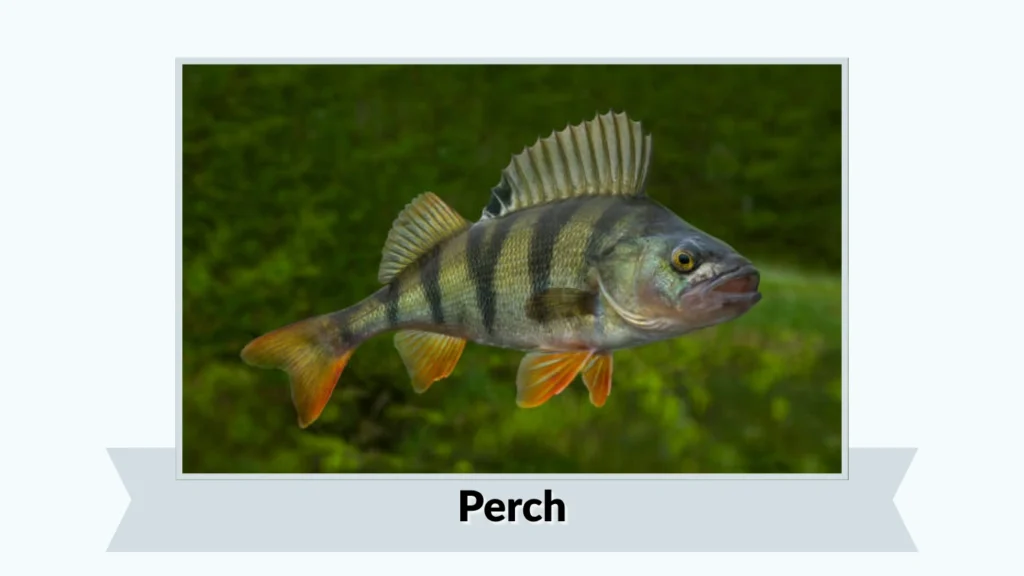
Perch are common freshwater fish known for their distinctive striped bodies and spiny fins. They are widely distributed across lakes and rivers and are popular both for recreational fishing and as a food fish. Their adaptability and moderate size make them easy to recognize.
Identification
- Medium-sized, laterally compressed body
- Greenish-yellow coloration with dark vertical stripes
- Spiny dorsal fin followed by a softer second dorsal fin
- Bright orange or reddish fins (especially lower fins)
- Typically grows between 10–40 cm in length
Habitat
Perch are found in freshwater lakes, rivers, and reservoirs with clear water. They prefer areas with vegetation, submerged logs, or rocky bottoms where they can find shelter. They thrive in cool to moderate water temperatures and are commonly seen in shallow waters.
Diet
Perch are carnivorous and feed on insects, larvae, small fish, and crustaceans. Juvenile perch start with smaller prey like plankton, while adults shift to larger food sources. In controlled environments, they may also accept artificial feed.
Behavior
Perch are social fish that often swim in schools, especially when young. As they grow, larger individuals may become more solitary. They are active during the day and are known for their steady swimming and opportunistic feeding habits.
Uses
Perch are valued as a food fish due to their mild, white flesh. They are also popular in recreational fishing because they are relatively easy to catch. Additionally, they play an important role in maintaining balance in freshwater ecosystems.
17. Bass
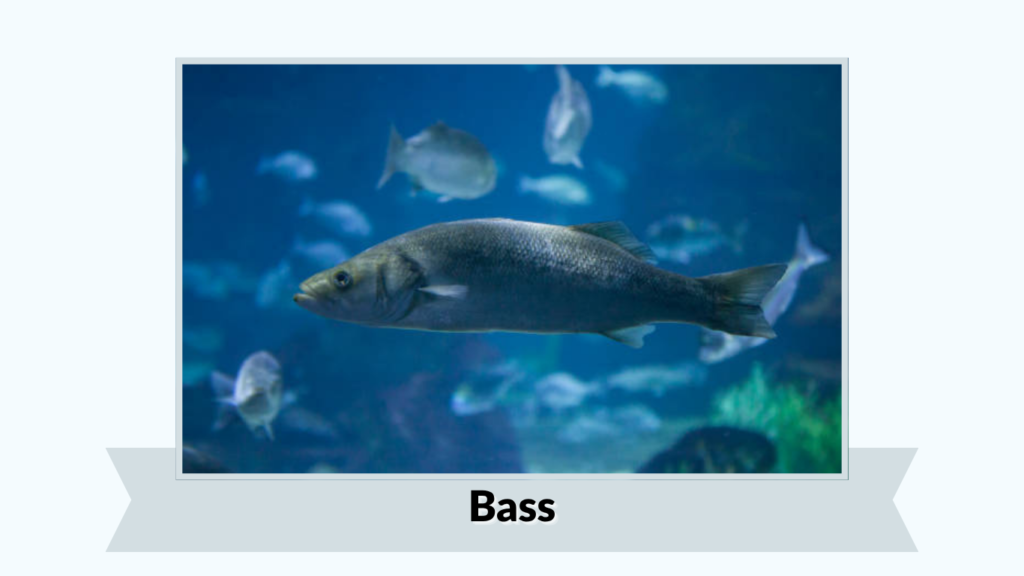
Bass are popular freshwater fish known for their strength, aggressive feeding behavior, and importance in sport fishing. They are widely found in lakes, rivers, and reservoirs. Bass are highly valued by anglers due to their fighting ability and are also an important food source in many regions.
Identification
- Robust, elongated body
- Large mouth extending beyond the eye (especially in largemouth bass)
- Greenish body with a dark horizontal stripe (varies by species)
- Spiny and soft dorsal fins connected
- Typically grows between 30–75 cm in length
Habitat
Bass are commonly found in freshwater lakes, rivers, and reservoirs with moderate to warm temperatures. They prefer areas with structure such as rocks, submerged logs, and vegetation, where they can hide and ambush prey.
Diet
Bass are carnivorous predators. They feed on smaller fish, insects, frogs, and crustaceans. Their diet varies with size and availability of prey. In managed waters, they may also consume artificial bait used by anglers.
Behavior
Bass are aggressive and territorial, especially during breeding seasons. They are known for ambush hunting, often hiding before quickly attacking prey. Bass are mostly solitary but may gather in favorable feeding areas.
Uses
Bass are highly prized in recreational fishing and are a major species in sport fishing competitions. They are also consumed as food, though their primary value is often in angling due to their strength and challenge to catch.
18. Trout
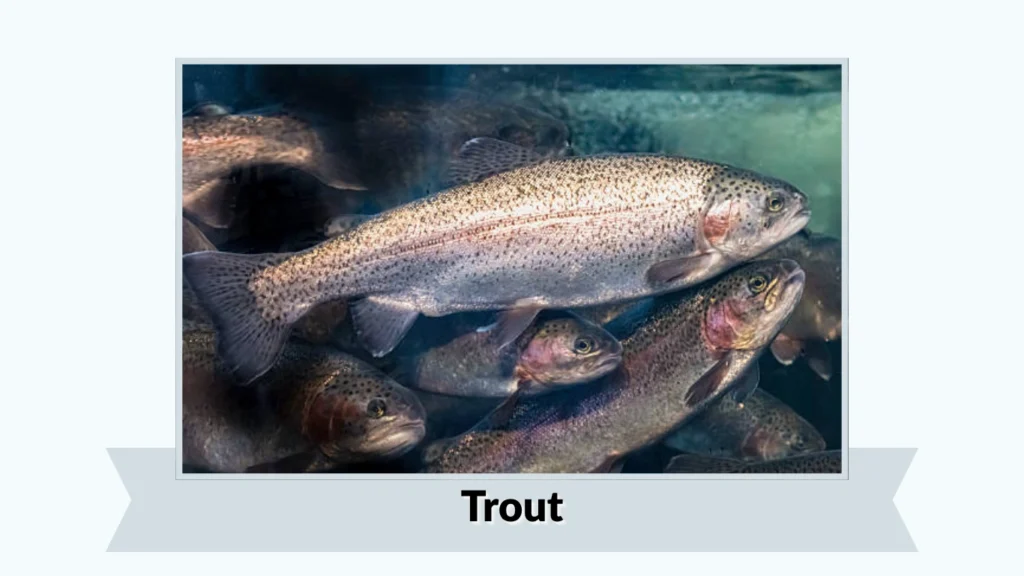
Trout are well-known freshwater fish valued for their delicate flavor and importance in both recreational and commercial fishing. They are typically found in cold, clean waters and are considered indicators of a healthy aquatic environment.
Identification
- Streamlined, elongated body
- Speckled pattern with dark spots on the body and fins
- Color varies from silver to brown, often with pink or red stripes (depending on species)
- Soft-rayed fins without spines
- Typically grows between 20–70 cm in length
Habitat
Trout prefer cold, clear, and well-oxygenated freshwater such as rivers, streams, and lakes. They are commonly found in mountainous or highland regions. Ideal water temperatures range between 10°C and 16°C, and they require clean environments to thrive.
Diet
Trout are carnivorous and feed mainly on insects, larvae, small fish, and crustaceans. They often rise to the water surface to catch insects. In fish farms, they are fed high-protein pellets to support growth and health.
Behavior
Trout are active and alert fish, often swimming against currents in rivers. They can be solitary or found in small groups. They are known for their quick movements and strong response when hooked, making them popular among anglers.
Uses
Trout are widely consumed due to their tender and flavorful meat. They are also highly valued in recreational fishing and are often stocked in rivers and lakes to support sport fishing activities.
19. Salmon
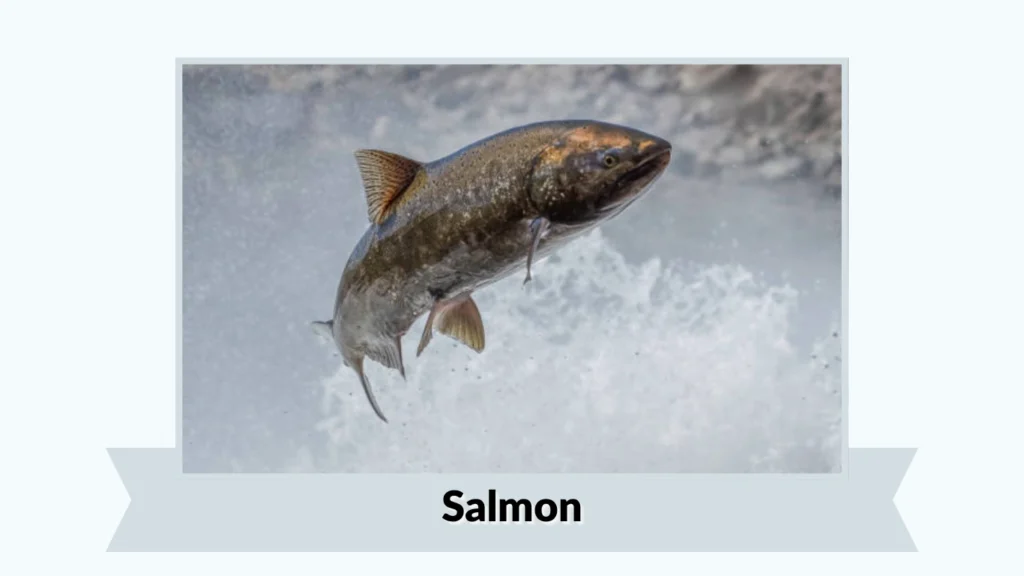
Salmon are highly valued fish known for their rich taste and unique life cycle. Although they spend much of their lives in the ocean, they return to freshwater rivers to spawn. This makes them an important species connecting both freshwater and marine ecosystems.
Identification
- Streamlined, torpedo-shaped body
- Silvery color in the ocean; darker with red or green tones during spawning
- Small black spots on the back and tail
- Forked tail fin
- Typically grows between 50–100 cm in length
Habitat
Salmon are anadromous fish, meaning they migrate between saltwater and freshwater. They hatch in freshwater rivers, move to the ocean to grow, and return to rivers to reproduce. Clean, cool, and well-oxygenated rivers are essential for their spawning.
Diet
Salmon are carnivorous. In the ocean, they feed on smaller fish, squid, and crustaceans. Young salmon in freshwater consume insects and plankton. Their diet contributes to their high nutritional value, especially their rich omega-3 content.
Behavior
Salmon are famous for their long migration journeys. They travel thousands of kilometers back to their birthplace to spawn. During this journey, they overcome strong currents and obstacles. Most salmon die after spawning, completing their life cycle.
Uses
Salmon are widely consumed due to their rich flavor and high nutritional value. They are an important part of commercial fishing industries. Additionally, they play a key ecological role by transporting nutrients from the ocean back to freshwater systems.
20. Walleye
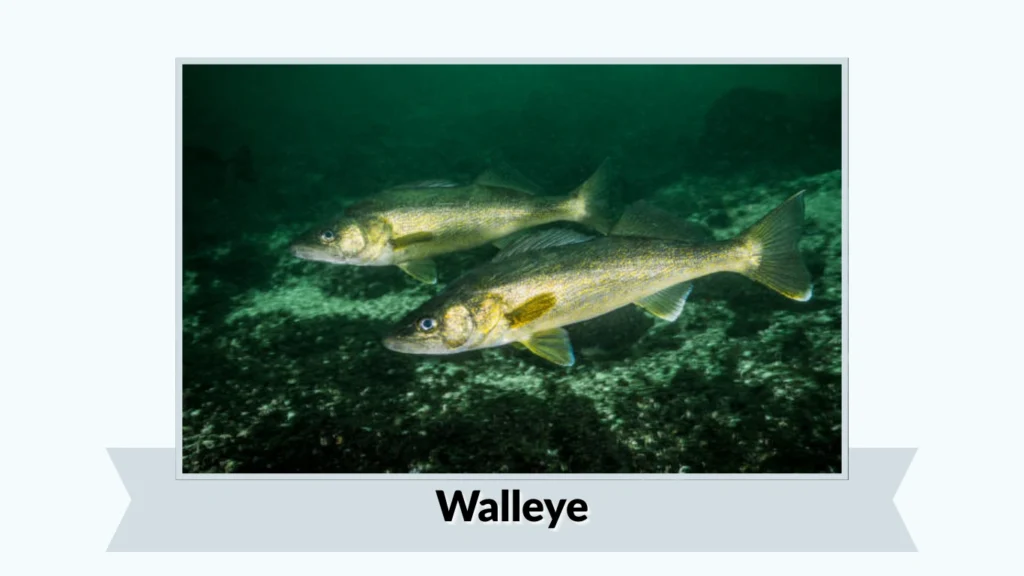
Walleye are popular freshwater fish known for their excellent taste and keen eyesight, especially in low-light conditions. They are widely found in North America and are highly valued in both recreational and commercial fishing.
Identification
- Elongated, streamlined body
- Olive to golden-brown coloration
- Large, reflective eyes adapted for low light
- Sharp teeth and large mouth
- Spiny first dorsal fin and soft second dorsal fin
Habitat
Walleye prefer cool, freshwater environments such as lakes, rivers, and reservoirs. They are often found in deeper waters during the day and move to shallower areas at night. They thrive in slightly murky water where their vision gives them an advantage.
Diet
Walleye are carnivorous and primarily feed on smaller fish. They also consume insects, leeches, and crustaceans. Their feeding activity increases during low-light periods such as dawn, dusk, or nighttime.
Behavior
Walleye are mostly nocturnal and are known for their excellent night vision. They tend to stay near the bottom during the day and become more active hunters at night. They are generally solitary but may gather in feeding areas.
Uses
Walleye are highly prized as a food fish due to their mild, white, and flaky meat. They are also very popular in recreational fishing, making them an important species for both anglers and local fishing industries.
21. Bluegill
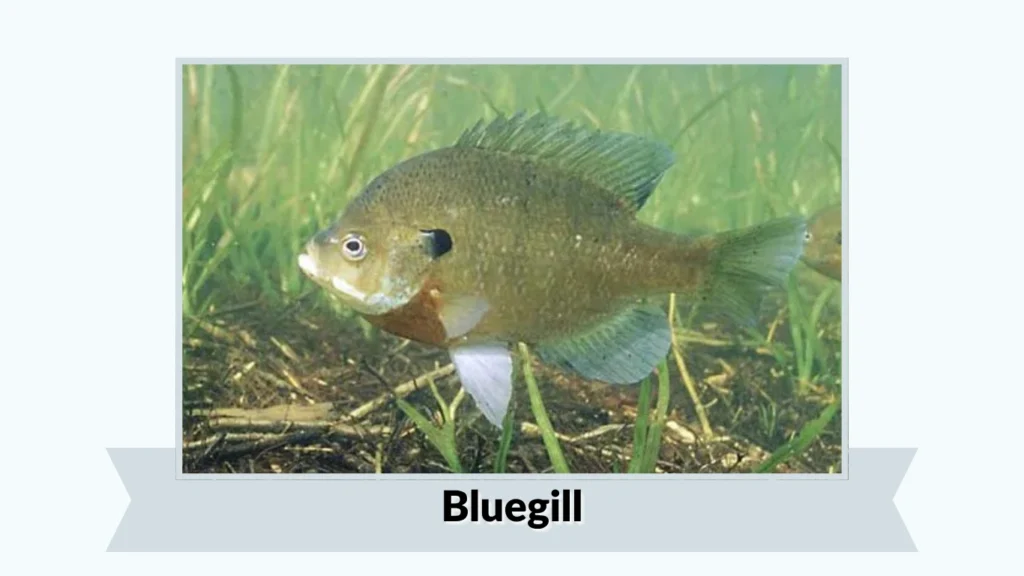
Bluegill are small to medium-sized freshwater fish commonly found in North America. They are known for their distinctive shape and are a favorite among beginner anglers due to their abundance and ease of catching.
Identification
- Deep, laterally compressed body
- Blue or dark “ear” flap near the gill cover
- Olive-green body with vertical bars
- Small mouth
- Typically grows between 10–30 cm in length
Habitat
Bluegill are commonly found in freshwater lakes, ponds, rivers, and reservoirs. They prefer warm, calm waters with plenty of vegetation. They are often seen near the shoreline, especially in areas with cover like weeds or submerged structures.
Diet
Bluegill are omnivorous but mainly feed on insects, larvae, small crustaceans, and zooplankton. Younger fish consume smaller prey, while adults can eat larger insects and occasionally small fish. They are active feeders during the day.
Behavior
Bluegill are social fish that often live in groups, especially when young. They are active during daylight hours and tend to stay in shallow waters. During breeding, males become territorial and build nests in colonies.
Uses
Bluegill are popular in recreational fishing, particularly for beginners and children. They are also consumed as food, offering mild-flavored meat. Additionally, they play an important role in freshwater ecosystems by controlling insect populations.
22. Crappie
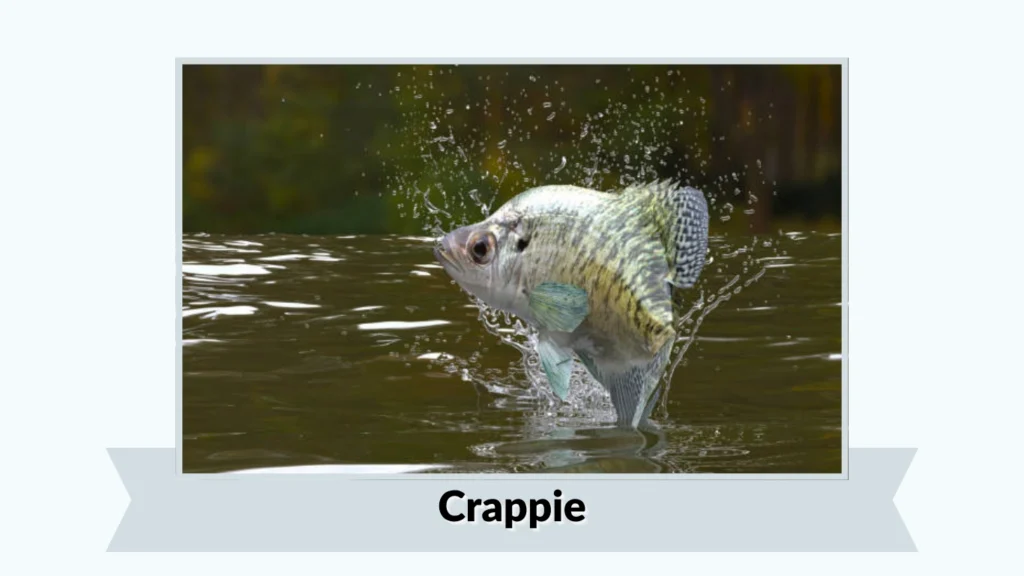
Crappie are popular freshwater fish known for their delicate taste and distinctive spotted patterns. They are widely found in North America and are a favorite among anglers due to their schooling behavior and ease of catching.
Identification
- Deep, laterally compressed body
- Silvery color with black spots (pattern varies by species)
- Large mouth extending under the eye
- Long dorsal and anal fins
- Typically grows between 20–50 cm in length
Habitat
Crappie are commonly found in freshwater lakes, ponds, reservoirs, and slow-moving rivers. They prefer calm waters with plenty of cover such as submerged trees, vegetation, and docks. They often stay in deeper water during the day and move to shallow areas at dawn and dusk.
Diet
Crappie are carnivorous and mainly feed on small fish, insects, and crustaceans. Juveniles start with plankton and gradually shift to larger prey. They are opportunistic feeders and often hunt in groups.
Behavior
Crappie are social fish that typically move in schools, especially during feeding. They are most active during low-light periods such as early morning and evening. During spawning, they move to shallow waters and males guard the nests.
Uses
Crappie are highly valued as a food fish due to their soft, white, and flavorful meat. They are also popular in recreational fishing and are often targeted by anglers for their abundance and enjoyable catching experience.
23. Koi
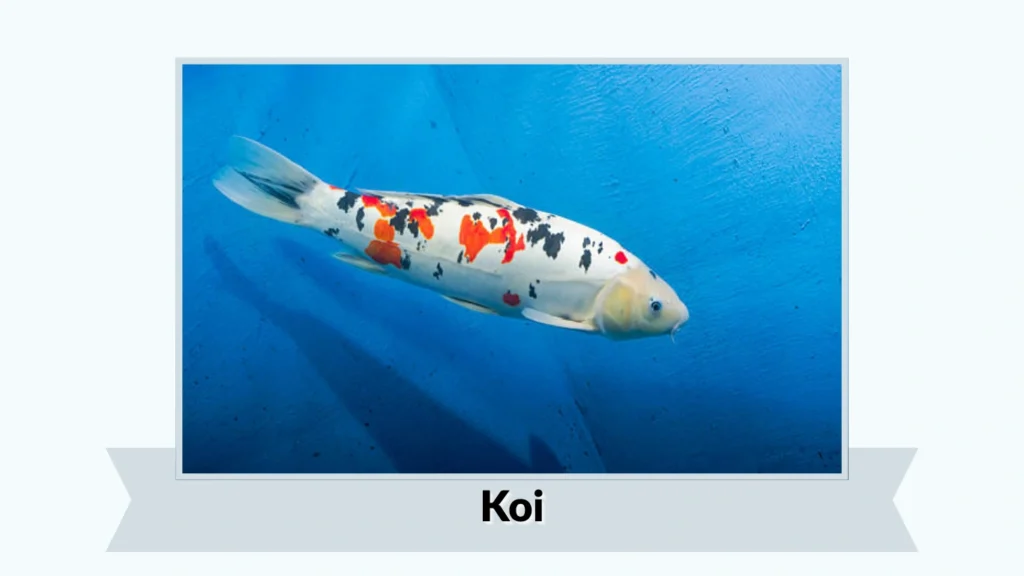
Koi are ornamental freshwater fish that are highly valued for their beauty, color patterns, and cultural significance. Originally bred from common carp, they are often kept in decorative ponds and are symbols of luck, prosperity, and longevity in many cultures.
Identification
- Large, elongated body similar to carp
- Bright, multi-colored patterns (red, white, black, yellow, orange)
- Smooth, shiny scales
- Barbels present near the mouth
- Can grow up to 60–90 cm or more
Habitat
Koi are typically kept in outdoor ponds but can also live in large freshwater tanks. They prefer clean, well-oxygenated water with temperatures between 15°C and 25°C. They require spacious environments with good filtration to maintain water quality.
Diet
Koi are omnivorous and eat a wide range of foods. Their diet includes algae, plants, insects, and small aquatic organisms. In captivity, they are fed specially formulated pellets, along with vegetables and occasional protein-rich treats.
Behavior
Koi are peaceful, social fish that often interact with humans. They can recognize their owners and may gather at the surface during feeding. They are active swimmers and thrive in groups, showing calm and graceful movements.
Uses
Koi are primarily kept for ornamental purposes in ponds and water gardens. They are prized for their beauty and are often featured in landscaping designs. In some cultures, they also hold symbolic meaning and are considered a sign of good fortune.
24. Loach
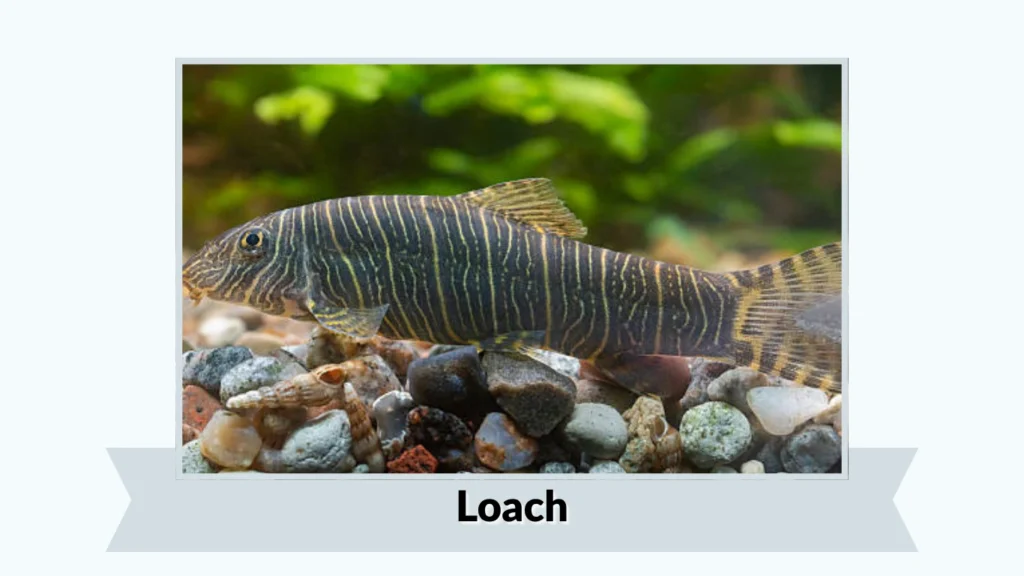
Loaches are bottom-dwelling freshwater fish known for their elongated bodies and playful behavior. They are popular in aquariums for their unique appearance and ability to help keep tanks clean by feeding on leftover food and small pests.
Identification
- Long, slender body shape
- Small barbels around the mouth
- Smooth, scaleless or very small-scaled skin
- Often patterned with stripes or spots
- Typically grows between 5–20 cm depending on species
Habitat
Loaches are commonly found in rivers, streams, and ponds with soft, sandy, or muddy bottoms. They prefer well-oxygenated water and often hide under rocks, plants, or substrate. In aquariums, they need hiding places and a soft bottom to feel secure.
Diet
Loaches are mostly omnivorous and feed on small invertebrates, insect larvae, algae, and leftover food. In captivity, they are given sinking pellets, live or frozen foods, and vegetable matter to ensure a balanced diet.
Behavior
Loaches are active and social fish, often displaying playful behavior. Many species are nocturnal and become more active at night. They usually prefer to live in groups and can become stressed if kept alone.
Uses
Loaches are mainly kept as ornamental aquarium fish. They are especially valued for their role in cleaning tanks by consuming leftover food and small pests like snails, helping maintain a healthier aquarium environment.
25. Pleco
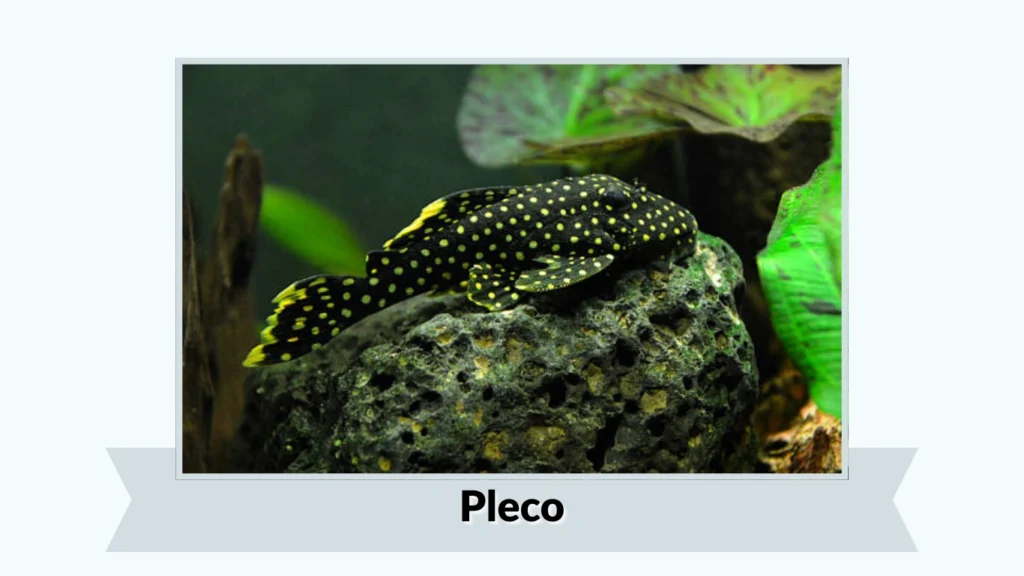
Plecos, also known as plecostomus or sucker fish, are popular freshwater fish recognized for their algae-eating ability. They are commonly kept in aquariums to help maintain cleanliness. Their armored bodies and unique mouth structure make them easily identifiable.
Identification
- Flattened body with a wide head
- Sucker-like mouth for attaching to surfaces
- Hard, armored plates covering the body
- Dark colors, often brown, black, or spotted
- Can grow between 10–60 cm depending on species
Habitat
Plecos are native to rivers and streams in South America. They prefer freshwater environments with good water flow and oxygen levels. In aquariums, they require hiding spots such as caves, driftwood, or rocks to feel secure.
Diet
Plecos are primarily herbivorous but can be omnivorous. They feed on algae, plant matter, and biofilm in their natural habitat. In captivity, they are given algae wafers, vegetables, and occasional protein-based foods.
Behavior
Plecos are mostly nocturnal and spend much of their time attached to surfaces. They are generally peaceful but can become territorial with other bottom-dwelling fish. They are slow-moving and prefer staying hidden during the day.
Uses
Plecos are widely kept in aquariums for their algae-cleaning role. They help control algae growth and maintain tank hygiene, making them beneficial for aquarium maintenance.
26. Swordtail
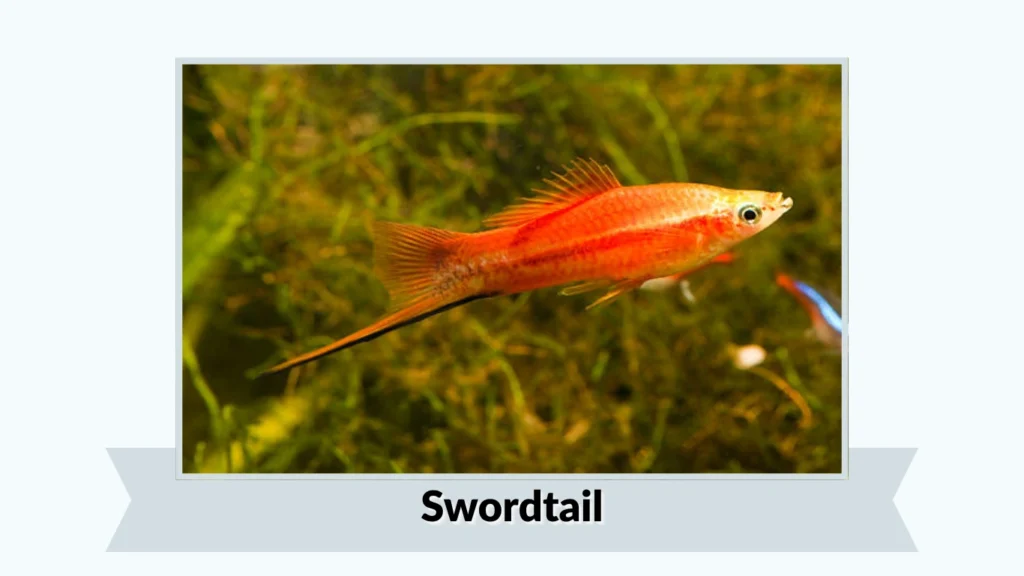
Swordtails are attractive freshwater fish named after the long, sword-like extension on the male’s tail. They are popular in aquariums due to their bright colors, active nature, and ease of care, making them suitable for beginners.
Identification
- Slender, elongated body (8–14 cm long)
- Males have a long, sword-like extension on the lower tail fin
- Colors include red, orange, green, and mixed patterns
- Upturned mouth
- Females are larger but lack the “sword” tail
Habitat
Swordtails are naturally found in freshwater rivers, streams, and ponds with moderate flow. They prefer warm water between 22°C and 28°C. In aquariums, they thrive in well-planted tanks with open swimming space and stable water conditions.
Diet
Swordtails are omnivorous and feed on algae, plant matter, insects, and small invertebrates. In captivity, they are given flakes, pellets, and occasional live or frozen foods to maintain good health and coloration.
Behavior
Swordtails are active and social fish that do well in groups. They are generally peaceful but males may show mild aggression toward each other. They are livebearers, meaning they give birth to free-swimming young and reproduce easily.
Uses
Swordtails are mainly kept as ornamental fish due to their unique tail shape and bright colors. They are popular in community aquariums and are especially favored by beginner fish keepers.
27. Mudfish
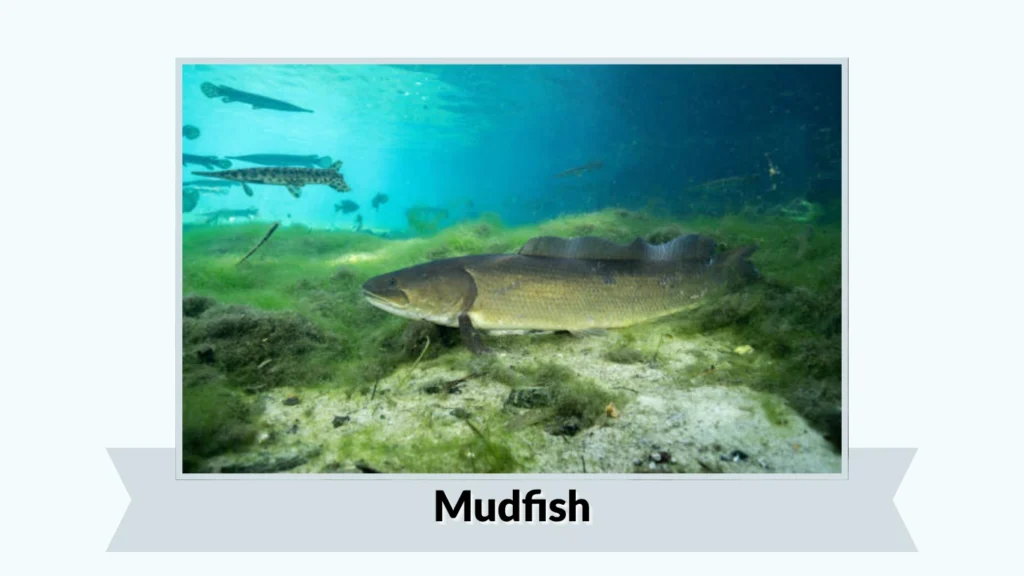
Mudfish are hardy freshwater fish known for their ability to survive in extreme conditions, including low oxygen environments and even temporary droughts. They are less commonly known but are fascinating due to their resilience and adaptability.
Identification
- Elongated, cylindrical body
- Dark brown or muddy coloration for camouflage
- Small eyes and mouth
- Smooth skin with minimal visible scales
- Typically grows between 15–30 cm in length
Habitat
Mudfish are found in swamps, marshes, ponds, and slow-moving waters with muddy bottoms. They can survive in environments where water levels fluctuate and oxygen is low. Some species can even burrow into mud during dry periods.
Diet
Mudfish are carnivorous and feed on insects, small fish, crustaceans, and other aquatic organisms. They are opportunistic feeders and will consume whatever is available in their environment.
Behavior
Mudfish are generally solitary and spend much of their time near the bottom. They are adapted to survive harsh conditions and can remain inactive during unfavorable periods. They are more active during feeding times or when conditions improve.
Uses
Mudfish are sometimes used as a food source in certain regions. They are also of scientific interest due to their survival abilities in extreme environments, helping researchers study adaptation and resilience in aquatic species.
FAQs
What is the most common freshwater fish?
Tilapia is considered one of the most common freshwater fish worldwide due to its widespread farming and adaptability. It grows quickly, survives in various water conditions, and is widely consumed, making it highly popular in both aquaculture and natural freshwater environments.
Which freshwater fish is best for beginners?
Guppies, goldfish, and platies are ideal for beginners. They are hardy, easy to care for, and adapt well to different water conditions. These fish also have simple feeding requirements and are less sensitive to minor environmental changes.
Are all freshwater fish safe to eat?
Not all freshwater fish are commonly eaten. While species like tilapia, catfish, trout, and salmon are widely consumed, some ornamental fish are not suitable for eating. Safety also depends on water quality and proper cooking methods.
What do most freshwater fish eat?
Most freshwater fish are omnivorous, meaning they eat both plant and animal matter. Their diet often includes algae, insects, larvae, small fish, and organic material. However, some species are strictly carnivorous or herbivorous depending on their natural behavior.
Which freshwater fish live the longest?
Koi and goldfish are among the longest-living freshwater fish. With proper care, koi can live for several decades, sometimes over 50 years, while goldfish can live 10–20 years or more in well-maintained environments.