
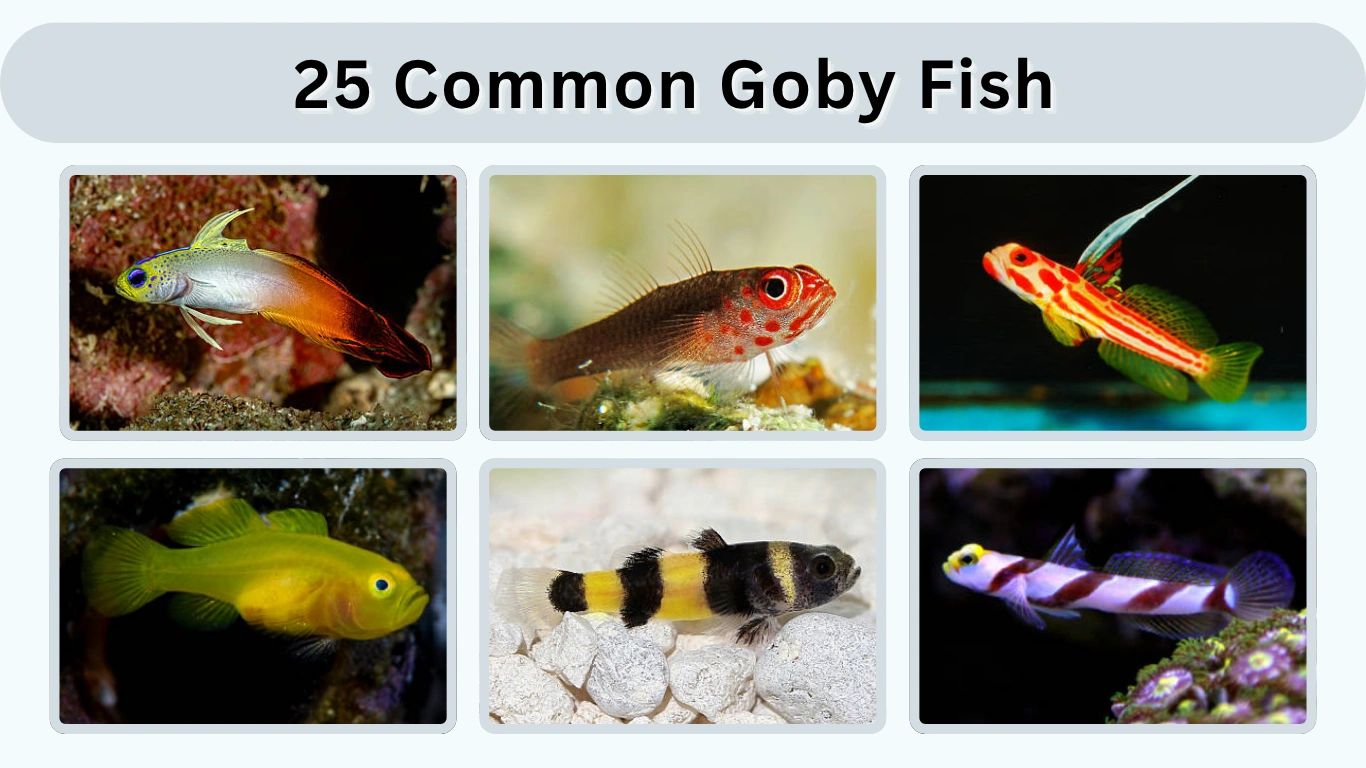
Goby fish are small, fascinating aquatic species found in both freshwater and saltwater environments around the world. They are highly popular among aquarium enthusiasts because of their colorful appearance, peaceful temperament, and interesting behaviors such as burrowing, sand sifting, and forming partnerships with shrimp. With hundreds of species available, gobies come in many unique shapes, colors, and patterns. Some are excellent cleaners for reef tanks, while others are admired for their striking beauty. This guide explores 25 common types of goby fish, including their identification, habitat, diet, behavior, and aquarium care requirements.
1. Clown Goby
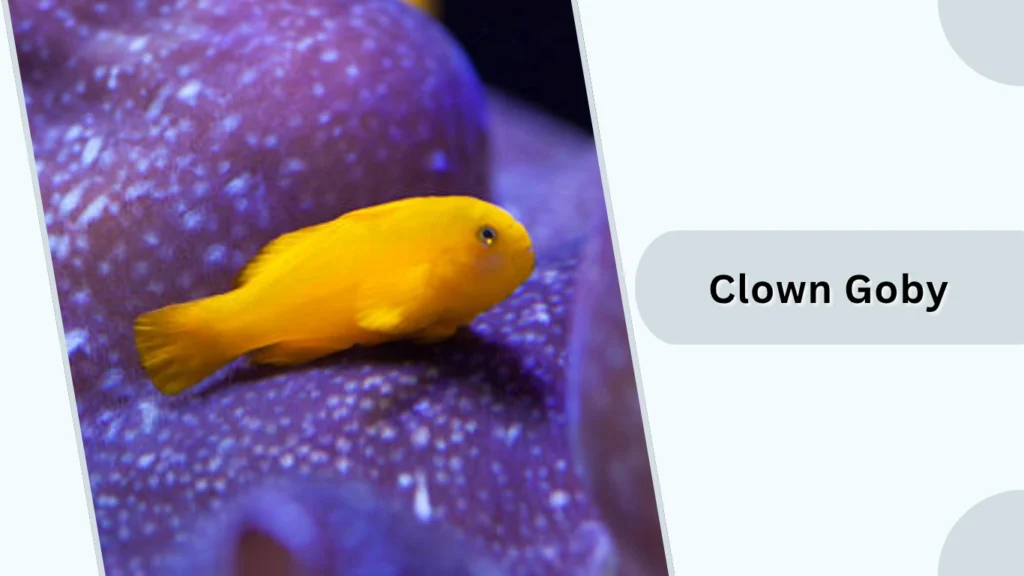
Clown Gobies are small, brightly colored marine fish known for their peaceful behavior and close connection with coral reefs. These tropical fish are popular among aquarium hobbyists because they are easy to care for and adapt well to smaller reef tanks. Their unique appearance, tiny size, and habit of resting on coral branches make them one of the most recognizable goby species.
Identification
- Small body reaching around 1 to 1.5 inches long
- Rounded head with large eyes
- Bright yellow, green, orange, or black coloration
- Smooth skin with minimal visible scales
- Compact body with short fins
- May display stripes, spots, or facial markings
- Commonly rests on coral branches
Habitat
Clown Gobies are mainly found in tropical Indo-Pacific coral reefs. They prefer shallow reef environments where branching corals provide protection, shelter, and breeding areas. These fish spend most of their lives living closely among coral structures.
Diet
Their diet mainly consists of tiny plankton, copepods, and small marine invertebrates. In aquariums, they usually eat frozen foods, brine shrimp, and finely prepared fish foods designed for small reef species.
Behavior
Clown Gobies are peaceful, calm, and slow-moving fish. They often stay in one small territory and spend long periods perched on coral. While generally non-aggressive, they may become territorial toward similar goby species in confined spaces.
Aquarium Care
These fish are suitable for nano and reef aquariums with stable water quality. Tanks with live rock and coral structures help them feel secure. Because of their peaceful nature, they should be housed with non-aggressive tank mates.
2. Neon Goby
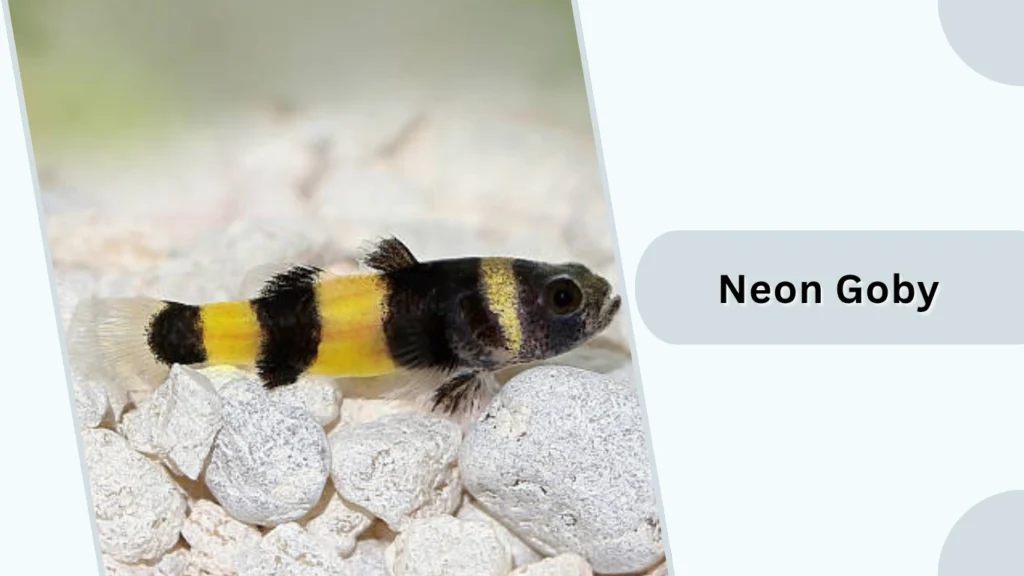
Neon Gobies are tiny saltwater fish admired for their striking blue stripes and helpful cleaning behavior in marine environments. They are widely kept in reef aquariums because of their peaceful temperament, active nature, and ability to remove parasites from larger fish. Their bright appearance, small size, and beneficial role in aquarium ecosystems make them a favorite among marine fish enthusiasts worldwide.
Identification
- Small slender body reaching about 2 inches long
- Bright blue horizontal stripe along the body
- Black or dark-colored base body coloration
- Narrow head with large eyes
- Transparent or lightly colored fins
- Smooth body with fine scales
- Fast and active swimming behavior
Habitat
Neon Gobies naturally inhabit coral reefs in the Atlantic Ocean and Caribbean Sea. They are commonly found around rocky reef structures where they establish cleaning stations for larger marine fish.
Diet
Their diet includes parasites, small crustaceans, plankton, and tiny invertebrates. In aquariums, they readily accept frozen foods, brine shrimp, mysis shrimp, and finely crushed marine pellets.
Behavior
Neon Gobies are peaceful, social, and highly active fish. They are famous for cleaning parasites from larger fish, which helps maintain healthier reef environments. They usually coexist well with other peaceful aquarium species.
Aquarium Care
These gobies thrive in reef aquariums with stable water conditions and plenty of rockwork for hiding spaces. Because of their peaceful nature, they should be kept with calm tank mates and provided with a varied marine-based diet.
3. Watchman Goby
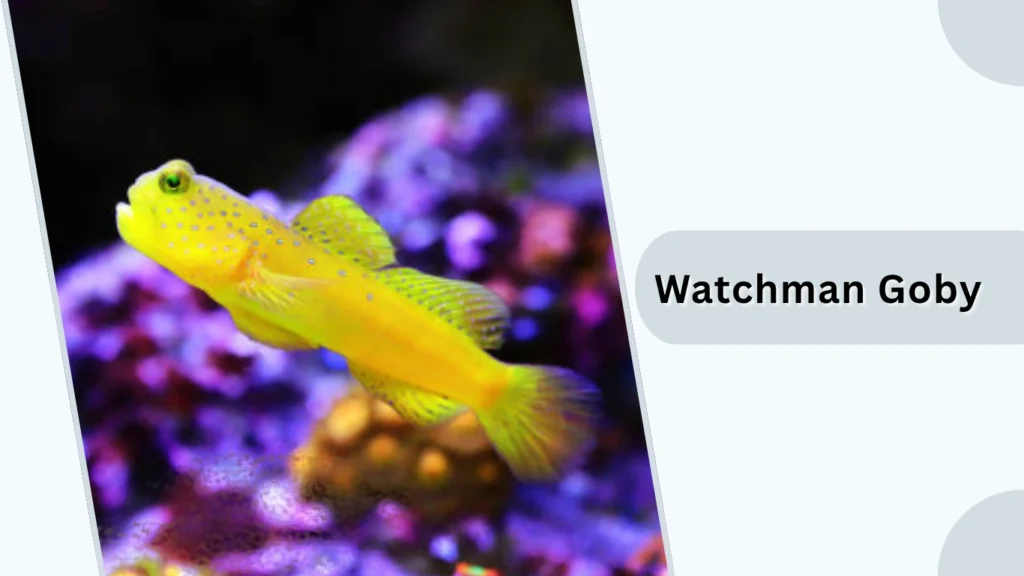
Watchman Gobies are popular marine fish recognized for their large eyes, alert posture, and fascinating partnership with pistol shrimp. These peaceful bottom-dwelling fish are commonly kept in reef aquariums because of their hardy nature and interesting behavior. Their colorful appearance, burrowing habits, and ability to guard shared shelters make them one of the most fascinating goby species found in tropical marine environments.
Identification
- Medium-sized goby reaching around 3 to 4 inches long
- Large head with prominent watchful eyes
- Yellow, white, brown, or spotted body coloration
- Strong pelvic fins used for resting on the substrate
- Elongated body with rounded fins
- Often displays stripes, speckles, or patches
- Commonly seen sitting near burrow entrances
Habitat
Watchman Gobies inhabit sandy and rubble-filled areas of tropical Indo-Pacific coral reefs. They live close to the ocean floor where they create or share burrows for shelter and protection.
Diet
Their diet mainly includes small crustaceans, worms, plankton, and tiny invertebrates. In aquariums, they eat frozen mysis shrimp, brine shrimp, sinking pellets, and other protein-rich marine foods.
Behavior
These gobies are peaceful and territorial around their burrows. Many species form symbiotic relationships with pistol shrimp, where the shrimp digs the burrow while the goby acts as a lookout for predators.
Aquarium Care
Watchman Gobies require aquariums with sandy substrates and rock structures for hiding spaces. Stable water conditions and peaceful tank mates help them thrive. Providing enough bottom space is important for their natural burrowing behavior.
4. Firefish Goby
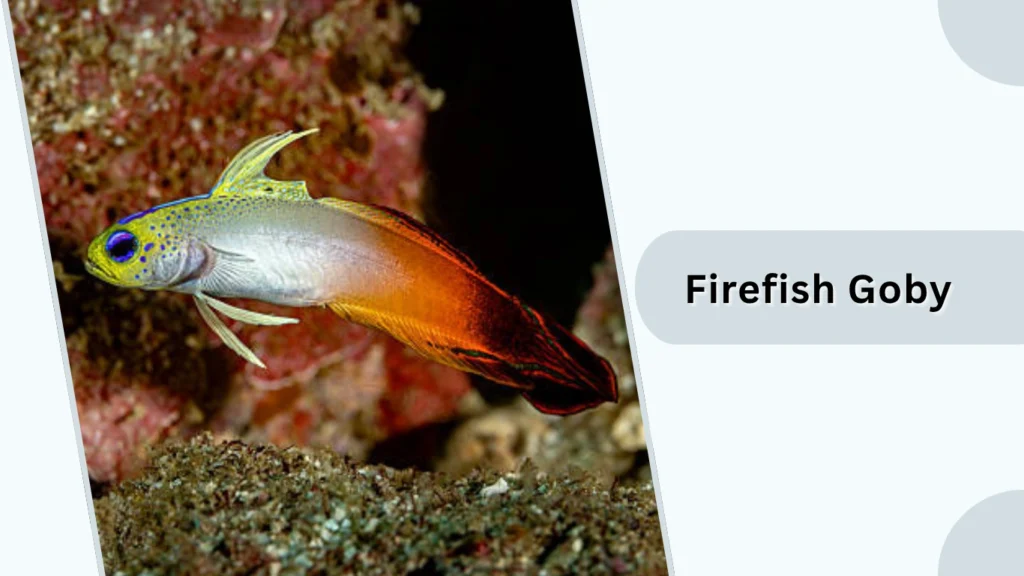
Firefish Gobies are elegant marine fish known for their vivid colors, darting movements, and graceful appearance. They are highly popular in reef aquariums because of their peaceful personality and striking dorsal fins. These fish are excellent jumpers and often hover above rocky shelters before quickly retreating when threatened. Their bright coloration and calm nature make them a favorite among beginner and experienced aquarium keepers alike.
Identification
- Slender body reaching about 3 inches long
- Bright coloration with white, orange, red, or purple shades
- Long pointed dorsal fin resembling a flame
- Large eyes and narrow pointed head
- Smooth body with delicate fins
- Forked tail with elegant swimming movements
- Often hovers above rocks or burrow entrances
Habitat
Firefish Gobies are found in tropical Indo-Pacific coral reefs. They prefer reef slopes and rocky areas where narrow crevices provide shelter and protection from predators.
Diet
Their diet includes zooplankton, tiny crustaceans, and small marine organisms. In aquariums, they usually eat frozen mysis shrimp, brine shrimp, finely chopped seafood, and quality marine pellets.
Behavior
Firefish Gobies are peaceful and shy fish that spend much of their time hovering near hiding places. They can become startled easily and may jump from open aquariums when frightened or stressed.
Aquarium Care
These fish thrive in peaceful reef aquariums with stable water quality and plenty of rock crevices for shelter. A secure aquarium lid is essential because Firefish Gobies are known for their jumping ability.
5. Engineer Goby
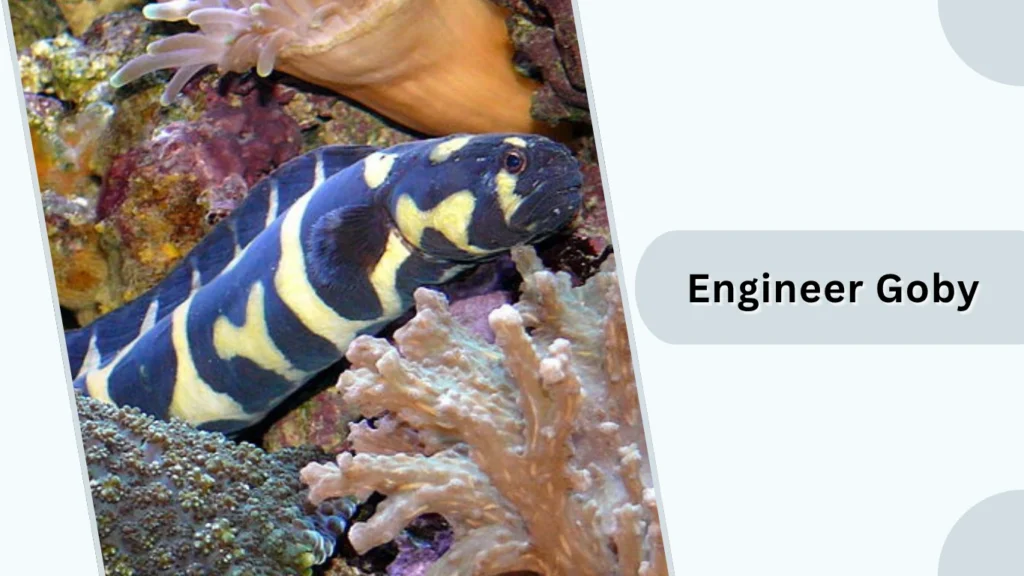
Engineer Gobies are long-bodied marine fish famous for their eel-like appearance and extensive burrowing behavior. Despite their resemblance to eels, they belong to the goby family and are popular in large saltwater aquariums. These fish are known for constantly rearranging sand and rocks while creating tunnels beneath the substrate. Their unique body patterns and fascinating digging habits make them highly interesting aquarium inhabitants.
Identification
- Long slender body reaching up to 12 inches or more
- Juveniles display black and white horizontal stripes
- Adults develop spotted or banded patterns
- Eel-like appearance with elongated fins
- Small head with large eyes
- Continuous dorsal fin running along the body
- Strong burrowing behavior in sandy substrates
Habitat
Engineer Gobies are naturally found in tropical Indo-Pacific reefs. They inhabit sandy lagoon areas and reef bottoms where they create deep tunnel systems beneath rocks and coral rubble.
Diet
Their diet includes worms, small crustaceans, plankton, and other tiny marine organisms. In aquariums, they readily consume mysis shrimp, brine shrimp, chopped seafood, and sinking carnivorous fish foods.
Behavior
Engineer Gobies are peaceful but highly active diggers. They spend much of their time building tunnels and moving substrate around the aquarium. Juveniles may live in groups, while adults often become more solitary.
Aquarium Care
These fish require larger aquariums with deep sandy substrates and stable rock structures. Rocks should be secured properly because their digging behavior can destabilize decorations. Peaceful tank mates and high-quality water conditions help them thrive.
6. Diamond Goby
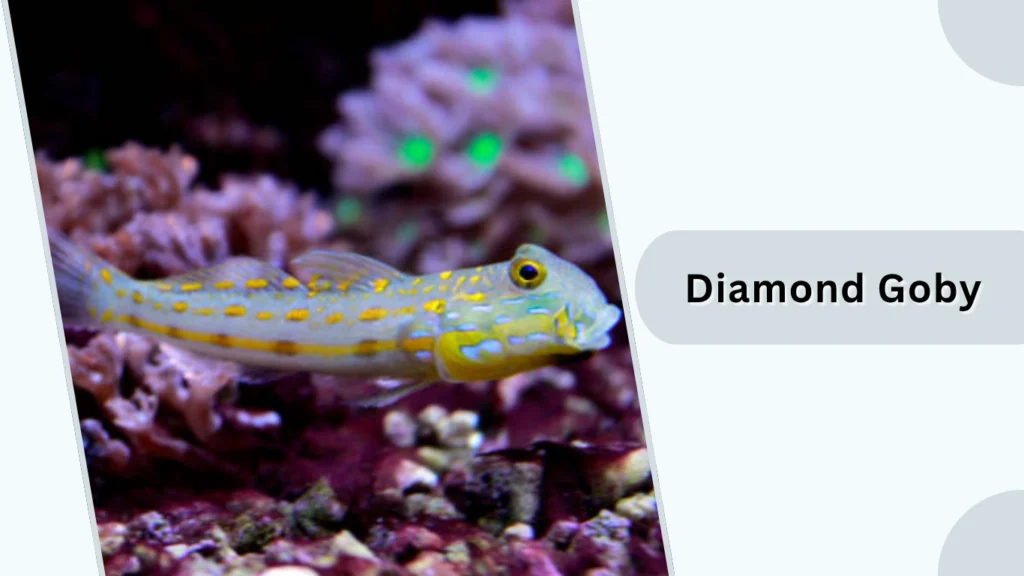
Diamond Gobies are active sand-sifting marine fish valued for their ability to keep aquarium substrates clean. They are popular among reef aquarium owners because they constantly filter sand through their mouths while searching for food. Their attractive spotted patterns, hardworking nature, and peaceful temperament make them one of the most useful goby species for maintaining healthy marine aquariums.
Identification
- Medium-sized body reaching around 5 to 6 inches long
- White or pale body covered with orange and blue spots
- Long slender shape with pointed snout
- Large eyes positioned high on the head
- Strong mouth adapted for sifting sand
- Elongated fins with delicate markings
- Frequently seen carrying sand in the mouth
Habitat
Diamond Gobies inhabit sandy reef flats and lagoon areas in the Indo-Pacific region. They prefer soft sandy bottoms where they can dig burrows and search for tiny food particles within the substrate.
Diet
Their diet mainly consists of small crustaceans, worms, detritus, and microscopic organisms found in sand. In aquariums, they also eat mysis shrimp, brine shrimp, and sinking marine foods.
Behavior
Diamond Gobies are peaceful and constantly active near the substrate. They spend most of their time sifting sand, which helps clean the aquarium bottom. They may become territorial toward similar sand-sifting gobies in smaller tanks.
Aquarium Care
These gobies require aquariums with deep sandy substrates for natural feeding and burrowing behavior. Stable water conditions and secure lids are important, as they may jump when stressed. Regular feeding helps maintain their health in cleaner tanks.
7. Bumblebee Goby
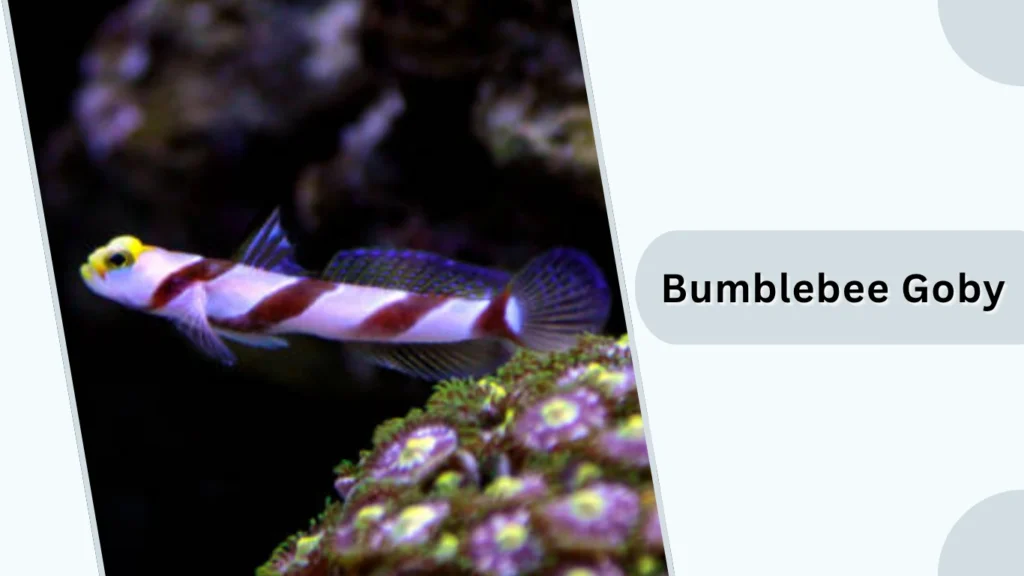
Bumblebee Gobies are tiny, colorful fish named for their striking black and yellow banded appearance that resembles a bumblebee. These small gobies are popular in both brackish and freshwater aquariums because of their unique coloration and interesting personalities. Despite their small size, they are active hunters and display bold behavior. Their vivid patterns and compact bodies make them highly attractive aquarium fish.
Identification
- Small body usually reaching about 1 to 1.5 inches long
- Distinct black and yellow vertical bands
- Rounded head with large eyes
- Compact body with short fins
- Slightly pointed snout
- Smooth body with fine scales
- Often rests near the bottom of the tank
Habitat
Bumblebee Gobies are commonly found in brackish waters of Southeast Asia. They inhabit mangroves, estuaries, slow-moving rivers, and coastal areas with muddy or sandy bottoms.
Diet
Their diet mainly includes small worms, insect larvae, tiny crustaceans, and plankton. In aquariums, they prefer live or frozen foods such as bloodworms, brine shrimp, and daphnia.
Behavior
These gobies are generally peaceful but can be territorial toward their own kind in smaller spaces. They are active near the bottom and often hide among rocks, plants, or driftwood while searching for food.
Aquarium Care
Bumblebee Gobies thrive in aquariums with plenty of hiding spots and gentle water flow. Slightly brackish water conditions are often recommended for long-term health. They should be kept with small peaceful tank mates and fed protein-rich foods regularly.
8. Dragon Goby
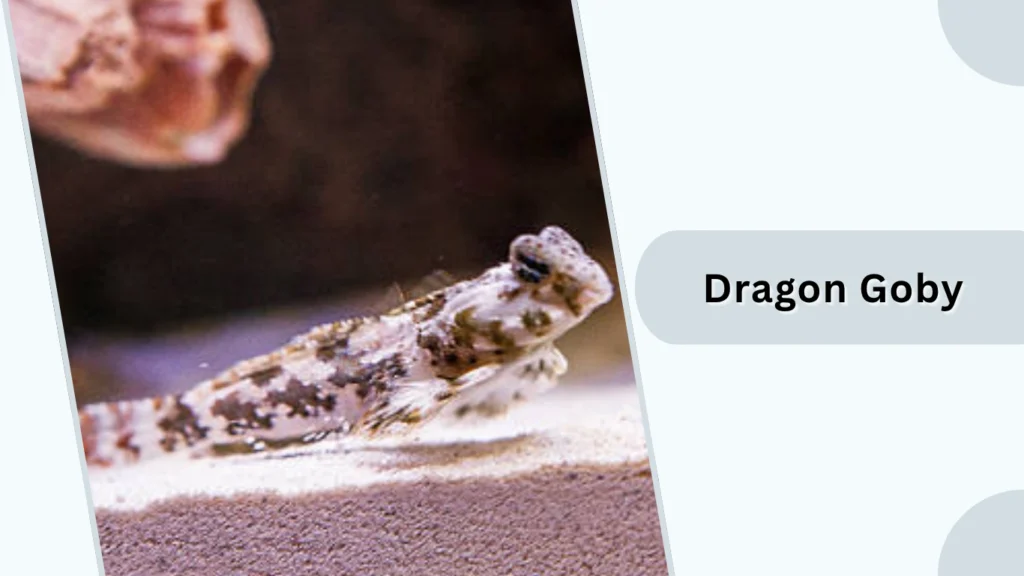
Dragon Gobies are unusual-looking fish known for their long bodies, translucent appearance, and dragon-like facial features. These gobies are commonly kept in brackish aquariums and are admired for their peaceful nature and unique appearance. Although they may look intimidating because of their large mouths and elongated fins, they are gentle scavengers that spend most of their time searching the substrate for food.
Identification
- Long slender body reaching up to 24 inches long
- Gray, silver, or translucent body coloration
- Large mouth with dragon-like facial appearance
- Small eyes positioned high on the head
- Long continuous dorsal and anal fins
- Eel-like swimming movements
- Often rests on the bottom of the aquarium
Habitat
Dragon Gobies are found in brackish coastal waters, estuaries, and river mouths of the Americas. They prefer muddy or sandy environments with slow-moving water and plenty of hiding areas.
Diet
Their diet includes small worms, detritus, algae, and tiny aquatic organisms. In aquariums, they eat sinking pellets, frozen bloodworms, brine shrimp, and finely crushed seafood-based foods.
Behavior
Dragon Gobies are peaceful and shy fish that spend most of their time scavenging along the bottom. They are non-aggressive toward tank mates but may struggle to compete for food with faster fish species.
Aquarium Care
These gobies require larger aquariums with soft sandy substrates and stable brackish water conditions. Plenty of hiding places and gentle tank mates help reduce stress. Regular feeding is important because they are slow eaters and can easily become undernourished.
9. Sleeper Goby
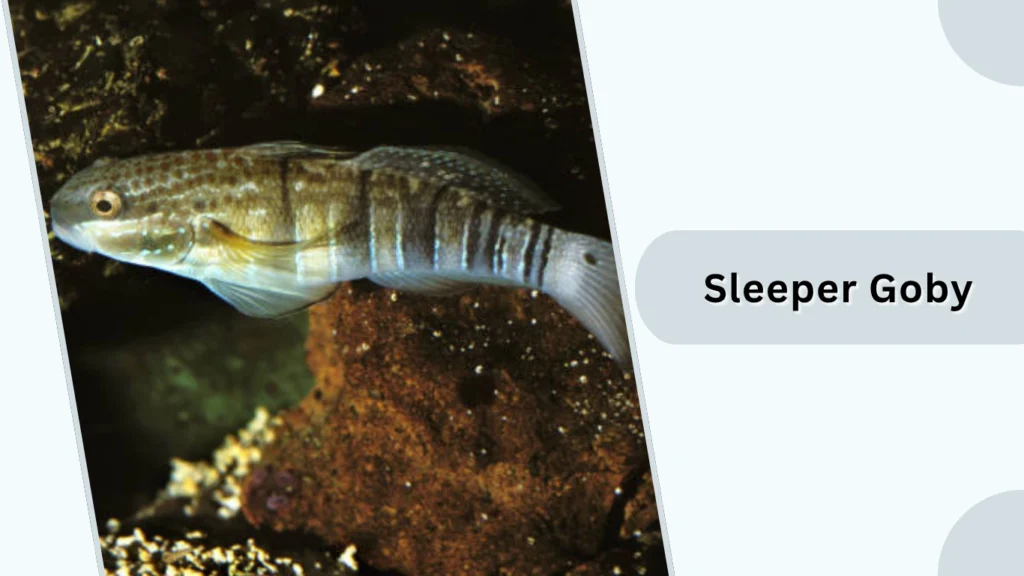
Sleeper Gobies are bottom-dwelling marine fish recognized for their calm behavior and constant sand-sifting activity. These gobies are commonly found in tropical reef environments and are valued in aquariums for helping maintain clean substrates. Their elongated bodies, subtle coloration, and peaceful temperament make them excellent additions to reef tanks. They spend much of their time resting on the sand while searching for tiny food particles.
Identification
- Elongated body reaching around 4 to 6 inches long
- Pale white, gray, brown, or silver coloration
- Large head with prominent eyes
- Wide mouth adapted for sand sifting
- Long dorsal fin running along the back
- Rounded tail and smooth body texture
- Often seen resting directly on the substrate
Habitat
Sleeper Gobies inhabit sandy reef bottoms and lagoon environments in tropical Indo-Pacific waters. They prefer areas with soft substrates where they can dig shallow burrows and search for food.
Diet
Their diet mainly includes tiny crustaceans, worms, detritus, and microscopic organisms found in sand. In aquariums, they eat mysis shrimp, brine shrimp, marine pellets, and other sinking foods.
Behavior
Sleeper Gobies are peaceful and spend most of their time near the bottom of the aquarium. They continuously sift sand through their mouths, helping keep the substrate clean while searching for edible particles.
Aquarium Care
These gobies require aquariums with fine sandy substrates and stable water conditions. Plenty of open bottom space and hiding areas help them feel secure. Regular feeding is important, especially in tanks with limited natural food sources.
10. Mandarin Goby
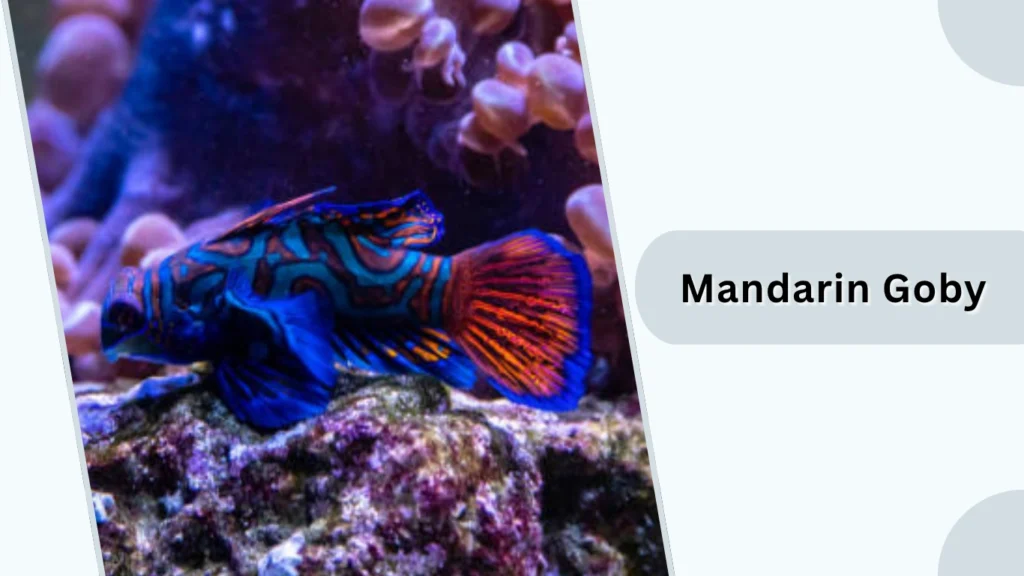
Mandarin Gobies are among the most colorful and visually striking marine fish found in coral reefs. They are highly admired for their vivid blue, orange, and green patterns that resemble intricate artwork. These peaceful fish are popular in reef aquariums but require specialized care because of their unique feeding habits. Their graceful movements and extraordinary appearance make them a favorite among experienced marine aquarium keepers.
Identification
- Small body reaching about 3 inches long
- Bright blue, green, orange, and yellow coloration
- Intricate swirling patterns across the body
- Large rounded pectoral fins used for crawling movements
- Small mouth and prominent eyes
- Scaleless body coated with protective mucus
- Slow graceful swimming behavior
Habitat
Mandarin Gobies inhabit coral reefs and lagoons in the Pacific Ocean. They prefer areas with abundant live rock and coral where tiny organisms thrive among crevices and reef surfaces.
Diet
Their diet mainly consists of copepods, amphipods, and other tiny live crustaceans. In aquariums, they often rely heavily on natural live food populations, though some may accept frozen foods over time.
Behavior
Mandarin Gobies are peaceful and slow-moving fish that spend most of their time searching rocks and sand for tiny prey. They are generally non-aggressive and do best with calm tank mates.
Aquarium Care
These gobies require mature reef aquariums with large populations of live copepods for continuous feeding. Stable water conditions, live rock, and peaceful surroundings are essential for their long-term health and survival.
11. Rainford’s Goby
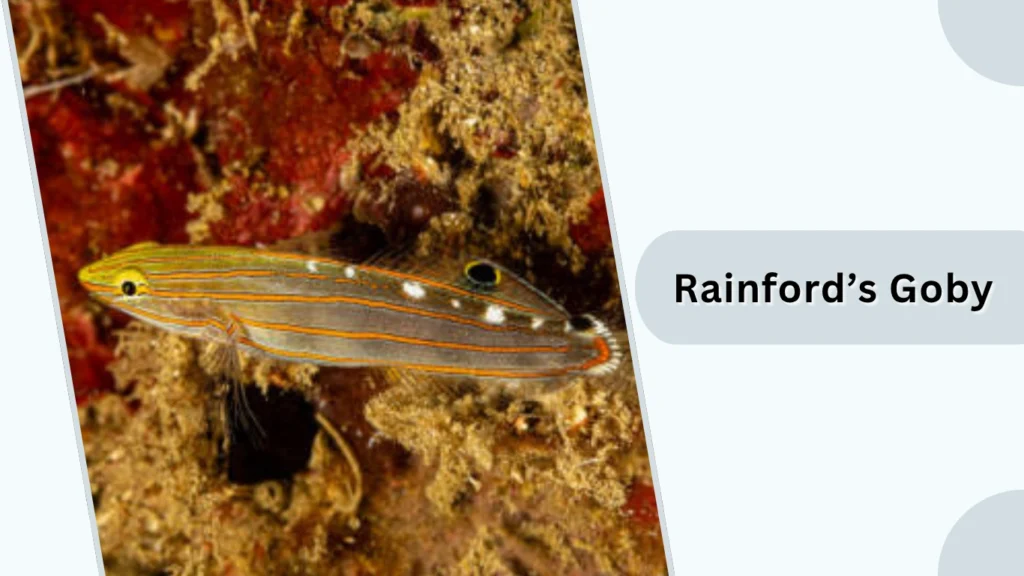
Rainford’s Goby is a small and colorful reef fish appreciated for its peaceful nature and beautiful striped patterns. It is commonly kept in marine aquariums because of its active grazing behavior and calm temperament. These gobies are often seen moving across rocks and sand while searching for algae and tiny organisms. Their delicate appearance and interesting feeding habits make them popular among reef aquarium enthusiasts.
Identification
- Small slender body reaching around 2 to 3 inches long
- Orange and blue horizontal stripes along the body
- Pale cream or greenish base coloration
- Rounded head with large eyes
- Transparent or lightly colored fins
- Slim body with smooth scales
- Constant grazing and searching behavior
Habitat
Rainford’s Gobies are naturally found in shallow lagoons and coral reef areas of the western Pacific Ocean. They prefer sandy bottoms mixed with rocks and algae-covered surfaces.
Diet
Their diet mainly consists of algae, detritus, copepods, and tiny invertebrates. In aquariums, they may eat frozen foods, marine pellets, and naturally growing algae within the tank.
Behavior
These gobies are peaceful, shy, and active during the day. They spend much of their time grazing on rocks and substrate while searching for tiny food particles and algae.
Aquarium Care
Rainford’s Gobies thrive in mature reef aquariums with stable water quality and natural algae growth. Tanks with live rock, sandy substrates, and peaceful tank mates provide the best environment for long-term care.
12. Hector’s Goby
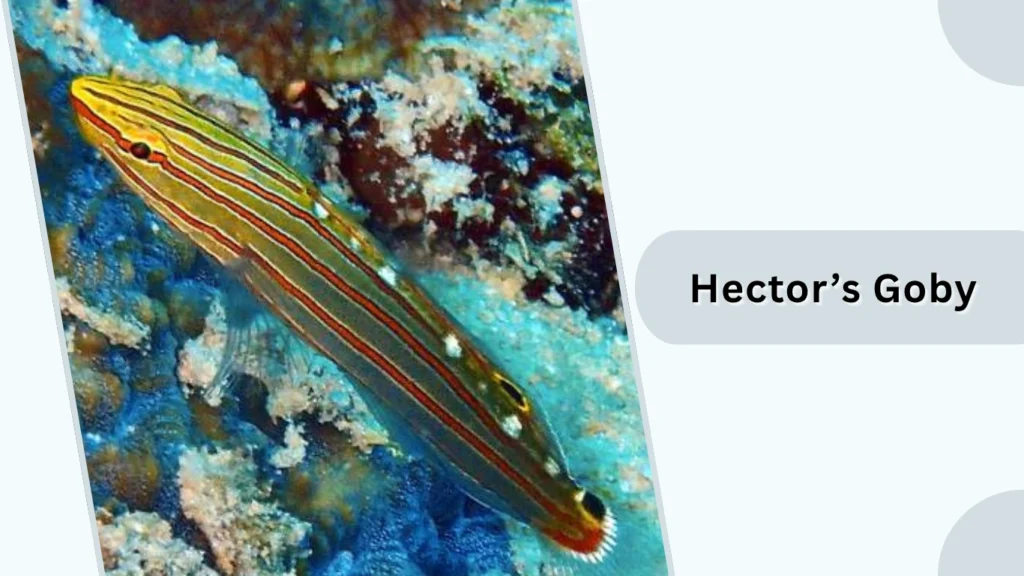
Hector’s Goby is a small reef fish admired for its slender body, bright markings, and peaceful personality. It is commonly kept in marine aquariums because of its active grazing behavior and compatibility with other calm fish species. These gobies spend much of their time searching rocks and sand for algae and tiny organisms. Their attractive striped patterns and gentle nature make them popular reef tank inhabitants.
Identification
- Small elongated body reaching about 2.5 inches long
- Pale body with bright orange horizontal stripes
- Slender shape with a pointed snout
- Large eyes positioned high on the head
- Transparent or lightly colored fins
- Smooth body with fine scales
- Frequently seen grazing along rocks and sand
Habitat
Hector’s Gobies naturally inhabit shallow coral reefs and lagoons in the Indo-Pacific region. They prefer sandy areas with live rock and algae growth where they can forage for food throughout the day.
Diet
Their diet mainly includes algae, detritus, copepods, and tiny invertebrates. In aquariums, they may eat frozen mysis shrimp, brine shrimp, marine pellets, and naturally occurring algae.
Behavior
These gobies are peaceful, active, and constantly searching for food along the substrate. They usually coexist well with other reef fish and rarely display aggressive behavior toward tank mates.
Aquarium Care
Hector’s Gobies do best in mature reef aquariums with stable water quality and plenty of live rock. Tanks with natural algae growth and sandy substrates help support their grazing behavior and overall health.
13. Yellow Watchman Goby
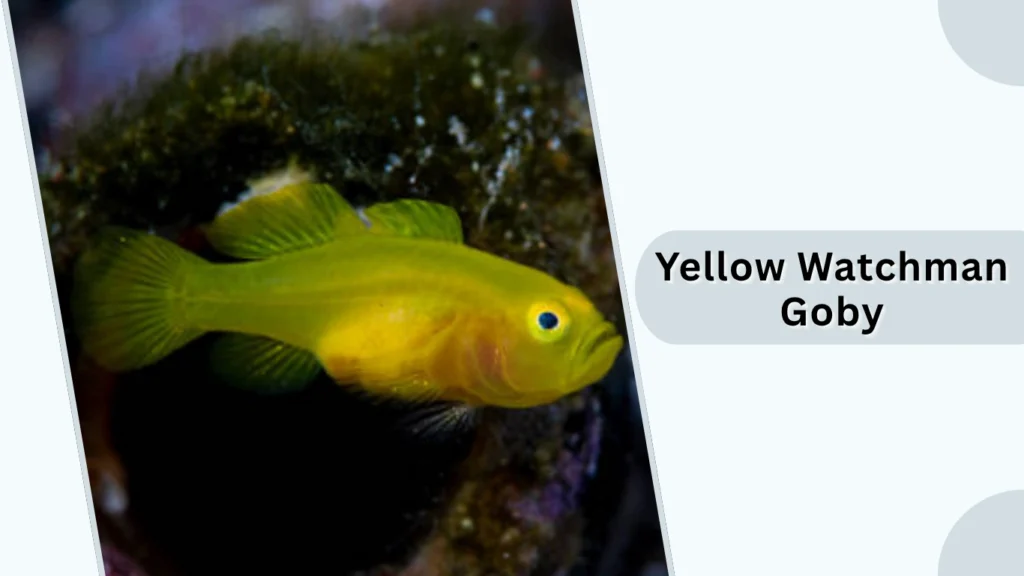
Yellow Watchman Gobies are brightly colored marine fish famous for their vivid yellow bodies and fascinating partnership with pistol shrimp. They are highly popular in reef aquariums because of their hardy nature, peaceful behavior, and entertaining burrowing habits. These bottom-dwelling fish spend much of their time guarding burrow entrances while remaining alert for danger, making them one of the most recognizable goby species in marine tanks.
Identification
- Medium-sized body reaching around 3 to 4 inches long
- Bright yellow body coloration
- Blue or white markings around the face and fins
- Large head with prominent eyes
- Thick body with rounded fins
- Wide mouth and pointed snout
- Often rests near burrow openings on the substrate
Habitat
Yellow Watchman Gobies inhabit sandy reef bottoms and lagoon areas in the Indo-Pacific region. They prefer environments with loose sand and rock structures where burrows can be easily created.
Diet
Their diet includes small crustaceans, worms, plankton, and tiny marine invertebrates. In aquariums, they eat mysis shrimp, brine shrimp, marine pellets, and other protein-rich sinking foods.
Behavior
These gobies are peaceful and territorial around their burrows. They commonly form symbiotic relationships with pistol shrimp, acting as lookouts while the shrimp maintains and digs the shared tunnel system.
Aquarium Care
Yellow Watchman Gobies thrive in reef aquariums with sandy substrates and stable rock formations. Peaceful tank mates and secure hiding spaces help reduce stress. Regular feeding and stable water conditions are important for maintaining their health.
14. Orange Spotted Goby
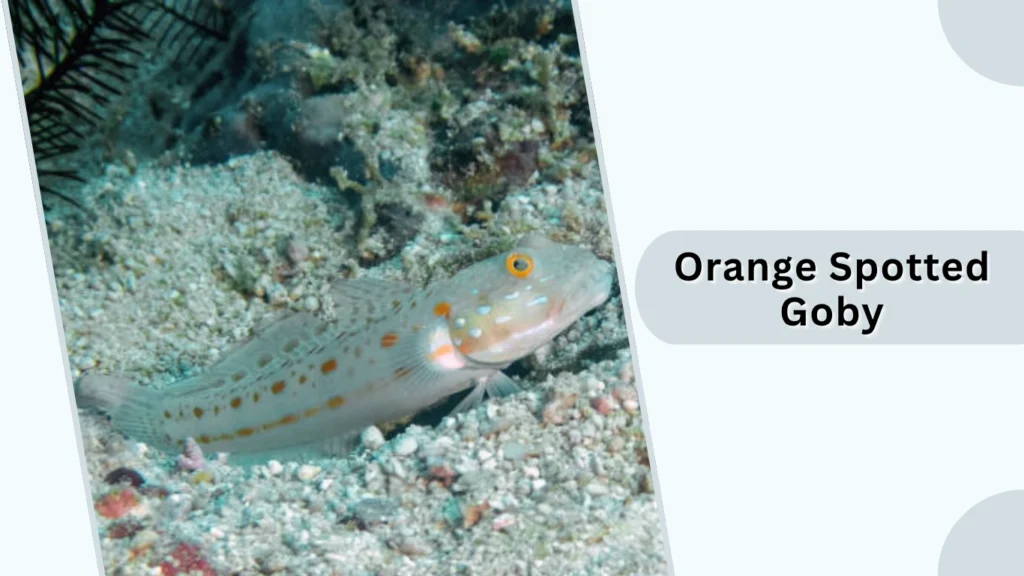
Orange Spotted Gobies are attractive sand-sifting marine fish known for their pale bodies covered with bright orange spots. They are commonly kept in reef aquariums because of their peaceful nature and useful cleaning behavior. These gobies constantly filter sand while searching for food, helping maintain cleaner substrates. Their active personality, unique markings, and hardworking habits make them popular additions to marine aquariums worldwide.
Identification
- Medium-sized body reaching around 4 to 6 inches long
- Pale white or silver body coloration
- Bright orange spots scattered across the body and fins
- Long slender shape with pointed snout
- Large eyes positioned high on the head
- Strong mouth adapted for sand sifting
- Frequently seen carrying sand through the mouth
Habitat
Orange Spotted Gobies inhabit sandy lagoon floors and coral reef environments in the Indo-Pacific region. They prefer soft sandy areas where they can dig burrows and search for tiny organisms within the substrate.
Diet
Their diet mainly consists of small crustaceans, worms, detritus, and microscopic organisms found in sand. In aquariums, they also eat mysis shrimp, brine shrimp, and sinking marine foods.
Behavior
These gobies are peaceful and highly active near the bottom of the aquarium. They spend most of their time sifting sand for food and may become territorial toward similar goby species in smaller tanks.
Aquarium Care
Orange Spotted Gobies require aquariums with deep sandy substrates and stable water conditions. Plenty of open bottom space and hiding areas help them feel secure. Consistent feeding is important, especially in cleaner aquariums with limited natural food sources.
15. Twinspot Goby
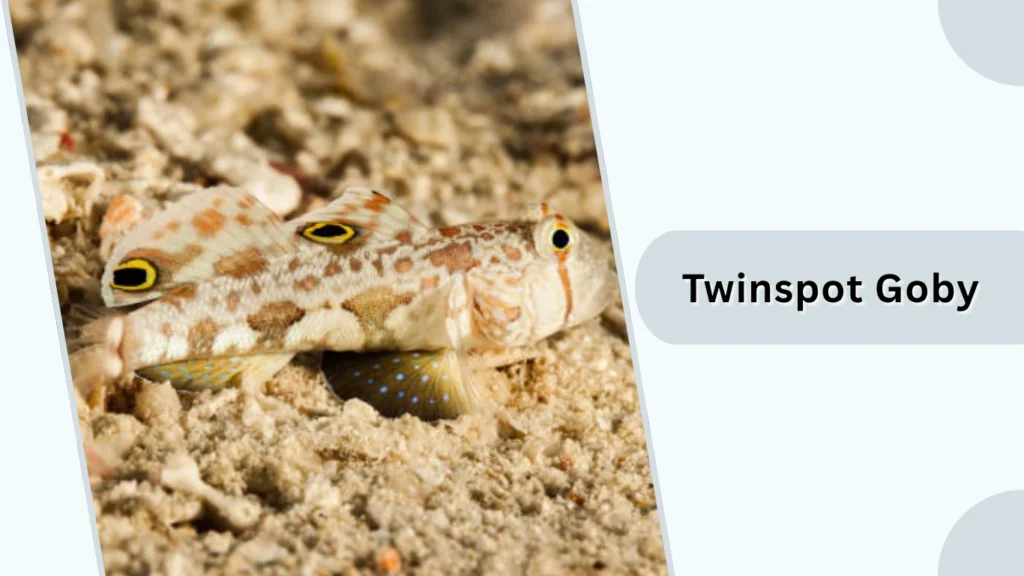
Twinspot Gobies are small and beautifully patterned marine fish known for the distinctive dark spots near their dorsal fins. They are popular in reef aquariums because of their peaceful temperament and constant sand-sifting activity. These gobies are delicate feeders that spend much of their time searching the substrate for tiny organisms. Their attractive markings and calm nature make them highly valued among experienced marine aquarium hobbyists.
Identification
- Small body reaching around 2 inches long
- Pale white or cream body coloration
- Two dark spots located near the dorsal area
- Orange or yellow facial markings
- Slender body with pointed snout
- Large eyes positioned high on the head
- Frequently seen sifting sand along the substrate
Habitat
Twinspot Gobies naturally inhabit shallow sandy reef flats and lagoons in the Indo-Pacific region. They prefer calm areas with fine sand where tiny food organisms are abundant.
Diet
Their diet mainly includes copepods, tiny crustaceans, worms, and microscopic organisms found within the sand. In aquariums, they may eat frozen mysis shrimp, brine shrimp, and finely prepared marine foods.
Behavior
These gobies are peaceful, shy, and constantly active near the bottom. They spend most of their time sifting sand while searching for food and usually avoid aggressive interactions with other fish.
Aquarium Care
Twinspot Gobies require mature reef aquariums with deep sandy substrates and abundant natural microfauna. Stable water quality and peaceful tank mates are essential, as these fish can be sensitive to stress and competition for food.
16. Sharknose Goby
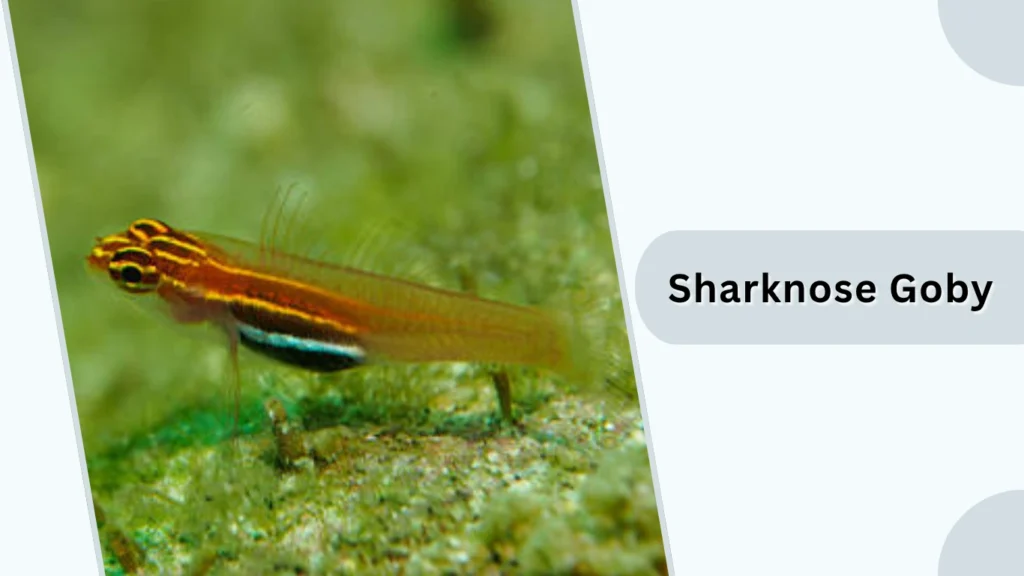
Sharknose Gobies are small cleaner fish recognized for their slender bodies and dark stripe running from the nose to the tail. These active reef fish are popular in marine aquariums because of their peaceful temperament and cleaning behavior. They often establish cleaning stations where larger fish allow them to remove parasites and dead tissue. Their energetic nature and useful role make them valuable additions to reef environments.
Identification
- Small slender body reaching about 2 inches long
- Black horizontal stripe running from nose to tail
- Bright yellow, white, or blue body coloration
- Pointed snout resembling a shark’s nose
- Transparent fins with delicate markings
- Large eyes and narrow head
- Fast and active swimming movements
Habitat
Sharknose Gobies are commonly found in Caribbean coral reefs and tropical Atlantic waters. They prefer rocky reef areas with crevices and coral formations that provide shelter and cleaning station locations.
Diet
Their diet includes parasites, plankton, small crustaceans, and tiny marine organisms. In aquariums, they eat frozen mysis shrimp, brine shrimp, marine pellets, and finely chopped seafood.
Behavior
These gobies are peaceful, social, and highly active. They are well known for cleaning larger fish by removing parasites and dead skin, which helps maintain healthier reef ecosystems.
Aquarium Care
Sharknose Gobies thrive in reef aquariums with stable water conditions and plenty of live rock. They should be housed with peaceful tank mates and provided with a varied protein-rich marine diet for long-term health.
17. Court Jester Goby
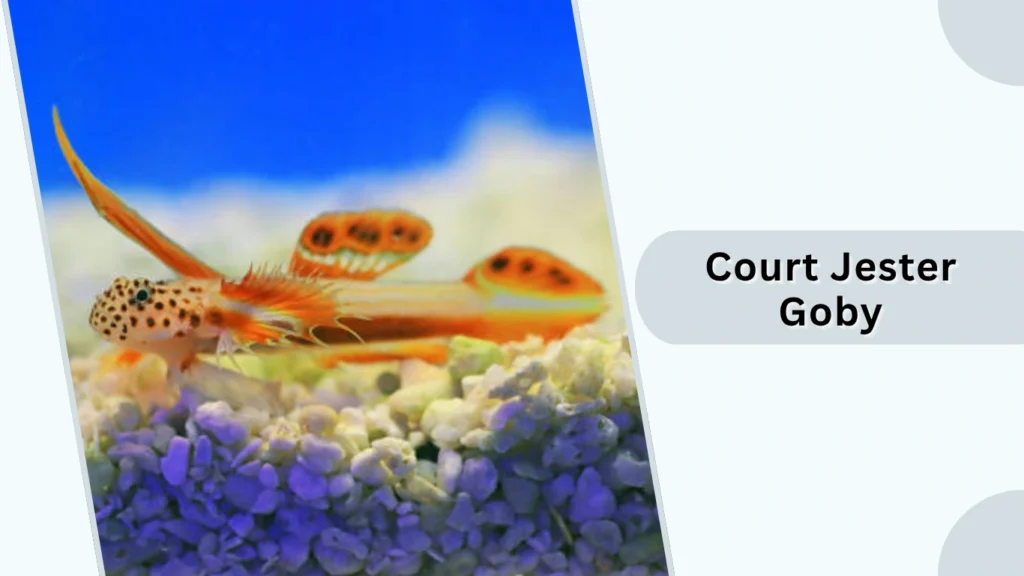
Court Jester Gobies are colorful reef fish admired for their playful appearance and constant grazing behavior. They are popular in marine aquariums because of their peaceful nature and ability to feed on algae and tiny organisms. These gobies spend most of their time moving across rocks and sand while searching for food. Their bright striped patterns and active personality make them attractive additions to reef tanks.
Identification
- Small slender body reaching around 2 to 3 inches long
- Green, orange, blue, and red striped coloration
- Elongated body with pointed snout
- Large eyes positioned high on the head
- Transparent or lightly colored fins
- Smooth body with fine scales
- Frequently seen grazing on rocks and substrate
Habitat
Court Jester Gobies naturally inhabit shallow coral reefs and lagoons in the Indo-Pacific region. They prefer sandy areas mixed with live rock and algae-covered surfaces for feeding and shelter.
Diet
Their diet mainly includes algae, copepods, detritus, and tiny invertebrates. In aquariums, they may eat frozen foods, marine pellets, and naturally growing algae within mature reef systems.
Behavior
These gobies are peaceful, active, and constantly searching for food during the day. They usually coexist well with other calm reef fish and rarely display aggressive behavior.
Aquarium Care
Court Jester Gobies thrive in mature reef aquariums with stable water conditions and natural algae growth. Tanks with live rock, sandy substrates, and peaceful tank mates provide the best environment for their long-term health.
18. Yasha Goby
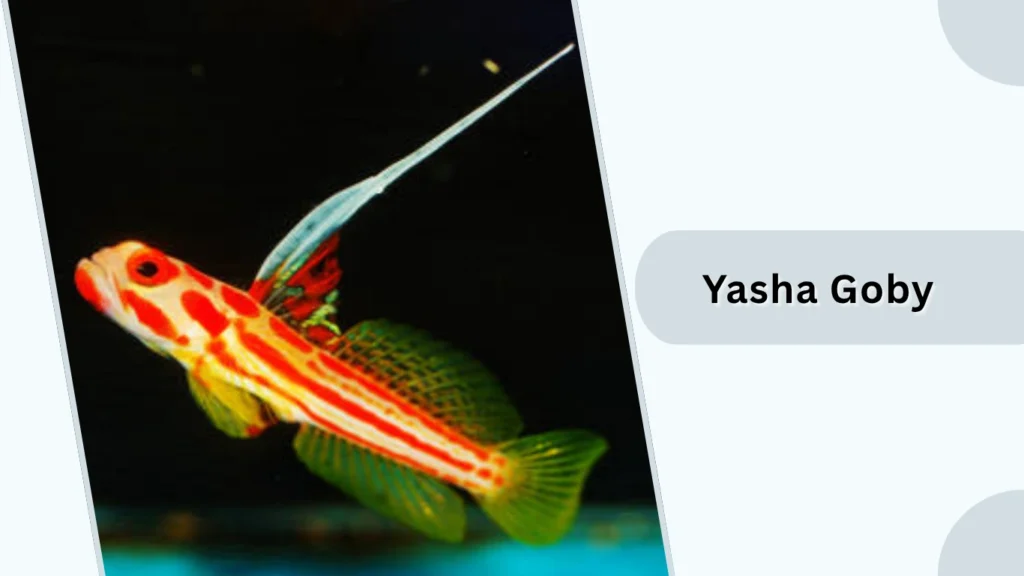
Yasha Gobies are small and beautifully colored marine fish known for their striking red stripes and tall dorsal fins. They are highly popular in reef aquariums because of their peaceful nature and fascinating partnership with pistol shrimp. These gobies are shy but visually impressive, often hovering near burrow entrances while remaining alert to danger. Their elegant appearance makes them prized additions to nano and reef aquariums.
Identification
- Small slender body reaching about 2 inches long
- White body with bright red or orange horizontal stripes
- Tall elongated dorsal fin with dark markings
- Large eyes and pointed snout
- Transparent fins with delicate coloration
- Smooth body with fine scales
- Often seen hovering near burrow openings
Habitat
Yasha Gobies naturally inhabit sandy reef bottoms and lagoon environments in the Indo-Pacific region. They prefer areas with soft substrates and rock crevices where burrows can be formed safely.
Diet
Their diet mainly includes tiny crustaceans, zooplankton, worms, and small marine invertebrates. In aquariums, they eat mysis shrimp, brine shrimp, finely chopped seafood, and quality marine pellets.
Behavior
These gobies are peaceful, shy, and territorial around their burrows. They commonly form symbiotic relationships with pistol shrimp, where the shrimp digs the burrow while the goby watches for predators.
Aquarium Care
Yasha Gobies thrive in peaceful reef aquariums with sandy substrates and stable water quality. Plenty of hiding places and secure rock structures help them feel safe. A covered aquarium is recommended because they may jump when startled.
19. Wheeler’s Goby
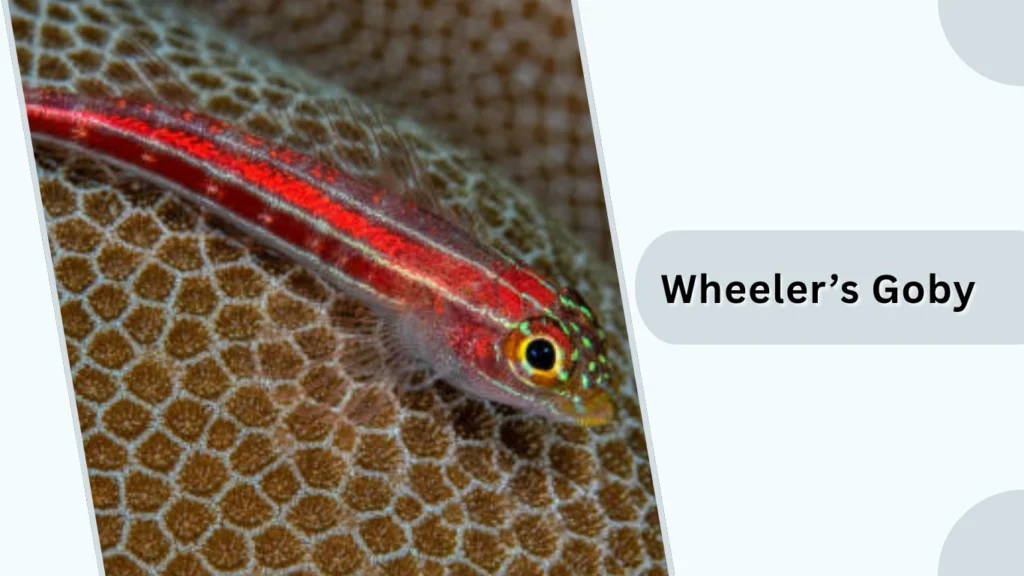
Wheeler’s Gobies are attractive reef fish known for their elegant white bodies marked with bright orange or red bands. They are popular in marine aquariums because of their peaceful temperament and interesting relationship with pistol shrimp. These gobies spend much of their time guarding burrow entrances while staying alert for danger. Their beautiful coloration and calm behavior make them highly desirable for reef aquarium enthusiasts.
Identification
- Small slender body reaching around 2 to 3 inches long
- White body with orange or red vertical bands
- Long dorsal fin with dark markings
- Large eyes and pointed snout
- Transparent fins with delicate coloration
- Smooth body with fine scales
- Frequently seen near burrow openings on sandy substrates
Habitat
Wheeler’s Gobies inhabit sandy reef bottoms and lagoon environments in the Indo-Pacific region. They prefer areas with loose sand and scattered rocks where burrows can be easily maintained.
Diet
Their diet mainly consists of tiny crustaceans, plankton, worms, and small marine invertebrates. In aquariums, they readily eat mysis shrimp, brine shrimp, marine pellets, and finely chopped seafood.
Behavior
These gobies are peaceful and territorial around their burrows. They often form symbiotic partnerships with pistol shrimp, where the shrimp digs and maintains the tunnel while the goby provides protection by watching for predators.
Aquarium Care
Wheeler’s Gobies thrive in reef aquariums with sandy substrates, stable water conditions, and secure rock structures. Peaceful tank mates and plenty of hiding areas help reduce stress and encourage natural behavior.
20. Blackray Shrimp Goby
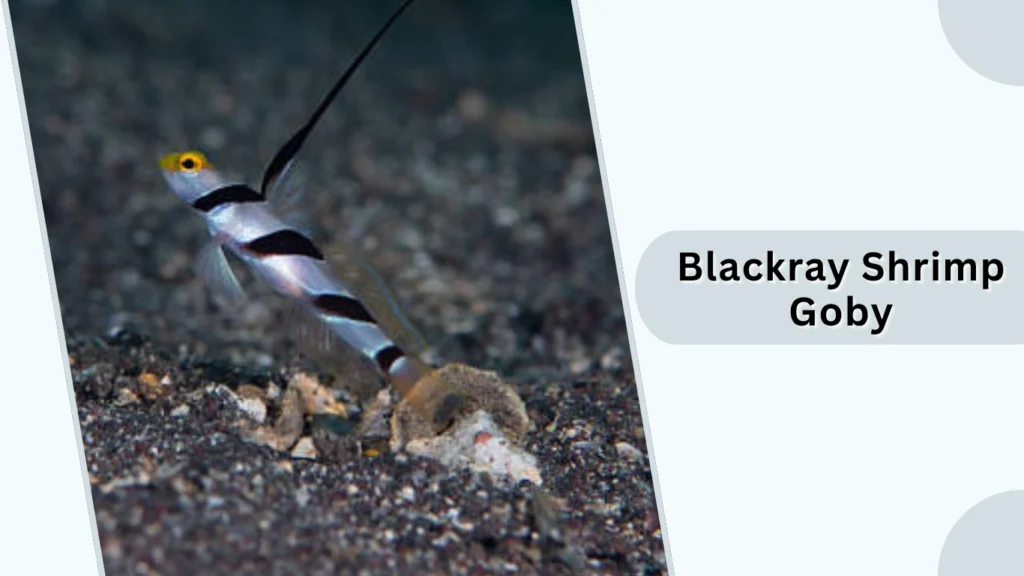
Blackray Shrimp Gobies are beautiful bottom-dwelling marine fish recognized for their pale bodies decorated with dark rays and spots. They are highly valued in reef aquariums because of their peaceful nature and unique partnership with pistol shrimp. These gobies spend most of their time near burrow entrances, carefully watching their surroundings. Their elegant appearance and interesting symbiotic behavior make them fascinating additions to marine aquariums.
Identification
- Small slender body reaching around 3 inches long
- Pale white or cream body coloration
- Dark black rays and spots across the fins and body
- Large eyes positioned high on the head
- Pointed snout with compact body shape
- Transparent fins with dark markings
- Commonly seen resting near burrow openings
Habitat
Blackray Shrimp Gobies naturally inhabit sandy reef bottoms and lagoon environments in the Indo-Pacific region. They prefer soft substrates with scattered rocks where burrows can be safely established.
Diet
Their diet includes tiny crustaceans, worms, plankton, and small marine invertebrates. In aquariums, they readily consume mysis shrimp, brine shrimp, marine pellets, and other protein-rich foods.
Behavior
These gobies are peaceful, shy, and territorial around their burrows. They often form symbiotic relationships with pistol shrimp, where the shrimp digs the tunnel while the goby keeps watch for predators.
Aquarium Care
Blackray Shrimp Gobies thrive in reef aquariums with sandy substrates, stable water quality, and secure hiding places. Peaceful tank mates and adequate feeding help maintain their health and encourage natural behavior.
21. Pinkbar Goby
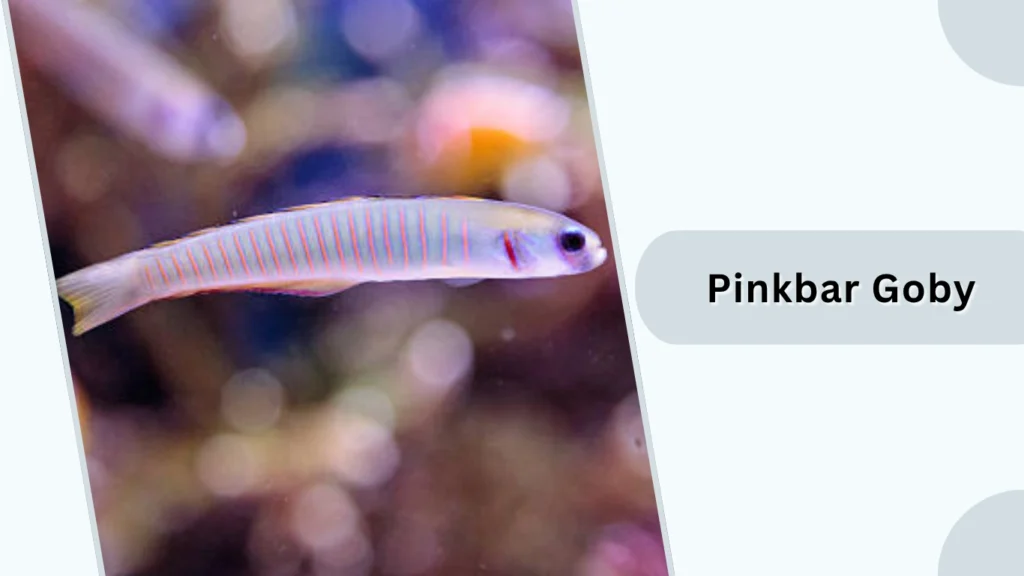
Pinkbar Gobies are colorful reef fish admired for their bright pink or reddish body bands and peaceful temperament. These small marine fish are popular in reef aquariums because of their attractive appearance and active bottom-dwelling behavior. They are often seen hovering near burrows or resting on sandy substrates while searching for tiny food particles. Their vivid coloration and calm nature make them appealing aquarium inhabitants.
Identification
- Small slender body reaching around 2 to 3 inches long
- White or pale body with bright pink or reddish bands
- Large eyes positioned high on the head
- Pointed snout with compact body shape
- Transparent fins with light markings
- Smooth body covered with fine scales
- Frequently rests near sandy burrow entrances
Habitat
Pinkbar Gobies naturally inhabit sandy reef bottoms and lagoon environments in tropical Indo-Pacific waters. They prefer calm areas with soft substrates and scattered rock formations for shelter and burrow protection.
Diet
Their diet mainly includes tiny crustaceans, worms, zooplankton, and small marine invertebrates. In aquariums, they eat mysis shrimp, brine shrimp, finely chopped seafood, and marine pellets.
Behavior
These gobies are peaceful and shy fish that spend much of their time near burrows. They may form symbiotic relationships with pistol shrimp and usually coexist well with other non-aggressive reef species.
Aquarium Care
Pinkbar Gobies thrive in reef aquariums with sandy substrates, stable water conditions, and secure hiding places. Peaceful tank mates and regular feeding help support their health and encourage natural behavior.
22. Blueband Goby
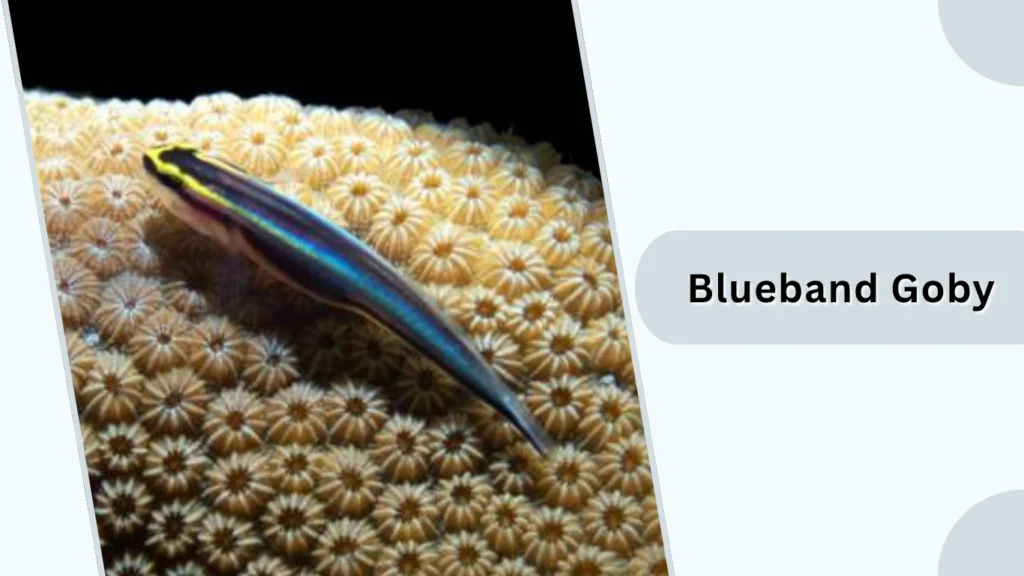
Blueband Gobies are small and colorful marine fish known for their bright blue stripes and active reef behavior. These peaceful gobies are popular in reef aquariums because of their attractive appearance and compatibility with other calm fish species. They spend much of their time swimming near rocks and coral structures while searching for tiny food particles. Their vivid coloration and energetic nature make them eye-catching aquarium additions.
Identification
- Small slender body reaching about 2 inches long
- Bright blue horizontal bands across the body
- Pale white or yellowish base coloration
- Large eyes with pointed snout
- Transparent fins with delicate markings
- Smooth body with fine scales
- Active swimming and hovering behavior
Habitat
Blueband Gobies inhabit tropical coral reefs and lagoon environments in the Indo-Pacific region. They prefer rocky reef areas with plenty of coral crevices that provide shelter and feeding opportunities.
Diet
Their diet mainly includes zooplankton, tiny crustaceans, worms, and small marine organisms. In aquariums, they readily eat mysis shrimp, brine shrimp, marine pellets, and finely chopped seafood.
Behavior
These gobies are peaceful, active, and social fish that spend much of their time exploring reef structures. They generally coexist well with other non-aggressive tank mates and rarely display territorial aggression.
Aquarium Care
Blueband Gobies thrive in reef aquariums with stable water conditions and abundant live rock for shelter. Peaceful tank mates, proper filtration, and regular feeding help maintain their health and vibrant coloration.
23. Greenband Goby
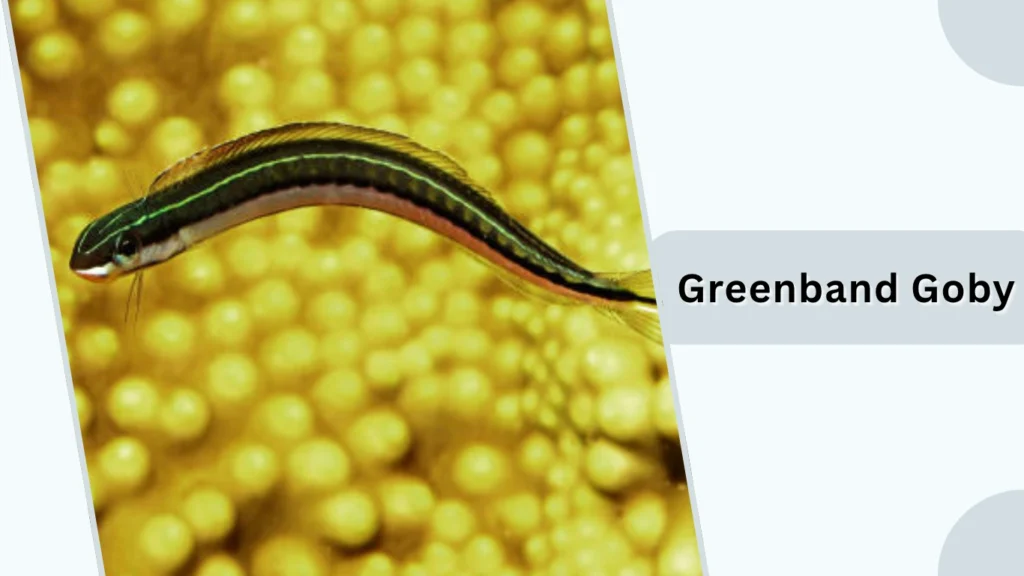
Greenband Gobies are tiny reef fish admired for their bright green stripes and energetic personality. These colorful marine fish are popular in reef aquariums because of their peaceful nature and ability to adapt to smaller tanks. They are often seen perching on rocks, coral branches, or aquarium surfaces while searching for tiny food particles. Their vivid markings and active behavior make them attractive additions to nano reef systems.
Identification
- Very small body reaching around 1 to 2 inches long
- Bright green horizontal bands along the body
- Pale yellow, gold, or cream base coloration
- Large eyes with rounded head shape
- Transparent fins with delicate markings
- Smooth compact body structure
- Frequently perches on rocks and coral surfaces
Habitat
Greenband Gobies naturally inhabit shallow coral reefs and rocky coastal waters in the Caribbean region. They prefer areas with coral formations, reef crevices, and sheltered rocky environments.
Diet
Their diet mainly includes tiny crustaceans, plankton, copepods, and small marine organisms. In aquariums, they eat mysis shrimp, brine shrimp, finely crushed marine pellets, and frozen foods.
Behavior
These gobies are peaceful, active, and curious fish that spend much of their time exploring surfaces and reef structures. They usually coexist well with other calm tank mates and rarely show aggressive behavior.
Aquarium Care
Greenband Gobies thrive in nano and reef aquariums with stable water quality and plenty of rockwork for hiding spaces. Peaceful tank mates, regular feeding, and secure aquarium conditions help support their long-term health.
24. Catalina Goby
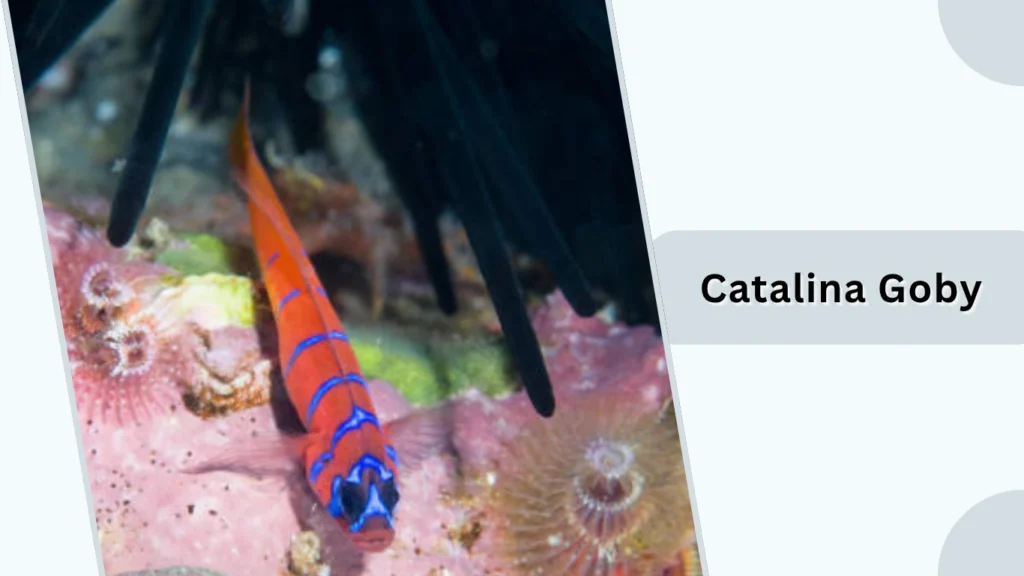
Catalina Gobies are brilliantly colored marine fish recognized for their vivid red bodies and electric blue markings. They are highly admired by aquarium hobbyists because of their striking appearance and peaceful nature. Unlike many tropical gobies, these fish naturally prefer cooler water temperatures. Their unique coloration, active swimming behavior, and reef-safe temperament make them fascinating additions to specialized marine aquariums.
Identification
- Small slender body reaching around 2 inches long
- Bright red or orange body coloration
- Electric blue stripes and facial markings
- Large eyes with pointed snout
- Transparent fins with colorful edges
- Smooth body with fine scales
- Active swimming and hovering movements
Habitat
Catalina Gobies are naturally found along the Pacific coast of California and nearby regions. They inhabit rocky reefs, kelp forests, and cooler coastal waters with plenty of crevices for shelter.
Diet
Their diet mainly includes plankton, tiny crustaceans, and small marine invertebrates. In aquariums, they readily eat mysis shrimp, brine shrimp, frozen marine foods, and finely chopped seafood.
Behavior
These gobies are peaceful, active, and social fish that spend much of their time swimming near rocks and reef structures. They generally coexist well with other calm species and rarely display aggressive behavior.
Aquarium Care
Catalina Gobies require cooler marine aquariums with stable water quality and plenty of rockwork for shelter. Because they are not true tropical fish, maintaining lower water temperatures is essential for their long-term health and survival.
25. Redhead Goby
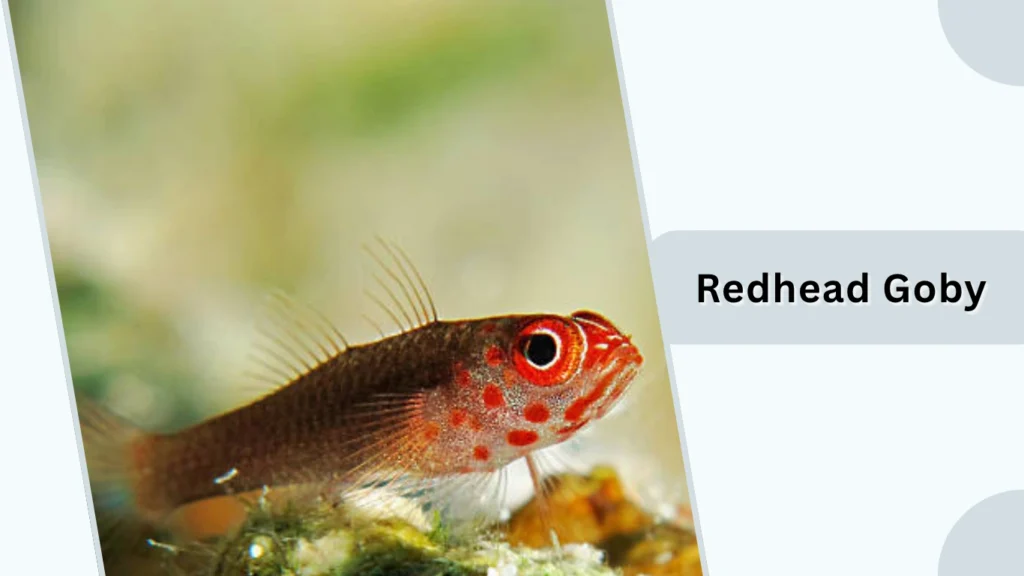
Redhead Gobies are small reef fish known for their bright red heads and lively personalities. These colorful marine fish are popular in reef aquariums because of their peaceful temperament and attractive appearance. They are often seen swimming around coral branches and rocky crevices while searching for food. Their compact size, vibrant coloration, and active behavior make them excellent additions to nano and reef aquarium setups.
Identification
- Small slender body reaching about 2 inches long
- Bright red or orange coloration on the head
- Pale white, yellow, or silver body coloration
- Large eyes with pointed snout
- Transparent fins with delicate markings
- Smooth body covered with fine scales
- Active swimming and hovering behavior
Habitat
Redhead Gobies naturally inhabit shallow coral reefs and rocky marine environments in tropical Atlantic waters. They prefer reef structures with small crevices and coral formations that provide shelter and feeding areas.
Diet
Their diet mainly includes plankton, tiny crustaceans, copepods, and small marine organisms. In aquariums, they eat mysis shrimp, brine shrimp, frozen foods, and finely crushed marine pellets.
Behavior
These gobies are peaceful, energetic, and social fish that spend much of their time exploring reef structures. They generally coexist well with other calm tank mates and rarely show aggressive behavior.
Aquarium Care
Redhead Gobies thrive in reef aquariums with stable water quality, live rock, and plenty of hiding places. Peaceful tank mates, regular feeding, and proper filtration help maintain their health and vibrant coloration.
FAQs
Are goby fish good for beginner aquariums?
Many goby fish are excellent for beginners because they are peaceful, hardy, and adaptable to aquarium life. Species like Watchman Gobies and Clown Gobies are especially popular among new aquarium owners due to their calm behavior and relatively simple care requirements.
What do goby fish eat?
Goby fish usually eat small crustaceans, plankton, worms, algae, and tiny marine organisms. In aquariums, they commonly accept frozen foods, brine shrimp, mysis shrimp, pellets, and other prepared marine fish foods depending on the species.
Can goby fish live with other fish?
Most goby fish are peaceful and can live with other non-aggressive fish species. However, some gobies may become territorial toward similar gobies, especially in smaller aquariums with limited space and hiding areas.
Do goby fish need sand in the aquarium?
Many goby species prefer sandy substrates because they naturally dig burrows or sift sand while searching for food. A soft sandy bottom helps support their natural behavior and provides a more comfortable environment.
How long do goby fish live?
The lifespan of goby fish depends on the species and aquarium conditions. Most gobies can live between 3 to 10 years when provided with proper water quality, balanced nutrition, and a stress-free environment.