
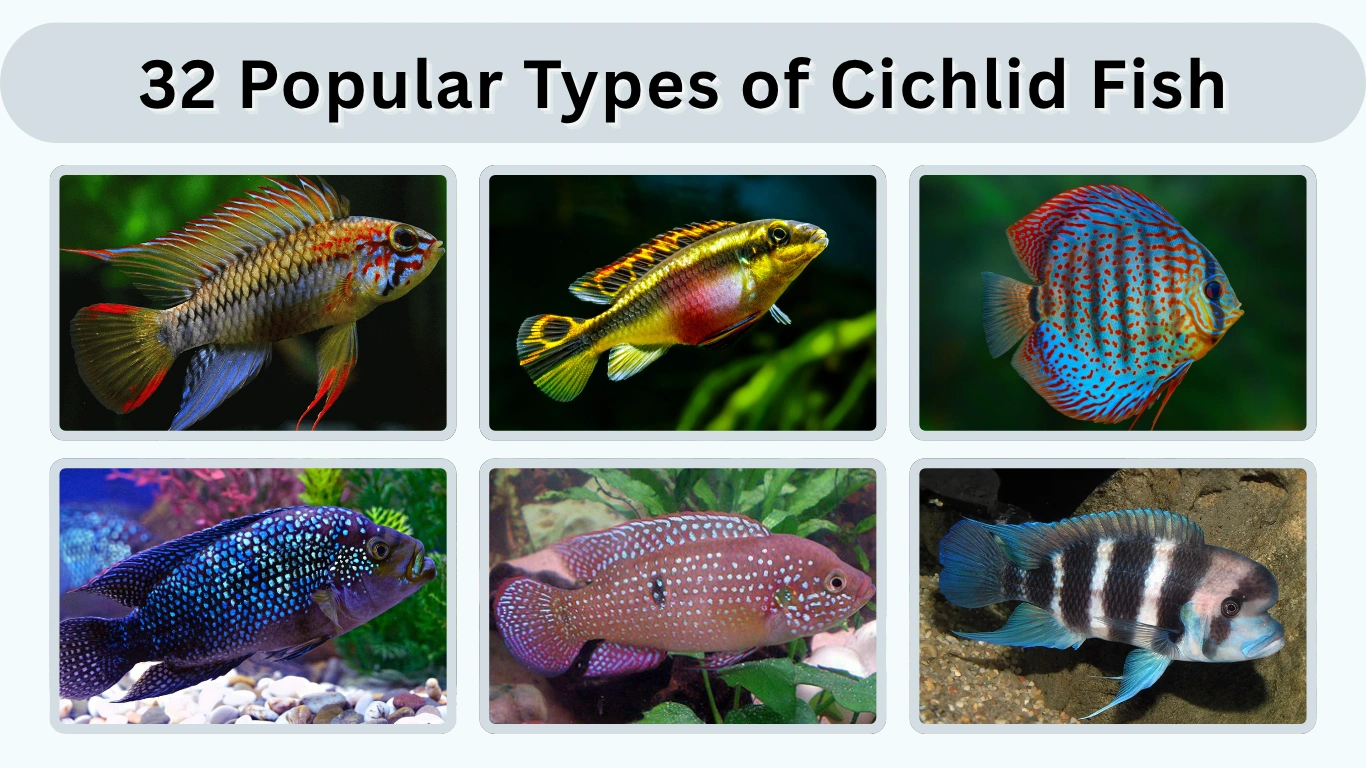
Cichlid fish are among the most popular freshwater aquarium species because of their vibrant colors, unique patterns, and fascinating personalities. Found mainly in Africa, Central America, and South America, cichlids come in a wide variety of sizes and temperaments. Some species are peaceful and ideal for community aquariums, while others are highly territorial and require special care. From the elegant Angelfish to the powerful Midas Cichlid, each species offers something unique for aquarium enthusiasts. Understanding their appearance, behavior, habitat, and feeding needs helps fish keepers create a healthy and suitable environment for these beautiful freshwater fish.
1. Angelfish
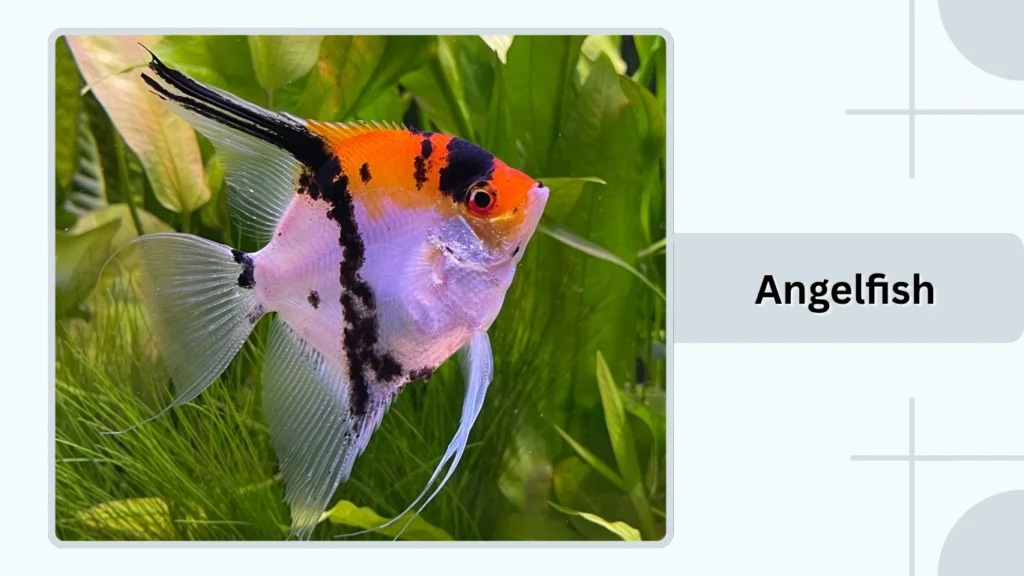
Angelfish are one of the most popular freshwater cichlids known for their graceful fins, triangular body shape, and calm swimming behavior. They are native to the Amazon River Basin and are commonly kept in home aquariums because of their elegant appearance and wide variety of colors.
Identification
- Tall, triangular-shaped body
- Long flowing dorsal and anal fins
- Thin vertical black stripes on the body
- Available in silver, black, gold, marble, and koi color varieties
- Usually grows up to 6 inches long and 8 inches tall
Natural Habitat
Angelfish naturally live in slow-moving rivers, flooded forests, and warm freshwater environments in South America. They prefer areas with dense vegetation and submerged roots where they can hide from predators and search for food comfortably.
Behavior and Temperament
Angelfish are generally peaceful but can become territorial during breeding. They are compatible with many community fish when kept in a properly sized aquarium. However, they may chase smaller fish or become aggressive if overcrowded.
Diet and Feeding
Angelfish are omnivores and enjoy a balanced diet of flakes, pellets, frozen foods, and live foods. They commonly eat brine shrimp, bloodworms, and small insects in captivity. Providing protein-rich food helps maintain their color and overall health.
2. Discus
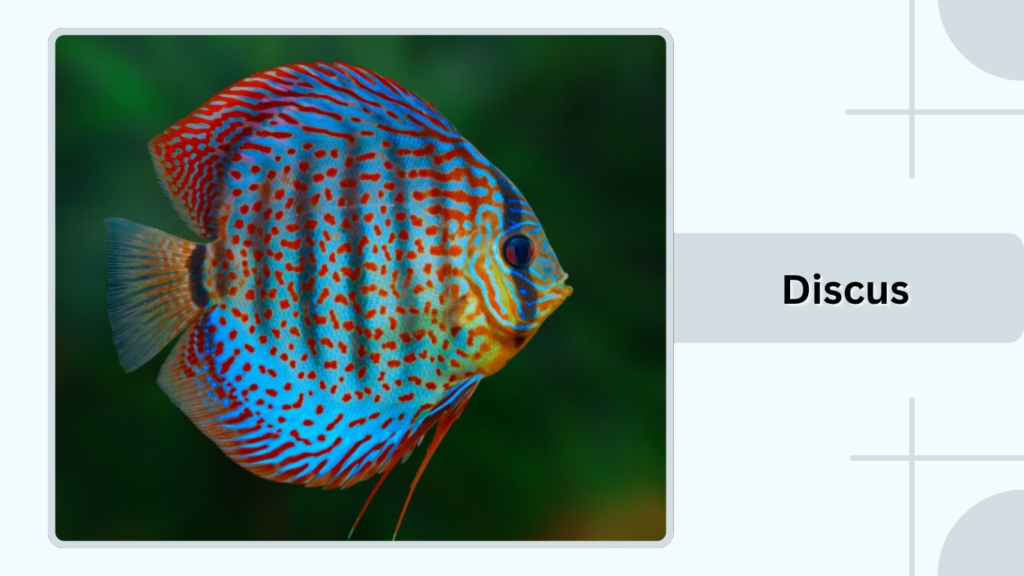
Discus fish are famous for their round body shape, bright colors, and peaceful nature. They are often called the “king of the aquarium” because of their stunning appearance and elegant swimming style. These freshwater cichlids originate from the Amazon River Basin.
Identification
- Round and flat disc-shaped body
- Bright blue, red, yellow, green, or turquoise coloration
- Large eyes with thin fins
- Distinctive patterns such as stripes, spots, or waves
- Can grow up to 8 inches in size
Natural Habitat
Discus fish are naturally found in warm, slow-moving waters with dense vegetation and submerged wood. They thrive in soft, slightly acidic water conditions and prefer calm environments with plenty of hiding spaces.
Behavior and Temperament
Discus are peaceful and social fish that prefer living in groups. They are shy by nature and can become stressed in noisy or overcrowded aquariums. Keeping them with calm tank mates helps maintain their health and comfort.
Diet and Feeding
Discus fish require a nutritious and varied diet to maintain their vibrant colors and healthy growth. They commonly eat high-quality pellets, frozen bloodworms, brine shrimp, and beef heart mixtures in captivity. Regular feeding with protein-rich food supports strong development.
3. Oscar
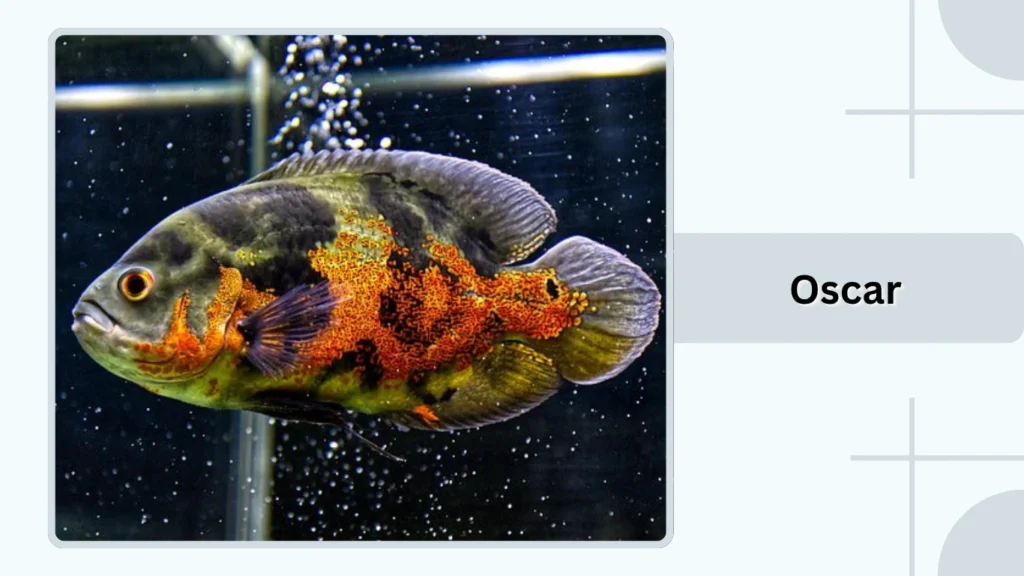
Oscar fish are large and intelligent cichlids known for their bold personality and strong interaction with owners. They are popular among aquarium enthusiasts because of their colorful patterns, active behavior, and ability to recognize people outside the tank.
Identification
- Oval-shaped body with large fins
- Common colors include black, orange, red, and albino varieties
- Distinctive orange or red patterns along the body
- Large mouth and strong jaw structure
- Can grow up to 12 to 14 inches long
Natural Habitat
Oscar fish are native to the Amazon River Basin in South America. They inhabit slow-moving rivers, floodplains, and areas with submerged branches and vegetation. Warm water with stable conditions is important for their survival.
Behavior and Temperament
Oscars are intelligent but territorial fish. They may become aggressive toward smaller tank mates, especially during feeding or breeding. Despite their aggressive side, they often interact with owners and can display curious and playful behavior.
Diet and Feeding
Oscar fish are omnivores that require a protein-rich diet for healthy growth. They commonly eat pellets, insects, worms, shrimp, and small fish. Feeding a balanced diet with quality foods helps maintain their color, energy, and overall health.
4. Firemouth
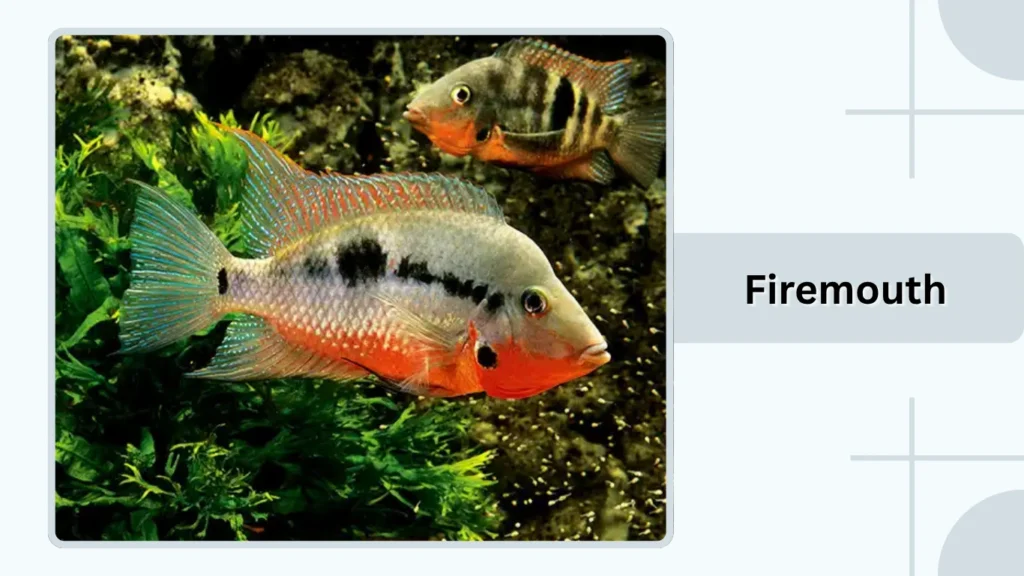
Firemouth cichlids are attractive freshwater fish recognized for their bright red throat and peaceful personality. They are popular in community aquariums because of their manageable size, colorful appearance, and interesting defensive displays.
Identification
- Gray to bluish body with a bright red throat and chest
- Black markings along the sides of the body
- Long dorsal fin with pointed edges
- Displays flared gills when threatened
- Usually grows up to 6 inches long
Natural Habitat
Firemouth cichlids are native to Central America, especially in rivers and lagoons with slow-moving water. They prefer sandy bottoms, warm temperatures, and areas with rocks, roots, and vegetation for shelter.
Behavior and Temperament
Firemouth cichlids are generally peaceful but may become territorial during breeding. They are less aggressive than many other cichlid species and can live with similarly sized community fish in a spacious aquarium.
Diet and Feeding
Firemouth cichlids are omnivores and accept a wide variety of foods. They commonly eat pellets, flakes, insects, worms, and frozen foods. A balanced diet helps enhance their bright coloration and supports healthy growth.
5. Jack Dempsey
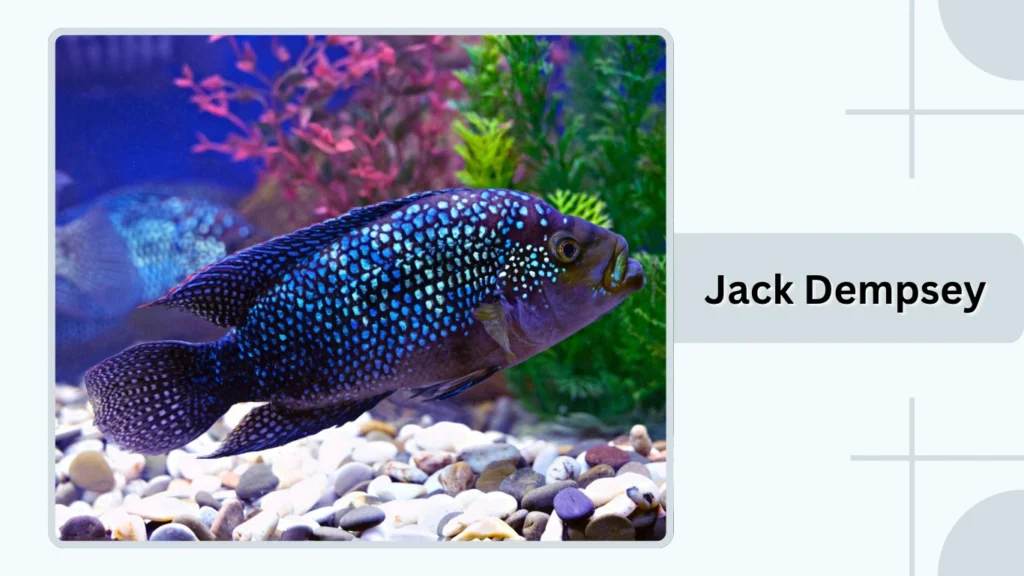
Jack Dempsey cichlids are powerful freshwater fish known for their striking colors and aggressive nature. They are named after the famous boxer Jack Dempsey because of their bold and combative behavior. Their shimmering scales make them highly attractive in large aquariums.
Identification
- Dark gray or black body with blue and green iridescent spots
- Strong, muscular body shape
- Large fins with sparkling coloration
- Thick lips and prominent eyes
- Can grow up to 10 inches long
Natural Habitat
Jack Dempsey cichlids are native to Central America and are commonly found in slow-moving rivers, canals, and swampy waters. They prefer warm freshwater environments with rocks, driftwood, and hiding spaces.
Behavior and Temperament
Jack Dempsey fish are territorial and can be aggressive toward other fish, especially in smaller tanks. They are best kept with similarly sized and semi-aggressive tank mates. Despite their aggression, they are intelligent and active aquarium fish.
Diet and Feeding
Jack Dempsey cichlids are omnivores that require a varied diet for proper health. They commonly eat pellets, insects, worms, small crustaceans, and frozen foods. Protein-rich meals help support their growth and maintain their vibrant coloration.
6. Convict Cichlid
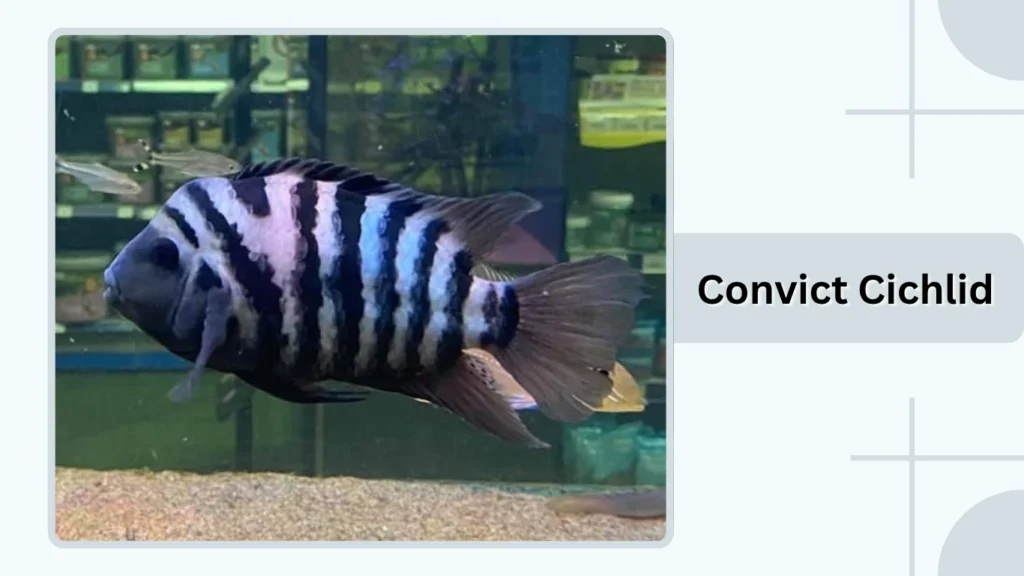
Convict cichlids are hardy freshwater fish known for their black vertical stripes and strong parental instincts. They are one of the easiest cichlids to care for, making them a popular choice for beginner aquarium keepers.
Identification
- Light gray or silver body with bold black vertical stripes
- Compact and oval-shaped body
- Females often display orange coloration on the belly
- Pointed dorsal and anal fins
- Usually grows up to 4 to 6 inches long
Natural Habitat
Convict cichlids originate from Central America and are commonly found in rivers, streams, and rocky freshwater habitats. They prefer warm waters with caves, rocks, and driftwood for hiding and breeding.
Behavior and Temperament
Convict cichlids are highly territorial, especially during breeding periods. They are active and protective parents that defend their eggs and fry aggressively. Because of their behavior, they should be kept with sturdy and similarly sized fish.
Diet and Feeding
Convict cichlids are omnivores and can eat a wide range of foods. Their diet commonly includes pellets, flakes, worms, insects, and vegetable-based foods. Providing a balanced diet supports healthy growth and strong coloration.
7. Green Terror
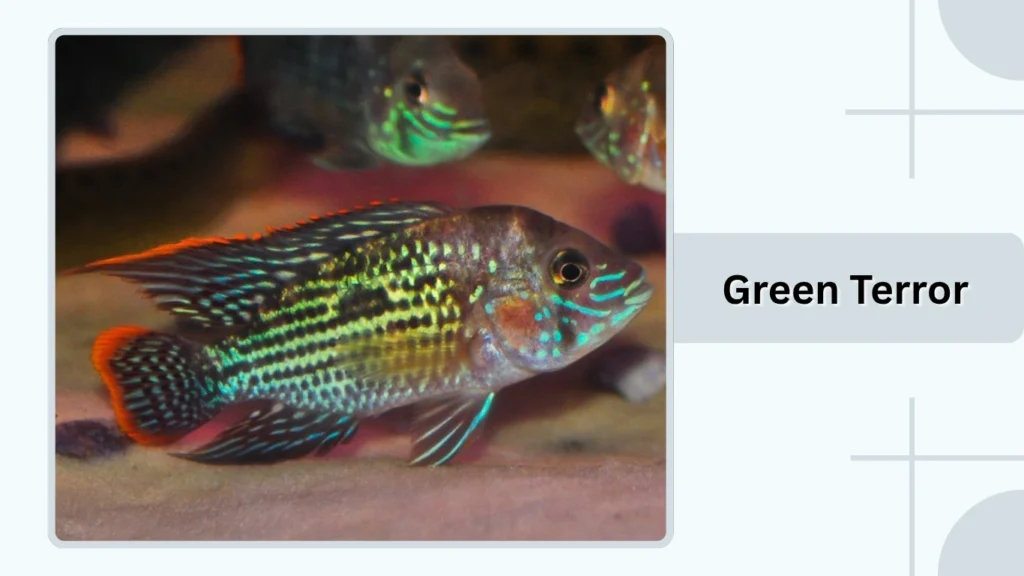
Green Terror cichlids are colorful freshwater fish admired for their metallic green and blue shades. Despite their attractive appearance, they are known for their aggressive and territorial behavior, especially as they mature.
Identification
- Metallic green and blue body coloration
- Orange or red edging on the fins
- Strong and elongated body shape
- Large head with thick lips
- Can grow up to 12 inches long
Natural Habitat
Green Terror cichlids are native to rivers and freshwater systems in South America, particularly in Ecuador and Peru. They prefer warm waters with rocky areas, driftwood, and moderate water movement.
Behavior and Temperament
Green Terror cichlids are territorial and may become aggressive toward smaller or weaker fish. They are best kept with large and semi-aggressive tank mates in spacious aquariums with plenty of hiding spots.
Diet and Feeding
Green Terror cichlids are omnivores that enjoy a varied diet. They commonly eat pellets, insects, worms, crustaceans, and frozen foods. High-quality protein-based foods help maintain their vibrant coloration and healthy growth.
8. Electric Blue Acara
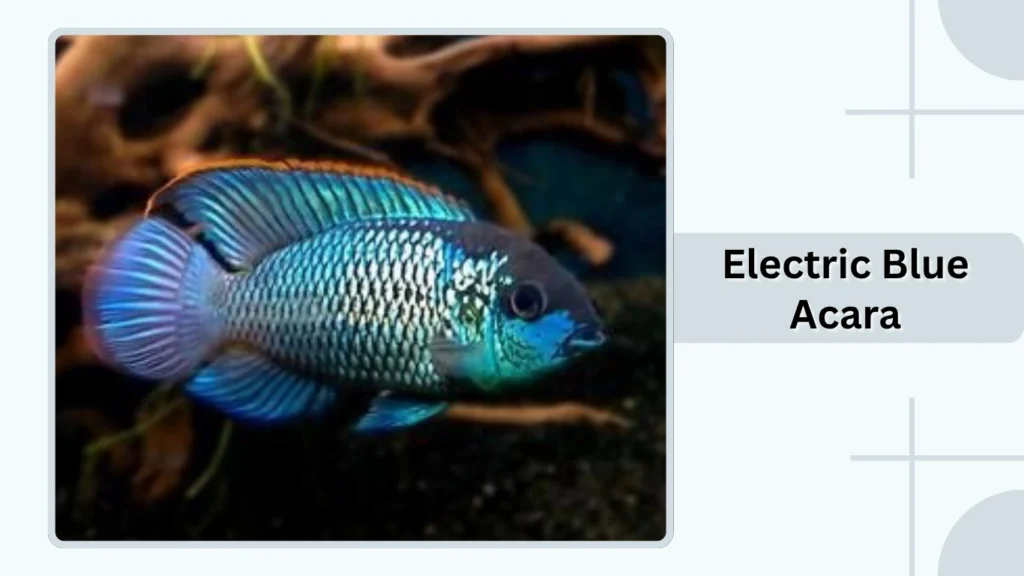
Electric Blue Acara cichlids are peaceful freshwater fish admired for their brilliant metallic blue coloration and calm nature. They are popular among aquarium hobbyists because of their beauty, manageable size, and compatibility with many community fish.
Identification
- Bright metallic blue body coloration
- Oval-shaped body with flowing fins
- Shimmering scales that reflect light
- Dark markings near the gills and tail area
- Usually grows up to 6 to 7 inches long
Natural Habitat
Electric Blue Acara cichlids originate from slow-moving rivers and freshwater systems in South America. They prefer warm water environments with sandy substrates, plants, rocks, and driftwood for shelter and comfort.
Behavior and Temperament
Electric Blue Acaras are generally peaceful and suitable for community aquariums. They may become mildly territorial during breeding but are far less aggressive than many other cichlid species. Their calm behavior makes them easy to keep with similarly sized fish.
Diet and Feeding
Electric Blue Acaras are omnivores and thrive on a varied diet. They commonly eat pellets, flakes, frozen foods, insects, and small crustaceans. A balanced and protein-rich diet helps maintain their vivid blue coloration and overall health.
9. German Blue Ram
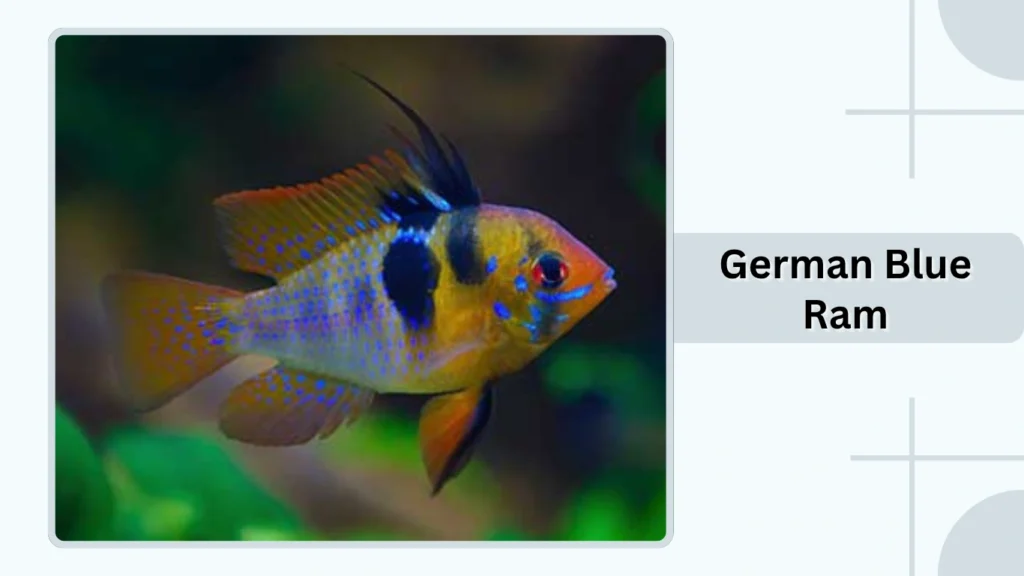
German Blue Ram cichlids are small and colorful freshwater fish known for their peaceful behavior and vibrant appearance. They are highly valued in planted aquariums because of their bright blue markings and elegant swimming style.
Identification
- Small oval-shaped body with bright blue and yellow coloration
- Red eyes with black markings on the face and sides
- Iridescent blue spots across the body and fins
- Long flowing dorsal fin
- Usually grows up to 2 to 3 inches long
Natural Habitat
German Blue Ram cichlids are native to the warm and slow-moving waters of South America. They prefer soft, slightly acidic water with sandy bottoms, plants, and shaded hiding areas.
Behavior and Temperament
German Blue Rams are peaceful and social fish that do well in community aquariums. They may become slightly territorial during breeding but are generally calm and compatible with other non-aggressive fish species.
Diet and Feeding
German Blue Ram cichlids are omnivores and require a balanced diet for healthy coloration and growth. They commonly eat micro pellets, flakes, frozen bloodworms, brine shrimp, and other small protein-rich foods. Proper nutrition helps maintain their bright colors and active behavior.
10. Bolivian Ram
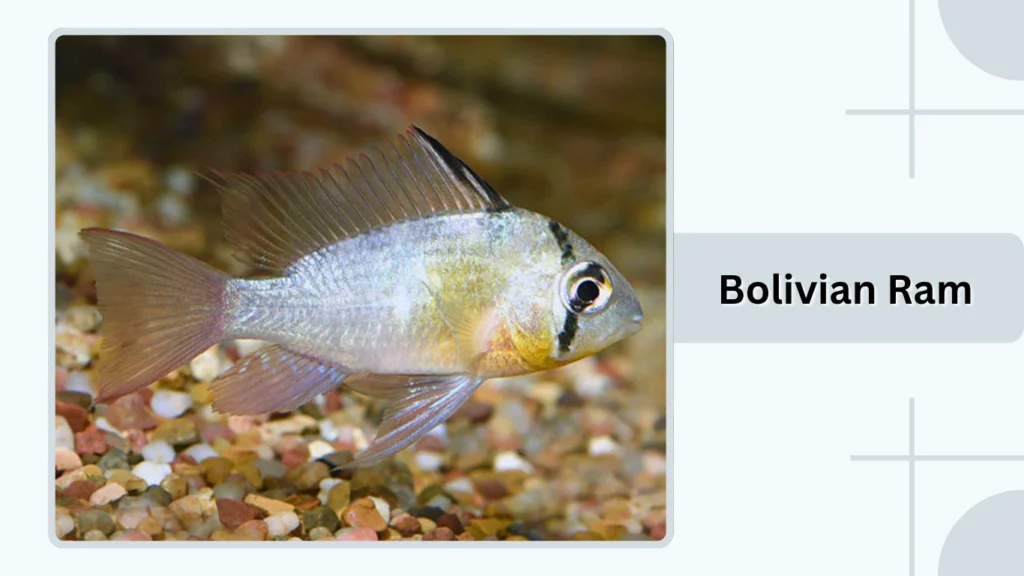
Bolivian Ram cichlids are peaceful freshwater fish appreciated for their calm temperament and attractive coloration. They are easier to care for than many ram species, making them a good choice for beginner and intermediate aquarium keepers.
Identification
- Oval-shaped body with yellow, silver, and brown coloration
- Black spot located near the center of the body
- Red or orange highlights on the fins
- Pointed dorsal and tail fins
- Usually grows up to 3 inches long
Natural Habitat
Bolivian Ram cichlids are native to slow-moving rivers and floodplains in Bolivia and Brazil. They prefer warm freshwater environments with sandy bottoms, plants, rocks, and driftwood for hiding and exploration.
Behavior and Temperament
Bolivian Rams are peaceful and social fish that adapt well to community aquariums. They are less aggressive than many cichlid species and typically coexist comfortably with small and non-aggressive tank mates.
Diet and Feeding
Bolivian Ram cichlids are omnivores that enjoy a varied diet. They commonly eat pellets, flakes, frozen foods, bloodworms, and small crustaceans. A balanced diet helps maintain their coloration, energy, and overall health.
11. Jewel Cichlid
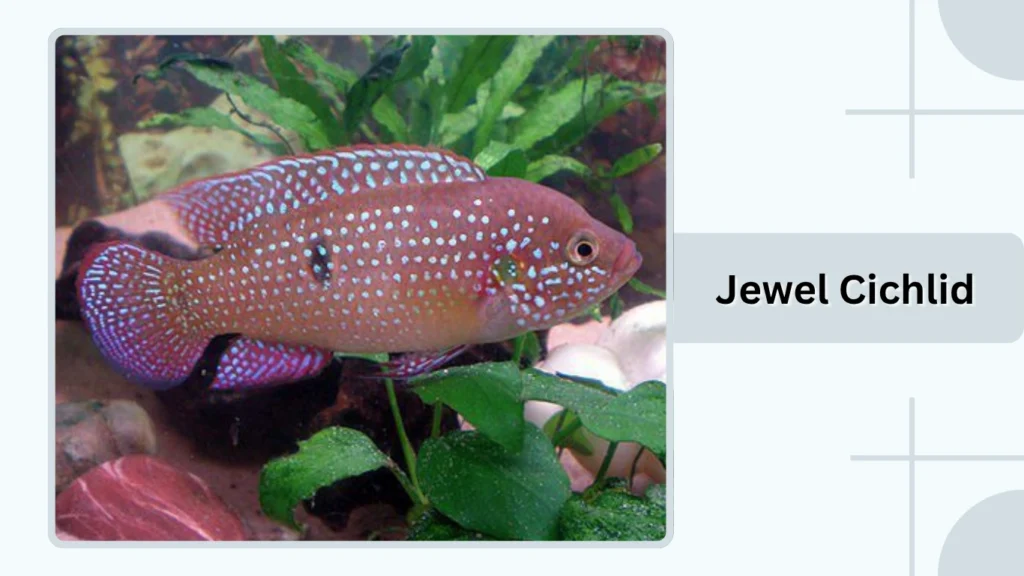
Jewel cichlids are brightly colored freshwater fish famous for their sparkling appearance and strong territorial behavior. Their vivid red body and shimmering blue spots make them one of the most eye-catching cichlid species in home aquariums.
Identification
- Bright red or orange body coloration
- Iridescent blue or green spots across the body and fins
- Compact and oval-shaped body
- Dark spot visible near the center of the body
- Usually grows up to 6 inches long
Natural Habitat
Jewel cichlids are native to rivers, streams, and freshwater lakes in Africa. They prefer warm waters with rocky shelters, vegetation, and sandy substrates where they can establish territories and breeding areas.
Behavior and Temperament
Jewel cichlids are highly territorial and can become aggressive, especially during breeding. They are active fish that defend their space strongly, so they are best kept with similarly sized and semi-aggressive tank mates.
Diet and Feeding
Jewel cichlids are omnivores and thrive on a varied diet. They commonly eat pellets, flakes, insects, worms, and frozen foods. Protein-rich meals help support healthy growth and enhance their vibrant coloration.
12. Peacock Cichlid
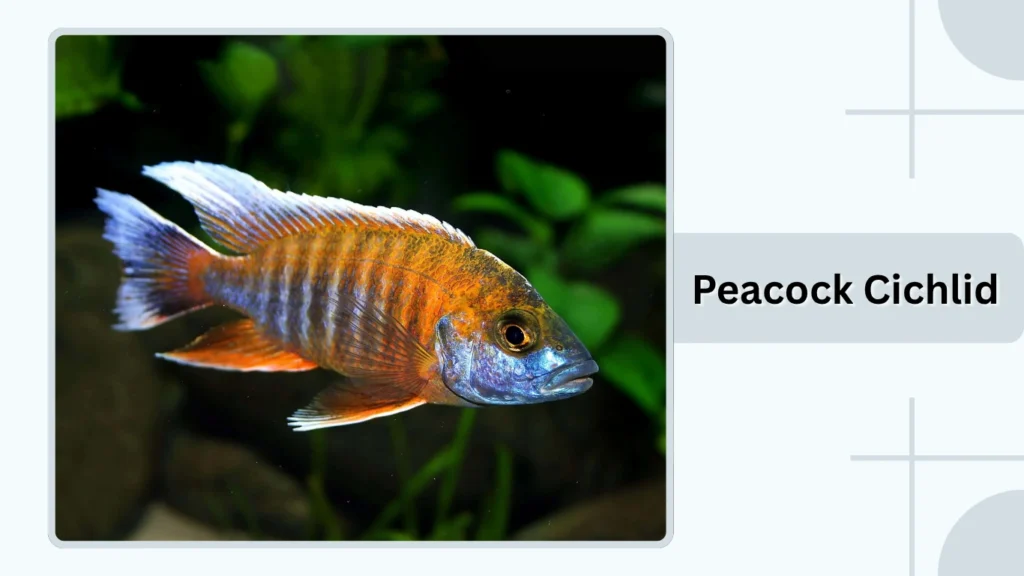
Peacock cichlids are colorful African freshwater fish known for their bright patterns and active swimming behavior. They are highly popular among aquarium enthusiasts because of their stunning colors and relatively peaceful temperament compared to many other African cichlids.
Identification
- Bright blue, yellow, orange, or red body coloration
- Sleek and elongated body shape
- Metallic shine across the scales
- Males display more vivid colors than females
- Usually grows up to 4 to 6 inches long
Natural Habitat
Peacock cichlids are native to Lake Malawi in Africa. They inhabit sandy and rocky areas where they search for small organisms in the substrate. Warm, clean water with stable conditions is essential for their health.
Behavior and Temperament
Peacock cichlids are active and moderately peaceful fish. Males can become territorial during breeding, but they are generally less aggressive than many African cichlid species. They do best in spacious aquariums with plenty of swimming space and hiding spots.
Diet and Feeding
Peacock cichlids are omnivores and require a balanced diet to maintain their bright coloration. They commonly eat cichlid pellets, flakes, frozen foods, and small invertebrates. High-quality foods rich in nutrients help support healthy growth and vibrant colors.
13. Frontosa
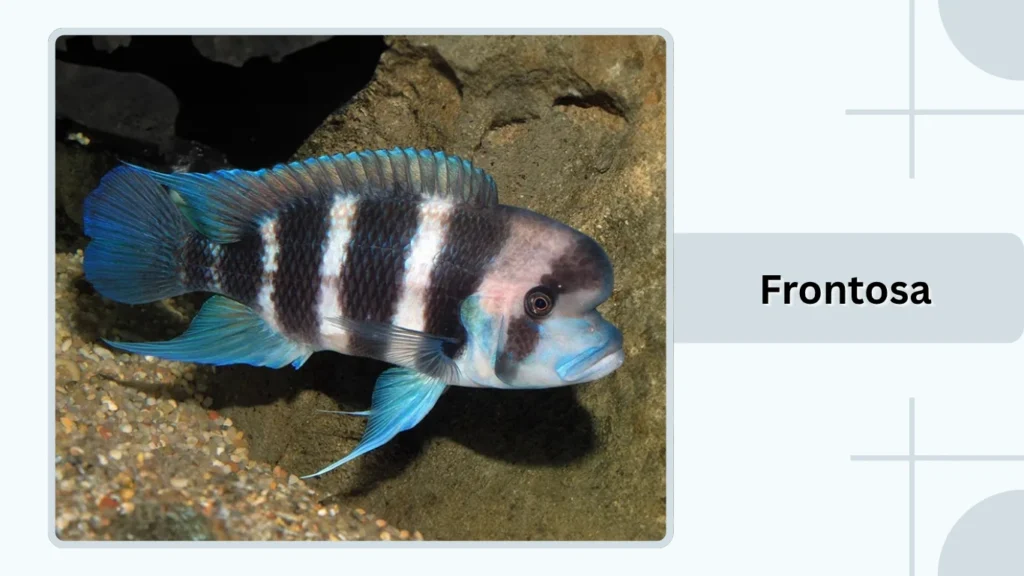
Frontosa cichlids are large and majestic African cichlids admired for their calm behavior and distinctive head hump. They are popular in large aquariums because of their striking black stripes and graceful swimming style.
Identification
- White or bluish body with bold black vertical stripes
- Large hump on the forehead, especially in mature males
- Long flowing fins with a thick body structure
- Large mouth and broad head shape
- Can grow up to 12 inches long
Natural Habitat
Frontosa cichlids are native to the deep waters of Lake Tanganyika in Africa. They prefer rocky environments with caves and crevices where they can hide and rest during the day.
Behavior and Temperament
Frontosa cichlids are generally peaceful but can eat smaller fish due to their large size. They are slow-moving and do best with similarly sized tank mates in spacious aquariums with stable water conditions.
Diet and Feeding
Frontosa cichlids are carnivorous and require a protein-rich diet. They commonly eat pellets, shrimp, krill, worms, and other meaty foods. Providing high-quality nutrition helps maintain their health, growth, and coloration.
14. Yellow Lab Cichlid
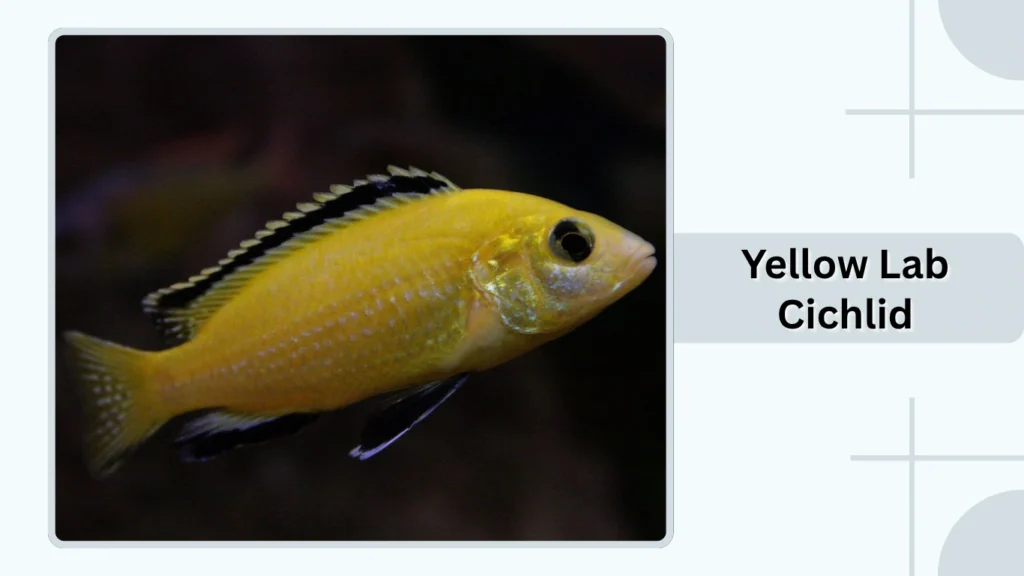
Yellow Lab cichlids are bright and peaceful African cichlids known for their vibrant yellow coloration and active nature. They are one of the most beginner-friendly cichlid species and are commonly kept in Lake Malawi community aquariums.
Identification
- Bright yellow body coloration
- Black edging on the dorsal and anal fins
- Streamlined and elongated body shape
- Small mouth with dark eyes
- Usually grows up to 4 to 5 inches long
Natural Habitat
Yellow Lab cichlids are native to the rocky shorelines of Lake Malawi in Africa. They prefer warm, clear water with plenty of rocks and caves where they can hide and establish territories.
Behavior and Temperament
Yellow Lab cichlids are relatively peaceful compared to many African cichlid species. They are active swimmers and can live with other moderately peaceful Malawi cichlids in a properly sized aquarium with adequate hiding spaces.
Diet and Feeding
Yellow Lab cichlids are omnivores and enjoy a varied diet. They commonly eat cichlid pellets, flakes, algae-based foods, small insects, and frozen foods. A balanced diet supports healthy growth and helps maintain their bright yellow coloration.
15. Red Zebra Cichlid
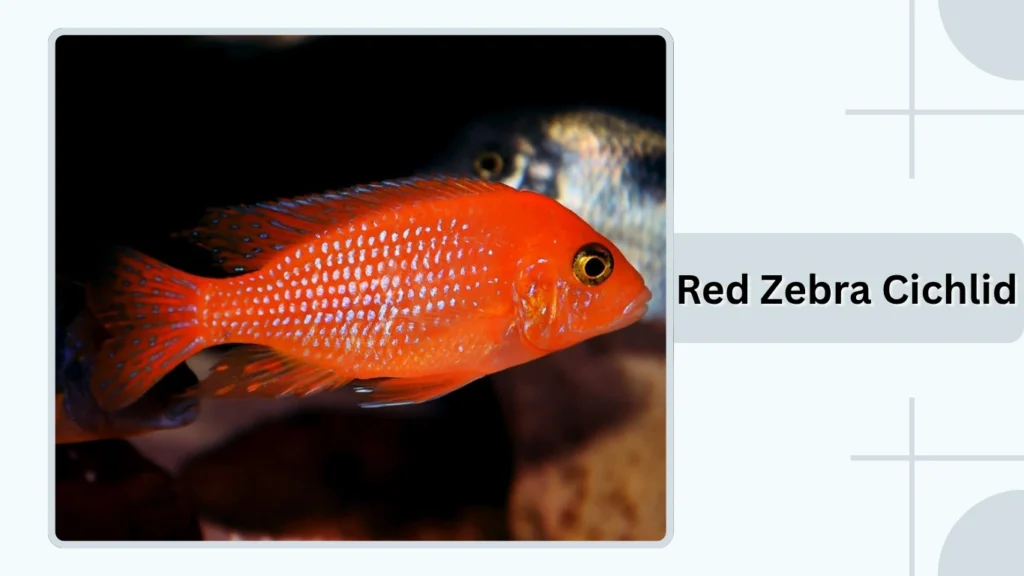
Red Zebra cichlids are energetic African cichlids recognized for their bright orange, red, or bluish coloration. They are popular in freshwater aquariums because of their active behavior, hardiness, and striking appearance.
Identification
- Bright orange, red, or blue body coloration
- Thick and elongated body shape
- Faint vertical bars may appear on the body
- Rounded head with dark eyes
- Usually grows up to 5 inches long
Natural Habitat
Red Zebra cichlids are native to the rocky regions of Lake Malawi in Africa. They prefer warm, alkaline water with plenty of rocks and caves that provide shelter and territorial boundaries.
Behavior and Temperament
Red Zebra cichlids are semi-aggressive and territorial, especially males. They are active swimmers and may chase weaker fish in smaller tanks. Keeping them in spacious aquariums with multiple hiding places helps reduce aggression.
Diet and Feeding
Red Zebra cichlids are omnivores that feed on both plant and animal matter. They commonly eat cichlid pellets, algae-based foods, flakes, and frozen foods. A balanced diet helps maintain healthy growth and vibrant coloration.
16. Demasoni Cichlid
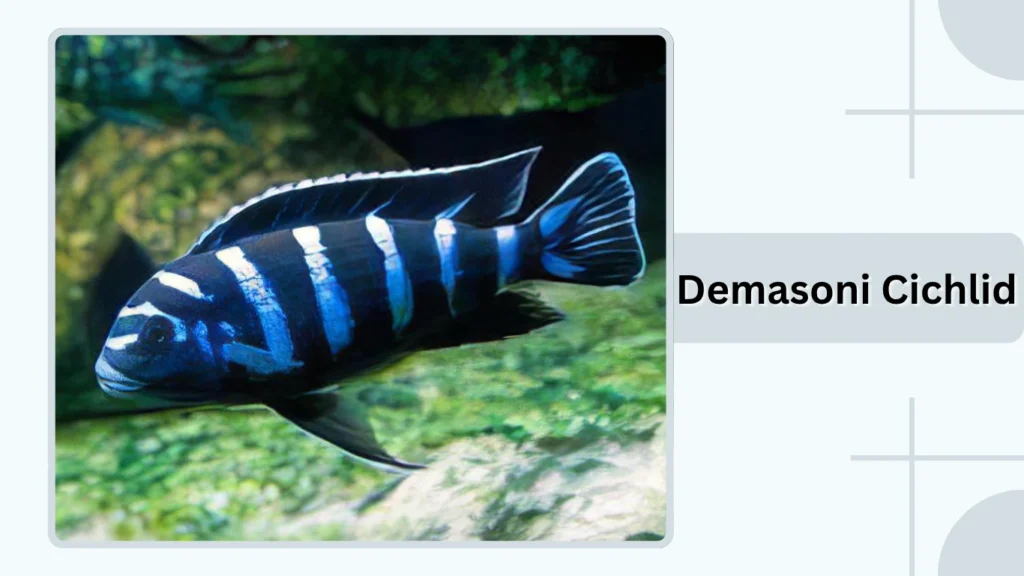
Demasoni cichlids are small but highly aggressive African cichlids known for their striking blue and black striped pattern. They are popular among experienced aquarium keepers because of their vivid coloration and energetic behavior.
Identification
- Bright blue body with dark vertical black stripes
- Slim and elongated body shape
- Continuous striping from head to tail
- Pointed fins with sharp facial features
- Usually grows up to 3 to 4 inches long
Natural Habitat
Demasoni cichlids are native to the rocky shores of Lake Malawi in Africa. They live in areas filled with rocks and caves where they can hide, establish territories, and search for food among algae-covered surfaces.
Behavior and Temperament
Demasoni cichlids are highly territorial despite their small size. They can become aggressive toward their own species and other similar-looking fish. Keeping them in larger groups with plenty of rocks and hiding spaces helps reduce aggression.
Diet and Feeding
Demasoni cichlids are primarily herbivorous and require a diet rich in plant-based foods. They commonly eat algae-based pellets, spirulina flakes, and vegetable matter. Providing proper nutrition helps prevent digestive problems and supports healthy coloration.
17. Auratus Cichlid
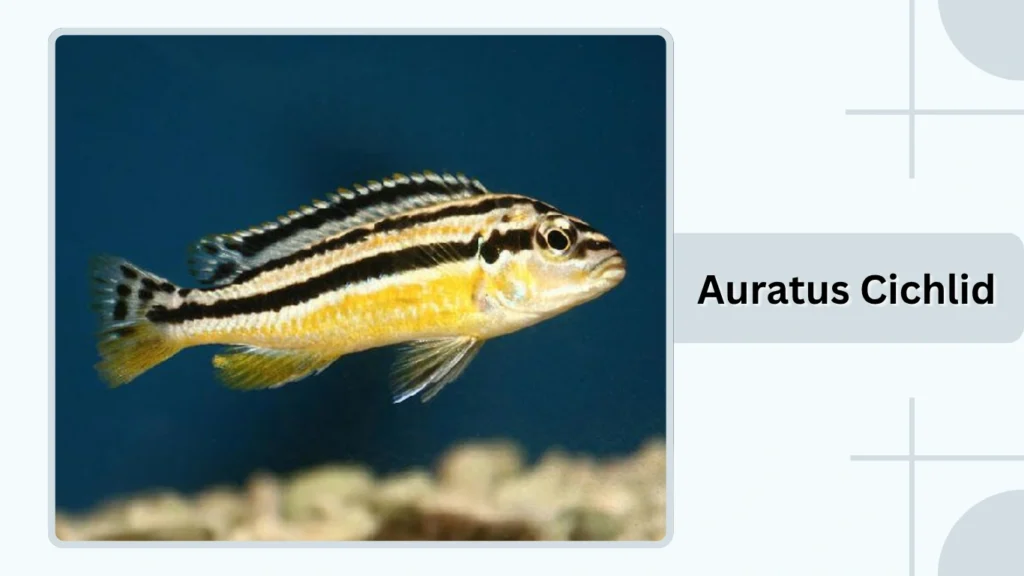
Auratus cichlids are aggressive African cichlids known for their bold striped patterns and active behavior. They are popular in Lake Malawi aquariums because of their unique color changes and energetic personality.
Identification
- Dark body with bright horizontal yellow or white stripes
- Males often develop darker coloration as they mature
- Elongated and streamlined body shape
- Pointed fins with sharp facial features
- Usually grows up to 4 to 5 inches long
Natural Habitat
Auratus cichlids are native to the rocky shorelines of Lake Malawi in Africa. They prefer warm, alkaline water with plenty of rocks, caves, and crevices where they can establish territories and hide.
Behavior and Temperament
Auratus cichlids are highly territorial and aggressive, especially males. They may chase or attack weaker fish if the aquarium is overcrowded or lacks hiding spaces. They are best kept with other strong African cichlids in large tanks.
Diet and Feeding
Auratus cichlids are primarily herbivorous and require a plant-based diet for proper health. They commonly eat spirulina flakes, algae wafers, vegetable matter, and cichlid pellets. A balanced diet helps maintain their coloration and supports healthy digestion.
18. Bumblebee Cichlid
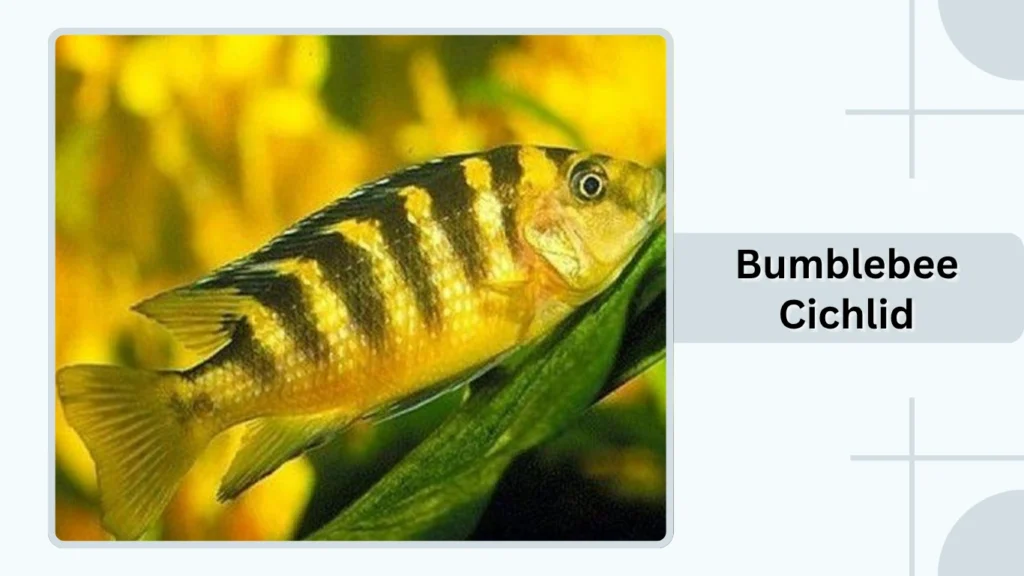
Bumblebee cichlids are bold and colorful African cichlids recognized for their yellow body and dark black bands that resemble a bumblebee pattern. They are popular among aquarium hobbyists because of their energetic swimming behavior, strong personality, and striking appearance. These fish are native to Lake Malawi and require spacious aquariums with rocky hiding places and stable water conditions to thrive successfully.
Identification
- Bright yellow body with thick black vertical bands
- Elongated and muscular body shape
- Pointed dorsal fin with dark edging
- Large mouth and bold facial appearance
- Usually grows up to 6 inches long
Natural Habitat
Bumblebee cichlids are native to the rocky habitats of Lake Malawi in Africa. They prefer warm, alkaline water with plenty of caves, rocks, and crevices where they can establish territories and seek shelter.
Behavior and Temperament
Bumblebee cichlids are highly territorial and aggressive, especially toward smaller or weaker fish. They are active swimmers that require enough space and hiding areas to reduce conflict with tank mates in community aquariums.
Diet and Feeding
Bumblebee cichlids are omnivores and eat a variety of foods in captivity. Their diet commonly includes cichlid pellets, algae-based foods, insects, crustaceans, and frozen foods. Balanced nutrition helps maintain their coloration and overall health.
19. Flowerhorn
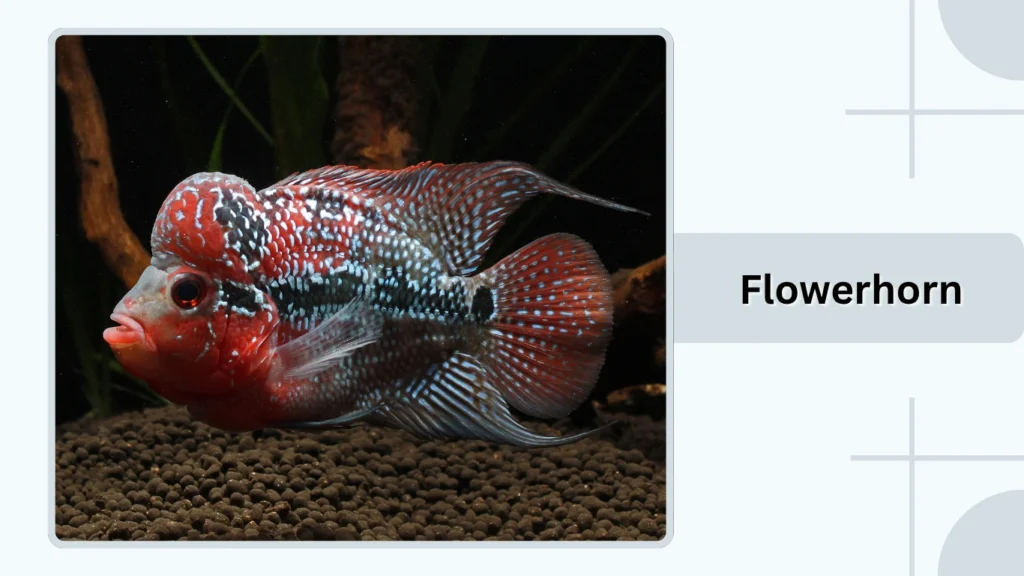
Flowerhorn cichlids are unique hybrid freshwater fish famous for their large forehead hump, vibrant colors, and interactive personality. They are highly valued by aquarium enthusiasts because of their intelligence and distinctive appearance. These fish can recognize their owners and often display active behavior inside the aquarium. Flowerhorn cichlids require large tanks, excellent filtration, and proper care to maintain their health and bright coloration.
Identification
- Large forehead hump called a kok
- Bright red, blue, pink, or metallic body coloration
- Thick and muscular body shape
- Pearl-like markings across the body
- Can grow up to 12 to 16 inches long
Natural Habitat
Flowerhorn cichlids are man-made hybrid fish and do not exist naturally in the wild. They are kept in freshwater aquariums with warm temperatures, strong filtration, and spacious environments that allow free swimming and territorial behavior.
Behavior and Temperament
Flowerhorn cichlids are highly territorial and aggressive toward other fish. They are intelligent and interactive, often recognizing their owners and responding to movement outside the tank. Most hobbyists keep them alone because of their dominant behavior.
Diet and Feeding
Flowerhorn cichlids are omnivores that require a protein-rich and balanced diet. They commonly eat high-quality pellets, shrimp, worms, insects, and frozen foods. Proper nutrition supports healthy growth, enhances coloration, and helps develop the forehead hump.
20. Texas Cichlid
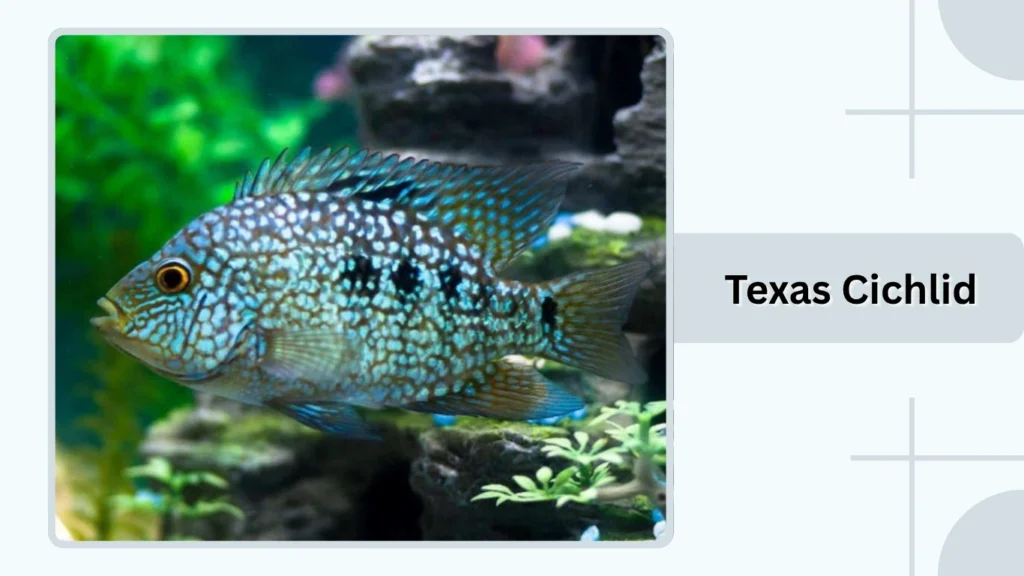
Texas cichlids are large and colorful freshwater fish known for their sparkling scales and strong territorial behavior. They are one of the few cichlid species native to the United States and are popular among experienced aquarium keepers. Their unique combination of bright spots and aggressive personality makes them stand out in large aquariums. Texas cichlids require spacious tanks, stable water conditions, and carefully selected tank mates for successful care.
Identification
- Gray or green body with iridescent blue spots
- Thick and muscular body shape
- Large fins with colorful speckled patterns
- Prominent eyes and strong jaw structure
- Can grow up to 12 inches long
Natural Habitat
Texas cichlids are naturally found in rivers, streams, and lakes in southern Texas and northern Mexico. They prefer warm freshwater environments with sandy or rocky bottoms, submerged vegetation, and moderate water flow.
Behavior and Temperament
Texas cichlids are highly territorial and can become aggressive toward other fish, especially during breeding. They are active and intelligent fish that require plenty of swimming space and hiding areas to reduce stress and conflict.
Diet and Feeding
Texas cichlids are omnivores and consume a wide variety of foods. Their diet commonly includes pellets, insects, worms, crustaceans, and vegetable matter. A balanced diet helps maintain healthy growth, energy levels, and vibrant coloration.
21. Severum
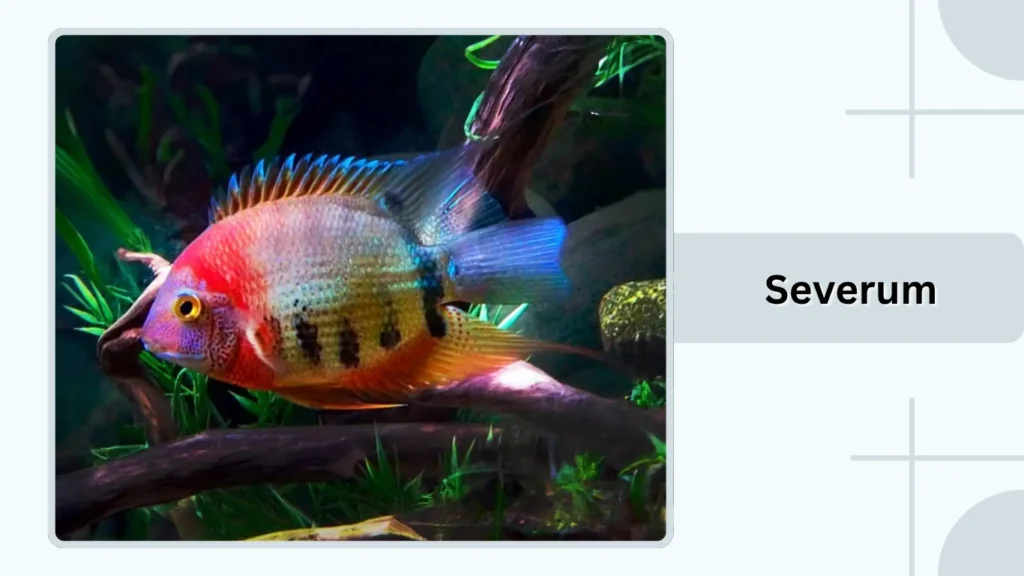
Severum cichlids are peaceful and attractive freshwater fish admired for their round body shape and calm personality. They are popular in community aquariums because of their manageable temperament and beautiful color variations, including green, gold, and red shades. Severums are intelligent fish that interact well with their environment and owners. They require spacious aquariums, clean water, and balanced nutrition to remain healthy and active over time.
Identification
- Round and laterally compressed body shape
- Green, gold, red, or turquoise body coloration
- Faint vertical bands may appear on the body
- Long dorsal and anal fins
- Usually grows up to 8 inches long
Natural Habitat
Severum cichlids are native to slow-moving rivers and flooded forest regions in South America. They prefer warm freshwater environments with submerged roots, driftwood, plants, and soft water conditions.
Behavior and Temperament
Severum cichlids are generally peaceful and suitable for semi-aggressive community aquariums. They may become territorial during breeding but are calmer than many other large cichlid species. Their social and curious nature makes them enjoyable aquarium fish.
Diet and Feeding
Severum cichlids are omnivores that require a varied and balanced diet. They commonly eat pellets, flakes, vegetables, insects, worms, and frozen foods. Proper nutrition helps maintain healthy growth, strong immunity, and vibrant coloration.
22. Blood Parrot Cichlid
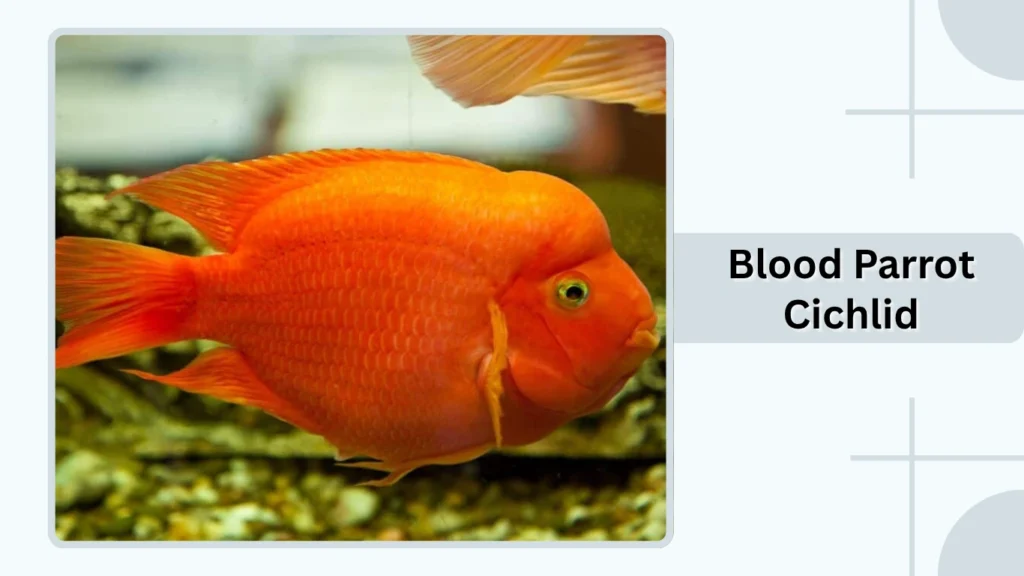
Blood Parrot cichlids are hybrid freshwater fish known for their round body shape, bright orange coloration, and friendly personality. They are popular among aquarium hobbyists because of their unique appearance and interactive behavior. These fish are artificial hybrids and do not exist naturally in the wild. Blood Parrot cichlids thrive in spacious aquariums with stable water conditions, proper filtration, and peaceful tank mates for long-term health and comfort.
Identification
- Round and balloon-shaped body
- Bright orange, red, or yellow coloration
- Small beak-like mouth structure
- Large eyes with flowing fins
- Usually grows up to 8 inches long
Natural Habitat
Blood Parrot cichlids are hybrid fish created in captivity and do not have a natural wild habitat. In aquariums, they prefer warm freshwater conditions with rocks, caves, driftwood, and open swimming spaces.
Behavior and Temperament
Blood Parrot cichlids are generally peaceful and social fish. They can become mildly territorial during breeding or feeding but are usually compatible with other calm and similarly sized tank mates in community aquariums.
Diet and Feeding
Blood Parrot cichlids are omnivores and eat a variety of foods. Their diet commonly includes pellets, flakes, frozen foods, shrimp, and vegetable matter. A balanced diet helps maintain their bright coloration, energy, and overall health.
23. Uaru
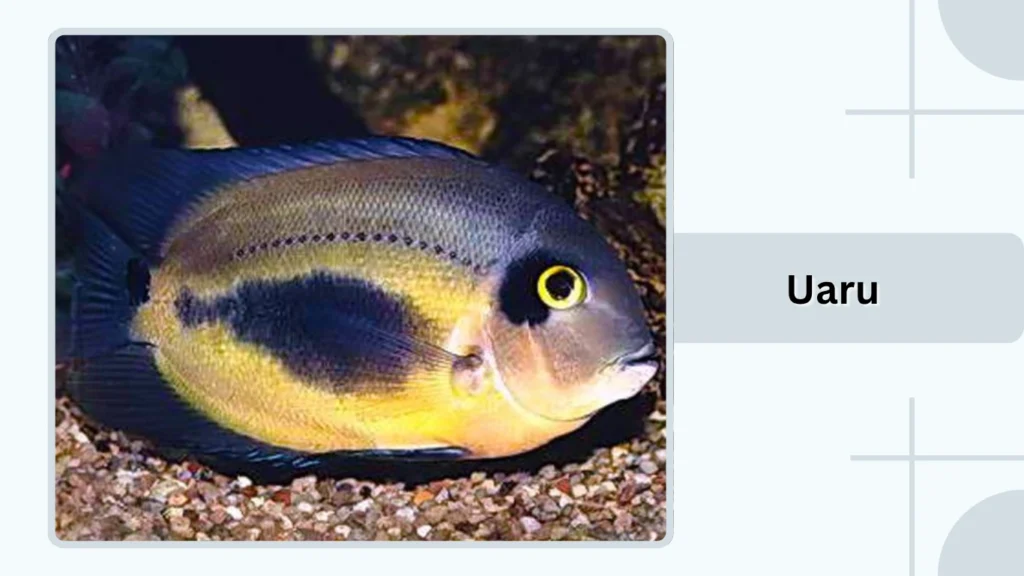
Uaru cichlids are large and peaceful freshwater fish appreciated for their unique body shape and calm temperament. They are often called Triangle cichlids because of their distinctive appearance. These fish are popular among experienced aquarium keepers who maintain large South American aquariums. Uaru cichlids require warm, clean water, spacious tanks, and a carefully balanced diet to support their health, growth, and social behavior in captivity.
Identification
- Large oval or triangular-shaped body
- Brown or olive body coloration with dark patches
- Prominent dark marking near the center of the body
- Long dorsal and anal fins
- Can grow up to 10 inches long
Natural Habitat
Uaru cichlids are native to the Amazon River Basin in South America. They inhabit slow-moving rivers and flooded forest areas with submerged wood, vegetation, and soft, warm water conditions.
Behavior and Temperament
Uaru cichlids are peaceful and social fish that prefer living in groups. They are generally calm but may become territorial during breeding. Their gentle nature makes them suitable for large community aquariums with compatible tank mates.
Diet and Feeding
Uaru cichlids are omnivores with a strong preference for plant-based foods. They commonly eat vegetables, algae-based pellets, flakes, fruits, and occasional protein-rich foods. A varied diet helps maintain proper digestion and overall health.
24. Kribensis
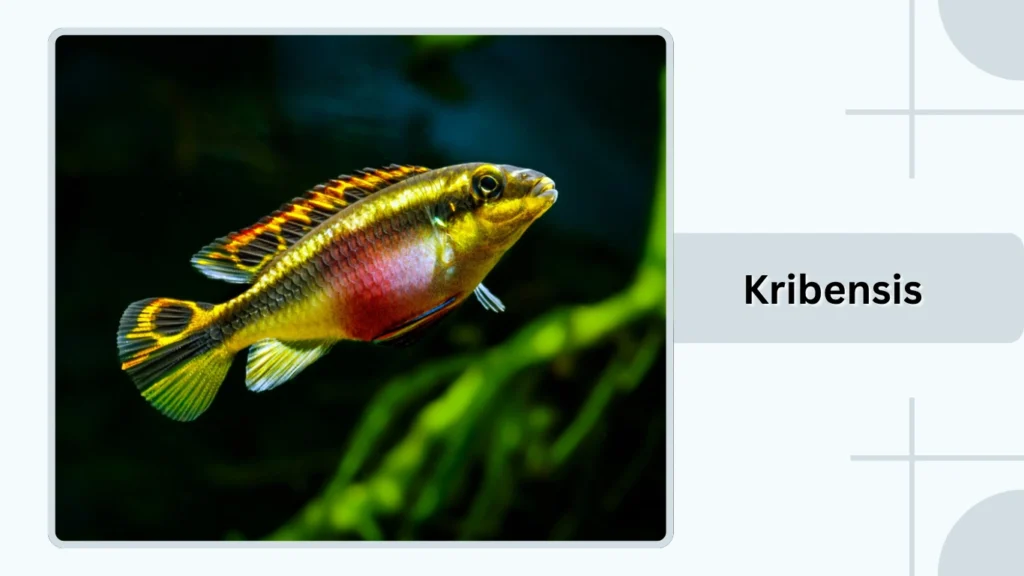
Kribensis cichlids are small and colorful freshwater fish known for their peaceful behavior and attractive breeding colors. They are popular among beginner and experienced aquarium hobbyists because of their hardiness and easy care requirements. Native to West Africa, these fish thrive in planted community aquariums with hiding spaces and stable water conditions. Kribensis cichlids are also admired for their excellent parenting behavior during breeding periods in captivity.
Identification
- Small elongated body with rounded fins
- Purple or red coloration on the belly area
- Yellow, cream, or brown body shades
- Dark stripe running along the side of the body
- Usually grows up to 4 inches long
Natural Habitat
Kribensis cichlids are native to slow-moving rivers and streams in West Africa. They prefer warm freshwater environments with sandy substrates, caves, dense plants, and soft to moderately hard water conditions.
Behavior and Temperament
Kribensis cichlids are generally peaceful and suitable for community aquariums. They may become territorial during breeding but are less aggressive than many other cichlid species. Their calm and social nature makes them easy to keep.
Diet and Feeding
Kribensis cichlids are omnivores that enjoy a varied diet. They commonly eat pellets, flakes, frozen foods, insects, worms, and vegetable matter. A balanced diet supports healthy growth, strong coloration, and successful breeding behavior.
25. Salvini Cichlid
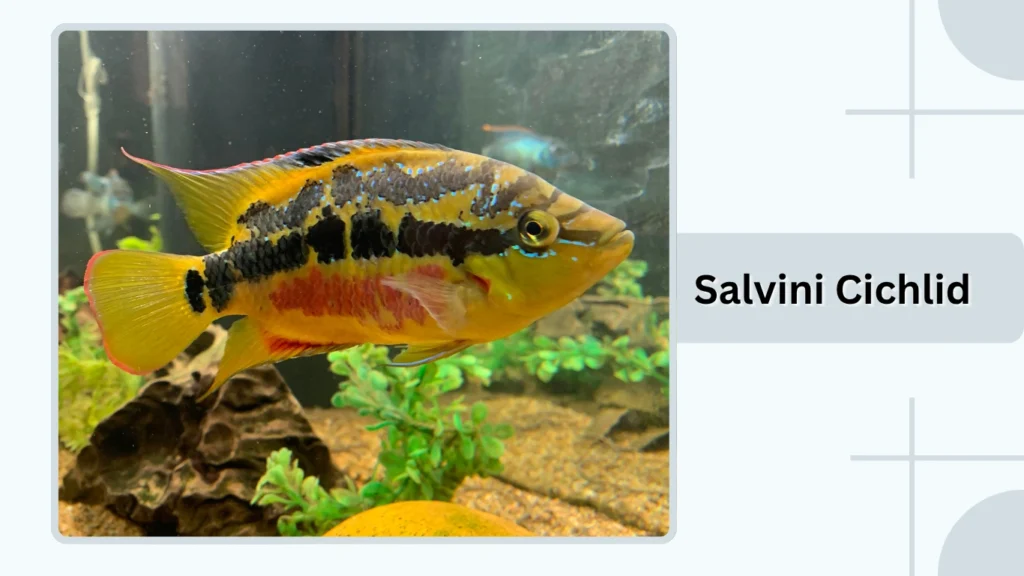
Salvini cichlids are brightly colored freshwater fish known for their aggressive personality and striking yellow body with black markings. They are popular among experienced aquarium keepers because of their bold appearance and active swimming behavior. Native to Central America, these fish thrive in spacious aquariums with rocks, driftwood, and hiding spaces. Salvini cichlids require stable water conditions and carefully selected tank mates to reduce territorial conflicts in captivity.
Identification
- Bright yellow body with black horizontal markings
- Red or orange coloration around the belly and fins
- Elongated and muscular body shape
- Pointed dorsal and anal fins
- Usually grows up to 6 to 8 inches long
Natural Habitat
Salvini cichlids are native to rivers and freshwater systems in Central America, especially in Mexico, Belize, and Guatemala. They prefer warm waters with rocky areas, submerged roots, and moderate water flow.
Behavior and Temperament
Salvini cichlids are highly territorial and can become aggressive toward smaller or weaker fish. They are active swimmers that require enough space and hiding areas to reduce stress and territorial disputes in aquariums.
Diet and Feeding
Salvini cichlids are omnivores that eat both plant and animal matter. Their diet commonly includes pellets, insects, worms, crustaceans, and frozen foods. Proper nutrition helps maintain their bright coloration, growth, and overall health.
26. Keyhole Cichlid
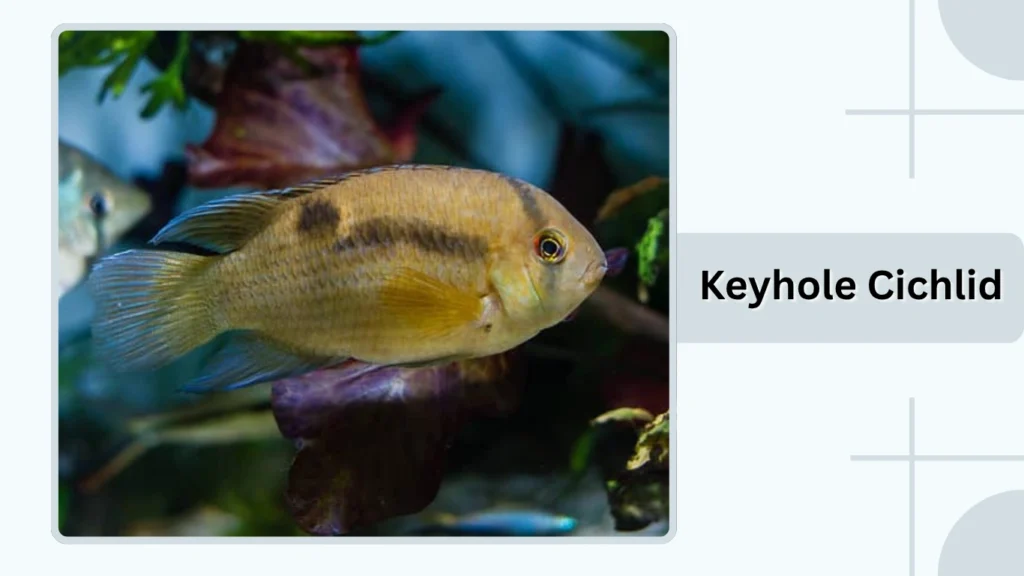
Keyhole cichlids are peaceful freshwater fish admired for their gentle temperament and unique body markings. They are excellent choices for community aquariums because of their calm nature and easy compatibility with other peaceful fish species. Native to South America, these cichlids prefer planted tanks with hiding spaces and soft water conditions. Their shy behavior and attractive appearance make them popular among beginner and experienced aquarium hobbyists alike.
Identification
- Light brown or beige body coloration
- Distinct dark keyhole-shaped marking on the side
- Oval and laterally compressed body shape
- Transparent fins with subtle coloration
- Usually grows up to 4 to 5 inches long
Natural Habitat
Keyhole cichlids are native to slow-moving rivers and streams in South America. They inhabit warm waters with dense vegetation, submerged roots, driftwood, and soft sandy substrates that provide shelter and security.
Behavior and Temperament
Keyhole cichlids are peaceful and shy fish that do well in calm community aquariums. They rarely show aggression except during breeding periods. Their quiet and non-territorial nature makes them suitable for tanks with other gentle fish species.
Diet and Feeding
Keyhole cichlids are omnivores and thrive on a balanced diet. They commonly eat pellets, flakes, frozen foods, insects, worms, and small crustaceans. Providing varied nutrition helps maintain healthy growth, energy, and overall well-being.
27. Apistogramma
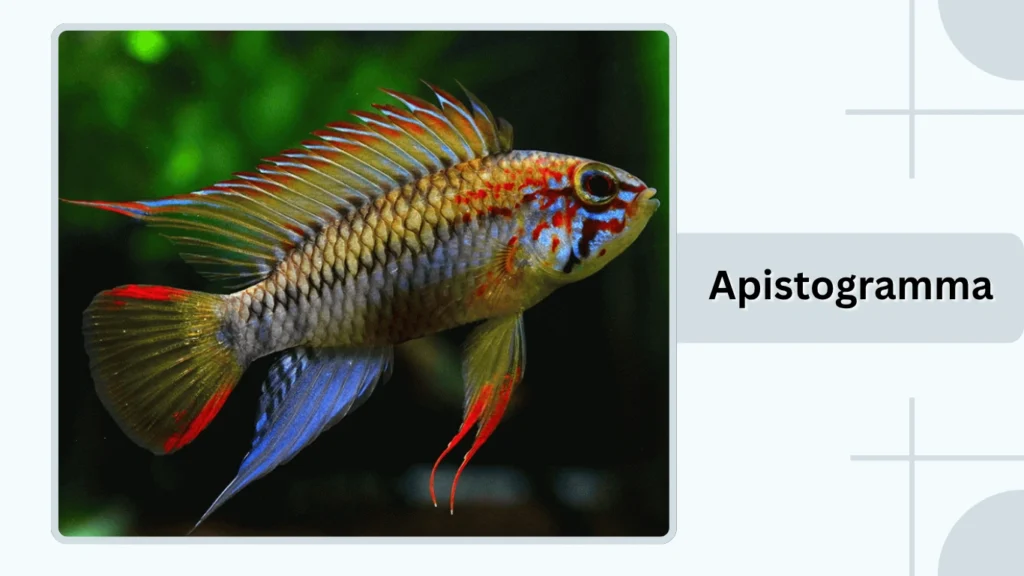
Apistogramma cichlids are small and colorful dwarf cichlids popular in planted freshwater aquariums. They are admired for their vibrant patterns, peaceful behavior, and interesting breeding habits. Native to South America, these fish thrive in warm, soft water with plenty of plants and hiding spaces. Apistogramma species are ideal for aquarists who enjoy maintaining natural-looking aquariums with calm community fish and stable water conditions for long-term success.
Identification
- Small and slender body shape
- Bright yellow, blue, red, or orange coloration
- Distinct facial markings and fin patterns
- Males usually display longer and more colorful fins
- Usually grows up to 2 to 4 inches long
Natural Habitat
Apistogramma cichlids are native to slow-moving rivers, streams, and flooded forest areas in South America. They prefer warm, soft, and slightly acidic water with leaf litter, plants, driftwood, and sandy substrates.
Behavior and Temperament
Apistogramma cichlids are generally peaceful but can become territorial during breeding. They do well in planted community aquariums with small and non-aggressive fish. Their shy yet active nature makes them interesting fish to observe.
Diet and Feeding
Apistogramma cichlids are omnivores and require a varied diet for proper health. They commonly eat micro pellets, flakes, frozen foods, insects, worms, and small crustaceans. Balanced nutrition supports healthy growth and vibrant coloration.
28. Blue Dolphin Cichlid
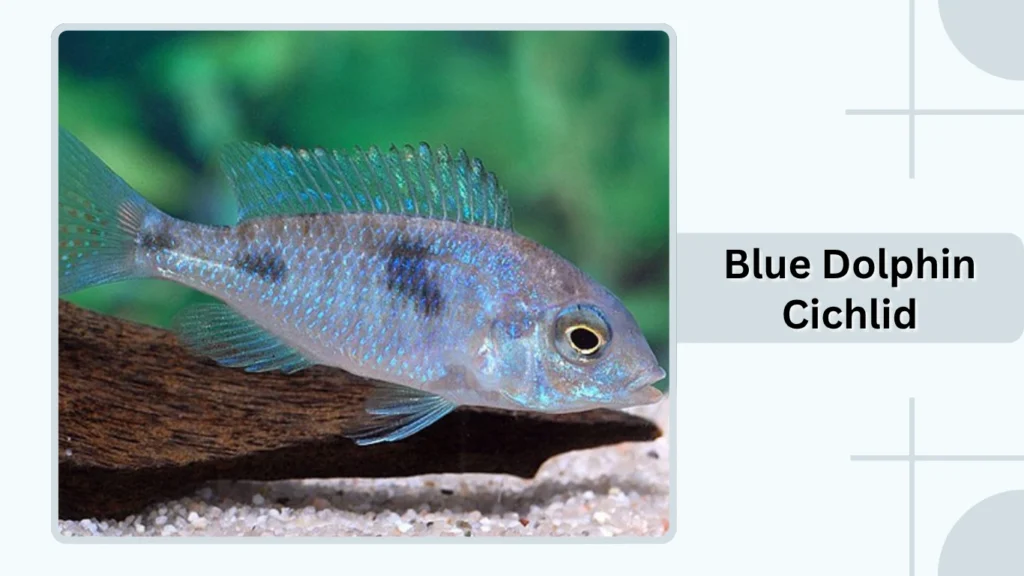
Blue Dolphin cichlids are large and peaceful African cichlids known for their beautiful blue coloration and distinctive forehead hump. They are popular in freshwater aquariums because of their graceful swimming behavior and calm temperament compared to many other cichlid species. Native to Lake Malawi, these fish thrive in spacious aquariums with clean water, rocky decorations, and stable conditions that support healthy growth and social interaction.
Identification
- Bright blue body coloration
- Prominent forehead hump, especially in mature males
- Long and streamlined body shape
- Dark markings may appear on juveniles
- Usually grows up to 8 to 10 inches long
Natural Habitat
Blue Dolphin cichlids are native to Lake Malawi in Africa. They inhabit sandy and rocky areas with warm, alkaline water where they search for small organisms and shelter among rocks and open spaces.
Behavior and Temperament
Blue Dolphin cichlids are generally peaceful and social fish. They can live with other moderately peaceful African cichlids in large aquariums. Males may become territorial during breeding, but they are less aggressive than many Malawi species.
Diet and Feeding
Blue Dolphin cichlids are omnivores that require a balanced and nutritious diet. They commonly eat cichlid pellets, flakes, frozen foods, insects, and small crustaceans. Proper feeding supports healthy growth, coloration, and overall well-being.
29. Wolf Cichlid
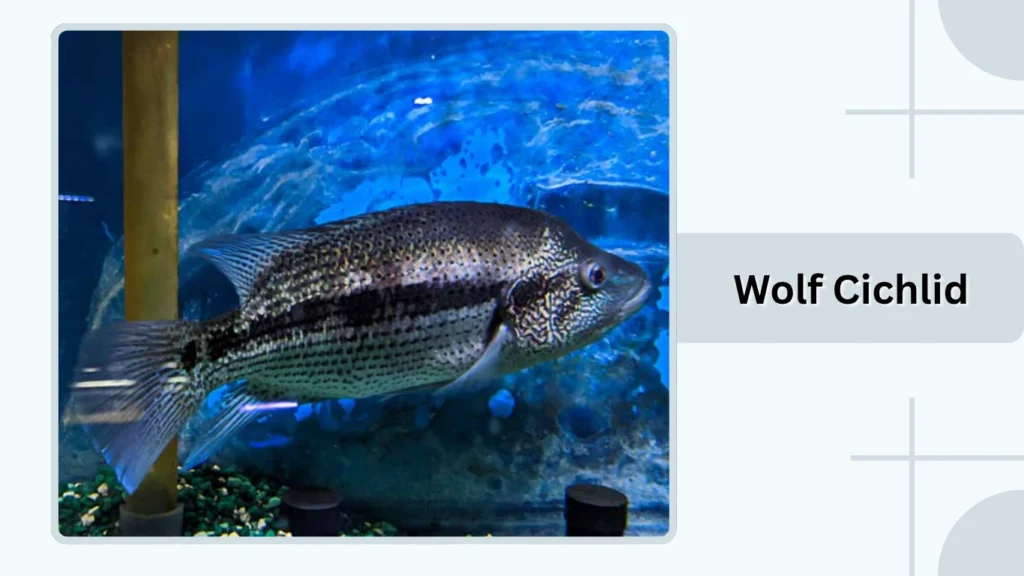
Wolf cichlids are large and aggressive freshwater fish known for their powerful body structure and predatory behavior. They are highly popular among experienced aquarium hobbyists who keep large Central American cichlid species. These fish display intelligence, strong territorial instincts, and active swimming patterns inside the aquarium. Wolf cichlids require very spacious tanks, excellent filtration, and carefully selected tank mates to maintain a stable and healthy environment.
Identification
- Large elongated and muscular body
- Gray, silver, or greenish body coloration
- Large mouth with powerful jaws
- Prominent fins and thick head structure
- Can grow up to 28 inches long
Natural Habitat
Wolf cichlids are native to rivers and lakes in Central America, especially in Nicaragua and Honduras. They prefer warm freshwater environments with rocky areas, submerged wood, and open swimming spaces.
Behavior and Temperament
Wolf cichlids are extremely territorial and aggressive, especially as they mature. They may attack smaller fish and defend their territory strongly. Because of their dominant nature, they are best kept with large and equally aggressive tank mates.
Diet and Feeding
Wolf cichlids are carnivorous and require a protein-rich diet for healthy growth. They commonly eat pellets, shrimp, fish, insects, worms, and other meaty foods. Proper nutrition supports their strength, energy, and overall health.
30. Rainbow Cichlid
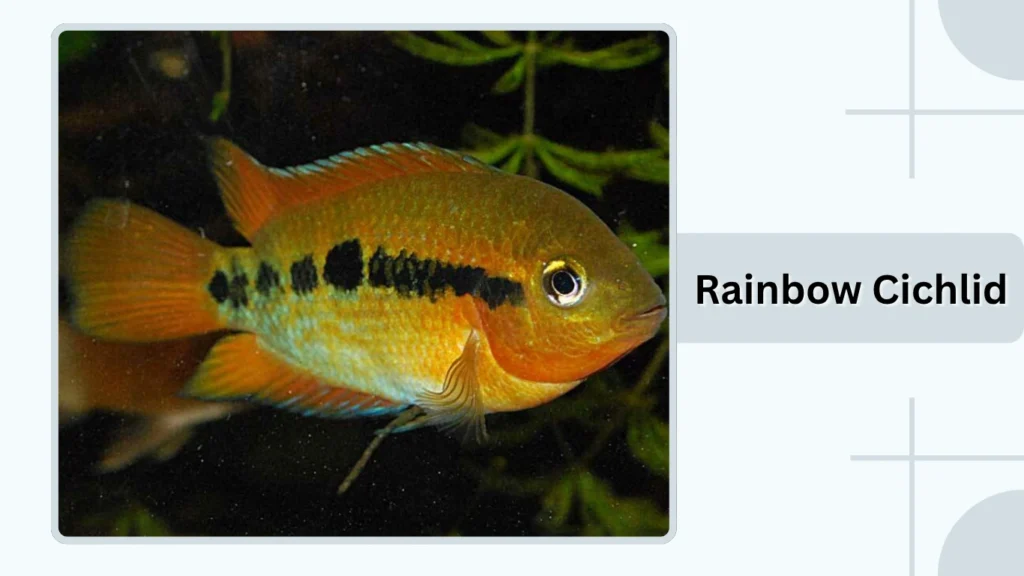
Rainbow cichlids are peaceful and colorful freshwater fish admired for their changing body colors and calm temperament. They are popular among aquarium hobbyists because of their manageable size, attractive appearance, and compatibility with many community fish species. Native to Central America, these fish thrive in well-maintained aquariums with warm water, hiding spaces, and open swimming areas. Rainbow cichlids are hardy fish that adapt well to different aquarium environments and conditions.
Identification
- Yellow, gold, blue, and green body coloration
- Oval-shaped body with shimmering scales
- Dark spot visible near the center of the body
- Rounded fins with colorful highlights
- Usually grows up to 6 to 8 inches long
Natural Habitat
Rainbow cichlids are native to rivers and lakes in Central America, particularly in Nicaragua and Costa Rica. They prefer warm freshwater habitats with sandy bottoms, rocks, vegetation, and moderate water movement.
Behavior and Temperament
Rainbow cichlids are generally peaceful and suitable for community aquariums with similarly sized fish. They may become territorial during breeding periods but are calmer than many other Central American cichlid species.
Diet and Feeding
Rainbow cichlids are omnivores and enjoy a varied diet. They commonly eat pellets, flakes, insects, worms, frozen foods, and vegetable matter. A balanced diet helps maintain healthy growth, vibrant coloration, and overall health.
31. Nicaraguan Cichlid
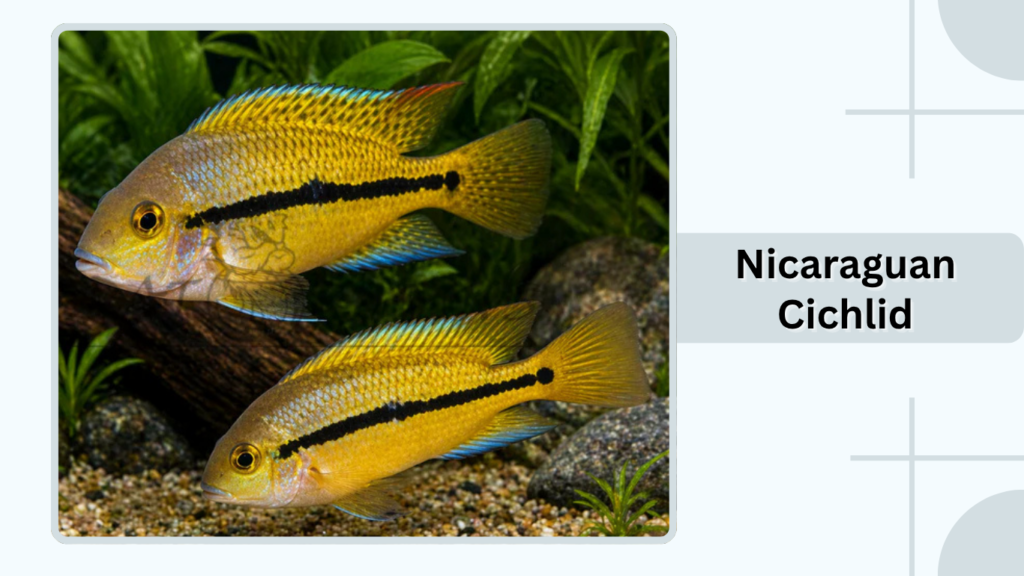
Nicaraguan cichlids are attractive freshwater fish known for their beautiful golden coloration and relatively peaceful behavior. They are popular among aquarium enthusiasts because of their calm temperament compared to many other Central American cichlids. Native to lakes and rivers in Nicaragua and Costa Rica, these fish thrive in spacious aquariums with clean water, rocks, driftwood, and open swimming spaces that support their active and social nature.
Identification
- Golden yellow body with blue and green highlights
- Elongated and slightly curved body shape
- Distinct dark horizontal markings on the body
- Pointed fins with colorful edges
- Usually grows up to 8 to 10 inches long
Natural Habitat
Nicaraguan cichlids are native to freshwater lakes and rivers in Central America, especially in Nicaragua and Costa Rica. They prefer warm waters with sandy bottoms, rocks, submerged wood, and moderate water movement.
Behavior and Temperament
Nicaraguan cichlids are generally peaceful for a Central American cichlid species. They can live with similarly sized tank mates but may become territorial during breeding. Their calm and social behavior makes them suitable for large community aquariums.
Diet and Feeding
Nicaraguan cichlids are omnivores and require a varied diet for healthy growth. They commonly eat pellets, flakes, insects, worms, crustaceans, and vegetable matter. Balanced nutrition helps maintain their vibrant coloration and overall health.
32. Midas Cichlid
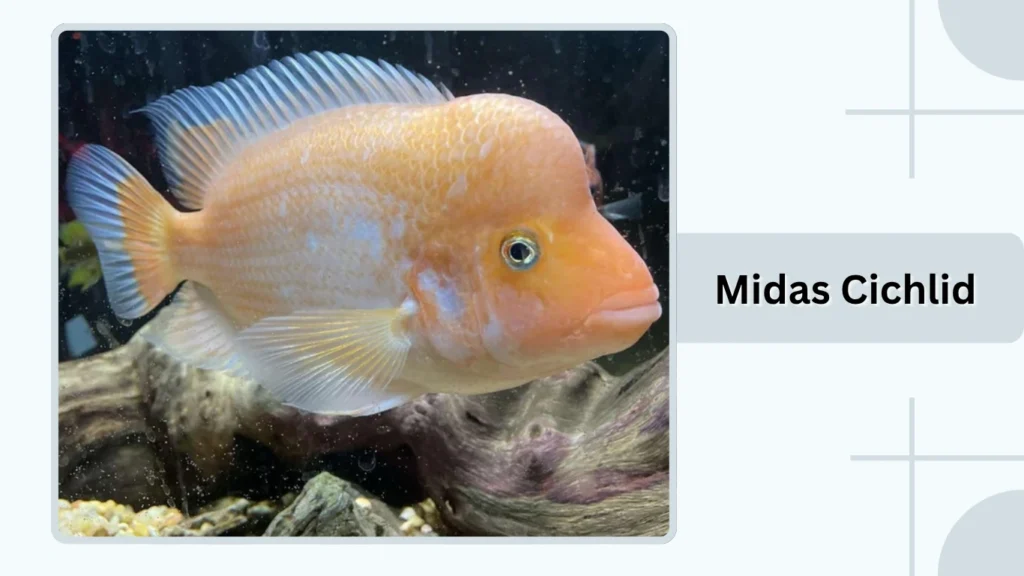
Midas cichlids are large and powerful freshwater fish known for their bright orange coloration and aggressive personality. They are highly popular among experienced aquarium keepers because of their intelligence, interactive behavior, and impressive size. Native to Central America, these fish require large aquariums with strong filtration, stable water conditions, and carefully selected tank mates. Midas cichlids are active swimmers that develop strong territorial instincts as they mature in captivity.
Identification
- Bright orange, red, or yellow body coloration
- Thick and muscular body shape
- Large head with strong jaws
- Some adults develop a forehead hump
- Can grow up to 14 inches long
Natural Habitat
Midas cichlids are native to lakes and rivers in Central America, especially in Nicaragua and Costa Rica. They prefer warm freshwater habitats with rocky structures, sandy bottoms, and open swimming areas.
Behavior and Temperament
Midas cichlids are highly territorial and aggressive, especially during breeding. They may attack smaller fish and defend their space strongly. Because of their dominant behavior, they are best kept with large and equally strong tank mates.
Diet and Feeding
Midas cichlids are omnivores that require a balanced and protein-rich diet. They commonly eat pellets, insects, worms, crustaceans, frozen foods, and vegetable matter. Proper nutrition supports healthy growth, coloration, and long-term health.
FAQs
What size aquarium is best for cichlid fish?
The ideal aquarium size depends on the cichlid species. Small dwarf cichlids may live comfortably in a 20-gallon tank, while large species like Oscars or Midas cichlids require tanks of 75 gallons or more. Spacious aquariums help reduce aggression and provide enough swimming space.
Are cichlid fish aggressive?
Many cichlid species are territorial and can become aggressive, especially during breeding. However, some species such as Keyhole cichlids and Bolivian Rams are relatively peaceful. Proper tank size, compatible tank mates, and enough hiding spaces help manage aggressive behavior.
What do cichlid fish eat?
Cichlid fish are generally omnivores, though some species are herbivores or carnivores. They commonly eat pellets, flakes, frozen foods, insects, worms, algae-based foods, and small crustaceans. A balanced diet supports healthy growth and vibrant coloration.
Can different cichlid species live together?
Some cichlid species can live together if they have similar size, temperament, and water requirements. Peaceful species usually adapt better in community tanks, while aggressive species require careful pairing and larger aquariums to reduce territorial disputes.
How long do cichlid fish live?
The lifespan of cichlid fish varies by species and care conditions. Many cichlids live between 5 and 15 years in captivity with proper feeding, clean water, and suitable tank conditions. Larger species often have longer lifespans when well maintained.