
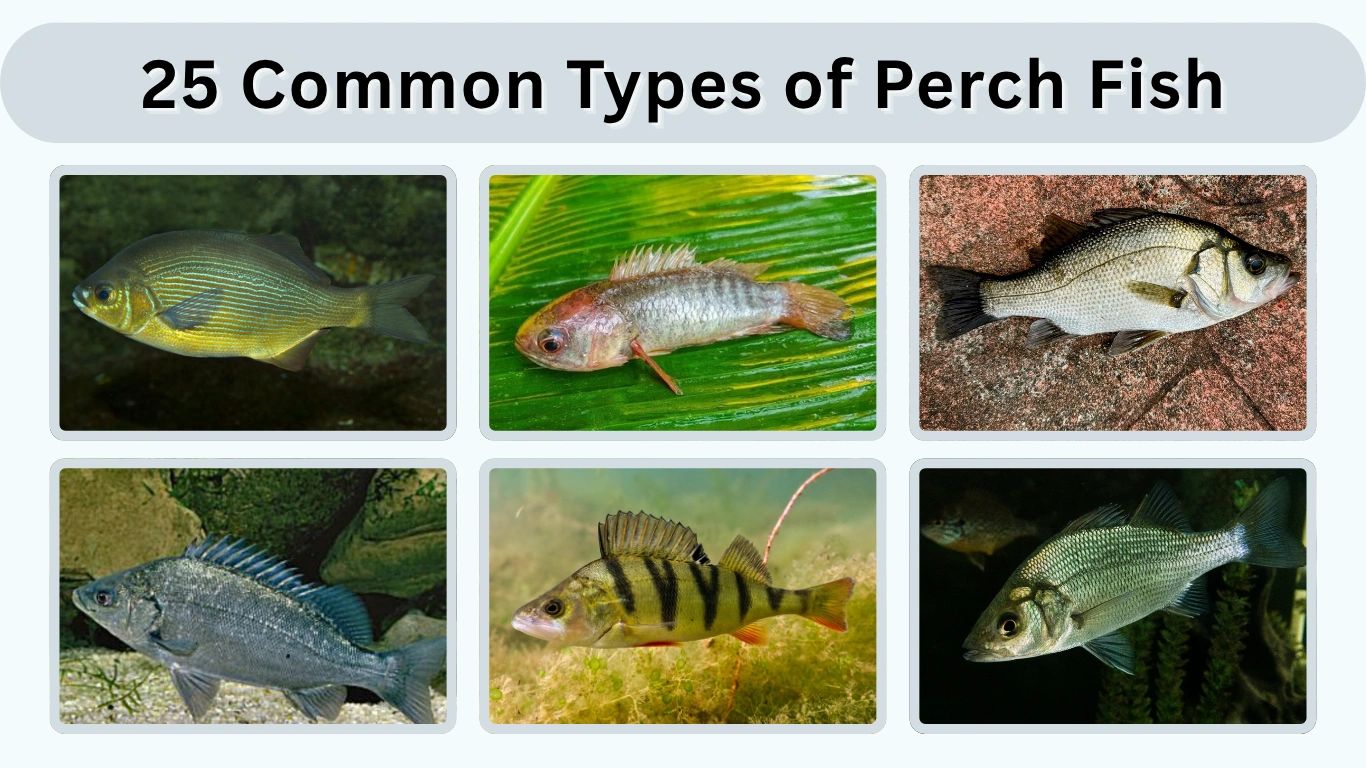
Perch fish are a diverse group of freshwater and marine species known for their striking patterns, active behavior, and importance in both recreational and commercial fishing. Found across North America, Europe, Asia, Africa, and Australia, perch species inhabit lakes, rivers, reservoirs, swamps, estuaries, and coastal marine waters. Some species are prized for sport fishing, while others are valued for aquaculture and food production. From the well-known Yellow Perch to the massive Nile Perch, each species has unique physical features, habitat preferences, feeding habits, and behaviors that make them fascinating members of aquatic ecosystems worldwide.
1. Yellow Perch
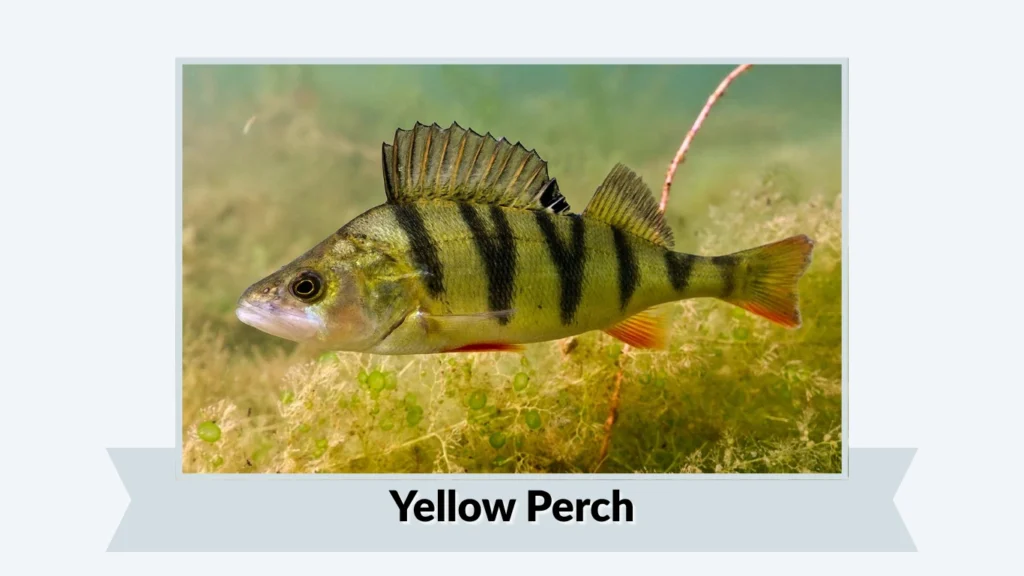
Yellow Perch is a popular freshwater fish known for its golden body color and vertical dark bars. It is widely recognized among anglers and aquarium enthusiasts because of its attractive appearance, schooling behavior, and importance as a food fish.
Identification
- Golden yellow to greenish body coloration
- Distinct dark vertical bars along the sides
- Streamlined and slightly compressed body shape
- Spiny dorsal fin with soft rear fin section
- Usually grows between 6 and 12 inches in length
Natural Habitat
Yellow Perch are native to freshwater lakes, ponds, rivers, and reservoirs across North America. They prefer cool, clean waters with moderate vegetation and sandy or muddy bottoms. These fish are commonly found near underwater structures such as weeds, fallen logs, and rocky areas where they can find shelter and food. During warmer months, they often move into shallow waters, while colder seasons may drive them into deeper areas. Their adaptability allows them to thrive in many freshwater environments with stable oxygen levels and moderate temperatures.
Behavior
Yellow Perch are social fish that often travel in schools, especially during their juvenile stages. They are active swimmers and spend much of their time searching for food near the bottom and middle water levels. These fish are generally peaceful but can become competitive during feeding. Schooling behavior helps them avoid predators and locate food more efficiently. Yellow Perch are also known for seasonal movement patterns related to spawning and temperature changes in their habitat.
Diet
Yellow Perch are carnivorous and feed on a wide variety of aquatic organisms. Their diet includes insects, insect larvae, small crustaceans, worms, and smaller fish. Young perch mainly consume zooplankton and tiny aquatic invertebrates before shifting to larger prey as they grow. In controlled environments, they also accept prepared feeds and pellets. A protein-rich diet supports healthy growth, strong coloration, and overall health.
2. European Perch
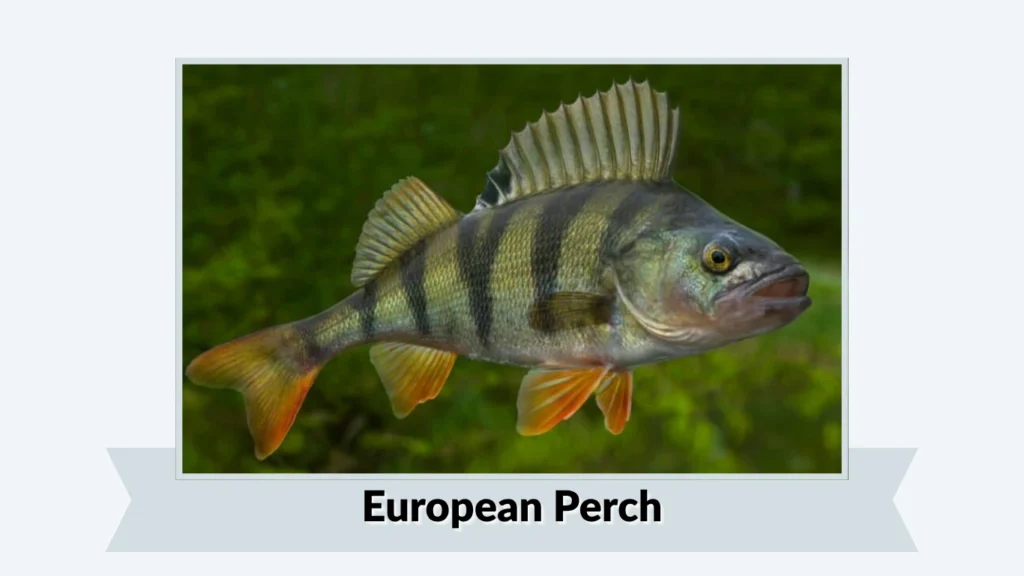
European Perch is a well-known freshwater fish recognized for its striped body pattern and reddish fins. It is widely distributed across Europe and parts of Asia and is valued for both recreational fishing and its importance in freshwater ecosystems. This species is active, adaptable, and commonly found in lakes, rivers, and reservoirs with plenty of underwater vegetation and shelter.
Identification
- Greenish to golden body coloration
- Dark vertical bars along the sides
- Bright reddish-orange pelvic and anal fins
- Spiny dorsal fin with darker markings
- Commonly grows between 8 and 16 inches in length
Natural Habitat
European Perch are native to freshwater systems across Europe and northern Asia. They inhabit lakes, slow-moving rivers, reservoirs, and ponds with clear or moderately turbid water. These fish prefer habitats with aquatic plants, submerged branches, rocky structures, and sandy or muddy bottoms. Juveniles usually remain in shallow vegetated areas for protection, while larger adults often move into deeper waters. European Perch are highly adaptable and can tolerate different environmental conditions as long as oxygen levels remain sufficient.
Behavior
European Perch are schooling fish, especially during their younger stages. They are active predators that spend much of their time searching for prey in open water and near underwater structures. As they mature, larger individuals may become more solitary or form smaller groups. These fish are most active during daylight hours and display seasonal movement patterns related to temperature and spawning activities. Their aggressive feeding behavior makes them skilled hunters in freshwater ecosystems.
Diet
European Perch are carnivorous and feed on a wide range of aquatic prey. Their diet includes insects, insect larvae, crustaceans, worms, and small fish. Juveniles mainly consume zooplankton and tiny invertebrates before shifting to fish-based diets as they grow larger. In aquaculture and controlled environments, they may also accept formulated pellets and prepared feeds. A protein-rich diet supports healthy growth, energy, and overall development.
3. Balkhash Perch
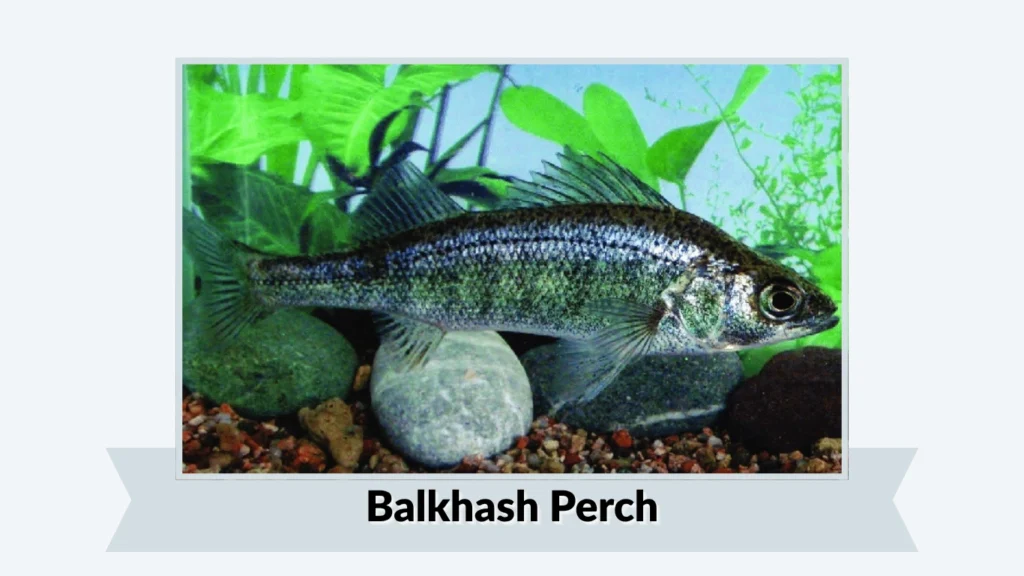
Balkhash Perch is a rare freshwater fish native to Central Asia and closely related to the European Perch. It is known for its striped appearance, predatory behavior, and ability to survive in large lakes and river systems with varying environmental conditions.
Identification
- Greenish or yellowish body coloration
- Dark vertical stripes along the sides
- Spiny dorsal fin with soft rear section
- Streamlined and slightly compressed body shape
- Usually grows between 10 and 20 inches in length
Natural Habitat
Balkhash Perch are native to Lake Balkhash and nearby river systems in Kazakhstan and Central Asia. They inhabit freshwater lakes, rivers, and reservoirs with moderate water movement and stable oxygen levels. These fish prefer habitats containing rocky areas, submerged vegetation, and sandy or muddy bottoms that provide shelter and feeding opportunities. Juveniles are commonly found in shallow waters, while adults often move into deeper regions. Environmental changes and habitat loss have affected their natural populations in recent years.
Behavior
Balkhash Perch are active predatory fish that often hunt in groups during their younger stages. As they mature, larger individuals may become more solitary and territorial. They are aggressive feeders and spend much of their time searching for prey near underwater structures and open water zones. Their activity levels are influenced by water temperature and seasonal spawning movements. These fish are strong swimmers and highly adaptable to different freshwater environments.
Diet
Balkhash Perch are carnivorous and primarily feed on smaller fish, aquatic insects, insect larvae, and crustaceans. Juveniles consume zooplankton and tiny aquatic organisms before transitioning to larger prey as they grow. Their predatory diet supports rapid growth and strong physical development. In managed environments, they may also accept protein-rich prepared feeds and pellets designed for carnivorous freshwater fish.
4. Nile Perch
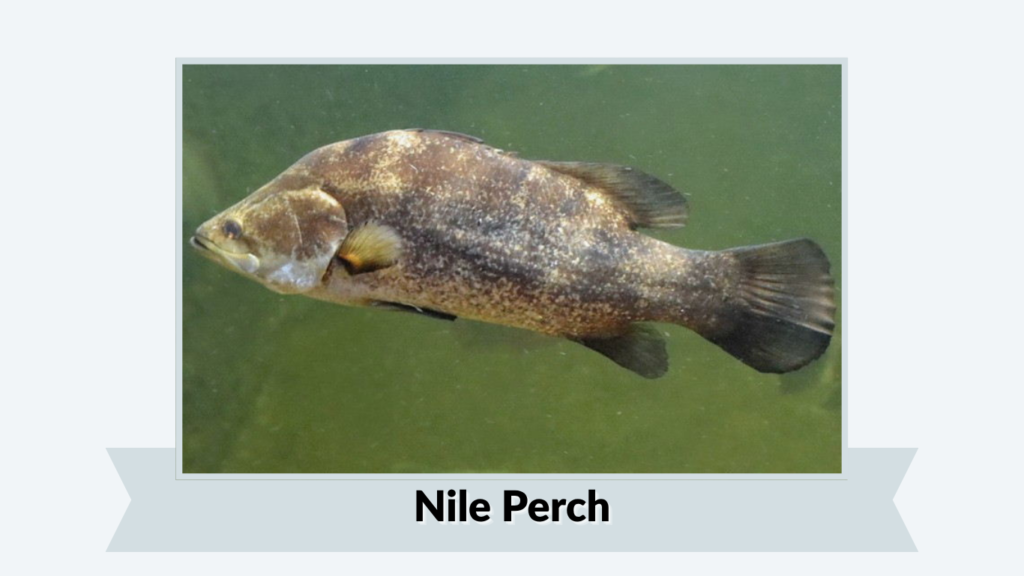
Nile Perch is one of the largest freshwater perch species in the world and is widely known for its massive size and strong predatory nature. Native to African freshwater systems, it plays an important role in commercial fishing and local ecosystems. This species is highly valued as a food fish because of its rapid growth, firm meat, and adaptability to large lakes and river habitats.
Identification
- Silver-gray body with a slightly bluish tint
- Large mouth with powerful jaws
- Long and muscular body shape
- Spiny dorsal fin followed by a softer rear fin
- Can grow over 6 feet in length and weigh more than 400 pounds
Natural Habitat
Nile Perch are native to freshwater lakes, rivers, and reservoirs across Africa, especially within the Nile River basin and large lakes such as Lake Victoria. They prefer warm tropical waters with stable oxygen levels and abundant prey populations. Juveniles often remain in shallow vegetated areas for protection, while adults inhabit deeper open waters. These fish are highly adaptable and thrive in large freshwater systems with plenty of feeding opportunities and space for movement.
Behavior
Nile Perch are aggressive predatory fish known for their powerful hunting abilities. Juveniles may gather in smaller groups, but adults are generally solitary hunters. They are highly active during feeding periods and use their speed and size to capture prey. Their introduction into non-native ecosystems has significantly affected local fish populations due to their strong predatory behavior. They are most active in warm water conditions and often move across large areas in search of food.
Diet
Nile Perch are carnivorous and mainly feed on smaller fish, crustaceans, and aquatic animals. Young fish consume insects and small invertebrates before shifting to a fish-based diet as they mature. Adults are powerful apex predators capable of consuming large prey species. In aquaculture settings, they may also accept protein-rich formulated feeds. Their high-protein diet supports rapid growth, muscular development, and strong predatory performance.
5. White Perch
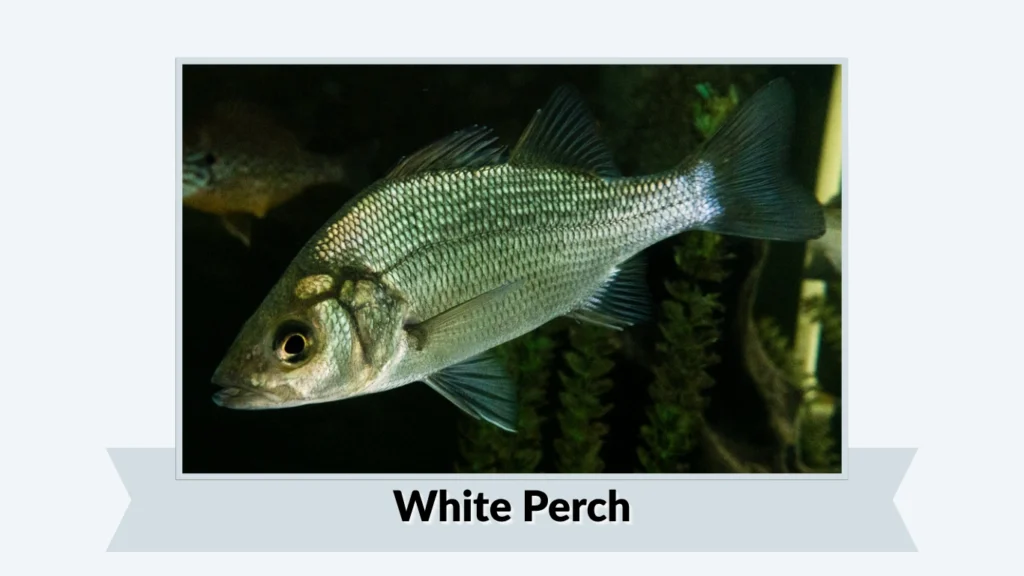
White Perch is a freshwater and brackish water fish known for its silvery body and adaptability to different aquatic environments. It is popular among anglers because of its active feeding behavior and ability to thrive in lakes, rivers, reservoirs, and coastal estuaries.
Identification
- Silver-white body with a slight gray or green tint
- Deep and laterally compressed body shape
- Faint horizontal stripes along the sides
- Spiny dorsal fin with softer rear section
- Usually grows between 8 and 12 inches in length
Natural Habitat
White Perch are native to eastern North America and are commonly found in freshwater lakes, rivers, reservoirs, and brackish coastal estuaries. They prefer calm or slow-moving waters with moderate vegetation and soft or muddy bottoms. Juveniles often inhabit shallow shoreline areas, while adults may move into deeper waters during different seasons. Their adaptability allows them to survive in both freshwater and slightly salty environments, making them highly successful in many habitats.
Behavior
White Perch are active schooling fish, especially during their younger stages. They are opportunistic feeders and spend much of their time searching for food near the bottom and middle water levels. These fish can become aggressive during feeding and often compete strongly for prey. Seasonal migration and spawning movements are common, particularly in river systems connected to coastal waters. Their schooling behavior provides protection from predators and improves feeding efficiency.
Diet
White Perch are omnivorous but mainly feed on aquatic insects, insect larvae, crustaceans, worms, and small fish. Juveniles consume zooplankton and tiny invertebrates before transitioning to larger prey as they mature. In some habitats, they also eat fish eggs and plant material. Their flexible diet allows them to adapt easily to changing food availability and environmental conditions.
6. Silver Perch
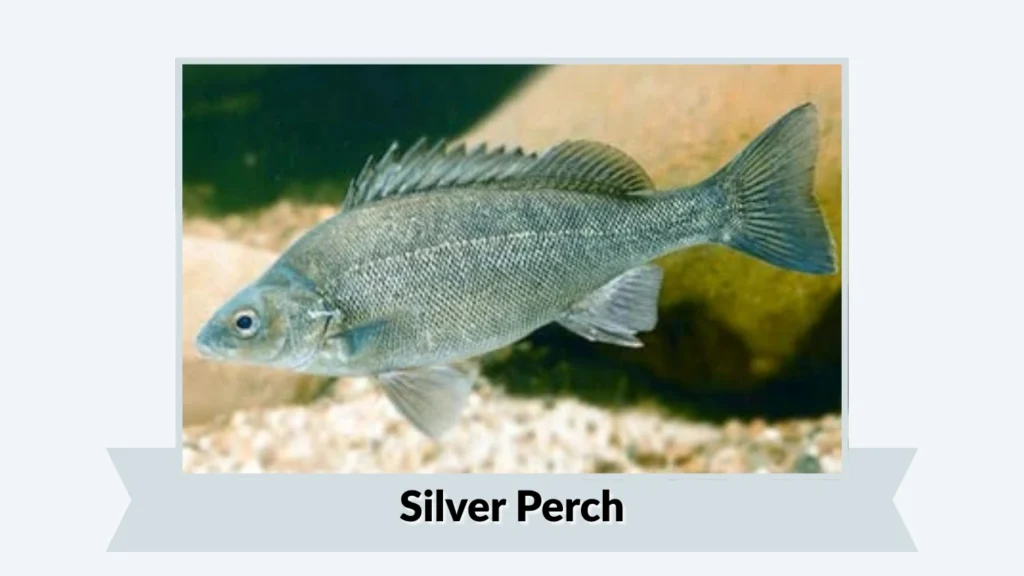
Silver Perch is a freshwater fish native to Australia and is widely valued for aquaculture, recreational fishing, and aquarium keeping. It is known for its silvery appearance, calm temperament, and ability to adapt to different freshwater environments. This hardy species grows quickly under proper conditions and is commonly found in rivers, reservoirs, and farm ponds with warm, well-oxygenated water.
Identification
- Silver to gray body coloration
- Deep and laterally compressed body shape
- Small mouth with rounded head
- Spiny dorsal fin with soft rear section
- Commonly grows between 12 and 18 inches in length
Natural Habitat
Silver Perch are native to freshwater rivers and lakes in eastern Australia, particularly within the Murray-Darling river system. They prefer slow-moving or still waters with warm temperatures, moderate vegetation, and submerged structures for shelter. These fish are commonly found in reservoirs, floodplains, and natural river channels with muddy or sandy bottoms. Their adaptability allows them to tolerate varying water conditions, including fluctuations in temperature and water levels. In managed aquaculture systems, they thrive in ponds and tanks with good filtration and oxygen supply.
Behavior
Silver Perch are peaceful and social fish that often move in small groups. They are active during warmer periods and spend much of their time searching for food near the bottom and middle water levels. These fish are generally non-aggressive and adapt well to controlled environments, making them suitable for aquaculture and mixed-species ponds. Seasonal temperature changes influence their activity and breeding behavior. Their calm nature and adaptability help them survive in a wide range of freshwater habitats.
Diet
Silver Perch are omnivorous and consume a wide variety of foods. Their diet includes aquatic insects, algae, plant matter, crustaceans, worms, and small aquatic organisms. In aquaculture and pond systems, they also readily accept pellets and prepared feeds. Juveniles mainly feed on plankton and smaller invertebrates before transitioning to larger food sources as they grow. A balanced diet supports healthy growth, strong immune function, and efficient development.
7. Golden Perch
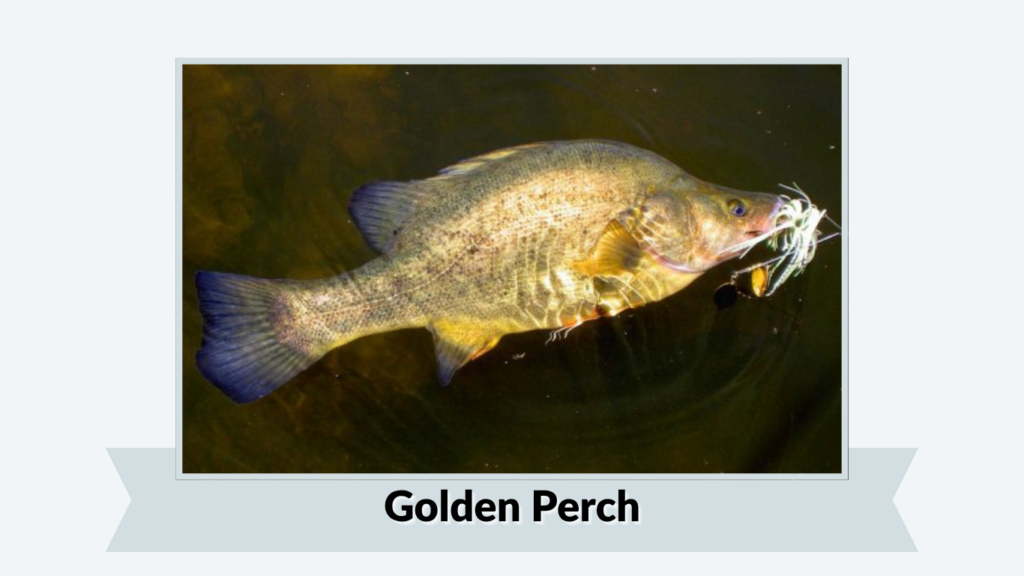
Golden Perch is a popular Australian freshwater fish recognized for its golden-yellow coloration and strong fighting ability. It is highly valued in recreational fishing and aquaculture because of its adaptability, fast growth, and importance in freshwater ecosystems. This species thrives in warm rivers, reservoirs, and lakes with moderate water flow and abundant food sources.
Identification
- Golden yellow to bronze body coloration
- Deep and slightly compressed body shape
- Rounded head with large mouth
- Spiny dorsal fin with softer rear section
- Usually grows between 12 and 20 inches in length
Natural Habitat
Golden Perch are native to Australia, especially within the Murray-Darling river system. They inhabit rivers, lakes, reservoirs, and floodplain waters with warm temperatures and moderate vegetation. These fish prefer areas with submerged logs, rocky structures, and muddy or sandy bottoms that provide shelter and feeding opportunities. During seasonal flooding, they often move into floodplains where food availability increases. Their adaptability allows them to survive in varying water conditions, including fluctuating temperatures and water levels.
Behavior
Golden Perch are active and opportunistic fish that often remain near underwater structures while searching for prey. Juveniles may form loose groups, but larger adults are generally more solitary. They are most active during warmer months and become less active in colder conditions. These fish are strong swimmers and display aggressive feeding behavior when prey is abundant. Seasonal migration for spawning is common in river systems connected to floodplain habitats.
Diet
Golden Perch are carnivorous and feed on insects, crustaceans, worms, and smaller fish. Juveniles mainly consume aquatic invertebrates before shifting to larger prey as they grow. In aquaculture and pond environments, they also accept protein-rich pellets and prepared feeds. Their varied diet supports rapid growth, strong muscle development, and overall health in both wild and managed environments.
8. Climbing Perch
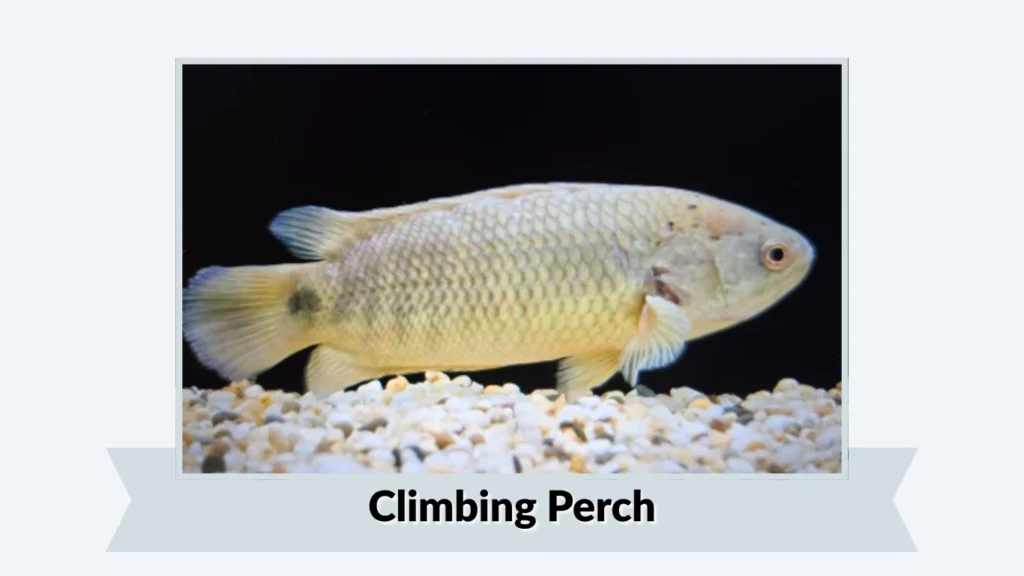
Climbing Perch is a unique freshwater fish famous for its ability to survive in low-oxygen environments and move short distances across land. Native to Asia, it is highly adaptable and commonly found in ponds, swamps, rice fields, and slow-moving rivers with dense vegetation and warm water conditions.
Identification
- Olive green to brown body coloration
- Deep and laterally compressed body shape
- Strong spiny dorsal and anal fins
- Large scales with rounded tail fin
- Usually grows between 6 and 10 inches in length
Natural Habitat
Climbing Perch are native to freshwater habitats across South and Southeast Asia. They commonly inhabit swamps, ponds, rice paddies, canals, and slow-moving rivers with muddy bottoms and dense vegetation. These fish are highly tolerant of poor water quality and low oxygen levels because they possess a special breathing organ that allows them to absorb oxygen from the air. During dry periods, they may move across moist ground in search of better water conditions. Their adaptability helps them survive in harsh and changing environments.
Behavior
Climbing Perch are hardy and highly adaptable fish with strong survival instincts. They are generally solitary or found in small groups and spend much of their time near vegetation and muddy substrates. These fish are known for their ability to move across land using their fins and body movements when necessary. They are active feeders and can become aggressive toward smaller fish in confined spaces. Their resilience allows them to survive in conditions that many freshwater fish cannot tolerate.
Diet
Climbing Perch are omnivorous and feed on insects, worms, crustaceans, small fish, algae, and plant matter. Juveniles mainly consume smaller aquatic organisms, while adults become more opportunistic feeders. In captivity and aquaculture systems, they also accept pellets and prepared feeds. Their flexible diet contributes to their adaptability and survival in a wide range of freshwater habitats.
9. Pirate Perch
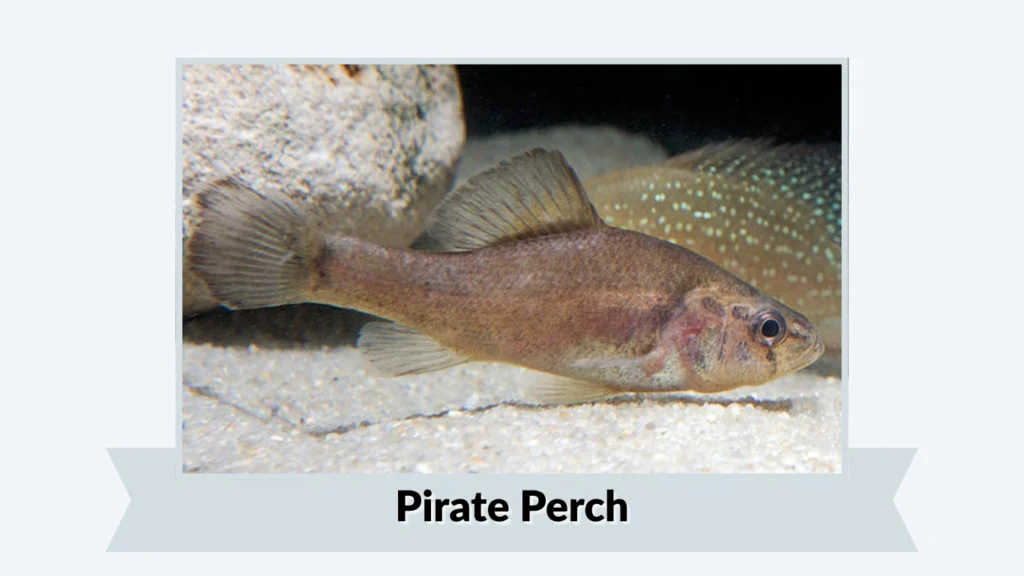
Pirate Perch is a small freshwater fish native to North America and is known for its unusual appearance and secretive behavior. Unlike many perch species, it prefers slow-moving waters with heavy vegetation and spends much of its time hiding among plants, roots, and submerged debris in quiet freshwater habitats.
Identification
- Dark brown to olive body coloration
- Small and rounded body shape
- Large mouth with slightly upward angle
- Soft fins without strong spines
- Usually grows between 3 and 5 inches in length
Natural Habitat
Pirate Perch are native to freshwater streams, swamps, ponds, and slow-moving rivers in eastern North America. They prefer calm waters with dense aquatic vegetation, leaf litter, submerged roots, and muddy bottoms. These habitats often have low light conditions and slow currents that provide shelter and protection from predators. Pirate Perch are commonly found in shallow waters where they can easily hide among natural debris and vegetation. Their preference for quiet environments makes them different from many other perch species that favor open water habitats.
Behavior
Pirate Perch are shy and solitary fish that spend much of their time hidden among plants and submerged structures. They are mostly active during low-light conditions, especially at dawn and dusk. Unlike schooling perch species, they usually remain alone or in small groups. Their secretive nature helps them avoid predators and ambush prey effectively. These fish are calm but highly territorial around preferred hiding spots in confined spaces.
Diet
Pirate Perch are carnivorous and mainly feed on insect larvae, worms, small crustaceans, and tiny fish. They hunt slowly and rely on stealth rather than speed to capture prey. Juveniles consume smaller aquatic invertebrates before shifting to larger food items as they grow. In captivity, they may also accept frozen foods and small protein-rich prepared feeds designed for carnivorous freshwater fish.
10. Sacramento Perch
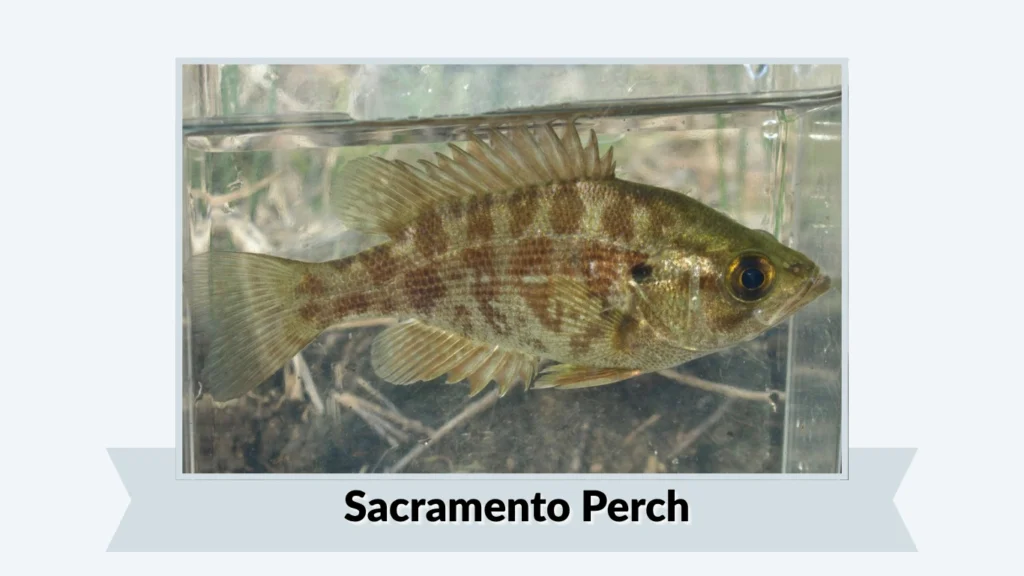
Sacramento Perch is a freshwater fish native to California and is valued for its adaptability and importance in recreational fishing. Although called a perch, it is more closely related to sunfish species. It is known for its dark body markings, hardy nature, and ability to survive in lakes, ponds, and slow-moving rivers with varying environmental conditions.
Identification
- Olive green to dark brown body coloration
- Vertical dark bars along the sides
- Deep and laterally compressed body shape
- Spiny dorsal fin with rounded tail
- Usually grows between 10 and 18 inches in length
Natural Habitat
Sacramento Perch are native to freshwater lakes, sloughs, reservoirs, and slow-moving rivers in California. They prefer warm waters with submerged vegetation, rocky structures, and muddy or sandy bottoms. Historically, they were widespread in floodplain habitats connected to river systems, but habitat changes have reduced their natural range. These fish adapt well to different environmental conditions, including moderate salinity and fluctuating water temperatures. In managed waters, they thrive in habitats with stable oxygen levels and adequate shelter.
Behavior
Sacramento Perch are active and social fish that may form loose groups, especially during juvenile stages. Adults often remain near submerged structures where they search for food and protection. They are aggressive feeders and compete strongly for prey in productive waters. Seasonal spawning movements occur during warmer months when water temperatures rise. Their adaptability and strong survival instincts allow them to tolerate conditions that may be difficult for other freshwater species.
Diet
Sacramento Perch are carnivorous and feed on insects, crustaceans, worms, and smaller fish. Juveniles mainly consume zooplankton and aquatic invertebrates before shifting to larger prey as they grow. In controlled environments, they also accept protein-rich pellets and prepared feeds. Their varied diet supports healthy growth, energy, and overall development in both wild and managed habitats.
11. Jade Perch
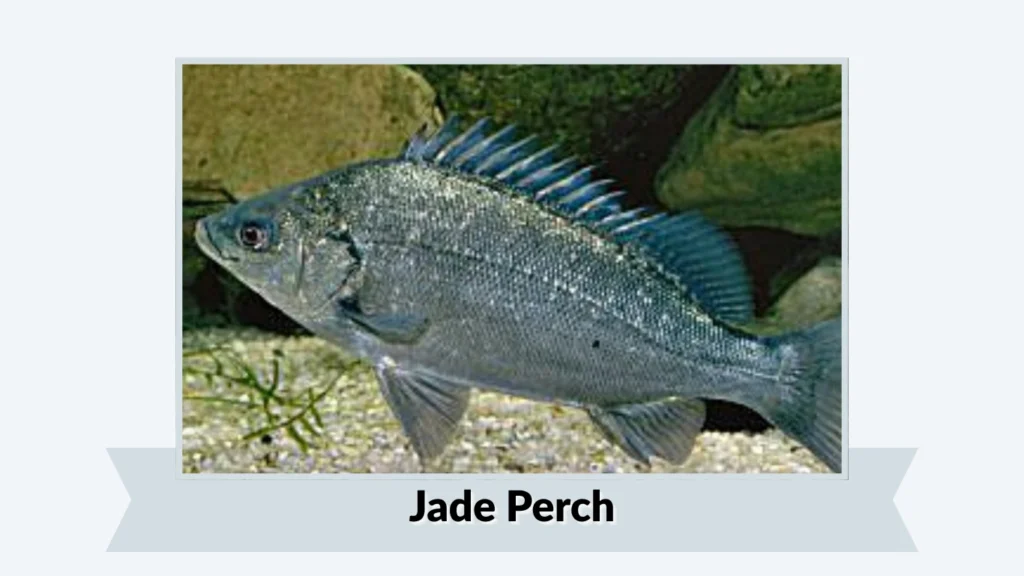
Jade Perch is an Australian freshwater fish known for its greenish sheen, rapid growth, and high nutritional value. It is widely used in aquaculture because of its hardy nature, calm temperament, and ability to adapt well to ponds, tanks, and warm freshwater environments with stable water quality.
Identification
- Silver-gray body with a green or jade-colored shine
- Deep and laterally compressed body shape
- Rounded head with medium-sized mouth
- Spiny dorsal fin with softer rear section
- Usually grows between 12 and 20 inches in length
Natural Habitat
Jade Perch are native to freshwater rivers and waterways in northern Australia. They inhabit warm tropical waters with moderate flow, submerged vegetation, and muddy or sandy bottoms. These fish prefer habitats with stable oxygen levels and abundant natural food sources. In the wild, they are commonly found in rivers, lagoons, and floodplain waters that experience seasonal changes in water levels. Their adaptability also allows them to thrive in aquaculture systems such as ponds and recirculating tanks.
Behavior
Jade Perch are generally peaceful and social fish that can be kept in groups. They are active feeders and spend much of their time searching for food near the bottom and middle water levels. These fish adapt well to controlled environments and tolerate handling better than many freshwater species. Their calm nature and fast growth rate make them highly suitable for aquaculture production. Seasonal temperature changes influence their breeding and feeding activity.
Diet
Jade Perch are omnivorous and consume aquatic insects, crustaceans, algae, plant matter, and smaller aquatic organisms. In aquaculture systems, they readily accept pellets and prepared feeds rich in protein and nutrients. Juveniles mainly feed on plankton and tiny invertebrates before shifting to larger food items as they mature. A balanced diet supports rapid growth, healthy development, and strong immune function.
12. Estuary Perch
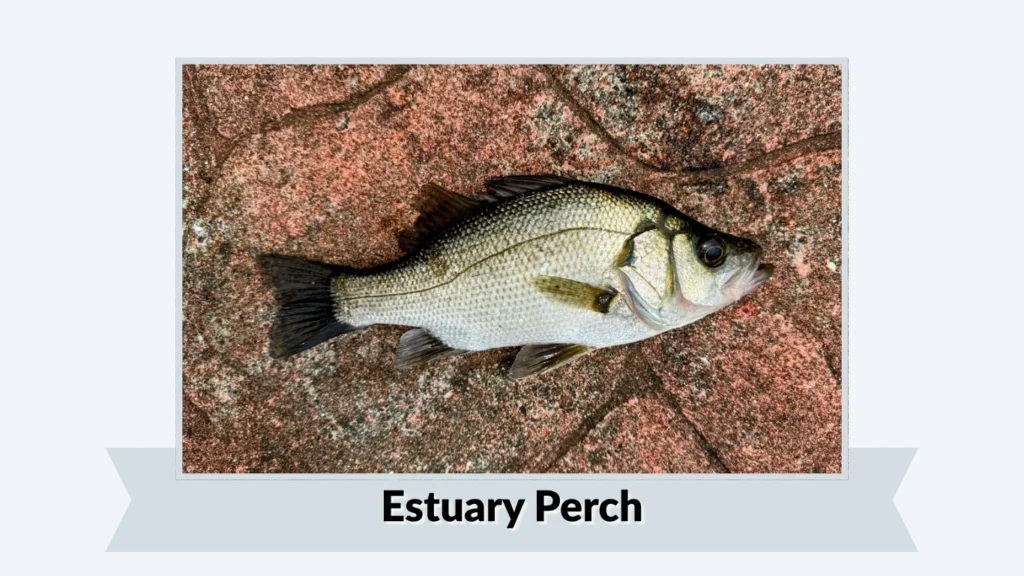
Estuary Perch is a freshwater and estuarine fish native to Australia and is valued for recreational fishing because of its strong fighting ability and adaptability. It thrives in rivers, estuaries, and coastal waterways where freshwater and saltwater conditions often mix throughout the year.
Identification
- Silver to dark gray body coloration
- Deep and slightly compressed body shape
- Large mouth with strong jaws
- Spiny dorsal fin with softer rear section
- Usually grows between 10 and 30 inches in length
Natural Habitat
Estuary Perch are native to southeastern Australia and commonly inhabit estuaries, coastal rivers, lakes, and brackish waterways. They prefer calm or slow-moving waters with submerged vegetation, fallen timber, rocky structures, and muddy bottoms. Juveniles are often found in sheltered estuarine areas, while adults may move into deeper freshwater or coastal habitats depending on seasonal conditions. Their ability to tolerate both freshwater and brackish environments allows them to thrive in diverse aquatic ecosystems with changing salinity levels.
Behavior
Estuary Perch are active predatory fish that often gather near submerged structures while waiting to ambush prey. Juveniles may form small groups, but larger adults are generally more solitary. These fish are most active during low-light periods such as dawn and dusk. Seasonal migration is common, especially during spawning periods when they move between estuarine and freshwater habitats. Their aggressive feeding behavior and strong swimming ability make them popular among sport anglers.
Diet
Estuary Perch are carnivorous and mainly feed on smaller fish, crustaceans, insects, and aquatic invertebrates. Juveniles consume plankton and tiny aquatic organisms before shifting to larger prey as they mature. In controlled environments, they may also accept protein-rich prepared feeds and pellets. Their varied diet supports healthy growth, muscular development, and strong predatory behavior in both freshwater and estuarine habitats.
13. Sea Perch
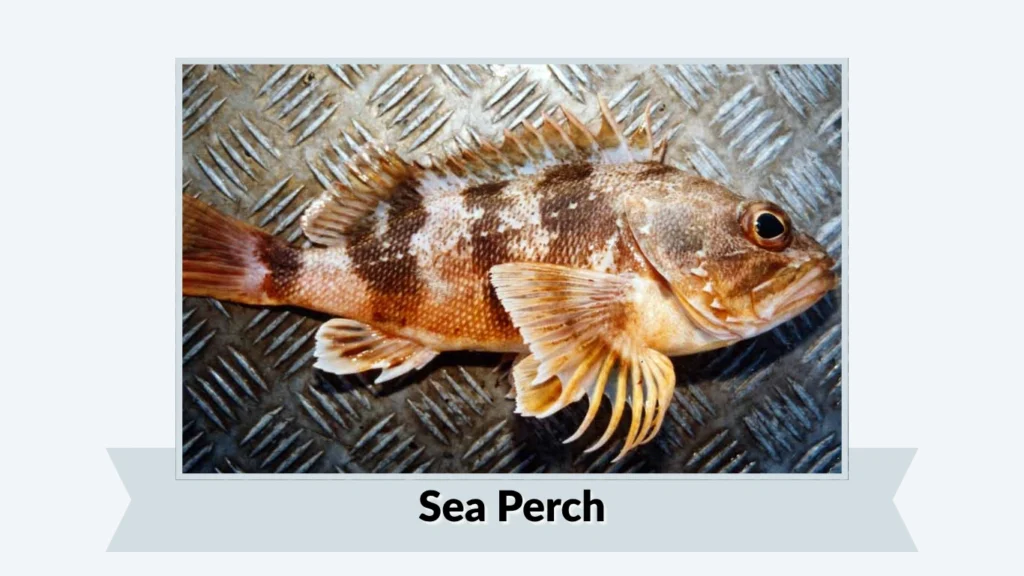
Sea Perch is a common name used for several marine perch-like fish species found in coastal oceans around the world. These fish are valued for commercial and recreational fishing because of their firm meat, adaptability, and ability to inhabit rocky reefs, coastal waters, and deeper marine environments.
Identification
- Red, orange, brown, or silver body coloration
- Deep and laterally compressed body shape
- Large eyes adapted for deeper waters
- Strong spiny dorsal fin
- Size varies by species, commonly between 8 and 24 inches in length
Natural Habitat
Sea Perch inhabit marine environments including coastal reefs, rocky seabeds, kelp forests, and deeper offshore waters. They are commonly found in the Atlantic, Pacific, and Indian Oceans depending on the species. Many Sea Perch prefer cooler waters with underwater structures that provide shelter and feeding opportunities. Juveniles often remain in shallow coastal habitats, while adults may move into deeper waters as they mature. Their habitats usually contain rocky formations, coral structures, or sandy bottoms where prey is abundant.
Behavior
Sea Perch are generally active predators that spend much of their time near underwater structures. Some species form schools during juvenile stages, while adults may become more solitary or gather in loose groups. They are most active during feeding periods and rely on ambush hunting techniques to capture prey. Their movement patterns often depend on seasonal temperature changes, breeding cycles, and food availability. Many Sea Perch species are territorial around preferred shelter areas.
Diet
Sea Perch are carnivorous and mainly feed on smaller fish, crustaceans, squid, and marine invertebrates. Juveniles consume plankton and tiny aquatic organisms before shifting to larger prey as they grow. Their strong jaws and sharp feeding instincts make them effective marine predators. In captivity or aquaculture systems, some species also accept protein-rich prepared feeds designed for carnivorous marine fish.
14. Barred Perch
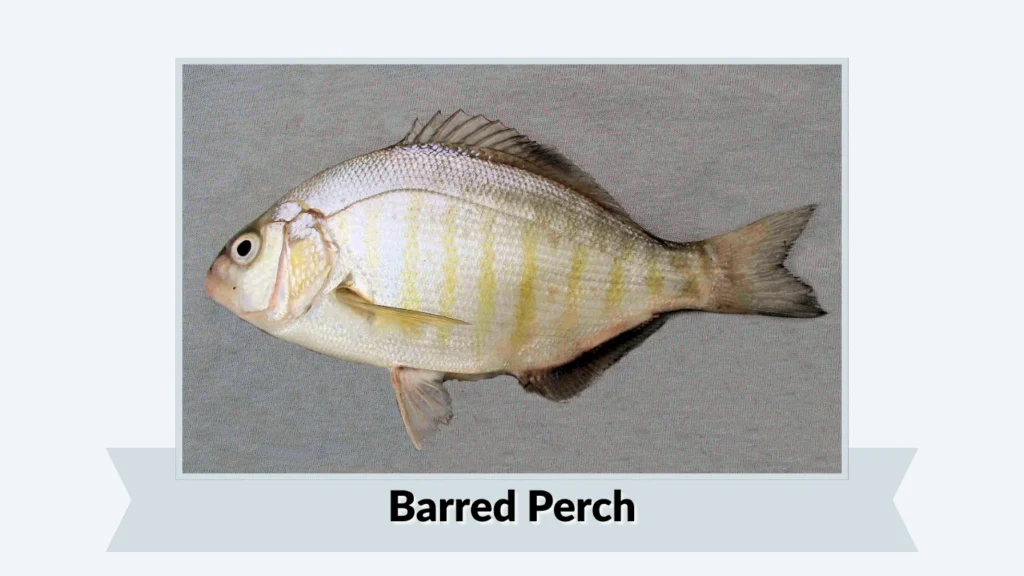
Barred Perch is a freshwater fish recognized for the dark vertical bands along its body and its adaptability to different aquatic habitats. It is commonly found in rivers, lakes, and reservoirs where it plays an important role as both a predator and prey species within freshwater ecosystems.
Identification
- Silver, greenish, or brown body coloration
- Distinct dark vertical bars along the sides
- Deep and slightly compressed body shape
- Spiny dorsal fin with softer rear section
- Usually grows between 8 and 14 inches in length
Natural Habitat
Barred Perch inhabit freshwater lakes, ponds, slow-moving rivers, and reservoirs with moderate vegetation and stable oxygen levels. They prefer habitats containing submerged logs, aquatic plants, rocky structures, and sandy or muddy bottoms that provide shelter and feeding opportunities. Juveniles are often found in shallow shoreline areas, while adults may move into deeper waters depending on temperature and food availability. Their adaptability allows them to survive in a range of freshwater conditions with varying water clarity and flow rates.
Behavior
Barred Perch are active fish that may form schools during their younger stages. Adults often become more territorial and spend time near underwater structures where prey is abundant. These fish are aggressive feeders and remain active throughout much of the day. Their movement patterns are influenced by spawning seasons, temperature changes, and food availability. Schooling behavior among juveniles provides protection from predators and improves feeding efficiency in open water habitats.
Diet
Barred Perch are carnivorous and feed on aquatic insects, insect larvae, worms, crustaceans, and smaller fish. Juveniles mainly consume zooplankton and tiny invertebrates before transitioning to larger prey as they mature. In controlled environments, they may also accept prepared feeds and protein-rich pellets. A balanced diet supports healthy growth, strong body development, and active predatory behavior.
15. Trout Perch
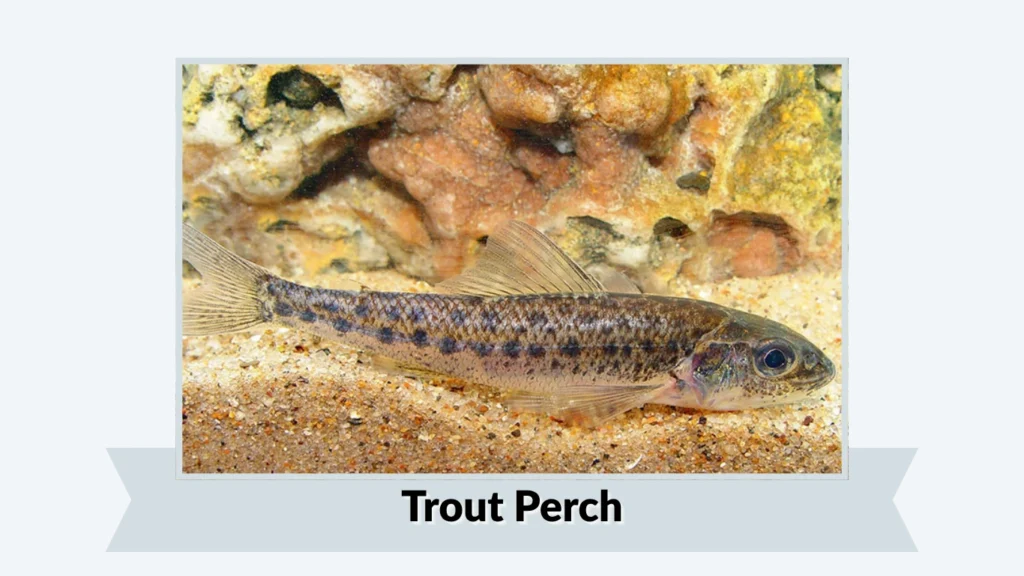
Trout Perch is a small freshwater fish native to North America and is known for its slender body and unique combination of trout-like and perch-like features. It commonly inhabits cool rivers and lakes where it remains close to the bottom and feeds on small aquatic organisms.
Identification
- Slender silver to olive-colored body
- Dark speckled markings along the sides
- Large eyes and pointed snout
- Soft fins with small spines
- Usually grows between 4 and 6 inches in length
Natural Habitat
Trout Perch are found in freshwater lakes, rivers, streams, and reservoirs across North America. They prefer cool, well-oxygenated waters with sandy, gravelly, or muddy bottoms. These fish are commonly associated with deeper waters during the daytime and may move into shallower regions at night for feeding. Their habitats often include submerged vegetation, rocky structures, and clear water conditions that support abundant aquatic invertebrates. Trout Perch thrive best in environments with stable temperatures and clean water.
Behavior
Trout Perch are mostly nocturnal fish that remain inactive near the bottom during daylight hours. At night, they become more active and move through open water searching for food. They may form small groups, especially during juvenile stages, but are generally calm and non-aggressive. Their secretive behavior helps them avoid predators in open freshwater habitats. Seasonal movement patterns are influenced by spawning cycles and water temperature changes.
Diet
Trout Perch are carnivorous and mainly feed on aquatic insects, insect larvae, crustaceans, worms, and small fish eggs. Juveniles consume tiny plankton and microscopic organisms before shifting to larger prey as they mature. Their feeding activity is usually strongest during nighttime hours. In controlled environments, they may also accept frozen foods and protein-rich prepared feeds suitable for small carnivorous freshwater fish.
16. Sharpnose Perch
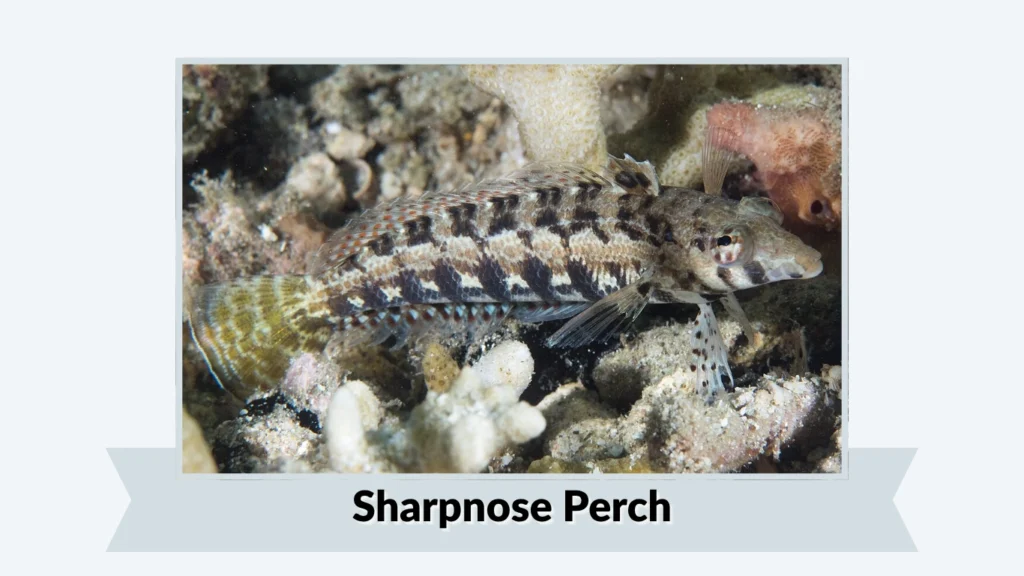
Sharpnose Perch is a freshwater fish recognized for its pointed snout and streamlined body shape. It is commonly found in rivers, lakes, and reservoirs where it uses its sharp vision and quick movements to hunt small aquatic prey in both shallow and deeper waters.
Identification
- Silver to olive-green body coloration
- Long and pointed snout
- Slender and streamlined body shape
- Spiny dorsal fin with soft rear section
- Usually grows between 6 and 12 inches in length
Natural Habitat
Sharpnose Perch inhabit freshwater rivers, lakes, ponds, and reservoirs with clear water and stable oxygen levels. They prefer habitats containing submerged vegetation, rocky structures, sandy bottoms, and moderate water movement. Juveniles are commonly found in shallow shoreline areas where cover is available, while adults may occupy deeper regions with abundant prey. These fish adapt well to different freshwater environments as long as water quality remains suitable and feeding opportunities are available throughout the year.
Behavior
Sharpnose Perch are active swimmers that spend much of their time searching for food near underwater structures and open water zones. Juveniles may form small schools for protection, while larger adults are more independent and territorial. They are most active during feeding periods and use their quick reflexes to capture prey efficiently. Seasonal movement patterns are influenced by water temperature, spawning activity, and food availability in their habitat.
Diet
Sharpnose Perch are carnivorous and mainly feed on aquatic insects, insect larvae, crustaceans, worms, and smaller fish. Young fish consume plankton and tiny invertebrates before shifting to larger prey as they grow. In managed environments, they may also accept frozen foods and protein-rich prepared feeds. Their high-protein diet supports healthy growth, strong muscle development, and active predatory behavior.
17. Spangled Perch
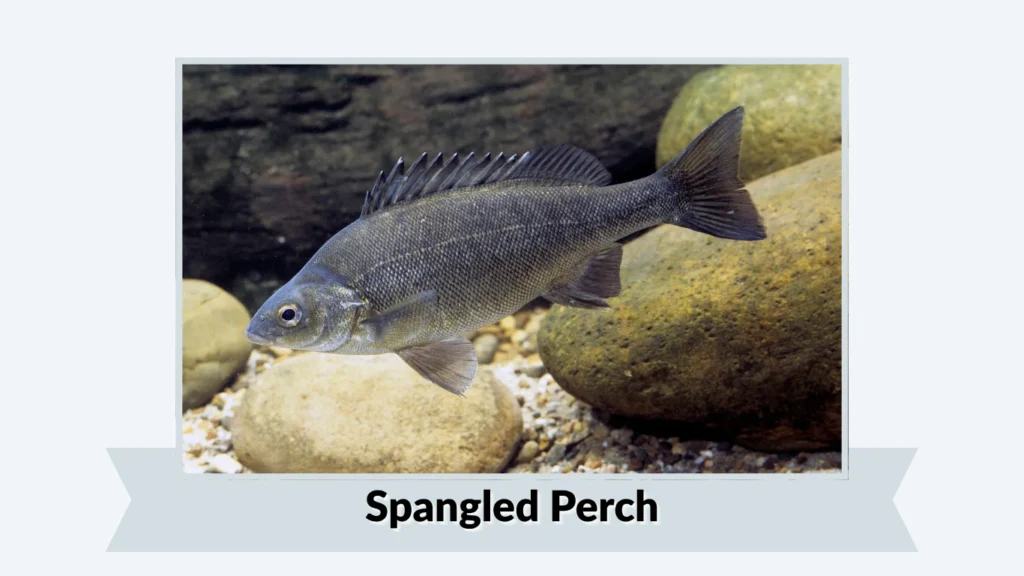
Spangled Perch is a hardy freshwater fish native to Australia and is known for its spotted body pattern and ability to survive in harsh environments. It is highly adaptable and can thrive in rivers, billabongs, lakes, and temporary water bodies with fluctuating conditions.
Identification
- Olive green to golden-brown body coloration
- Small iridescent spots scattered across the body
- Deep and laterally compressed body shape
- Large mouth with rounded fins
- Usually grows between 4 and 12 inches in length
Natural Habitat
Spangled Perch are found throughout freshwater systems in Australia and parts of New Guinea. They inhabit rivers, lakes, floodplains, billabongs, and temporary pools with muddy or sandy bottoms. These fish are extremely adaptable and can tolerate poor water quality, low oxygen levels, and changing temperatures. During wet seasons, they spread into flooded areas where food becomes abundant. Their ability to survive in isolated water bodies helps them thrive in environments that are difficult for many other freshwater fish species.
Behavior
Spangled Perch are active and opportunistic fish that often move in small groups while searching for food. They are aggressive feeders and quickly take advantage of available prey in their habitat. These fish are highly resilient and can survive drought conditions by remaining in shrinking pools of water. Their movement patterns are strongly influenced by rainfall and seasonal flooding, which allow them to expand into new habitats and breeding areas.
Diet
Spangled Perch are carnivorous and feed on insects, crustaceans, worms, tadpoles, and small fish. Juveniles mainly consume plankton and tiny aquatic invertebrates before shifting to larger prey as they mature. In aquaculture and controlled environments, they may also accept pellets and prepared protein-rich feeds. Their varied diet supports rapid growth, adaptability, and strong survival abilities in changing freshwater environments.
18. Swamp Perch
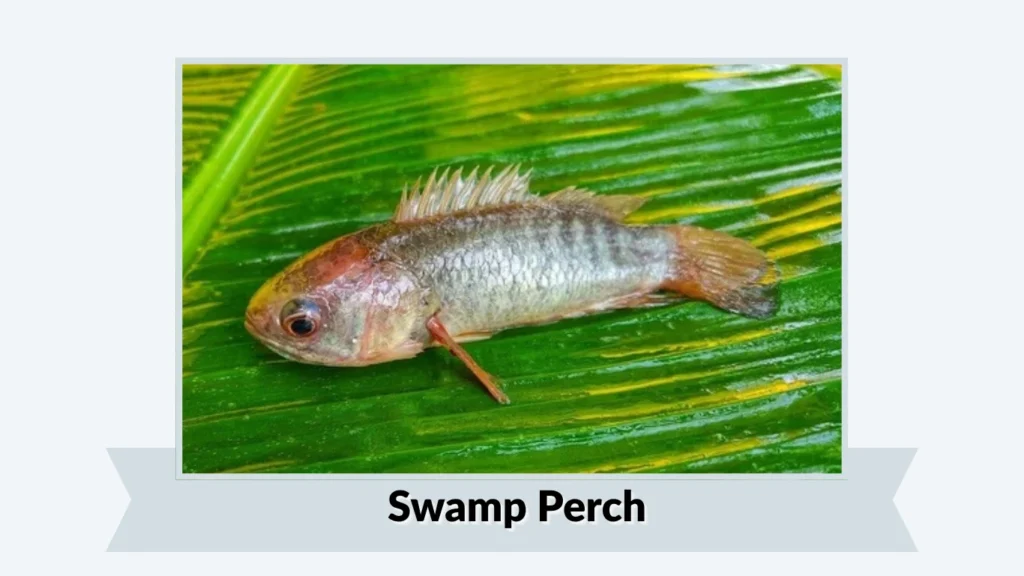
Swamp Perch is a freshwater fish native to Australia and is known for its dark coloration, calm behavior, and preference for slow-moving waters. It commonly inhabits swamps, creeks, and heavily vegetated freshwater habitats where it relies on cover and shelter for protection and feeding.
Identification
- Dark brown to olive-green body coloration
- Deep and slightly compressed body shape
- Rounded fins with soft spines
- Small mouth with broad head
- Usually grows between 8 and 14 inches in length
Natural Habitat
Swamp Perch are commonly found in freshwater swamps, creeks, lakes, and slow-flowing rivers in southeastern Australia. They prefer habitats with dense aquatic vegetation, submerged logs, leaf litter, and muddy bottoms. These fish thrive in calm waters with stable temperatures and moderate oxygen levels. Shallow vegetated areas provide protection from predators and ideal feeding conditions. Their natural habitats are often shaded by surrounding vegetation, creating cooler and more stable environmental conditions throughout the year.
Behavior
Swamp Perch are generally calm and secretive fish that spend much of their time hiding among vegetation and submerged structures. They are most active during low-light periods and rely on cover to ambush prey. Juveniles may gather in small groups, while adults tend to become more solitary and territorial. Their slow and cautious movement helps them conserve energy and remain hidden from predators. Seasonal changes in water temperature and breeding cycles influence their activity levels.
Diet
Swamp Perch are carnivorous and mainly feed on insects, crustaceans, worms, tadpoles, and smaller fish. Juveniles consume tiny aquatic invertebrates before transitioning to larger prey as they grow. These fish are ambush predators that wait patiently for prey to approach before attacking. In controlled environments, they may also accept frozen foods and protein-rich prepared feeds designed for carnivorous freshwater fish.
19. Redfin Perch
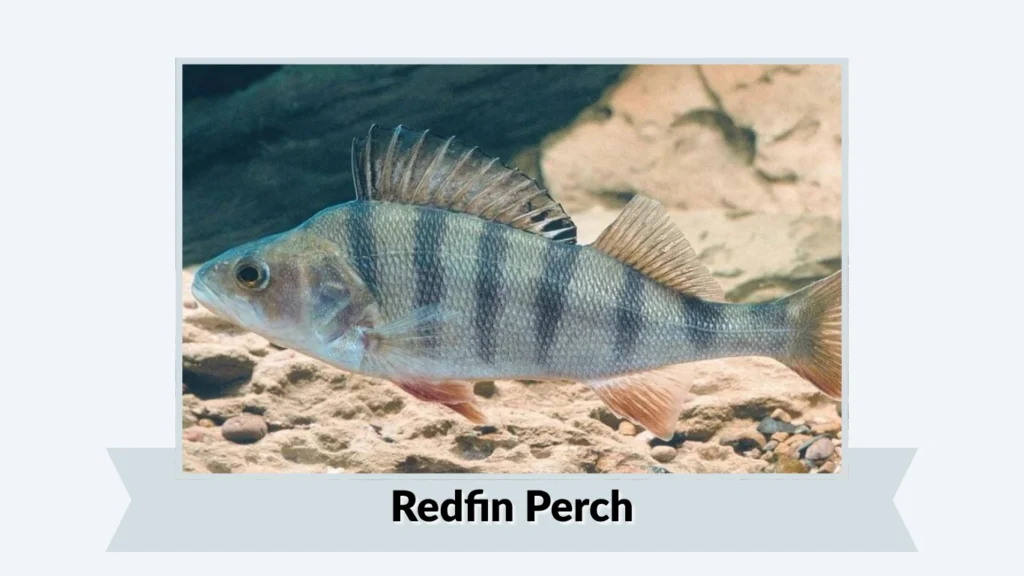
Redfin Perch is a well-known freshwater fish recognized for its dark vertical stripes and bright reddish fins. Native to Europe but introduced to other regions, it is valued for recreational fishing and its ability to adapt to lakes, rivers, and reservoirs with varying environmental conditions.
Identification
- Greenish-yellow body with dark vertical bars
- Bright red or orange pelvic and anal fins
- Deep and laterally compressed body shape
- Spiny dorsal fin with darker markings
- Usually grows between 8 and 18 inches in length
Natural Habitat
Redfin Perch inhabit freshwater lakes, ponds, rivers, and reservoirs with cool to moderate water temperatures. They prefer habitats containing submerged vegetation, rocky structures, fallen logs, and sandy or muddy bottoms. Juveniles are commonly found in shallow vegetated areas for protection, while adults often move into deeper open waters where prey is more abundant. These fish are highly adaptable and can tolerate a range of water conditions as long as oxygen levels remain suitable. Their populations thrive in stable freshwater ecosystems with good food availability.
Behavior
Redfin Perch are active schooling fish during their juvenile stages, but larger adults may become more territorial and solitary. They spend much of their time hunting near underwater structures and open water zones. These fish are aggressive feeders and highly efficient predators, especially in ecosystems where smaller prey fish are abundant. Seasonal spawning movements occur during warmer months when water temperatures rise. Their schooling behavior among younger fish provides protection from predators and improves feeding success.
Diet
Redfin Perch are carnivorous and mainly feed on aquatic insects, insect larvae, crustaceans, worms, tadpoles, and smaller fish. Juveniles consume plankton and tiny aquatic organisms before transitioning to fish-based diets as they mature. In managed environments, they may also accept frozen foods and protein-rich pellets. Their varied diet supports rapid growth, strong muscle development, and active predatory behavior.
20. Surfperch
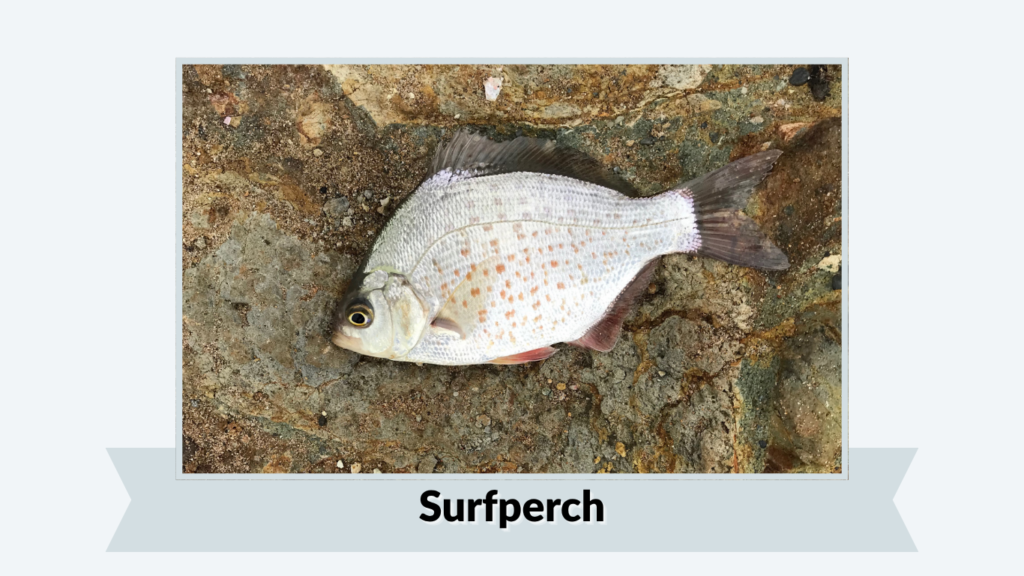
Surfperch is a group of marine fish commonly found along the Pacific coast of North America. These fish are popular among recreational anglers because of their adaptability, schooling behavior, and ability to thrive in coastal surf zones, rocky shores, and sandy beaches with constant wave action.
Identification
- Silver, gray, or brown body coloration
- Deep and laterally compressed body shape
- Small mouth with rounded fins
- Spiny dorsal fin with soft rear section
- Size varies by species, commonly between 8 and 18 inches in length
Natural Habitat
Surfperch inhabit coastal marine environments along the Pacific Ocean, especially near sandy beaches, rocky reefs, kelp forests, and estuaries. They are commonly found in shallow surf zones where waves continuously stir up food from the seabed. Many species remain close to shore throughout their lives, while others move into slightly deeper waters depending on seasonal conditions. Their habitats often contain eelgrass beds, rocky formations, and sandy bottoms that provide feeding opportunities and protection from predators.
Behavior
Surfperch are social fish that often move in schools, especially during feeding periods. They are highly active swimmers and spend much of their time searching for food near the ocean floor and breaking surf. These fish are well adapted to strong wave action and changing tidal conditions. Some species migrate seasonally along coastal areas for breeding and feeding. Their schooling behavior improves protection from predators and increases feeding success in turbulent marine environments.
Diet
Surfperch are carnivorous and mainly feed on small crustaceans, worms, mollusks, shrimp, and marine invertebrates found along sandy or rocky seabeds. Juveniles consume plankton and tiny aquatic organisms before shifting to larger prey as they mature. Their flexible feeding habits allow them to adapt to changing coastal food availability. In controlled marine systems, some species may also accept protein-rich prepared feeds.
21. Striped Seaperch
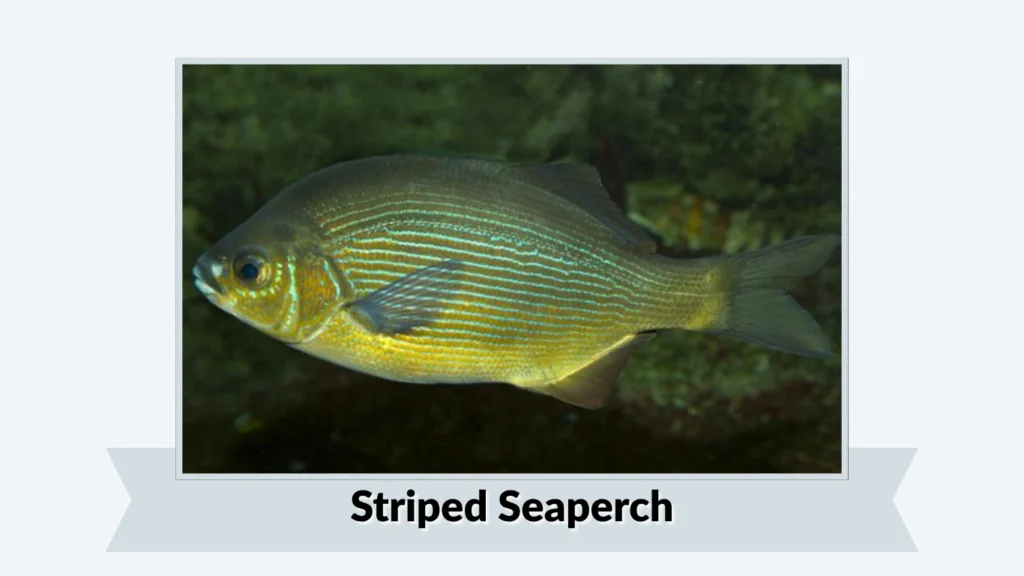
Striped Seaperch is a marine fish known for the dark horizontal stripes running along its body and its preference for rocky coastal habitats. It is commonly found in Pacific coastal waters and is valued by anglers for its active behavior and adaptability to nearshore marine environments.
Identification
- Silver to gray body with dark horizontal stripes
- Deep and laterally compressed body shape
- Rounded fins with spiny dorsal section
- Large eyes adapted for coastal waters
- Usually grows between 10 and 18 inches in length
Natural Habitat
Striped Seaperch inhabit coastal marine waters along rocky reefs, kelp forests, sandy shorelines, and estuaries. They are commonly found near underwater structures where food and shelter are abundant. Juveniles often remain in shallow protected waters, while adults may move into deeper coastal areas depending on water temperature and seasonal conditions. These fish thrive in cool, oxygen-rich marine environments with moderate wave action and stable salinity levels.
Behavior
Striped Seaperch are active schooling fish that often move in groups while searching for food near rocky bottoms and coastal structures. They are most active during feeding periods and rely on quick movements to capture prey in turbulent waters. Their schooling behavior helps reduce predation risk and improves feeding success. Seasonal movement patterns may occur as they shift between shallow and deeper waters for spawning and feeding activities.
Diet
Striped Seaperch are carnivorous and feed on crustaceans, worms, mollusks, shrimp, and other small marine invertebrates. Juveniles consume plankton and tiny aquatic organisms before transitioning to larger prey as they mature. Their diet varies depending on habitat and seasonal food availability. In controlled marine systems, they may also accept protein-rich prepared feeds designed for carnivorous saltwater fish.
22. Blacktail Seaperch
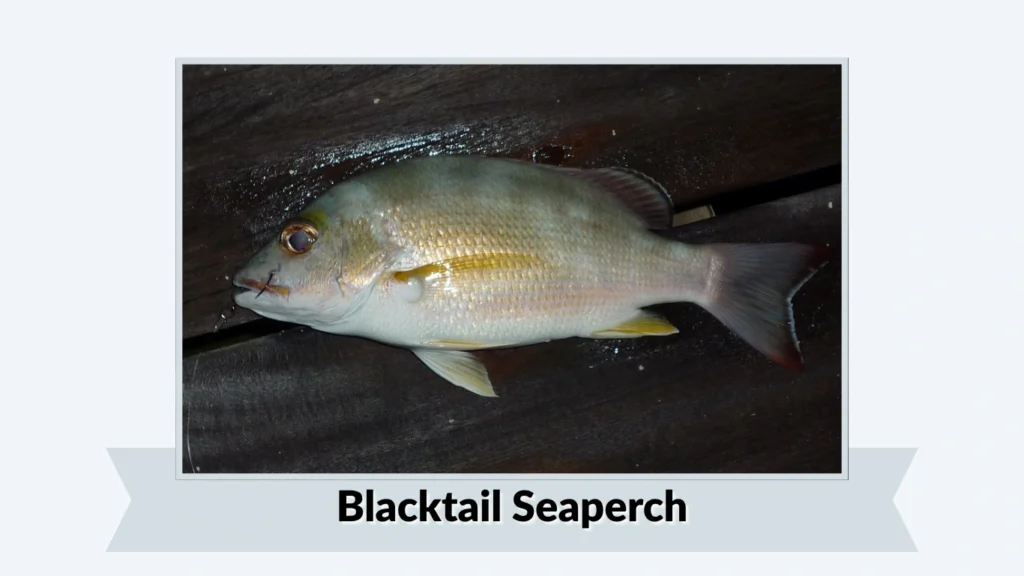
Blacktail Seaperch is a coastal marine fish recognized for the dark coloration on its tail fin and its preference for rocky shorelines and kelp-rich waters. It is commonly found along the Pacific coast and is appreciated for its active schooling behavior and importance in nearshore marine ecosystems.
Identification
- Silver to bronze body coloration
- Distinct black or dark-colored tail fin
- Deep and compressed body shape
- Spiny dorsal fin with rounded rear fins
- Usually grows between 8 and 16 inches in length
Natural Habitat
Blacktail Seaperch inhabit shallow coastal waters, rocky reefs, kelp forests, and estuaries along the Pacific coastline. They prefer habitats with underwater structures such as rocks, eelgrass beds, and kelp that provide shelter and feeding opportunities. Juveniles are often found in protected shallow areas, while adults may occupy deeper nearshore waters. These fish thrive in cool, oxygen-rich marine environments with stable salinity and moderate wave action.
Behavior
Blacktail Seaperch are social fish that commonly move in schools, especially during feeding periods. They are active swimmers and spend much of their time searching for prey near rocky bottoms and marine vegetation. Their schooling behavior helps protect them from predators and improves feeding efficiency. These fish are generally calm but become highly active when food is abundant. Seasonal movement patterns may occur in response to breeding cycles and changing water temperatures.
Diet
Blacktail Seaperch are carnivorous and mainly feed on crustaceans, shrimp, worms, mollusks, and other small marine invertebrates. Juveniles consume plankton and tiny aquatic organisms before shifting to larger prey as they grow. Their flexible diet allows them to adapt to changing food availability in coastal habitats. In controlled marine environments, they may also accept protein-rich prepared feeds designed for carnivorous marine fish.
23. Walleye
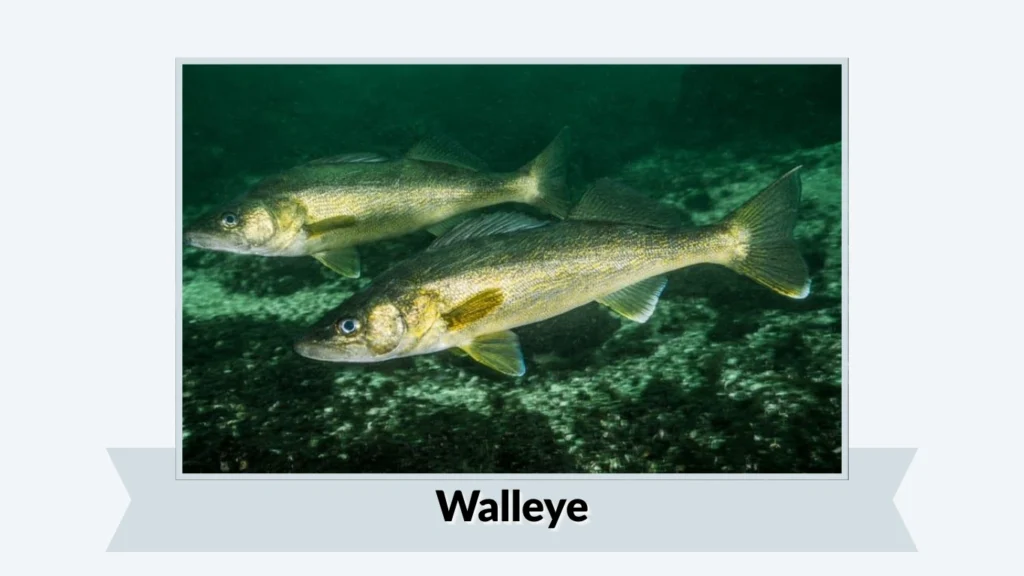
Walleye is a popular freshwater fish known for its excellent vision in low light and its importance in recreational and commercial fishing. Native to North America, it is highly valued for its firm meat, strong fighting ability, and adaptability to lakes, rivers, and reservoirs with cool, clear water conditions.
Identification
- Olive brown to golden body coloration
- Large reflective eyes adapted for low light
- Elongated and streamlined body shape
- Sharp teeth with spiny dorsal fin
- Usually grows between 15 and 30 inches in length
Natural Habitat
Walleye inhabit freshwater lakes, rivers, reservoirs, and large ponds across North America. They prefer cool, well-oxygenated waters with rocky bottoms, gravel beds, submerged structures, and moderate water movement. Juveniles are commonly found in shallower shoreline areas, while adults often remain in deeper waters during daylight hours. These fish are especially active in low-light environments such as dawn, dusk, and cloudy conditions. Their habitats typically support abundant populations of smaller fish and aquatic invertebrates.
Behavior
Walleye are active predatory fish that often hunt during low-light periods when their excellent eyesight gives them an advantage over prey. Juveniles may form schools, while larger adults can become more solitary or gather in loose feeding groups. They spend much of their time near underwater structures and open water zones where prey fish are abundant. Seasonal migration occurs during spawning periods when they move into rivers and shallow rocky areas.
Diet
Walleye are carnivorous and mainly feed on smaller fish such as minnows, shad, and perch. They also consume insects, crustaceans, and aquatic invertebrates, especially during juvenile stages. Young Walleye begin life feeding on plankton and tiny organisms before shifting to fish-based diets as they mature. Their high-protein diet supports rapid growth, strong muscle development, and efficient predatory behavior.
24. Sauger
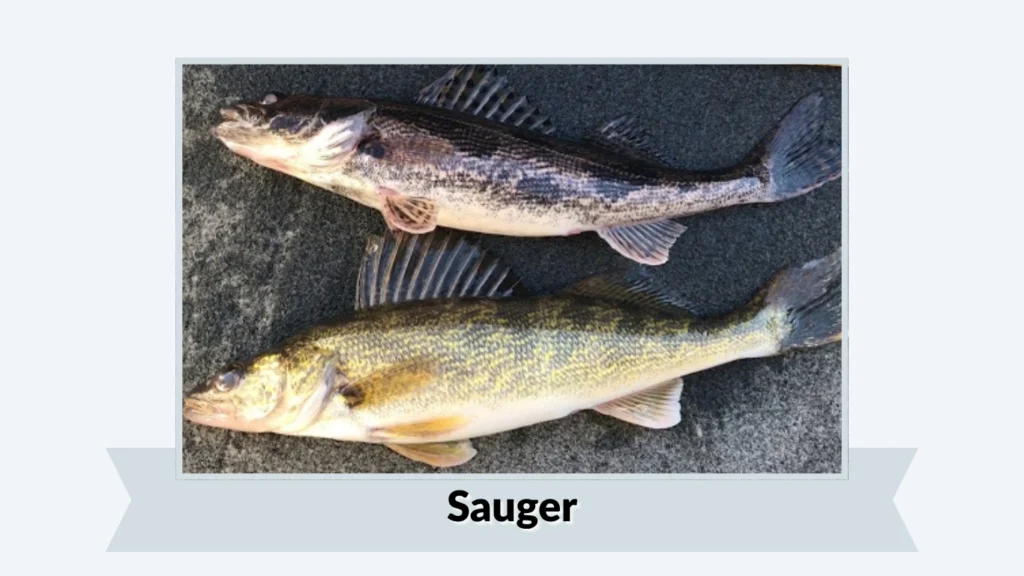
Sauger is a freshwater predatory fish closely related to Walleye and is recognized for its dark blotched markings and strong swimming ability. It is popular among anglers because of its aggressive feeding behavior and its ability to thrive in large rivers, reservoirs, and turbid freshwater systems.
Identification
- Brown to gray body coloration with dark blotches
- Elongated and streamlined body shape
- Large mouth with sharp teeth
- Spiny dorsal fin marked with dark spots
- Usually grows between 12 and 20 inches in length
Natural Habitat
Sauger are native to freshwater rivers, reservoirs, and lakes across North America. They prefer large river systems with moderate to strong currents, muddy or rocky bottoms, and cooler water temperatures. These fish are highly adapted to turbid waters where visibility is low. Juveniles often remain in calmer shoreline areas, while adults occupy deeper channels and open waters with abundant prey. Their habitats usually contain submerged structures and gravel beds that provide feeding and spawning opportunities.
Behavior
Sauger are active predatory fish that spend much of their time hunting near the bottom and in deeper waters. They are most active during low-light conditions such as dawn, dusk, and cloudy weather. Juveniles may gather in loose groups, while larger adults are more independent hunters. Seasonal spawning migrations occur in spring when they move toward gravel-bottomed river sections. Their aggressive feeding behavior and adaptability make them effective predators in flowing freshwater systems.
Diet
Sauger are carnivorous and mainly feed on smaller fish, aquatic insects, crustaceans, and insect larvae. Juveniles consume plankton and tiny aquatic invertebrates before transitioning to larger prey as they grow. Adults rely heavily on fish-based diets to support their active predatory lifestyle. In controlled environments, they may also accept frozen foods and protein-rich prepared feeds designed for carnivorous freshwater fish.
25. Log Perch
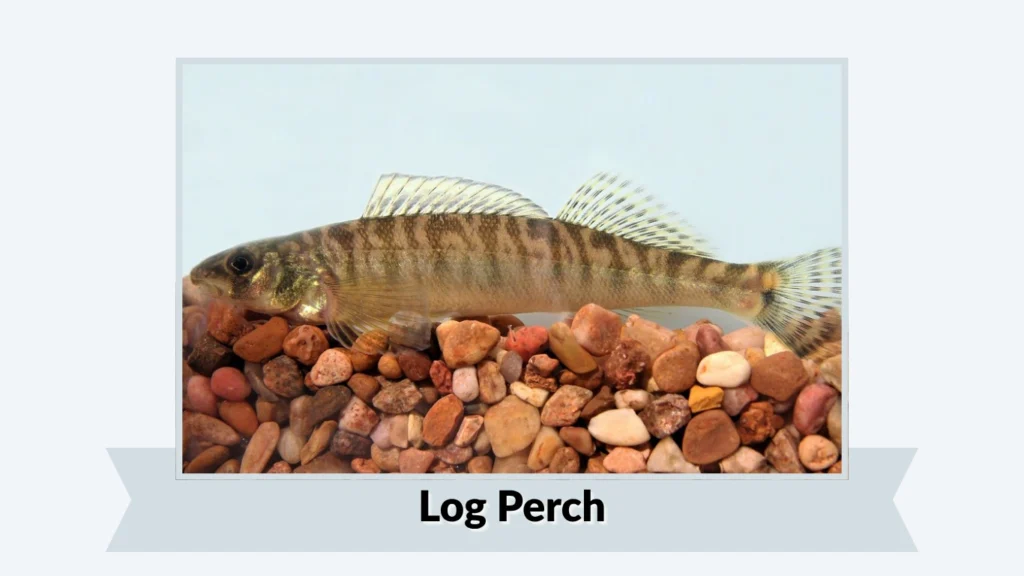
Log Perch is a small freshwater fish native to North America and is known for its elongated body and habit of flipping small stones while searching for food. It belongs to the darter family and is commonly found in clean rivers and streams with rocky or sandy bottoms.
Identification
- Yellowish to olive body coloration
- Dark vertical bars or blotches along the sides
- Slender and elongated body shape
- Pointed snout with small mouth
- Usually grows between 3 and 6 inches in length
Natural Habitat
Log Perch inhabit freshwater rivers, streams, lakes, and clear creeks across North America. They prefer clean, well-oxygenated waters with gravel, sand, or rocky bottoms where they can search for food effectively. These fish are commonly found in moderate current areas with submerged logs, stones, and aquatic vegetation that provide shelter and feeding opportunities. Juveniles often remain in shallow shoreline habitats, while adults may occupy deeper flowing waters depending on seasonal conditions and food availability.
Behavior
Log Perch are active bottom-dwelling fish that spend much of their time searching for prey among rocks and gravel. They are known for using their pointed snouts to flip pebbles and small stones while hunting for hidden food. These fish are generally solitary or found in small loose groups. Their movement patterns are influenced by water temperature, spawning cycles, and river flow conditions. During breeding seasons, males may become more territorial around spawning areas.
Diet
Log Perch are carnivorous and mainly feed on aquatic insects, insect larvae, small crustaceans, worms, and tiny invertebrates found along river bottoms. Juveniles consume microscopic organisms and plankton before shifting to larger prey as they mature. Their specialized feeding behavior allows them to efficiently locate hidden prey beneath rocks and gravel. In controlled environments, they may also accept frozen foods and small protein-rich prepared feeds.
FAQs
What is the difference between perch and seaperch?
Perch are generally freshwater fish found in lakes and rivers, while seaperch are marine species that live in coastal ocean waters. Both groups share similar body structures, but they inhabit different environments and have different feeding and behavioral patterns.
What do perch fish eat?
Most perch species are carnivorous and feed on insects, worms, crustaceans, and smaller fish. Juveniles usually consume plankton and tiny aquatic organisms before transitioning to larger prey as they grow.
Are perch fish good for aquariums?
Some smaller perch species can be kept in large freshwater aquariums if proper conditions are maintained. However, many perch species grow large and require spacious tanks with excellent filtration and stable water quality.
How long do perch fish live?
The lifespan of perch fish varies by species. Smaller perch may live around 3 to 6 years, while larger species such as Walleye or Nile Perch can live for more than 10 years under suitable environmental conditions.
Where are perch fish commonly found?
Perch fish are found in freshwater lakes, rivers, reservoirs, swamps, and coastal marine habitats around the world. Different species are native to North America, Europe, Asia, Africa, and Australia depending on their environmental adaptations.