
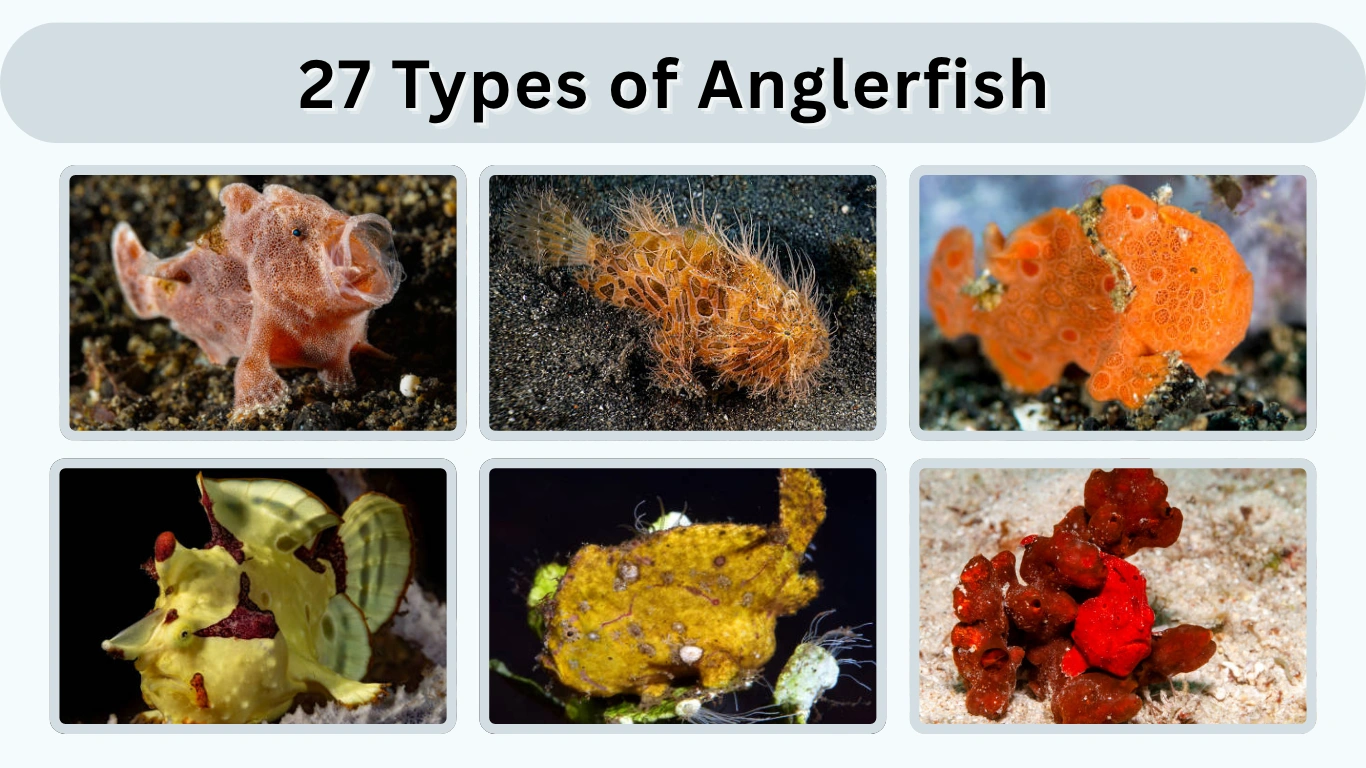
Anglerfish are some of the most unusual and fascinating creatures found in the ocean. Known for their glowing lures, sharp teeth, and incredible camouflage abilities, these fish survive in environments ranging from deep-sea darkness to colorful tropical reefs. Some species are tiny reef hunters, while others grow into large bottom-dwelling predators. Each type has unique features, habitats, feeding habits, and lifespans that help them survive in harsh underwater conditions. This guide explores 27 different types of anglerfish, including their identification, size, habitat, diet, and lifespan in detail.
1. Black Seadevil Anglerfish
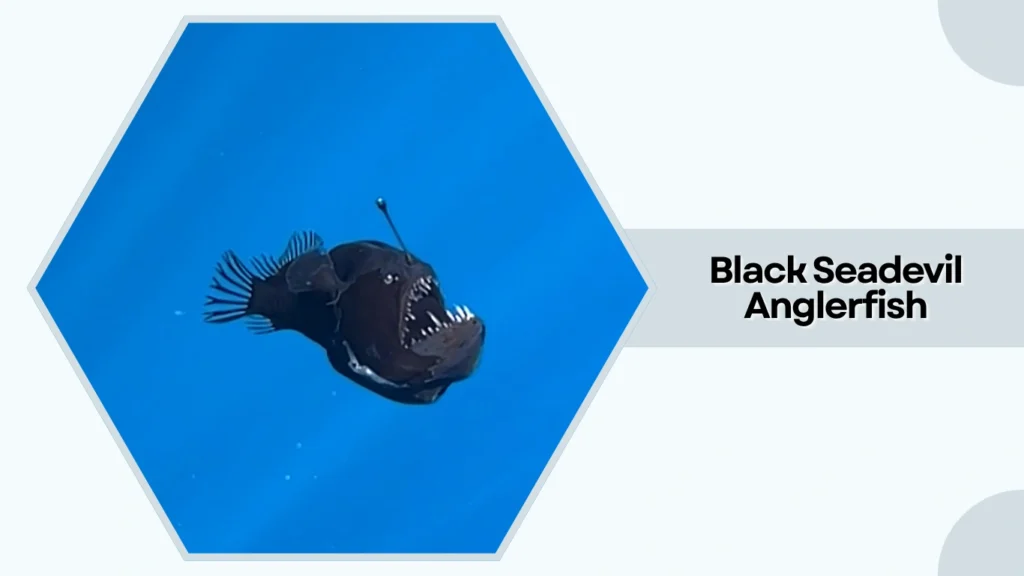
The Black Seadevil Anglerfish is a deep-sea predator famous for its frightening appearance and glowing lure. This rare fish survives in extremely dark ocean depths where sunlight never reaches. Its oversized mouth and razor-sharp teeth help it catch prey easily. The species is highly adapted to cold, high-pressure underwater environments and remains one of the ocean’s most mysterious creatures discovered by scientists.
Identification
- Scientific name: Melanocetus johnsonii
- Body color: Black or dark brown
- Average size: Up to 8 inches long
- Body shape: Rounded with a large head
- Teeth: Long, sharp, and pointed
- Special feature: Glowing lure above the mouth
- Eyes: Small and sensitive to light
Size
Female Black Seadevil Anglerfish are much larger than males and can grow up to 20 centimeters long. Males remain tiny throughout their lives. Their compact size helps them survive in the deep ocean, where food is limited and conserving energy is essential for long-term survival under extreme underwater conditions.
Habitat
The Black Seadevil Anglerfish lives in deep ocean waters across the Atlantic and Pacific Oceans. It is commonly found thousands of feet below the surface in cold, dark regions. These extreme depths contain very little light, making the fish’s glowing lure extremely useful for attracting prey in complete darkness.
Diet
This anglerfish mainly feeds on small fish, shrimp, and crustaceans found in deep-sea environments. It uses its glowing lure to attract nearby prey before swallowing it whole with its huge mouth. Its expandable stomach allows it to consume prey larger than its own body when food becomes scarce underwater.
Lifespan
Scientists do not know the exact lifespan of the Black Seadevil Anglerfish because observing deep-sea species is difficult. Researchers believe it can survive several years due to its slow movement and low-energy lifestyle. Living in cold deep waters helps reduce energy use, allowing the species to survive longer with limited food.
2. Humpback Anglerfish
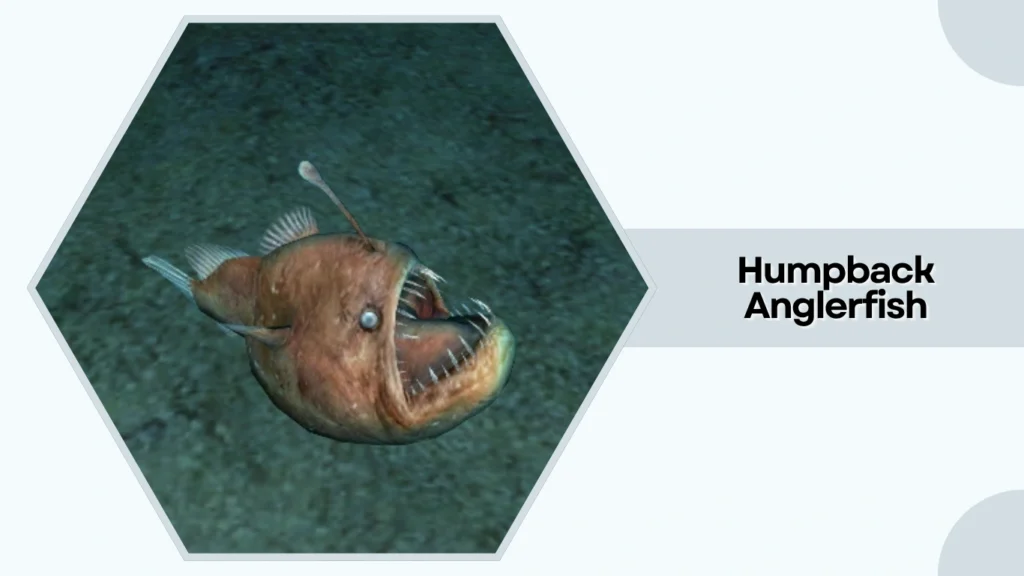
The Humpback Anglerfish is a strange deep-sea fish recognized for its swollen body shape and glowing lure. This species lives in dark ocean depths where pressure is extremely high and sunlight cannot penetrate. It uses camouflage and bioluminescence to survive in harsh underwater conditions. The fish is an aggressive predator that waits patiently for prey to approach before attacking quickly.
Identification
- Scientific name: Melanocetus murrayi
- Body color: Dark black or brown
- Average size: Around 6 to 10 inches long
- Body shape: Rounded with a humpback appearance
- Teeth: Sharp and curved inward
- Special feature: Bioluminescent lure on the head
- Skin texture: Smooth and soft
Size
The Humpback Anglerfish is a small deep-sea species, with females growing much larger than males. Most females reach around 25 centimeters in length. Their compact body structure helps them conserve energy in deep ocean habitats where food sources are rare and difficult to locate for extended periods.
Habitat
This species lives in deep tropical and temperate ocean waters around the world. It is commonly found at depths ranging from 1,000 to 13,000 feet below the surface. These regions are completely dark and cold, creating the perfect environment for bioluminescent predators like the Humpback Anglerfish to thrive.
Diet
The Humpback Anglerfish feeds on deep-sea fish, crustaceans, and small squid. It attracts prey using its glowing lure, which mimics tiny sea creatures. Once prey comes close, the fish attacks instantly with its powerful jaws and sharp teeth, making escape nearly impossible in the deep ocean environment.
Lifespan
The exact lifespan of the Humpback Anglerfish is unknown because studying deep-sea animals is extremely challenging. Scientists believe the species can live several years due to its slow metabolism and energy-saving lifestyle. Cold temperatures and limited movement help the fish survive longer in nutrient-poor underwater habitats.
3. Triplewart Seadevil
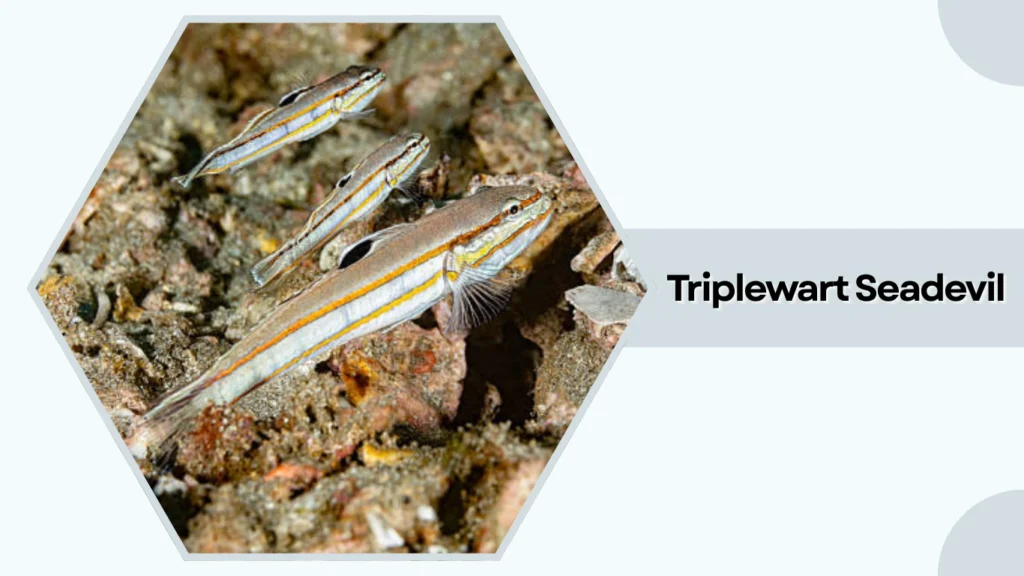
The Triplewart Seadevil is a rare deep-sea anglerfish species known for its dark body, glowing lure, and unusual skin texture. This mysterious fish survives in deep ocean waters where sunlight never reaches. Its frightening appearance helps it blend into the darkness while hunting prey. Like other anglerfish, it uses bioluminescence to attract animals close enough to capture with ease.
Identification
- Scientific name: Cryptopsaras couesii
- Body color: Black or very dark brown
- Average size: Around 5 to 12 inches long
- Body shape: Rounded with a large mouth
- Teeth: Long, thin, and extremely sharp
- Special feature: Glowing lure above the head
- Skin texture: Loose skin with wart-like bumps
Size
Female Triplewart Seadevils are much larger than males and can grow up to 30 centimeters long. Males remain extremely tiny throughout their lives. Their small body size is useful in deep-sea environments where food is difficult to find and conserving energy is necessary for long-term survival underwater.
Habitat
The Triplewart Seadevil lives in deep tropical and subtropical ocean waters worldwide. It is commonly found thousands of feet below the ocean surface in cold, dark habitats. These deep regions have crushing pressure and almost no light, making the species perfectly adapted for life in extreme underwater conditions.
Diet
This species feeds on small fish, crustaceans, and squid found in deep ocean waters. The glowing lure attracts curious prey toward its mouth. Once close enough, the Triplewart Seadevil snaps its jaws shut quickly using its sharp teeth to prevent prey from escaping in the darkness.
Lifespan
Scientists are unsure about the exact lifespan of the Triplewart Seadevil because deep-sea research remains limited. Researchers believe the species can survive for several years due to its slow metabolism and low-energy behavior. Its deep-water habitat helps reduce activity levels, allowing it to live longer with limited food resources.
4. Pacific Footballfish
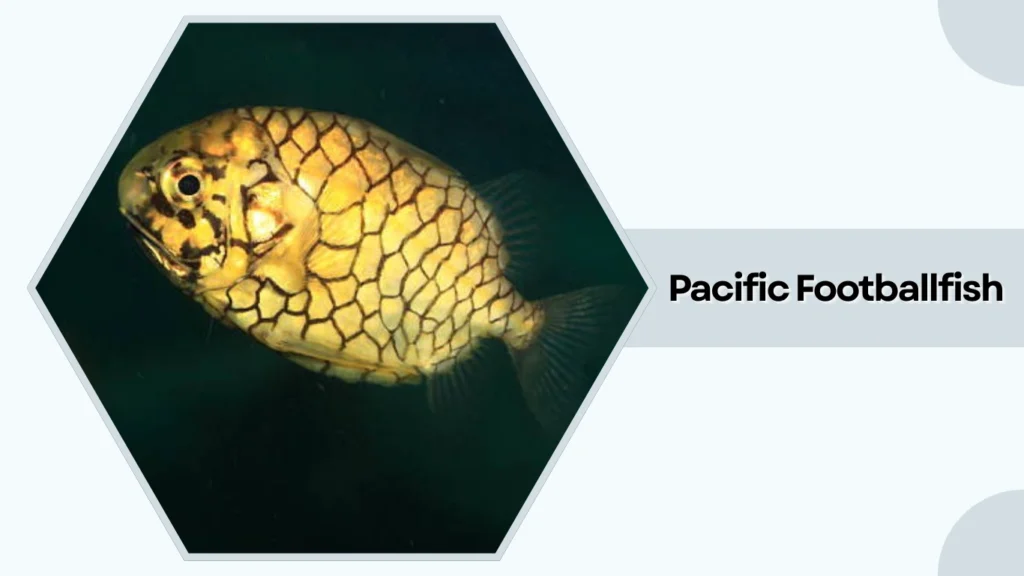
The Pacific Footballfish is a deep-sea anglerfish famous for its round body, glowing lure, and terrifying teeth. This unusual predator lives in the dark waters of the Pacific Ocean, where sunlight cannot reach. Its bioluminescent lure helps attract prey in complete darkness. The species is highly adapted to extreme underwater pressure and survives in one of Earth’s harshest environments.
Identification
- Scientific name: Himantolophus sagamius
- Body color: Dark brown or black
- Average size: Up to 24 inches long
- Body shape: Round like a football
- Teeth: Sharp, long, and curved
- Special feature: Bright glowing lure on the head
- Skin texture: Rough with small spines
Size
The Pacific Footballfish is larger than many other anglerfish species. Females can grow up to 60 centimeters in length, while males stay very small. Its rounded body stores energy efficiently, helping the fish survive in deep-sea habitats where meals are rare and long periods may pass without food.
Habitat
This species lives in the deep waters of the Pacific Ocean at depths reaching several thousand feet below the surface. The environment is extremely cold, dark, and under intense pressure. These harsh conditions make the Pacific Footballfish highly specialized for survival in isolated and low-light underwater regions.
Diet
The Pacific Footballfish feeds on deep-sea fish, crustaceans, and squid. Its glowing lure attracts prey toward its mouth in complete darkness. Once prey gets close, the fish quickly captures it using strong jaws and needle-like teeth. Its expandable stomach allows it to swallow surprisingly large meals when available.
Lifespan
The exact lifespan of the Pacific Footballfish remains unknown because deep-sea animals are difficult to study in their natural habitats. Scientists believe this species can live for several years due to its slow metabolism and low-energy behavior. Its cold-water environment helps conserve energy and supports long-term survival underwater.
5. Dreamer Anglerfish
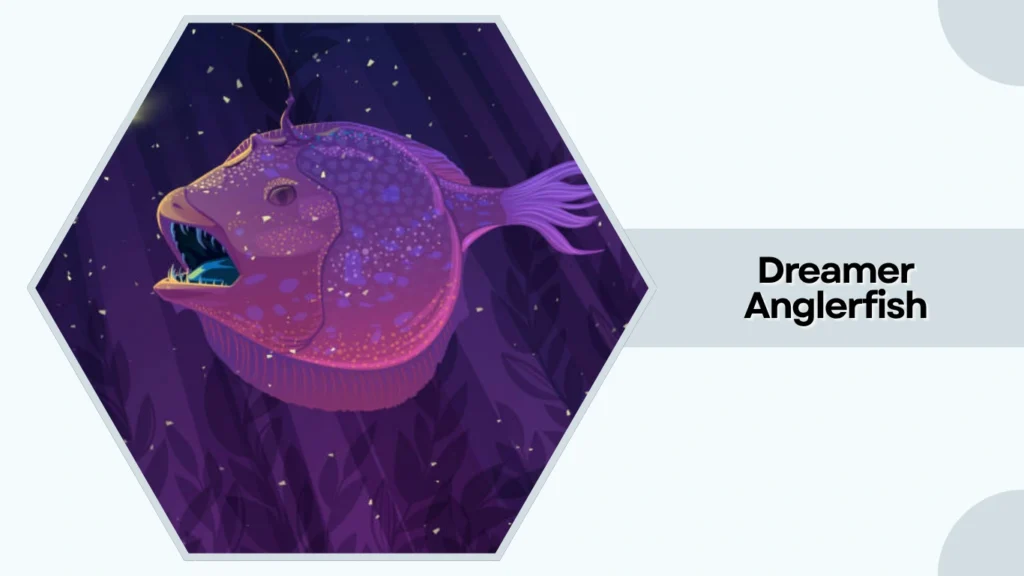
The Dreamer Anglerfish is a fascinating deep-sea species recognized for its soft body, glowing lure, and unusual hunting behavior. This mysterious fish lives in dark ocean depths where sunlight never reaches. It survives by using bioluminescence to attract prey in complete darkness. The species remains rarely seen by humans and is considered one of the ocean’s hidden predators.
Identification
- Scientific name: Oneirodes eschrichtii
- Body color: Dark brown to black
- Average size: Around 4 to 8 inches long
- Body shape: Rounded with a large head
- Teeth: Thin, sharp, and pointed
- Special feature: Glowing lure used for hunting
- Fins: Small fins for slow movement
Size
The Dreamer Anglerfish is a relatively small deep-sea predator. Females can grow up to 20 centimeters long, while males are significantly smaller. Their compact body structure helps conserve energy in deep ocean environments where food supplies are limited and survival depends on efficient energy use over time.
Habitat
This species inhabits deep ocean waters around the Atlantic and Pacific Oceans. It is commonly found thousands of feet below the surface in cold, dark environments. These habitats experience intense water pressure and no natural light, making the Dreamer Anglerfish perfectly adapted for life in extreme deep-sea conditions.
Diet
The Dreamer Anglerfish feeds mainly on small fish, crustaceans, and squid living in deep waters. Its glowing lure attracts prey close to its mouth before it attacks quickly. Sharp teeth and powerful jaws help the fish trap slippery prey easily, even in the darkness of the deep ocean.
Lifespan
Scientists have limited information about the lifespan of the Dreamer Anglerfish because observing deep-sea species is difficult. Researchers believe it can survive several years due to its slow metabolism and low activity level. Living in cold ocean depths helps reduce energy needs and supports longer survival with limited food.
6. Fanfin Anglerfish
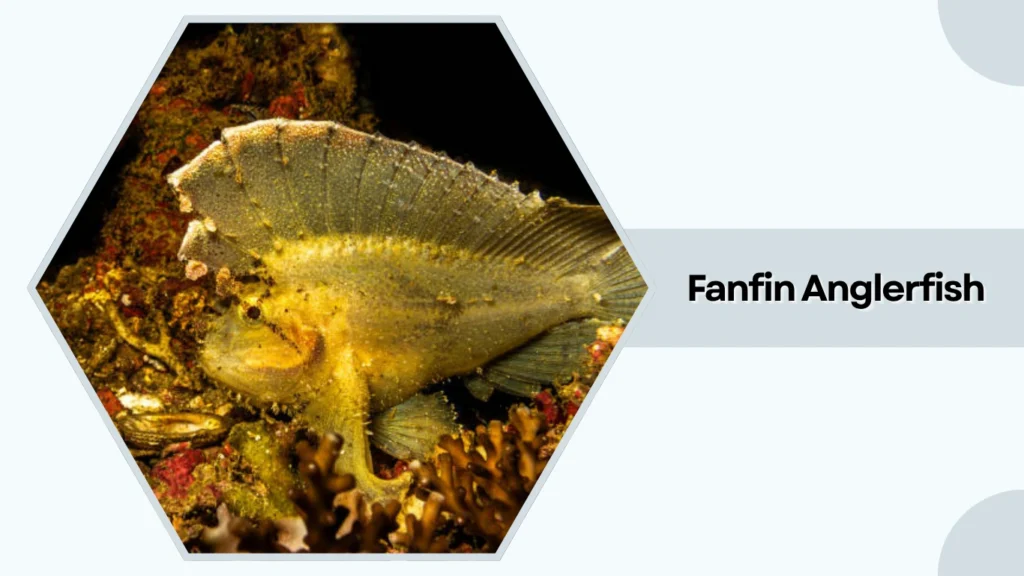
The Fanfin Anglerfish is a unique deep-sea predator known for its long fin rays and glowing lure. This unusual fish lives in the dark depths of the ocean where sunlight cannot reach. Its strange appearance helps it blend into the deep-sea environment while hunting prey. The species moves slowly and relies on bioluminescence to survive in harsh underwater conditions.
Identification
- Scientific name: Caulophryne jordani
- Body color: Dark brown or black
- Average size: Around 5 to 8 inches long
- Body shape: Small and rounded
- Teeth: Sharp and narrow
- Special feature: Long fin rays and glowing lure
- Skin texture: Soft and loose
Size
The Fanfin Anglerfish is a small species compared to many deep-sea predators. Females can grow up to 20 centimeters long, while males remain extremely tiny. Their lightweight bodies and slow movements help conserve energy, which is important in deep-sea habitats where food is scarce and difficult to locate regularly.
Habitat
This species lives in deep waters of the Atlantic, Pacific, and Indian Oceans. It is usually found thousands of feet below the surface in cold, dark regions with intense water pressure. These deep environments provide perfect conditions for the Fanfin Anglerfish to hunt using its glowing bioluminescent lure.
Diet
The Fanfin Anglerfish feeds on small fish, shrimp, and crustaceans living in deep ocean waters. It attracts prey using its glowing lure before capturing it with sharp teeth and strong jaws. The fish waits patiently in darkness and attacks quickly once prey moves close enough for an easy capture.
Lifespan
Scientists do not know the exact lifespan of the Fanfin Anglerfish because deep-sea research is extremely limited. Researchers believe the species can survive for several years due to its slow metabolism and low-energy lifestyle. Cold underwater temperatures and reduced activity help the fish conserve energy and survive longer.
7. Deepsea Lophius
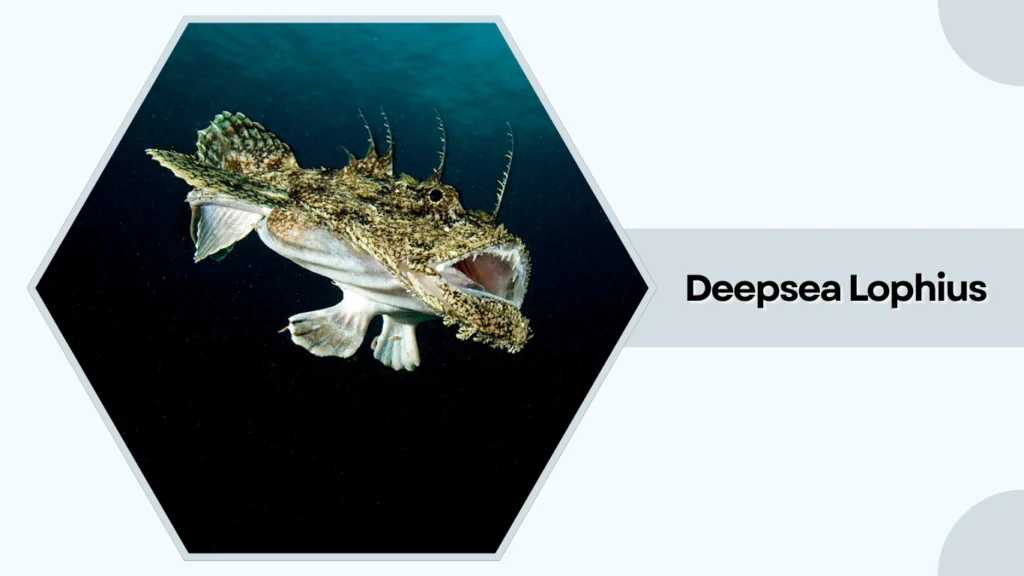
The Deepsea Lophius is a bottom-dwelling anglerfish recognized for its broad head, camouflaged body, and fishing-like lure. This species lives near the ocean floor and waits quietly for prey to approach. Its flattened body helps it blend into sandy or muddy environments. The fish is an ambush predator that relies on patience, camouflage, and sudden attacks for survival.
Identification
- Scientific name: Lophius piscatorius
- Body color: Brown, gray, or greenish
- Average size: Up to 40 inches long
- Body shape: Flattened with a wide head
- Teeth: Sharp and curved inward
- Special feature: Lure attached above the mouth
- Skin texture: Rough and mottled for camouflage
Size
The Deepsea Lophius is much larger than many other anglerfish species. Adults can grow over 100 centimeters in length and weigh several kilograms. Their large size allows them to consume bigger prey. Despite their weight, they move slowly and conserve energy while resting motionless on the ocean floor.
Habitat
This species lives in deep coastal waters of the Atlantic Ocean and nearby seas. It is commonly found resting on muddy or sandy seabeds at depths ranging from shallow coastal areas to several thousand feet below the surface. Its camouflage helps it remain hidden from predators and unsuspecting prey underwater.
Diet
The Deepsea Lophius feeds on fish, squid, crustaceans, and other bottom-dwelling animals. It uses its lure to attract prey close to its mouth before striking suddenly. Its enormous jaws and expandable stomach allow it to swallow prey nearly as large as itself when feeding opportunities appear in deep waters.
Lifespan
The Deepsea Lophius can live for many years in deep marine environments. Scientists estimate some individuals may survive over twenty years under suitable conditions. Its slow growth rate and low-energy lifestyle help extend its lifespan, especially in colder ocean waters where metabolism naturally remains slower for long periods.
8. Goosefish
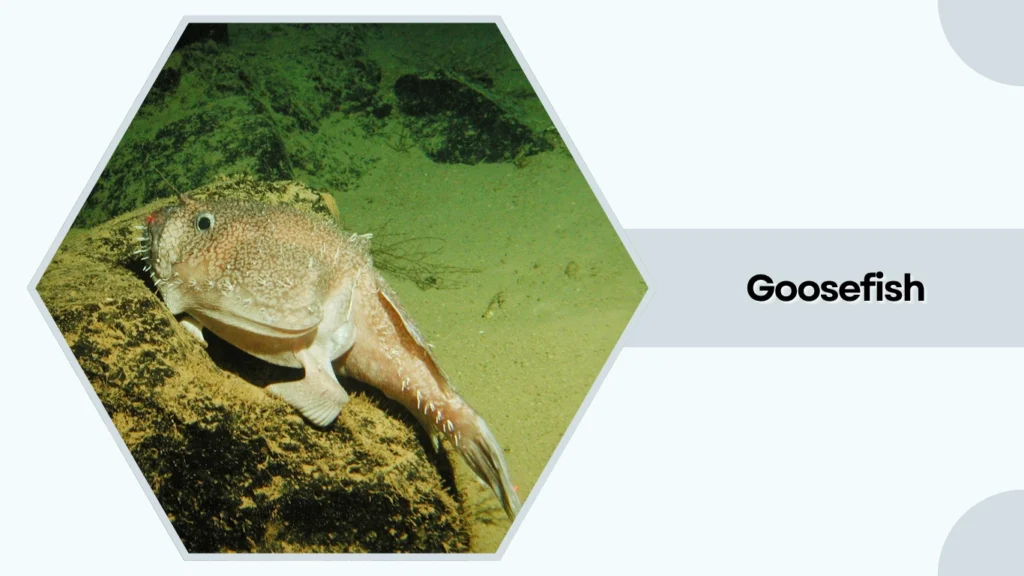
The Goosefish is a large bottom-dwelling anglerfish famous for its wide mouth and excellent camouflage. This species lives along ocean floors where it waits motionless for prey to approach. Its fishing-like lure helps attract nearby animals in dark waters. Goosefish are powerful ambush predators and are also commercially important in seafood markets around the world today.
Identification
- Scientific name: Lophius americanus
- Body color: Brown, gray, or olive green
- Average size: Up to 47 inches long
- Body shape: Flattened with a broad head
- Teeth: Sharp, curved, and strong
- Special feature: Flesh-like lure above the mouth
- Skin texture: Rough and mottled for camouflage
Size
The Goosefish is one of the larger anglerfish species found in coastal waters. Adults can grow over 120 centimeters long and weigh more than 20 kilograms. Their massive mouths allow them to swallow large prey whole. Despite their size, Goosefish usually remain hidden and move very slowly along the seabed.
Habitat
This species lives in the western Atlantic Ocean, especially along North American coastlines. It prefers sandy, muddy, and rocky seabeds from shallow coastal waters to deeper offshore areas. Goosefish spend most of their time resting on the ocean floor where their camouflage makes them difficult to notice by predators or prey.
Diet
The Goosefish feeds on fish, squid, crustaceans, and seabirds when opportunities arise. It remains motionless before attacking suddenly with powerful jaws. Its expandable stomach allows it to consume very large prey. The lure above its mouth helps attract curious animals close enough for a fast and successful ambush attack.
Lifespan
The Goosefish can live for more than ten years in ocean habitats with suitable conditions. Scientists believe females often survive longer than males because they grow larger and mature more slowly. Their low activity levels and efficient hunting behavior help conserve energy, supporting longer survival in deep marine environments.
9. Monkfish
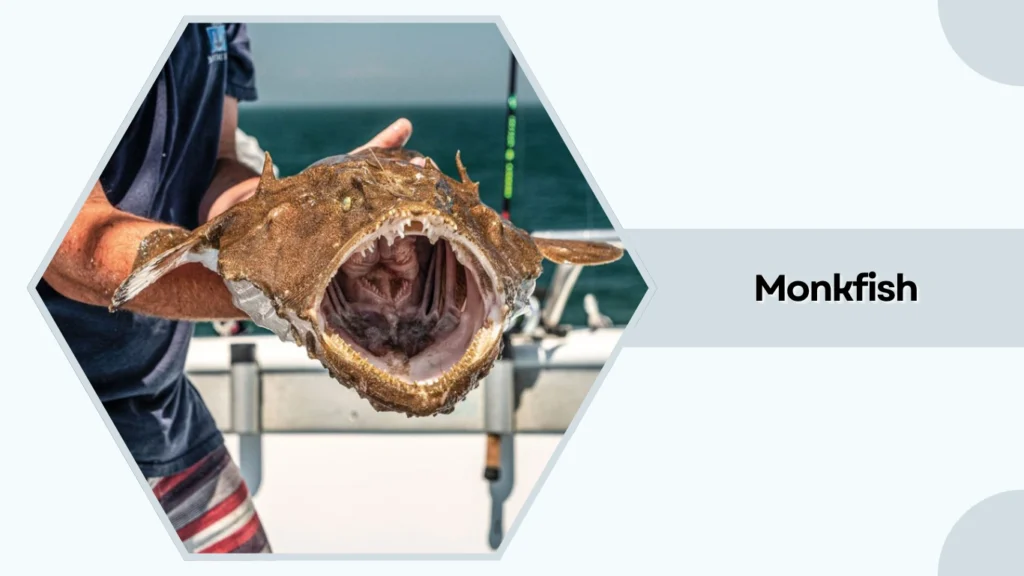
The Monkfish is a well-known anglerfish species valued for both its unusual appearance and commercial importance. It lives near the ocean floor and uses excellent camouflage to hide from prey. Its wide mouth and sharp teeth make it an effective ambush predator. Monkfish are commonly found in seafood markets and are often called the “poor man’s lobster” because of their taste.
Identification
- Scientific name: Lophius budegassa
- Body color: Brown, gray, or reddish
- Average size: Up to 39 inches long
- Body shape: Flattened with a broad head
- Teeth: Sharp, curved, and inward-facing
- Special feature: Fishing-like lure on the head
- Skin texture: Rough and camouflaged
Size
The Monkfish is a large anglerfish species that can grow up to one meter in length. Adults may weigh several kilograms depending on habitat and food availability. Their oversized mouths help them capture large prey easily. Although heavy-bodied, Monkfish move slowly and spend much of their time resting on the seabed.
Habitat
This species lives in the eastern Atlantic Ocean and the Mediterranean Sea. Monkfish prefer sandy, muddy, and rocky seabeds where they can blend into their surroundings. They are commonly found from shallow coastal waters to deep offshore regions, remaining hidden while waiting patiently for prey to swim nearby.
Diet
Monkfish feed on fish, squid, crustaceans, and other marine animals found near the ocean floor. They use their lure to attract prey before striking quickly with strong jaws. Their expandable stomach allows them to swallow surprisingly large meals, making them highly successful predators in deep and coastal marine environments.
Lifespan
The Monkfish can live for more than twenty years in suitable marine habitats. Scientists believe females generally live longer because they grow larger and mature later than males. Slow movement, efficient hunting strategies, and cold-water environments help reduce energy use and contribute to the species’ relatively long lifespan underwater.
10. Commerson’s Frogfish
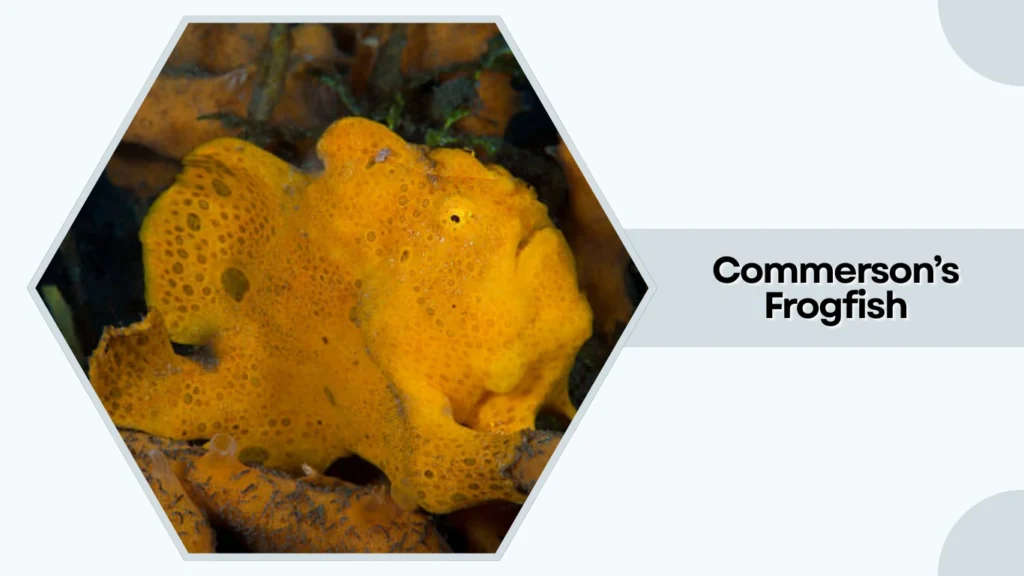
Commerson’s Frogfish is a colorful anglerfish species famous for its ability to change color and blend perfectly into coral reefs. Unlike deep-sea anglerfish, this species lives in shallow tropical waters. It walks across the seafloor using modified fins and captures prey with lightning-fast attacks. Its unusual appearance and camouflage make it one of the ocean’s most fascinating ambush predators.
Identification
- Scientific name: Antennarius commerson
- Body color: Yellow, red, white, brown, or black
- Average size: Up to 15 inches long
- Body shape: Short, round, and thick
- Teeth: Small but sharp
- Special feature: Color-changing camouflage ability
- Fins: Leg-like fins used for walking
Size
Commerson’s Frogfish is one of the largest frogfish species found in tropical waters. Adults can grow up to 38 centimeters long under ideal conditions. Their thick bodies and slow movements help them remain unnoticed among rocks and coral reefs. Despite their size, they are excellent ambush hunters with rapid attack speed.
Habitat
This species lives in warm tropical waters across the Indo-Pacific region. It is commonly found near coral reefs, rocky areas, and sponges in shallow coastal environments. Commerson’s Frogfish prefers habitats with strong camouflage opportunities where it can remain hidden from predators while waiting quietly for prey to approach nearby.
Diet
Commerson’s Frogfish feeds mainly on small fish, shrimp, and crustaceans. It uses a lure near its mouth to attract prey before swallowing it instantly. The fish can consume prey nearly equal to its own size because of its expandable mouth and stomach, making it a highly effective reef predator.
Lifespan
The average lifespan of Commerson’s Frogfish is believed to range from several years to over a decade in healthy marine environments. Their slow lifestyle and efficient hunting methods help conserve energy. In protected reef habitats with enough food, these frogfish can survive longer while avoiding predators through excellent camouflage abilities.
11. Striated Frogfish
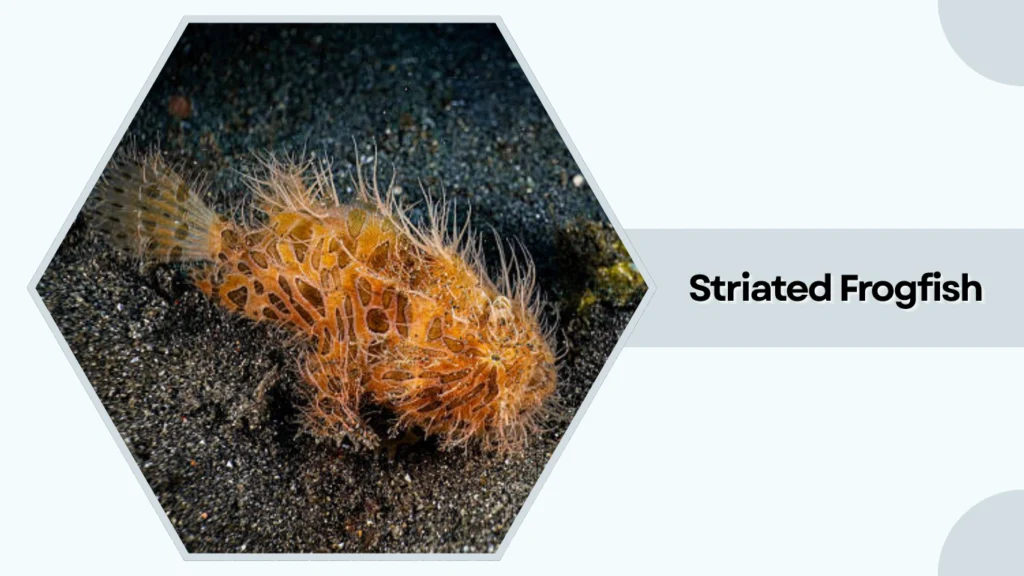
The Striated Frogfish is a small anglerfish species known for its striped patterns and outstanding camouflage abilities. This reef-dwelling predator can blend perfectly with rocks, coral, and seaweed. It moves slowly using its fin-like limbs and waits patiently for prey. Its rapid attack speed and color-changing ability make it one of the most effective ambush hunters in shallow tropical waters.
Identification
- Scientific name: Antennarius striatus
- Body color: Yellow, brown, orange, white, or black
- Average size: Up to 9 inches long
- Body shape: Compact and rounded
- Teeth: Small and sharp
- Special feature: Hair-like skin appendages for camouflage
- Fins: Modified fins used for walking
Size
The Striated Frogfish is a medium-sized frogfish species that usually grows up to 22 centimeters long. Its compact body helps it remain hidden among coral reefs and rocky surfaces. Although it appears slow-moving, the fish can strike prey with incredible speed, making its size highly effective for ambush hunting.
Habitat
This species inhabits tropical and subtropical waters throughout the Indo-Pacific region. It is commonly found near coral reefs, rocky bottoms, and sandy coastal environments. The Striated Frogfish prefers areas with algae, sponges, or coral formations where its camouflage allows it to remain nearly invisible to predators and prey alike.
Diet
The Striated Frogfish feeds on small fish, shrimp, and crustaceans living near coral reefs. It uses a lure attached near its mouth to attract prey within striking distance. Once prey approaches, the fish opens its mouth rapidly and swallows the target whole in less than a second underwater.
Lifespan
The Striated Frogfish can live several years in healthy tropical marine environments. Scientists believe its lifespan depends heavily on habitat quality, food availability, and predator exposure. Its excellent camouflage, low-energy behavior, and efficient hunting strategy help increase survival rates in shallow reef ecosystems across warm ocean regions.
12. Warty Frogfish
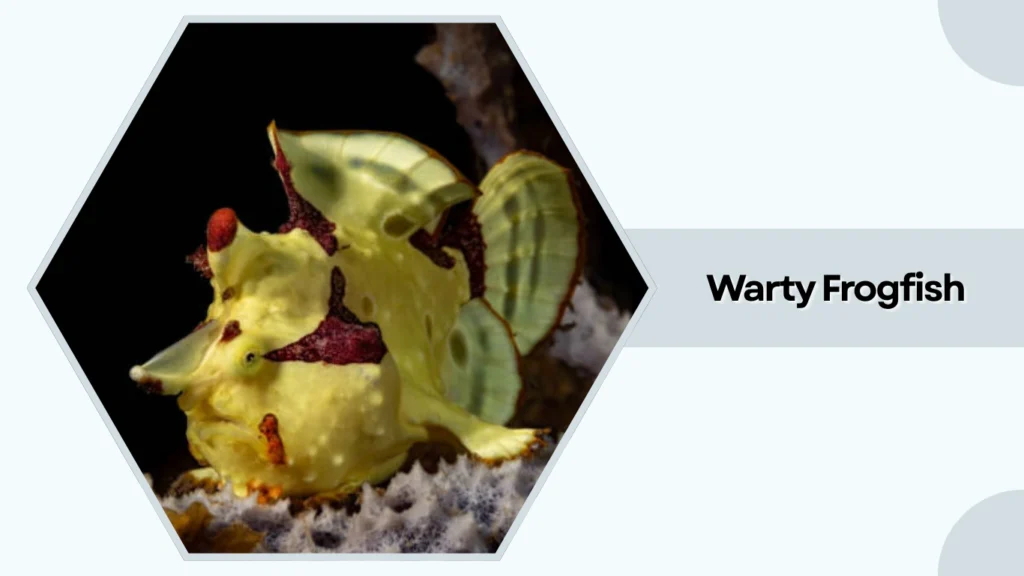
The Warty Frogfish is a unique anglerfish species recognized for its rough skin texture and remarkable camouflage skills. This slow-moving predator blends perfectly into coral reefs, rocks, and sponges. It uses a small lure to attract prey before attacking instantly. Its unusual appearance and ability to mimic surrounding environments make it one of the ocean’s most fascinating reef hunters.
Identification
- Scientific name: Antennarius maculatus
- Body color: Yellow, orange, white, pink, brown, or black
- Average size: Up to 5 inches long
- Body shape: Short and rounded
- Teeth: Tiny but sharp
- Special feature: Wart-like skin texture for camouflage
- Fins: Limb-like fins used for walking
Size
The Warty Frogfish is a relatively small species that usually grows up to 13 centimeters long. Its compact body helps it hide easily among corals and reef structures. Although small, it is a powerful ambush predator capable of swallowing prey nearly equal to its own size in a single attack.
Habitat
This species lives in warm tropical waters across the Indo-Pacific region. It is commonly found near coral reefs, rocky seabeds, and sponge-covered areas in shallow coastal environments. The Warty Frogfish depends heavily on camouflage, choosing habitats where its colors and textured skin blend naturally with surrounding marine surfaces.
Diet
The Warty Frogfish mainly feeds on small reef fish and crustaceans. It uses a tiny lure near its mouth to attract curious prey before attacking rapidly. Its mouth expands quickly during feeding, allowing the fish to swallow prey whole. This hunting method makes it highly effective despite its slow movement.
Lifespan
The Warty Frogfish can live several years in stable reef environments with enough food and shelter. Scientists believe its lifespan varies depending on habitat conditions and predator threats. Its strong camouflage abilities, low-energy behavior, and efficient ambush hunting style help increase survival in tropical marine ecosystems worldwide.
13. Painted Frogfish
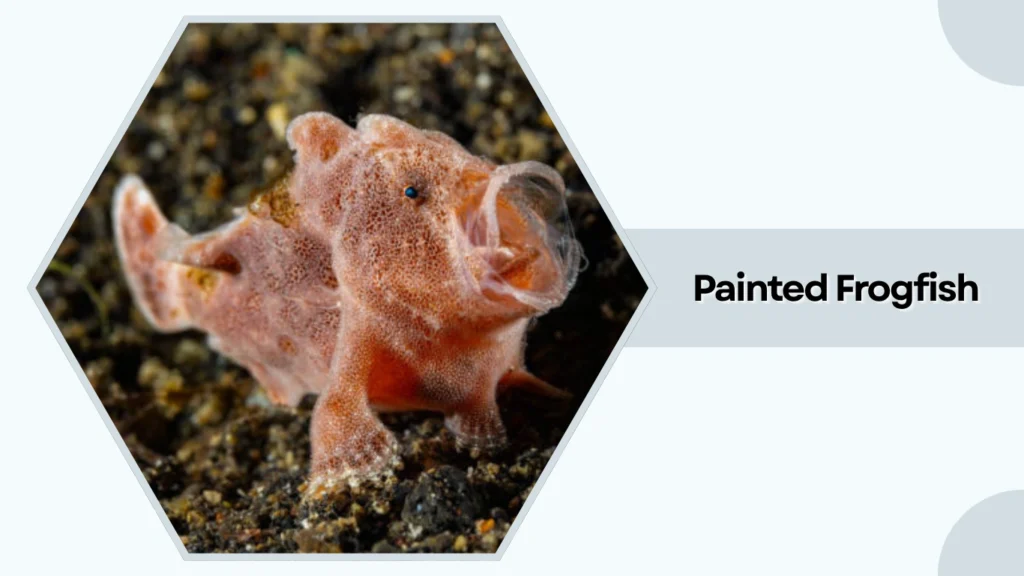
The Painted Frogfish is a brightly colored anglerfish species famous for its incredible camouflage and unusual body patterns. This reef predator can change colors to match surrounding corals and sponges. It walks along the ocean floor using modified fins and captures prey with extremely fast attacks. Its striking appearance and hunting ability make it a fascinating species in tropical marine habitats.
Identification
- Scientific name: Antennarius pictus
- Body color: Yellow, red, orange, black, white, or spotted
- Average size: Up to 6 inches long
- Body shape: Rounded and compact
- Teeth: Small and sharp
- Special feature: Ability to change colors for camouflage
- Fins: Leg-like fins for crawling on surfaces
Size
The Painted Frogfish is a small to medium-sized reef species that can grow up to 15 centimeters long. Its short and thick body allows it to hide effectively among coral reefs and rocky areas. Despite its small size, the fish is capable of swallowing prey almost as large as itself.
Habitat
This species inhabits tropical and subtropical waters throughout the Indo-Pacific region. It is commonly found around coral reefs, sponges, rocky bottoms, and shallow coastal areas. The Painted Frogfish prefers habitats with strong camouflage opportunities where it can remain hidden while waiting patiently for prey to approach nearby.
Diet
The Painted Frogfish feeds mainly on small fish, shrimp, and crustaceans living around coral reefs. It uses a lure near its mouth to attract prey into striking distance. Once close enough, the fish attacks instantly and swallows the prey while using its rapidly expanding mouth and powerful suction ability.
Lifespan
The Painted Frogfish can survive for several years in healthy tropical reef environments. Scientists believe habitat quality, food availability, and protection from predators strongly influence its lifespan. Its excellent camouflage, slow movement, and efficient hunting strategy help conserve energy and improve long-term survival in warm marine ecosystems.
14. Sargassum Fish
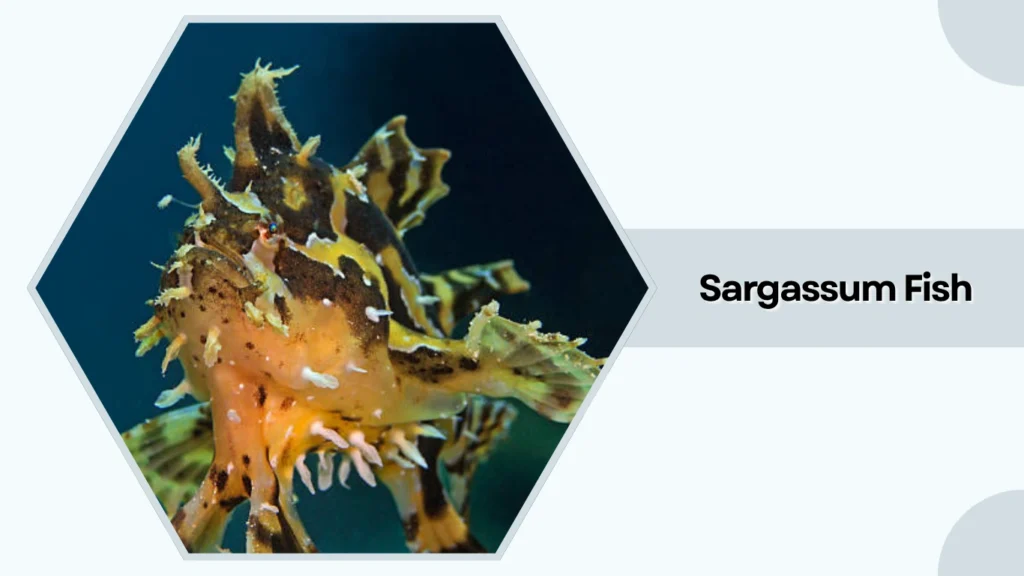
The Sargassum Fish is a camouflaged anglerfish species that spends most of its life hidden among floating seaweed called sargassum. Its body shape, color, and skin flaps help it blend perfectly into its surroundings. This slow-moving predator waits quietly for prey before attacking suddenly. The species is highly adapted for survival in warm surface waters of the Atlantic Ocean.
Identification
- Scientific name: Histrio histrio
- Body color: Yellow, brown, green, or mottled
- Average size: Up to 8 inches long
- Body shape: Flattened and compact
- Teeth: Small and pointed
- Special feature: Camouflage matching floating seaweed
- Fins: Hand-like fins for gripping seaweed
Size
The Sargassum Fish is a medium-sized frogfish species that can grow up to 20 centimeters long. Its lightweight body allows it to move easily through floating seaweed mats. Although not large, it is an efficient predator capable of swallowing surprisingly big prey compared to its own body size.
Habitat
This species lives in warm tropical and subtropical waters of the Atlantic Ocean. It is commonly found floating among sargassum seaweed near the ocean surface. These drifting seaweed habitats provide shelter, camouflage, and hunting opportunities, helping the Sargassum Fish avoid predators while remaining hidden from unsuspecting prey nearby.
Diet
The Sargassum Fish feeds mainly on small fish, shrimp, and other tiny marine animals living among floating seaweed. It relies on camouflage and patience to ambush prey successfully. Once prey comes close, the fish attacks rapidly using strong suction and an expandable mouth to swallow the target whole.
Lifespan
The exact lifespan of the Sargassum Fish is not fully understood, but scientists believe it can live several years in suitable ocean conditions. Its floating habitat provides continuous access to food and protection. Strong camouflage abilities and energy-efficient hunting behavior help increase survival in open-water marine environments throughout its range.
15. Spotfin Anglerfish
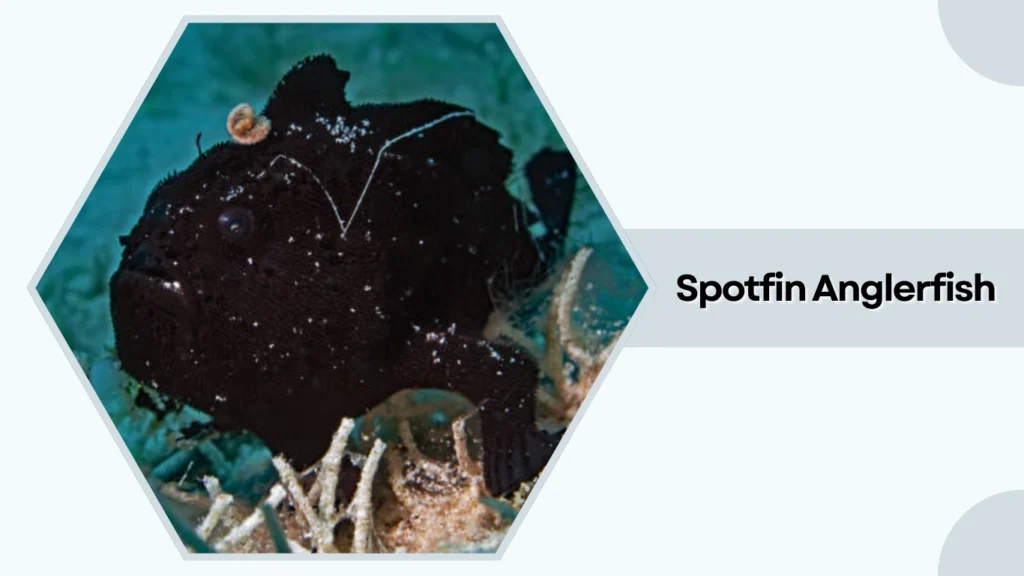
The Spotfin Anglerfish is a deep-sea species known for its dark body, glowing lure, and distinctive fin markings. This mysterious predator survives in the cold depths of the ocean where sunlight never reaches. It uses bioluminescence to attract prey in complete darkness. Like many anglerfish, it is specially adapted for extreme pressure, low temperatures, and limited food availability underwater.
Identification
- Scientific name: Borophryne apogon
- Body color: Dark brown or black
- Average size: Up to 7 inches long
- Body shape: Rounded with a large head
- Teeth: Long, thin, and sharp
- Special feature: Spotted fins and glowing lure
- Skin texture: Soft and smooth
Size
The Spotfin Anglerfish is a relatively small deep-sea predator, with females growing much larger than males. Most females reach around 18 centimeters in length. Their compact bodies help reduce energy use in deep ocean habitats where food is scarce and long periods may pass between successful hunts.
Habitat
This species inhabits deep waters of the Atlantic, Pacific, and Indian Oceans. It is usually found thousands of feet below the ocean surface in dark, cold environments with extremely high pressure. These harsh underwater regions provide ideal conditions for bioluminescent predators like the Spotfin Anglerfish to survive and hunt effectively.
Diet
The Spotfin Anglerfish feeds on small fish, squid, and crustaceans living in deep ocean waters. Its glowing lure attracts prey toward its mouth before a rapid attack. Sharp teeth and strong jaws help prevent prey from escaping, allowing the fish to capture meals successfully in complete underwater darkness.
Lifespan
Scientists have limited information about the lifespan of the Spotfin Anglerfish because deep-sea species are difficult to observe in natural habitats. Researchers believe it can survive for several years due to its slow metabolism and low-energy lifestyle. Cold ocean temperatures also help conserve energy and support long-term survival.
16. Hairy Frogfish
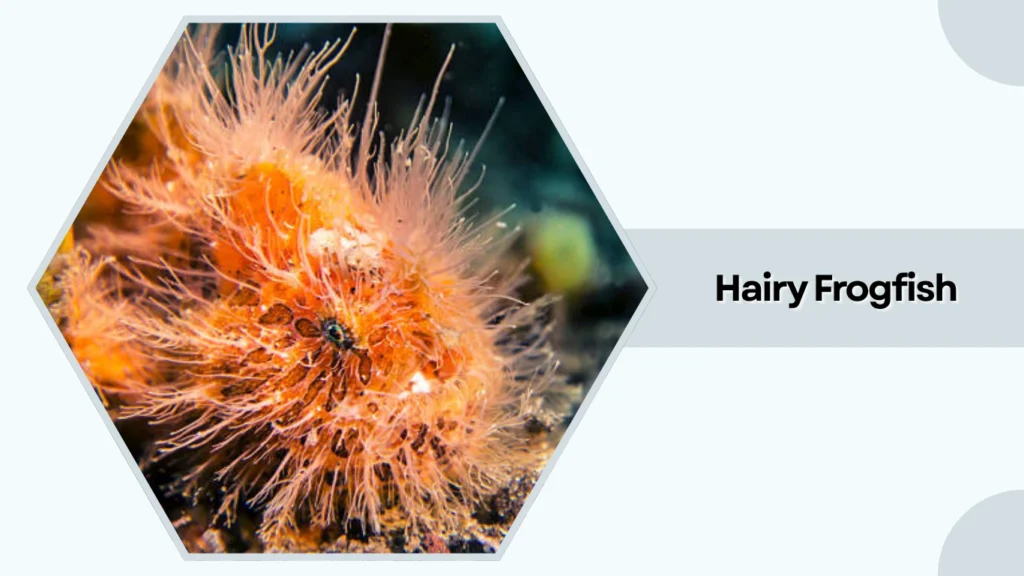
The Hairy Frogfish is a strange-looking anglerfish species covered with hair-like skin filaments that provide excellent camouflage. This reef predator blends perfectly with algae, coral, and sponges in shallow tropical waters. It walks across the seafloor using modified fins and ambushes prey with lightning-fast attacks. Its unusual appearance makes it one of the most recognizable frogfish species in the ocean.
Identification
- Scientific name: Antennarius striatus
- Body color: Yellow, brown, orange, green, or black
- Average size: Up to 9 inches long
- Body shape: Rounded and compact
- Teeth: Small, sharp, and inward-facing
- Special feature: Hair-like filaments covering the body
- Fins: Limb-like fins used for walking
Size
The Hairy Frogfish is a medium-sized reef species that can grow up to 22 centimeters long. Its thick body and textured skin help it remain hidden among marine plants and corals. Although slow-moving, it is a highly effective predator capable of swallowing prey nearly equal to its own body size.
Habitat
This species lives in tropical and subtropical waters throughout the Indo-Pacific region. It is commonly found around coral reefs, rocky seabeds, algae-covered surfaces, and shallow coastal waters. The Hairy Frogfish prefers habitats with strong camouflage opportunities where it can blend naturally into surrounding marine environments while waiting for prey.
Diet
The Hairy Frogfish feeds mainly on small fish, shrimp, and crustaceans found near coral reefs. It uses a lure near its mouth to attract prey before attacking instantly. Its rapid mouth expansion creates strong suction, allowing the fish to swallow prey whole in less than a second underwater.
Lifespan
The Hairy Frogfish can live several years in healthy reef ecosystems with stable environmental conditions. Scientists believe food availability, habitat quality, and predator exposure strongly affect its lifespan. Its excellent camouflage, low-energy behavior, and efficient ambush hunting strategy help improve survival rates in tropical marine environments across its range.
17. Longlure Frogfish
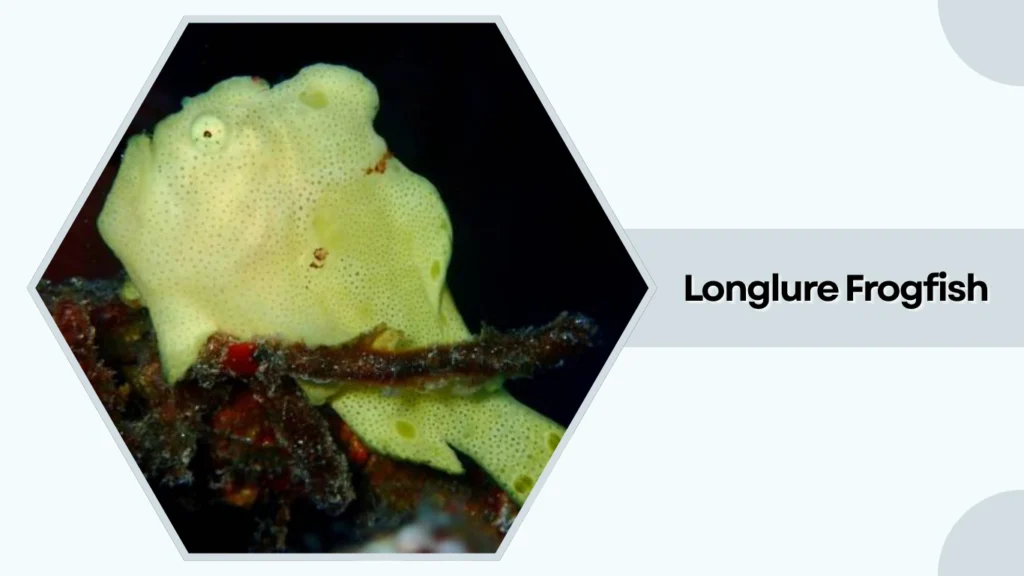
The Longlure Frogfish is a small anglerfish species famous for its extended fishing lure and outstanding camouflage abilities. This unusual reef predator blends into rocks, coral, and sponges while waiting for prey. It moves slowly using limb-like fins and attacks with incredible speed. Its ability to remain nearly invisible makes it a highly successful ambush hunter in tropical waters.
Identification
- Scientific name: Antennarius multiocellatus
- Body color: Brown, yellow, orange, white, or mottled
- Average size: Up to 8 inches long
- Body shape: Rounded and compact
- Teeth: Small and sharp
- Special feature: Long fishing lure above the mouth
- Fins: Modified fins used for walking
Size
The Longlure Frogfish is a medium-sized reef anglerfish that can grow up to 20 centimeters long. Its thick body helps it remain stable on coral reefs and rocky surfaces. Although it appears slow and harmless, the fish can consume prey nearly its own size using its expandable mouth and strong suction ability.
Habitat
This species lives in warm tropical and subtropical waters of the Atlantic Ocean, Caribbean Sea, and Gulf of Mexico. It is commonly found near coral reefs, sponges, rocky bottoms, and shallow coastal habitats. The Longlure Frogfish prefers environments where its camouflage helps it remain hidden from predators and prey.
Diet
The Longlure Frogfish feeds mainly on small fish, shrimp, and crustaceans living near reefs. It uses its long lure to attract prey close to its mouth before striking instantly. Its powerful suction feeding method allows it to swallow prey whole within seconds, making it a highly effective ambush predator underwater.
Lifespan
The Longlure Frogfish can survive several years in healthy tropical marine habitats with sufficient food and shelter. Scientists believe stable reef conditions and strong camouflage increase its survival rate. Its low-energy lifestyle, slow movement, and efficient hunting strategy help conserve energy and support long-term survival in coastal ecosystems.
18. Tasselled Anglerfish
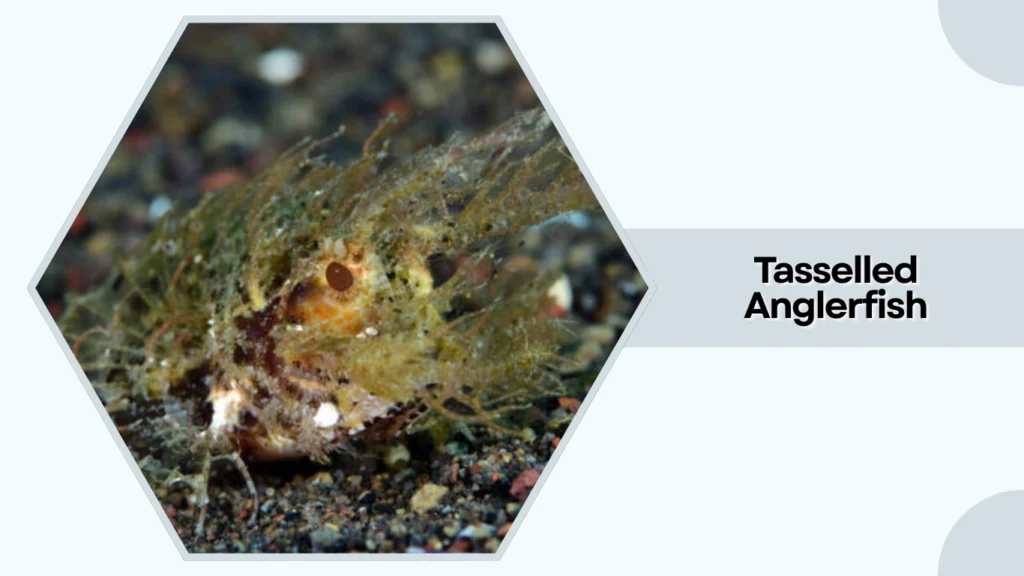
The Tasselled Anglerfish is a highly camouflaged reef species known for the tassel-like skin flaps covering its body. These fleshy appendages help it blend perfectly with coral, rocks, and seaweed in shallow waters. This slow-moving predator relies on ambush hunting and camouflage to survive. Its unusual appearance makes it one of the most fascinating anglerfish found in tropical marine habitats.
Identification
- Scientific name: Rhycherus filamentosus
- Body color: Brown, yellow, orange, or mottled
- Average size: Up to 9 inches long
- Body shape: Thick and rounded
- Teeth: Small and pointed
- Special feature: Tassel-like skin appendages
- Fins: Modified fins used for crawling
Size
The Tasselled Anglerfish is a medium-sized reef anglerfish that can grow up to 23 centimeters long. Its compact and heavy body helps it stay hidden among rocks and corals. Although it moves slowly, the fish is capable of catching prey quickly using powerful suction and a rapidly expanding mouth.
Habitat
This species inhabits shallow coastal waters around southern Australia and Tasmania. It is commonly found near rocky reefs, seaweed beds, coral formations, and sandy bottoms. The Tasselled Anglerfish prefers areas with strong camouflage opportunities where it can remain unnoticed while waiting patiently for prey to swim nearby.
Diet
The Tasselled Anglerfish feeds on small fish, crustaceans, and shrimp living around reefs and rocky seabeds. It uses camouflage and patience rather than active chasing to hunt prey. Once prey comes close enough, the fish attacks instantly and swallows it whole using strong suction created by its expanding mouth.
Lifespan
Scientists believe the Tasselled Anglerfish can live for several years in stable marine habitats with adequate food and shelter. Its slow movement and energy-efficient hunting style help conserve energy over time. Strong camouflage abilities also improve survival by reducing the risk of detection from larger ocean predators nearby.
19. Japanese Anglerfish
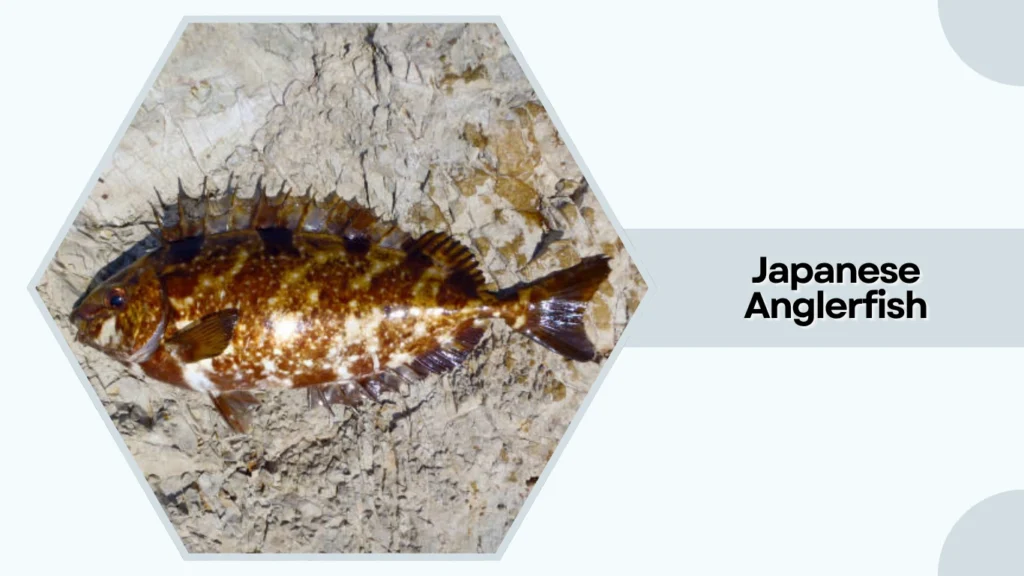
The Japanese Anglerfish is a large bottom-dwelling species commonly found in deep coastal waters around Japan. It is known for its broad head, sharp teeth, and fishing-like lure used to attract prey. This ambush predator stays hidden on the seafloor before attacking suddenly. The species is also popular in Japanese cuisine and highly valued in seafood markets.
Identification
- Scientific name: Lophiomus setigerus
- Body color: Brown, gray, or reddish-brown
- Average size: Up to 40 inches long
- Body shape: Flattened with a large head
- Teeth: Sharp, curved, and strong
- Special feature: Lure located above the mouth
- Skin texture: Rough and camouflaged
Size
The Japanese Anglerfish is a large anglerfish species that can grow over one meter in length. Adults may weigh several kilograms depending on age and habitat conditions. Its massive mouth allows it to swallow large prey whole. Despite its size, the fish usually remains motionless while waiting for prey on the seabed.
Habitat
This species lives in the western Pacific Ocean near Japan, Korea, and the East China Sea. It prefers muddy and sandy ocean floors in coastal and deep-water regions. The Japanese Anglerfish often stays partially buried or camouflaged on the seabed to avoid predators and ambush unsuspecting prey nearby.
Diet
The Japanese Anglerfish feeds on fish, squid, shrimp, and crustaceans found near the ocean floor. It uses its lure to attract prey within striking distance before attacking rapidly. Its wide mouth and expandable stomach allow it to consume large meals, helping it survive in deep marine environments with limited food.
Lifespan
The Japanese Anglerfish can live for many years in suitable ocean habitats. Scientists believe larger females generally survive longer than males because of slower growth and greater body size. Its low-energy lifestyle, efficient hunting strategy, and cold-water habitat help extend its lifespan in deep coastal marine ecosystems.
20. Yellow Goosefish
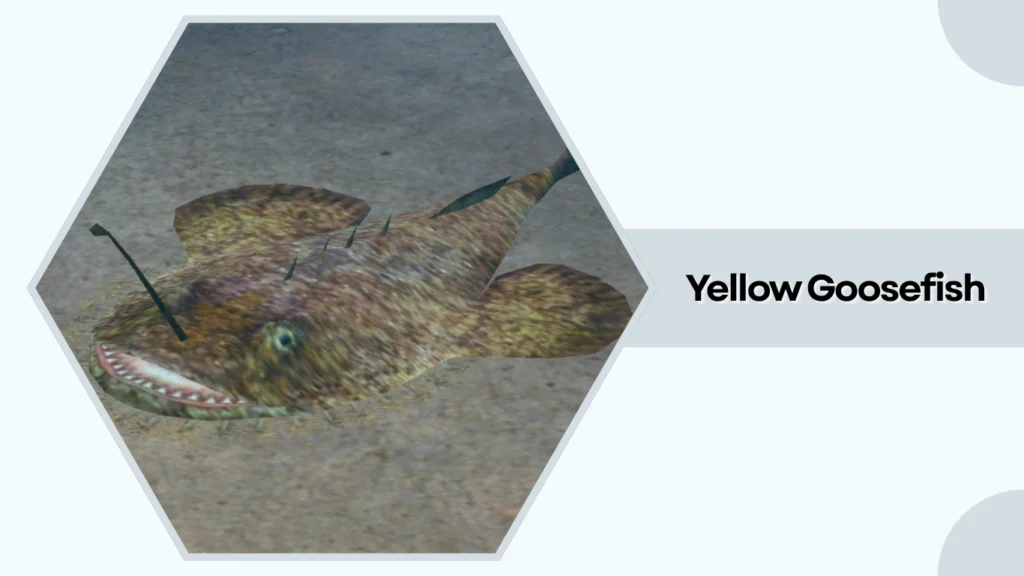
The Yellow Goosefish is a deep-water anglerfish species recognized for its broad body, camouflaged skin, and powerful ambush hunting style. It spends most of its life resting on the ocean floor while waiting for prey to approach. Its fishing-like lure attracts nearby animals in dark waters. This species is well adapted for survival in cold marine environments with limited food.
Identification
- Scientific name: Lophius litulon
- Body color: Yellowish-brown or olive
- Average size: Up to 35 inches long
- Body shape: Flattened with a wide head
- Teeth: Sharp and curved inward
- Special feature: Lure positioned above the mouth
- Skin texture: Rough and mottled for camouflage
Size
The Yellow Goosefish is a large anglerfish species that can grow close to 90 centimeters in length. Adults develop broad heads and enormous mouths that help capture large prey. Their heavy bodies are suited for resting on the seabed, where they conserve energy while waiting motionless for feeding opportunities.
Habitat
This species inhabits deep coastal waters of the western Pacific Ocean, especially near Japan, Korea, and China. It prefers muddy or sandy ocean floors where camouflage is effective. The Yellow Goosefish is commonly found in cold marine environments ranging from shallow coastal waters to deeper offshore habitats.
Diet
The Yellow Goosefish feeds mainly on fish, squid, shrimp, and crustaceans living near the seabed. It uses its lure to attract prey close enough for a sudden ambush attack. Its large mouth and expandable stomach allow it to swallow surprisingly large prey whole in a single feeding attempt.
Lifespan
Scientists believe the Yellow Goosefish can survive for many years in suitable marine habitats. Slow movement, efficient hunting methods, and cold-water living conditions help reduce energy use and support long-term survival. Females generally live longer than males because they grow larger and mature at a slower rate.
21. Red Frogfish
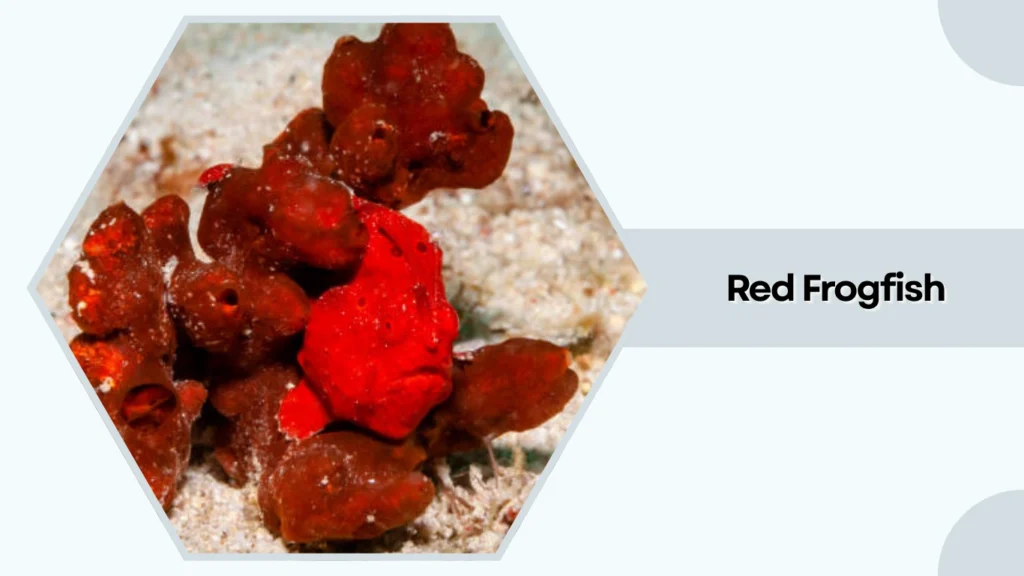
The Red Frogfish is a colorful anglerfish species admired for its bright red appearance and exceptional camouflage skills. This reef-dwelling predator hides among corals, rocks, and sponges while waiting for prey to approach. It moves slowly using modified fins that resemble legs. Its striking coloration and rapid ambush attacks make it one of the most interesting tropical frogfish species.
Identification
- Scientific name: Antennarius coccineus
- Body color: Bright red, orange, or reddish-brown
- Average size: Up to 5 inches long
- Body shape: Rounded and thick
- Teeth: Small and sharp
- Special feature: Bright coloration with camouflage ability
- Fins: Leg-like fins for crawling
Size
The Red Frogfish is a relatively small reef anglerfish that usually grows up to 13 centimeters long. Its compact body allows it to remain hidden among coral reefs and rocky surfaces. Despite its small size, the species is a skilled predator capable of swallowing prey nearly as large as itself.
Habitat
This species inhabits tropical Indo-Pacific waters and is commonly found near coral reefs, rocky seabeds, and sponge-covered environments. The Red Frogfish prefers shallow coastal habitats with strong camouflage opportunities. Its body color often matches nearby corals or sponges, helping it avoid predators while remaining hidden from prey.
Diet
The Red Frogfish feeds mainly on small fish, shrimp, and crustaceans living around reefs. It uses a lure near its mouth to attract prey before attacking suddenly. Its powerful suction feeding method allows it to swallow prey whole within seconds, making it an efficient ambush hunter in tropical marine ecosystems.
Lifespan
Scientists believe the Red Frogfish can live several years in healthy reef habitats with stable environmental conditions. Strong camouflage abilities and low-energy movement help improve survival rates. Access to shelter and abundant prey also supports long-term survival, allowing this colorful species to thrive in warm tropical marine environments.
22. Ocellated Frogfish
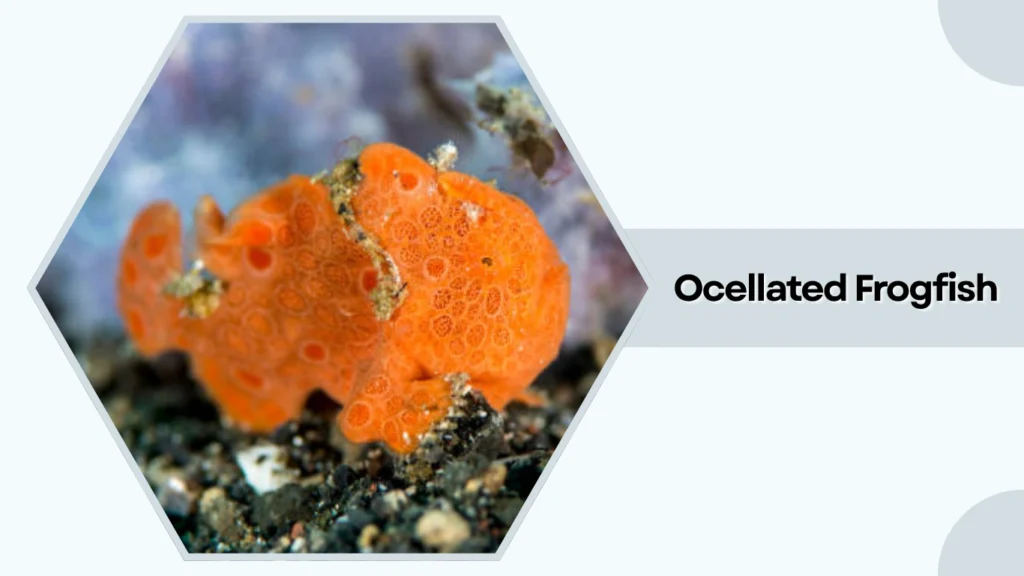
The Ocellated Frogfish is a tropical anglerfish species known for its spotted body patterns and excellent camouflage abilities. This unusual predator blends perfectly into coral reefs and rocky seabeds while waiting for prey. It walks slowly using modified fins and attacks with incredible speed. Its unique appearance and ambush hunting behavior make it a fascinating species in warm marine ecosystems.
Identification
- Scientific name: Antennarius ocellatus
- Body color: Yellow, brown, orange, white, or spotted
- Average size: Up to 5 inches long
- Body shape: Rounded and compact
- Teeth: Small and pointed
- Special feature: Eye-like spots on the body
- Fins: Leg-like fins used for crawling
Size
The Ocellated Frogfish is a small reef-dwelling anglerfish that can grow up to 12 centimeters long. Its compact body allows it to hide easily among coral reefs and sponges. Although small in appearance, it is capable of swallowing prey nearly equal to its own size using rapid suction feeding.
Habitat
This species lives in tropical Indo-Pacific waters and is commonly found around coral reefs, rocky seabeds, and sponge-covered habitats. The Ocellated Frogfish prefers shallow coastal environments where camouflage provides protection from predators and helps it remain hidden while waiting patiently for prey to move nearby.
Diet
The Ocellated Frogfish feeds on small fish, shrimp, and crustaceans found near reef environments. It uses a lure above its mouth to attract prey into striking distance. Once prey approaches, the fish attacks instantly and swallows it whole using its expandable mouth and strong suction ability underwater.
Lifespan
Scientists believe the Ocellated Frogfish can survive several years in healthy tropical marine habitats. Its slow movement and energy-efficient hunting strategy help conserve energy over time. Excellent camouflage also improves survival by reducing the risk of predator attacks while increasing hunting success in warm coastal reef ecosystems.
23. Randall’s Frogfish
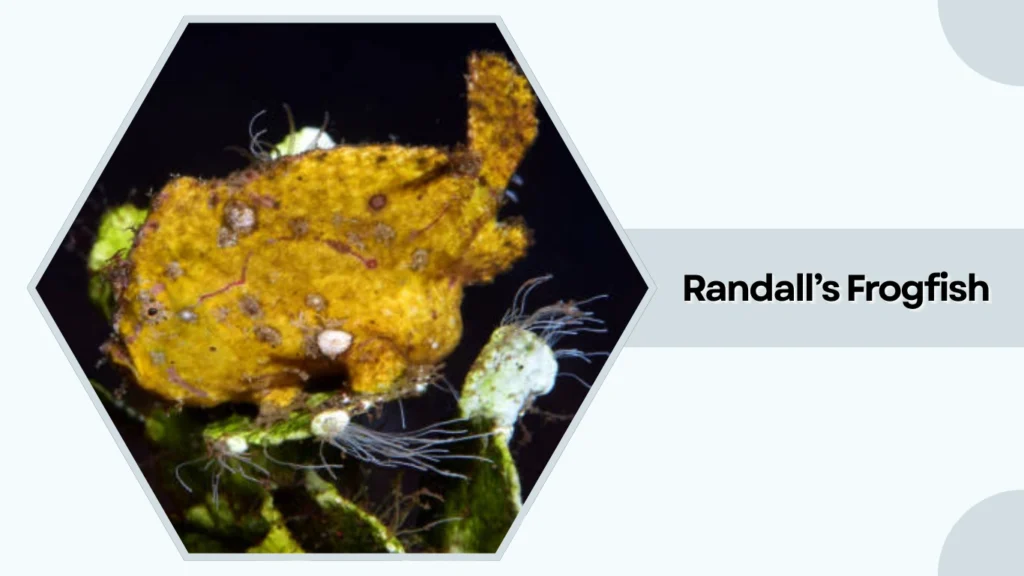
Randall’s Frogfish is a rare anglerfish species recognized for its remarkable camouflage and compact body shape. This reef predator hides among coral, rocks, and sponges while waiting motionless for prey. It uses modified fins to move slowly across the seabed and attacks with incredible speed. Its unusual appearance and secretive lifestyle make it difficult to observe in the wild.
Identification
- Scientific name: Antennarius randalli
- Body color: Brown, yellow, orange, or mottled
- Average size: Up to 4 inches long
- Body shape: Short and rounded
- Teeth: Small and sharp
- Special feature: Excellent camouflage patterns
- Fins: Limb-like fins used for crawling
Size
Randall’s Frogfish is a small reef-dwelling anglerfish that usually grows up to 10 centimeters long. Its compact size helps it remain hidden among coral formations and rocky surfaces. Although tiny, this species is an efficient ambush predator capable of capturing prey almost equal to its own body size.
Habitat
This species inhabits tropical Indo-Pacific waters and is commonly found around coral reefs, rocky seabeds, and sponge-covered areas. Randall’s Frogfish prefers shallow marine habitats where camouflage opportunities are abundant. Its body coloration blends naturally with surrounding reef structures, helping it avoid predators and remain unnoticed by prey.
Diet
Randall’s Frogfish feeds mainly on small fish, shrimp, and crustaceans living near reefs. It uses a small lure near its mouth to attract prey before striking instantly. Its rapid suction feeding technique allows it to swallow prey whole within seconds, making it a highly effective predator in reef ecosystems.
Lifespan
Scientists believe Randall’s Frogfish can live several years in stable tropical marine habitats with adequate food and shelter. Strong camouflage abilities and slow movement help conserve energy and improve survival rates. Healthy coral reef ecosystems play an important role in supporting the species’ long-term survival and successful reproduction.
24. Hispid Frogfish
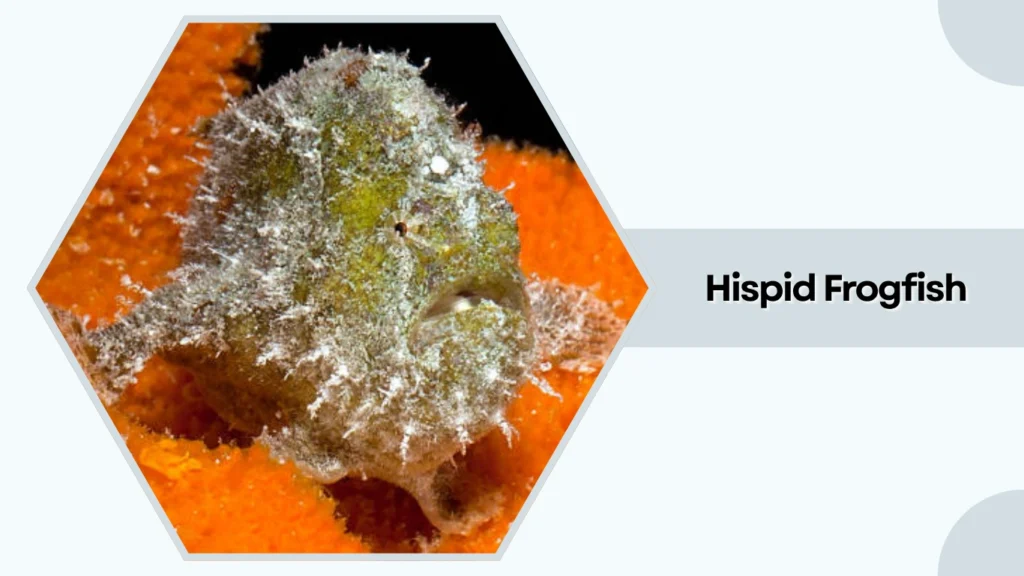
The Hispid Frogfish is a small anglerfish species known for its rough skin texture and exceptional camouflage abilities. This reef predator blends into coral reefs, algae, and rocky seabeds while waiting quietly for prey. It moves slowly using modified fins that resemble legs. Its unique appearance and rapid ambush attacks make it one of the most effective hunters in tropical waters.
Identification
- Scientific name: Antennarius hispidus
- Body color: Yellow, brown, orange, green, or white
- Average size: Up to 7 inches long
- Body shape: Thick and rounded
- Teeth: Small and pointed
- Special feature: Rough, hairy skin texture
- Fins: Limb-like fins used for walking
Size
The Hispid Frogfish is a medium-sized reef anglerfish that can grow up to 18 centimeters long. Its compact and thick body allows it to hide easily among coral reefs and algae-covered rocks. Despite its slow movement, the species is capable of swallowing prey nearly as large as itself.
Habitat
This species lives in tropical and subtropical waters throughout the Indo-Pacific region. It is commonly found around coral reefs, rocky seabeds, algae beds, and shallow coastal habitats. The Hispid Frogfish prefers environments where its body color and rough skin blend naturally with surrounding marine surfaces for effective camouflage.
Diet
The Hispid Frogfish feeds mainly on small fish, shrimp, and crustaceans living near reef habitats. It uses a lure above its mouth to attract prey into striking distance. Once prey approaches, the fish attacks instantly using strong suction and an expandable mouth to swallow the target whole.
Lifespan
Scientists believe the Hispid Frogfish can survive several years in healthy reef environments with enough shelter and food. Its slow movement, excellent camouflage, and low-energy lifestyle help conserve energy and improve survival rates. Stable tropical marine habitats are important for supporting the species’ long-term health and reproduction.
25. Scarlet Frogfish
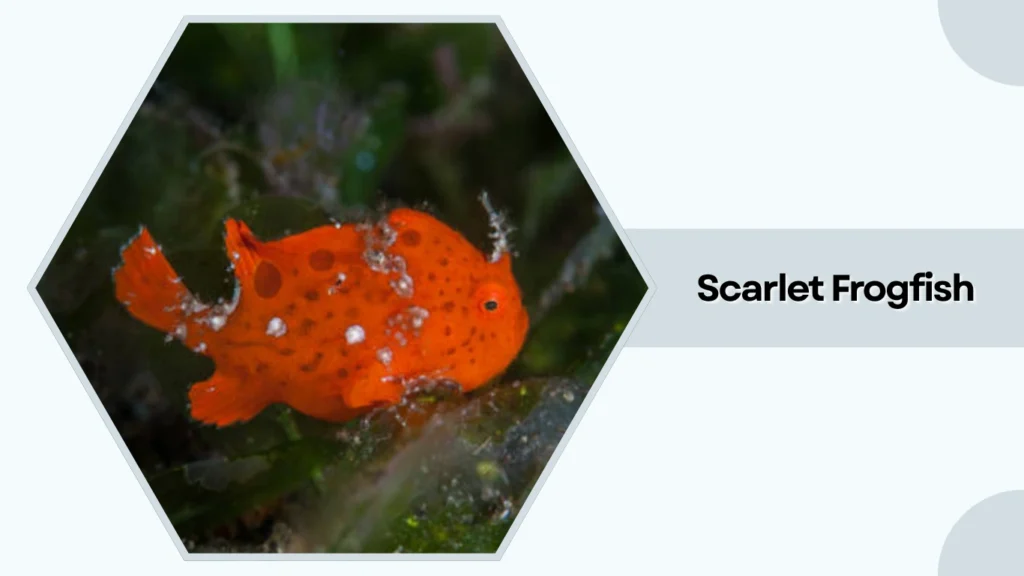
The Scarlet Frogfish is a brightly colored anglerfish species admired for its vivid red appearance and excellent camouflage abilities. This unusual reef predator hides among corals, rocks, and sponges while waiting for prey. It moves slowly across the seabed using modified fins and attacks rapidly. Its striking coloration and secretive lifestyle make it a fascinating species in tropical marine habitats.
Identification
- Scientific name: Antennatus tuberosus
- Body color: Bright red, orange, or scarlet
- Average size: Up to 5 inches long
- Body shape: Rounded and compact
- Teeth: Small and sharp
- Special feature: Bright scarlet coloration with camouflage
- Fins: Leg-like fins used for crawling
Size
The Scarlet Frogfish is a small reef-dwelling anglerfish that usually grows up to 12 centimeters long. Its compact body helps it remain hidden among coral reefs and rocky habitats. Although small in size, it is a highly effective ambush predator capable of swallowing prey nearly equal to its own length.
Habitat
This species inhabits tropical Indo-Pacific waters and is commonly found near coral reefs, rocky bottoms, and sponge-covered marine environments. The Scarlet Frogfish prefers shallow coastal habitats where strong camouflage opportunities exist. Its bright coloration often matches nearby corals or sponges, helping it stay hidden from predators and prey.
Diet
The Scarlet Frogfish feeds mainly on small fish, shrimp, and crustaceans found around coral reefs. It uses a lure near its mouth to attract prey within striking distance. Once prey approaches, the fish attacks instantly using rapid suction feeding, allowing it to swallow prey whole within seconds underwater.
Lifespan
Scientists believe the Scarlet Frogfish can live several years in stable tropical marine habitats with adequate food and shelter. Its excellent camouflage, low-energy movement, and efficient ambush hunting strategy help improve survival rates. Healthy coral reef ecosystems are important for supporting the species throughout its life cycle.
26. Clown Frogfish
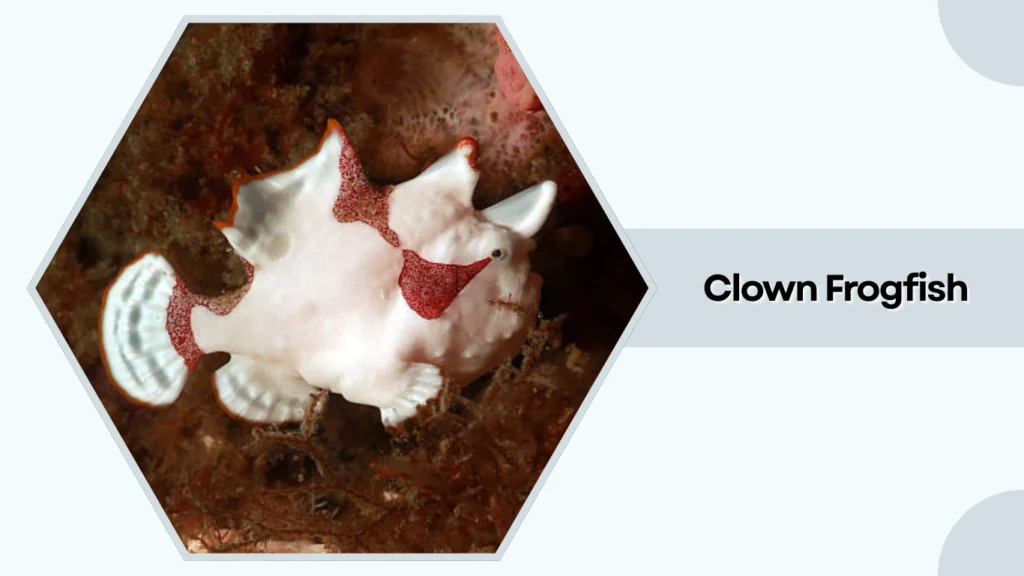
The Clown Frogfish is a colorful anglerfish species famous for its bright patterns and excellent camouflage skills. This reef predator hides among coral reefs, rocks, and sponges while waiting patiently for prey. It walks along the seabed using modified fins and attacks with incredible speed. Its striking appearance and unusual hunting behavior make it one of the most recognizable frogfish species.
Identification
- Scientific name: Antennarius maculatus
- Body color: Yellow, red, orange, white, or black
- Average size: Up to 6 inches long
- Body shape: Rounded and compact
- Teeth: Small and sharp
- Special feature: Bright spotted patterns for camouflage
- Fins: Leg-like fins used for crawling
Size
The Clown Frogfish is a small reef-dwelling anglerfish that can grow up to 15 centimeters long. Its thick and compact body helps it remain hidden among corals and sponges. Although small in size, this species can capture and swallow prey almost as large as its own body.
Habitat
This species inhabits tropical Indo-Pacific waters and is commonly found near coral reefs, rocky seabeds, and sponge-covered habitats. The Clown Frogfish prefers shallow coastal environments with strong camouflage opportunities. Its colorful body patterns blend naturally with surrounding reef structures, helping it avoid predators and ambush prey successfully.
Diet
The Clown Frogfish feeds mainly on small fish, shrimp, and crustaceans living near coral reefs. It uses a small lure above its mouth to attract prey into striking distance. Once prey comes close, the fish attacks instantly using strong suction and swallows the target whole within seconds underwater.
Lifespan
Scientists believe the Clown Frogfish can survive several years in healthy tropical reef ecosystems. Its slow movement, efficient ambush hunting style, and excellent camouflage help conserve energy and improve survival. Stable coral reef habitats with enough food and shelter are essential for supporting the species throughout its lifespan.
27. Shaggy Frogfish
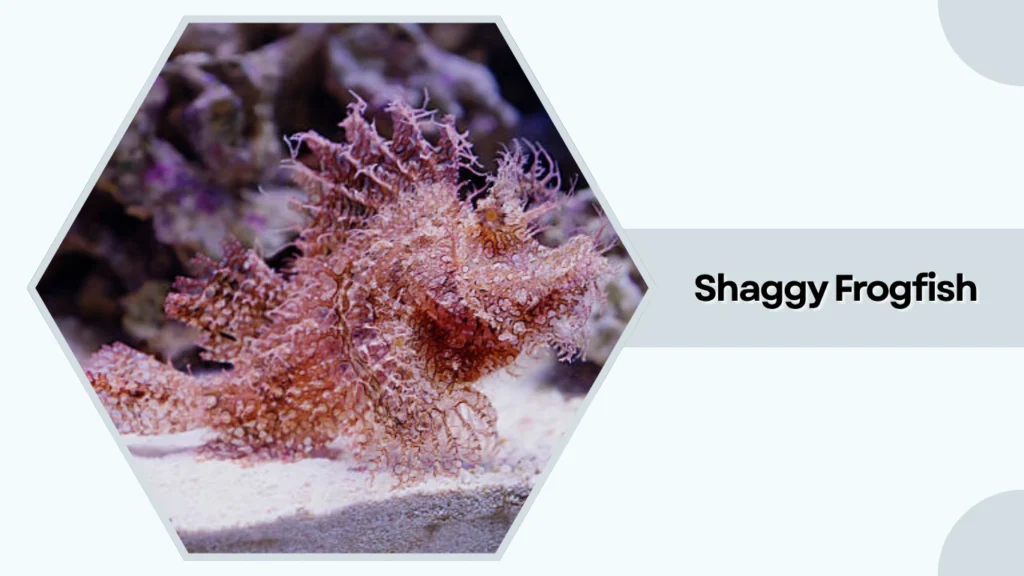
The Shaggy Frogfish is a unique anglerfish species covered with hair-like skin filaments that help it blend perfectly into algae, coral, and rocky reefs. This slow-moving predator waits patiently for prey before attacking with incredible speed. It uses modified fins to crawl across the seabed. Its unusual appearance and excellent camouflage make it one of the ocean’s most fascinating reef hunters.
Identification
- Scientific name: Antennarius hispidus
- Body color: Brown, yellow, orange, green, or mottled
- Average size: Up to 8 inches long
- Body shape: Thick and rounded
- Teeth: Small and sharp
- Special feature: Shaggy hair-like skin filaments
- Fins: Limb-like fins used for walking
Size
The Shaggy Frogfish is a medium-sized reef anglerfish that can grow up to 20 centimeters long. Its compact body and textured skin help it remain hidden among algae and coral formations. Despite its slow appearance, the fish is a highly effective predator capable of swallowing prey almost equal to its own size.
Habitat
This species inhabits tropical and subtropical Indo-Pacific waters and is commonly found near coral reefs, rocky bottoms, algae beds, and shallow coastal habitats. The Shaggy Frogfish prefers areas where its shaggy skin and body colors provide effective camouflage, allowing it to stay hidden from predators and unsuspecting prey.
Diet
The Shaggy Frogfish feeds mainly on small fish, shrimp, and crustaceans living around reef environments. It uses a lure near its mouth to attract prey within striking distance. Once prey approaches, the fish attacks instantly using powerful suction and swallows the target whole in a rapid ambush attack.
Lifespan
Scientists believe the Shaggy Frogfish can live several years in healthy tropical reef ecosystems with stable environmental conditions. Its excellent camouflage, low-energy lifestyle, and efficient hunting strategy help improve survival rates. Access to shelter and sufficient prey also plays an important role in supporting its long-term survival.
FAQs
What makes anglerfish unique?
Anglerfish are unique because they use a glowing lure to attract prey in dark underwater environments. Many species also have unusual body shapes, sharp teeth, and incredible camouflage abilities. Some deep-sea anglerfish survive in extreme conditions with high pressure, low temperatures, and complete darkness deep below the ocean surface.
Where do anglerfish live?
Anglerfish live in oceans around the world. Some species inhabit deep-sea environments thousands of feet below the surface, while others live near coral reefs and shallow tropical waters. Their habitats range from cold ocean depths to warm coastal ecosystems filled with rocks, coral, algae, and sandy seabeds.
What do anglerfish eat?
Most anglerfish feed on small fish, shrimp, squid, and crustaceans. They are ambush predators that wait quietly for prey before attacking suddenly. Many species use a glowing lure or camouflage to attract prey close enough for capture. Their large mouths allow them to swallow surprisingly large meals.
How big can anglerfish grow?
Anglerfish size varies greatly between species. Smaller frogfish species may only grow a few inches long, while larger goosefish and monkfish species can exceed three feet in length. Female deep-sea anglerfish are usually much larger than males, especially in species living in extreme ocean depths.
Are anglerfish dangerous to humans?
Anglerfish are generally not dangerous to humans because most species live deep underwater or remain hidden near reefs. They do have sharp teeth and powerful jaws used for hunting prey, but attacks on humans are extremely rare. Some larger species are even commercially caught and eaten as seafood worldwide.