
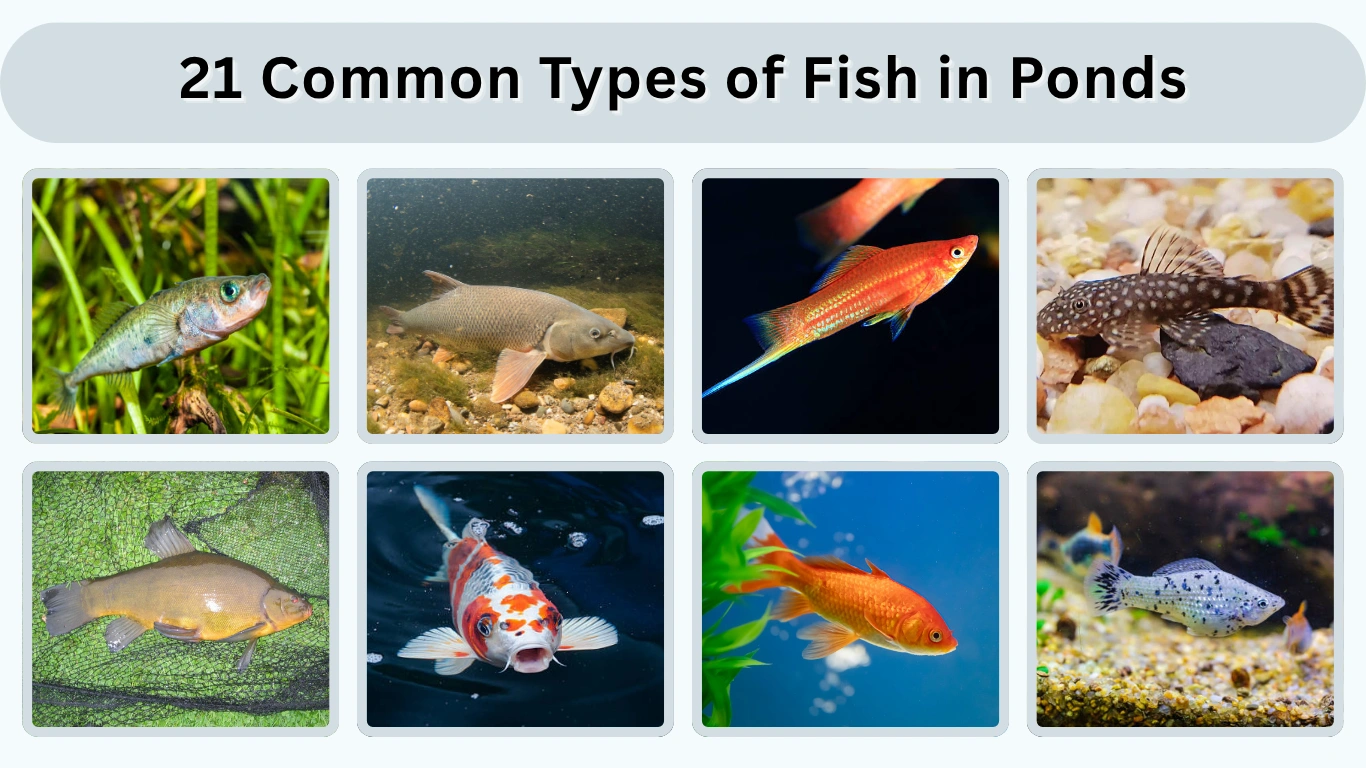
Ponds are home to a diverse range of freshwater fish, each with unique characteristics and roles in the ecosystem. From small, colorful ornamental species to larger, hardy fish, pond fish adapt to different water conditions, temperatures, and food sources. These fish not only enhance the natural beauty of ponds but also contribute to maintaining a balanced aquatic environment.
Many pond fish are popular for decorative purposes, while others are valued for their ability to control algae, insects, and organic waste. They play an important role in supporting biodiversity and improving water quality. Whether in natural ponds or backyard water features, these fish create a lively and healthy ecosystem.
1. Goldfish
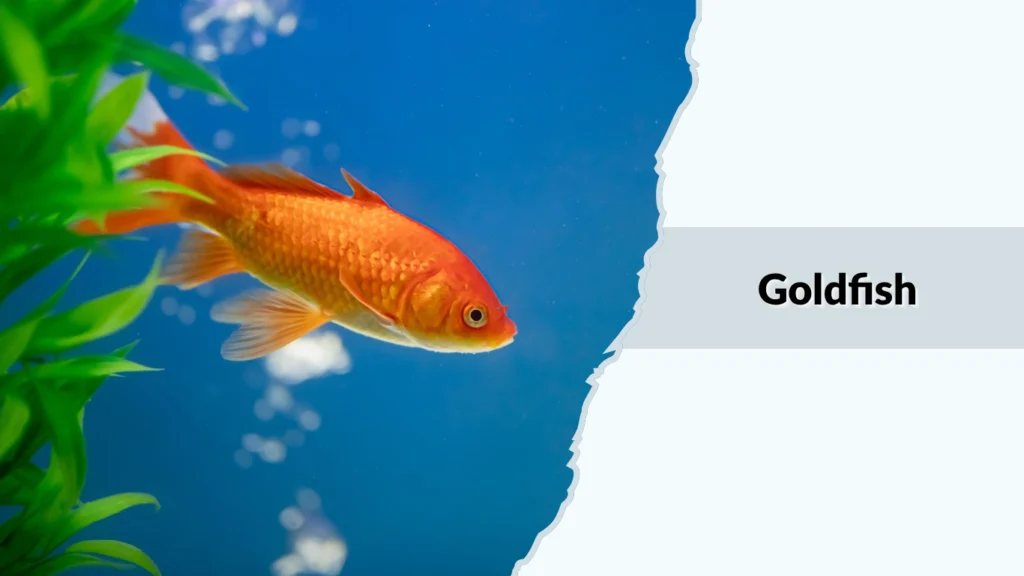
Goldfish are one of the most recognizable and widely kept freshwater fish found in ponds. Known for their bright colors and graceful swimming, they are popular in both ornamental and backyard ponds. Goldfish are hardy and adaptable, making them suitable for a wide range of pond environments.
Identification
- Bright orange, red, white, or gold coloration
- Rounded body shape with flowing fins
- Small mouth with no barbels
- Scales that may appear metallic or matte
Habitat and Distribution
Goldfish thrive in freshwater ponds, especially those with calm water and moderate vegetation. They prefer areas where they can find shelter and food easily. Originally native to East Asia, goldfish have been introduced worldwide and are now commonly found in garden ponds and artificial water bodies.
Feeding Behavior
Goldfish are omnivorous and feed on a variety of food sources. Their diet includes algae, small insects, plant matter, and commercial fish food. They often forage near the bottom as well as in mid-water, constantly searching for food throughout the day.
Importance and Popularity
Goldfish are highly valued for their beauty and ease of care, making them a top choice for pond owners. They help maintain pond health by consuming algae and organic matter. Additionally, their presence adds visual appeal and tranquility to outdoor water features, making them both functional and decorative.
2. Koi
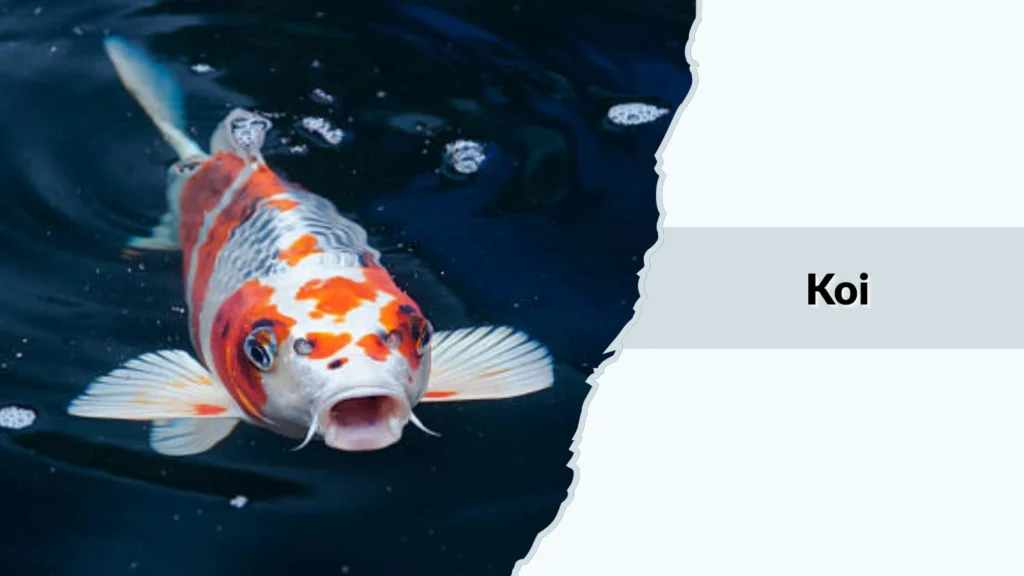
Koi are large, ornamental freshwater fish commonly kept in ponds for their beauty and symbolism. Known for their vibrant colors and patterns, koi are a popular choice for decorative ponds and are often associated with good luck and prosperity. They are hardy and can live for many years with proper care.
Identification
- Large, elongated body shape
- Bright colors such as white, red, orange, black, and yellow
- Distinct patterns and markings on the body
- Presence of barbels (whisker-like organs) near the mouth
Habitat and Distribution
Koi are typically found in man-made ponds, garden ponds, and calm freshwater environments. They prefer clean, well-oxygenated water with enough space to swim. Originally bred in Japan from common carp, koi are now found in ponds all over the world.
Feeding Behavior
Koi are omnivorous and feed on a wide range of food, including algae, plants, insects, and specially formulated pellets. They are active feeders and often come to the surface when food is provided, making them easy to observe and interact with.
Importance and Popularity
Koi are highly valued for their ornamental appeal and cultural significance. They are often the centerpiece of decorative ponds and can increase the aesthetic and monetary value of a pond. Their calm nature and long lifespan make them a favorite among pond enthusiasts.
3. Catfish
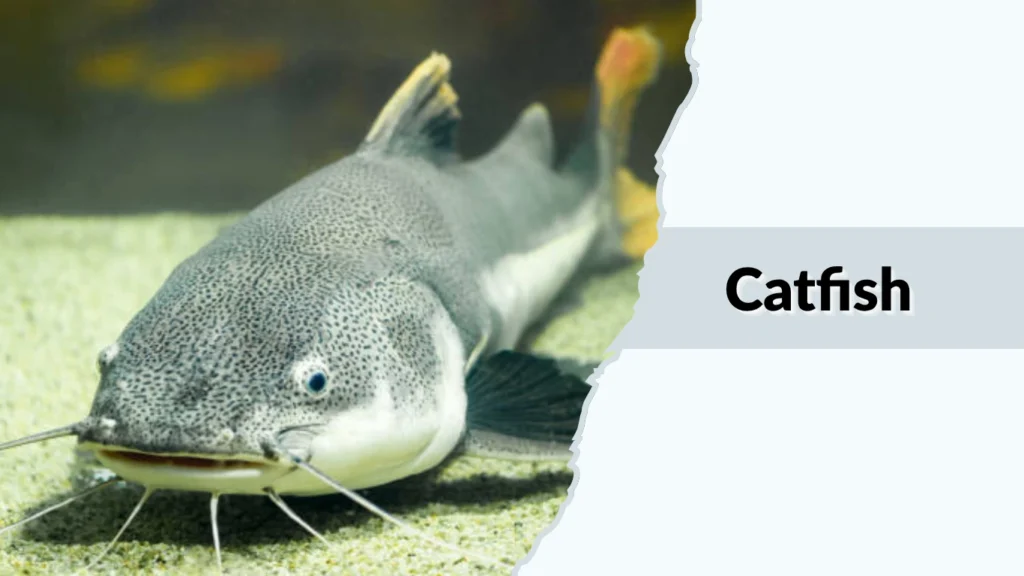
Catfish are hardy freshwater fish commonly found in ponds, known for their whisker-like barbels and ability to survive in various water conditions. They are popular for both fishing and consumption, and they can thrive even in murky or low-oxygen environments.
Identification
- Smooth, scaleless body
- Prominent whisker-like barbels around the mouth
- Broad, flat head
- Color ranges from gray to brown or black
Habitat and Distribution
Catfish are widely found in freshwater ponds, lakes, and slow-moving rivers. They prefer warm waters with muddy or sandy bottoms where they can easily find food. Native to many parts of the world, different catfish species are common across Asia, Africa, and the Americas.
Feeding Behavior
Catfish are mostly nocturnal feeders and rely heavily on their sense of smell and touch. Their diet includes insects, small fish, plant matter, and organic debris. They often search along the bottom of the pond for food.
Importance and Popularity
Catfish are important for pond ecosystems as they help clean up waste and organic material. They are also widely farmed and consumed due to their fast growth and good taste, making them economically valuable in many regions.
4. Tilapia
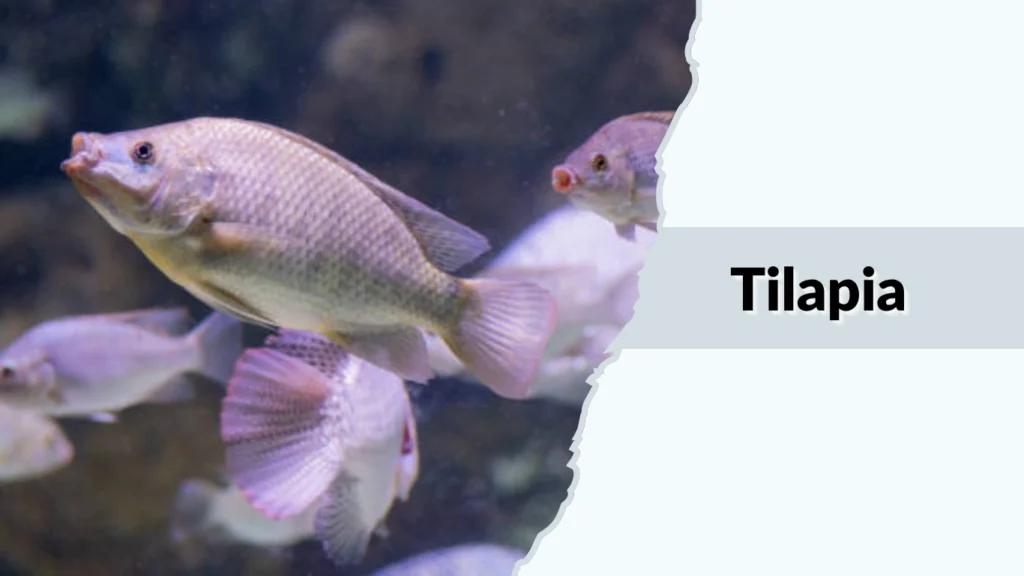
Tilapia are popular freshwater fish commonly found in ponds, known for their fast growth and adaptability. They are widely farmed and are an important source of food in many parts of the world. Tilapia can thrive in a variety of pond conditions, making them ideal for aquaculture.
Identification
- Deep, laterally compressed body
- Silver to gray coloration, sometimes with faint vertical stripes
- Long dorsal fin running along the back
- Small mouth with thick lips
Habitat and Distribution
Tilapia are commonly found in warm freshwater ponds, lakes, and slow-moving rivers. They prefer shallow waters with plenty of sunlight and vegetation. Native to Africa and the Middle East, tilapia have been introduced globally for farming and food production.
Feeding Behavior
Tilapia are primarily herbivorous but can also be omnivorous. They feed on algae, aquatic plants, plankton, and small organisms. Their feeding habits help control excessive algae growth in ponds, improving water quality.
Importance and Popularity
Tilapia are one of the most widely consumed fish worldwide due to their mild taste and affordability. They are essential in aquaculture and support many livelihoods. Additionally, their ability to manage algae makes them beneficial for maintaining healthy pond environments.
5. Bluegill
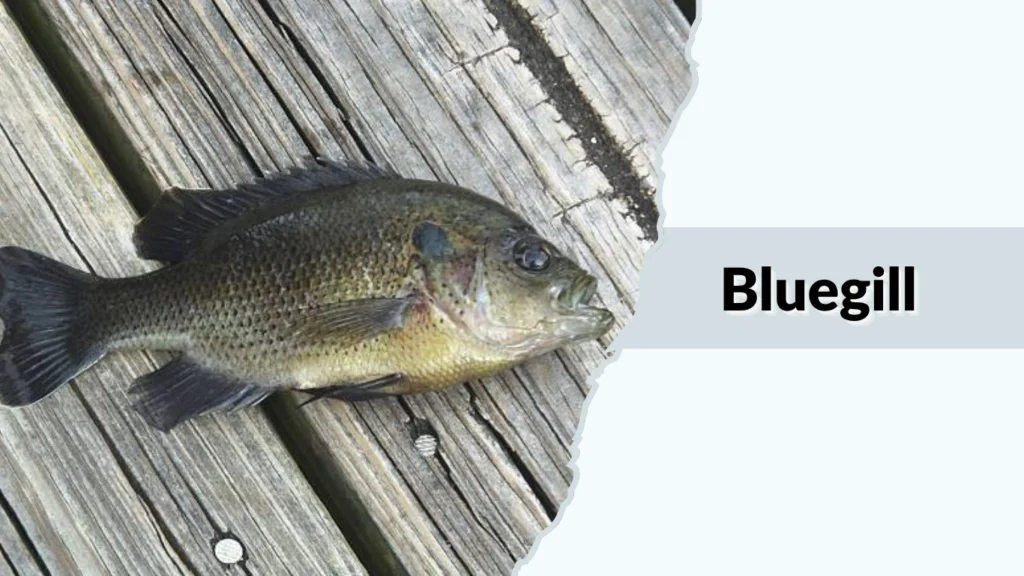
Bluegill are small freshwater fish commonly found in ponds, known for their round shape and colorful appearance. They are easy to catch and are especially popular among beginner anglers. Bluegill are also important for maintaining balance in pond ecosystems.
Identification
- Small, round, laterally compressed body
- Blue or purple tint near the gill area
- Olive-green body with faint vertical bars
- Dark spot at the rear of the dorsal fin
Habitat and Distribution
Bluegill are widely found in freshwater ponds, lakes, and slow-moving streams. They prefer warm, shallow waters with plenty of vegetation for shelter. Native to North America, they have been introduced to many other regions due to their popularity in fishing.
Feeding Behavior
Bluegill are active during the day and feed on insects, larvae, small crustaceans, and plankton. They often stay near vegetation or the water surface while feeding. Younger bluegill rely more on tiny organisms, while adults eat larger prey.
Importance and Popularity
Bluegill are a favorite among anglers because they are abundant and easy to catch. They reproduce quickly, helping maintain stable populations. Additionally, they serve as a food source for larger fish, playing a key role in the pond food chain.
6. Bass
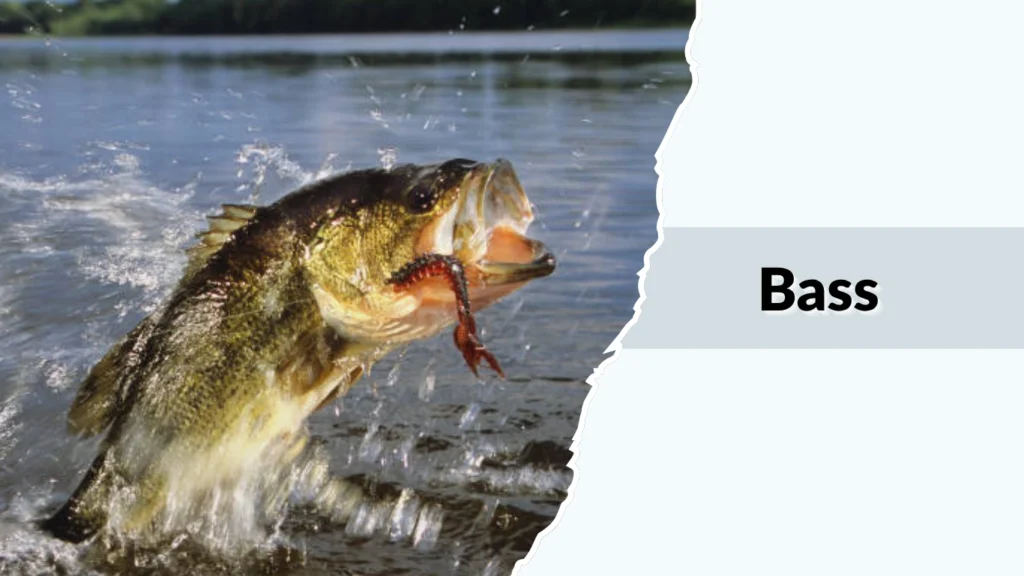
Bass are popular freshwater fish commonly found in ponds, known for their strength and aggressive behavior. They are highly valued by anglers for sport fishing and are often introduced into ponds to help control smaller fish populations.
Identification
- Green or olive-colored body with darker markings
- Streamlined, elongated shape
- Large mouth, especially in largemouth bass
- Dorsal fin divided into spiny and soft sections
Habitat and Distribution
Bass are commonly found in freshwater ponds, lakes, and slow-moving rivers. They prefer warm waters with plenty of vegetation, submerged logs, or structures where they can hide. Native to North America, bass have been introduced worldwide for recreational fishing.
Feeding Behavior
Bass are carnivorous predators that feed on smaller fish, insects, frogs, and crustaceans. They use stealth and quick bursts of speed to catch prey, often hiding in vegetation before attacking suddenly.
Importance and Popularity
Bass are one of the most sought-after fish in sport fishing due to their strong fight and exciting catch. They also help maintain ecological balance in ponds by controlling populations of smaller fish and aquatic organisms.
7. Carp
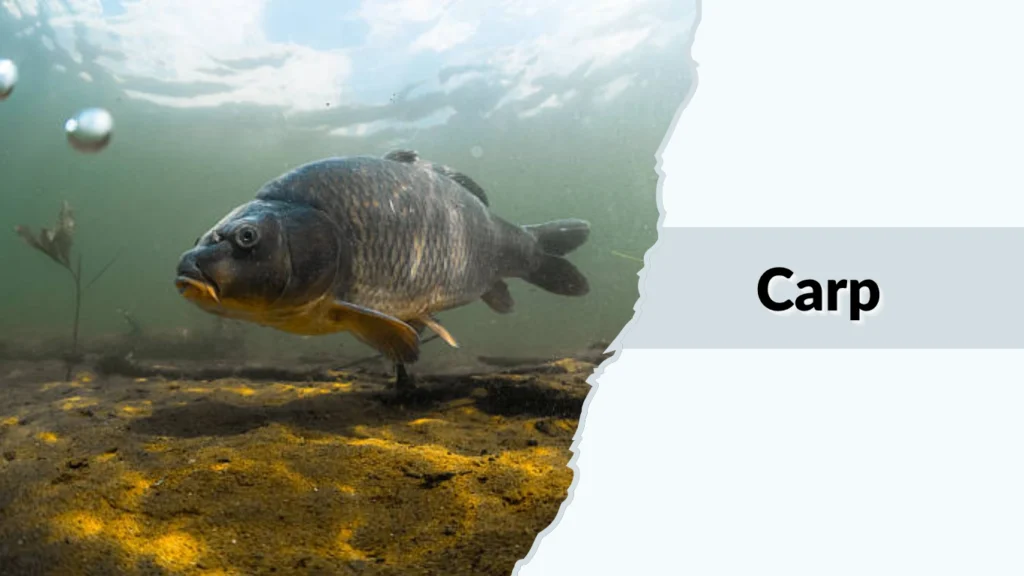
Carp are hardy freshwater fish commonly found in ponds, known for their adaptability and large size. They can survive in a wide range of water conditions, including low-oxygen environments, making them a common species in both natural and artificial ponds.
Identification
- Large, robust body with thick scales
- Color ranges from golden to brown or gray
- Small mouth with barbels on either side
- Long dorsal fin extending along the back
Habitat and Distribution
Carp are widely found in freshwater ponds, lakes, and slow-moving rivers. They prefer warm, shallow waters with muddy bottoms and abundant vegetation. Native to Europe and Asia, carp have been introduced worldwide and are now very common in pond environments.
Feeding Behavior
Carp are bottom feeders that search for food in the sediment. Their diet includes plant material, insects, crustaceans, and organic debris. While feeding, they often stir up the pond bottom, which can affect water clarity.
Importance and Popularity
Carp are important as both a food source and a sport fish. However, in some areas, they are considered invasive due to their impact on water quality and native species. Despite this, they remain widely distributed and significant in many pond ecosystems.
8. Perch
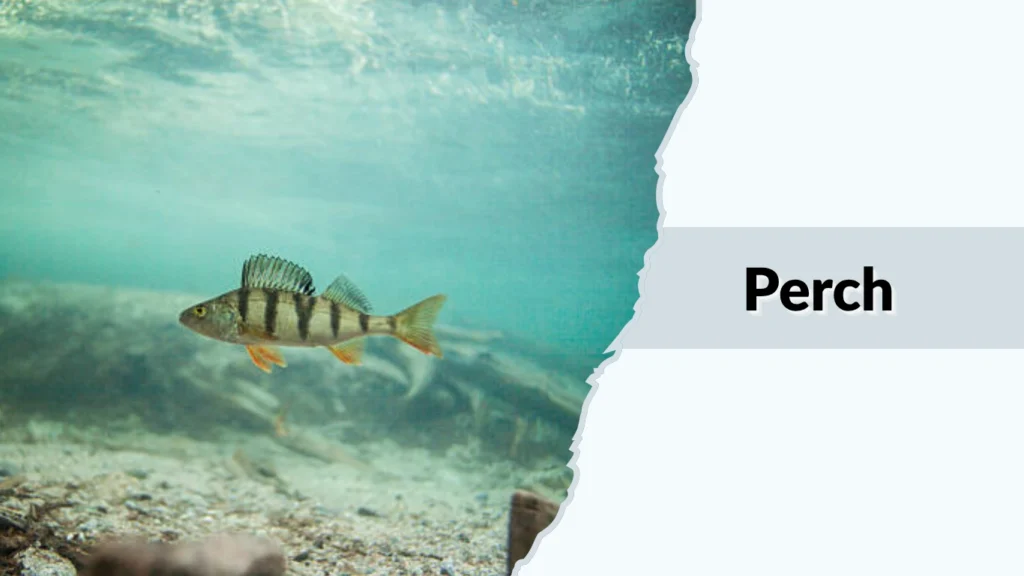
Perch are common freshwater fish found in ponds, known for their striped appearance and active behavior. They are popular among anglers due to their availability and good taste. Perch often live in groups, making them relatively easy to catch in pond environments.
Identification
- Yellowish or green body with dark vertical stripes
- Slightly flattened, oval body shape
- Two dorsal fins (spiny front and soft rear)
- Orange or reddish fins on the lower body
Habitat and Distribution
Perch are widely found in freshwater ponds, lakes, and slow-moving rivers. They prefer calm waters with sandy or gravel bottoms and are often found near vegetation or submerged structures. Perch are common across North America, Europe, and parts of Asia.
Feeding Behavior
Perch are active feeders that usually hunt in groups. Their diet includes insects, larvae, small fish, and crustaceans. Younger perch feed on plankton, while adults consume larger prey. They are most active during daylight hours.
Importance and Popularity
Perch are valued for both recreational fishing and as a food fish. Their mild flavor makes them popular in many cuisines. They also help maintain balance in pond ecosystems by controlling populations of smaller aquatic organisms.
9. Minnow
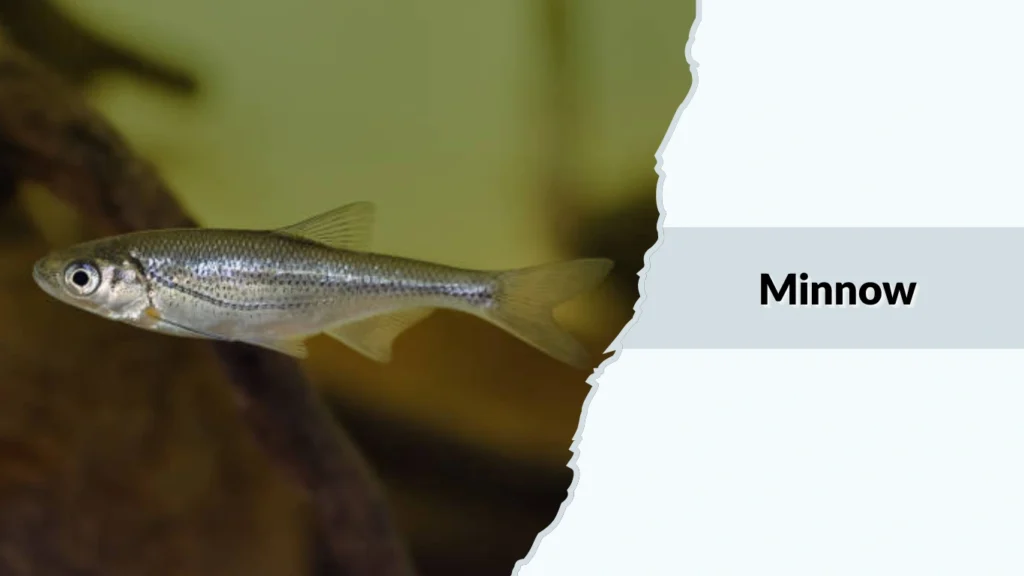
Minnows are small freshwater fish commonly found in ponds, known for their size and schooling behavior. They are often used as bait fish but also play an important role in pond ecosystems as a food source for larger fish.
Identification
- Small, slender body
- Silvery or gray coloration
- Small fins and narrow tail
- Smooth scales with a shiny appearance
Habitat and Distribution
Minnows are widely found in freshwater ponds, lakes, and streams. They prefer shallow waters with vegetation where they can hide from predators. Minnows are distributed across many regions of the world and adapt easily to different environments.
Feeding Behavior
Minnows are omnivorous and feed on algae, plankton, small insects, and organic matter. They often swim in groups and feed near the surface or mid-water levels, constantly searching for food.
Importance and Popularity
Minnows are important in the food chain, serving as prey for larger fish, birds, and other animals. They are widely used as bait in fishing due to their availability and effectiveness. Additionally, they help maintain ecological balance in pond environments.
10. Guppy
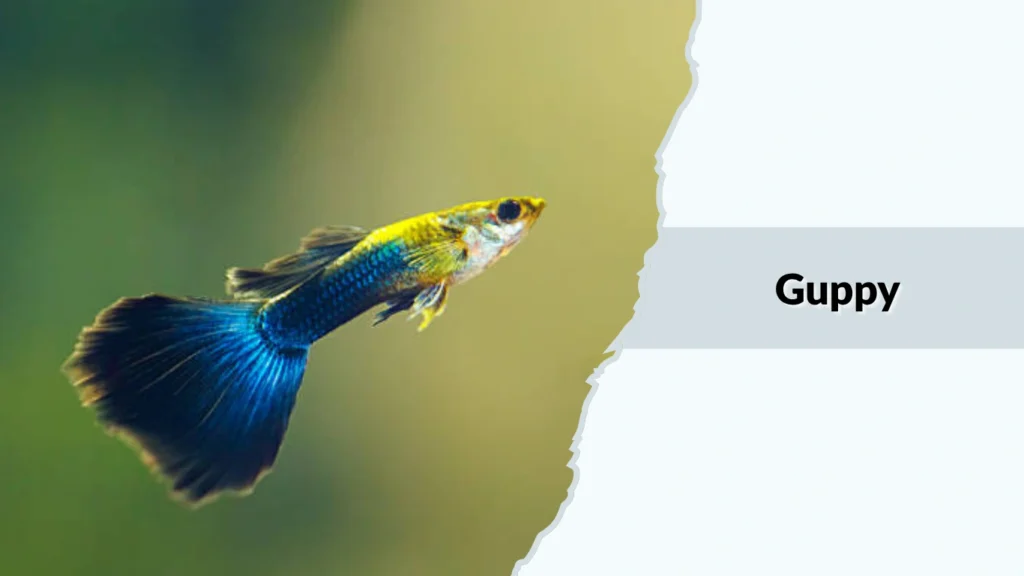
Guppies are small, colorful freshwater fish commonly found in ponds, especially in warm climates. They are popular for their bright appearance and ability to reproduce quickly. Guppies are often kept in ornamental ponds and are known for their adaptability.
Identification
- Small, slender body
- Bright colors such as orange, blue, red, and yellow
- Males have long, flowing tails with patterns
- Females are larger and less colorful
Habitat and Distribution
Guppies are commonly found in freshwater ponds, slow-moving streams, and small water bodies. They prefer warm waters with plenty of vegetation. Native to South America, guppies have been introduced to many parts of the world due to their popularity and mosquito-control benefits.
Feeding Behavior
Guppies are omnivorous and feed on algae, small insects, larvae, and organic matter. They often feed near the surface and are active throughout the day. Their diet also includes mosquito larvae, which makes them useful in controlling pests.
Importance and Popularity
Guppies are highly valued for their role in controlling mosquito populations. They are easy to maintain and reproduce quickly, making them popular in both home aquariums and ponds. Their bright colors also add beauty and life to pond environments.
11. Mosquitofish
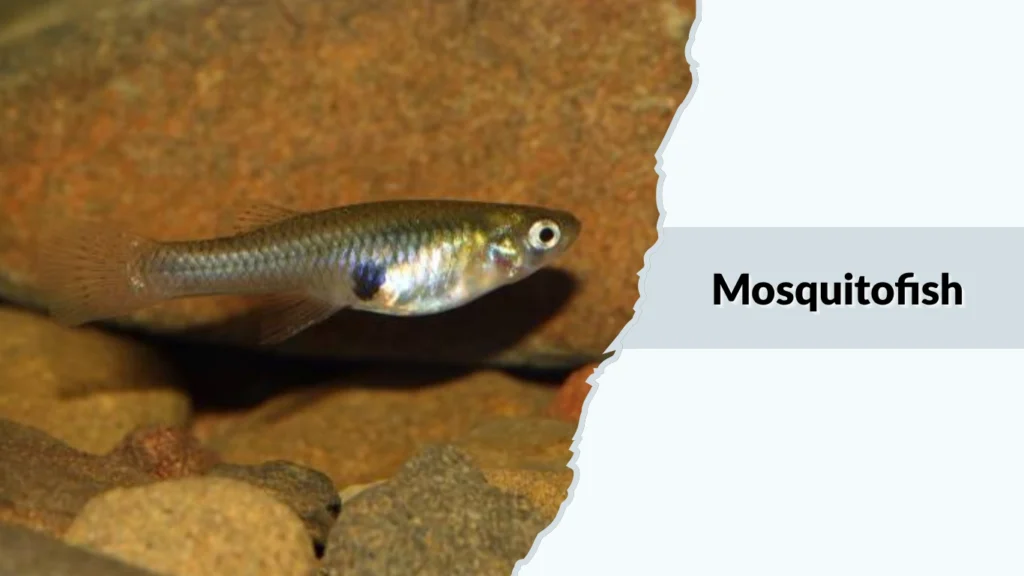
Mosquitofish are small freshwater fish commonly found in ponds, known for their effectiveness in controlling mosquito populations. They are hardy and can survive in a wide range of environmental conditions, making them a practical choice for pond management.
Identification
- Small, slender body
- Dull gray or olive coloration
- Rounded tail fin
- Upturned mouth adapted for surface feeding
Habitat and Distribution
Mosquitofish are commonly found in freshwater ponds, lakes, and slow-moving waters. They prefer warm, shallow areas where mosquito larvae are abundant. Native to North America, they have been introduced worldwide to help reduce mosquito populations.
Feeding Behavior
Mosquitofish primarily feed on mosquito larvae and other small insects found near the water surface. They are active feeders and spend much of their time at or near the surface, constantly searching for food.
Importance and Popularity
Mosquitofish are highly valued for their role in controlling mosquito populations, helping reduce the spread of mosquito-borne diseases. They are easy to maintain and reproduce quickly, making them a useful addition to many pond ecosystems.
12. Sunfish
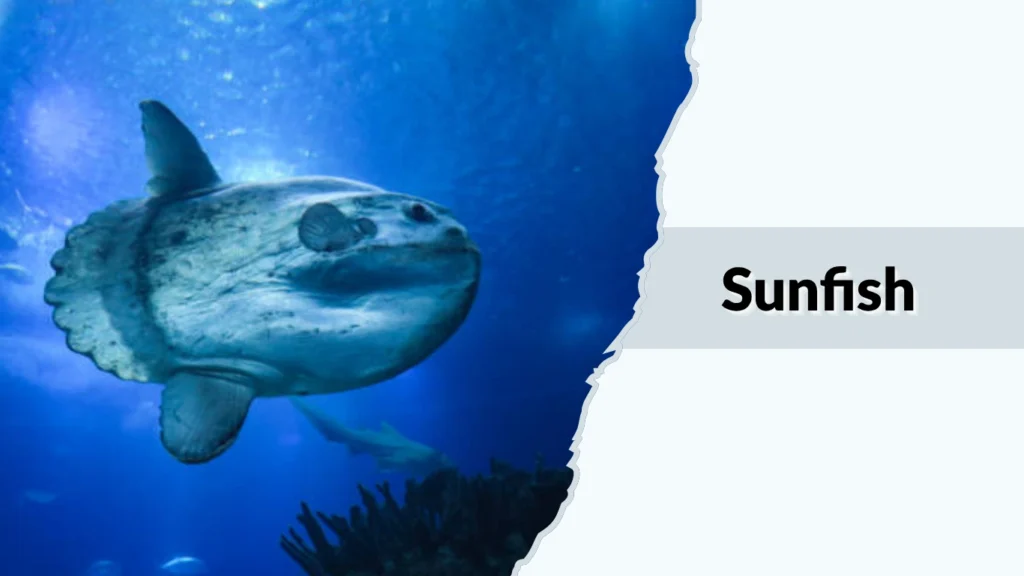
Sunfish are small to medium-sized freshwater fish commonly found in ponds, known for their bright colors and rounded shape. They are popular among anglers, especially beginners, due to their abundance and ease of catching.
Identification
- Round, laterally compressed body
- Bright colors including blue, green, orange, or yellow
- Small mouth relative to body size
- Spiny dorsal fin with a softer rear section
Habitat and Distribution
Sunfish are widely found in freshwater ponds, lakes, and slow-moving streams. They prefer warm, shallow waters with plenty of vegetation and cover. Native to North America, they have been introduced to other regions for fishing and ecological purposes.
Feeding Behavior
Sunfish are active daytime feeders. They eat insects, larvae, small crustaceans, and plant material. They often feed near the surface or among aquatic plants, using quick movements to catch prey.
Importance and Popularity
Sunfish are important for recreational fishing and are especially suitable for beginners. They reproduce quickly, helping maintain stable populations. Additionally, they serve as prey for larger fish, contributing to a balanced pond ecosystem.
13. Crappie
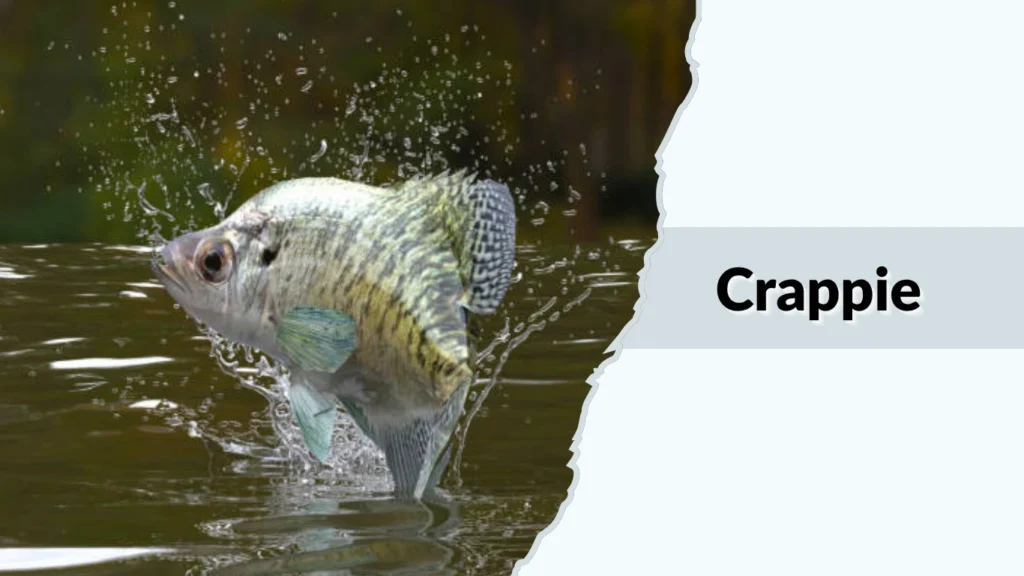
Crappie are freshwater fish commonly found in ponds, known for their schooling behavior and good taste. They are popular among anglers due to their abundance and relatively easy catch, especially during certain seasons when they gather in large groups.
Identification
- Deep, flattened body shape
- Silvery color with dark, irregular spots
- Large mouth extending below the eye
- Long dorsal and anal fins
Habitat and Distribution
Crappie are found in freshwater ponds, lakes, and slow-moving rivers. They prefer areas with submerged structures such as fallen trees, brush, and vegetation. Crappie often move between shallow and deeper waters depending on temperature and season.
Feeding Behavior
Crappie are opportunistic feeders that mainly eat small fish, insects, and crustaceans. They usually feed in schools and are most active during low-light periods like early morning and evening.
Importance and Popularity
Crappie are highly valued for their tasty, white meat and are a favorite among recreational anglers. Their schooling nature makes them easy to catch in large numbers. They also help control populations of smaller aquatic organisms in ponds.
14. Shubunkin
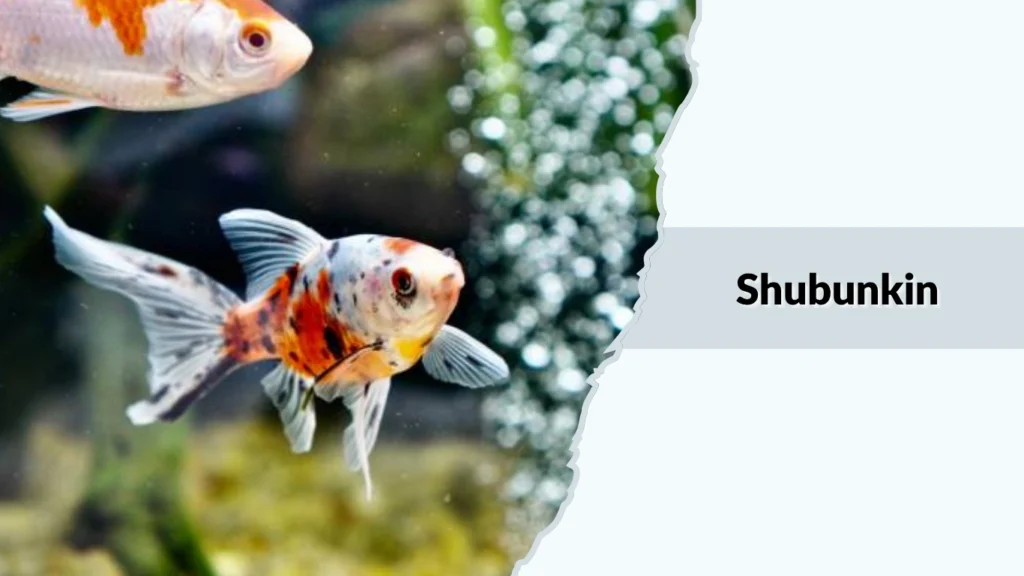
Shubunkin are a variety of goldfish commonly found in ponds, known for their vibrant calico patterns and flowing fins. They are popular in ornamental ponds due to their beauty, hardiness, and ability to adapt to outdoor environments.
Identification
- Calico coloration with a mix of blue, red, orange, black, and white
- Slender body compared to common goldfish
- Long, flowing fins and tail
- Transparent or speckled scales
Habitat and Distribution
Shubunkin are typically found in garden ponds and ornamental water features. They prefer clean, well-oxygenated water with moderate vegetation. Originating from Japan, they have become popular worldwide in decorative ponds.
Feeding Behavior
Shubunkin are omnivorous and feed on algae, plant matter, insects, and commercial fish food. They often forage throughout the pond, feeding near the surface as well as along the bottom.
Importance and Popularity
Shubunkin are highly valued for their striking appearance and peaceful nature. They are easy to care for and can coexist with other pond fish like koi and goldfish. Their colorful patterns add visual appeal, making them a favorite choice for ornamental ponds.
15. Tench
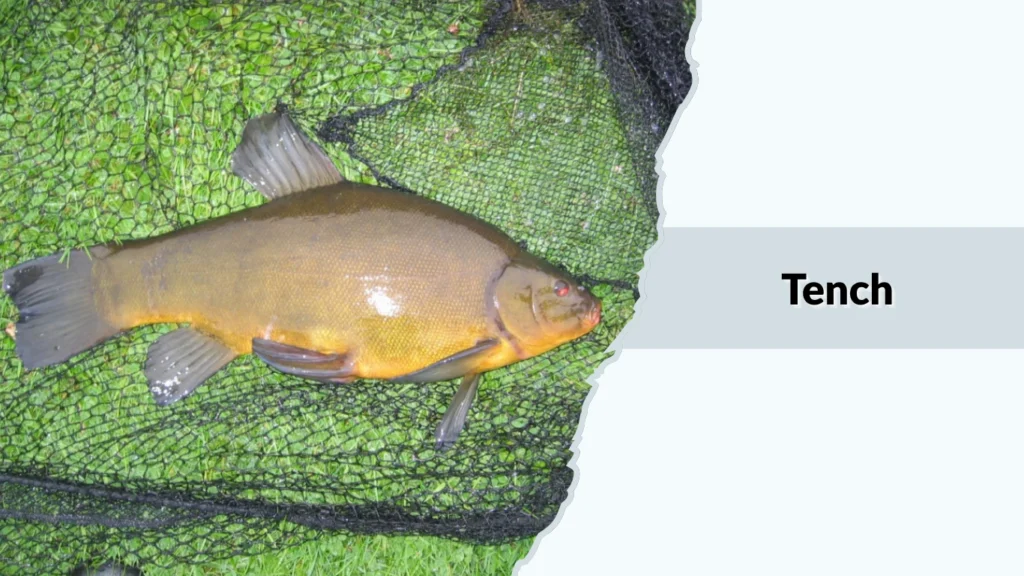
Tench are freshwater fish commonly found in ponds, known for their smooth skin and slow, calm movement. They are often called “doctor fish” because they are believed to help keep other fish healthy. Tench are hardy and can survive in low-oxygen environments.
Identification
- Olive-green to dark brown coloration
- Thick, slightly rounded body
- Small eyes with reddish-orange tint
- Smooth, slimy skin with very small scales
Habitat and Distribution
Tench are commonly found in freshwater ponds, lakes, and slow-moving rivers. They prefer still waters with muddy bottoms and plenty of vegetation. Native to Europe and parts of Asia, tench have been introduced to other regions and are now found in many pond environments.
Feeding Behavior
Tench are bottom feeders and mainly search for food in the sediment. Their diet includes insects, larvae, worms, and plant material. They are most active during early morning and evening hours.
Importance and Popularity
Tench are valued for their role in maintaining pond health by feeding on bottom organisms. They are also appreciated by anglers for their unique appearance and calm nature. Additionally, they contribute to the ecological balance of pond environments.
16. Loach
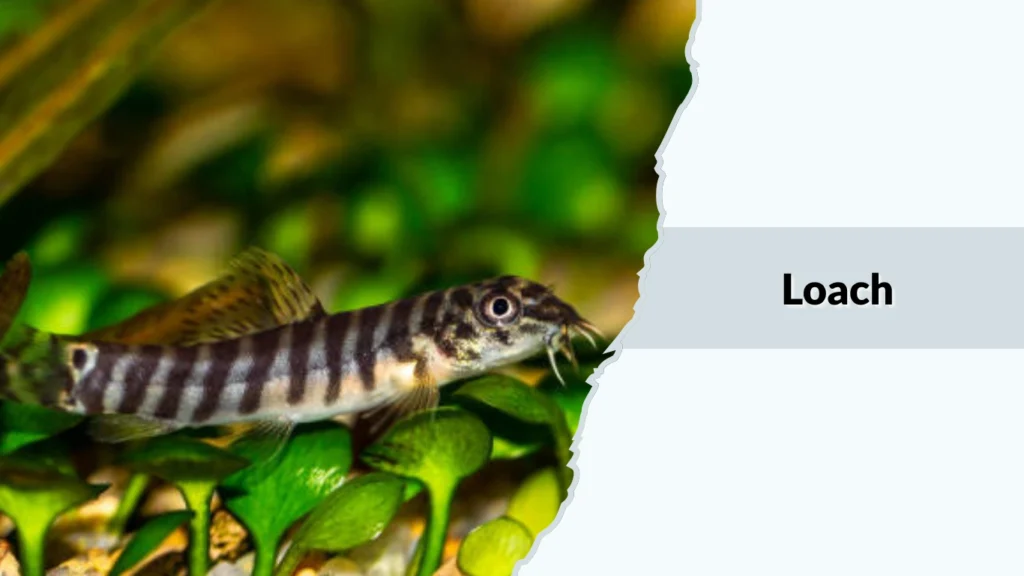
Loaches are small to medium-sized freshwater fish commonly found in ponds, known for their bottom-dwelling behavior and elongated bodies. They are peaceful and often kept in ponds to help maintain cleanliness by feeding on debris and small organisms.
Identification
- Long, slender body shape
- Smooth skin with very small or no visible scales
- Barbels (whisker-like structures) around the mouth
- Color varies from brown to yellow with patterns or spots
Habitat and Distribution
Loach are typically found in freshwater ponds, lakes, and slow-moving streams. They prefer areas with soft, muddy or sandy bottoms where they can hide and search for food. Native to Europe and Asia, they are now found in many regions worldwide.
Feeding Behavior
Loach are bottom feeders that search through sediment for food. Their diet includes insects, larvae, small crustaceans, and organic matter. They are often more active at night and use their barbels to detect food in low-visibility conditions.
Importance and Popularity
Loach are valued for their role in cleaning ponds by consuming leftover food and organic debris. They are peaceful and can coexist with other pond fish, making them a popular addition to community ponds. Their unique appearance also adds diversity to pond ecosystems.
17. Pleco
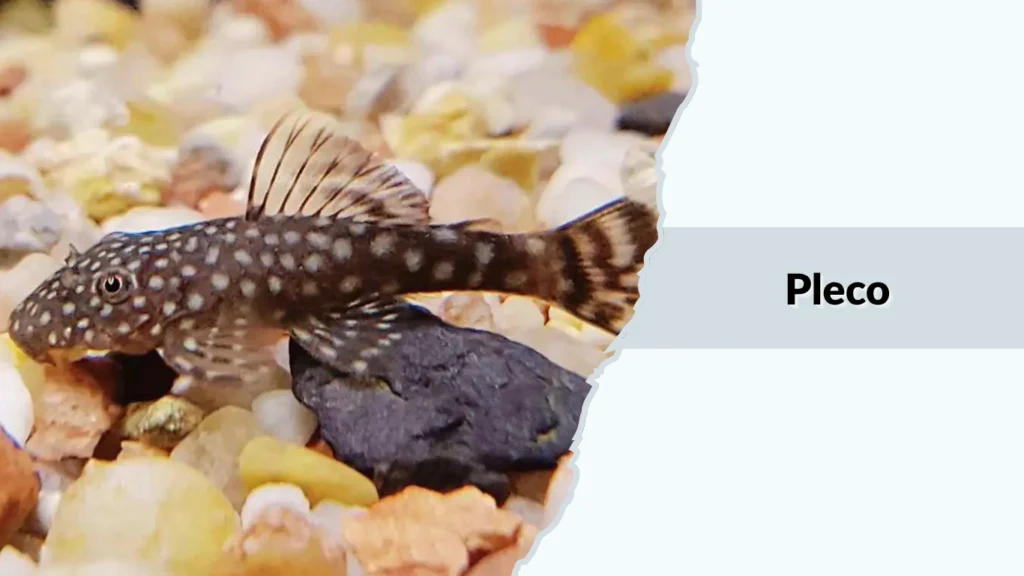
Pleco, also known as plecostomus or sucker fish, are freshwater fish commonly found in ponds and aquariums. They are well known for their ability to clean surfaces by feeding on algae. Plecos are hardy and can adapt to various pond conditions, making them useful for maintenance.
Identification
- Flattened body with a wide head
- Dark coloration, often brown or black with patterns
- Sucker-shaped mouth for attaching to surfaces
- Armored body with bony plates
Habitat and Distribution
Plecos are typically found in freshwater ponds, rivers, and slow-moving waters. They prefer warm environments with plenty of surfaces like rocks, logs, and pond walls where algae can grow. Native to South America, plecos have been introduced to many regions.
Feeding Behavior
Plecos are primarily herbivorous and feed mainly on algae. They scrape algae from surfaces using their sucker mouths. They may also consume plant matter and leftover food in the pond, especially when algae is limited.
Importance and Popularity
Plecos are highly valued for their role in controlling algae growth in ponds. They help keep surfaces clean and improve water quality. Their unique appearance and useful behavior make them a popular choice for pond owners and fish keepers.
18. Swordtail
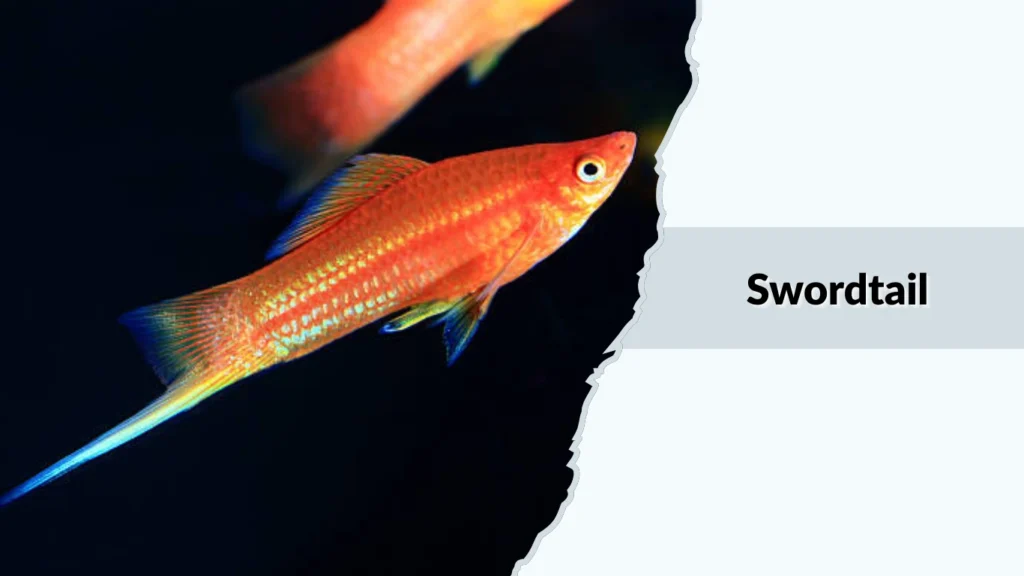
Swordtail are colorful freshwater fish commonly found in ponds, especially in warm climates. They are named for the long, sword-like extension on the tail of males. Swordtails are active, easy to care for, and often kept in ornamental ponds.
Identification
- Slender body with bright colors such as orange, red, or green
- Males have a long, sword-like extension on the lower tail fin
- Short fins with smooth edges
- Females are larger and lack the “sword” tail
Habitat and Distribution
Swordtails are commonly found in freshwater ponds, streams, and slow-moving waters. They prefer warm temperatures and areas with vegetation for shelter. Native to Central America, they have been introduced to many parts of the world.
Feeding Behavior
Swordtails are omnivorous and feed on algae, plant material, small insects, and commercial fish food. They often feed near the surface and are active throughout the day, constantly searching for food.
Importance and Popularity
Swordtails are popular due to their bright colors and unique tail shape. They are easy to breed and maintain, making them ideal for pond enthusiasts. Additionally, they help control algae and small insect populations in pond environments.
19. Molly
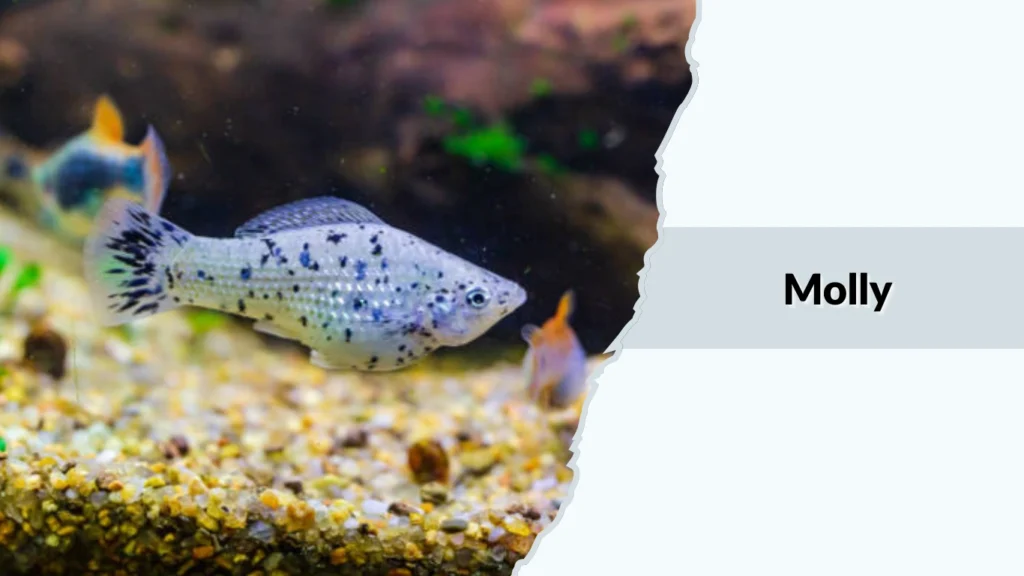
Mollies are small, lively freshwater fish commonly found in ponds, especially in warm regions. They are popular for their variety of colors and ease of care. Mollies are adaptable and can thrive in different water conditions, making them suitable for both beginners and experienced pond keepers.
Identification
- Small, streamlined body
- Colors include black, white, orange, and mixed patterns
- Rounded fins with a slightly fan-shaped tail
- Males are smaller with a pointed fin (gonopodium)
Habitat and Distribution
Mollies are commonly found in freshwater ponds, slow-moving rivers, and coastal waters. They prefer warm environments with vegetation where they can hide and breed. Native to Central and South America, mollies are now found worldwide.
Feeding Behavior
Mollies are omnivorous and feed mainly on algae, plant matter, and small aquatic organisms. They often graze on surfaces in the pond, helping to reduce algae buildup. They are active feeders and eat throughout the day.
Importance and Popularity
Mollies are valued for their role in controlling algae and maintaining pond cleanliness. Their bright colors add visual appeal to ponds, and their peaceful nature allows them to coexist with other fish, making them a popular choice for community ponds.
20. Barbel
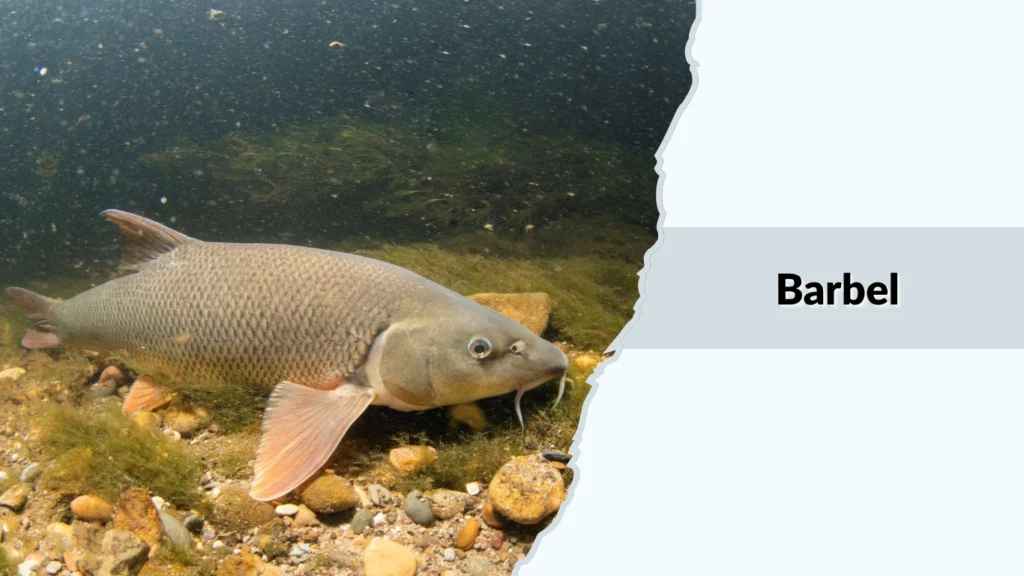
Barbels are freshwater fish commonly found in ponds and slow-moving waters, known for their elongated bodies and whisker-like barbels around the mouth. They are active bottom dwellers and are valued by anglers for their strength and unique appearance.
Identification
- Long, slender body shape
- Brown or golden coloration
- Prominent barbels around the mouth
- Forked tail and strong fins
Habitat and Distribution
Barbels are typically found in freshwater ponds, rivers, and streams with moderate to slow currents. They prefer areas with gravel or sandy bottoms where they can search for food. Native to Europe and parts of Asia, barbel have been introduced to other regions.
Feeding Behavior
Barbels are bottom feeders that use their barbels to detect food in the sediment. Their diet includes insects, larvae, small crustaceans, and organic matter. They are most active during the evening and nighttime.
Importance and Popularity
Barbels are popular among anglers due to their strong fight when caught. They also contribute to pond ecosystems by feeding on bottom-dwelling organisms and helping maintain ecological balance.
21. Stickleback
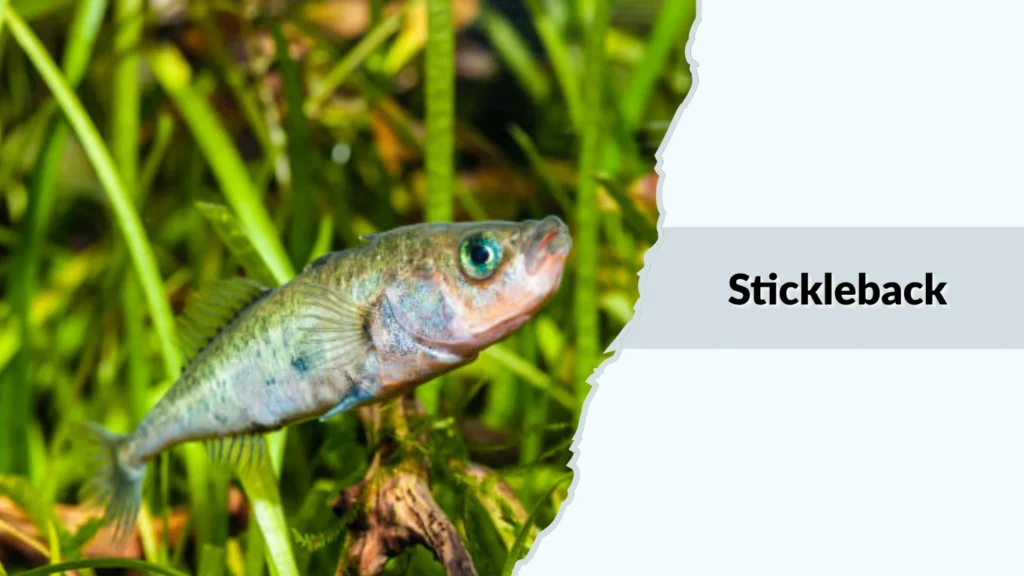
Sticklebacks are small freshwater fish commonly found in ponds, known for their spiny fins and active behavior. Despite their small size, they are important in pond ecosystems and are often studied for their unique breeding habits.
Identification
- Small, slender body
- Silver or greenish coloration
- Distinct spines on the back instead of a typical dorsal fin
- Slightly pointed snout
Habitat and Distribution
Sticklebacks are found in freshwater ponds, lakes, and slow-moving streams. They prefer shallow waters with vegetation where they can find shelter and build nests. Native to the Northern Hemisphere, they are widely distributed across Europe, Asia, and North America.
Feeding Behavior
Stickleback feed on small insects, larvae, plankton, and tiny crustaceans. They are active during the day and often hunt in short bursts, picking off small prey in the water.
Importance and Popularity
Sticklebacks are important for scientific research due to their interesting breeding and behavioral patterns. In pond ecosystems, they help control small insect populations and serve as prey for larger fish, contributing to a balanced food chain.
FAQs
What are the best fish for small ponds?
Goldfish, guppies, mollies, and mosquito fish are ideal for small ponds. They are easy to care for, adapt well to limited space, and help maintain balance by feeding on algae and insects. These species are especially suitable for beginners.
Which pond fish help control algae?
Fish like plecos, mollies, and tilapia help control algae by feeding on it. These species naturally graze on surfaces in the pond, reducing algae growth and improving water clarity, which helps maintain a healthier pond environment.
Can different pond fish live together?
Yes, many pond fish can live together if they are compatible in size, behavior, and water requirements. Peaceful species like goldfish, koi, and mollies usually coexist well. However, overcrowding and aggressive species should be avoided for a healthy pond.
How do pond fish survive in winter?
Many pond fish survive winter by slowing down their metabolism and staying in deeper, warmer parts of the pond. Species like goldfish and koi are cold-hardy and can tolerate lower temperatures if the pond does not freeze completely.
Why are pond fish important?
Pond fish play a key role in maintaining ecosystem balance. They control insect populations, reduce algae growth, and recycle nutrients. Additionally, they enhance the visual appeal of ponds and contribute to a healthy aquatic environment.