
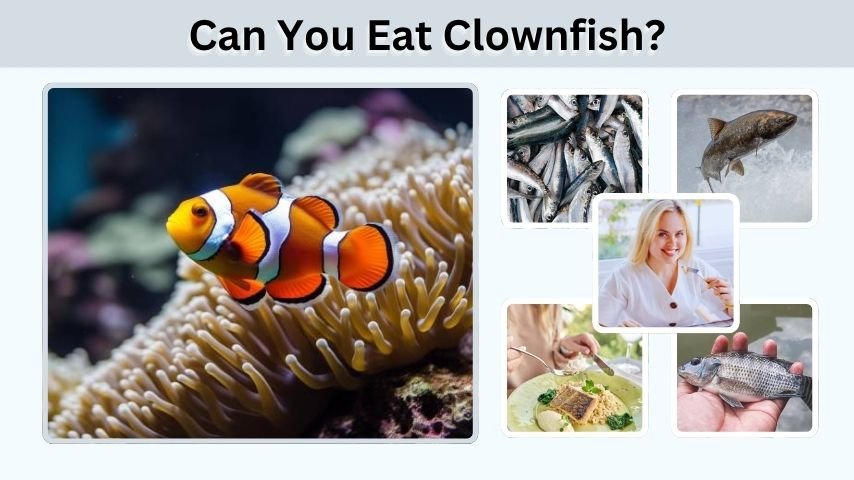
Clownfish are famous for their bright orange color, white stripes, and close relationship with sea anemones. Because they are so recognizable, many people wonder: can you eat clownfish? The simple answer is yes, a clownfish is technically a fish and could be eaten, but it is not a good food choice. It is tiny, bony, rarely sold as seafood, and much more valuable alive in reefs or aquariums than on a plate.
Are Clownfish Edible?
Clownfish are not commonly eaten by humans. They are marine fish, so in a basic biological sense, their flesh is edible like many other small reef fish. However, “edible” does not always mean practical, safe, legal, ethical, or worth eating.
Most clownfish are very small. A common clownfish is only a few inches long, which means there is very little meat after removing the head, bones, fins, and organs. Even if someone prepared one correctly, the result would be a tiny portion with little culinary value.
Clownfish are also known mainly as ornamental fish. They are collected or bred for saltwater aquariums, not raised under seafood standards. That difference matters because food fish are usually handled, stored, inspected, transported, and sold through systems designed for human consumption. Aquarium fish are not.
Quick Answer
Yes, you can technically eat clownfish, but you should not. They are too small to be useful as food, may carry risks if taken from an aquarium or reef, and are not part of normal seafood markets. If you want seafood, choose a fish sold specifically for eating.
Why People Ask About Eating Clownfish
Many people ask this question out of curiosity rather than hunger. Clownfish became globally famous because of their “Nemo” image, so the idea of eating one feels strange or funny. Others may wonder if colorful reef fish are poisonous, or whether aquarium fish can be eaten in an emergency.
The question also comes up because clownfish live among sea anemones. Sea anemones have stinging cells that can harm many small fish, but clownfish survive because of a protective mucus coating. That unusual relationship makes people wonder if the fish itself becomes toxic.
In most cases, the better question is not “Can you eat it?” but “Why would you?” Clownfish are not raised as food, do not provide much meat, and play a more important role in marine ecosystems and aquarium culture.
Is Clownfish Poisonous?
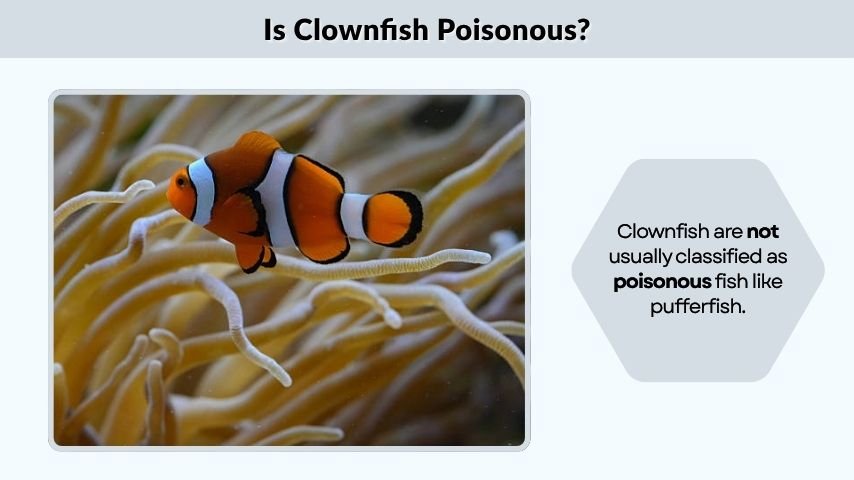
Clownfish are not usually classified as poisonous fish like pufferfish. They do not have a famous lethal toxin that makes them dangerous in the same way some marine species are dangerous. However, that does not automatically make them a safe dinner.
Clownfish live in close contact with sea anemones and have a thick mucus layer that protects them from stings. This mucus is part of what makes the fish unusual. While the fish itself is not known as a major poisonous seafood species, eating an unknown reef fish is still risky because it may carry bacteria, parasites, environmental contaminants, or residues from aquarium treatments.
Aquarium Clownfish Are a Bad Idea
An aquarium clownfish should not be treated like food. Aquarium fish may have been exposed to:
- Medications used to treat parasites, fungus, or bacterial disease
- Water conditioners and aquarium chemicals
- Poor water quality, including ammonia or nitrate problems
- Unknown feed ingredients not intended for human food chains
- Cross-contamination from tank equipment
Even if the fish looks healthy, it was not raised, processed, or stored as food. That is the main reason eating aquarium fish is not recommended.
What Would Clownfish Taste Like?
There is no well-established culinary description of clownfish because people do not normally eat them. They are not a market fish, restaurant fish, or traditional seafood ingredient in most places.
If cooked, clownfish would likely taste like a mild small reef fish, but the eating experience would not be impressive. The fish has very little flesh, and the bones would make preparation annoying. It would be more effort than reward.
| Factor | What to Expect |
|---|---|
| Meat yield | Very low because clownfish are tiny |
| Flavor | Likely mild, but not widely documented |
| Texture | Small, delicate, and bony |
| Food value | Poor compared with common seafood |
| Best use | Observation, reef life, or aquarium keeping |
From a cooking perspective, clownfish are simply not worth targeting. Fish such as tilapia, snapper, cod, salmon, sardines, and mackerel are far better choices because they are available as food, provide more meat, and come through safer supply chains.
Can You Eat Wild Clownfish?
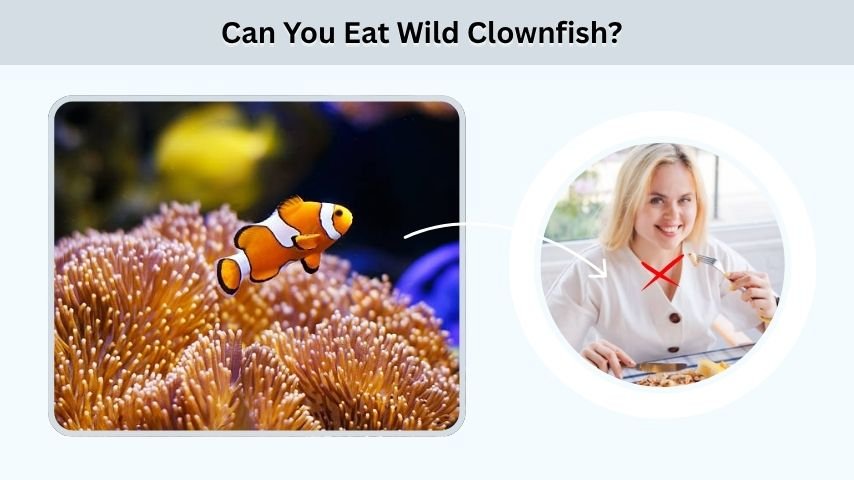
Eating wild clownfish is also not a good idea. Wild clownfish live around coral reefs and sea anemones, and removing them can disturb reef life. Some places also regulate collection of reef fish, especially in protected marine areas.
Even where collection is allowed, wild reef fish may carry food safety concerns. Reef environments can expose fish to natural toxins, parasites, bacteria, and pollution. Small reef fish are not automatically unsafe, but eating a random wild-caught ornamental species is different from buying inspected seafood.
Legal and Conservation Concerns
Clownfish are not just colorful fish. They are part of reef ecosystems. They help their host anemones by cleaning them, providing nutrients through waste, and defending them from some predators. Removing clownfish can affect more than one animal because the fish and anemone have a close mutual relationship.
Before taking any reef fish, local rules matter. Some reefs are protected, some species are regulated, and some areas require permits. In many cases, catching a clownfish for food would be unnecessary and possibly illegal.
Is It Safe If Cooked Properly?
Cooking fish properly reduces many foodborne illness risks, but it does not solve every problem. Heat can kill many bacteria and parasites, but it may not remove chemical residues, heavy metals, or toxins that might already be present.
For normal food fish, the safe cooking guideline is to cook fin fish to an internal temperature of 145°F / 63°C, or until the flesh is opaque and separates easily with a fork. That rule is useful for seafood in general, but it does not turn an aquarium fish or unknown reef fish into a good food choice.
Food Safety Problems to Consider
The main risks are not about clownfish being a famous poisonous species. The bigger concerns are practical and environmental:
- Unknown source and handling
- Possible aquarium medication exposure
- Lack of food-grade storage
- Bacteria from warm tank or reef water
- Very little edible meat
- Potential legal issues from reef collection
So, even if a clownfish could be cooked, it still should not be considered a sensible seafood option.
Better Fish to Eat Instead
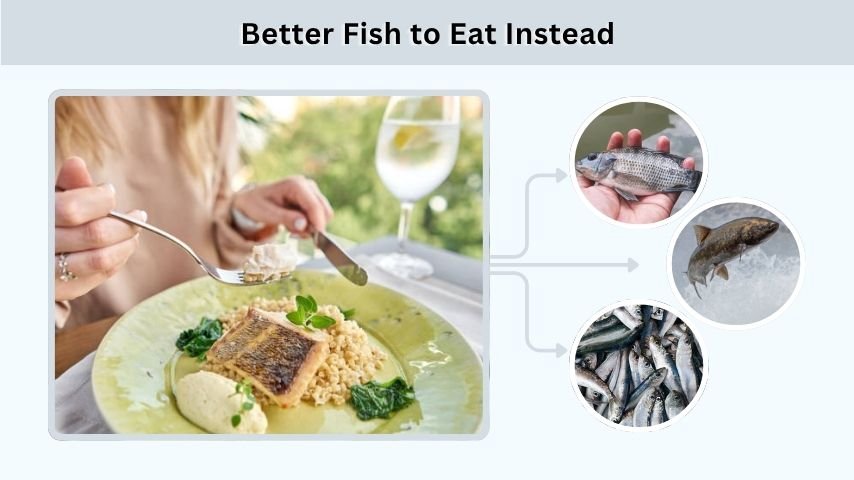
If your goal is to eat fish, choose species that are commonly sold as food. They are easier to prepare, better tasting, and safer when bought from a reliable source.
Good alternatives include:
- Tilapia for a mild, affordable white fish
- Cod for flaky fillets and simple cooking
- Salmon for richer flavor and healthy fats
- Sardines for a small fish option with more food value
- Mackerel for stronger flavor and high oil content
These fish are much more practical than clownfish. They are larger, available in food markets, and commonly handled through seafood supply chains.
Ethical Reasons Not to Eat Clownfish
Clownfish are popular aquarium animals and important reef species. While captive-bred clownfish are widely available for aquariums, that does not mean they should be used as novelty food. Eating one would waste a fish that is usually valued for education, display, breeding, and reef awareness.
There is also a broader issue: novelty eating can encourage people to treat unusual animals as challenges instead of living parts of ecosystems. A clownfish is not a good survival food, not a good restaurant ingredient, and not a good culinary experiment.
Why They Are Better Left Alone
Clownfish are better left in reefs or responsible aquariums because they:
- Support a unique relationship with sea anemones
- Have more value alive than as food
- Provide very little edible meat
- Are not raised for human consumption
- Can be replaced by much better seafood options
In short, eating clownfish is technically possible but practically pointless.
FAQs
Can you eat clownfish raw?
No, you should not eat clownfish raw. Raw fish can carry parasites and harmful bacteria, especially if it was not handled as sushi-grade seafood. Clownfish are not sold or processed for raw consumption, so eating one raw would be an unnecessary health risk.
Are clownfish toxic because they live in anemones?
Clownfish are not generally known as poisonous fish, but their relationship with anemones makes them unusual. They have a protective mucus coating that helps them avoid being stung. Even so, that does not make them a safe or recommended food.
Can you eat a pet clownfish?
You should not eat a pet clownfish. Aquarium fish may be exposed to medications, chemicals, and water conditions that are not safe for humans. Pet fish are not raised or handled under food safety standards, even if they look healthy.
Do people eat clownfish anywhere?
Clownfish are not commonly eaten as seafood. They are mainly known as reef fish and aquarium fish. Some small reef fish may be eaten locally in different parts of the world, but clownfish are not a normal or practical food species.
What fish should I eat instead of clownfish?
Choose regular food fish such as tilapia, cod, salmon, sardines, snapper, or mackerel. These fish are larger, easier to prepare, and usually sold through proper seafood markets. They offer far more meat and fewer concerns than clownfish.
Final Verdict
You can technically eat clownfish, but it is a bad idea. They are tiny, bony, not sold as seafood, and may carry risks if taken from aquariums or reefs. They are also more valuable as living reef animals than as food. For a safe and satisfying meal, choose a fish that is actually meant to be eaten.