
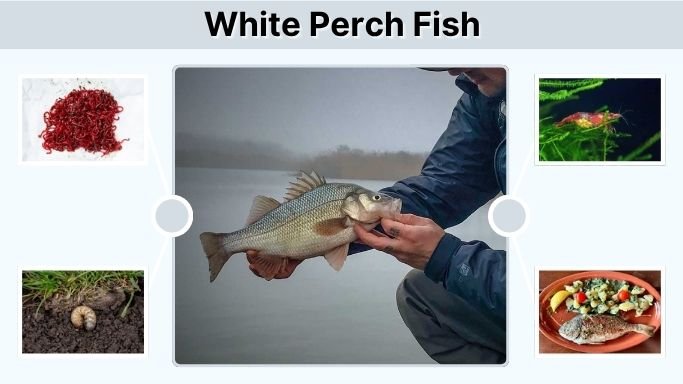
White perch fish are small, silvery fish found in rivers, lakes, bays, and brackish coastal waters. They are popular with anglers because they school heavily, bite well on simple bait, and taste excellent when fresh. Although called “perch,” white perch are actually related to striped bass. This guide explains where they live, how to catch them, the best bait and lures, and how to clean and cook them.
What Is a White Perch Fish?
White perch are compact fish with a deep body, silver sides, and a slightly darker gray-green back. They usually have a mild, clean taste and are often used for fish fries, baked dishes, and simple pan-fried meals. In many places, they are common in tidal rivers, reservoirs, bays, and connected freshwater systems.
They are not the same as yellow perch or crappie. Yellow perch usually have yellow sides with dark vertical bars, while white perch look more silvery and plain. Crappie have a larger mouth and spotted body pattern. White perch are more closely related to temperate bass, but anglers still commonly group them with panfish because of their size, schooling behavior, and table quality.
White perch are active feeders. They eat small fish, insects, shrimp, worms, fish eggs, and tiny aquatic animals. Their aggressive feeding style makes them a good target for beginners and experienced anglers.
White Perch Identification
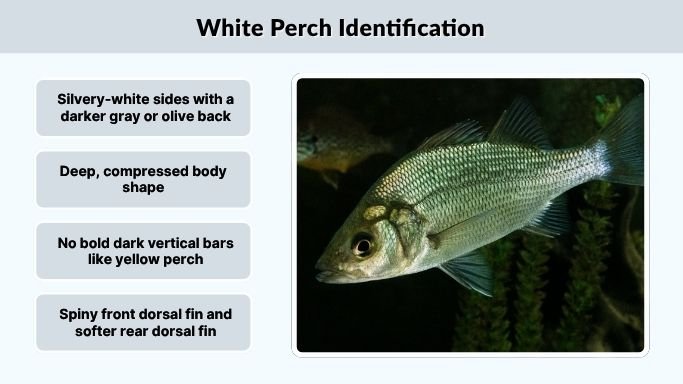
White perch can be identified by their bright, silvery body and slightly raised back. They are usually smaller than striped bass and lack the bold horizontal stripes seen on stripers. Their body is deeper than many baitfish, and their mouth is moderate in size.
Key Features
- Silvery-white sides with a darker gray or olive back
- Deep, compressed body shape
- No bold dark vertical bars like yellow perch
- Spiny front dorsal fin and softer rear dorsal fin
- Usually caught in schools
- Common in rivers, lakes, bays, and brackish water
- Mild white flesh that flakes easily when cooked
Most white perch are small to medium-sized, but larger fish can provide nice fillets. In crowded waters, they may stay small because they reproduce quickly and compete heavily for food.
White Perch Habitat and Range
White perch are strongly associated with Atlantic coastal systems, but they also live in many inland lakes and reservoirs. They tolerate both freshwater and brackish water, which helps them spread into rivers, bays, tidal creeks, and connected impoundments.
They are especially common in areas such as Maryland, New Jersey, Delaware, Massachusetts, Maine, North Carolina, and other Atlantic-region waters. They are also found in some inland systems where they have been introduced.
| White Perch Location | Common Habitat | Fishing Approach |
| Tidal rivers | Channels, bends, docks | Bait rigs and small jigs |
| Bays and estuaries | Brackish flats, creek mouths | Bloodworms, shrimp, minnows |
| Lakes and reservoirs | Points, drop-offs, brush | Jigging and bottom rigs |
| Bridges and piers | Pilings, current breaks | Small hooks with bait |
| Winter holes | Deeper basins and channels | Slow jigging near bottom |
White perch often stay near structure or areas where food collects. Bridge pilings, docks, grass edges, channel drops, and creek mouths can all hold fish. In tidal water, current is very important. Fish often feed where moving water pushes shrimp, worms, and small baitfish into easy feeding zones.
What Do White Perch Eat?
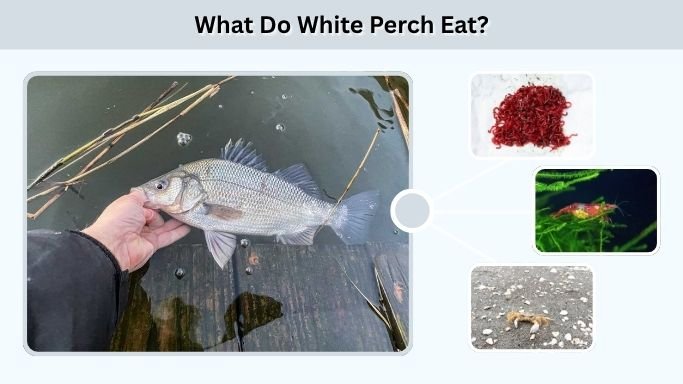
White perch are carnivorous and opportunistic. They feed on many small aquatic animals, which is why they respond to different baits throughout the year. In brackish water, they may eat shrimp, bloodworms, grass shrimp, small crabs, and minnows. In freshwater, they often feed on insects, small fish, larvae, and zooplankton.
Their diet changes with size. Young white perch eat tiny organisms and insect larvae. Larger white perch eat more minnows, shrimp, fish eggs, and worms. Because they often feed near the bottom, bait placed close to the bottom usually works well.
White perch may also feed higher in the water column when chasing small baitfish. During these times, small spinners, spoons, and jigs can catch fish quickly.
How to Fish for White Perch
White perch fishing is simple when you understand their schooling behavior. The first goal is to find the school. Once you catch one, keep fishing the same area because several more may be nearby. They often gather around structure, current seams, drop-offs, and food-rich areas.
A light spinning rod is usually enough. White perch do not require heavy gear, and lighter tackle makes small bites easier to feel. Use small hooks, light line, and bait that matches the local food source.
Basic White Perch Fishing Setup
- Light or ultralight spinning rod
- 4–8 lb monofilament or fluorocarbon line
- Size 6 to 10 hooks
- Small split shot or sinker
- Bobber for shallow water
- Bottom rig for deeper water
- Small jigs for active fish
- Worms, minnows, shrimp, or bloodworms
For shore fishing, cast near docks, bridge pilings, creek mouths, and deeper edges. Let the bait settle near the bottom, then slowly move it or wait for bites. White perch may tap lightly before taking the bait, so avoid setting the hook too early.
From a boat or kayak, drift along channel edges or anchor near structure. If the bite slows, move until you locate another school.
Best Bait for White Perch Fishing
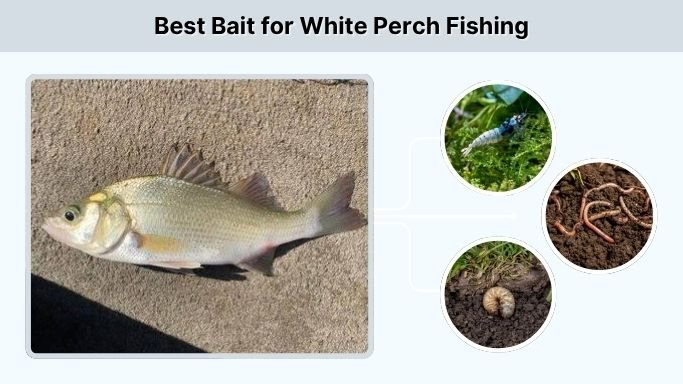
Natural bait is one of the best choices for white perch. The right bait depends on whether you are fishing freshwater, brackish water, or tidal rivers. In many coastal areas, bloodworms and grass shrimp are excellent. In freshwater lakes, worms and minnows often work better.
Best Natural Baits
- Bloodworms
- Grass shrimp
- Small minnows
- Nightcrawlers
- Red worms
- Wax worms
- Small pieces of cut bait
- Insect larvae
- Tiny crayfish pieces
- Fish bites or scented bait strips
Use small pieces of bait instead of large chunks. White perch have a modest mouth size, and oversized bait may lead to missed bites. A small piece of worm or shrimp on a small hook often catches more fish than a large bait presentation.
In tidal rivers, fish the bait near the bottom and allow current to carry scent naturally. In lakes, try around weed edges, points, or deeper holes.
White Perch Fishing Lures
White perch can be caught on artificial lures, especially when they are chasing baitfish. Small lures are usually better than large ones. The best lures imitate minnows, insects, or tiny swimming prey.
Small jigs are the most reliable option. A 1/32 oz to 1/8 oz jig head with a small soft plastic grub, shad body, or hair jig can catch white perch in many conditions. Cast it near structure and retrieve slowly with pauses.
Effective White Perch Lures
- Small curly-tail grubs
- Hair jigs
- Beetle spins
- Tiny spoons
- Inline spinners
- Micro crankbaits
- Small blade baits
- Jigging spoons for winter
- Soft plastic minnows
For white perch jig fishing, keep the lure close to the bottom unless fish are visibly feeding higher. Use short hops, slow lifts, and pauses. Many bites happen as the jig falls.
In clear water, natural colors like silver, white, smoke, and pearl often work. In stained water, brighter colors can help fish find the lure.
Best Rigs for White Perch
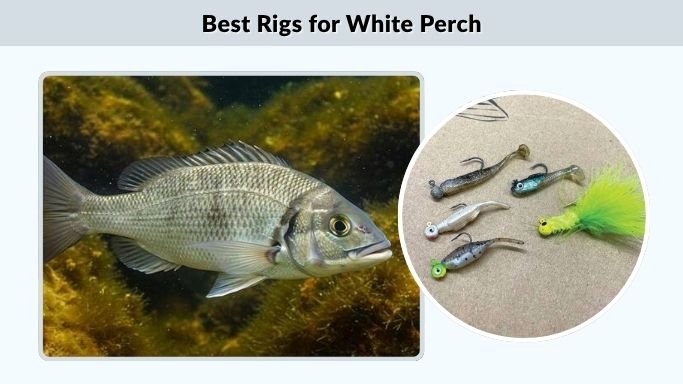
The best rig depends on depth, current, and whether you are using bait or lures. A simple bottom rig is excellent in tidal rivers and deeper water. A bobber rig works well in shallow ponds, creeks, and calm areas.
A high-low rig is useful when fish are feeding near the bottom because it presents two baits at slightly different depths. A small sinker keeps the rig down while the hooks stay above the bottom.
For active fish, a jig rig is better. It lets you cover more water and locate schools faster. If the fish stop biting lures, switch to bait and fish slowly.
Avoid using tackle that is too heavy. White perch bites can be light, and heavy rods or thick line may reduce your success.
Best Time to Fish for White Perch
White perch can be caught year-round, but the best time depends on location and season. Spring is often excellent because fish move into shallower areas and become easier to reach. In tidal rivers, they may gather in creeks and tributaries during spawning periods.
Summer fishing can be good early in the morning, late in the evening, or around moving tide. During hot afternoons, fish may move deeper or stay near shaded structure.
Fall is another strong season. White perch feed actively before winter and may school around baitfish. Small jigs, minnows, and worms can work well.
Winter fishing is slower but still possible. Fish often gather in deeper holes, channels, and basins. Slow jigging and small bait presentations are usually best.
White Perch Fishing in Maryland and New Jersey
White perch fishing is very popular in Maryland and New Jersey because both areas have productive tidal rivers, bays, creeks, and brackish systems. In Maryland, white perch are commonly associated with Chesapeake Bay tributaries, docks, piers, and river mouths. Anglers often use bloodworms, grass shrimp, small spinners, and bottom rigs.
In New Jersey, white perch are often targeted in tidal rivers, South Jersey creeks, back bays, and brackish waters. Productive spots often include bridge areas, creek bends, marsh edges, and channel drops.
The same basic pattern applies in both states: find current, structure, and bait. If the tide is moving and food is being pushed through a narrow area, white perch may feed heavily.
White Perch Fishing at Night
White perch can bite at night, especially in warm months and around lighted docks, bridges, and piers. Lights attract insects and baitfish, which can bring white perch into feeding range.
At night, use simple bait rigs or small lures with slow movement. Worms, shrimp, minnows, and scented baits can work well because scent helps fish locate the bait in low light.
Fish near pilings, bulkheads, channels, and creek mouths. Keep your setup simple and avoid using hooks that are too large. A sensitive rod tip helps detect light bites.
Night fishing can be especially useful in summer when daytime heat pushes fish deeper or makes them less active.
Ice Fishing for White Perch
In colder regions, white perch are also caught through the ice. They often school in deeper basins, channel edges, and near underwater structure. The key is mobility. If you do not get bites, move until you find fish.
Small jigs tipped with spikes, wax worms, minnow heads, or tiny soft plastics can work well. Use light line and a sensitive rod because winter bites may be soft.
White perch can move quickly under the ice. When a school passes through, fishing can become fast for a short time. Keep bait ready and drop back down quickly after each catch.
Is White Perch a Good Fish to Eat?
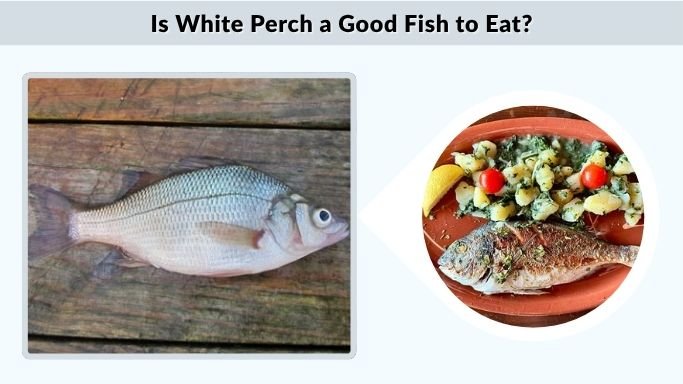
White perch is a good fish to eat when caught from clean water and handled properly. The flesh is white, mild, and flaky. It is not usually strong or oily, which makes it suitable for frying, baking, and pan-searing.
Many anglers enjoy white perch because smaller fish can be cooked whole after cleaning, while larger fish can be filleted. The taste is often compared with other mild panfish.
As with any wild fish, check local consumption advisories before eating large amounts. Some waters may have restrictions because of mercury, PCBs, or other contaminants. Keep fish cold after catching and clean them as soon as possible.
How to Clean White Perch Fish
Cleaning white perch is similar to cleaning other small panfish. You can scale and cook them whole, or fillet larger fish. A sharp fillet knife makes the job easier.
First, rinse the fish and place it on a clean cutting board. If cooking whole, remove the scales, cut open the belly, and remove the internal organs. Rinse the cavity well. If filleting, cut behind the gill plate, follow the backbone toward the tail, and remove the fillet from each side.
Check for small bones before cooking. Because white perch are often small, some people prefer frying them whole instead of making tiny fillets.
White Perch Fish Recipes and Cooking Ideas
White perch tastes best with simple cooking methods. Its mild flavor does not need heavy seasoning. Lemon, garlic, salt, pepper, paprika, herbs, and light breading are enough.
For fried white perch, coat the cleaned fillets in seasoned flour, cornmeal, or breadcrumbs. Fry in hot oil until golden and crisp. The flesh should turn opaque and flake easily.
For baked white perch, place fillets in a baking dish with butter or olive oil, lemon juice, garlic, and herbs. Bake until the fish flakes with a fork. Because the fillets are thin, they cook quickly.
White perch also works well in fish tacos, chowder, sandwiches, and simple pan-seared meals.
White Perch vs Crappie
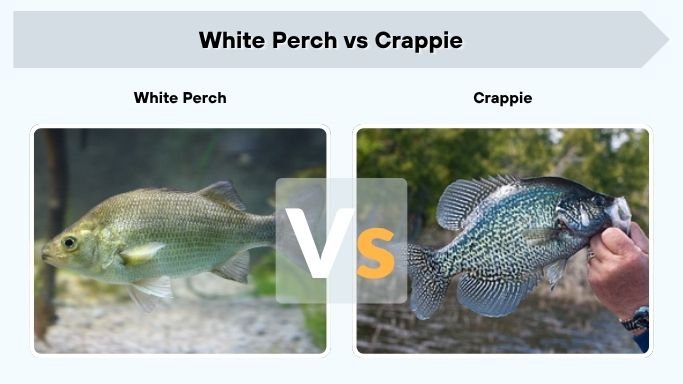
White perch and crappie are not the same fish. Crappie are freshwater sunfish with a larger mouth and speckled body. White perch are silvery fish related to temperate bass.
Crappie usually hold around brush, timber, docks, and suspended cover. White perch often gather in tidal rivers, bays, channels, and brackish water, although they also live in freshwater lakes.
Both are good to eat. Crappie has a soft, delicate texture, while white perch has mild white flesh that fries well. If you are identifying them, look at body markings, mouth size, and habitat.
FAQs
Is perch a white fish?
Yes, perch is generally considered a white fish when used as food. White perch has pale, mild flesh that flakes when cooked. Yellow perch and ocean perch also have light-colored meat. The term “white fish” usually describes the flesh type, not always the exact species.
What is the best bait for white perch fishing?
Bloodworms, grass shrimp, small minnows, red worms, and nightcrawlers are some of the best baits for white perch fishing. In tidal water, bloodworms and shrimp are especially useful. In freshwater, worms and minnows often work better. Use small hooks and small bait pieces for more consistent bites.
How do you fish for white perch from shore?
Fish near docks, piers, bridge pilings, creek mouths, and deeper edges. Use a small hook with worm, shrimp, or minnow under a bobber or on a light bottom rig. Cast near structure and keep the bait close to the bottom. When you catch one, keep fishing nearby because they school.
Is white perch good to eat?
Yes, white perch is good to eat when caught from clean water. It has mild, white, flaky meat that works well fried, baked, or pan-seared. Smaller fish can be cooked whole after cleaning, while larger fish can be filleted. Always check local fish consumption advisories before eating wild-caught fish regularly.
Are white perch and crappie the same fish?
No, white perch and crappie are different fish. White perch are silvery and related to temperate bass. Crappie are sunfish with larger mouths and speckled bodies. Both are popular panfish and both taste good, but they differ in appearance, habitat, feeding behavior, and fishing techniques.