
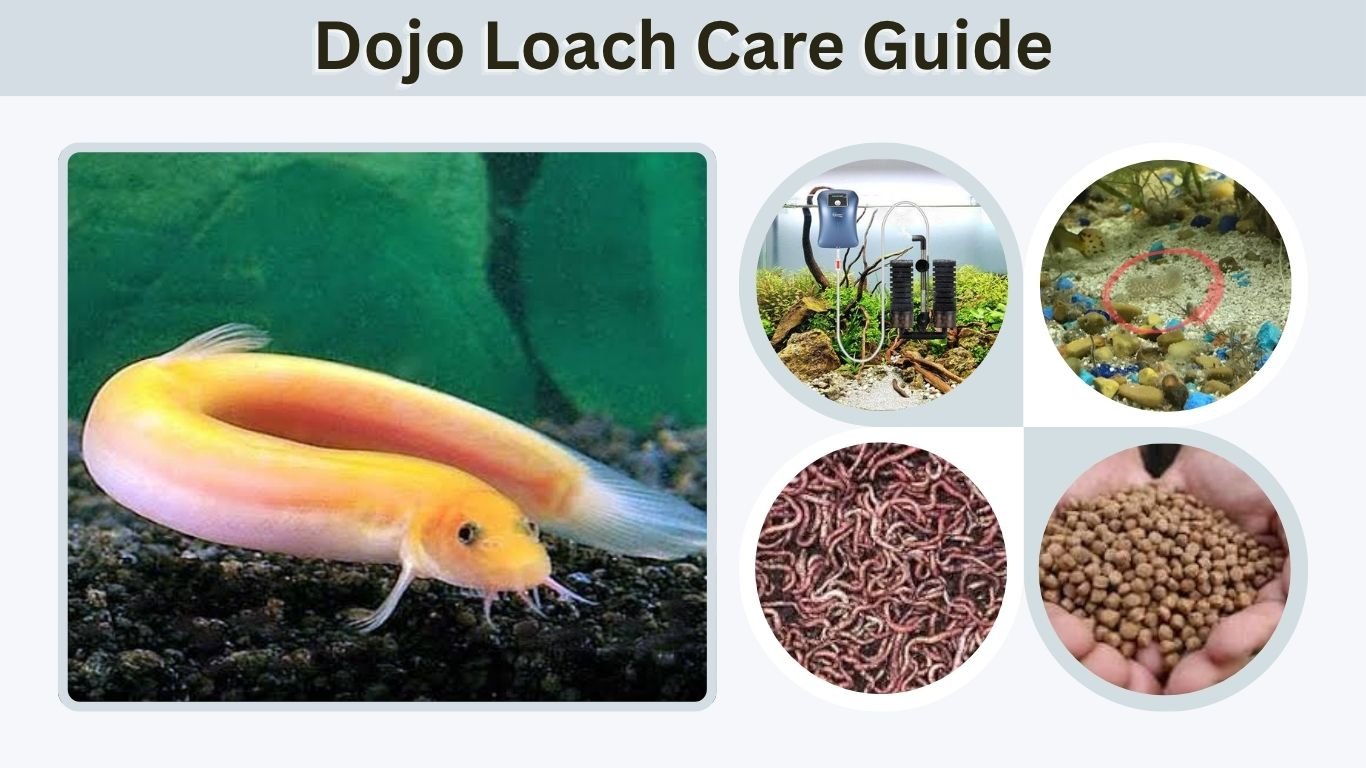
The Dojo Loach, also known as the Weather Loach, is a peaceful freshwater fish recognized for its long, eel-like body and playful personality. Native to East Asia, this fascinating species is popular among aquarium enthusiasts because of its unusual behavior, hardy nature, and attractive color varieties. Whether you prefer a golden dojo loach, albino dojo loach, or traditional brown variety, understanding its care requirements is essential. This guide covers dojo loach size, tank setup, temperature, diet, compatible tank mates, lifespan, and breeding.
Dojo Loach Overview and Quick Facts
The Dojo Loach (Misgurnus anguillicaudatus) belongs to the Cobitidae family and is commonly called the Weather Loach or Pond Loach. Unlike many tropical aquarium fish, this species prefers cooler freshwater conditions. Its peaceful temperament, active feeding behavior, and ability to respond to environmental changes make it an interesting addition to a properly maintained aquarium.
| Characteristics | Details |
| Scientific Name | Misgurnus anguillicaudatus |
| Common Names | Dojo Loach, Weather Loach, Pond Loach |
| Origin | East Asia |
| Adult Size | Usually 8–10 inches, sometimes larger |
| Lifespan | Approximately 7–10 years |
| Tank Size | 55+ gallons for a small group |
| Temperature | 60–75°F (16–24°C) |
| pH Level | 6.5–8.0 |
| Diet | Omnivorous |
| Temperament | Peaceful and social |
| Care Level | Easy to moderate |
Dojo Loach Appearance and Natural Habitat

Dojo loaches have slender, flexible bodies resembling small eels. Their downward-facing mouths contain sensitive barbels that help them locate food along muddy riverbeds. Their natural habitat consists of slow-moving streams, ponds, wetlands, and rice fields, where they search through soft sediment for insects and other small organisms.
Physical Appearance
The typical dojo loach has an olive-brown or yellowish body covered with irregular dark markings. Its small eyes, rounded fins, and whisker-like barbels give it a distinctive appearance.
Its body is adapted for burrowing, allowing the fish to hide beneath soft substrate when frightened or resting.
Natural Habitat
Wild dojo loaches inhabit freshwater environments throughout East Asia. They prefer areas with soft sediment, vegetation, and relatively gentle water movement.
They can also absorb oxygen through their intestines, an unusual adaptation that helps them survive temporarily in oxygen-poor environments. However, aquarium specimens still require clean, well-oxygenated water.
Dojo Loach Size and Lifespan
Understanding how big dojo loaches get is important before purchasing one. Although juvenile fish appear small in aquarium stores, adults require considerably more swimming space. Their ultimate size depends on genetics, nutrition, and living conditions, while their lifespan is influenced by water quality and overall care.
How Big Do Dojo Loaches Get?
A full-grown dojo loach commonly reaches 8–10 inches (20–25 cm). Some specimens grow approximately 11–12 inches under favorable conditions.
Golden dojo loaches generally reach similar sizes because they are color varieties of the same species.
These fish need spacious aquariums with adequate bottom area to accommodate their long bodies and active behavior.
How Long Do Dojo Loaches Live?
The average dojo loach lifespan is approximately 7–10 years. Some individuals may live longer when maintained in stable, suitable conditions.
Providing nutritious food, appropriate temperatures, and regular aquarium maintenance helps support their long-term health.
Dojo Loach Tank Size and Aquarium Setup
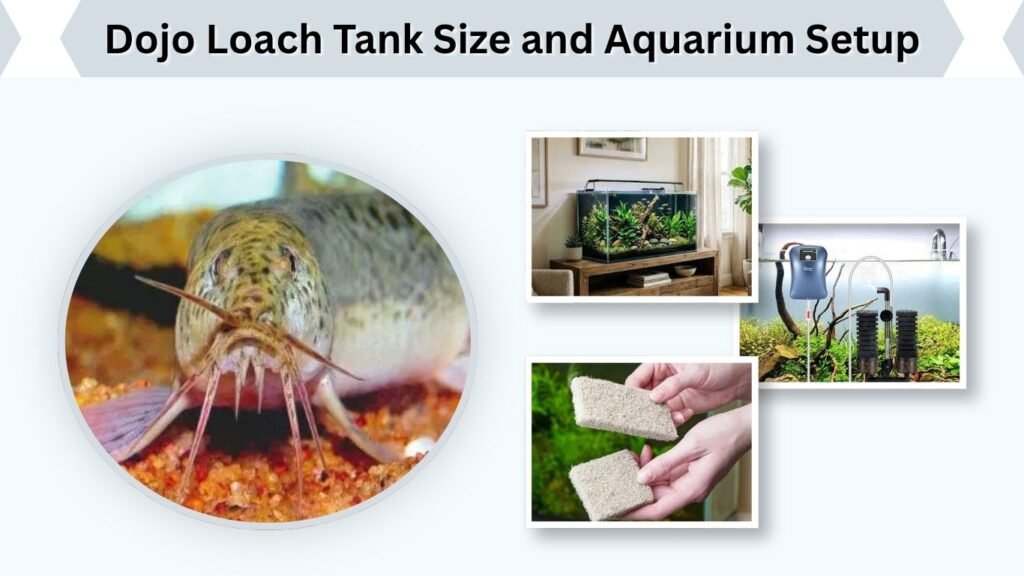
A suitable aquarium setup is essential for maintaining healthy dojo loaches. Unlike small bottom-dwelling fish, adult dojo loaches need plenty of horizontal swimming space. They also enjoy exploring decorations, hiding beneath objects, and digging through the substrate. A properly designed aquarium should support these natural activities while preventing injuries.
Minimum Dojo Loach Tank Size
For a small group of dojo loaches, a 55-gallon aquarium with a length of approximately 48 inches is a practical starting point.
Larger groups and particularly large adults benefit from 75 gallons or more. A long aquarium is generally preferable to a tall, narrow tank.
Dojo Loach Temperature and Water Parameters
Maintaining stable water conditions is especially important because dojo loaches prefer temperate environments rather than continuously warm tropical aquariums.
Recommended parameters include:
- Temperature: 60–75°F (16–24°C).
- pH level: Approximately 6.5–8.0.
- Water movement: Gentle to moderate.
- Ammonia: 0 ppm.
- Nitrite: 0 ppm.
- Substrate: Fine, smooth sand.
- Filtration: Efficient biological filtration with good aeration.
Avoid prolonged exposure to high tropical temperatures.
Best Aquarium Decorations
Fine sand is ideal because dojo loaches naturally burrow while searching for food.
Driftwood, smooth rocks, caves, and hardy aquatic plants provide additional shelter. Avoid sharp decorations that could damage their delicate skin and barbels.
A tightly fitted aquarium lid is essential because dojo loaches are capable of jumping out through small openings.
What Do Dojo Loaches Eat?

Dojo loaches are omnivorous fish that consume both animal and plant-based foods. In the wild, they feed on aquatic insects, worms, larvae, and other small organisms. Aquarium specimens readily accept prepared foods, making feeding relatively straightforward. However, a varied diet is necessary to provide balanced nutrition and maintain healthy growth.
Best Food for Dojo Loaches
Suitable dojo loach foods include:
- Sinking pellets: Provide balanced daily nutrition.
- Bloodworms: Offer protein and encourage natural feeding.
- Earthworms: Chopped pieces are suitable for larger fish.
- Brine shrimp: Provide additional dietary variety.
- Blanched vegetables: Offer occasional plant-based nutrition.
- Frozen aquatic foods: Supplement their regular diet.
Feed manageable portions and remove uneaten food before it decomposes.
Do Dojo Loaches Eat Snails and Algae?
Dojo loaches sometimes eat small snails, snail eggs, and other tiny invertebrates. However, they are not dependable snail-control specialists.
They may occasionally consume algae, but algae should not be considered their primary food source.
Best Dojo Loach Tank Mates
Dojo loaches are generally peaceful and enjoy the company of their own species. Their active movements and bottom-feeding habits make them entertaining aquarium inhabitants. However, compatible tank mates must tolerate similar cool-water conditions. Choosing inappropriate species can result in temperature-related stress, food competition, or aggression.
Compatible Tank Mates
Potential dojo loach tank mates include:
- Other dojo loaches.
- White Cloud Mountain Minnows.
- Zebra Danios in suitable temperature conditions.
- Peaceful temperate-water fish of appropriate size.
- Some goldfish, when space and feeding requirements are carefully managed.
Fish to Avoid
Avoid aggressive cichlids, fin-nipping species, and fish requiring consistently high tropical temperatures.
Bettas are generally unsuitable because their preferred temperatures are warmer.
Very small shrimp and fish may also be vulnerable to opportunistic feeding.
Golden Dojo Loach and Other Color Varieties
Dojo loaches are available in several attractive color variations. While their appearance differs, most share similar care requirements, adult sizes, and behavior. Golden and albino varieties are particularly popular among aquarium enthusiasts because their bright coloration makes them stand out against dark substrates and green aquatic plants.
Golden Dojo Loach
The golden dojo loach features a bright yellow, orange, or golden body. Some individuals have darker eyes, while others exhibit pinkish or reddish eyes.
Its colorful appearance makes it a popular aquarium variety.
Albino Dojo Loach
Albino dojo loaches have pale cream, yellowish, or pinkish coloration with red or pink eyes due to reduced pigmentation.
They need the same cool-water environment and spacious aquarium as regular dojo loaches.
Brown and Black Dojo Loaches
Traditional dojo loaches commonly display brown, olive, or dark mottled coloration.
These patterns provide camouflage in their natural muddy habitats.
Dojo Loach Behavior and Breeding

Dojo loaches are known for their curious behavior and sudden bursts of activity. Their nickname, Weather Loach, comes from observations that they sometimes become more active before changes in weather. They are also social fish that frequently interact with other dojo loaches while exploring the aquarium.
Are Dojo Loaches Aggressive?
Dojo loaches are generally non-aggressive. They may push against one another during feeding, but serious territorial disputes are uncommon.
Keeping at least three together is recommended when aquarium space allows.
Dojo Loach Male vs Female
Female dojo loaches generally develop fuller bodies, especially when carrying eggs.
Males may have larger, more pronounced pectoral fins. However, distinguishing males from females can be difficult in younger specimens.
Dojo Loach Breeding and Eggs
Breeding dojo loaches in home aquariums is relatively uncommon.
Spawning may be encouraged by seasonal temperature changes. Females release eggs that are fertilized externally, often among aquatic vegetation.
Successful breeding requires suitable conditions and protection for developing eggs and fry.
Common Dojo Loach Health Problems
Although dojo loaches are relatively hardy, poor water quality, unsuitable temperatures, and physical injuries can cause health problems. Their sensitive skin and barbels require special attention when selecting substrate or administering aquarium medications. Regular observation helps identify unusual behavior before problems become serious.
Watch for these warning signs:
- Persistent floating upside down: May indicate buoyancy, digestive, or other health problems.
- Damaged barbels: Can result from rough substrate or unsuitable water conditions.
- White spots: May indicate parasitic infection.
- Loss of appetite: Can occur with stress or illness.
- Abnormal waste: Persistent white, stringy feces accompanied by other symptoms may require investigation.
Occasional unusual resting positions are not necessarily signs of disease. However, persistent abnormal behavior should prompt immediate water testing and assessment by an aquatic veterinarian.
FAQs
1. Do Dojo Loaches Need to Be in Groups?
Yes. Dojo loaches are social fish and generally benefit from living in groups of three or more. Adequate aquarium space is essential.
2. Can Dojo Loaches Live With Goldfish?
Yes, dojo loaches can sometimes live with goldfish because both tolerate cooler water. However, they need sufficient space, compatible feeding arrangements, and careful monitoring.
3. Are Dojo Loaches Nocturnal?
Dojo loaches often become active during the evening and nighttime. However, they may also explore and feed during daylight hours.
4. Do Dojo Loaches Eat Shrimp?
Yes. Dojo loaches may consume small shrimp, particularly juveniles. They are not reliable companions for shrimp-breeding aquariums.
5. Are Dojo Loaches Illegal in Some States?
Yes. The possession, sale, or transport of dojo loaches is regulated in certain U.S. states because the species can establish populations outside its native range. Always check local regulations before purchasing or transporting them, and never release aquarium fish into natural waterways.