
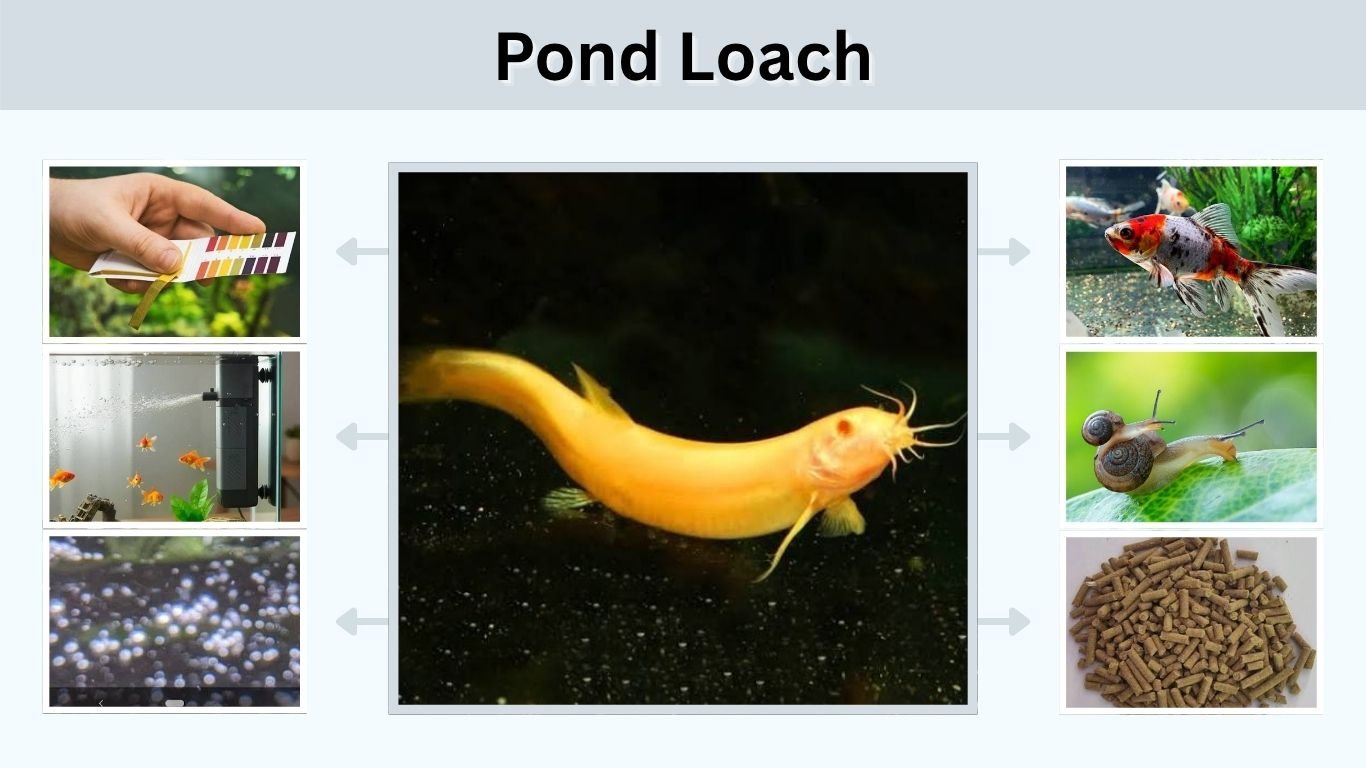
The pond loach is a fascinating freshwater fish known for its elongated body, peaceful behavior, and ability to survive in challenging water conditions. Also called the dojo loach or weather loach, this bottom-dwelling species is popular among aquarium enthusiasts because of its unusual movements and friendly personality. Although pond loaches are relatively hardy, they need suitable temperatures, enough swimming space, and a nutritious diet to remain healthy. This guide explains pond loach care, including adult size, lifespan, habitat, feeding habits, tank mates, breeding, and outdoor pond considerations.
What Is a Pond Loach?
The pond loach (Misgurnus anguillicaudatus) is a freshwater fish native to East Asia, including China, Japan, Korea, and nearby regions. It belongs to the family Cobitidae and naturally inhabits slow-moving rivers, muddy ponds, rice fields, and shallow wetlands.
Its slender body resembles an eel, while small whisker-like barbels around its mouth help locate food along the bottom. Wild pond loaches generally have brown or gray coloring with darker markings.
Golden pond loaches are also available in the aquarium trade. They belong to the same species but display attractive yellow or golden coloration.
Pond Loach Size and Lifespan

Adult pond loaches commonly measure 4–8 inches (10–20 cm), although large individuals can reach approximately 11–12 inches (28–30 cm). Their growth depends on genetics, nutrition, water quality, and available space.
Pond loaches typically live around 8–10 years under suitable aquarium conditions, with some surviving longer. Maintaining stable temperatures, providing nutritious food, and preventing chronic stress can support their health throughout their lifespan.
Unlike many small aquarium fish, pond loaches need considerable room as they mature.
Pond Loach Care and Tank Requirements

Pond loaches are hardy fish, but successful care requires a spacious aquarium with suitable water conditions. Their natural habitat contains soft sediment, vegetation, and sheltered areas where they can rest or search for food.
Ideal Water Conditions
- Tank size: Approximately 60–65 gallons or larger, with at least 48 inches of tank length.
- Temperature: Ideally 64–74°F (18–23°C).
- pH level: Between 6.0 and 8.0.
- Water hardness: Approximately 1–12 dGH.
- Substrate: Fine sand or smooth, rounded gravel.
- Filtration: Gentle water movement with adequate oxygenation.
- Tank cover: A secure lid to prevent jumping.
Aquarium Decoration and Maintenance
Provide caves, driftwood, smooth stones, and aquarium plants to create a comfortable environment. Pond loaches enjoy exploring sheltered spaces and may spend considerable time partially buried in the substrate.
Regular partial water changes help maintain water quality. Avoid sharp decorations that could injure their delicate skin and barbels.
Can Pond Loaches Live in Outdoor Ponds?
Pond loaches can physically survive in some outdoor freshwater ponds because they tolerate cooler temperatures and fluctuating environmental conditions. However, outdoor keeping is not recommended.
This species has become invasive in several regions, where escaped individuals may compete with native fish, consume aquatic invertebrates, and disturb sediments.
Even enclosed garden ponds can overflow during heavy rainfall, allowing fish to escape into nearby waterways. A secure indoor aquarium is the safer choice. Always check local regulations before purchasing this species.
Can Pond Loaches Survive Cold Water?
Pond loaches tolerate cooler water better than most tropical aquarium fish. They may survive temperatures substantially below their preferred range, but extreme cold exposure remains risky.
Surviving winter conditions does not mean that a frozen outdoor pond provides a suitable long-term habitat.
Can Pond Loaches Live With Koi?
Pond loaches and koi share some temperature preferences, but keeping them together in outdoor ponds introduces escape and environmental risks.
Large koi may also accidentally injure smaller loaches during feeding. A dedicated indoor aquarium provides better control over their safety and health.
What Do Pond Loaches Eat?

Pond loaches are primarily bottom-feeding omnivores that consume aquatic invertebrates and other organic material. In natural habitats, they search muddy substrates for insect larvae, worms, small crustaceans, and other suitable food.
They also accept commercially prepared aquarium foods.
Best Foods for Pond Loaches
- Sinking pellets: Provide balanced daily nutrition.
- Bloodworms: Offer frozen or live bloodworms occasionally.
- Brine shrimp: Supply additional animal protein.
- Daphnia: Provide variety through small aquatic crustaceans.
- Earthworms: Offer appropriately sized, clean pieces.
- Vegetables: Try occasional soft, blanched vegetables as supplements.
Do Pond Loaches Eat Algae and Snails?
Pond loaches may consume some organic debris and small snails, but they are not dedicated algae eaters. They should never replace regular aquarium cleaning.
Their diet should include varied, high-quality foods rather than relying on leftover fish food, algae, or pond debris.
Pond Loach Tank Mates and Compatibility
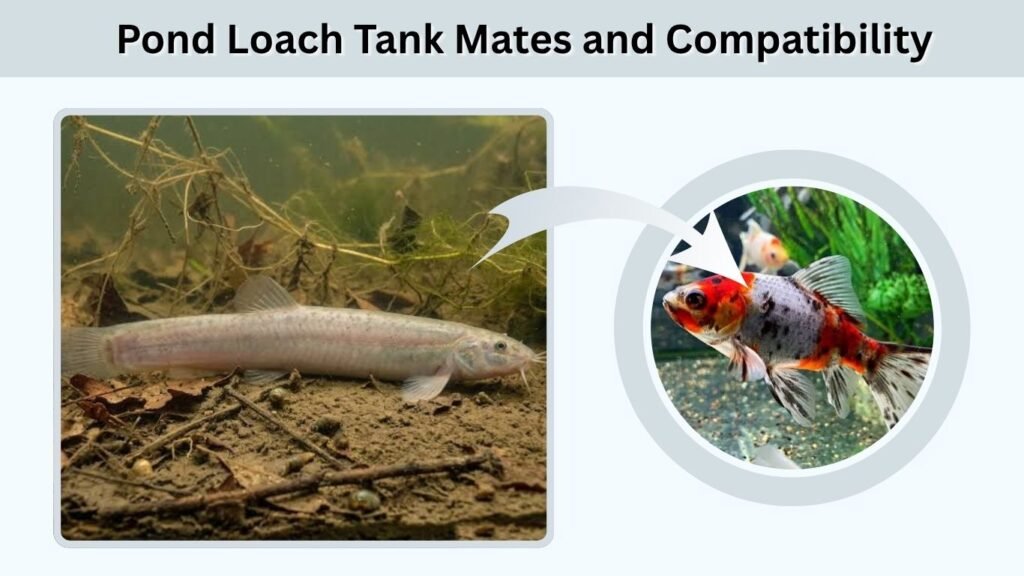
Pond loaches are generally peaceful and can coexist with compatible coldwater fish. They are more comfortable when kept with other pond loaches, although adequate aquarium space is essential.
Tank mates should have similar temperature requirements and avoid aggressive territorial behavior.
Suitable Pond Loach Tank Mates
- Common goldfish: Can coexist in spacious, properly maintained aquariums.
- Shubunkin goldfish: Active varieties may be suitable companions.
- White cloud mountain minnows: Compatible temperatures, although very small individuals may be vulnerable.
- Other dojo loaches: Usually excellent companions when enough space is available.
Fish That May Be Incompatible
Clown loaches, angelfish, discus, and many tropical plecos generally prefer warmer conditions than pond loaches.
Bettas may also be unsuitable because of different temperature preferences and feeding behavior.
Very small fish, eggs, and newly hatched fry can occasionally be eaten.
Pond Loach Behavior and Breeding
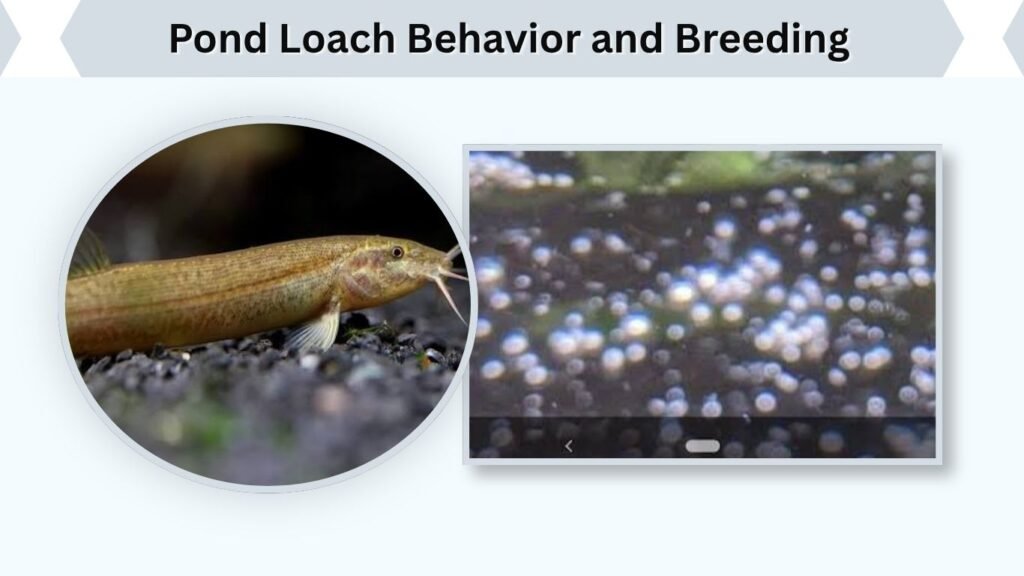
Pond loaches are curious fish that regularly explore their surroundings. They can become particularly active before weather changes, which explains the common name “weather loach.”
Their unusual swimming movements and interactions make them interesting aquarium inhabitants.
Do Pond Loaches Burrow?
Yes. Pond loaches naturally burrow into soft sand or muddy substrates. They may disappear almost completely beneath the surface, leaving only part of their head visible.
This behavior provides protection and allows them to rest comfortably.
Pond Loach Breeding and Life Cycle
Pond loaches reproduce by laying eggs. Mature females generally have fuller bodies, while males develop distinctive enlarged pectoral-fin structures.
Breeding in ordinary home aquariums is uncommon and requires suitable environmental conditions.
Following successful spawning, fertilized eggs develop into larvae before becoming free-swimming juveniles. Young fish initially require extremely small foods appropriate for their size.
Where to Buy Pond Loaches
Pond loaches are sometimes available through aquarium stores, specialist freshwater fish retailers, and online ornamental fish sellers.
Availability varies because the species is restricted or prohibited in certain locations due to its invasive potential.
What to Check Before Buying
- Healthy appearance: Look for intact barbels, clear eyes, and undamaged skin.
- Normal behavior: Choose active fish showing natural swimming movements.
- Proper identification: Confirm the scientific name and adult size.
- Legal availability: Check ownership, transport, and sale restrictions.
Common Health Problems
Pond loaches can develop bacterial infections, parasites, and other illnesses when exposed to poor water quality or prolonged stress.
Monitor unusual swelling, white spots, damaged skin, rapid breathing, and loss of appetite. Maintaining a mature, clean aquarium and quarantining new arrivals can reduce disease risks.
FAQs
Are Pond Loaches Good Pets?
Pond loaches make interesting pets for aquarists who can provide a large, cool-water aquarium. They are generally peaceful, curious, and responsive to feeding. However, their adult size and potential legal restrictions make them unsuitable for some fishkeepers.
Can Pond Loaches Live With Goldfish?
Yes, pond loaches can live with suitable goldfish varieties when their temperature requirements and space needs are met. Active common or shubunkin goldfish are generally better choices than delicate fancy goldfish, which may become stressed during feeding.
How Long Do Pond Loaches Live?
Pond loaches commonly live around 8–10 years in captivity, and some may survive longer. Their lifespan depends on nutrition, aquarium size, stable water conditions, and disease prevention. Consistent care helps reduce unnecessary stress throughout their lives.
Are Golden Pond Loaches Different From Regular Pond Loaches?
Golden pond loaches are color variants of the regular pond loach. They have similar adult sizes, feeding habits, temperature requirements, and behavior. Their yellow or golden appearance makes them attractive, but they require the same spacious aquarium and careful maintenance.
Can Pond Loaches Survive in a Frozen Pond?
Pond loaches have remarkable cold tolerance, and some can survive very cold conditions. However, survival is not guaranteed in frozen ponds, especially where oxygen becomes limited. Keeping them outdoors also creates environmental risks and may violate local regulations.