
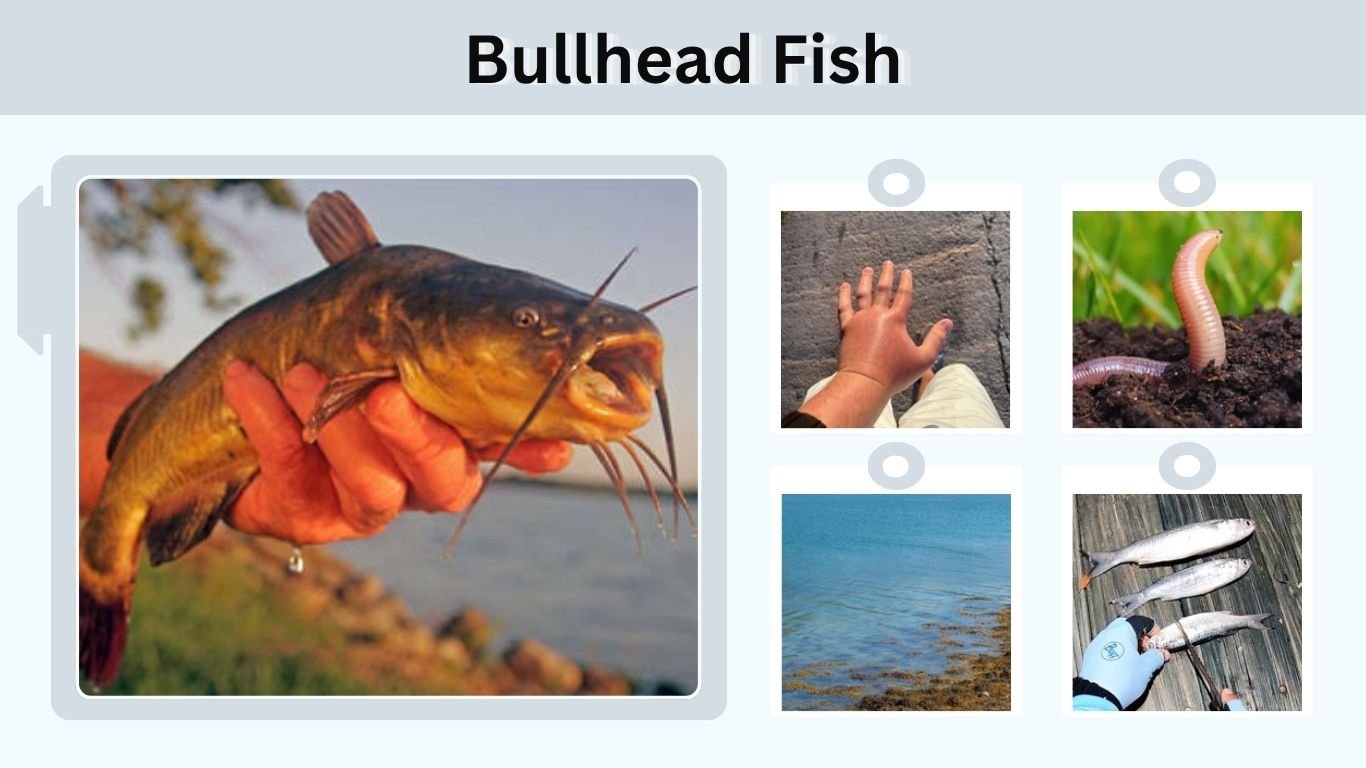
Bullhead fish are among the most recognizable freshwater catfish in North America. Known for their broad heads, whisker-like barbels, and remarkable ability to survive in muddy water, these hardy fish are common in lakes, ponds, and slow-moving rivers. Whether you’re interested in identifying different bullhead species or learning how to catch them, understanding their habitat, feeding habits, and behavior can make your experience more rewarding.
What Is a Bullhead Fish?
A bullhead fish is a freshwater catfish belonging to the genus Ameiurus and the family Ictaluridae. Bullheads are native to North America and are recognized by their flattened heads, smooth skin, and whisker-like sensory organs called barbels. Unlike many larger catfish, bullheads usually have rounded or nearly square tails rather than deeply forked ones.
Bullhead Fish Identification
Bullhead fish have several distinctive physical characteristics that make identification easier:
- Body shape: Thick, elongated body with a broad, flattened head.
- Skin: Smooth, slippery, and completely scaleless.
- Barbels: Eight whisker-like sensory structures surrounding the mouth.
- Color: Usually brown, black, olive, or yellowish.
- Tail: Rounded or slightly squared, depending on the species.
- Fins: Sharp spines on the dorsal and pectoral fins.
These features help distinguish bullheads from other freshwater fish, particularly young channel catfish.
3 Common Types of Bullhead Fish
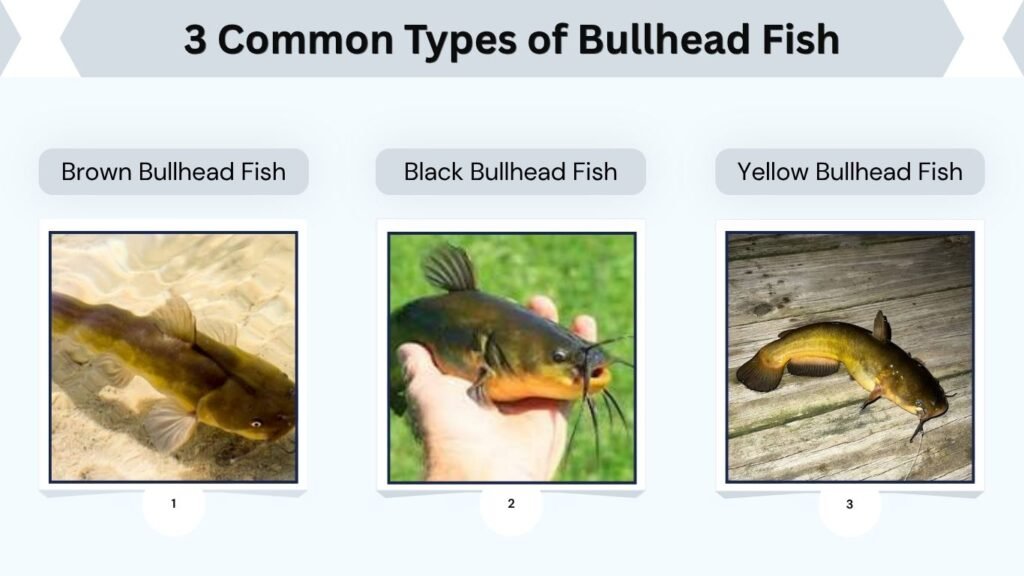
Several bullhead species inhabit North American freshwater ecosystems, but three are especially familiar to anglers: brown bullheads, black bullheads, and yellow bullheads. Although they share similar body structures and feeding habits, differences in coloration, fin structure, and habitat preferences make each species recognizable.
1. Brown Bullhead Fish
The brown bullhead (Ameiurus nebulosus) has a yellowish-brown or olive body with darker mottled patterns along its sides. Its chin barbels are generally dark, and its tail is relatively square.
Brown bullheads inhabit ponds, lakes, rivers, and quiet backwaters. They frequently shelter near aquatic vegetation, submerged wood, and muddy bottoms. Their varied diet includes insects, worms, crustaceans, and small fish.
2. Black Bullhead Fish
The black bullhead (Ameiurus melas) has a dark olive, brown, or nearly black body with a lighter underside. Unlike brown bullheads, its body coloration is typically more uniform.
Black bullheads are exceptionally tolerant of muddy water and low oxygen levels. They often thrive in shallow lakes and ponds where environmental conditions are challenging for other fish.
3. Yellow Bullhead Fish
The yellow bullhead (Ameiurus natalis) has an olive or yellowish-brown body, a lighter belly, and distinctive pale chin barbels.
Yellow bullheads generally prefer clearer, vegetated waters compared with black bullheads. They inhabit ponds, lakes, and slow-moving streams, where they search along the bottom for insects, worms, and other small aquatic animals.
Bullhead Fish Size and Appearance
Bullhead fish are generally smaller than channel or flathead catfish. Their growth depends on food availability, habitat quality, age, and species. Although particularly large specimens occasionally appear, most bullheads caught by recreational anglers are relatively modest in size.
How Big Do Bullhead Fish Get?
Most commonly caught bullheads measure approximately 6–14 inches long, although some individuals grow beyond 18 inches under favorable conditions.
Their weight often ranges from less than a pound to around two pounds. Exceptional fish can weigh three pounds or more, but these larger specimens are uncommon.
Bullheads typically have a stocky appearance, with wide mouths and rounded abdomens.
Where Do Bullhead Fish Live?
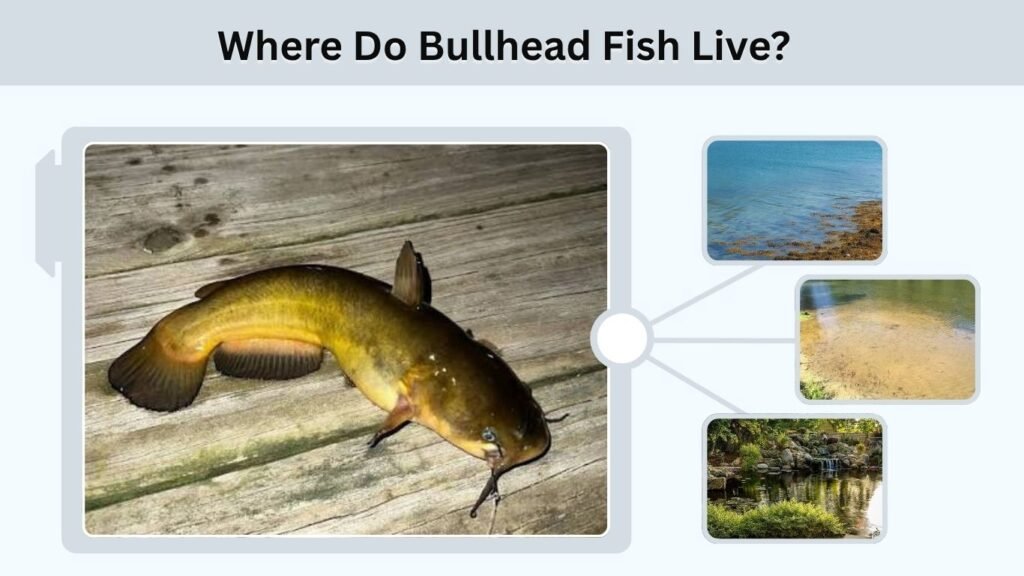
Bullheads occur throughout many freshwater systems in North America, particularly lakes, farm ponds, reservoirs, and slow-moving rivers. Their ability to tolerate turbid water and relatively low dissolved oxygen allows them to survive in habitats that are unsuitable for some other fish species.
Preferred Bullhead Fish Habitat
Bullheads commonly occupy areas containing soft bottom sediments, vegetation, and natural cover. Popular habitats include:
- Shallow, muddy lakes and ponds.
- Slow-moving streams and river backwaters.
- Areas around submerged logs and fallen branches.
- Vegetated shorelines and weedy shallows.
- Reservoir coves with muddy or sandy bottoms.
Black bullheads are especially associated with murky, nutrient-rich waters, while yellow bullheads often prefer clearer conditions.
Bullhead Fish Behavior
Bullheads are bottom-oriented fish that are often most active during nighttime and other low-light periods.
Their sensitive barbels and taste receptors help them locate food even when visibility is poor. During daylight, they may remain beneath vegetation, near woody debris, or along deeper edges.
What Do Bullhead Fish Eat?
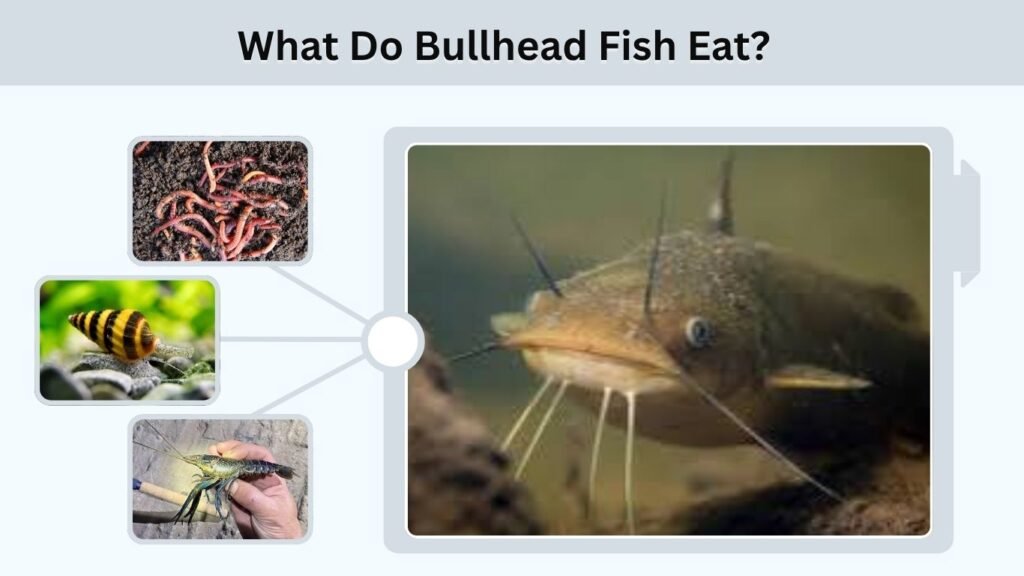
Bullhead fish are opportunistic omnivores, meaning they consume both animal and plant material. Their broad diet helps them survive in environments where food availability changes throughout the year.
Common natural foods include aquatic insects, earthworms, snails, crayfish, freshwater mussels, small fish, fish eggs, and decaying organic matter.
Young bullheads usually consume smaller aquatic invertebrates, while larger individuals can capture a wider variety of prey.
Because bullheads rely heavily on smell and taste when feeding, natural bait is particularly effective for fishing.
How to Catch Bullhead Fish: Fishing Tips
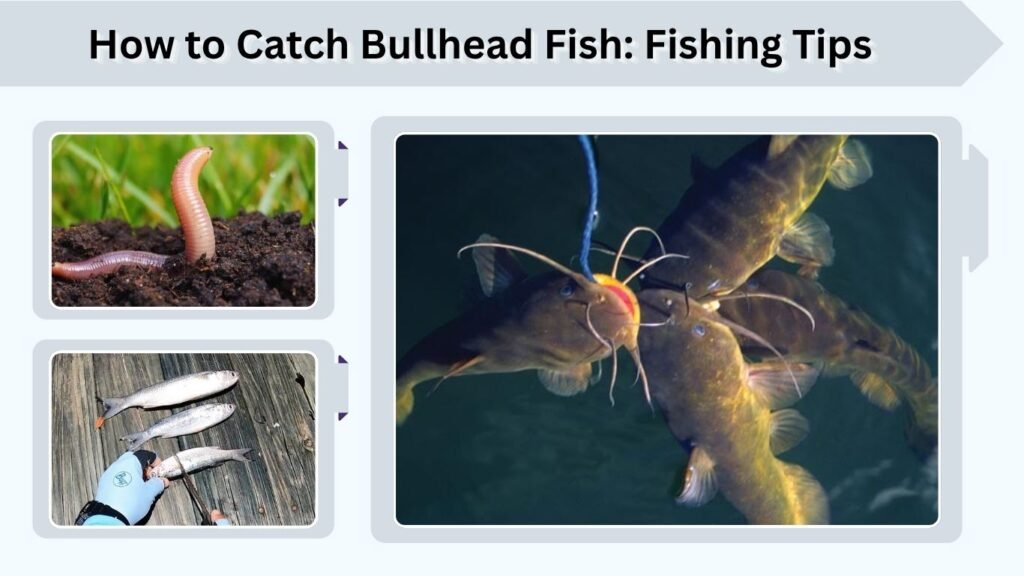
Bullhead fishing is an accessible form of freshwater angling, especially for beginners. These fish can be caught using simple equipment, inexpensive bait, and basic bottom-fishing techniques. Success generally depends on finding suitable habitat, placing bait near the bottom, and fishing during active feeding periods.
Best Bait for Bullhead Fishing
Bullheads readily accept various natural and prepared baits. Some effective choices include:
- Nightcrawlers: Excellent all-around bait for brown, black, and yellow bullheads.
- Earthworms: Affordable and especially useful for beginners.
- Cut bait: Small pieces of fish can attract feeding bullheads.
- Chicken liver: Strong-smelling bait that may work well.
- Minnows: Live or dead minnows can attract larger bullheads where their use is legal.
Nightcrawlers are particularly dependable because bullheads naturally feed on worms and other bottom-dwelling animals.
Bullhead Fishing Setup and Rigs
A light or medium-light spinning rod with 6–10-pound monofilament line is usually sufficient for bullhead fishing.
A simple bottom rig works especially well. Attach a small sinker above a hook, keeping enough weight to hold the bait near the bottom without making the setup unnecessarily heavy.
Hooks around sizes 2–6 are a reasonable starting point, depending on the bait and fish size. Circle hooks may also be useful when appropriately sized.
Best Time for Bullhead Fishing
Bullheads often feed actively during the evening, nighttime, and early morning.
Spring and early summer can be particularly productive as water temperatures rise and fish move into shallow feeding areas.
Fishing near muddy banks, submerged vegetation, and quiet coves can produce consistent results. Night fishing with worms positioned close to the bottom is a traditional and effective approach.
Bullhead Fish vs. Catfish: What’s the Difference?
Bullheads are catfish, but not all catfish are bullheads. They belong to the same family as channel catfish and flathead catfish but differ in size, tail shape, and certain physical features.
| Feature | Bullhead Fish | Channel Catfish |
| Body size | Usually smaller | Often much larger |
| Tail shape | Rounded or square | Deeply forked |
| Head | Broad and stocky | More streamlined |
| Barbels | Four pairs | Four pairs |
| Habitat | Ponds, lakes, slow rivers | Lakes and rivers |
| Feeding | Mostly bottom-oriented | Bottom and midwater |
The tail is one of the quickest identification clues: bullheads have unforked tails, while channel catfish have distinctly forked tails.
Are Bullhead Fish Dangerous? Can They Sting?
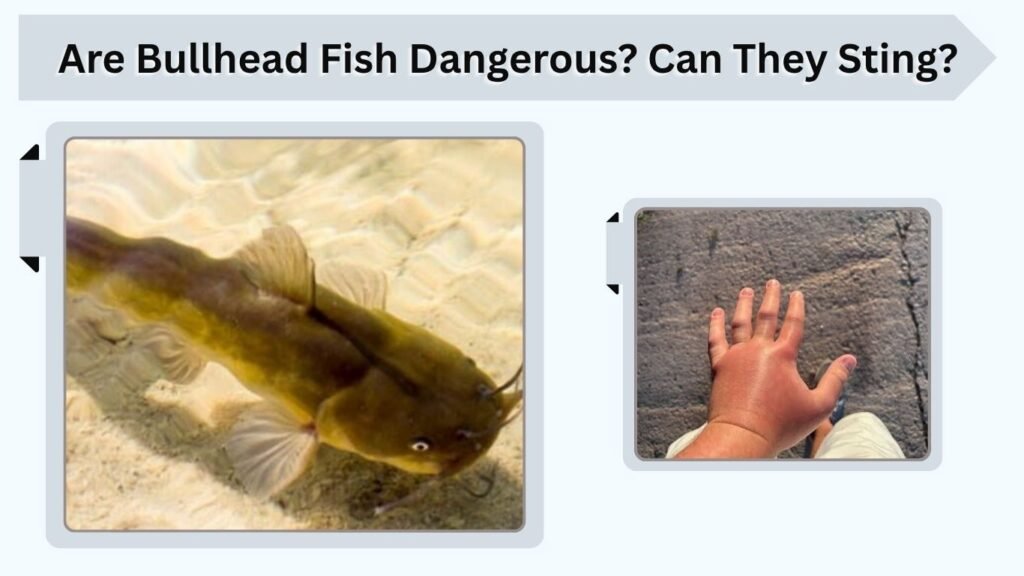
Bullhead fish can cause painful injuries if handled carelessly. They have sharp, rigid spines on their dorsal and pectoral fins that may puncture human skin.
Their whiskers do not sting. The spines are responsible for injuries, and research indicates that venom-related effects can vary among catfish species and populations.
When handling a bullhead, keep your fingers away from the sharp fin spines and use a secure grip or suitable fish-handling tool.
If punctured, clean the wound thoroughly. Seek medical attention for severe pain, swelling, a deep puncture, or signs of infection.
Are Bullhead Fish Good to Eat?
Yes, bullhead fish are edible and are traditionally enjoyed in many North American fishing communities. Their flesh is generally mild-flavored, tender, and suitable for frying, baking, or grilling.
Smaller bullheads are frequently cooked whole after cleaning, while larger fish may be filleted.
Freshness and water quality are important considerations. Before eating locally caught bullheads, check fish consumption advisories for the specific lake or river because some waters contain harmful pollutants.
FAQs
1. Are bullhead fish freshwater or saltwater fish?
North American bullhead catfish are primarily freshwater fish. However, the name “bullhead” is also used for unrelated fish, including certain sculpins. The European bullhead (Cottus gobio), for example, is a small freshwater sculpin rather than a catfish.
2. What is the best bait for bullhead fishing?
Nightcrawlers and earthworms are among the most reliable baits. Cut fish, minnows, and other natural baits can also produce results, especially when presented near the bottom.
3. Can bullhead fish survive in muddy water?
Yes. Bullheads are well adapted to murky conditions. Black bullheads are particularly tolerant of low oxygen levels, allowing them to survive in shallow, muddy ponds and lakes.
4. Do bullhead fish bite humans?
Bullheads do not normally attack people. Their mouths are designed for feeding on small aquatic organisms. Their sharp fin spines, rather than their bites, are the main handling hazard.
5. What is the scientific name of a bullhead fish?
North American bullhead catfish belong to the genus Ameiurus. Common examples include Ameiurus nebulosus (brown bullhead), Ameiurus melas (black bullhead), and Ameiurus natalis (yellow bullhead).