
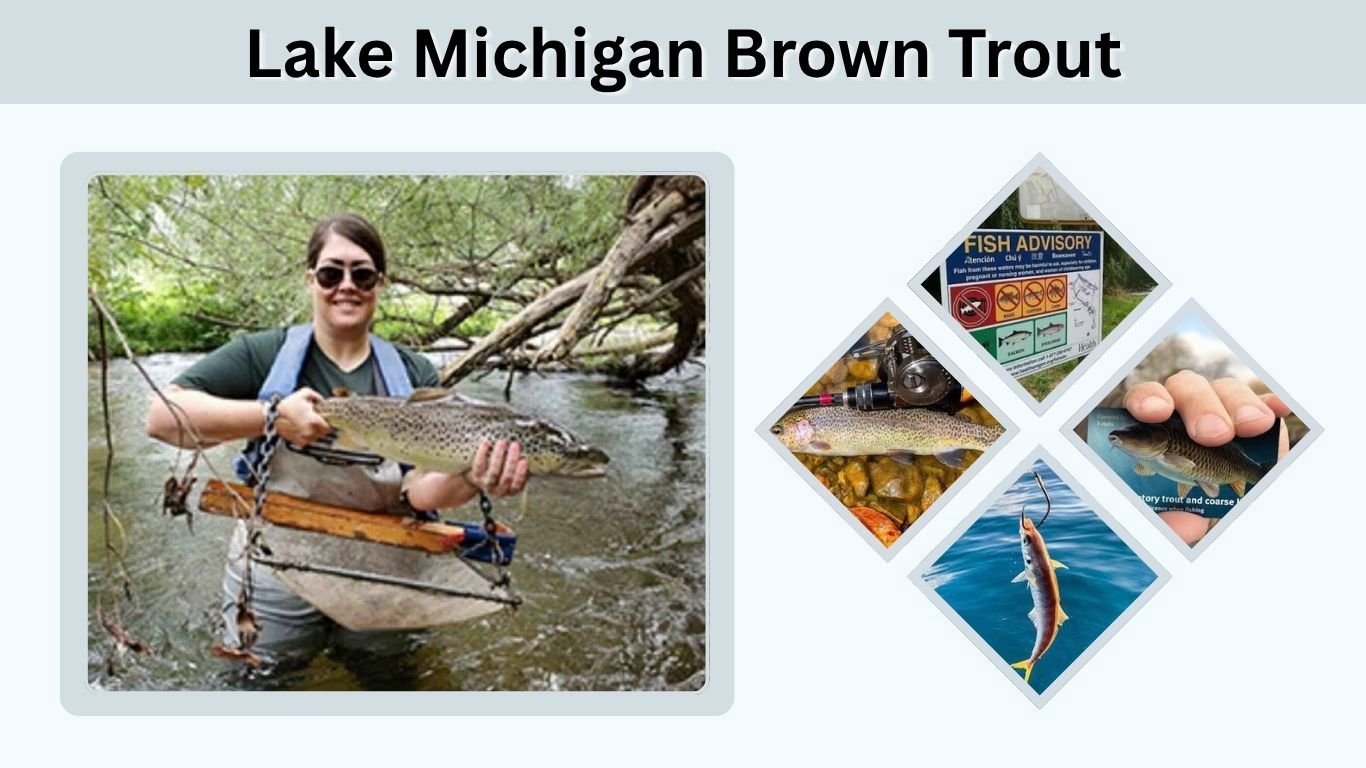
Lake Michigan brown trout are among the most exciting freshwater game fish for anglers seeking powerful fights and trophy-sized catches. These fish thrive along rocky shorelines, harbor entrances, and river mouths, where they feed on baitfish throughout the year. Whether you’re casting from a pier, trolling during spring, or targeting lake-run brown trout in autumn, understanding their seasonal movements can improve your fishing success. This guide explains brown trout identification, productive fishing locations, seasonal patterns, effective lures, and practical techniques for catching brown trout in Lake Michigan.
What Are Lake Michigan Brown Trout?
Brown trout (Salmo trutta) are freshwater fish originally native to Europe and parts of Asia. They were introduced to North America during the nineteenth century and now support important recreational fisheries throughout the Great Lakes. Lake Michigan provides abundant forage and suitable seasonal water temperatures, allowing some brown trout to grow considerably larger than typical stream-resident individuals.
Lake Michigan Brown Trout Identification
Brown trout have an elongated body, strong jaws, and distinctive dark spots. Their coloration varies from golden brown to silver depending on habitat and life stage.
Lake-run brown trout often develop silvery sides that make their spots less noticeable. They typically have a relatively square tail and an upper jaw extending beyond the rear of the eye.
Lake Trout vs. Brown Trout
Although their names sound similar, lake trout and brown trout are different species.
Lake trout (Salvelinus namaycush) generally have pale spots on darker bodies, white-edged lower fins, and deeply forked tails.
Brown trout typically have darker spots on lighter bodies and squarer tails. Unlike brown trout, lake trout belong to the char group and commonly occupy deeper, colder water.
Best Time to Catch Brown Trout in Lake Michigan
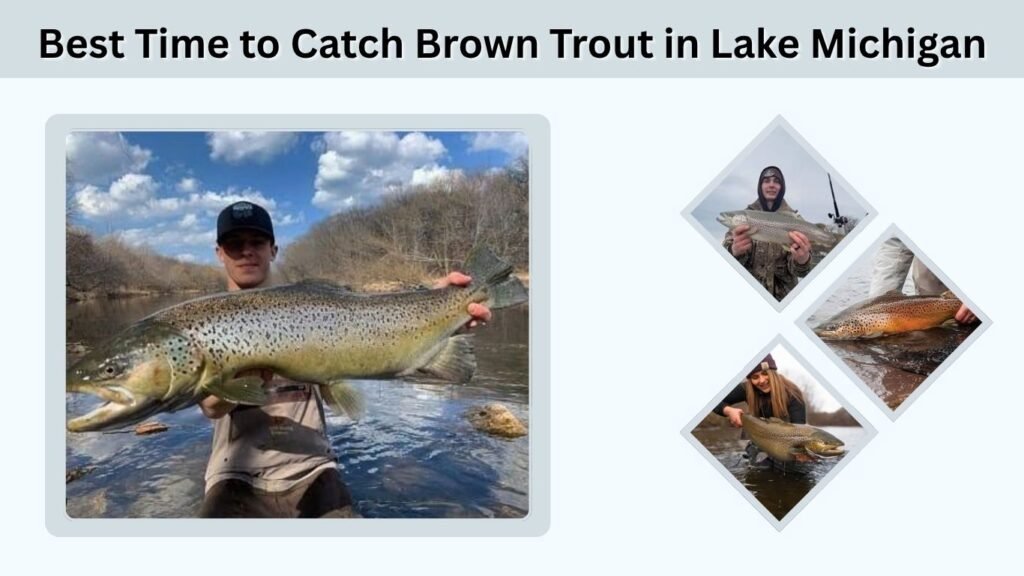
Lake Michigan brown trout fishing opportunities change throughout the year as water temperatures, forage availability, and spawning behavior influence fish movements. During colder months, brown trout often occupy accessible shoreline environments. As nearshore waters warm, they may move toward cooler areas. Understanding these seasonal patterns helps anglers decide when to fish from shore and when boat fishing becomes more productive.
Spring Brown Trout Fishing
Early spring is one of the most productive periods for targeting Lake Michigan brown trout.
Fish frequently gather around shallow rocky areas, harbor entrances, and river mouths as they search for baitfish.
March through May can offer excellent opportunities, although timing varies by location and annual weather conditions.
Fall Lake-Run Brown Trout
During late summer and autumn, mature brown trout begin gathering near tributaries in preparation for spawning.
Many enter rivers during fall, with activity influenced by temperature, streamflow, and local conditions.
Casting crankbaits, spoons, or suitable streamers near permitted river access can be productive.
Winter and Summer Brown Trout
During winter, some brown trout remain around open harbors, tributary mouths, and relatively warmer nearshore water.
In summer, rising shoreline temperatures often push fish toward cooler water, making offshore trolling more useful.
Fishing opportunities depend on weather, lake conditions, and local regulations.
Where to Find Brown Trout in Lake Michigan
Finding brown trout requires understanding the relationship between underwater structure, available food, and water temperature. These predators frequently patrol areas where baitfish concentrate, particularly along shoreline transitions and harbor structures. Anglers can improve their chances by studying local fishing reports, observing changing water conditions, and focusing on accessible areas with suitable habitat.
Best Brown Trout Fishing Locations
- Harbor entrances: Protected areas where baitfish and trout may gather.
- Rocky shorelines: Structure that provides feeding opportunities.
- River mouths: Important locations during spring feeding and fall spawning movements.
- Breakwalls and piers: Accessible structures for shore-based anglers.
- Nearshore temperature breaks: Areas where temperature changes may concentrate forage.
- Green Bay waters: Productive habitat supporting an established brown trout fishery.
Water Temperature and Brown Trout Behavior
Brown trout generally prefer cool, oxygen-rich water. Michigan DNR identifies approximately 50–65°F as a preferred temperature range.
During spring, shallow water may provide favorable feeding conditions. In warmer periods, fish often seek cooler water farther offshore or deeper in the lake.
Water-temperature information can help anglers locate productive areas.
How to Catch Brown Trout in Lake Michigan
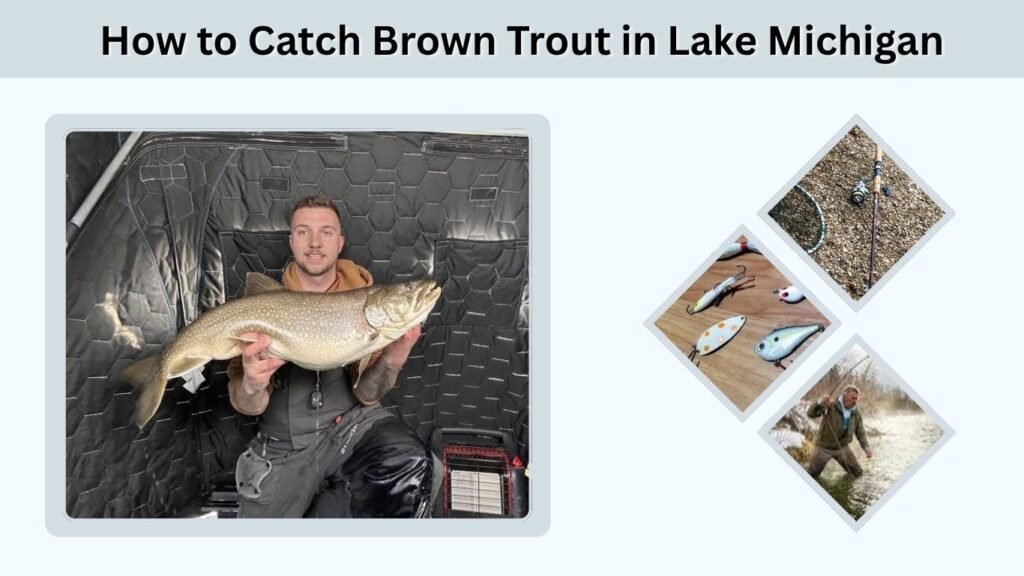
Anglers use several methods to target Lake Michigan brown trout, including shoreline casting, trolling, and tributary fishing. Each approach offers different advantages depending on the season and location. Successful techniques typically imitate natural prey while covering water where trout are actively feeding. Adjusting lure depth, movement, and presentation can improve results when fish appear reluctant to strike.
Shore Fishing for Brown Trout
Shore anglers commonly cast spoons, spinners, and minnow-shaped crankbaits from piers, breakwalls, and public shorelines.
Long casts allow anglers to cover more water, particularly around visible baitfish activity.
Early morning and overcast conditions can be productive. However, water temperature and local fish movements are often more important than the time of day.
Trolling for Lake Michigan Brown Trout
Trolling allows boat anglers to cover extensive shoreline areas while presenting artificial lures at controlled depths.
Minnow-shaped plugs, spoons, and other baitfish imitations are common choices.
During spring, anglers frequently target relatively shallow water. As temperatures rise, presentations may need to reach cooler depths.
Fly Fishing for Lake-Run Brown Trout
Fly anglers sometimes target lake-run brown trout in tributaries during fall.
Streamer patterns that imitate small fish can be effective, particularly around deeper runs and suitable holding water.
Observe local regulations governing fishing methods and seasonal access before entering a tributary.
Best Lures, Bait, and Gear for Brown Trout
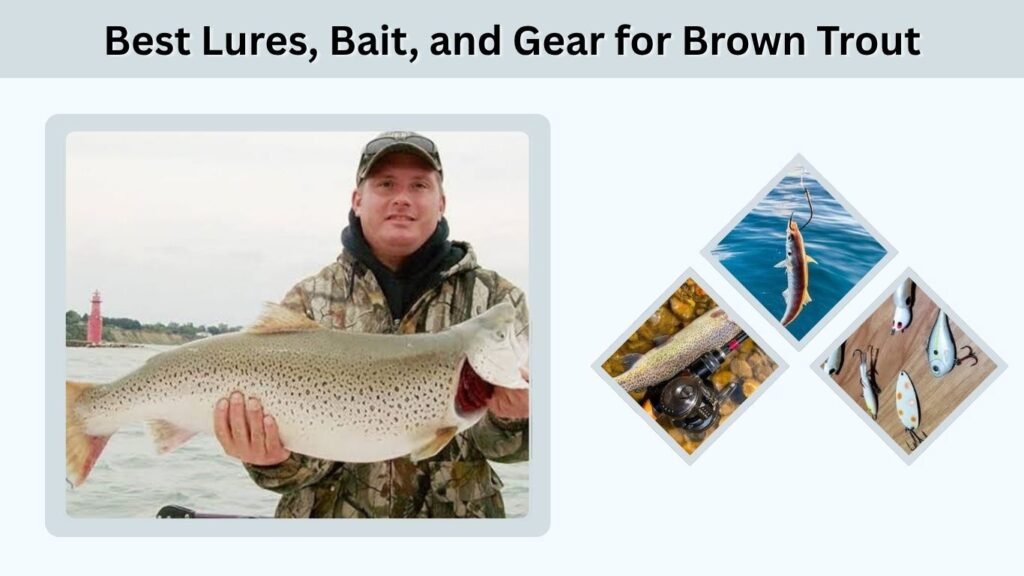
Selecting suitable fishing equipment depends on whether you plan to cast from shore or troll from a boat. Brown trout are opportunistic predators that consume baitfish, aquatic insects, and other available prey. Artificial lures that imitate small fish are especially popular in Lake Michigan. Reliable tackle, appropriate line strength, and careful presentation help anglers handle larger fish effectively.
Best Lures for Brown Trout in Lakes
Popular brown trout fishing lures include:
- Casting spoons: Flash and vibration imitate injured baitfish.
- Minnow crankbaits: Effective for casting and trolling nearshore.
- Inline spinners: Create vibration and movement in the water.
- Jerkbaits: Erratic retrieves can trigger strikes.
- Soft-plastic swimbaits: Provide realistic swimming action.
- Streamer flies: Imitate minnows and other small prey.
Silver, gold, and natural baitfish patterns are useful starting colors.
Best Rod and Reel Setup
For shoreline casting, a medium or medium-light spinning rod approximately 7–9 feet long offers versatility.
Choose a smooth-drag spinning reel with suitable line capacity. Six- to twelve-pound monofilament or equivalent braided line with an appropriate leader can work for many shoreline applications.
Trolling equipment may require longer rods, stronger line, and specialized depth-control accessories.
Natural Bait for Brown Trout
Minnows, nightcrawlers, and spawn bags are commonly used where permitted.
Natural bait can be useful when trout are feeding slowly or holding near shoreline structures.
Check state-specific bait regulations, including restrictions on live fish and bait transportation.
Lake-Run Brown Trout and Other Great Lakes
Lake-run brown trout spend much of their lives feeding in large lakes before moving toward tributaries for reproduction. This behavior supports seasonal fishing opportunities throughout the Great Lakes. Although Lake Michigan is a popular destination, Lake Ontario and Lake Superior also contain brown trout fisheries. Their seasonal movements and fishing conditions differ according to habitat, forage, and regional management practices.
What Is a Lake-Run Brown Trout?
A lake-run brown trout is a brown trout that grows in a lake and migrates into tributaries, typically during the spawning season.
These fish can become considerably larger than stream-resident brown trout because large lakes often provide abundant prey.
Unlike Pacific salmon, brown trout can survive spawning and reproduce in multiple years.
Lake Ontario and Lake Superior Brown Trout
Lake Ontario is known for spring brown trout fishing near shorelines and tributary mouths.
Lake Superior also supports brown trout populations, although its colder conditions and fisheries differ from those of Lake Michigan.
Each lake has specific regulations, access opportunities, and seasonal patterns that anglers should research separately.
Fishing Regulations and Safety Considerations
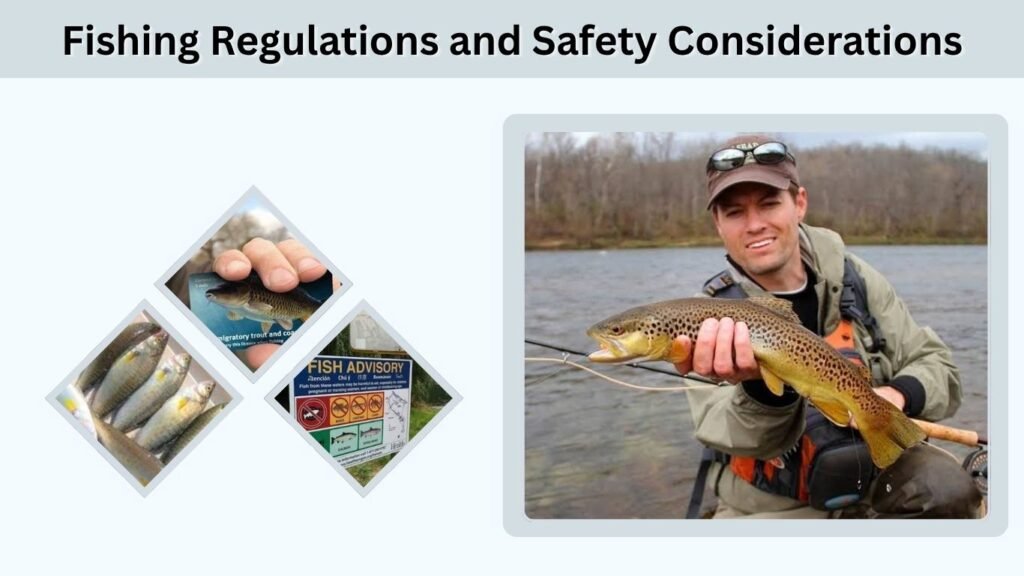
Lake Michigan borders Michigan, Wisconsin, Illinois, and Indiana, and fishing regulations can differ across state waters. Anglers should verify current licensing requirements, possession limits, minimum sizes, and applicable tributary restrictions before fishing. Weather and wave conditions also deserve attention because the lake can become dangerous quickly, especially around exposed piers and breakwalls.
Brown Trout Fishing Regulations Checklist
- Fishing license: Carry the appropriate license for the waters being fished.
- Size limits: Confirm current minimum-length requirements.
- Bag limits: Check combined trout and salmon possession restrictions.
- Season rules: Verify special regulations for tributaries and designated waters.
- Access restrictions: Use authorized public fishing areas.
- Fish consumption guidance: Review applicable state advisories before keeping fish for food.
Safe Catch-and-Release Practices
Use a rubber-coated landing net when possible and handle fish with wet hands.
Avoid prolonged air exposure, especially during warm weather.
If releasing a brown trout, support its body carefully and return it promptly to suitable water. Follow applicable harvest regulations when retaining fish.
FAQs
Lake Michigan brown trout fishing raises questions about seasonal movements, fishing locations, bait selection, and species identification. Beginners often want to know where to start, while experienced anglers seek techniques for catching larger fish. The following answers address common questions about brown trout behavior and productive fishing approaches throughout the Great Lakes.
1. Are There Brown Trout in Lake Michigan?
Yes. Lake Michigan supports an established brown trout fishery maintained through stocking and natural reproduction in suitable areas.
2. What Is the Best Month for Lake Michigan Brown Trout?
March, April, and May are commonly productive for nearshore fishing. Fall also offers opportunities around tributaries during spawning migrations.
3. What Is the Best Lure for Lake Michigan Brown Trout?
Casting spoons and minnow-shaped crankbaits are popular choices. The most effective lure depends on water conditions, available prey, and fishing depth.
4. Can You Catch Brown Trout From Lake Michigan Piers?
Yes. Piers, breakwalls, and harbor entrances can provide shore-fishing opportunities, particularly when brown trout move nearshore during cooler seasons.
5. How Big Do Lake Michigan Brown Trout Get?
Lake-run brown trout commonly grow larger than stream-resident fish. Michigan DNR reports an average lake-run adult weight of approximately eight pounds, although considerably larger specimens occur.