
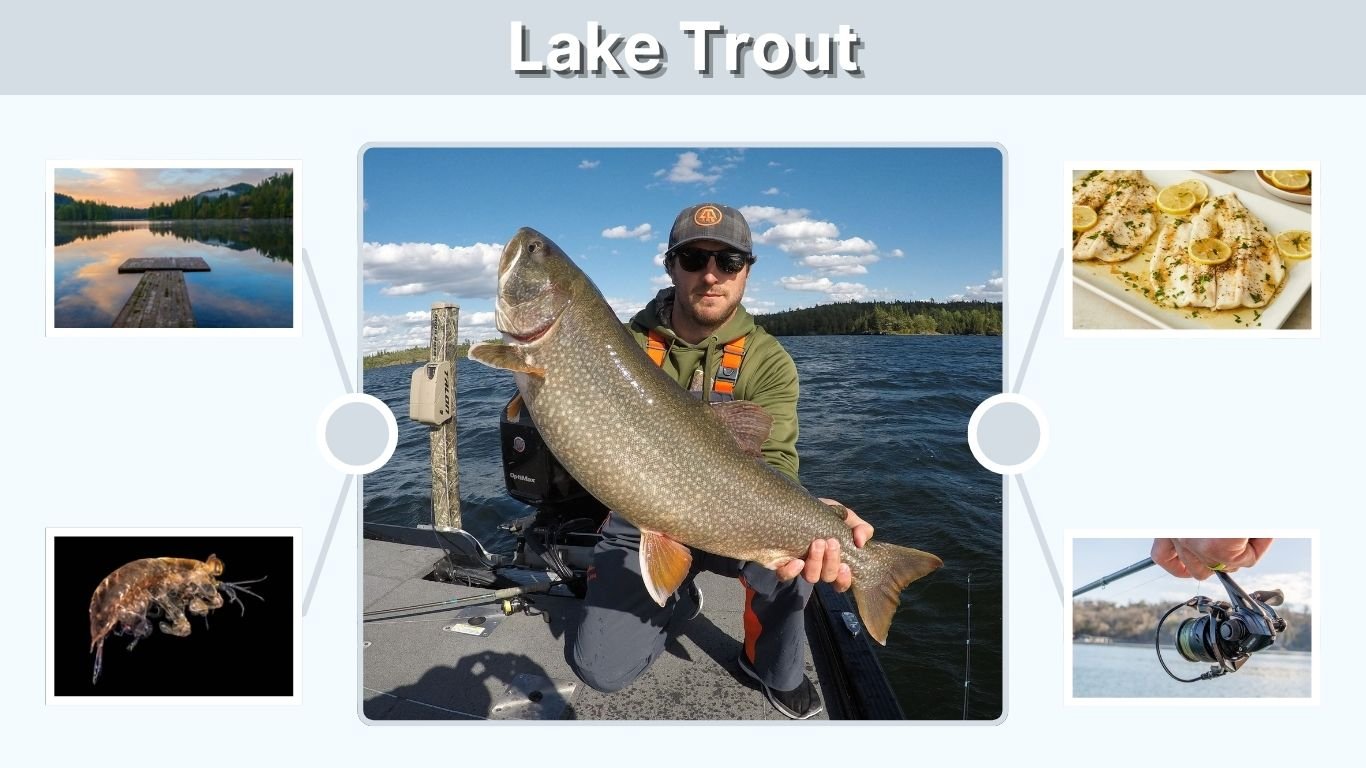
Lake trout (Salvelinus namaycush) are large freshwater fish known for their impressive size, powerful swimming ability, and preference for cold, deep lakes. Native to northern North America, these fish inhabit the Great Lakes, Canadian waters, and many lakes across the northern United States. Anglers value lake trout for their challenging fights, while seafood enthusiasts appreciate their rich, flavorful meat. Some individuals survive for decades and reach extraordinary sizes. This guide explores lake trout identification, habitat, diet, lifespan, fishing techniques, world records, and popular cooking methods.
What Is a Lake Trout?
Lake trout are freshwater fish belonging to the salmon family, Salmonidae. Despite their common name, they are technically members of the char genus Salvelinus, making them closely related to brook trout and Arctic char. They are among North America’s largest freshwater predators and prefer cold, oxygen-rich environments. Their distinctive coloration and deeply forked tails help separate them from other trout species.
Lake Trout Identification
Lake trout have several recognizable physical characteristics:
- Scientific name: Salvelinus namaycush
- Family: Salmonidae
- Body shape: Long, streamlined, and muscular.
- Color: Dark green, gray, or brown with pale spots.
- Tail: Deeply forked, especially in larger individuals.
- Fins: Lower fins often have white leading edges.
- Average size: Commonly 18–30 inches, although much larger fish occur.
Lake Trout vs. Splake
Splake are hybrids produced by crossing lake trout with brook trout.
They often display characteristics of both parent species, making identification difficult.
Lake trout generally have more deeply forked tails, while splake usually have moderately forked tails. Brook trout typically have squarer tails.
Where Do Lake Trout Live?
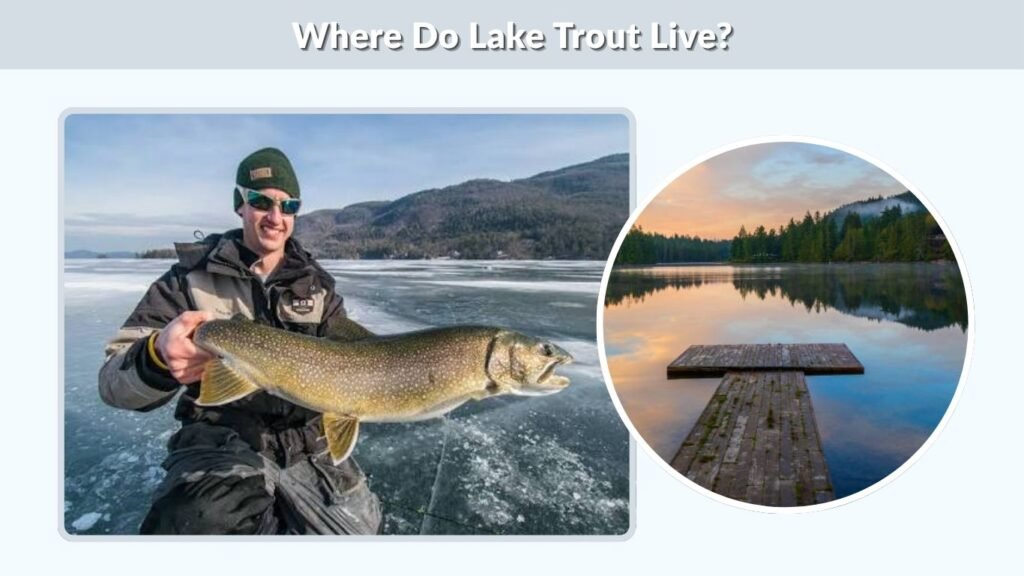
Lake trout naturally inhabit cold freshwater lakes across northern North America. Their distribution extends from Alaska through Canada and into the Great Lakes region. Many populations occupy deep water during summer, although their preferred depth changes with temperature and season. Some introduced populations also occur in western reservoirs and mountain lakes, where suitable conditions support their survival.
Lake Trout Habitat and Distribution
Lake trout occur in Lake Superior, Lake Michigan, Lake Huron, and other suitable northern waters.
They are also found in northeastern Minnesota, Canadian lakes, and parts of Montana and Colorado.
Many inhabit water deeper than 50 feet, sometimes descending beyond 200 feet.
Lake Trout in Lake Superior
Lake Superior supports substantial populations of lake trout, including a deep-water form called the siscowet.
Siscowet lake trout contain relatively high levels of body fat and are especially adapted to deep habitats.
Lake trout are important components of the lake’s food web and recreational fishery.
Lake Trout in Yellowstone Lake
Lake trout are not native to Yellowstone Lake.
They were discovered there in 1994 and became a serious threat to native Yellowstone cutthroat trout through predation.
The National Park Service conducts extensive removal programs to protect native fish populations.
What Do Lake Trout Eat?
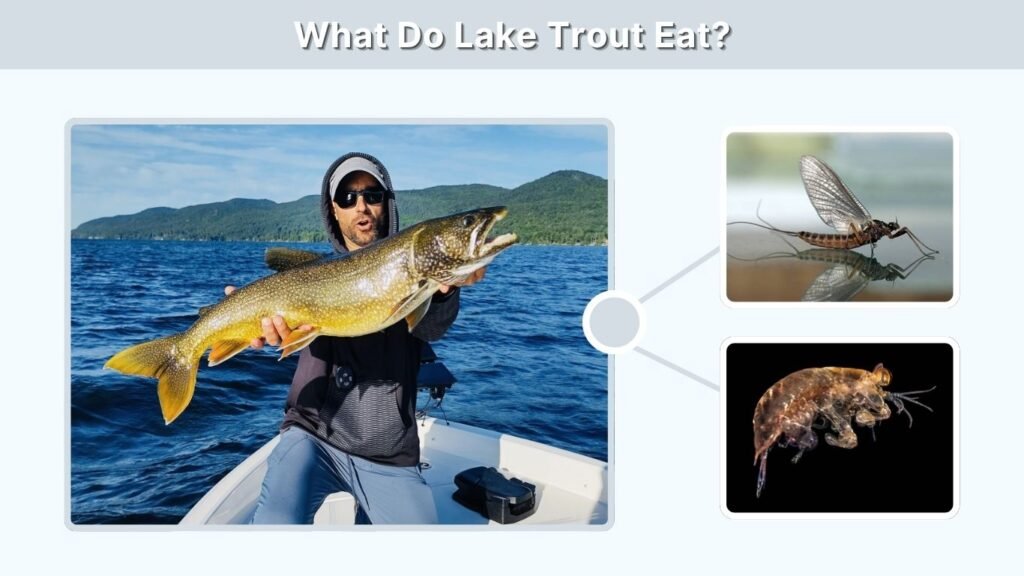
Lake trout are opportunistic predators whose diets change with age, body size, and available food sources. Young fish consume small aquatic organisms, while larger individuals commonly prey on other fish. In productive lakes, adult lake trout can become top predators. Their feeding behavior influences aquatic food webs and helps explain why introduced populations sometimes threaten native fish communities.
Lake Trout Diet
Young lake trout consume zooplankton, insect larvae, and small aquatic invertebrates.
As they grow, many begin eating fish such as ciscoes, rainbow smelt, and smaller prey species.
Some populations continue feeding heavily on invertebrates throughout adulthood, resulting in different growth patterns.
Lake Trout Reproduction
Lake trout typically spawn during autumn, often over rocky lake bottoms.
Females release eggs that settle into spaces between rocks, where they remain protected during development.
Hatching generally occurs in late winter or spring.
Lake trout grow relatively slowly and may require several years to reach reproductive maturity.
How to Catch Lake Trout
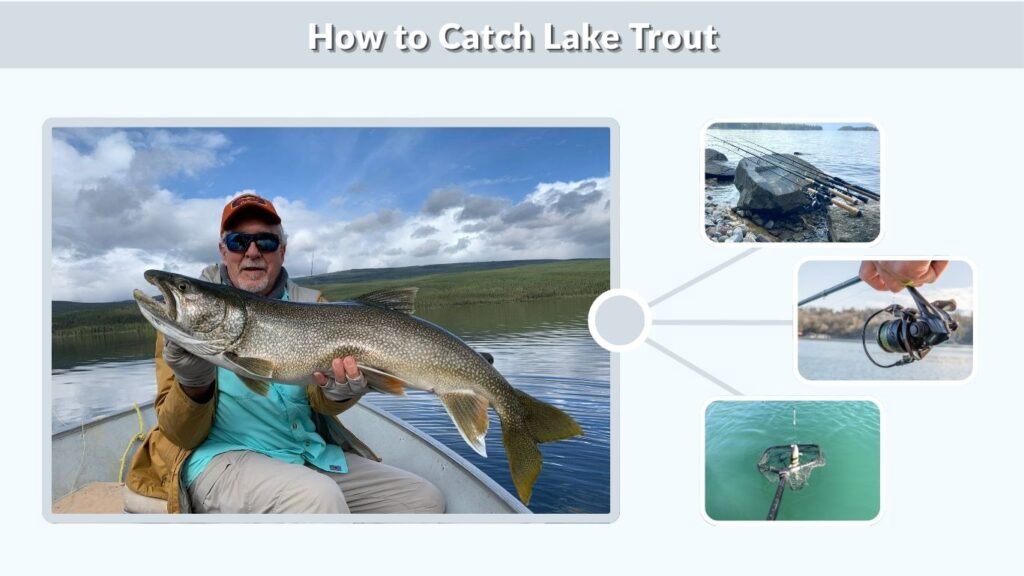
Lake trout fishing requires understanding how these fish move between shallow and deep water throughout the year. Anglers commonly use trolling, vertical jigging, and ice-fishing techniques to reach them. Choosing appropriate lures and locating productive underwater structures can improve success. Water temperature, prey availability, and seasonal movements often influence which fishing methods work best.
Best Lake Trout Fishing Gear
Useful equipment includes:
- Fishing rod: Medium-heavy or heavy rod suited to lure weight.
- Reel: Durable spinning or baitcasting reel with adequate line capacity.
- Fishing line: Braided line with a suitable leader.
- Fish finder: Helps locate fish and underwater structures.
- Landing net: Supports safer handling of large fish.
Best Lake Trout Lures and Bait
Popular lake trout fishing options include:
- Jigging spoons: Effective for vertical presentations.
- Tube jigs: Useful when targeting deep-water fish.
- Swimbaits: Imitate smaller fish.
- Crankbaits: Commonly used while trolling.
- Bucktail jigs: Useful around reefs and rocky areas.
- Minnows or ciscoes: Natural bait where regulations allow.
White, silver, and other baitfish-like colors are often effective.
Jigging and Seasonal Fishing Techniques
During spring, lake trout frequently move into shallower water as temperatures remain cool.
Summer warming usually pushes many fish deeper, where vertical jigging and trolling with downriggers become useful.
During winter, anglers target lake trout through the ice using spoons, jigs, and appropriately presented bait.
How Big Do Lake Trout Get?
Lake trout are among the largest freshwater char, with exceptional individuals weighing several dozen pounds. Growth depends on habitat quality, food availability, genetics, and age. Fish living in productive northern lakes may become considerably larger than those occupying less favorable environments. Their slow growth and long lifespan make unusually large specimens especially interesting to anglers and researchers.
World Record Lake Trout
The International Game Fish Association recognizes a 72-pound lake trout caught by Lloyd Bull at Great Bear Lake, Northwest Territories, Canada, on August 19, 1995.
Reports of even larger lake trout, including fish weighing approximately 102 pounds, involve different capture circumstances rather than the official all-tackle angling record.
Lake Trout Lifespan
Lake trout can live for several decades.
Some populations contain individuals over 50 years old, and the U.S. Fish and Wildlife Service reports ages approaching 70 years in certain Canadian lakes.
Their longevity allows large adults to reproduce across many breeding seasons.
Are Lake Trout Good to Eat?
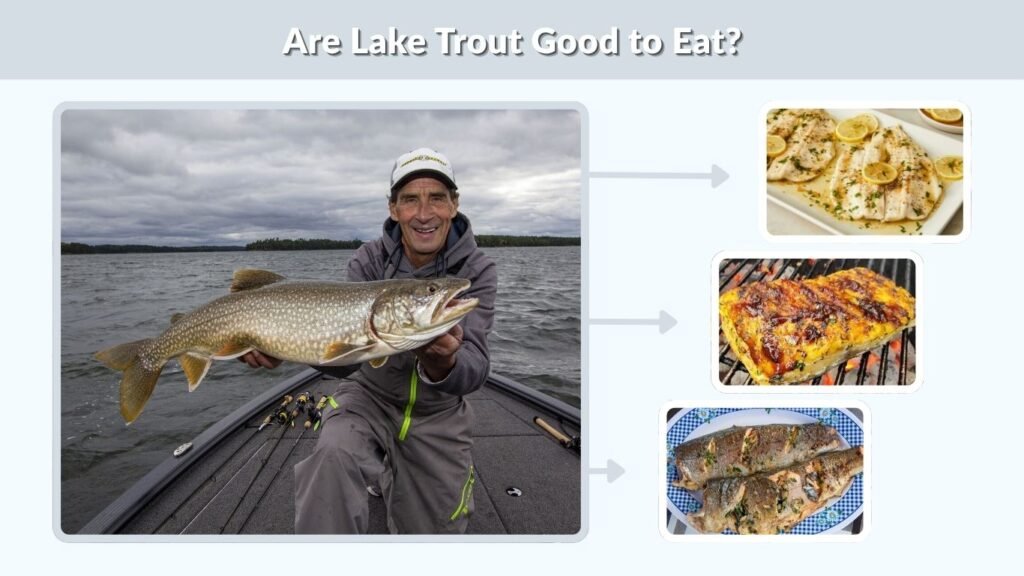
Lake trout are popular food fish because of their rich flavor, tender texture, and relatively high fat content. Their flesh may range from pale cream to orange or pink, depending on diet and population. Lake trout can be baked, grilled, fried, or smoked. However, local fish-consumption advisories should be checked before eating wild-caught fish from unfamiliar waters.
Popular Lake Trout Recipes
Common preparation methods include:
- Baked lake trout: Season with lemon, garlic, and herbs.
- Grilled lake trout: Cook fillets with oil and mild seasoning.
- Smoked lake trout: Use a properly controlled smoking process.
- Pan-fried lake trout: Cook with a light coating until golden.
- Lake trout fish cakes: Combine cooked fish with potatoes and seasonings.
How to Cook Lake Trout Safely
Fresh lake trout should be refrigerated promptly and prepared using clean equipment.
The USDA recommends cooking fish to an internal temperature of 145°F (63°C).
Larger lake trout can accumulate contaminants in some waterways, so check regional consumption advisories.
What Is Baltimore Lake Trout?
Baltimore lake trout is actually a traditional fried fish dish commonly prepared with Atlantic whiting.
Despite the name, it is neither freshwater lake trout nor a member of the trout family.
This dish is particularly associated with Baltimore’s carryout food culture.
FAQs
Lake trout attract interest because of their impressive size, cold-water habitats, long lifespans, and popularity among anglers. Questions about their classification, fishing techniques, diet, and eating quality are especially common. These answers explain important characteristics of Salvelinus namaycush and help readers distinguish this freshwater predator from other trout and char species.
1. Is Lake Trout a Real Trout?
Lake trout belong to the salmon family but are classified as char rather than true trout. Their scientific name is Salvelinus namaycush.
2. What Is the Best Bait for Lake Trout?
Minnows, ciscoes, and other suitable baitfish can be effective. Jigging spoons, tube jigs, and swimbaits are also popular choices.
3. How Big Can Lake Trout Grow?
Lake trout can exceed 40 pounds, with exceptional specimens growing considerably larger. The official IGFA all-tackle record is 72 pounds.
4. Are Lake Trout Good to Eat?
Yes. Lake trout have rich, flavorful flesh and can be grilled, baked, fried, or smoked. Always check local consumption advisories.
5. Where Is the Best Place to Find Lake Trout?
Cold northern lakes, including Lake Superior, Great Bear Lake, and suitable Minnesota lakes, support lake trout populations. Fishing success depends on season, depth, and conditions.