
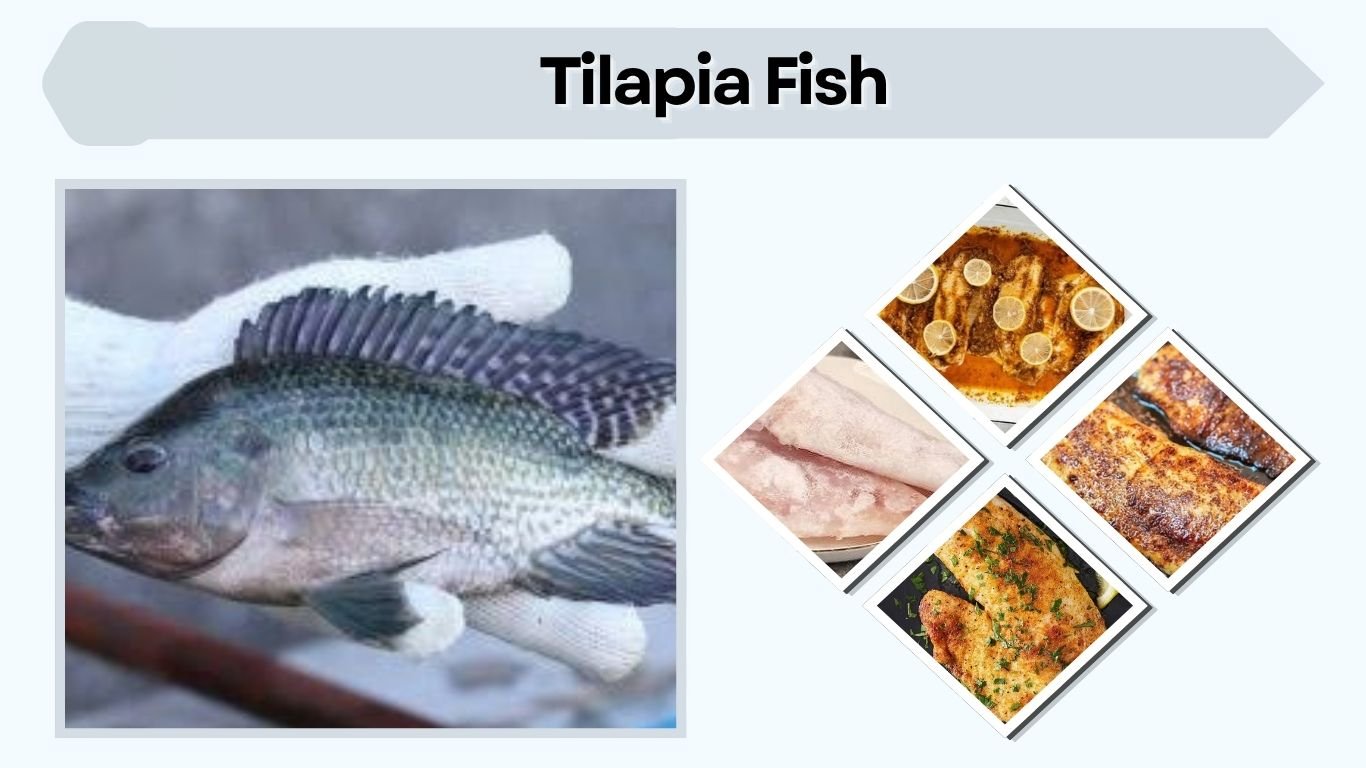
Tilapia is one of the most widely eaten freshwater fish, appreciated for its mild flavor, soft texture, and versatility in the kitchen. It can be baked, grilled, fried, pan-seared, or prepared in an air fryer with simple seasonings. Tilapia also provides protein and several important nutrients while being relatively lean. Whether you are wondering if tilapia is healthy, how to cook tilapia, or which preparation method tastes best, this guide covers its nutrition, benefits, varieties, cooking methods, and common questions.
What Is Tilapia?
Tilapia refers to several species of freshwater fish belonging mainly to the cichlid family. These fish originated primarily in Africa and the Middle East but are now farmed in many parts of the world. Their rapid growth, adaptability, and mild-tasting flesh have helped make tilapia an important food fish and a common option in supermarkets and restaurants.
Is Tilapia a Real Fish?
Yes, tilapia is a real fish rather than a genetically created or artificial species. The word “tilapia” is a common name covering numerous related cichlid species. Humans have raised various tilapia species for food for centuries, and modern aquaculture has expanded their production considerably.
Where Does Tilapia Live?
Tilapia naturally inhabit freshwater environments such as rivers, lakes, ponds, and streams in warm regions. They generally prefer warm water and can tolerate environmental conditions that would be difficult for some other fish.
Today, much of the tilapia sold for food comes from aquaculture operations rather than wild fisheries.
Common Types of Tilapia
Several species are raised or recognized as tilapia, including:
- Nile Tilapia
- Blue Tilapia
- Mozambique Tilapia
- Red Tilapia
- Wami Tilapia
Nile tilapia is among the most commercially important species because of its growth rate and suitability for aquaculture.
Tilapia Nutrition
Tilapia is generally considered a lean source of animal protein. Its exact nutritional profile varies according to serving size, farming conditions, preparation method, and added ingredients. Plain cooked tilapia typically supplies substantial protein without large amounts of carbohydrates, making it adaptable to many different eating patterns and meal plans.
Protein in Tilapia
Protein is one of tilapia’s main nutritional advantages. A cooked portion can provide a substantial amount of complete protein containing essential amino acids needed by the body.
Because tilapia is relatively lean, it can provide protein without the higher fat levels found in some meat cuts or fattier fish species.
Important Nutrients
Tilapia naturally provides several useful nutrients, including:
- High-quality protein
- Vitamin B12
- Selenium
- Phosphorus
- Niacin
- Potassium
- Smaller amounts of other vitamins and minerals
The exact amounts depend on the fish, portion size, and cooking method.
Tilapia Calories and Fat
Plain tilapia is relatively low in calories because it contains little carbohydrate and moderate amounts of fat. However, the final calorie content can increase considerably when tilapia is deep-fried, breaded, covered with creamy sauces, or cooked with large amounts of butter or oil.
Is Tilapia Good for You?
Tilapia can be part of a balanced diet when sourced appropriately and prepared using sensible cooking methods. It offers lean protein and valuable micronutrients while being easy to combine with vegetables, grains, beans, and other nutritious foods. Its mild taste can also make seafood more approachable for people who dislike strongly flavored fish.
Is Tilapia Healthy?
For most people, properly cooked tilapia can be a nutritious protein choice. Baking, grilling, steaming, and air frying can keep additional fat relatively low while preserving the fish’s naturally mild flavor.
Tilapia contains less omega-3 fat than oily fish such as salmon, sardines, or mackerel, so eating a variety of seafood rather than relying exclusively on tilapia can provide a broader nutritional profile.
Is Tilapia Fattening?
Tilapia itself is relatively lean and is not inherently “fattening.” Overall calorie intake and preparation matter more. A baked fillet seasoned with herbs will have a very different nutritional profile from heavily breaded tilapia cooked in large quantities of oil.
Portion size and side dishes also influence the total meal.
How to Cook Tilapia
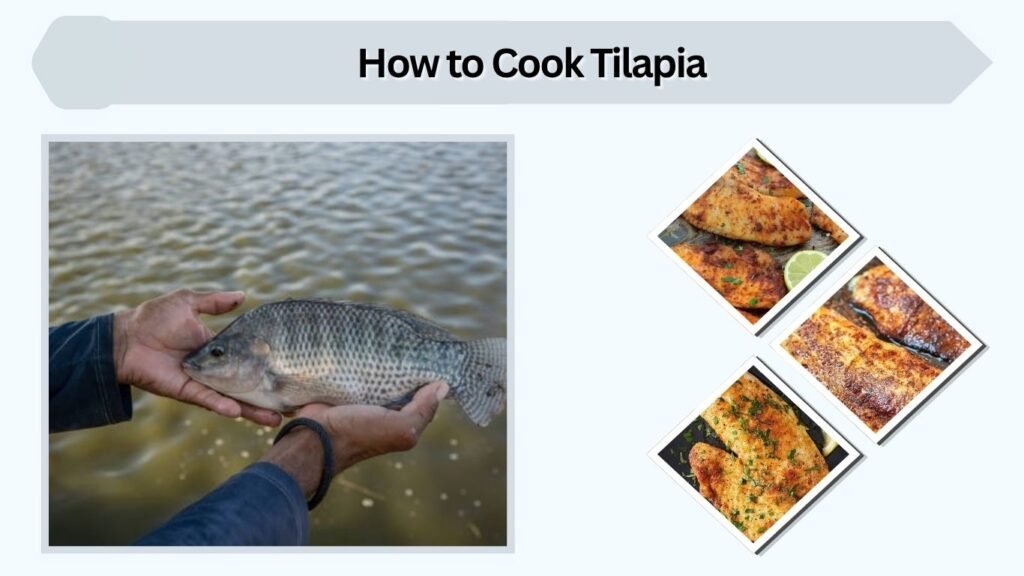
Tilapia’s mild flavor makes it compatible with garlic, lemon, butter, paprika, black pepper, herbs, Parmesan, and many other seasonings. Because fillets are often relatively thin, they can cook quickly. Regardless of the cooking method, avoid excessive cooking because the flesh can become dry and lose its delicate texture.
Popular Ways to Cook Tilapia
Common preparation methods include:
- Baking tilapia in the oven
- Cooking tilapia in an air fryer
- Pan-searing tilapia
- Grilling tilapia
- Pan-frying or deep-frying tilapia
- Making blackened tilapia
- Preparing fish tacos
- Adding Parmesan or seasoned crusts
Each method creates a different texture while allowing the mild fish flavor to absorb seasonings easily.
How to Season Tilapia
Tilapia works well with both simple and bold seasoning combinations. Lemon, garlic, black pepper, paprika, parsley, dill, chili powder, Cajun seasoning, and onion powder are popular options.
Patting the fillets dry before seasoning can help seasonings stick more evenly and improve browning during cooking.
How to Make Baked Tilapia

Baked tilapia is one of the simplest ways to prepare the fish because it requires relatively little active cooking. The oven provides consistent heat, making this method convenient for weeknight meals. Garlic butter baked tilapia and Parmesan-crusted tilapia are particularly popular variations, but basic herbs and lemon can also produce flavorful results.
Basic Baked Tilapia Method
A straightforward approach is:
- Preheat the oven.
- Pat the tilapia fillets dry.
- Place them in a lightly greased baking dish.
- Add seasonings, lemon, and a small amount of oil or butter.
- Bake until the flesh becomes opaque and flakes easily.
- Check that the thickest portion is fully cooked before serving.
How Long Does Tilapia Take to Bake?
Cooking time depends on fillet thickness and oven temperature. Thin fillets cook faster than thick ones, so checking the fish rather than relying only on a timer produces better results.
Overcooking tilapia can make it dry and firm, while properly cooked fish should remain tender and moist.
Air Fryer, Grilled, and Fried Tilapia
The oven is not the only convenient way to prepare tilapia. Air frying has become particularly popular because it produces lightly browned fish quickly, while grilling provides a smoky flavor. Pan-frying and blackening can create a stronger crust and richer taste, making tilapia adaptable to many cuisines and meal styles.
Air Fryer Tilapia
Air fryer tilapia is useful when you want quick preparation with relatively little added oil. Season the fillets, arrange them in a single layer, and cook until opaque and flaky.
Leaving space between pieces helps hot air circulate evenly around the fish.
Grilled Tilapia
Tilapia can be grilled, although its delicate flesh requires careful handling. Lightly oiling the fish and grill surface can reduce sticking. A grill basket or foil can also make thin fillets easier to manage.
Lemon, herbs, garlic, and smoky seasonings complement grilled tilapia particularly well.
Pan-Fried and Blackened Tilapia
Pan-frying creates a browned exterior while keeping the inside tender. Blackened tilapia uses a stronger spice mixture and high heat to create a flavorful crust.
The amount of oil and breading used significantly affects the finished dish’s calorie and fat content.
Tips for Preparing Better Tilapia
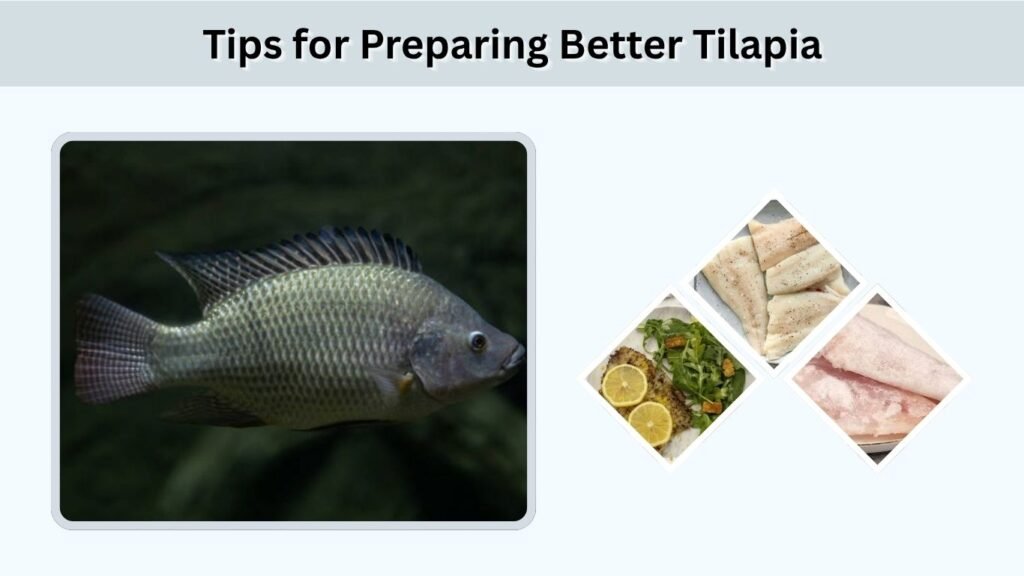
Good results depend on more than choosing a cooking method. Tilapia’s delicate texture means small preparation details can noticeably affect flavor and moisture. Proper thawing, drying, seasoning, and temperature control can help prevent watery, bland, or overcooked fillets.
Simple Cooking Tips
- Thaw frozen fillets thoroughly before cooking.
- Pat excess moisture from the fish.
- Season both sides evenly.
- Avoid overcrowding the pan or air fryer.
- Use moderate amounts of oil or butter.
- Add lemon or herbs for freshness.
- Avoid cooking longer than necessary.
- Serve soon after cooking for the best texture.
FAQs
1. What does tilapia taste like?
Tilapia has a mild, slightly sweet flavor without the strong “fishy” taste associated with some seafood. Its subtle flavor absorbs marinades, herbs, spices, garlic, lemon, and sauces easily, which makes it suitable for many recipes.
2. Is tilapia freshwater or saltwater fish?
Tilapia are primarily freshwater fish. They commonly live in lakes, rivers, ponds, and other warm freshwater environments, although some species can tolerate varying levels of salinity.
3. What is the best way to cook tilapia?
Baking, air frying, grilling, and pan-searing are all effective. Baking is convenient for simple meals, while air frying produces a lightly browned exterior quickly. The best method ultimately depends on the texture and flavor you prefer.
4. Can dogs eat tilapia?
Plain, fully cooked, boneless tilapia can generally be offered to dogs in moderation. It should not contain harmful seasonings, excessive oil, sauces, or bones. A veterinarian can provide guidance for dogs with allergies, medical conditions, or special dietary requirements.
5. Can you cook frozen tilapia?
Tilapia can sometimes be cooked from frozen, depending on the cooking method and product instructions. However, thawing fillets first usually makes seasoning easier and helps them cook more evenly. Always make sure the thickest portion is completely cooked before serving.