
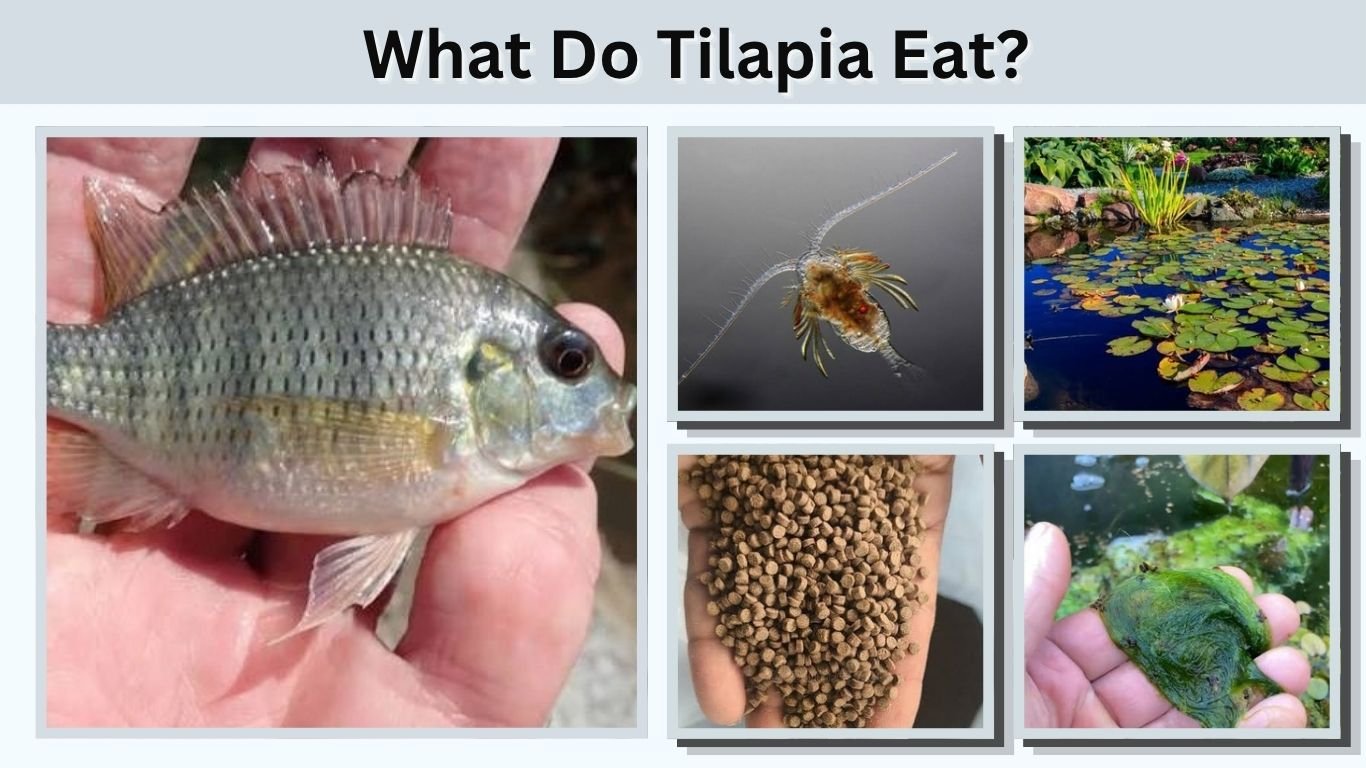
What do tilapia eat? Tilapia are adaptable omnivorous fish that consume algae, aquatic plants, plankton, small invertebrates, detritus, and other available foods. Their exact diet changes with species, age, habitat, and whether they live in the wild, ponds, aquaponic systems, or commercial fish farms. Young tilapia generally depend more heavily on tiny animal organisms, while adults can consume considerable plant material. Understanding their natural feeding habits can help fish keepers, farmers, and anglers choose appropriate foods for healthy tilapia.
What Do Tilapia Fish Eat?
Tilapia are generally opportunistic omnivores, meaning they can obtain nutrition from both plant and animal sources. However, many species rely heavily on algae, phytoplankton, plant material, and organic matter. Their feeding habits allow them to survive in many freshwater environments where food availability changes seasonally. Different tilapia species may also show noticeable dietary preferences.
Natural Tilapia Feeding Behavior
Tilapia frequently feed throughout daylight hours by grazing, filtering tiny organisms from water, or searching the bottom for edible material. Some species are particularly efficient at consuming phytoplankton, while others scrape algae from rocks, plants, and underwater surfaces.
Their flexible diet is one reason tilapia have become widely raised in aquaculture.
10 Best Foods Tilapia Eat
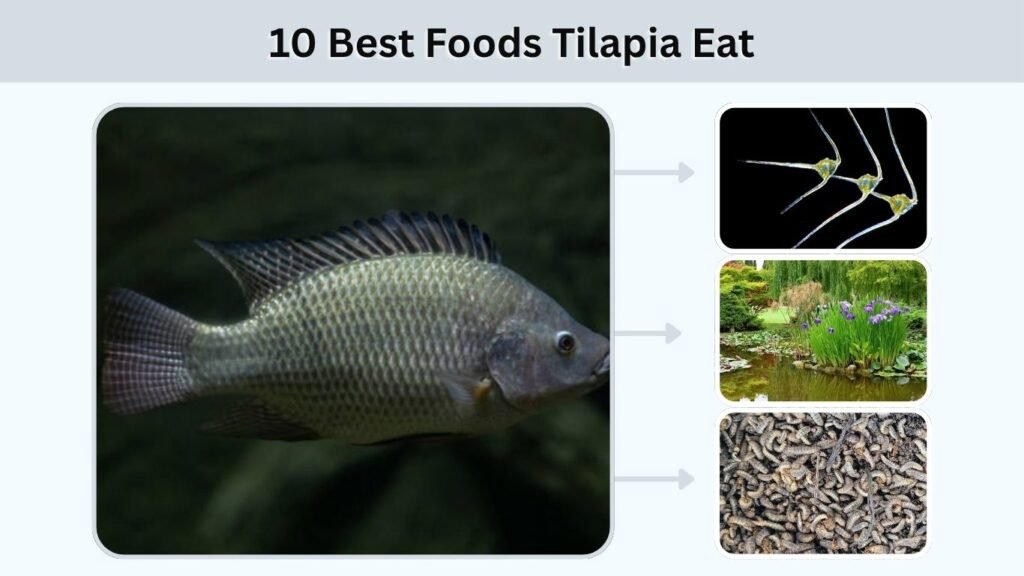
Tilapia can consume a surprisingly broad range of natural and prepared foods. A balanced diet is particularly important when tilapia are raised in captivity because the fish cannot always find the variety available in a natural ecosystem. The following foods represent some of the most common components of wild and farmed tilapia diets.
1. Algae
Algae are among the most important natural foods for many tilapia. Fish may graze algae directly from rocks, pond walls, submerged vegetation, and other surfaces.
Microscopic algae can also remain suspended in the water and become part of the tilapia’s diet. In productive ponds, natural algae can contribute significantly to overall nutrition.
2. Phytoplankton
Phytoplankton are microscopic plant-like organisms floating in the water. Many tilapia species are highly efficient at filtering and consuming phytoplankton.
Phytoplankton can be especially abundant in warm, nutrient-rich ponds. It provides natural nutrition and is one reason properly managed tilapia ponds can support relatively high numbers of fish.
3. Zooplankton
Zooplankton are tiny aquatic animals that form an important part of the food web. Small tilapia and young fry commonly consume more zooplankton than larger adults.
These organisms provide valuable protein during early growth. Examples include tiny crustaceans and other microscopic aquatic animals found naturally in freshwater.
4. Aquatic Plants
Tilapia can consume soft aquatic vegetation, leaves, shoots, and other plant matter. Some species are more strongly herbivorous than others and may spend substantial time grazing vegetation.
Duckweed is one example of a plant sometimes incorporated into tilapia production systems. Plant material can supplement other foods but should not automatically replace a properly balanced formulated diet in intensive culture.
5. Detritus
Detritus consists of decomposing organic material found along the bottom of ponds, lakes, rivers, and other aquatic habitats. It can contain partially decomposed plants, microorganisms, and tiny edible organisms.
Tilapia may sift through bottom material and consume nutritious components within it. This ability helps them take advantage of food resources that many specialized fish cannot use efficiently.
6. Insect Larvae
Aquatic insect larvae can provide tilapia with additional animal protein. Mosquito larvae and other small aquatic insects may occasionally become part of their natural diet.
Tilapia searching through shallow vegetation or along pond margins can encounter these organisms regularly. Young fish may be particularly interested in small moving prey.
7. Small Crustaceans
Tiny freshwater crustaceans can also be eaten by tilapia. These organisms may occur naturally among aquatic vegetation, sediments, and plankton communities.
Although tilapia are not primarily predatory fish, their opportunistic feeding behavior means they can consume small animal prey whenever it is readily available.
8. Worms and Small Invertebrates
Tilapia may eat worms and other small invertebrates encountered while feeding near the bottom or among plants. These foods contribute animal protein and can be especially attractive because their movement stimulates feeding behavior.
Worms are also sometimes used by anglers trying to catch tilapia.
9. Commercial Tilapia Pellets
Farm-raised tilapia commonly receive formulated pellets designed to provide consistent amounts of protein, carbohydrates, fats, vitamins, and minerals.
Commercial feeds are especially important in intensive farming systems where natural pond foods alone cannot support rapid growth. Different formulations may be used for fry, juveniles, and adult fish because their nutritional requirements change as they grow.
10. Grains and Plant-Based Feed Ingredients
Prepared tilapia feeds frequently contain plant-derived ingredients such as soybean meal, corn, wheat, rice products, or other agricultural materials.
These ingredients are normally processed as part of nutritionally balanced feeds rather than simply thrown into ponds individually. Modern tilapia production often relies heavily on plant protein because adult tilapia can utilize many plant-derived nutrients efficiently.
What Do Tilapia Eat in the Wild?
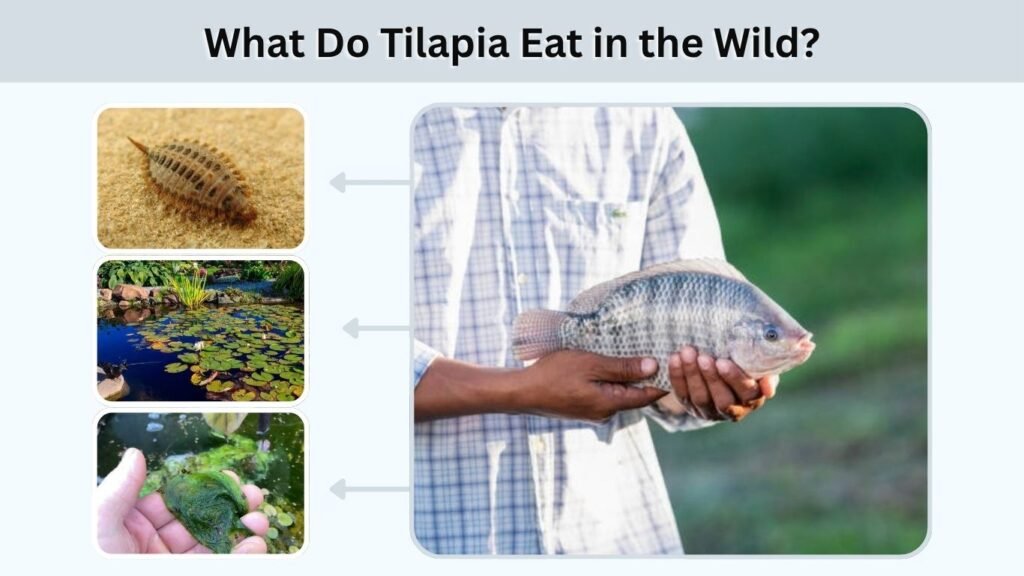
Wild tilapia depend on whatever suitable foods are naturally available in their habitat. Their diet can differ between lakes, ponds, rivers, reservoirs, and geographic regions. Seasonal changes also affect which organisms and plants are abundant, so wild tilapia often adjust their feeding behavior throughout the year.
Wild Tilapia Diet
In natural habitats, tilapia commonly consume algae, phytoplankton, aquatic vegetation, detritus, microorganisms, zooplankton, insect larvae, and small invertebrates.
Larger tilapia are generally not active fish hunters in the same way as bass or other predatory species. They are much more likely to graze, filter, or forage for smaller food sources.
What Do Freshwater Tilapia Eat?
Freshwater tilapia have access to algae, plankton, aquatic plants, organic material, insects, and small aquatic organisms.
The exact proportions depend on the species. Nile tilapia, for example, are strongly associated with phytoplankton and plant-based feeding, although they can consume other available foods.
What Do Farm-Raised Tilapia Eat?
Farm-raised tilapia usually receive a more controlled diet than wild fish. Farmers want predictable nutrition because feed strongly influences growth, health, feed efficiency, and production costs. Commercial diets are therefore formulated according to the size and developmental stage of the fish rather than relying solely on naturally occurring pond foods.
Tilapia Feed on Fish Farms
Commercial tilapia pellets generally combine protein sources, carbohydrates, fats, vitamins, and minerals. Plant ingredients such as soybean meal and grains are commonly used.
Some formulations may also contain marine or animal-derived ingredients depending on the manufacturer and nutritional requirements.
Farmed tilapia raised in ponds can additionally consume natural algae and plankton growing in the water.
What Do Tilapia Eat in Ponds?
Tilapia raised in ponds may eat both formulated feed and naturally occurring food. Algae, phytoplankton, zooplankton, detritus, and vegetation can supplement commercial pellets.
Pond productivity therefore affects how much natural food is available.
Manure is sometimes used in certain aquaculture systems as pond fertilizer to stimulate plankton production. However, directly feeding tilapia animal droppings is not a good substitute for properly managed feed and can introduce sanitation and water-quality concerns.
What Do Baby Tilapia Eat?
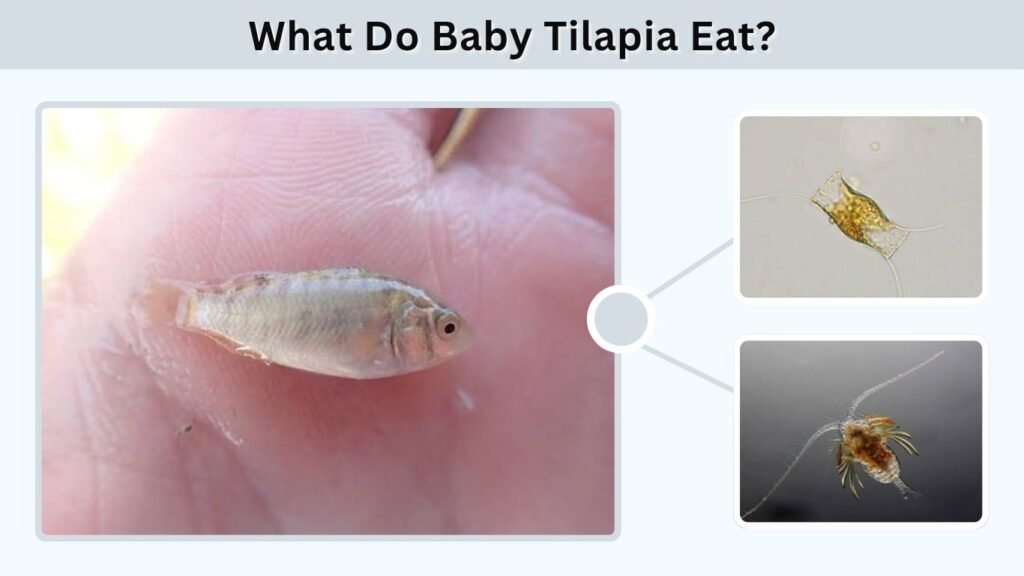
Baby tilapia, commonly called fry, have different nutritional requirements from mature fish. Rapid growth requires readily digestible foods containing sufficient protein and other essential nutrients. Their tiny mouths also mean food must be appropriately sized. As tilapia grow, they gradually become capable of consuming larger particles and a greater proportion of plant-based material.
Tilapia Fry Diet
Very young tilapia can consume microscopic organisms such as phytoplankton and zooplankton. In aquaculture, they are commonly provided finely ground or specially manufactured starter feeds.
Feed particle size increases gradually as the fish grow.
Feeding Juvenile Tilapia
Juveniles typically receive high-quality formulated feed designed for active growth. Regular feeding in suitable portions allows young fish to develop while reducing uneaten food that could contaminate the water.
What Do Tilapia Eat in Aquaponics?
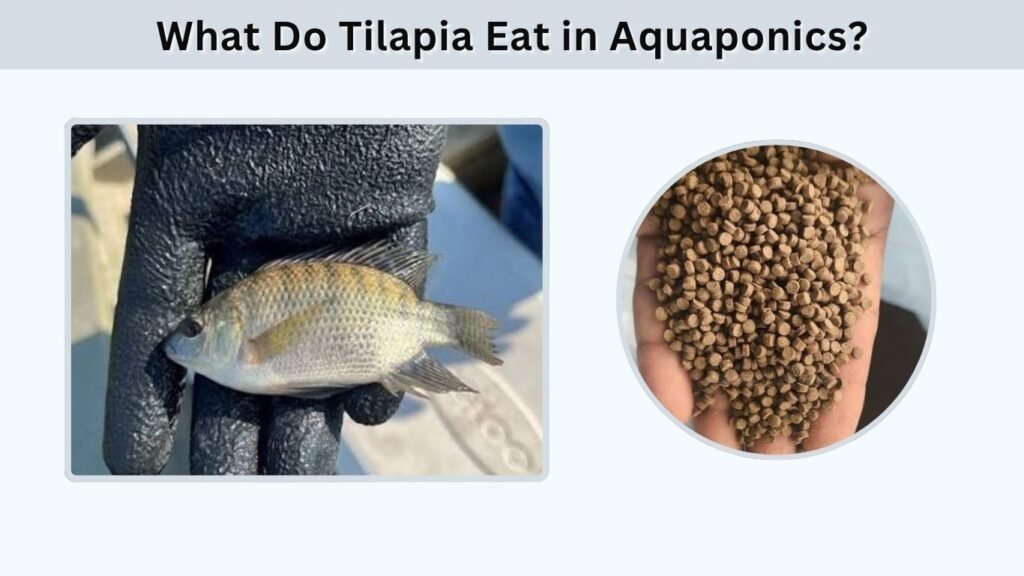
Aquaponics combines fish culture with plant production, so feed management is particularly important. The fish consume feed, their waste releases nutrients, and beneficial microorganisms help convert those nutrients into forms plants can use. Because the entire system is connected, low-quality or excessive feeding can negatively affect fish, plants, and water quality.
Best Food for Aquaponic Tilapia
Commercial aquaculture pellets are generally the most practical main diet because their nutrient content is predictable. Pellets should be appropriate for the size and developmental stage of the tilapia.
Some aquaponic growers experiment with supplementary foods such as duckweed, but these additions should complement rather than randomly replace balanced nutrition.
What Bait Do Tilapia Eat?
Tilapia can sometimes be difficult to catch because they often feed on plants and small organisms rather than aggressively chasing fish. Anglers therefore commonly experiment with food-based or natural baits that imitate items tilapia regularly encounter.
Bait Tilapia May Take
Tilapia may respond to worms, bread or dough-style baits, corn, peas, and other small plant-based offerings depending on location and feeding conditions.
Presentation can matter as much as bait choice because tilapia often feed cautiously. Fishing regulations and permitted bait types vary, so local rules should always be checked before fishing.
FAQs
1. Do tilapia eat other fish?
Tilapia are generally omnivorous grazers rather than dedicated fish predators. They mainly consume algae, plankton, plants, detritus, and small invertebrates. They may occasionally consume eggs, tiny fish, or other small animal matter when available, but fish are not usually the main component of their natural diet.
2. What plants do tilapia eat?
Tilapia may consume algae, duckweed, soft aquatic vegetation, and other plant material. The amount of vegetation eaten differs between species and environments. In captivity, plant foods are usually combined with nutritionally complete feed.
3. What do Nile tilapia eat?
Nile tilapia commonly consume phytoplankton, algae, plant material, detritus, and small aquatic organisms. In commercial farming, they are usually given formulated pellets containing balanced protein, energy, vitamins, and minerals.
4. What do blue tilapia eat?
Blue tilapia commonly graze on algae, phytoplankton, aquatic plants, detritus, and small organisms. Their diet can change according to age, habitat, and food availability, making them adaptable feeders.
5. How often should farmed tilapia be fed?
Feeding frequency depends on fish size, water temperature, farming system, stocking density, and the feed manufacturer’s recommendations. Young tilapia generally require more frequent feeding than mature fish. Farmers should avoid excessive feeding because uneaten feed can reduce water quality and increase production costs.