
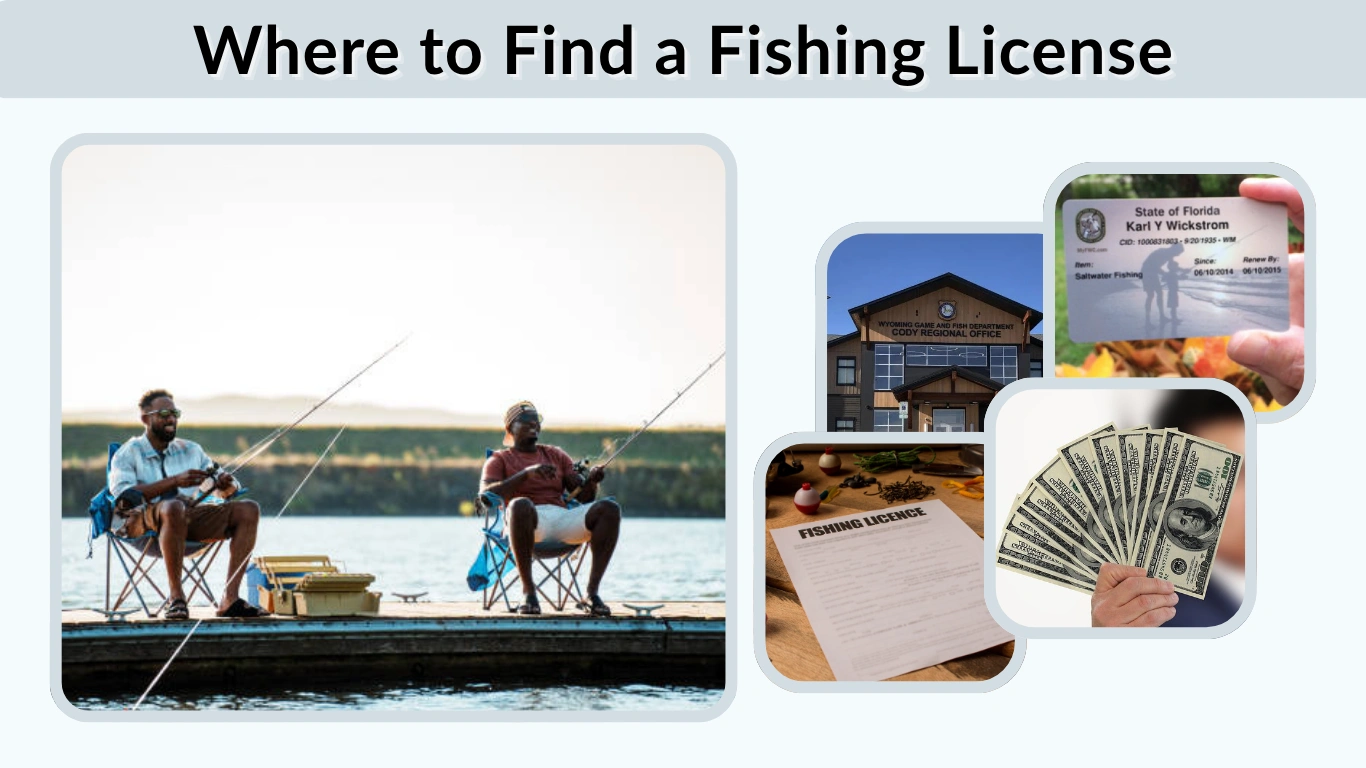
If you’re new to fishing, one of the first things you need to know is how to get a fishing license. In most places, fishing without a license is illegal and can result in fines or penalties.
A fishing license is not just a legal requirement—it also helps support conservation efforts and maintain healthy fish populations. In this beginner-friendly guide, you’ll learn where to find a fishing license, the types available, and how to get one easily.
Why You Need a Fishing License
Before heading out to fish, it’s important to understand why a license is required. Fishing regulations are designed to protect aquatic life and ensure sustainable practices.
Legal Requirement
In most countries and states, you must have a valid fishing license to fish legally. Authorities may check for licenses, and failing to provide one can result in fines or even confiscation of equipment.
The exact rules vary depending on your location, so it’s always best to check local regulations before fishing.
Supports Conservation Efforts
The money collected from fishing licenses is often used to fund conservation programs. These programs help protect fish habitats, restock lakes and rivers, and maintain clean water environments.
By purchasing a license, you are contributing to the long-term sustainability of fishing.
Promotes Responsible Fishing
Fishing licenses also encourage responsible behavior. They ensure that anglers follow rules such as catch limits, size restrictions, and seasonal guidelines.
This helps prevent overfishing and protects wildlife for future generations.
Where to Find a Fishing License
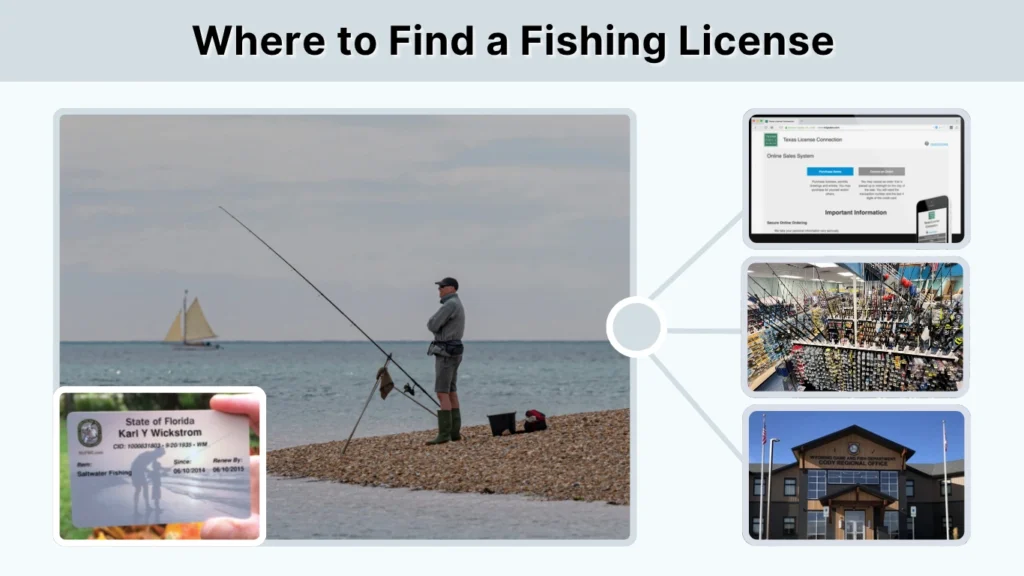
Getting a fishing license is easier than many beginners expect. There are several convenient ways to obtain one depending on your preference.
Online (Official Government Websites)
- Fastest and most convenient method
- Available anytime, including weekends
- Digital copy can often be stored on your phone
Most regions offer official websites where you can apply for a fishing license within minutes. After payment, you can usually download or print your license immediately.
Local Sporting Goods Stores
- Available at outdoor or fishing supply shops
- Staff can guide beginners through the process
- You receive a printed license instantly
This option is helpful if you prefer in-person assistance or have questions about local fishing rules and gear.
Government Offices
- Wildlife or fisheries department offices
- Reliable and official source
- Useful for special permits or detailed information
Government offices are a good choice if you need additional permits or want to understand local regulations in detail.
Types of Fishing Licenses for Beginners
Not all fishing licenses are the same. The type you need depends on where you fish and how often.
Freshwater vs Saltwater License
Freshwater licenses are required for fishing in lakes, rivers, and ponds. Saltwater licenses are needed for ocean or coastal fishing.
Some regions offer combination licenses that cover both, which can be useful if you plan to fish in different environments.
Resident vs Non-Resident License
- Residents usually pay lower fees
- Non-residents pay higher fees
- Proof of residency may be required
If you are fishing outside your home area, you will likely need a non-resident license.
Short-Term vs Annual License
Short-term licenses are ideal for beginners or tourists. They may be valid for a day, a week, or a few days.
Annual licenses are better for regular anglers, offering better value if you fish often throughout the year.
Fishing License Cost and Validity (Quick Guide)
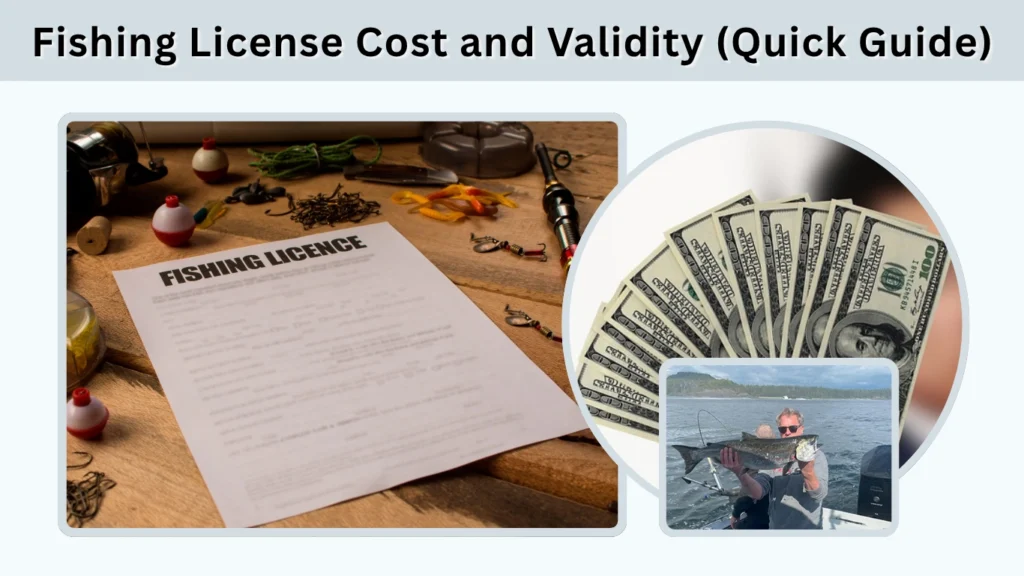
Fishing license costs vary depending on your location and the type of license you choose.
| License Type | Typical Cost | Validity |
| Daily License | $5–$20 | 1 day |
| Weekly License | $15–$40 | 7 days |
| Annual License | $20–$100 | 1 year |
| Non-Resident License | Higher cost | Varies |
This table gives a general idea, but actual prices may differ depending on local regulations.
How to Get a Fishing License Step by Step
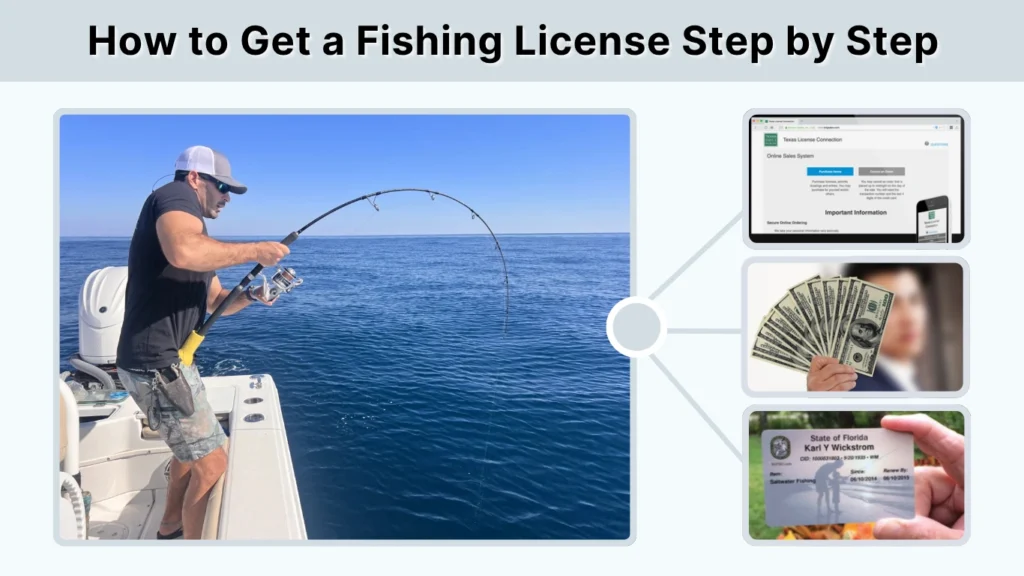
Getting a fishing license is a simple process that usually takes only a few minutes.
Step 1: Check Local Requirements
Before applying, check the fishing regulations in your area. Requirements can vary by state or country, including age limits, license types, and fishing zones.
Understanding these rules ensures you choose the correct license.
Step 2: Choose the Right License Type
Select a license based on your needs. Consider where you will fish, how often you plan to fish, and whether you are a resident or visitor.
Choosing the correct type helps you avoid legal issues and unnecessary costs.
Step 3: Apply Online or Visit a Store
Once you’ve chosen the right license, you can apply either online or in person. Online applications are usually the fastest option and can be completed in just a few minutes.
If you prefer face-to-face assistance, visiting a local sporting goods store or government office is a good alternative.
Step 4: Pay the Fee
After submitting your application, you will need to pay the required fee. Most online platforms accept credit or debit cards, while physical locations may accept cash or card payments.
The cost depends on the type of license, your residency status, and the duration of validity.
Step 5: Receive and Carry Your License
After payment, you will receive your fishing license either digitally or as a printed copy.
It’s important to carry your license with you whenever you go fishing. In many places, you may be asked to show it during inspections by authorities.
What You Need to Apply for a Fishing License
Applying for a fishing license is straightforward, but you’ll need to provide some basic information. Having these details ready will make the process faster.
Identification
- A valid government-issued ID
- Proof of residency if applying for a resident license
Identification helps confirm your eligibility and ensures you are applying for the correct license type.
Personal Information
- Full name and address
- Date of birth
- Contact details
This information is used to register your license and maintain records for regulatory purposes.
Payment Method
- Credit or debit card for online applications
- Cash or card for in-person purchases
Make sure you have a valid payment option ready to complete the process without delays.
Common Mistakes Beginners Should Avoid
Many beginners make simple mistakes when getting a fishing license. Avoiding these can save you time, money, and potential legal trouble.
Fishing Without a License
- Can result in fines or penalties
- Equipment may be confiscated
- Illegal in most areas
Always make sure you have a valid license before fishing, even if you plan to catch and release.
Choosing the Wrong License Type
- Using freshwater license in saltwater areas
- Buying short-term license when long-term is needed
- Not checking local regulations
Selecting the wrong license can lead to fines, so always double-check before purchasing.
Not Carrying the License
- You may be asked to show it at any time
- Digital copies may be accepted in some areas
- Printed copies are often safer to carry
Keeping your license accessible ensures you are always prepared during inspections.
FAQs
Do I need a fishing license for catch and release?
Yes, in most places, a fishing license is required even if you plan to catch and release fish. The law typically applies to the act of fishing itself, not just keeping fish. Always check your local regulations for specific rules.
Can I buy a fishing license online?
Yes, most regions offer online purchasing through official government websites. It is usually the fastest and most convenient method, allowing you to receive a digital copy instantly after payment.
How long does it take to get a fishing license?
Getting a fishing license is usually quick. Online applications can be completed in minutes, while in-person purchases are often immediate. The process is designed to be simple and accessible for beginners.
Is a fishing license required everywhere?
Fishing license requirements vary by location. Most areas require one, but there may be exceptions for certain age groups, private property, or special fishing days. Always check local laws before fishing.
Conclusion
Getting a fishing license is a simple but essential step for anyone interested in fishing. Whether you apply online, visit a store, or go to a government office, the process is quick and accessible.