
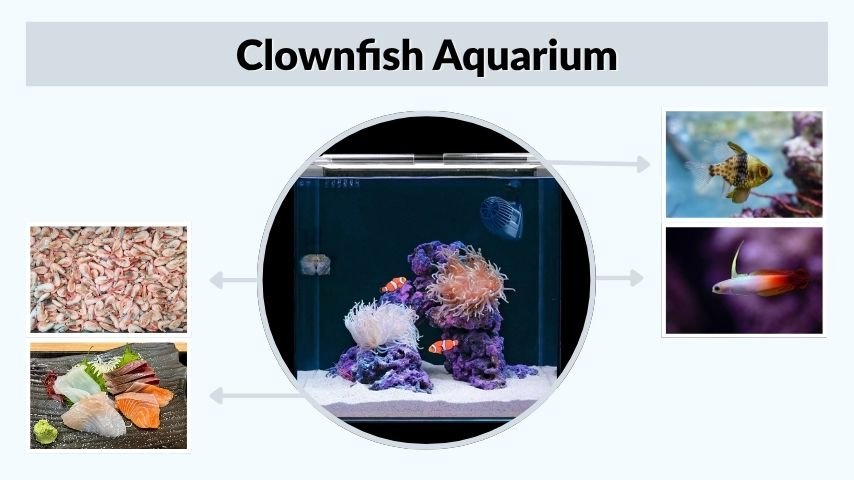
A clownfish aquarium is one of the most popular choices for beginners entering the saltwater hobby. Clownfish are colorful, active, hardy, and full of personality, making them a favorite for small marine tanks. However, they still need stable saltwater conditions, proper filtration, good food, and compatible tank mates. With the right setup, a clownfish tank can become a beautiful and manageable aquarium for years.
Why Clownfish Are Popular Aquarium Fish
Clownfish are among the best-known marine aquarium fish because of their bright colors, bold behavior, and ability to adapt well to captive life. They are usually easier to care for than many other saltwater fish, especially when they are captive-bred.
Unlike some delicate reef fish, clownfish often accept prepared foods quickly and do not need a very large aquarium when kept properly. They also stay close to their chosen territory, so they are easy to watch.
Beginner-Friendly Saltwater Fish
Many people choose clownfish as their first saltwater fish because they are hardy compared with more sensitive marine species. Captive-bred ocellaris and percula clownfish are especially popular for beginners.
They can live well in a stable tank with good water quality, regular feeding, and peaceful tank mates. Still, beginners should remember that “hardy” does not mean “maintenance-free.” Clownfish still need clean, stable saltwater to stay healthy.
Colorful and Active Behavior
Clownfish are fun to observe because they often swim in a wiggling motion and interact with their surroundings. Some will claim a corner of the tank, a rock, a coral, a powerhead, or an anemone as their home.
They may also learn to recognize feeding time and swim toward the front of the aquarium when someone approaches.
Best Tank Size for a Clownfish Aquarium
The best tank size depends on how many clownfish you want and whether you plan to add other fish, corals, or an anemone. A pair of small clownfish can live in a modest saltwater aquarium, but bigger is usually easier for beginners.
A larger tank gives more swimming room and helps keep water conditions stable. Small tanks can work, but they change temperature, salinity, and water quality faster.
Minimum Tank Size
For one or two small clownfish, many hobbyists use a tank of around 20 gallons or larger. This gives enough space for live rock, filtration, and basic aquascaping.
A very small tank can quickly become difficult because saltwater stability matters. If evaporation raises salinity or waste builds up, fish can become stressed. For beginners, a slightly larger aquarium is often easier than a tiny nano tank.
Bigger Tanks Are Easier to Manage
A 30- to 40-gallon aquarium is a better choice if you want more room for aquascaping, corals, and a few peaceful tank mates. It also gives your filtration system more time to handle small mistakes.
If you want a host anemone, a larger and more mature tank is strongly recommended because anemones need stronger lighting, stable water, and careful placement.
Clownfish Aquarium Requirements
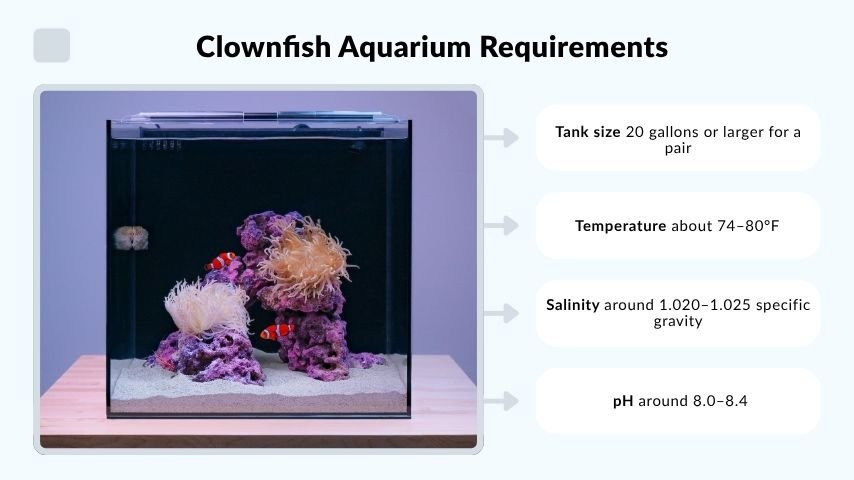
A clownfish aquarium needs more than just a tank and saltwater. It requires equipment that keeps the environment stable, oxygenated, and clean. Good equipment helps prevent stress, disease, and algae problems.
| Requirement | Recommended Range or Setup |
|---|---|
| Tank size | 20 gallons or larger for a pair |
| Temperature | About 74–80°F |
| Salinity | Around 1.020–1.025 specific gravity |
| pH | Around 8.0–8.4 |
| Ammonia | 0 ppm |
| Nitrite | 0 ppm |
| Nitrate | Low and controlled |
| Diet | Varied marine pellets, frozen foods, and meaty foods |
| Care level | Beginner to intermediate saltwater care |
Filtration
Filtration is one of the most important parts of a clownfish aquarium. A good filter removes waste, improves water movement, and supports beneficial bacteria.
Common filtration options include:
- Hang-on-back filters for simple marine tanks
- Sumps for larger reef systems
- Protein skimmers for improved waste removal
- Live rock for biological filtration
- Filter floss or sponge for mechanical filtration
Live rock is especially useful in saltwater aquariums because it provides surface area for beneficial bacteria. These bacteria help break down fish waste and keep ammonia and nitrite under control.
Heater and Thermometer
Clownfish are tropical marine fish, so they need warm, stable water. A reliable heater keeps the aquarium at the right temperature, while a thermometer helps you confirm that the heater is working correctly.
Avoid sudden temperature swings. Even if clownfish are hardy, fast changes can cause stress and make them more likely to get sick.
Lighting
Clownfish do not need powerful reef lighting by themselves. A basic marine aquarium light is enough for a fish-only clownfish tank.
However, if you plan to keep corals or an anemone, lighting becomes much more important. Anemones and many corals need stronger lights because they depend on photosynthetic organisms living in their tissue.
How to Set Up a Clownfish Aquarium
Setting up a clownfish tank should be done slowly. One of the biggest beginner mistakes is adding fish before the tank is properly cycled. A saltwater aquarium needs time to develop beneficial bacteria before it can safely support fish.
Step-by-Step Setup
Here is a simple setup process:
- Choose a tank of suitable size.
- Add marine saltwater mixed to the right salinity.
- Install the heater, filter, and water movement equipment.
- Add live rock or dry rock for structure.
- Cycle the tank before adding fish.
- Test ammonia, nitrite, nitrate, pH, and salinity.
- Add clownfish only when ammonia and nitrite are zero.
Patience is very important. A tank that looks clear is not always safe. Clear water can still contain ammonia or nitrite, which are dangerous to fish.
Cycling the Tank
Cycling is the process of building beneficial bacteria that convert toxic waste into less harmful forms. During this process, ammonia and nitrite can rise before the tank becomes safe.
Do not rush this stage. Test the water regularly and wait until ammonia and nitrite are both at zero before adding clownfish. Adding fish too early can cause stress, disease, or death.
Best Water Parameters for Clownfish
Stable water is more important than chasing perfect numbers. Clownfish can adapt to a reasonable range, but they do not do well with constant swings.
Temperature and Salinity
Keep the water warm and stable. A range of about 74–80°F works well for most clownfish aquariums. Salinity should usually stay around 1.020–1.025 specific gravity.
Evaporation can raise salinity because water leaves the tank but salt stays behind. Top off the aquarium with fresh water, not saltwater, to replace evaporation.
Ammonia, Nitrite, and Nitrate
Ammonia and nitrite should always be zero in a healthy clownfish aquarium. These compounds are toxic and can quickly harm fish.
Nitrate is less toxic but should still be kept low with water changes, proper feeding, and good filtration. High nitrate can stress fish and encourage algae growth.
Feeding Clownfish in an Aquarium
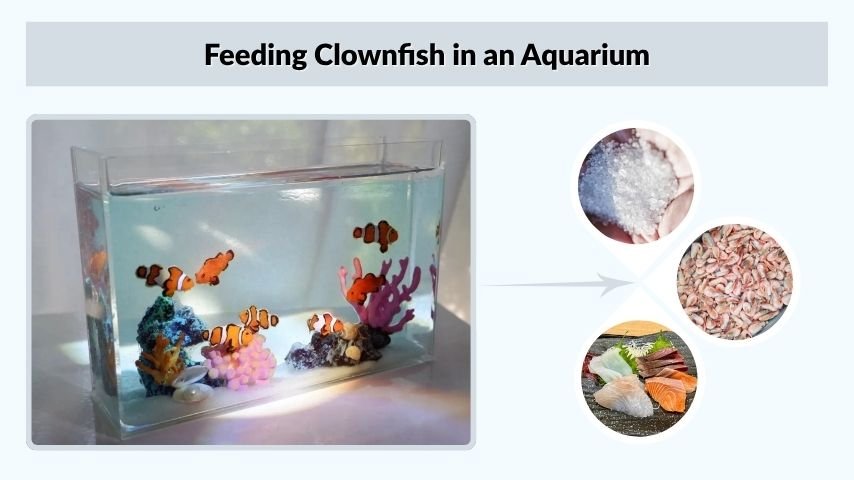
Clownfish are omnivores, meaning they eat both animal-based and plant-based foods. In an aquarium, they usually accept many prepared foods, especially if they are captive-bred.
Best Foods for Clownfish
A varied diet helps keep clownfish healthy and colorful. Good foods include:
- Marine pellets
- Marine flakes
- Frozen mysis shrimp
- Brine shrimp
- Chopped seafood
- Spirulina-based foods
- Reef-safe frozen blends
Feed small amounts rather than large portions. Clownfish have small stomachs, and extra food can pollute the water.
Feeding Schedule
Most clownfish do well with one or two small feedings per day. Give only what they can eat in a short time. Remove uneaten food if possible.
Overfeeding is one of the easiest ways to damage water quality. If nitrate rises quickly or algae grows heavily, feeding too much may be part of the problem.
Do Clownfish Need an Anemone?
Clownfish do not need an anemone to survive in an aquarium. This is one of the most common misunderstandings about clownfish care.
In the wild, clownfish often live with sea anemones for protection. In aquariums, captive-bred clownfish can live happily without one. They may choose a coral, rock, corner, or even aquarium equipment as their “host.”
Why Beginners Should Wait
Anemones are harder to care for than clownfish. They need strong lighting, stable water, proper flow, and a mature aquarium. Some anemones can move around the tank and sting corals or get injured by powerheads.
Beginners should usually start with clownfish first and wait several months before considering an anemone.
Common Host Alternatives
If you do not want an anemone, clownfish may still settle into other areas. Possible host alternatives include:
- Soft corals
- Large-polyp stony corals
- Rock caves
- Tank corners
- Artificial anemone decorations
Not every clownfish will host something, and that is normal. Some clownfish simply swim around their chosen territory.
Best Tank Mates for Clownfish
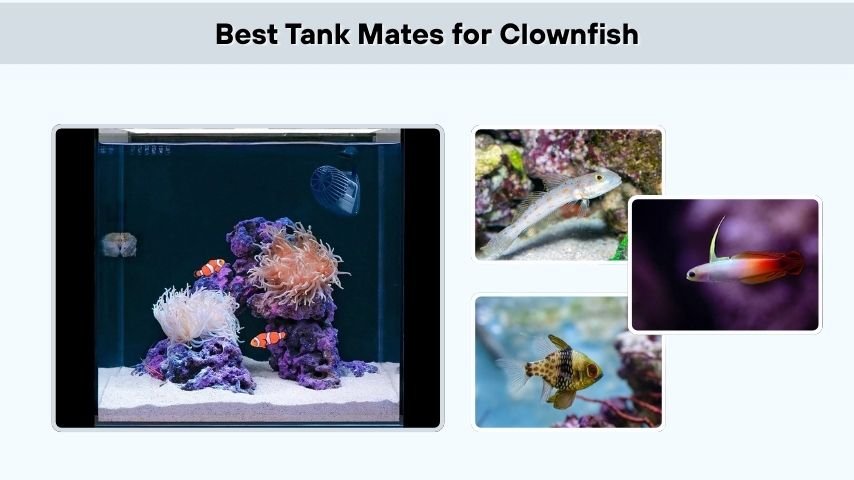
Clownfish can live with many peaceful saltwater fish, but tank mate choice depends on tank size and temperament. Some clownfish are peaceful, while others become territorial, especially when they pair up or begin breeding.
Good Tank Mates
Good clownfish tank mates include peaceful fish that do not compete aggressively for the same space.
Popular choices include:
- Gobies
- Blennies
- Cardinalfish
- Firefish
- Royal gramma
- Small wrasses in larger tanks
- Cleaner shrimp
- Snails and hermit crabs
Always research each species before adding it. A fish that works in a large reef tank may not work in a small clownfish aquarium.
Fish to Avoid
Avoid aggressive or very large fish that may bully or eat clownfish. Also avoid overcrowding, because clownfish can become territorial when space is limited.
Fish to be careful with include:
- Triggers
- Large dottybacks
- Aggressive damsels
- Large angelfish
- Predatory fish
- Fish that need much larger tanks
Adding peaceful fish first and aggressive fish last can sometimes reduce conflict, but planning is better than fixing problems later.
Common Clownfish Aquarium Problems
Even hardy clownfish can suffer if the tank is unstable. Most problems come from poor water quality, stress, overfeeding, or introducing sick fish.
Poor Water Quality
Cloudy water, algae blooms, high nitrate, and fish gasping can all point to water quality problems. Regular testing helps you catch issues early.
Basic maintenance includes:
- Weekly or regular water testing
- Partial water changes
- Cleaning filter media
- Avoiding overfeeding
- Replacing evaporated water with fresh water
- Checking salinity often
Good maintenance keeps the tank stable and prevents many beginner problems.
Disease and Stress
Clownfish can suffer from marine ich, brooklynella, fin damage, and bacterial infections. New fish should be observed carefully, and many hobbyists quarantine new arrivals before adding them to the display tank.
Signs of stress or illness include fast breathing, white spots, cloudy skin, torn fins, refusing food, hiding constantly, or rubbing against objects.
Captive-Bred vs Wild-Caught Clownfish
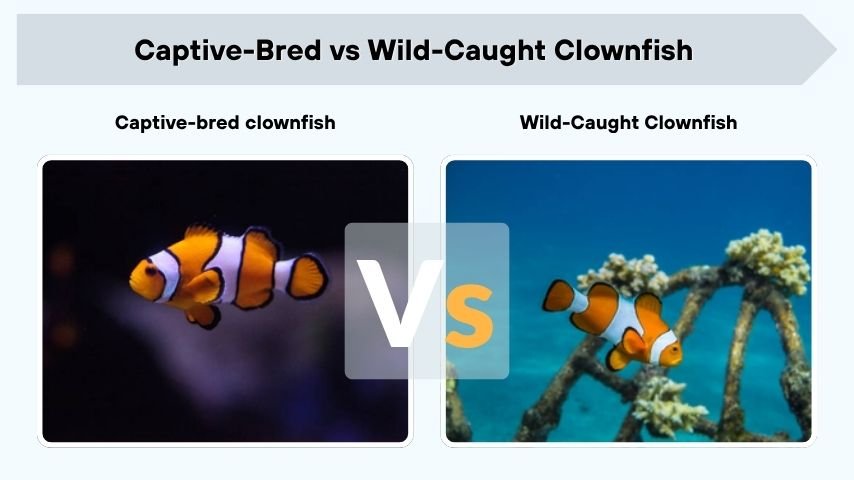
Captive-bred clownfish are usually the better choice for home aquariums. They are commonly available, adapt well to aquarium life, and usually accept prepared foods more easily.
Wild-caught clownfish may be more stressed, less adaptable, and harder on reef ecosystems if collection is not managed responsibly.
Benefits of Captive-Bred Clownfish
Captive-bred clownfish are a smart choice because they:
- Adjust better to aquarium conditions
- Often eat prepared foods quickly
- Reduce pressure on wild reef populations
- Are available in many color varieties
- Are usually better for beginners
For most hobbyists, captive-bred ocellaris or percula clownfish are the best starting point.
FAQs
Is a clownfish aquarium good for beginners?
Yes, a clownfish aquarium can be good for beginners who are ready to learn saltwater care. Clownfish are hardy compared with many marine fish, but they still need stable salinity, proper temperature, clean water, and a cycled tank before they are added.
How many clownfish should I keep together?
Most hobbyists keep one clownfish or a pair. Keeping more than two in a small tank can lead to aggression. In pairs, clownfish usually form a social order, with the larger fish becoming female and the smaller one remaining male.
Can clownfish live without coral?
Yes, clownfish can live without coral. They do not require coral or an anemone to survive in an aquarium. A fish-only tank with live rock, good filtration, and stable water can work well for clownfish.
How often should I change water in a clownfish tank?
Many clownfish tanks do well with regular partial water changes, often weekly or every two weeks depending on tank size, feeding, filtration, and nitrate level. Testing the water helps you decide whether your maintenance schedule is working.
Do clownfish need saltwater?
Yes, clownfish are marine fish and must live in saltwater. They cannot survive in freshwater. Use a proper marine salt mix and measure salinity with a refractometer or hydrometer before adding fish.
What is the best clownfish for a beginner?
Ocellaris clownfish are one of the best choices for beginners. They are hardy, widely available, commonly captive-bred, and usually peaceful compared with some larger clownfish species. Percula clownfish are also a popular beginner-friendly option.
Final Thoughts
A clownfish aquarium can be colorful, active, and beginner-friendly when it is set up correctly. The key is stable saltwater, proper cycling, good filtration, careful feeding, and peaceful tank mates. Clownfish do not need an anemone, and captive-bred fish are usually the best choice. With patience and regular maintenance, a clownfish tank can become a beautiful long-term saltwater aquarium.