
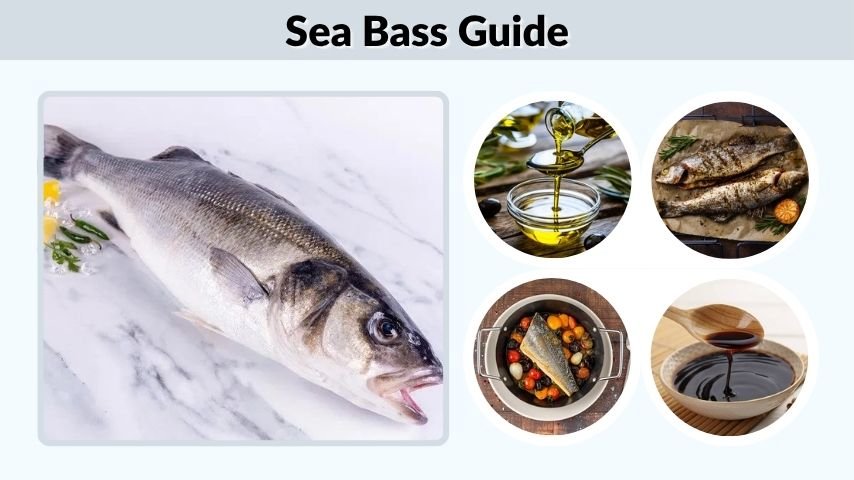
Sea bass is a popular seafood choice known for its mild flavor, tender texture, and versatility in the kitchen. The name “sea bass” can refer to several fish, including black sea bass, European sea bass, white sea bass, and Chilean sea bass. Some are true bass, while others are sold under the name for culinary reasons. This guide explains sea bass types, taste, nutrition, cooking methods, and buying tips.
What Is Sea Bass?
Sea bass is a general market name used for different saltwater fish with firm white flesh and a pleasant taste. It is not always one exact species. Depending on where you live, sea bass may refer to black sea bass, European sea bass, branzino, white sea bass, Asian sea bass, or Chilean sea bass.
For home cooks, the most important thing is to understand which type you are buying. Each type has a slightly different flavor, texture, fat level, price, and cooking style. Some sea bass fillets are lean and delicate, while others are rich, buttery, and thick.
Sea Bass at a Glance
| Sea Bass Type | Common Use | Flavor and Texture |
| Black sea bass | Baking, grilling, pan-searing | Mild, flaky, slightly sweet |
| European sea bass | Whole roasting, grilling | Clean, delicate, light |
| Chilean sea bass | Pan-searing, baking, miso glaze | Rich, buttery, firm |
| White sea bass | Grilling, roasting, fillets | Mild, meaty, lean |
| Asian sea bass | Curries, frying, steaming | Mild, adaptable, firm |
Popular Types of Sea Bass
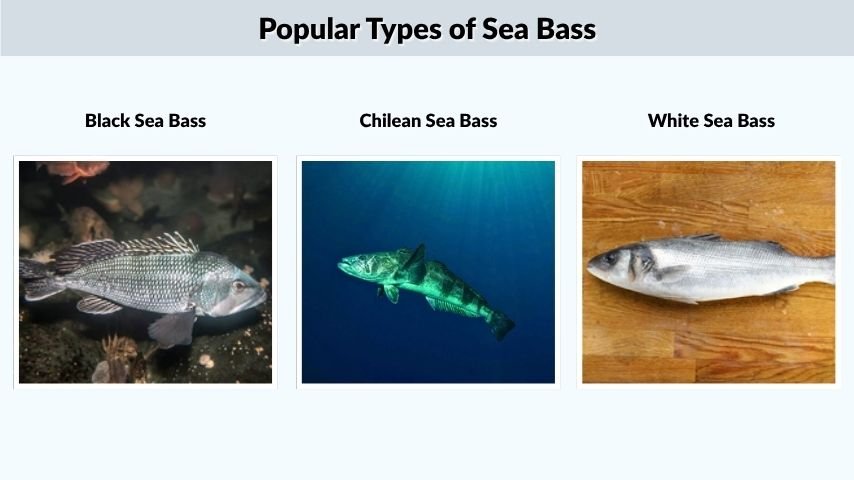
Different sea bass varieties appear in restaurants, fish markets, and recipes. Knowing the difference helps you choose the right fish for your budget and cooking method.
Black Sea Bass
Black sea bass is common along the Atlantic coast of the United States. It has a mild, sweet flavor and a flaky texture that works well in baked, grilled, or pan-seared recipes. It is often sold whole or as fillets. Black sea bass is a good option for people who want a lighter fish that does not taste too oily.
Chilean Sea Bass
Chilean sea bass is famous for its rich, buttery texture. Its real name is Patagonian toothfish or Antarctic toothfish, depending on the species. It is not a true bass, but the name became popular in seafood markets and restaurants. Chilean sea bass is often used in high-end recipes because it has thick fillets, a luxurious mouthfeel, and enough fat to stay moist during cooking.
European Sea Bass
European sea bass is also called branzino in many restaurants. It is popular in Mediterranean cooking and is often roasted whole with herbs, lemon, garlic, and olive oil. The flavor is clean, mild, and slightly sweet. It is a good choice for simple recipes because it does not need heavy seasoning.
White Sea Bass
White sea bass is another mild, meaty fish often used for grilling, roasting, or fish tacos. Despite its name, it is not always grouped with true sea bass in the strict scientific sense. In the kitchen, it is valued for its firm texture and clean flavor.
What Does Sea Bass Taste Like?
Sea bass is usually mild, slightly sweet, and clean-tasting. It does not have the strong fishy flavor found in some oily fish. The exact taste depends on the species, freshness, fat content, and cooking method.
Flavor Profile
Most sea bass has a delicate seafood flavor that works well with lemon, herbs, butter, garlic, olive oil, soy sauce, miso, ginger, chili, and Mediterranean seasonings. Black sea bass and European sea bass are lighter, while Chilean sea bass is richer and more buttery.
Texture
Sea bass texture can range from flaky and tender to firm and moist. Chilean sea bass is especially known for its thick, silky texture. Black sea bass is more delicate and flakes easily after cooking. European sea bass is often served whole because its flesh stays moist and soft when roasted or grilled properly.
Is Sea Bass Healthy?
Sea bass can be a healthy part of a balanced diet. It provides protein, minerals, and beneficial fats. However, nutrition can vary by species. Some types are lean, while Chilean sea bass is higher in fat and calories because of its naturally rich flesh.
Sea Bass Nutrition Benefits
Sea bass may offer several nutritional benefits:
- Provides high-quality protein for muscles and body repair.
- Contains omega-3 fatty acids, especially in fattier varieties.
- Offers minerals such as selenium, phosphorus, and potassium.
- Works well in lighter meals when baked, steamed, or grilled.
- Can be paired with vegetables, whole grains, and salads for a balanced dish.
Mercury and Safety Notes
Like many fish, sea bass should be eaten in moderation, especially by pregnant people, breastfeeding people, and young children. Mercury levels vary by species and source. If you eat fish often, rotate seafood choices and follow local fish advisories. Buying from trusted sellers also helps reduce the risk of mislabeled or poorly handled seafood.
How to Cook Sea Bass

Sea bass is easy to cook because it works with many methods. The key is to avoid overcooking. Most sea bass becomes dry if cooked too long, especially leaner varieties.
Pan-Seared Sea Bass
Pan-seared sea bass is one of the most popular methods. Pat the fillet dry, season it with salt and pepper, and cook it in a hot pan with oil. If the skin is on, start skin-side down and press gently for even crisping. Finish with butter, lemon juice, garlic, or herbs.
This method works well for black sea bass, European sea bass, and Chilean sea bass. Chilean sea bass may need a little longer because the fillet is usually thicker.
Baked Sea Bass
Baked sea bass is simple and beginner-friendly. Place the fish in a baking dish with olive oil, lemon, garlic, herbs, and a small amount of salt. Bake until the flesh flakes easily with a fork. Whole European sea bass or branzino is often baked with lemon slices and fresh herbs inside the cavity.
Baking is a good method when you want a clean, light dish without much oil.
Grilled Sea Bass
Grilled sea bass has a smoky flavor and attractive texture. Whole fish or firm fillets work best. Brush the fish with oil to prevent sticking, season lightly, and grill over medium heat. Avoid moving the fish too much before it releases from the grill.
Grilling pairs well with Mediterranean flavors, chili-lime marinades, or herb sauces.
Miso Glazed Sea Bass
Miso glazed sea bass is especially popular with Chilean sea bass. The fish is marinated with miso, mirin, sake, sugar, or a similar sweet-savory mixture. After marinating, it is baked or broiled until caramelized. The rich texture of Chilean sea bass holds up well to this bold glaze.
Best Seasonings for Sea Bass
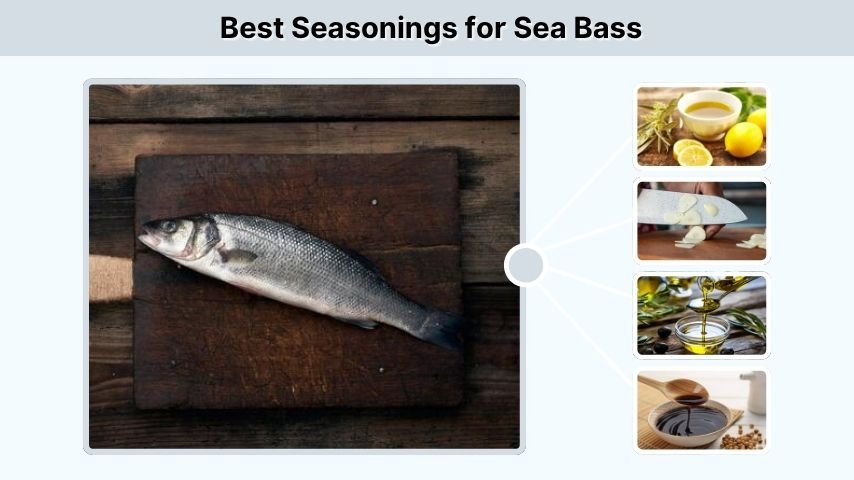
Sea bass has a mild flavor, so it works with both simple and bold seasonings. Lighter fish taste best when the seasoning supports rather than hides the natural flavor.
Simple Pairings
Good seasonings and ingredients include:
- Lemon, lime, or orange
- Garlic and shallots
- Parsley, dill, thyme, basil, or cilantro
- Olive oil or butter
- Black pepper and sea salt
- Ginger, soy sauce, or miso
- Paprika, chili flakes, or cumin
- Capers, olives, or tomatoes
Mediterranean Style
Mediterranean sea bass recipes often use olive oil, lemon, garlic, fresh herbs, cherry tomatoes, olives, and roasted vegetables. This style works well for European sea bass, branzino, and black sea bass. It keeps the dish fresh, bright, and not too heavy.
Sea Bass for Ceviche
Sea bass can be used for ceviche, but only if it is very fresh and handled safely. Ceviche uses citrus juice to change the texture of raw fish, but it does not make unsafe fish safe in the same way heat cooking does.
Choosing Fish for Ceviche
Use high-quality fish from a trusted seafood seller. Ask whether the fish is suitable for raw preparation. Keep it cold, prepare it quickly, and eat it soon after mixing. Sea bass ceviche often includes lime juice, onion, cilantro, chili, cucumber, and avocado.
If you are unsure about raw fish safety, choose cooked sea bass recipes instead.
Branzino vs Sea Bass
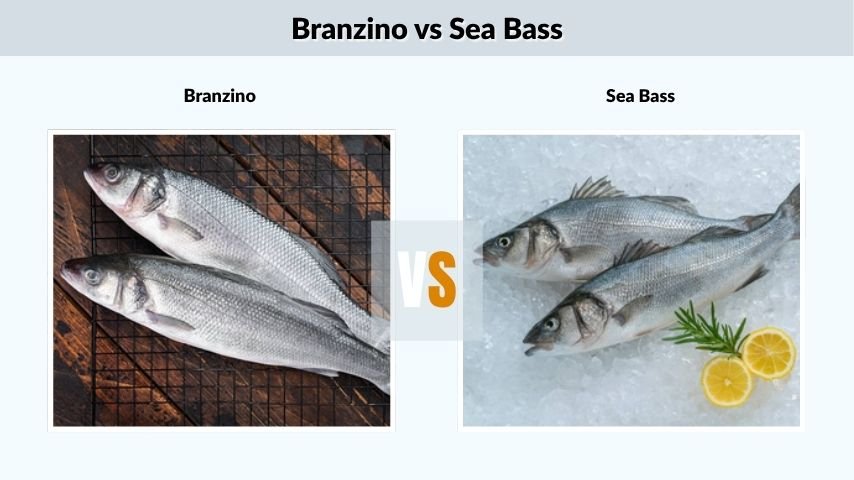
Branzino is a type of sea bass, specifically European sea bass. In restaurants, “branzino” usually refers to Mediterranean-style European sea bass, often served whole. The word sounds specific, while “sea bass” is broader and can refer to many different fish.
Main Difference
Branzino is usually mild, delicate, and commonly roasted or grilled whole. Sea bass is a wider category that may include black sea bass, white sea bass, Chilean sea bass, and other fish. When a menu says “sea bass,” ask which species it is if price, sustainability, or flavor matters to you.
Buying Sea Bass
Sea bass can be fresh, frozen, whole, or filleted. The best option depends on your cooking plan and budget. Fresh fish should smell clean, not sour or overly fishy.
What to Look For
When buying sea bass, check for:
- Clear, bright eyes if buying whole fish.
- Firm flesh that springs back when pressed.
- Clean ocean-like smell.
- Moist fillets without dry edges.
- Bright skin and shiny scales.
- Reliable labeling with species and origin.
- Proper cold storage at the market.
Frozen sea bass can also be excellent if it was frozen quickly and stored properly. Avoid packages with heavy ice crystals, freezer burn, or torn wrapping.
Sustainability and Sea Bass
Sustainability depends on the species, fishing area, and harvest method. Some sea bass fisheries are well-managed, while others may raise concerns about overfishing, bycatch, or illegal fishing. Chilean sea bass has had a history of illegal fishing concerns, so buyers should look for traceable, responsibly sourced products.
How to Choose Responsibly
Check labels, ask your fishmonger about origin, and use trusted seafood guides when possible. For restaurants, ask where the fish comes from. Choosing responsibly sourced seafood supports healthier oceans and helps protect fish populations for the future.
Sea Bass Recipe Ideas
Sea bass can fit many cuisines and cooking styles. It is mild enough for simple family meals but elegant enough for special dinners.
Easy Recipe Options
You can try:
- Pan-seared sea bass with lemon butter.
- Baked sea bass with garlic and herbs.
- Grilled sea bass with olive oil and lemon.
- Miso glazed Chilean sea bass.
- Sea bass ceviche with lime and cilantro.
- Mediterranean sea bass with tomatoes and olives.
- Black sea bass tacos with slaw.
- Whole roasted branzino with herbs.
For a beginner, baked sea bass is the easiest method. For a restaurant-style meal, pan-seared or miso glazed sea bass is a strong choice.
FAQs
What is sea bass fish?
Sea bass is a common name used for several saltwater fish with mild white flesh. It may refer to black sea bass, European sea bass, white sea bass, Asian sea bass, or Chilean sea bass. Because the name covers different species, it is helpful to check the exact fish before buying.
Is Chilean sea bass really sea bass?
Chilean sea bass is not a true bass. It is a market name for Patagonian toothfish or Antarctic toothfish. The name became popular because it sounded more appealing to seafood buyers. In cooking, it is valued for its rich flavor, thick fillets, and buttery texture.
What is the best way to cook sea bass?
The best way depends on the type of sea bass. Pan-searing is great for crispy skin and quick meals. Baking is easy for beginners, while grilling adds smoky flavor. Chilean sea bass works especially well with miso glaze, butter sauces, or gentle baking because it stays moist.
Is sea bass healthy to eat?
Sea bass can be healthy because it provides protein, minerals, and beneficial fats. Lean types are lighter, while Chilean sea bass is richer and higher in fat. Like many seafood choices, it should be eaten in moderation, especially by people who need to watch mercury exposure.
What does sea bass taste like?
Sea bass usually tastes mild, clean, and slightly sweet. Black sea bass and European sea bass are delicate and light, while Chilean sea bass is richer and buttery. It is not usually strongly fishy, which makes it a good choice for people who prefer mild seafood.