
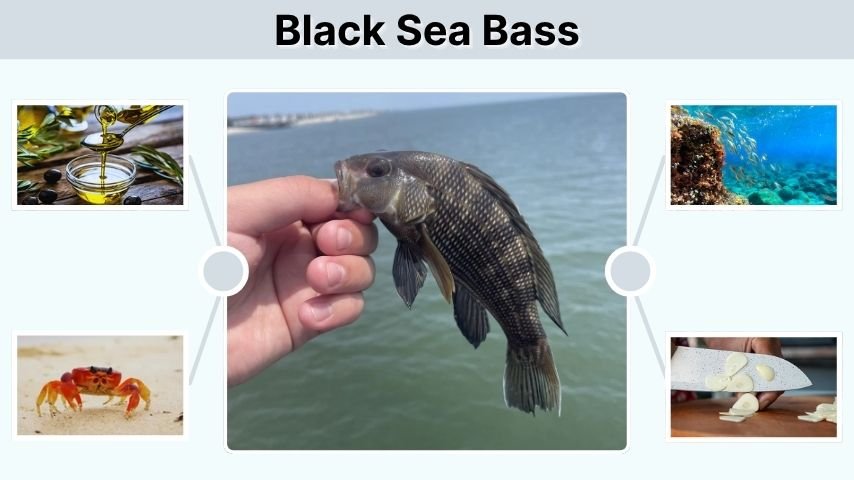
Black sea bass is a popular Atlantic fish known for its mild flavor, firm white flesh, and excellent cooking versatility. It is often used in baked, grilled, pan-seared, and whole-fish recipes. Although it belongs to the wider “sea bass” category in seafood markets, black sea bass has its own unique appearance, habitat, taste, and culinary value. Whether you want to identify the fish, cook it at home, or understand its nutrition, this guide explains everything in simple detail.
What Is Black Sea Bass?
Black sea bass is a saltwater fish found along the Atlantic coast of North America. Its scientific name is Centropristis striata. It belongs to the Serranidae family, which includes groupers and related sea bass species. In seafood markets, it is valued for its delicate flavor and easy-to-cook fillets.
Black sea bass is not the same as Chilean sea bass. Chilean sea bass is actually a market name for toothfish, while black sea bass is a true Atlantic species. This difference matters because the flavor, price, sustainability, and cooking style can vary between the two.
Black Sea Bass Overview
| Feature | Details |
| Common name | Black sea bass |
| Scientific name | Centropristis striata |
| Fish type | Saltwater fish |
| Main region | U.S. Atlantic coast |
| Flavor | Mild, clean, slightly sweet |
| Texture | Firm, flaky, and moist |
| Best cooking methods | Baking, grilling, pan-searing, steaming, roasting |
Black Sea Bass Identification
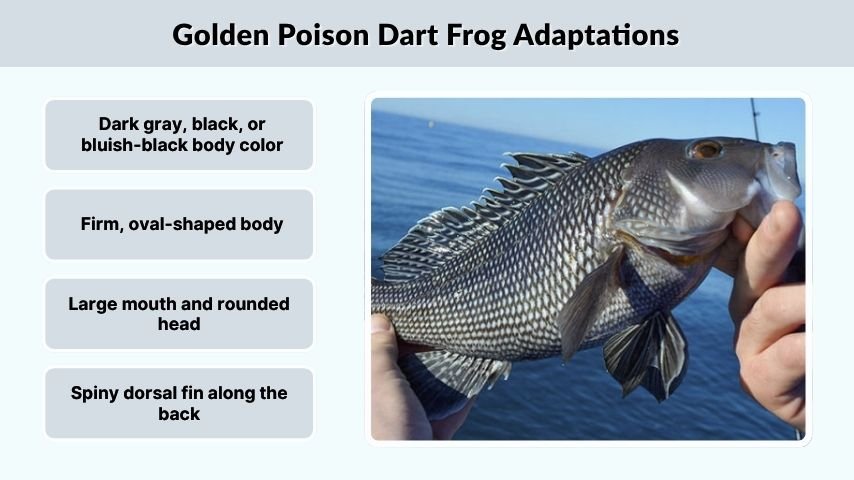
Black sea bass has a deep, compressed body with dark coloring and a spiny dorsal fin. Adults often appear black, smoky gray, brownish, or bluish-black depending on age, sex, season, and light. Some individuals show pale markings, speckled sides, or blue highlights, especially mature males.
Key Features
- Dark gray, black, or bluish-black body color
- Firm, oval-shaped body
- Large mouth and rounded head
- Spiny dorsal fin along the back
- Pale or speckled markings on the sides
- White or lighter belly
- Strong fins suited for moving around reefs and structure
Male black sea bass may develop brighter blue markings during the spawning season. Their dorsal fins may also look more pronounced. Younger fish can appear lighter or more brownish than large adults.
Black Sea Bass Habitat and Range
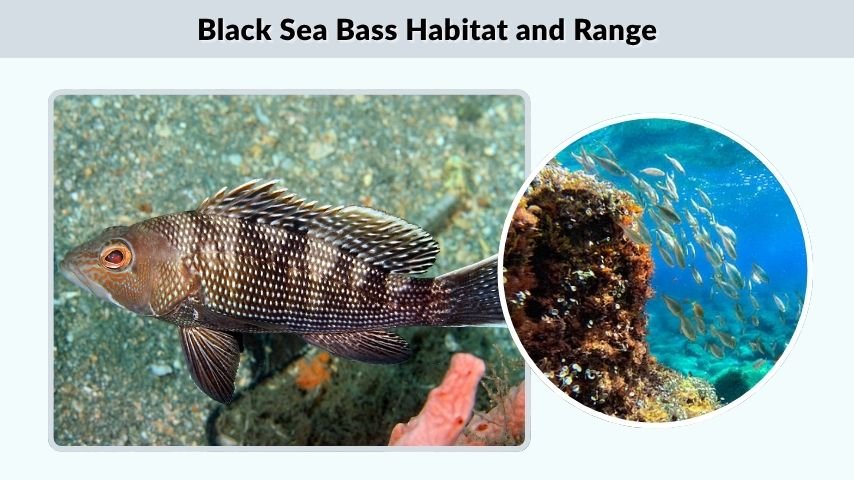
Black sea bass are strongly associated with structured habitats. They are commonly found around reefs, rocky bottoms, wrecks, jetties, mussel beds, coral patches, and other hard-bottom areas. These places give them shelter, feeding opportunities, and protection from predators.
NOAA notes that the U.S. black sea bass fishery operates from Maine to Florida, and the species is linked with structured habitats. Black sea bass move offshore and south in fall, then return north and inshore during warmer periods. This seasonal movement is important for both fishing and population management.
Where Do Black Sea Bass Live?
Black sea bass live mostly along the Atlantic coast, especially from the northeastern United States to the southeastern coast. Their exact depth and location can change with season. During warmer months, they may be found closer to shore. During colder months, many move to deeper offshore waters.
Young black sea bass may use estuaries and nearshore habitats with structure, while adults are often linked with reefs, rocky areas, and wrecks. This habitat preference also explains why anglers often target them near bottom structure.
Black Sea Bass Diet and Behavior
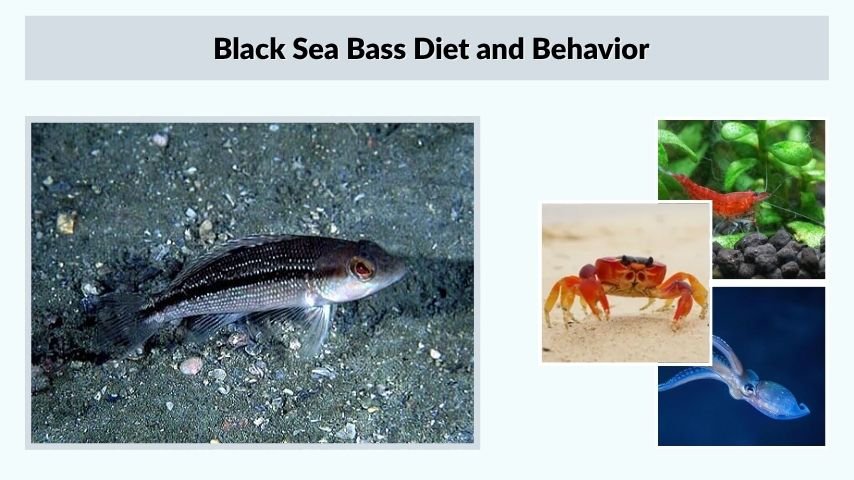
Black sea bass are bottom-associated predators. They feed on many small marine animals found around reefs and seafloor habitats. Their diet helps them fit into the food web as both predator and prey.
What Do Black Sea Bass Eat?
Black sea bass commonly eat crabs, shrimp, small fish, squid, worms, clams, and other invertebrates. Their strong mouth helps them capture prey around rocks, reefs, and sandy bottoms. Because they live close to structure, they often feed in areas where small animals hide.
Their diet can vary by size and location. Smaller black sea bass may eat tiny crustaceans and worms, while larger adults can eat bigger crabs, fish, and squid. This varied diet contributes to their clean, mild seafood flavor.
Black Sea Bass Size and Lifespan
Black sea bass are usually medium-sized fish, though larger individuals can grow heavier and longer. Market fish are often sold whole or as fillets, and their size makes them useful for roasting, grilling, or pan-searing.
How Big Do Black Sea Bass Get?
Many black sea bass caught for food are modest in size, but adults can grow larger depending on age, region, and fishing pressure. Their body is thick enough to provide firm fillets, yet small enough that whole black sea bass is practical for oven roasting or grilling.
Black sea bass can live for several years in the wild. Growth and lifespan depend on food availability, water temperature, predation, fishing pressure, and habitat quality.
Black Sea Bass Taste and Texture
Black sea bass is popular because it has a mild, clean flavor that appeals to many seafood lovers. It is less oily than some fish and does not usually have a strong fishy taste. This makes it a good choice for people who prefer delicate white fish.
What Does Black Sea Bass Taste Like?
Black sea bass tastes mild, slightly sweet, and fresh. The flesh is white, moist, and flaky when cooked properly. It has enough firmness to hold up in many recipes, but it is still tender. Compared with Chilean sea bass, black sea bass is lighter and less buttery. Compared with some lean white fish, it often has a more pleasant sweetness.
This fish works well with simple seasonings because its natural flavor is not overpowering. Lemon, garlic, herbs, olive oil, butter, ginger, soy sauce, and Mediterranean ingredients all pair well with it.
Black Sea Bass Nutrition
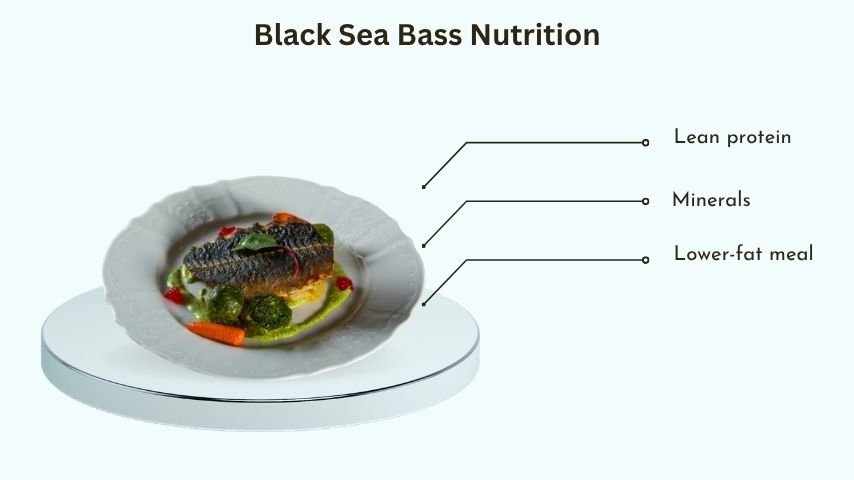
Black sea bass can be a healthy seafood choice when prepared with balanced ingredients. It provides high-quality protein and useful nutrients while remaining lighter than many fatty fish. The final nutrition depends on cooking method, portion size, sauces, and added oil or butter.
Nutrition Benefits
Black sea bass may support a healthy diet because it provides:
- Lean protein for muscle repair and body maintenance
- Minerals that support normal body function
- A mild fish option for people who dislike strong seafood
- Lower-fat meal possibilities when baked, grilled, or steamed
- A versatile protein for vegetable-based meals
For a healthier dish, pair black sea bass with vegetables, brown rice, quinoa, roasted potatoes, salad, or whole grains. Avoid making the meal too heavy with deep-frying, thick cream sauces, or excessive butter.
Is Black Sea Bass Healthy to Eat?
Black sea bass can be part of a healthy diet, especially when cooked by baking, grilling, steaming, or pan-searing with moderate oil. Like all fish, it should be eaten as part of a varied seafood routine rather than as the only fish in your diet.
Mercury and Safety
People who are pregnant, breastfeeding, or feeding young children should follow fish-consumption guidance from health authorities. The FDA and EPA recommend choosing fish from safer categories and eating a variety of fish. If black sea bass is locally caught, it is also smart to check local fish advisories because contaminant levels can vary by area.
How to Cook Black Sea Bass
Black sea bass is easy to cook because it has firm flesh and a mild flavor. The most important rule is to avoid overcooking. When cooked too long, the fish can become dry and lose its delicate texture.
Pan-Seared Black Sea Bass
Pan-searing is a quick method that gives the fish a golden exterior. Pat the fillets dry, season with salt and pepper, and heat a little oil in a skillet. If the skin is on, cook skin-side down first until crisp. Flip gently and finish with lemon juice, butter, garlic, or herbs.
This method is ideal for fillets because it keeps the outside flavorful while preserving moisture inside.
Baked Black Sea Bass
Baked black sea bass is simple and beginner-friendly. Place the fish in a baking dish with olive oil, lemon slices, garlic, parsley, and a small amount of salt. Bake until the flesh turns opaque and flakes easily. Whole black sea bass can also be stuffed with herbs and lemon before roasting.
Baking is a good choice if you want a lighter meal with less active cooking time.
Grilled Black Sea Bass
Grilled black sea bass has a smoky flavor and works especially well for whole fish. Brush the fish with oil to reduce sticking, season it lightly, and cook over medium heat. A grill basket can help keep the fish from breaking apart.
Grilling pairs well with citrus, fresh herbs, chili-lime seasoning, or Mediterranean-style sauces.
Best Seasonings for Black Sea Bass
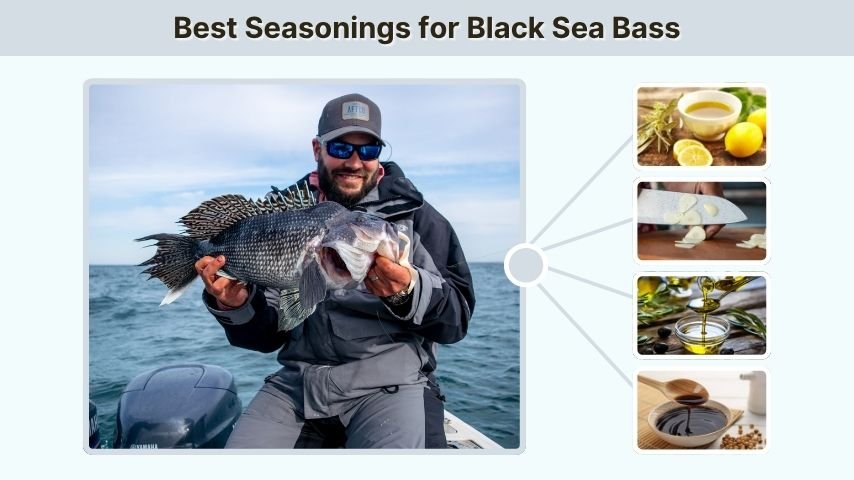
Black sea bass does not need heavy seasoning. Its mild flavor shines with fresh, simple ingredients. Strong sauces can work, but they should not completely cover the natural taste of the fish.
Good Flavor Pairings
- Lemon or lime juice
- Garlic and shallots
- Parsley, dill, basil, thyme, or cilantro
- Olive oil or light butter
- Ginger and soy sauce
- Paprika or chili flakes
- Capers and olives
- Cherry tomatoes and roasted vegetables
For a Mediterranean style, use olive oil, lemon, garlic, parsley, tomatoes, olives, and herbs. For an Asian-inspired dish, use ginger, scallions, soy sauce, sesame oil, and a touch of chili.
Black Sea Bass Recipe Ideas
Black sea bass can be used in many home recipes. It is suitable for quick weeknight meals and elegant seafood dinners. The fish is mild enough for simple recipes but firm enough for more flavorful preparations.
Easy Recipe Options
Try these black sea bass recipe ideas:
- Pan-seared black sea bass with lemon butter
- Baked black sea bass with garlic and herbs
- Grilled black sea bass with olive oil and lemon
- Whole roasted black sea bass with Mediterranean vegetables
- Black sea bass tacos with cabbage slaw
- Steamed black sea bass with ginger and scallions
- Black sea bass with tomato, capers, and olives
- Crispy skin black sea bass with fresh salad
If you are new to cooking fish, baked black sea bass is the easiest starting point. If you want a restaurant-style result, try pan-searing with crispy skin.
Black Sea Bass vs Sea Bass
The term “sea bass” is broad and can refer to many fish. Black sea bass is one specific species, while sea bass may also refer to European sea bass, white sea bass, Asian sea bass, or Chilean sea bass.
Main Difference
Black sea bass is a true Atlantic fish with mild, flaky flesh. Chilean sea bass is actually toothfish and has a much richer, fattier texture. European sea bass, often called branzino, is lighter and commonly cooked whole. Because seafood names can be confusing, it is always helpful to ask the fishmonger which species you are buying.
Buying Black Sea Bass
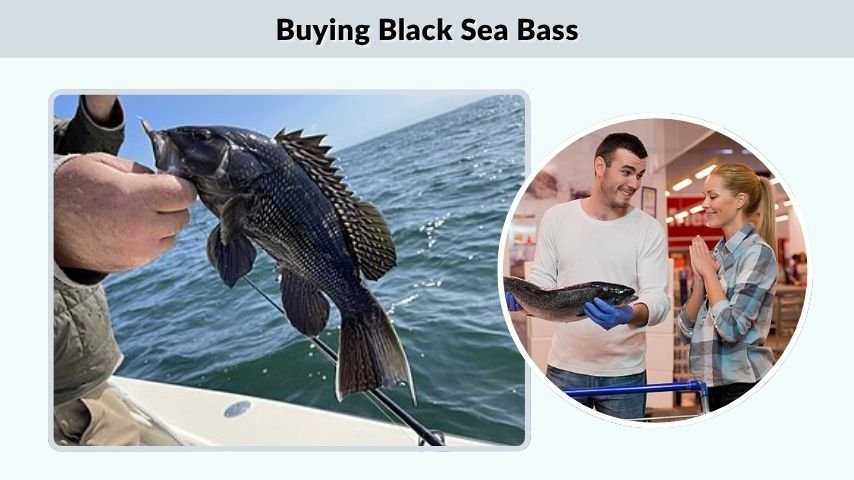
Fresh black sea bass should smell clean and ocean-like, not sour or overly fishy. Whole fish and fillets can both be good choices if they are handled properly.
What to Look For
When buying black sea bass, check for:
- Clear eyes if buying whole fish
- Bright, moist skin
- Firm flesh that springs back gently
- Clean seafood smell
- No slimy texture or dry edges
- Proper cold storage
- Accurate labeling with species and origin
Frozen black sea bass can also be a good option if it was frozen quickly and packaged well. Avoid fish with freezer burn, torn packaging, or excessive ice crystals.
Sustainability and Fishing
Sustainability depends on where and how the fish is caught. Black sea bass in the U.S. Atlantic is managed through fishery regulations, but seafood buyers should still pay attention to source and harvest method.
Seafood Watch currently rates U.S. Atlantic black sea bass caught by bottom trawl or handline as yellow, meaning “Good Alternative.” It also notes that the stock is healthy, though some bycatch concerns remain depending on gear type. Choosing traceable, responsibly sourced fish helps support better seafood practices.
FAQs
1. What is black sea bass?
Black sea bass is a saltwater fish found along the Atlantic coast of North America. Its scientific name is Centropristis striata. It has dark coloring, firm white flesh, and a mild flavor. It is commonly used in baked, grilled, pan-seared, steamed, and whole-fish recipes.
2. What does black sea bass taste like?
Black sea bass has a mild, clean, slightly sweet flavor. Its flesh is white, moist, and flaky when cooked correctly. It is less rich than Chilean sea bass but more flavorful than some very lean white fish. Lemon, garlic, herbs, butter, and olive oil pair well with it.
3. Is black sea bass healthy?
Black sea bass can be a healthy seafood choice because it provides lean protein and important nutrients. It is best prepared by baking, grilling, steaming, or pan-searing with moderate oil. People who are pregnant, breastfeeding, or serving fish to children should follow FDA and EPA fish-consumption advice.
4. How do you cook black sea bass?
Black sea bass can be pan-seared, baked, grilled, steamed, or roasted whole. For fillets, pan-searing creates a crisp outside and tender inside. Baking is easier for beginners. Whole black sea bass is excellent roasted or grilled with lemon, garlic, olive oil, and fresh herbs.
5. Is black sea bass the same as Chilean sea bass?
No, black sea bass and Chilean sea bass are different. Black sea bass is an Atlantic species called Centropristis striata. Chilean sea bass is a market name for toothfish. Chilean sea bass is richer and fattier, while black sea bass is lighter, milder, and flakier.