
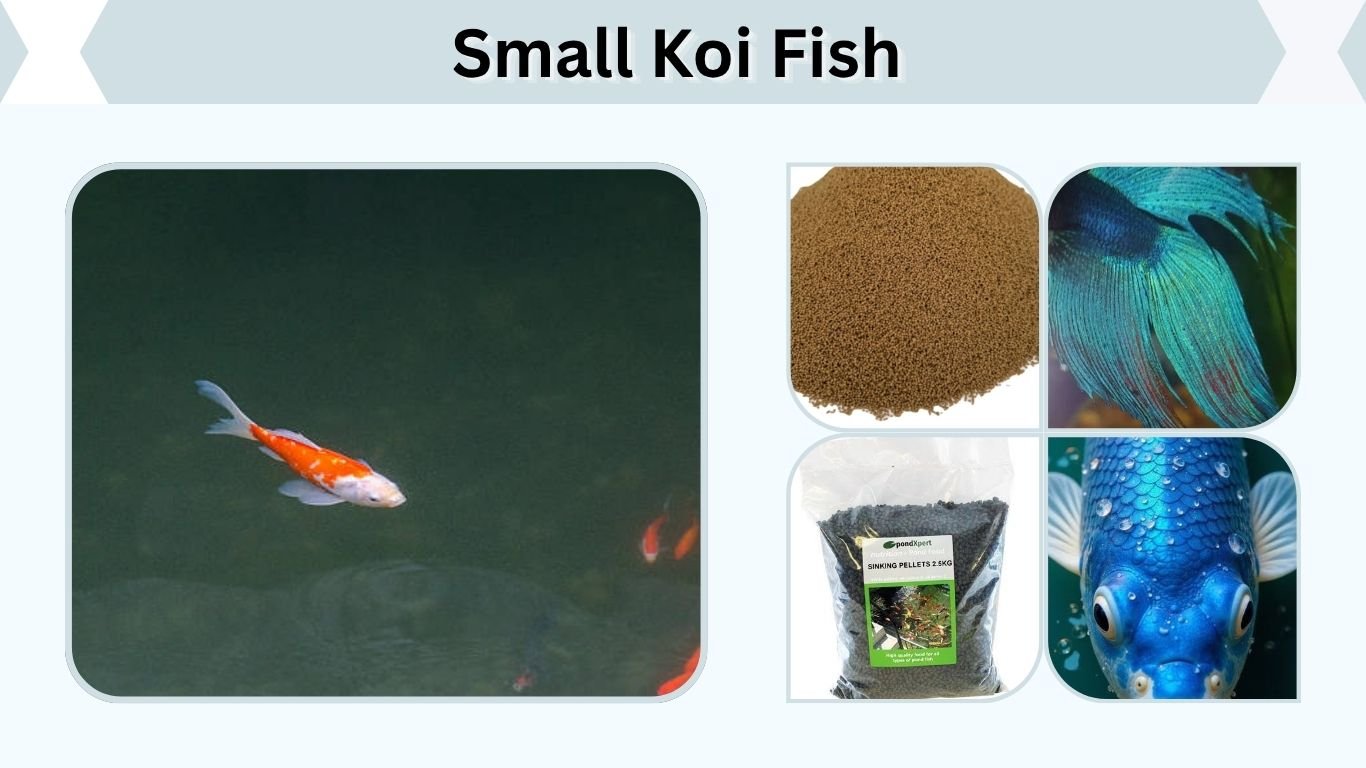
Small koi fish are colorful young koi that can bring the beauty of traditional Japanese carp to a backyard pond while they are still only a few inches long. Although they may be sold as miniature or small koi, most healthy koi do not remain tiny permanently. With good food, clean water, and sufficient space, they can grow into large adults. Understanding their adult size, pond requirements, food, price, aquarium limitations, and compatibility with larger fish is important before bringing small koi home.
Are There Koi Fish That Stay Small?
Most koi sold as small koi are simply juveniles rather than miniature breeds. They may measure only a few inches when purchased but have the genetic potential to become substantially larger. Final size depends on genetics, nutrition, water quality, stocking density, and available swimming space.
How Big Do Small Koi Fish Get?
A young koi may be only 3–6 inches long, but adults commonly reach:
- 18–24 inches under good pond conditions
- 24–30 inches for many well-grown koi
- More than 30 inches for exceptional individuals
- Larger sizes in high-quality bloodlines with excellent care
Keeping koi in a small environment may restrict healthy development, but deliberately limiting space is not a responsible way to create a permanently miniature koi.
Are There Mini Koi Fish?
There is no widely recognized category of true dwarf koi comparable to miniature dog breeds.
Some koi naturally remain smaller because of genetics or growing conditions, and certain varieties may average somewhat smaller than others. However, anyone buying a “mini koi” should assume the fish can eventually require a full-size koi pond.
If you specifically want a small ornamental fish with koi-like colors, some goldfish varieties may be more appropriate.
Can Koi Fish Live in a Small Pond?
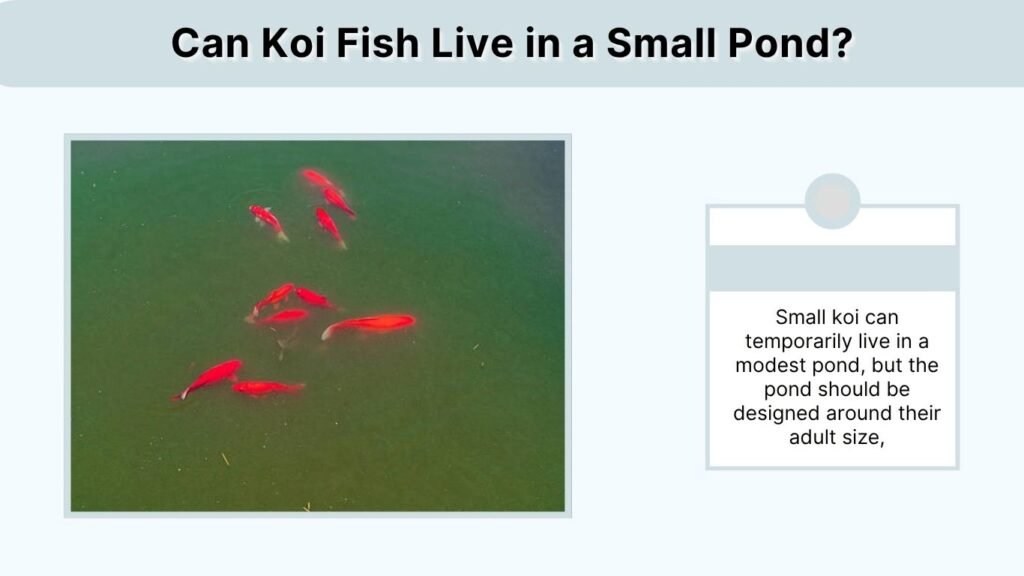
Small koi can temporarily live in a modest pond, but the pond should be designed around their adult size, not their current juvenile size. Koi are active swimmers that produce considerable waste, so water volume and filtration become increasingly important as they grow.
Small Koi Fish Pond Requirements
A suitable pond should provide:
- Strong biological and mechanical filtration
- Good water circulation
- Adequate aeration
- Enough depth for temperature stability
- Open swimming space
- Protection from predators
- Regular water testing
- Easy access for maintenance
Many koi keepers prefer ponds holding 1,000 gallons or more, with considerably larger volumes being better for groups of adult koi.
Small Koi Fish Pond Design
A practical design should combine open swimming areas with protected sections.
Include deeper water where fish can retreat during hot or cold weather. Steeper sides can make it more difficult for herons and other predators to stand at the pond edge.
Avoid filling the entire pond with decorations. Koi need plenty of unobstructed room to turn and swim.
Can Small Koi Fish Live in a Tank?
Very small juvenile koi can be kept temporarily in a large aquarium or indoor holding tank, particularly during quarantine. However, an ordinary home aquarium is rarely suitable as their permanent home.
Koi grow quickly and produce more waste than many common aquarium fish.
Small Koi Fish Tank Requirements
If juvenile koi must temporarily stay indoors, provide:
- The largest practical tank
- Powerful filtration
- Strong aeration
- Frequent water testing
- Regular partial water changes
- Plenty of swimming space
- Secure covers if jumping occurs
- Stable water temperature
Ammonia and nitrite should remain at safe levels because koi can quickly overwhelm an undersized filtration system.
Why Small Aquariums Are a Problem
A koi that looks comfortable at four inches can soon become too large for the same aquarium.
Crowded conditions can contribute to:
- Poor water quality
- Slow or abnormal development
- Increased stress
- Fin damage
- Greater disease risk
- Low oxygen
- Rapid waste buildup
A pond or very large specialized system is therefore preferable for long-term koi keeping.
What Do Small Koi Fish Eat?
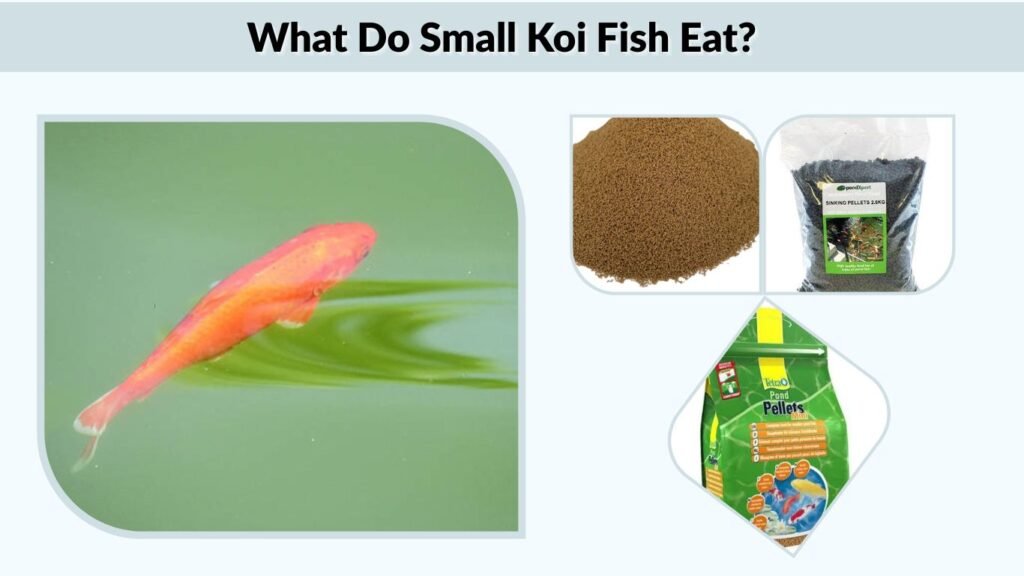
Young koi are omnivorous and need balanced nutrition to support rapid growth, immunity, and healthy coloration. Commercial koi pellets are generally the easiest way to provide consistent nutrition.
Best Food for Small Koi Fish
Useful foods include:
- Small koi pellets
- Mini floating pellets
- Quality sinking pellets
- Insect-based koi foods
- Occasional vegetables
- Small aquatic invertebrates
- Natural foods available in established ponds
Choose pellets small enough for the fish to swallow easily.
How Often Should Small Koi Be Fed?
Young koi can usually be given several small meals during warm periods when their metabolism is active.
Rather than adding a large amount at once, provide an amount they can consume quickly. Remove or reduce uneaten food because it decomposes and harms water quality.
Feeding should also be adjusted as water temperatures fall because koi digestion slows considerably in colder conditions.
Small Koi Fish Care
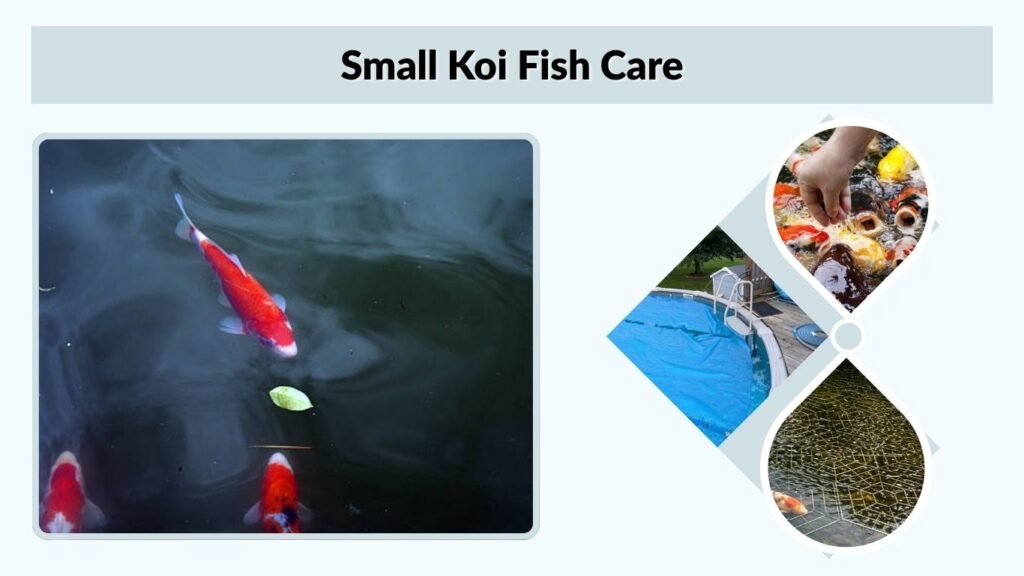
Caring for small koi involves more than feeding them frequently. Juveniles are sensitive to sudden water-quality problems, and their rapid growth means filtration requirements can change quickly.
Basic Care Checklist
Maintain:
- Clean, oxygen-rich water
- Stable pH
- Zero or near-zero harmful ammonia and nitrite
- Appropriate nitrate management
- Reliable filtration
- Regular partial water changes
- Proper stocking levels
- High-quality food
- Protection against predators
- Observation for parasites or disease
Test water regularly rather than judging its quality only by appearance. Crystal-clear water can still contain harmful chemicals.
Quarantining New Small Koi
New koi should ideally be quarantined before entering an established collection.
Quarantine provides time to observe:
- Feeding behavior
- Swimming activity
- Skin condition
- Fin condition
- Parasites
- Signs of infection
Introducing a sick fish directly into a pond can expose every existing koi.
Do Koi Eat Smaller Fish?
Koi are not specialized fish predators, but they are opportunistic omnivores. A large koi may swallow something small enough to fit into its mouth, particularly tiny fry.
However, established koi of different sizes can often live together successfully.
Will Large Koi Eat Small Koi?
Very tiny koi fry may be at risk around large adults.
To reduce problems:
- Avoid mixing newly hatched fry with large koi
- Provide hiding areas for juveniles
- Introduce fish once they reach a safer size
- Keep fish adequately fed
- Observe the group after introduction
Larger juvenile koi are generally much less likely to be swallowed.
Small Koi Fish Price
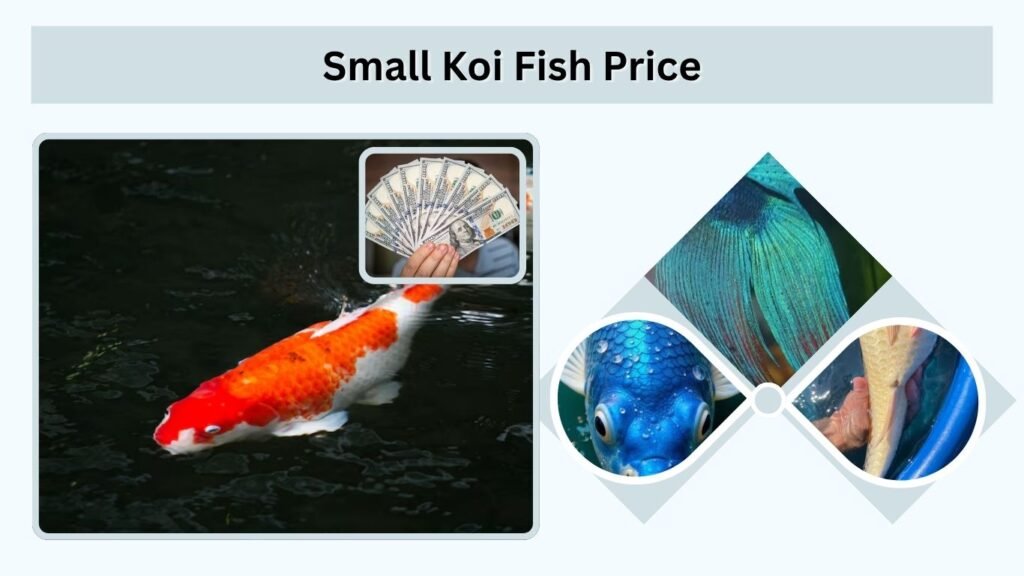
The price of a small koi varies enormously. Ordinary pond-grade juveniles can be affordable, while young koi from prestigious Japanese breeders may cost significantly more because of their bloodline and show potential.
What Determines the Price?
Important factors include:
- Variety
- Breeder
- Bloodline
- Pattern quality
- Skin quality
- Color
- Body shape
- Age
- Size
- Sex
- Country of origin
A small koi should not automatically be considered inexpensive simply because it is young.
Exceptional juveniles may command high prices if breeders believe they have excellent development potential.
Small Koi Fish for Sale: What to Look For
Buying small koi gives owners the opportunity to watch colors and patterns develop over time. However, young fish can change significantly, so purchasing should focus on health and body quality rather than appearance alone.
Signs of a Healthy Small Koi
Look for:
- Active, balanced swimming
- Clear eyes
- Smooth body shape
- Intact fins
- Healthy skin
- No open sores
- No excessive mucus
- Normal breathing
- Good appetite
- No repeated flashing or rubbing
Avoid koi that constantly isolate themselves, gasp at the surface, or show obvious wounds unless you are prepared to provide specialized treatment.
Buying Japanese Small Koi
Japanese koi may be sold with information about the breeder and variety.
Popular varieties include Kohaku, Sanke, Showa, Asagi, Shusui, Ogon, and many others.
A reputable dealer should be able to explain the fish’s origin, approximate age, health procedures, and expected characteristics.
Small Butterfly Koi Fish
Butterfly koi are recognizable by their long flowing fins. Young butterfly koi can look particularly delicate, but they also grow substantially and require adequate pond space.
Do Butterfly Koi Stay Small?
No. Butterfly koi are not miniature koi.
Their bodies can become large while the extended fins make adults appear even bigger.
They require similar:
- Pond space
- Water quality
- Filtration
- Nutrition
- Disease prevention
Their long fins should also be monitored for tears and infections.
Small Koi Fish vs Small Koi-Like Fish
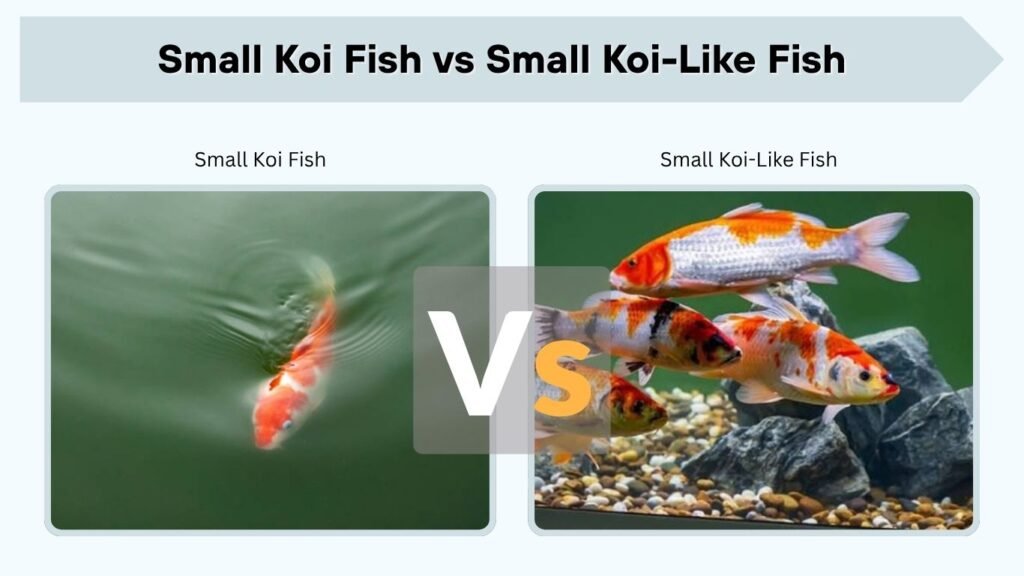
If your pond or aquarium cannot accommodate adult koi, choosing another species may be better than attempting to keep koi permanently small.
Smaller Alternatives
Fish worth considering include:
- Goldfish
- Shubunkins
- Comets
- Sarasa comets
- Some ornamental carp-like aquarium species
Shubunkins are particularly popular because their multicolored patterns can provide a koi-like appearance while generally remaining much smaller than koi.
Small Koi Fish Tattoo Meaning
Small koi fish tattoos are popular because the flowing shape of a koi can work well in minimalist or fine-line designs. Koi symbolism is commonly associated with determination, perseverance, transformation, and overcoming challenges.
Popular Small Koi Tattoo Designs
Common choices include:
- Minimalist koi
- Fine-line koi
- Black-and-white koi
- Small wrist koi
- Yin-yang koi
- Two swimming koi
- Japanese-inspired koi
- Koi with small waves or flowers
A feminine small koi tattoo may use thinner lines and subtle floral elements, while other designs may emphasize traditional Japanese imagery.
Tattoo symbolism ultimately depends on the meaning chosen by the person wearing it.
FAQs
Do koi fish stay small?
Usually not. Small koi are generally juveniles and may grow beyond 20 inches when provided with suitable conditions.
Can small koi live in an aquarium?
Juveniles can temporarily live in a large aquarium, particularly during quarantine, but most standard aquariums are unsuitable for adult koi.
How much does a small koi fish cost?
Prices range widely depending on quality, variety, breeder, size, and bloodline. Pond-grade juveniles can be affordable, while premium Japanese koi may cost much more.
Will big koi eat smaller koi?
Large koi may eat very small fry if they can fit inside the mouth, but larger juveniles can generally coexist with adults when conditions are suitable.
What is the best food for small koi fish?
A high-quality koi pellet formulated for growing fish is an excellent staple. Choose small pellets that juvenile koi can comfortably swallow.