
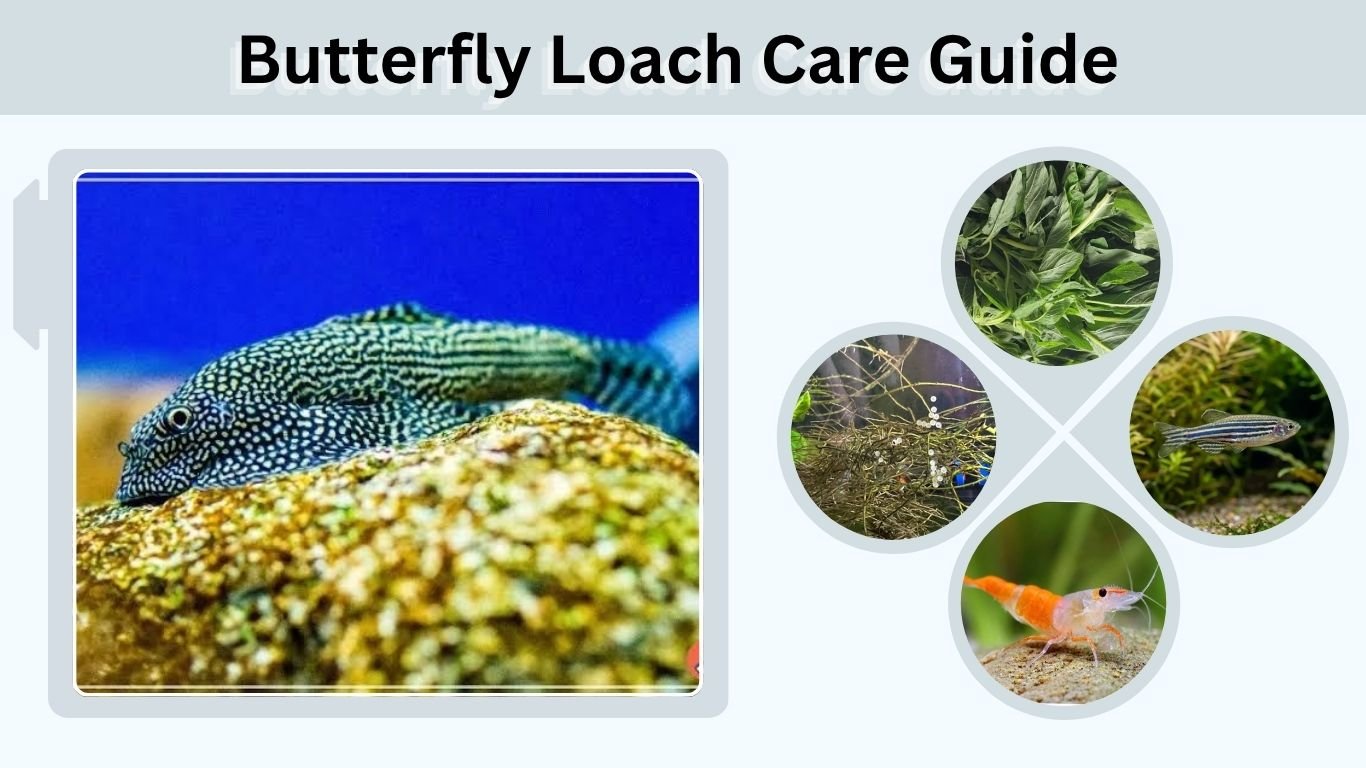
The Butterfly Loach is a unique freshwater fish admired for its flattened body, attractive patterns, and unusual swimming behavior. Also known as the Butterfly Hillstream Loach or Chinese Butterfly Loach, this peaceful species thrives in cool, oxygen-rich, fast-flowing water. Although relatively small, it requires special aquarium conditions to remain healthy. Understanding Butterfly Loach care, including proper food, tank size, temperature, lifespan, and compatible tank mates, is essential for successful fishkeeping. This guide explains everything you need to know about keeping Butterfly Loaches in a home aquarium.
What Is a Butterfly Loach?
The Butterfly Loach (Beaufortia kweichowensis) is a freshwater fish native to southern China. It naturally inhabits rocky rivers and streams with strong currents and high oxygen levels.
Unlike traditional loaches, Butterfly Loaches have wide fins and flattened bodies that allow them to cling to rocks and aquarium glass. Their appearance resembles a small stingray or butterfly.
Butterfly Loach Identification
- Body: Flattened and rounded with broad fins.
- Color: Brown, olive, or yellowish with dark markings.
- Mouth: Located underneath the head for grazing.
- Fins: Large pectoral and pelvic fins forming a butterfly-like shape.
- Behavior: Frequently clings to rocks, glass, and decorations.
Butterfly Loach Size and Lifespan

Butterfly Loaches are relatively small fish, but their adult size depends on the species. Their specialized body structure allows them to occupy rocky surfaces rather than open swimming areas.
Proper nutrition, stable water conditions, and sufficient oxygen help support healthy growth and longevity.
How Big Do Butterfly Loaches Get?
A full-grown Butterfly Loach typically reaches approximately 2.5–3 inches (6–8 cm) in length.
Juveniles are smaller and develop broader bodies as they mature. Their growth rate varies depending on water quality, diet, and individual genetics.
Butterfly Loach Lifespan
Butterfly Loaches can live approximately 5–8 years under suitable aquarium conditions, although reliable lifespan records are limited.
Maintaining clean water, strong circulation, and consistent feeding helps them remain healthy. Poor oxygenation, unsuitable temperatures, and nutritional deficiencies may shorten their lifespan.
Butterfly Loach Tank Size and Water Requirements
Butterfly Loaches need an aquarium that resembles their natural river environment. Strong water movement, smooth rocks, and excellent filtration are essential.
Unlike many tropical aquarium fish, they prefer cooler temperatures and oxygen-rich water. A mature aquarium containing natural algae and biofilm provides important grazing opportunities.
Minimum Butterfly Loach Tank Size
A 20-gallon long aquarium is a practical starting point for keeping a small group of Butterfly Loaches.
Larger tanks are preferable for groups of five or six because they provide additional grazing space and reduce competition.
Horizontal swimming space matters more than aquarium height.
Ideal Butterfly Loach Water Conditions
- Temperature: 61–75°F (16–24°C).
- pH level: 6.5–8.0.
- Water hardness: Approximately 2–15 dGH.
- Ammonia and nitrite: Always 0 ppm.
- Water movement: Strong, continuous circulation.
- Oxygen: High dissolved oxygen supported by surface agitation.
Aquarium Decorations and Filtration
Use smooth stones, rounded gravel, and flat rocks to create natural grazing surfaces. Strong filtration and an additional circulation pump can help reproduce flowing-water conditions.
Anubias and Java fern are suitable plants because they attach to hard surfaces.
Allow the aquarium to mature before introducing Butterfly Loaches, and install a secure lid to prevent escapes.
Butterfly Loach Food and Diet

Butterfly Loaches are specialized grazers that feed on algae, biofilm, and tiny organisms growing on submerged surfaces.
Although they are commonly sold as algae eaters, algae alone may not provide complete nutrition. A varied diet containing natural grazing material and suitable supplemental foods supports their health.
What Do Butterfly Loaches Eat?
- Natural biofilm: Provides microorganisms and organic nutrients.
- Soft algae: Includes green algae and diatoms growing on rocks.
- Algae wafers: Supply convenient supplemental nutrition.
- Spirulina foods: Provide plant-based nutrients.
- Frozen foods: Small amounts of bloodworms or other tiny invertebrates add variety.
- Vegetables: Occasional blanched zucchini or spinach may be accepted.
How Often Should You Feed Butterfly Loaches?
Provide supplemental food daily while ensuring natural grazing surfaces remain available.
Small portions are preferable to excessive feeding because leftover food can deteriorate water quality.
Observe feeding behavior carefully, particularly when multiple Butterfly Loaches compete for the same rocks. A healthy fish should remain active and maintain good body condition.
Butterfly Loach Tank Mates and Compatibility

Butterfly Loaches are generally peaceful and coexist well with appropriately selected freshwater species. However, their need for cool, fast-flowing water makes some popular aquarium fish unsuitable companions.
The best tank mates are peaceful species that tolerate similar temperatures, strong circulation, and high oxygen levels.
Best Tank Mates for Butterfly Loaches
- Zebra Danios: Active fish that tolerate cooler, flowing water.
- White Cloud Mountain Minnows: Peaceful fish with compatible temperature preferences.
- Other Hillstream Loaches: Suitable when sufficient grazing space is provided.
- Freshwater Shrimp: Adults usually coexist peacefully.
- Small Stream Gobies: Certain species thrive in similar rocky habitats.
Can Butterfly Loaches Live With Bettas or Goldfish?
Bettas generally prefer warmer, calmer conditions, making them unsuitable for specialized Butterfly Loach aquariums.
Goldfish are also not ideal because they produce considerable waste and may compete for food.
Guppies can tolerate some overlapping temperatures, but their preference for gentler currents makes compatibility less reliable.
Butterfly Loach Behavior and Breeding
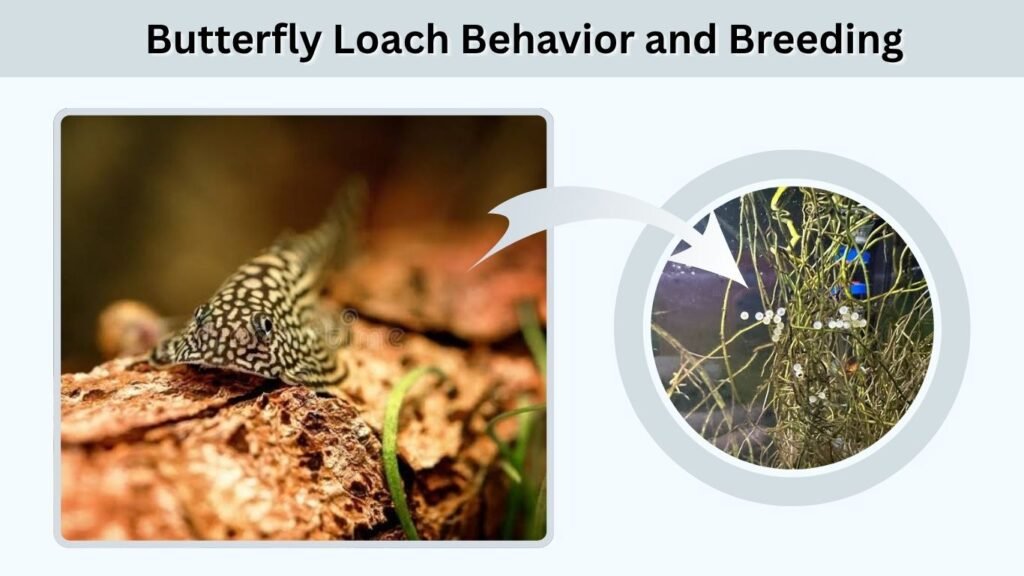
Butterfly Loaches are fascinating bottom-dwelling fish that spend much of their time grazing on rocks and aquarium glass.
They are usually peaceful but may occasionally chase others away from preferred feeding areas. Their behavior becomes more natural when suitable hiding places and multiple grazing surfaces are available.
Are Butterfly Loaches Aggressive?
Butterfly Loaches are not generally aggressive toward other fish. However, territorial disputes can occur between individuals, particularly around food-rich rocks.
Keeping several individuals in a spacious aquarium can distribute territorial interactions and encourage more natural social behavior.
Butterfly Loach Breeding
Breeding Beaufortia kweichowensis in home aquariums is extremely difficult, and reliably documented successful reproduction is scarce.
Natural breeding conditions likely involve seasonal environmental changes and specialized river habitats.
Unlike some other hillstream loaches, this species does not have a well-established captive breeding method.
Different Types of Butterfly Loaches
Several fish are marketed under the Butterfly Loach name, even though they belong to different genera.
The Chinese Butterfly Loach commonly refers to Beaufortia kweichowensis. The Reticulated Hillstream Loach, Sewellia lineolata, has a distinctive network-like pattern.
Borneo Butterfly Loaches often belong to the genus Gastromyzon, which includes spotted and gold-ring varieties.
Names such as Royal Butterfly Loach and Spotted Butterfly Loach may refer to different species depending on the seller. Confirming the scientific name helps ensure appropriate care.
FAQs
1. Do Butterfly Loaches Eat Algae?
Yes, Butterfly Loaches eat soft algae and biofilm growing on aquarium rocks, decorations, and glass. However, they do not consume every type of algae. They also require additional nutrition from microorganisms, algae wafers, and suitable supplemental foods to maintain a balanced diet.
2. Can Butterfly Loaches Live in Slow-Moving Water?
Butterfly Loaches are adapted to fast-flowing, oxygen-rich streams. They may occasionally rest in calmer areas, but permanently stagnant water is unsuitable. Strong filtration, circulation, and surface agitation help maintain the oxygen levels these fish require for healthy respiration and normal activity.
3. Do Butterfly Loaches Eat Shrimp or Snails?
Butterfly Loaches do not normally hunt adult shrimp or healthy snails. Their diet primarily consists of algae, biofilm, and tiny organisms. However, newly hatched shrimp may occasionally be consumed. Adult freshwater shrimp are generally suitable companions when aquarium conditions meet both species’ requirements.
4. Why Is My Butterfly Loach Hanging Near the Filter?
Butterfly Loaches frequently gather near filter outlets because these areas provide stronger currents and increased oxygenation. This behavior is usually normal. However, persistent unusual breathing or distress may indicate insufficient oxygen, poor water quality, or unsuitable conditions elsewhere in the aquarium.
5. Are Butterfly Loaches Good for Beginners?
Butterfly Loaches are better suited to fishkeepers with some aquarium experience. Although peaceful and relatively small, they require mature aquariums, strong circulation, stable temperatures, and specialized feeding. Beginners can keep them successfully by carefully maintaining these environmental conditions and monitoring water quality.