
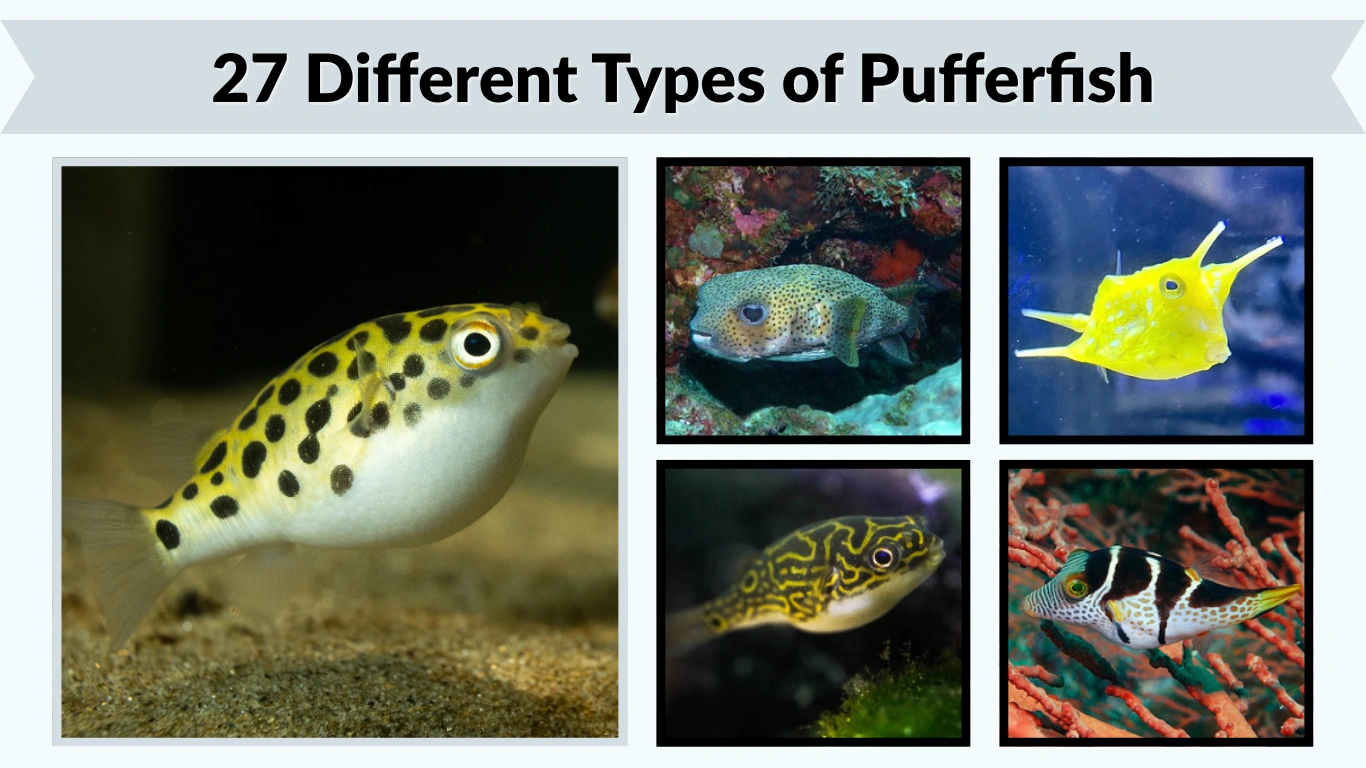
Pufferfish are among the most fascinating fish species found in oceans, rivers, and coastal waters around the world. Known for their unique ability to inflate when threatened, these fish come in many different colors, sizes, and patterns. Some species live in freshwater habitats, while others thrive in coral reefs and tropical seas. From the tiny Dwarf Puffer to the impressive Mappa Puffer, each species has distinct characteristics and behaviors. This guide explores 27 different types of pufferfish, including their identification, habitat, diet, behavior, lifespan, and interesting facts about each species.
1. Porcupine Puffer
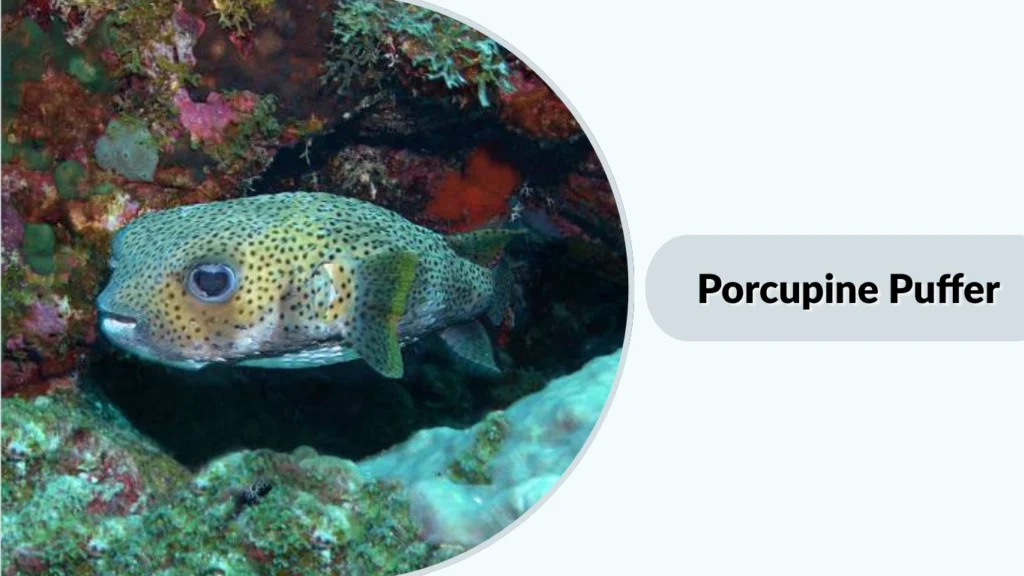
The Porcupine Puffer is a fascinating marine fish known for its ability to inflate its body when threatened. This species belongs to the pufferfish family and is widely recognized for its long spines, spotted appearance, and curious personality. Found in tropical oceans worldwide, it prefers coral reefs and rocky habitats where it can safely hide from predators during the daytime.
Identification
- Scientific name: Diodon holocanthus
- Covered with long sharp spines
- Light brown or yellow body color
- Dark spots across the body
- Large eyes and rounded shape
- Inflates when feeling threatened
Habitat
Porcupine Puffers live mainly in tropical and subtropical oceans around coral reefs, lagoons, and rocky coastal areas. They prefer environments with hiding spaces such as caves and reef crevices. During the day, they often remain hidden from predators. At night, they become more active and search nearby waters for food and safe shelter.
Diet
This pufferfish species mainly feeds on hard-shelled marine animals including crabs, sea urchins, clams, and snails. Its strong beak-like teeth help crush shells with ease. Porcupine Puffers also consume small invertebrates found around reefs. Their feeding habits help control populations of certain reef creatures and maintain balance within marine ecosystems naturally.
Behavior
Porcupine Puffers are slow-moving fish that rely on defensive adaptations rather than speed for protection. When threatened, they inflate their bodies with water or air, making themselves appear larger to predators. They are generally solitary and spend much of their time exploring reefs. Divers often notice their curious and calm behavior underwater.
Lifespan
In the wild, Porcupine Puffers can live for more than ten years when protected from predators and environmental threats. In well-maintained aquariums, they may survive even longer with proper nutrition and care. Their lifespan depends heavily on water quality, habitat conditions, and access to a healthy diet throughout their lives.
Interesting Facts
Porcupine Puffers contain toxins in certain internal organs that can be dangerous if consumed by predators or humans. Their inflatable defense mechanism is one of the most unique survival adaptations among marine fish species. Despite their spiny appearance, they are popular in public aquariums because of their intelligence, expressive eyes, and interactive behavior.
2. Dogface Puffer
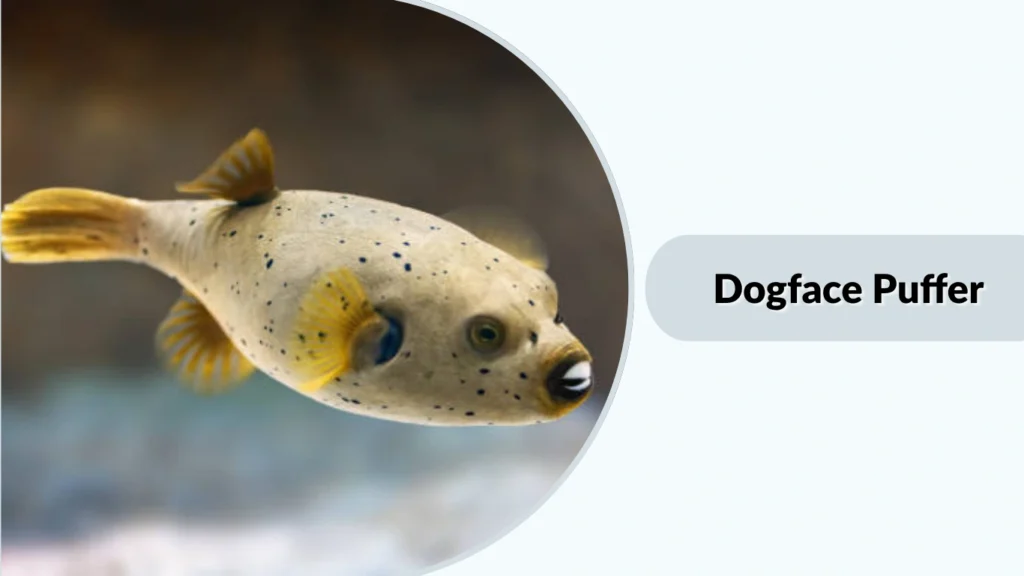
The Dogface Puffer is a popular saltwater pufferfish recognized for its face that resembles a small dog. It is admired for its friendly appearance, expressive eyes, and calm nature. This species is commonly found in Indo-Pacific coral reefs and is highly valued in marine aquariums. Its unique personality and slow swimming style make it one of the most recognizable pufferfish species.
Identification
- Scientific name: Arothron nigropunctatus
- Face resembles a dog’s expression
- Smooth skin without long spines
- Brown, gray, or yellow body coloration
- Dark spots around the body
- Thick lips and large eyes
Habitat
Dogface Puffers live in tropical Indo-Pacific waters around coral reefs, lagoons, and coastal reef slopes. They usually prefer shallow marine environments with plenty of rocks and coral structures for shelter. These fish often remain close to reef areas where they can hide safely from predators and search for food throughout the day.
Diet
This species mainly feeds on crustaceans, mollusks, shrimp, crabs, and sea urchins found around reefs. Dogface Puffers use their strong beak-like teeth to crush hard shells easily. They may also consume algae and small invertebrates. In captivity, they require a varied diet to maintain healthy teeth and proper nutrition over time.
Behavior
Dogface Puffers are generally peaceful and curious fish with interactive personalities. They often recognize regular caretakers and may swim toward aquarium glass during feeding times. Although calm, they can become territorial around other fish. Like other puffers, they inflate their bodies when threatened, helping them appear larger and more difficult to attack.
Lifespan
In suitable marine environments, Dogface Puffers can live for more than ten years. Aquarium specimens may survive even longer with proper water conditions, balanced nutrition, and adequate tank space. Their lifespan depends on maintaining stable marine conditions and preventing common health problems related to poor water quality or stress.
Interesting Facts
Dogface Puffers are considered highly intelligent among aquarium fish species and often display playful behavior. They can move their eyes independently, allowing them to observe different directions at once. Unlike many fish, they develop strong personalities and interactions with humans. Their charming facial appearance makes them especially popular with marine enthusiasts worldwide.
3. Stars and Stripes Puffer
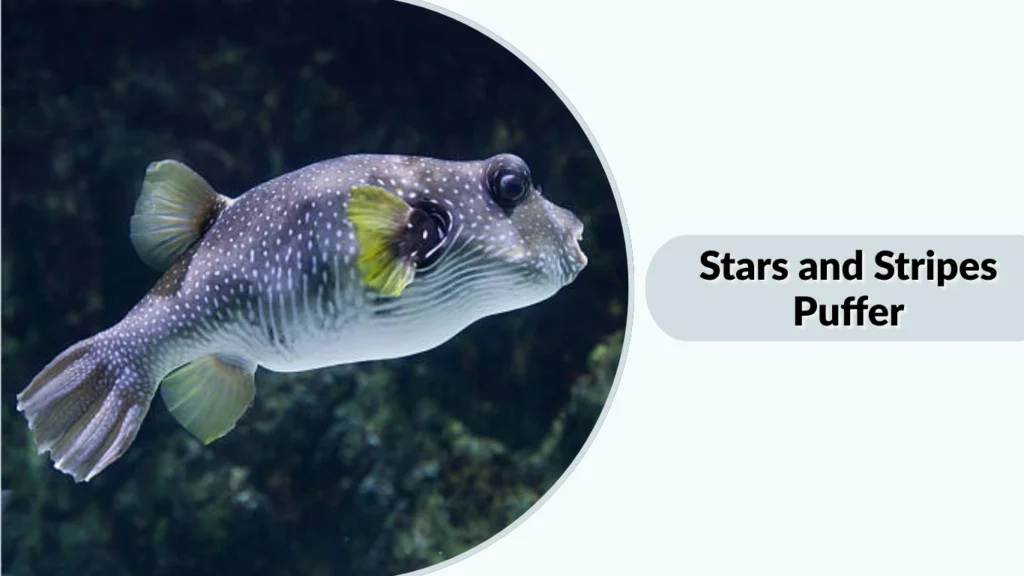
The Stars and Stripes Puffer is a large marine pufferfish famous for its striking body patterns and powerful build. Juveniles display dark bodies with white spots, while adults develop striped markings across their backs. This species inhabits tropical Indo-Pacific waters and is known for its defensive inflation ability. Its bold appearance and impressive size make it a well-known reef predator.
Identification
- Scientific name: Arothron hispidus
- White spots on darker body colors
- Adults develop striped body patterns
- Thick rounded body shape
- Large eyes and blunt snout
- Can inflate when threatened
Habitat
Stars and Stripes Puffers live in tropical coral reefs, lagoons, and rocky coastal waters throughout the Indo-Pacific region. They usually remain in shallow marine environments with sandy bottoms and reef shelters nearby. Juveniles often stay hidden in protected areas, while adults explore open reef sections searching for food and suitable resting locations.
Diet
This pufferfish mainly feeds on hard-shelled prey such as crabs, mollusks, sea urchins, and shellfish. Its powerful teeth help crack tough shells efficiently. It may also consume algae and small reef invertebrates when available. Their strong feeding habits allow them to play an important role in controlling populations of reef-dwelling animals.
Behavior
Stars and Stripes Puffers are generally solitary fish that move slowly around reef habitats. They depend on camouflage, strong jaws, and inflation for protection instead of speed. When frightened, they quickly inflate their bodies with water to discourage predators. Despite their size, they are often calm and curious around experienced divers underwater.
Lifespan
In natural reef environments, Stars and Stripes Puffers can live for more than ten years under healthy conditions. In captivity, proper tank size, water quality, and nutrition are essential for long-term survival. Their lifespan may increase significantly when stress is minimized and they receive balanced care throughout their development stages.
Interesting Facts
Juvenile Stars and Stripes Puffers look very different from adults due to dramatic pattern changes as they mature. Their skin and organs may contain toxins that protect them from predators. They are capable of moving each eye independently for better awareness. Their large size and bold markings make them popular attractions in public aquariums.
4. Mappa Puffer
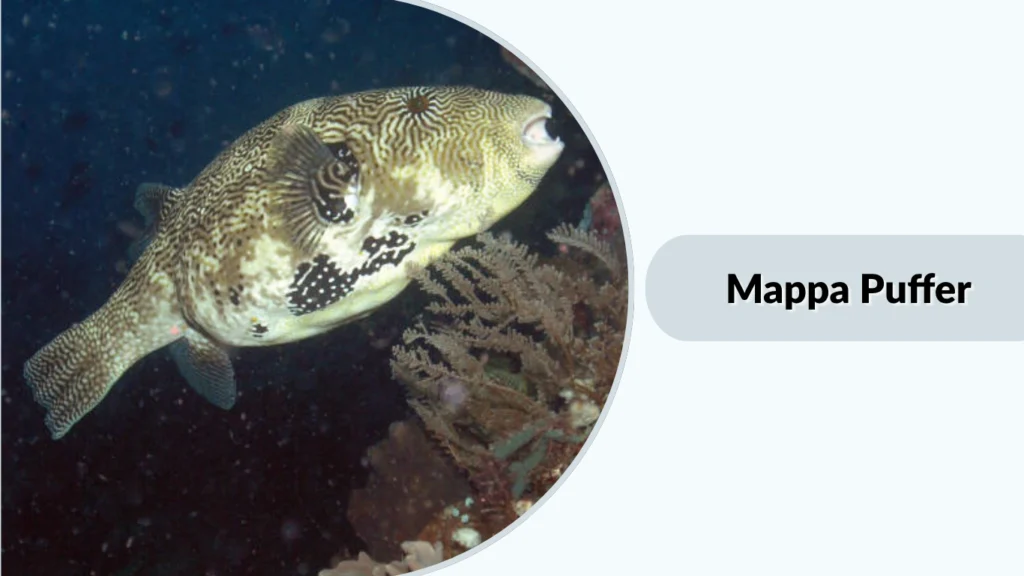
The Mappa Puffer is a large and beautifully patterned pufferfish known for the maze-like markings covering its body. It inhabits tropical Indo-Pacific waters and is admired for its unique appearance and calm swimming style. This species spends much of its time near sandy bottoms and coral reefs. Its impressive size and decorative patterns make it one of the most visually striking puffers.
Identification
- Scientific name: Arothron mappa
- Maze-like patterns across the body
- Pale brown or cream coloration
- Large rounded body shape
- Small fins with slow movement
- Capable of inflating when threatened
Habitat
Mappa Puffers live in tropical Indo-Pacific oceans around coral reefs, lagoons, and sandy coastal areas. They are commonly found near reef edges where hiding spaces and food sources are available. Juveniles prefer shallow protected waters, while adults often move through deeper reef zones searching for shelter and comfortable resting locations.
Diet
This species feeds mainly on mollusks, shellfish, crabs, shrimp, and sea urchins. The Mappa Puffer uses its strong beak-like teeth to break open hard shells and consume soft tissue inside. It may also eat small invertebrates around reef environments. A varied diet is important for maintaining healthy teeth and proper nutrition.
Behavior
Mappa Puffers are generally peaceful and slow-moving fish that spend most of their time exploring reef habitats. They rely on camouflage and inflation as their primary defense methods against predators. When frightened, they quickly expand their bodies by swallowing water. Their calm and curious behavior often attracts divers and aquarium enthusiasts alike.
Lifespan
In healthy marine environments, Mappa Puffers can live for more than ten years. Aquarium specimens may survive longer when given proper care, spacious tanks, and high-quality water conditions. Their lifespan depends greatly on stress levels, nutrition, and maintaining stable marine habitats that support long-term health and natural behavior patterns.
Interesting Facts
The intricate markings on the Mappa Puffer resemble geographic maps or maze designs, inspiring its common name. This species can move each eye independently to monitor surroundings effectively. Like many puffers, it contains toxins within certain organs for protection. Its impressive appearance makes it a favorite attraction in large public aquariums worldwide.
5. Fahaka Puffer
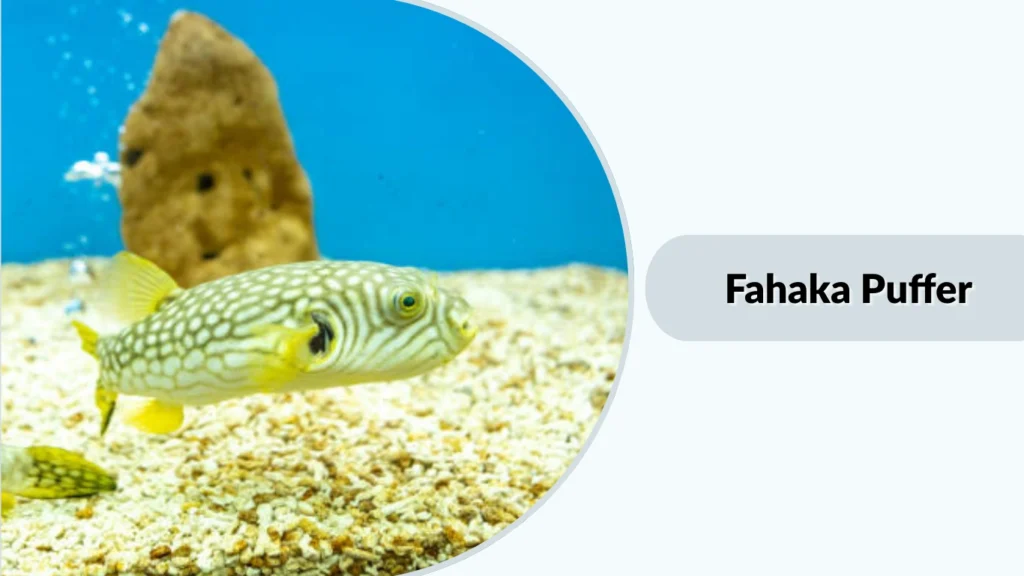
The Fahaka Puffer is a large freshwater pufferfish famous for its intelligence, aggressive nature, and bold striped appearance. Native to African river systems, this species is highly valued by aquarium enthusiasts because of its interactive behavior and strong personality. Unlike many marine puffers, it lives entirely in freshwater habitats. Its powerful teeth and territorial instincts make it a unique predator.
Identification
- Scientific name: Tetraodon lineatus
- Bold striped body pattern
- Yellow and dark brown coloration
- Thick elongated body shape
- Strong beak-like teeth
- Inflates when threatened
Habitat
Fahaka Puffers are native to freshwater rivers, lakes, and floodplains across Africa, especially within the Nile River system. They prefer slow-moving waters with sandy or muddy bottoms where they can search for food easily. These fish often remain near submerged structures and vegetation that provide shelter and protection from larger predators.
Diet
This species mainly feeds on snails, crustaceans, shellfish, and small aquatic animals found in freshwater habitats. Its powerful teeth continuously grow and require hard foods to prevent overgrowth. Fahaka Puffers crush shells easily while hunting. In captivity, they need a varied protein-rich diet to maintain healthy teeth and strong overall condition.
Behavior
Fahaka Puffers are highly territorial and usually prefer living alone. They are intelligent fish that often recognize their owners and display curious behavior during feeding times. Although slow swimmers, they can become aggressive toward tank mates. When threatened, they inflate their bodies to appear larger and discourage potential predators effectively.
Lifespan
In suitable freshwater conditions, Fahaka Puffers can live for more than ten years. With excellent aquarium care, some individuals may survive even longer. Their lifespan depends heavily on water quality, proper nutrition, and sufficient tank space. Reducing stress and maintaining stable conditions are essential for supporting long-term health and natural behaviors.
Interesting Facts
The Fahaka Puffer is one of the few fully freshwater pufferfish commonly kept in aquariums. Its teeth grow continuously throughout life, similar to rodents. This species is considered highly intelligent and interactive with humans. Ancient Egyptians were familiar with this fish because it lived in the Nile River and surrounding waterways.
6. Green Spotted Puffer
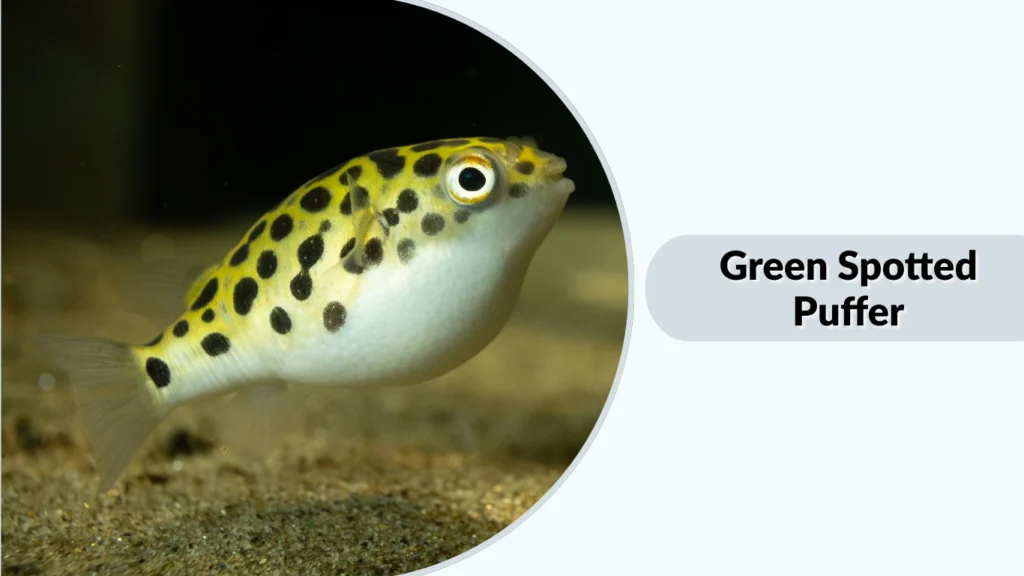
The Green Spotted Puffer is a colorful pufferfish known for its bright green spots, curious personality, and adaptable lifestyle. It is commonly found in brackish and coastal waters across Southeast Asia. Popular among aquarium keepers, this species requires changing water conditions as it matures. Its active behavior, sharp intelligence, and striking appearance make it one of the most recognized pufferfish species.
Identification
- Scientific name: Dichotomyctere nigroviridis
- Bright green spots on the body
- White or pale underside coloration
- Rounded body with large eyes
- Strong beak-like teeth
- Inflates when threatened
Habitat
Green Spotted Puffers live in rivers, estuaries, mangroves, and coastal waters throughout Southeast Asia. Young fish usually inhabit freshwater or lightly brackish environments, while adults prefer stronger brackish or marine conditions. They often stay near muddy bottoms and vegetated areas where food sources and hiding places are available for protection.
Diet
This species mainly feeds on snails, shellfish, worms, shrimp, and small crustaceans. Its strong teeth are designed to crush hard shells effectively. Green Spotted Puffers require crunchy foods regularly to prevent tooth overgrowth. In captivity, a varied protein-rich diet is essential for maintaining proper nutrition and long-term health conditions.
Behavior
Green Spotted Puffers are active, curious, and intelligent fish that constantly explore their surroundings. They may recognize regular caretakers and respond during feeding times. Although attractive, they can become aggressive or territorial toward tank mates. When threatened, they inflate their bodies with water to appear larger and discourage potential predators nearby.
Lifespan
With proper care and suitable water conditions, Green Spotted Puffers can live for more than ten years in captivity. Their lifespan depends on maintaining appropriate salinity levels, clean water, and a balanced diet. Poor environmental conditions or incorrect water parameters may lead to stress, disease, and significantly reduced longevity over time.
Interesting Facts
Green Spotted Puffers change habitat preferences as they grow, moving from freshwater to brackish or marine environments. They can move their eyes independently to monitor different directions at once. Like many pufferfish species, they contain toxins within certain organs. Their intelligence and interactive nature make them highly popular among experienced aquarium enthusiasts.
7. Figure Eight Puffer
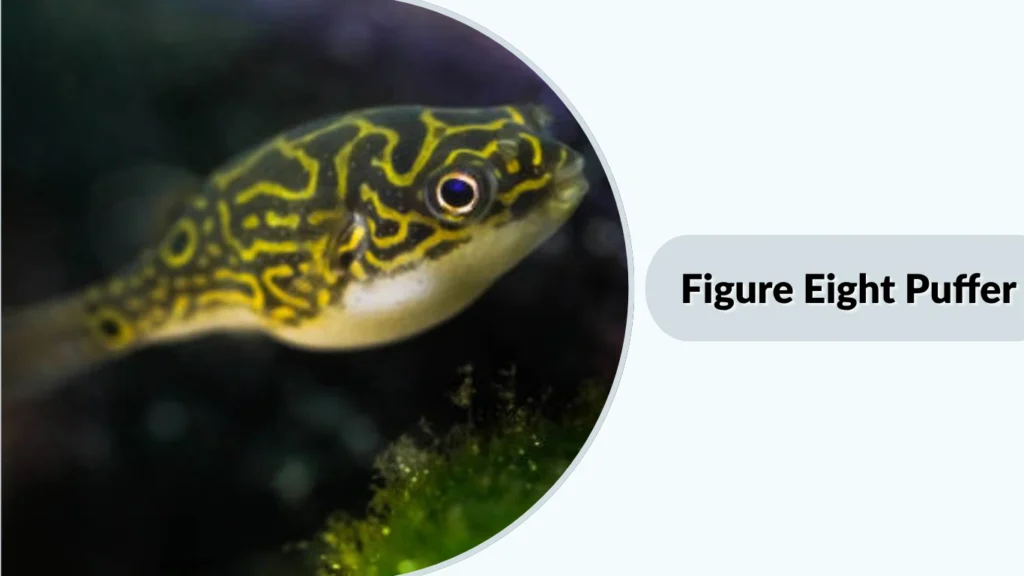
The Figure Eight Puffer is a small brackish-water pufferfish admired for its unique markings and playful personality. Its name comes from the figure-eight shaped pattern found on the back of its body. Native to Southeast Asia, this species is popular in aquariums because of its intelligence, active behavior, and manageable size. It is considered one of the friendliest pufferfish species.
Identification
- Scientific name: Dichotomyctere ocellatus
- Figure-eight marking on the back
- Yellow and dark brown coloration
- Rounded body with large eyes
- Small beak-like mouth
- Inflates when threatened
Habitat
Figure Eight Puffers inhabit brackish rivers, estuaries, mangroves, and coastal waters throughout Southeast Asia. They prefer slow-moving waters with sandy bottoms, driftwood, and dense vegetation for hiding and resting. These fish thrive in environments where freshwater mixes with seawater, creating stable brackish conditions suitable for their long-term survival and healthy growth.
Diet
This species mainly feeds on snails, worms, shrimp, small crustaceans, and other hard-shelled prey. Their beak-like teeth continuously grow and require crunchy foods to remain healthy. Figure Eight Puffers use their strong jaws to crush shells effectively. In captivity, they benefit from a varied protein-rich diet with regular hard foods included.
Behavior
Figure Eight Puffers are curious, intelligent, and highly active fish that enjoy exploring their environment. They often recognize caretakers and may approach during feeding times. Although smaller than many pufferfish species, they can become territorial toward tank mates. When frightened, they inflate their bodies with water to appear larger and discourage predators.
Lifespan
Under proper aquarium conditions, Figure Eight Puffers can live for around eight to ten years. Their lifespan depends on stable brackish water conditions, excellent filtration, and balanced nutrition. Providing enough space, hiding areas, and appropriate salinity levels helps reduce stress and supports long-term health throughout different stages of development and maturity.
Interesting Facts
The Figure Eight Puffer is named after the distinctive pattern resembling the number eight on its back. It can move each eye independently to watch different directions simultaneously. Despite its small size, this species shows remarkable intelligence and curiosity. Its entertaining personality makes it one of the most popular puffers in home aquariums.
8. Dwarf Puffer
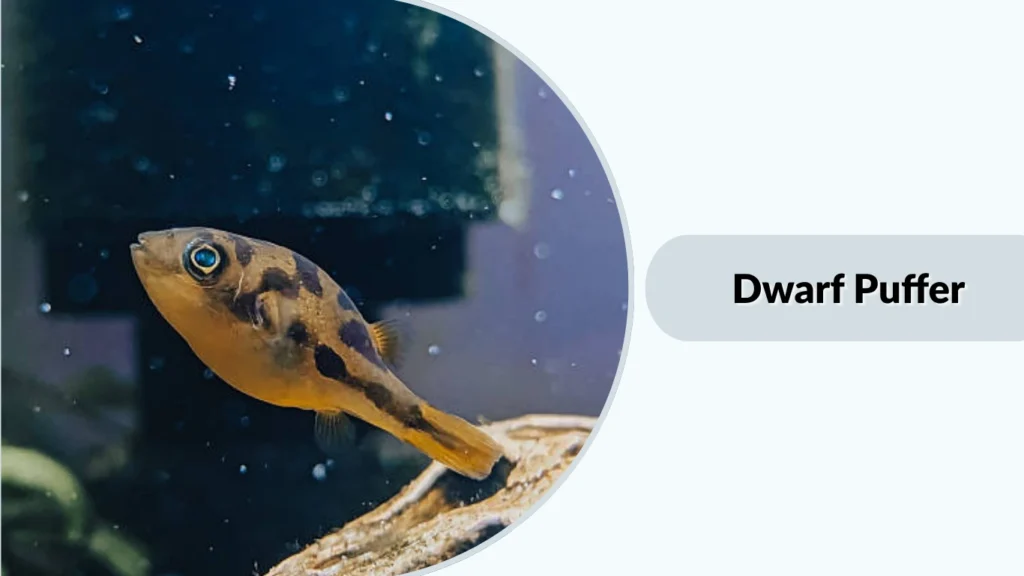
The Dwarf Puffer is one of the smallest freshwater pufferfish species in the world, known for its tiny size, bright coloration, and energetic personality. Native to India, this species is highly popular in home aquariums because of its intelligence and active behavior. Despite being small, it displays strong hunting instincts and territorial behavior, making it a fascinating fish for experienced aquarists.
Identification
- Scientific name: Carinotetraodon travancoricus
- Tiny freshwater pufferfish species
- Yellow or golden body coloration
- Dark spots across the body
- Rounded body with large eyes
- Inflates when threatened
Habitat
Dwarf Puffers naturally inhabit freshwater rivers, lakes, ponds, and slow-moving streams in southwestern India. They prefer densely planted environments with plenty of hiding places and calm water conditions. These fish often stay among aquatic vegetation where they can safely hunt small prey and avoid larger predators within their natural ecosystem.
Diet
This species mainly feeds on small snails, insect larvae, worms, and tiny crustaceans found in freshwater habitats. Dwarf Puffers are skilled hunters that carefully stalk prey before attacking. Their teeth require regular hard foods to prevent overgrowth. In aquariums, they thrive on a protein-rich diet containing live or frozen foods.
Behavior
Dwarf Puffers are active, curious, and intelligent fish with surprisingly bold personalities for their small size. They constantly explore their surroundings and often interact with caretakers during feeding times. Although attractive, they can be territorial and may nip other fish. When frightened, they inflate their bodies as a defensive response against danger.
Lifespan
With proper care, Dwarf Puffers can live for around five years in captivity. Their lifespan depends on excellent water quality, balanced nutrition, and a stress-free environment. Stable freshwater conditions and suitable tank setups help support healthy growth and natural behaviors. Poor care or overcrowding may significantly shorten their overall lifespan.
Interesting Facts
The Dwarf Puffer is also called the Pea Puffer because of its extremely small size. Despite its tiny body, it shows remarkable intelligence and strong hunting behavior. It can move each eye independently for better awareness. This species is considered one of the few fully freshwater puffers suitable for smaller aquariums.
9. Congo Puffer
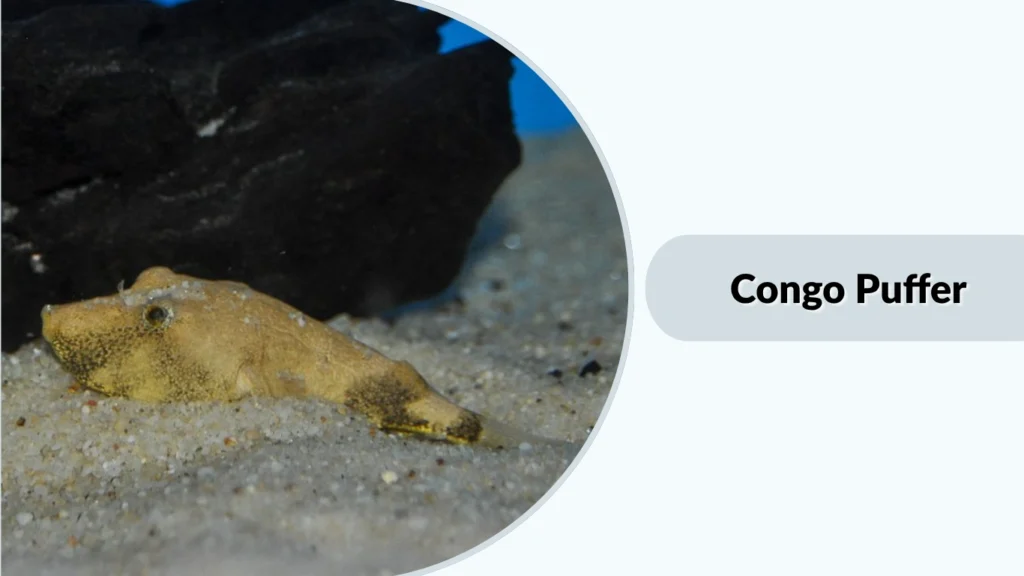
The Congo Puffer is a rare freshwater pufferfish native to the Congo River Basin in Central Africa. It is famous for its unusual underwater swimming style, often moving like a tiny submarine through strong river currents. This species is highly valued by aquarium enthusiasts because of its unique appearance, intelligence, and active behavior. Its powerful hunting instincts make it a fascinating freshwater predator.
Identification
- Scientific name: Tetraodon miurus
- Thick rounded body structure
- Sandy brown or reddish coloration
- Large eyes positioned on top
- Small fins with slow movement
- Inflates when threatened
Habitat
Congo Puffers inhabit freshwater rivers and sandy-bottom habitats within the Congo River Basin. They prefer slow-moving areas where they can bury themselves partially beneath the sand while waiting for prey. These fish usually remain hidden near riverbeds and submerged structures, using camouflage to protect themselves and ambush nearby aquatic animals successfully.
Diet
This species mainly feeds on small fish, crustaceans, worms, and aquatic invertebrates found in freshwater environments. Congo Puffers are ambush predators that wait patiently before striking prey quickly. Their strong teeth help them capture and consume hard-bodied animals. In captivity, they require a protein-rich diet to maintain healthy growth and energy.
Behavior
Congo Puffers are solitary and highly territorial fish that prefer living alone. They often bury themselves in sandy substrates with only their eyes visible while observing nearby movement. Unlike many active swimmers, they remain motionless for long periods before attacking prey. Their unusual hunting behavior makes them one of the most unique freshwater puffers.
Lifespan
With proper care and stable water conditions, Congo Puffers can live for around ten years in captivity. Their lifespan depends on excellent water quality, appropriate tank size, and nutritious feeding routines. Stress reduction and maintaining clean freshwater habitats are important for supporting long-term health and preserving their natural hunting behaviors effectively.
Interesting Facts
The Congo Puffer is known for its ability to bury itself almost completely beneath sand while hunting. Its swimming style resembles a hovering submarine because of its small fin movements. This species is considered rare in the aquarium trade. Despite its calm appearance, it is a highly skilled ambush predator in freshwater habitats.
10. Red-Eyed Puffer
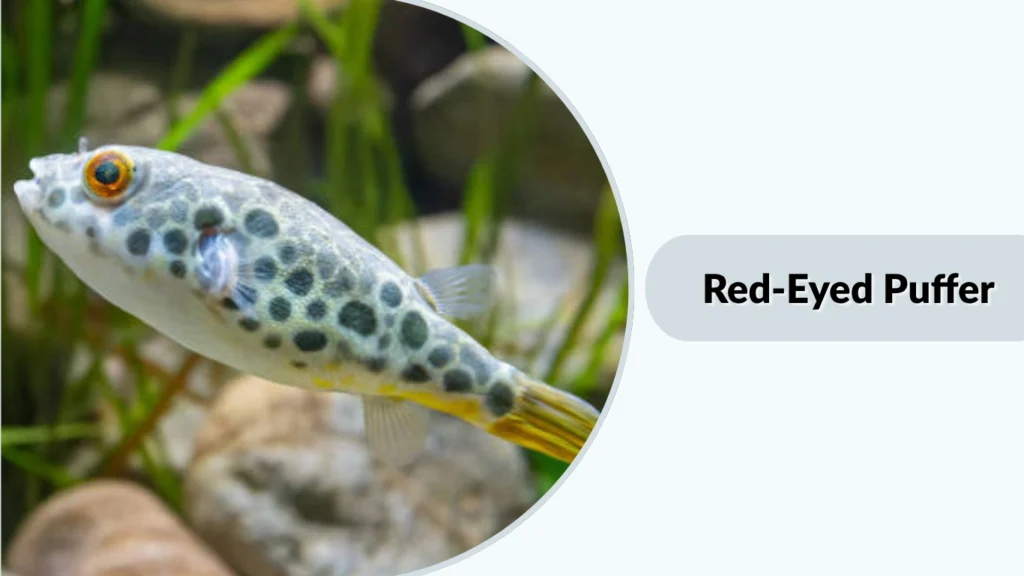
The Red-Eyed Puffer is a small freshwater pufferfish recognized for its striking red eyes and attractive body patterns. Native to Southeast Asia, this species is popular among aquarium enthusiasts because of its colorful appearance and energetic personality. It prefers densely planted freshwater habitats with calm water conditions. Despite its small size, it displays strong territorial instincts and active hunting behavior.
Identification
- Scientific name: Carinotetraodon lorteti
- Bright red or orange eyes
- Brown or golden body coloration
- Dark markings across the body
- Small rounded body shape
- Inflates when threatened
Habitat
Red-Eyed Puffers naturally inhabit freshwater rivers, streams, swamps, and floodplain habitats in Southeast Asia. They prefer slow-moving waters filled with aquatic plants, roots, and hiding spaces for safety. Dense vegetation provides protection from predators and creates ideal hunting areas where they can search for small prey throughout the environment.
Diet
This species mainly feeds on snails, worms, insect larvae, and small crustaceans found in freshwater habitats. Their strong beak-like teeth help crush hard-shelled prey effectively. Red-Eyed Puffers require crunchy foods regularly to prevent tooth overgrowth. In captivity, they thrive on a varied protein-rich diet containing live and frozen foods.
Behavior
Red-Eyed Puffers are active, curious, and territorial fish that constantly explore their surroundings. Males can become aggressive toward each other, especially in smaller tanks. They often interact with caretakers during feeding times and display intelligent behavior. When frightened, they inflate their bodies with water to appear larger and discourage predators nearby.
Lifespan
With proper care and stable freshwater conditions, Red-Eyed Puffers can live for around five to seven years in captivity. Their lifespan depends on excellent water quality, balanced nutrition, and sufficient hiding places. Maintaining a stress-free environment and providing proper tank conditions are essential for supporting long-term health and natural behavior.
Interesting Facts
The Red-Eyed Puffer is admired for its vivid eye coloration, which makes it stand out among freshwater pufferfish species. Males usually display brighter colors than females. This species can move its eyes independently to monitor surroundings effectively. Its intelligence, active personality, and colorful appearance make it popular in specialized freshwater aquariums.
11. Golden Puffer
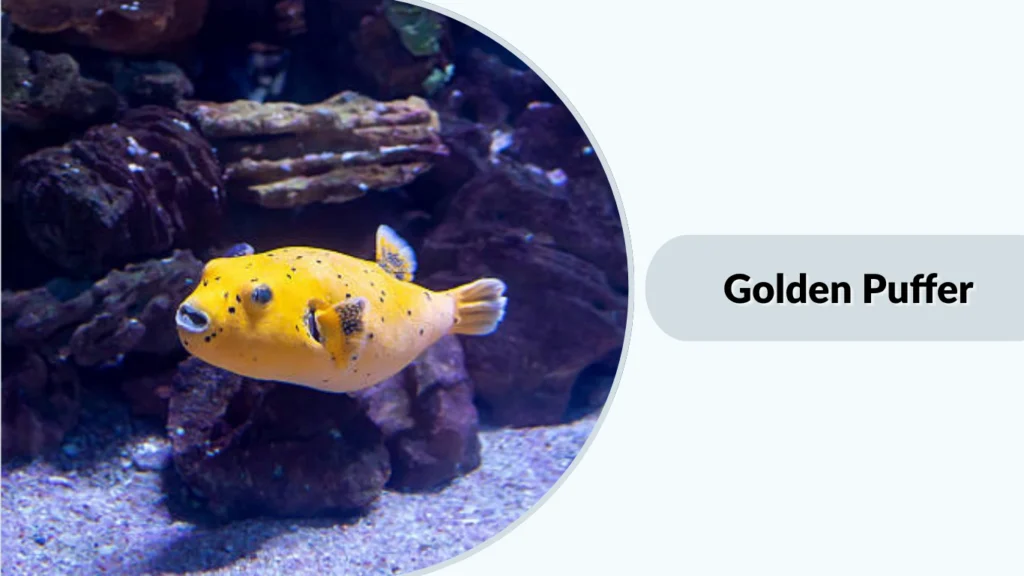
The Golden Puffer is a beautiful freshwater pufferfish admired for its bright golden coloration and energetic personality. Native to Southeast Asia, this species is popular among aquarium enthusiasts because of its active behavior and striking appearance. It thrives in warm freshwater habitats with dense vegetation and hiding spaces. Despite its attractive look, it can become territorial and aggressive toward smaller tank mates.
Identification
- Scientific name: Auriglobus modestus
- Bright golden or yellow coloration
- Rounded freshwater puffer body
- Dark markings on the back
- Large expressive eyes
- Inflates when threatened
Habitat
Golden Puffers inhabit freshwater rivers, streams, floodplains, and swampy environments throughout Southeast Asia. They prefer calm waters with sandy bottoms, submerged roots, and dense aquatic vegetation. These habitats provide shelter from predators and suitable hunting grounds. They usually remain near plants and hidden areas where they can explore safely and comfortably.
Diet
This species mainly feeds on snails, worms, crustaceans, insect larvae, and small aquatic invertebrates. Its strong beak-like teeth are designed to crush hard shells efficiently. Golden Puffers require crunchy foods regularly to prevent tooth overgrowth. In aquariums, a protein-rich diet with live or frozen foods supports healthy growth and proper development.
Behavior
Golden Puffers are intelligent, curious, and highly active fish that enjoy exploring their surroundings. They often recognize regular caretakers and display interactive behavior during feeding times. Although small, they can become aggressive and territorial toward other fish. When threatened, they inflate their bodies with water to appear larger and avoid predators.
Lifespan
With proper care and stable freshwater conditions, Golden Puffers can live for around five to eight years in captivity. Their lifespan depends on clean water, balanced nutrition, and a stress-free environment. Providing enough swimming space and hiding areas helps maintain their physical health and supports natural behaviors throughout their lives.
Interesting Facts
The Golden Puffer is admired for its shiny yellow coloration, which makes it stand out in freshwater aquariums. Like many pufferfish species, it can move each eye independently to monitor different directions. Its teeth grow continuously and require regular wear from hard foods. Despite its small size, it is a skilled and confident predator.
12. Guineafowl Puffer
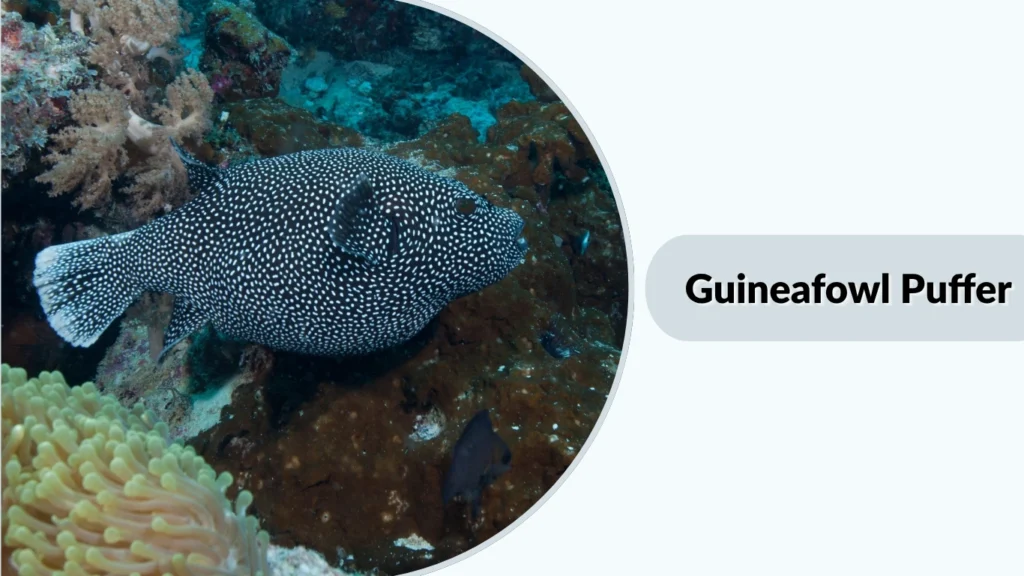
The Guineafowl Puffer is a colorful marine pufferfish known for the white spots covering its dark body, resembling the feathers of a guineafowl bird. Native to tropical Indo-Pacific waters, this species is admired for its striking appearance and calm swimming style. It commonly inhabits coral reefs and lagoons where it searches for food among rocks, sand, and reef structures.
Identification
- Scientific name: Arothron meleagris
- Dark body covered with white spots
- Rounded and thick body shape
- Large eyes with blunt snout
- Smooth skin without long spines
- Inflates when threatened
Habitat
Guineafowl Puffers live in tropical coral reefs, lagoons, and rocky coastal waters throughout the Indo-Pacific region. They prefer shallow marine habitats with plenty of coral formations and hiding spaces. These fish are commonly found near reef slopes and sandy bottoms where they can safely rest and search for food during the day.
Diet
This species mainly feeds on mollusks, sea urchins, crustaceans, shrimp, and small reef invertebrates. Its strong beak-like teeth help crush hard shells efficiently. Guineafowl Puffers may also consume algae growing on reef surfaces. In captivity, they require a varied diet containing hard foods to maintain healthy teeth and proper nutrition levels.
Behavior
Guineafowl Puffers are generally slow-moving and peaceful fish that spend much of their time exploring reef habitats. They rely on camouflage, inflation, and toxins for protection instead of fast swimming. When threatened, they inflate their bodies to appear larger. Divers often notice their curious nature and calm interactions within marine environments.
Lifespan
In healthy reef environments, Guineafowl Puffers can live for more than ten years. In captivity, proper tank conditions, excellent water quality, and balanced nutrition are essential for long-term survival. Their lifespan depends heavily on reducing stress, maintaining stable marine conditions, and providing enough swimming space throughout their development stages.
Interesting Facts
The Guineafowl Puffer gets its name from the spotted pattern resembling guineafowl feathers. Some individuals may display yellow coloration instead of dark body colors. Like many puffers, it contains toxins within certain organs for defense. Its beautiful spotted appearance and calm personality make it highly popular in public marine aquariums worldwide.
13. Saddle Valentini Puffer
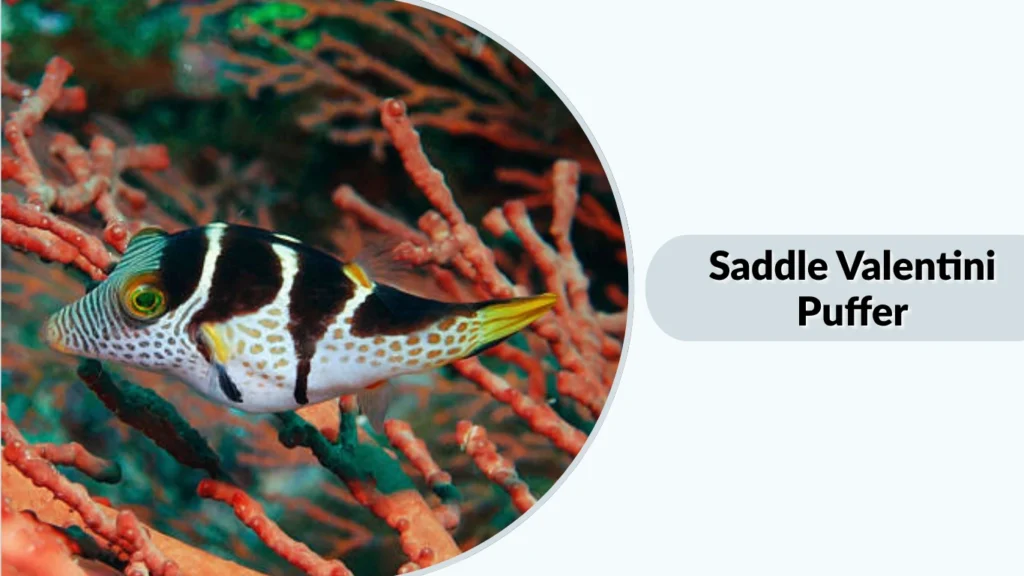
The Saddle Valentini Puffer is a small and attractive marine pufferfish recognized for its colorful markings and saddle-shaped patterns on its back. Native to the Indo-Pacific region, this species is popular in saltwater aquariums because of its manageable size and lively personality. It commonly inhabits coral reefs where it searches for food among rocks and reef structures throughout the day.
Identification
- Scientific name: Canthigaster valentini
- Saddle-like black markings on back
- White body with yellow stripes
- Small pointed snout
- Bright blue lines near the eyes
- Inflates when threatened
Habitat
Saddle Valentini Puffers live in tropical coral reefs and lagoons throughout the Indo-Pacific region. They prefer shallow marine habitats with coral formations, rocky crevices, and sandy bottoms for shelter and feeding. These fish often remain close to reef structures where they can safely hide from predators and search for small prey.
Diet
This species mainly feeds on small crustaceans, worms, mollusks, algae, and tiny reef invertebrates. Saddle Valentini Puffers use their sharp beak-like teeth to bite and crush food effectively. In aquariums, they require a balanced diet containing both meaty foods and plant material to maintain proper health and natural feeding behaviors.
Behavior
Saddle Valentini Puffers are active, curious, and intelligent fish that spend much of their time exploring reef environments. Although generally peaceful, they may nip fins or become territorial toward smaller tank mates. When frightened, they inflate their bodies with water to discourage predators. Their energetic behavior makes them entertaining aquarium inhabitants.
Lifespan
With proper care and stable marine conditions, Saddle Valentini Puffers can live for around five to seven years in captivity. Their lifespan depends on excellent water quality, balanced nutrition, and suitable tank environments. Providing enough hiding spaces and reducing stress are important for supporting healthy growth and long-term survival in aquariums.
Interesting Facts
The Saddle Valentini Puffer is also called the Valentini Toby in the aquarium trade. Its bright color patterns help it stand out among reef fish species. Like many puffers, it contains mild toxins for protection against predators. Despite its small size, it is highly intelligent and displays interactive behavior with caretakers.
14. Blue Spotted Puffer
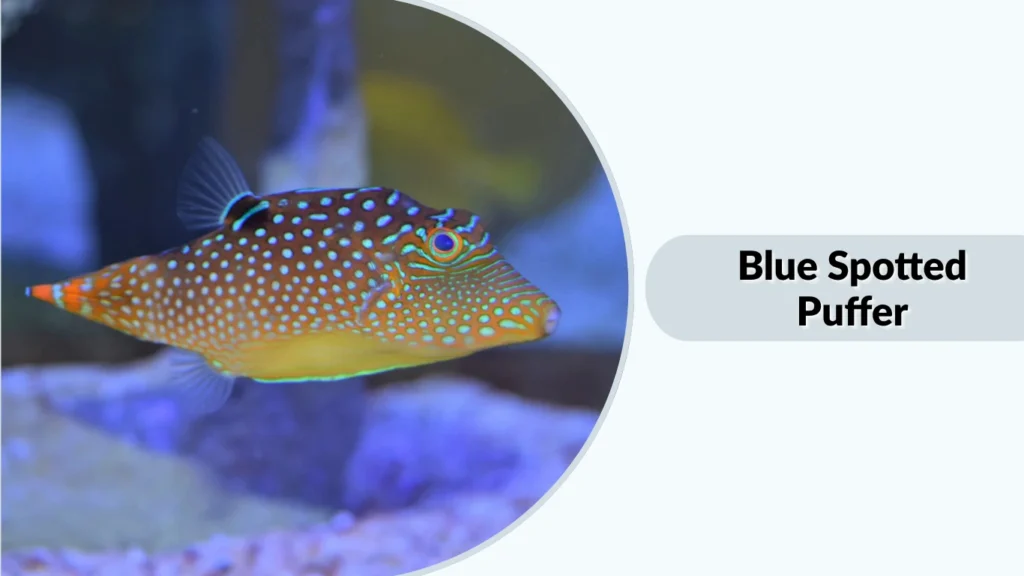
The Blue Spotted Puffer is a striking marine pufferfish admired for its bright blue spots and colorful body patterns. Found in tropical Indo-Pacific waters, this species is popular among marine aquarium enthusiasts because of its attractive appearance and curious behavior. It usually inhabits coral reefs and lagoons where it searches for food among rocks, coral formations, and sandy coastal areas.
Identification
- Scientific name: Arothron caeruleopunctatus
- Bright blue spots across the body
- Brown or yellow body coloration
- Rounded and thick body shape
- Large eyes with blunt snout
- Inflates when threatened
Habitat
Blue Spotted Puffers inhabit tropical coral reefs, lagoons, and rocky coastal waters throughout the Indo-Pacific region. They prefer shallow reef environments with coral formations and sandy bottoms that provide shelter and feeding opportunities. These fish often remain near reef crevices and caves where they can safely hide from predators during the daytime.
Diet
This species mainly feeds on crustaceans, mollusks, shrimp, sea urchins, and small reef invertebrates. Its powerful beak-like teeth allow it to crush hard shells easily. Blue Spotted Puffers may also graze on algae growing around reefs. In captivity, they require a varied diet with hard foods to maintain healthy teeth and nutrition.
Behavior
Blue Spotted Puffers are generally calm and curious fish that slowly explore reef habitats throughout the day. They rely on camouflage, inflation, and toxins for protection instead of speed. When threatened, they inflate their bodies to appear much larger to predators. Their peaceful nature and bright appearance make them popular among divers and aquarists.
Lifespan
In healthy reef environments, Blue Spotted Puffers can live for more than ten years. In captivity, proper marine conditions, excellent filtration, and balanced nutrition are important for long-term survival. Their lifespan depends heavily on maintaining stable water quality, reducing stress, and providing enough swimming space and shelter throughout their lives.
Interesting Facts
The Blue Spotted Puffer is famous for its glowing blue spots that create a beautiful contrast against its darker body color. Like many pufferfish species, it can move its eyes independently to monitor surroundings effectively. Certain organs contain toxins that protect it from predators. Its colorful appearance makes it highly valued in marine aquariums.
15. Blackspotted Puffer
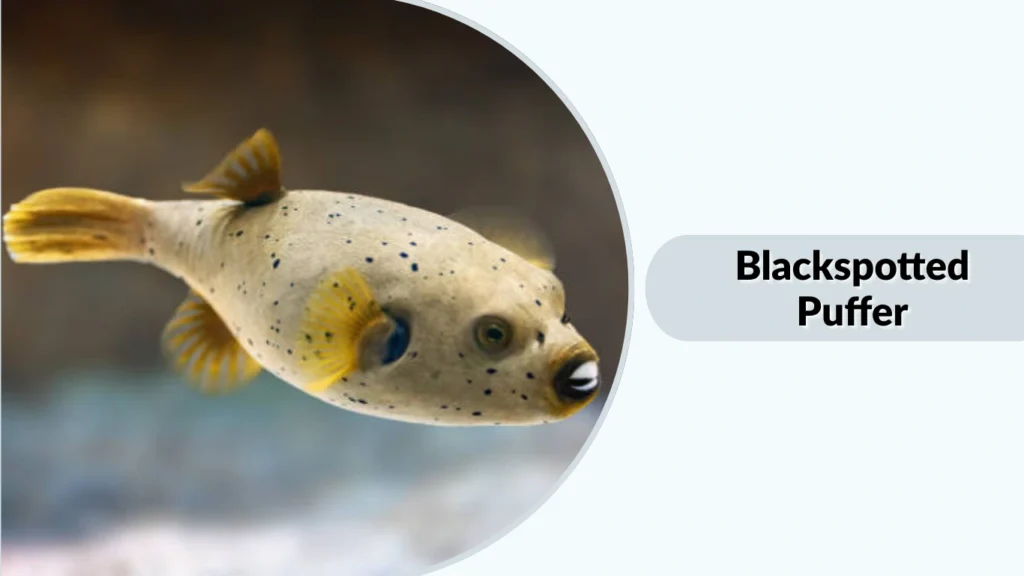
The Blackspotted Puffer is a marine pufferfish recognized for the dark spots covering its body and its strong defensive abilities. Native to tropical Indo-Pacific waters, this species inhabits coral reefs, lagoons, and rocky coastal habitats. It is admired for its bold appearance, curious personality, and slow swimming behavior. Like many puffers, it can inflate its body when threatened by predators.
Identification
- Scientific name: Arothron nigropunctatus
- Dark black spots across the body
- Gray, yellow, or brown coloration
- Rounded body with smooth skin
- Large eyes and thick lips
- Inflates when threatened
Habitat
Blackspotted Puffers live in tropical coral reefs, lagoons, and coastal marine waters throughout the Indo-Pacific region. They prefer shallow reef habitats with rocky shelters, caves, and sandy bottoms for protection. These fish usually remain close to coral formations where they can safely rest, explore reef environments, and search for food sources nearby.
Diet
This species mainly feeds on shellfish, crabs, shrimp, sea urchins, and small marine invertebrates. Its strong beak-like teeth are designed to crush hard shells efficiently. Blackspotted Puffers may also consume algae around reef surfaces. In captivity, they require a balanced diet with hard foods to maintain healthy teeth and overall condition.
Behavior
Blackspotted Puffers are generally calm, slow-moving, and curious fish that spend much of their time exploring reef habitats. They often interact with divers and may recognize caretakers in aquariums. Although peaceful, they can become territorial toward certain fish species. When threatened, they inflate their bodies to appear larger and discourage predators.
Lifespan
In healthy marine environments, Blackspotted Puffers can live for more than ten years. Aquarium specimens may survive even longer with proper water quality, balanced nutrition, and spacious habitats. Their lifespan depends on stable marine conditions, reduced stress, and regular care that supports healthy growth and natural behaviors throughout their development stages.
Interesting Facts
The Blackspotted Puffer can display different body colors depending on its environment and mood. Like many pufferfish species, it contains toxins within certain internal organs for defense against predators. It can move each eye independently to monitor surroundings effectively. Its friendly appearance and curious behavior make it popular in public aquariums worldwide.
16. White-Spotted Puffer
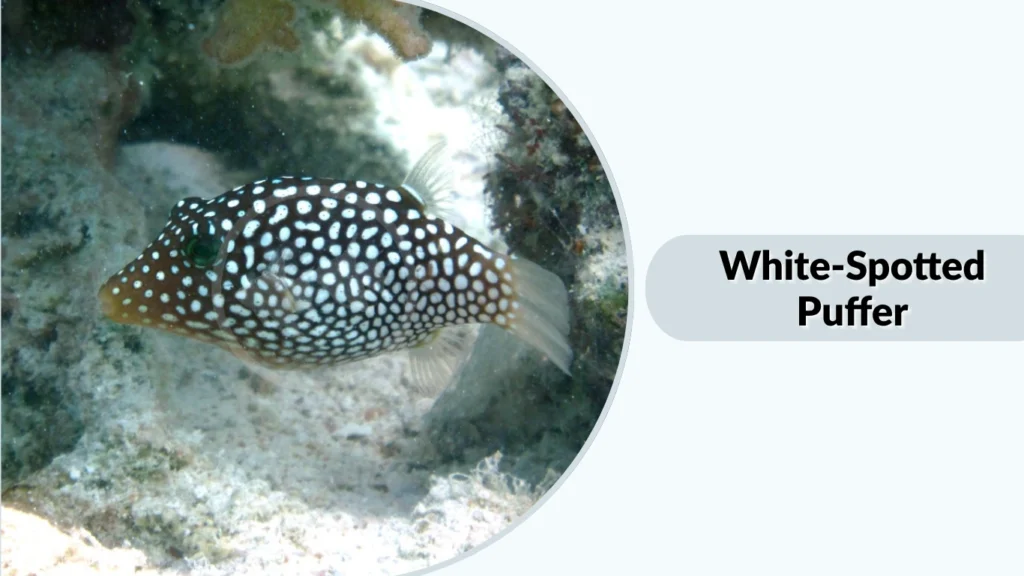
The White-Spotted Puffer is a marine pufferfish admired for the bright white spots scattered across its dark body. Found in tropical Indo-Pacific waters, this species is commonly associated with coral reefs and rocky coastal habitats. It is known for its slow swimming style, curious behavior, and defensive inflation ability. Its striking spotted appearance makes it popular among divers and marine aquarium enthusiasts.
Identification
- Scientific name: Arothron hispidus
- White spots covering the body
- Dark brown or gray coloration
- Rounded body with blunt snout
- Large expressive eyes
- Inflates when threatened
Habitat
White-Spotted Puffers inhabit tropical coral reefs, lagoons, and shallow coastal waters throughout the Indo-Pacific region. They prefer reef environments with sandy bottoms, caves, and coral structures for shelter. These fish often stay close to rocky crevices where they can safely hide during the day and search nearby areas for food sources.
Diet
This species mainly feeds on shellfish, sea urchins, mollusks, crabs, and small reef invertebrates. Its strong beak-like teeth allow it to crush hard shells efficiently. White-Spotted Puffers may also consume algae growing around coral reefs. In captivity, they require hard foods regularly to maintain healthy teeth and balanced nutrition levels.
Behavior
White-Spotted Puffers are generally calm and slow-moving fish that explore reef habitats carefully. They rely on camouflage, inflation, and toxic defenses rather than speed for protection. When frightened, they quickly inflate their bodies by swallowing water. Their curious and peaceful nature often attracts divers who encounter them in tropical marine environments.
Lifespan
In natural reef habitats, White-Spotted Puffers can live for more than ten years under healthy environmental conditions. Aquarium specimens may survive longer with proper care, stable marine water quality, and nutritious feeding routines. Their lifespan depends greatly on reducing stress, maintaining suitable habitats, and providing enough swimming and hiding spaces.
Interesting Facts
The White-Spotted Puffer can change shades of body coloration depending on mood and surroundings. Like many pufferfish species, certain organs contain toxins that protect it from predators. Its large eyes can move independently for improved awareness. The attractive spotted pattern covering its body makes it one of the most recognizable reef puffers.
17. Bandtail Puffer
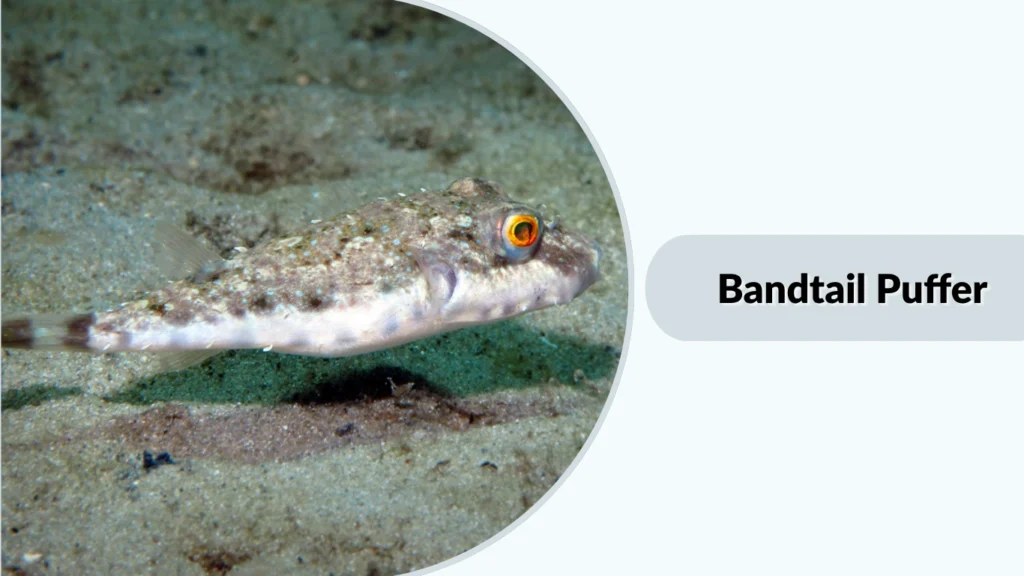
The Bandtail Puffer is a marine pufferfish known for the dark band-like markings near its tail and its calm swimming behavior. Native to tropical Indo-Pacific waters, this species commonly inhabits coral reefs and coastal lagoons. It is admired for its attractive patterns, rounded body, and curious personality. Like other pufferfish, it uses inflation as a defense against potential predators in reef habitats.
Identification
- Scientific name: Arothron stellatus
- Dark band markings near the tail
- Gray or brown body coloration
- Rounded body with smooth skin
- Large eyes and blunt face
- Inflates when threatened
Habitat
Bandtail Puffers inhabit tropical coral reefs, lagoons, and rocky coastal waters across the Indo-Pacific region. They prefer shallow marine environments with sandy bottoms and coral formations that provide protection and feeding opportunities. These fish usually stay near reef shelters where they can hide safely and explore nearby areas in search of food.
Diet
This species mainly feeds on mollusks, shellfish, sea urchins, crabs, and small reef invertebrates. Its powerful beak-like teeth help crush hard shells efficiently. Bandtail Puffers may also graze on algae growing around reef structures. In captivity, they require a varied diet with hard foods to maintain healthy teeth and balanced nutrition.
Behavior
Bandtail Puffers are generally slow-moving and peaceful fish that spend much of their time exploring reef habitats. They rely on camouflage and inflation instead of speed to escape danger. When threatened, they quickly inflate their bodies to appear larger and more difficult for predators to attack. Their curious behavior often attracts divers underwater.
Lifespan
In healthy reef environments, Bandtail Puffers can live for more than ten years. In aquariums, proper marine conditions, spacious tanks, and balanced nutrition are important for long-term survival. Their lifespan depends heavily on water quality, stress reduction, and maintaining a suitable habitat that supports natural feeding and behavioral patterns over time.
Interesting Facts
The Bandtail Puffer is capable of moving its eyes independently to monitor different directions at once. Like many pufferfish species, it contains toxins within certain organs for defense against predators. Its inflation ability makes it appear much larger during danger. The species is admired for its calm personality and distinctive tail markings.
18. Smooth Puffer
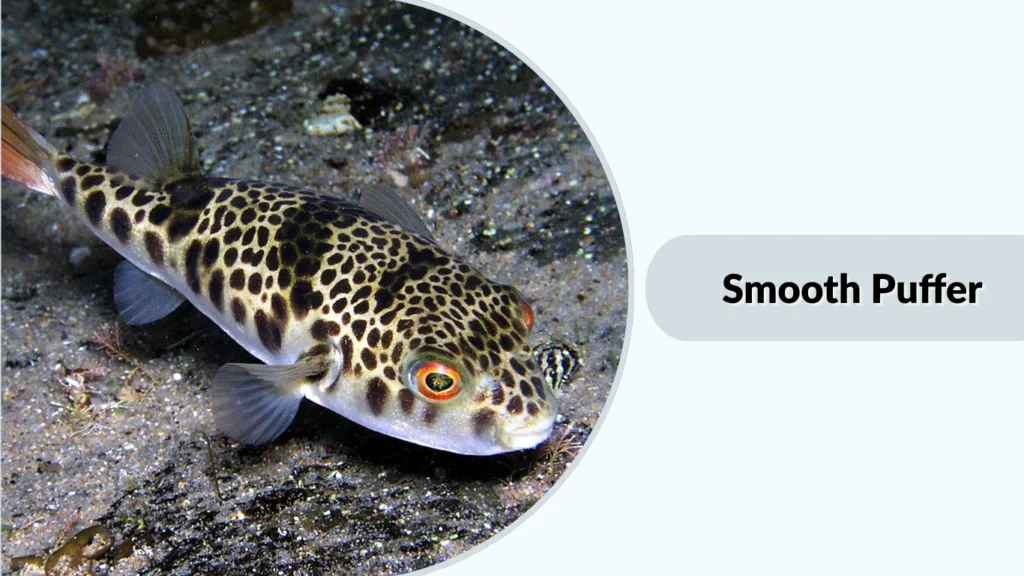
The Smooth Puffer is a large marine pufferfish recognized for its smooth skin, rounded body, and strong swimming ability. It inhabits warm coastal waters and coral reef regions in tropical and subtropical oceans. This species is admired for its calm appearance and unique defensive inflation behavior. Its streamlined body and lack of large spines give it a cleaner appearance than many other puffers.
Identification
- Scientific name: Lagocephalus laevigatus
- Smooth skin without visible spines
- Gray or brown body coloration
- White or pale underside
- Rounded body with blunt snout
- Inflates when threatened
Habitat
Smooth Puffers inhabit tropical and subtropical coastal waters, coral reefs, seagrass beds, and sandy marine environments. They are commonly found in the Atlantic Ocean and nearby coastal regions. These fish prefer open waters near reefs and rocky bottoms where they can search for food and avoid predators within marine ecosystems.
Diet
This species mainly feeds on crustaceans, mollusks, squid, shrimp, and small marine invertebrates. Its strong beak-like teeth allow it to crush hard shells effectively. Smooth Puffers may also consume small fish and algae when available. In captivity, they require a varied diet with hard foods to maintain healthy teeth and balanced nutrition.
Behavior
Smooth Puffers are generally solitary and slow-moving fish that spend much of their time exploring coastal habitats. They rely on camouflage, inflation, and toxic defenses for protection rather than speed. When threatened, they quickly inflate their bodies by swallowing water. Their calm swimming style and curious behavior make them noticeable to divers.
Lifespan
In healthy marine environments, Smooth Puffers can live for more than ten years. Aquarium specimens may survive even longer with proper care, stable water conditions, and balanced nutrition. Their lifespan depends heavily on maintaining clean marine habitats, reducing stress, and providing enough swimming space for natural movement and healthy development.
Interesting Facts
The Smooth Puffer contains powerful toxins in certain organs that can be dangerous if consumed. Unlike many pufferfish species, its body appears smoother because of its less visible spines. It can inflate rapidly to avoid predators and make swallowing difficult. Its wide distribution makes it one of the more commonly encountered puffers worldwide.
19. Northern Puffer
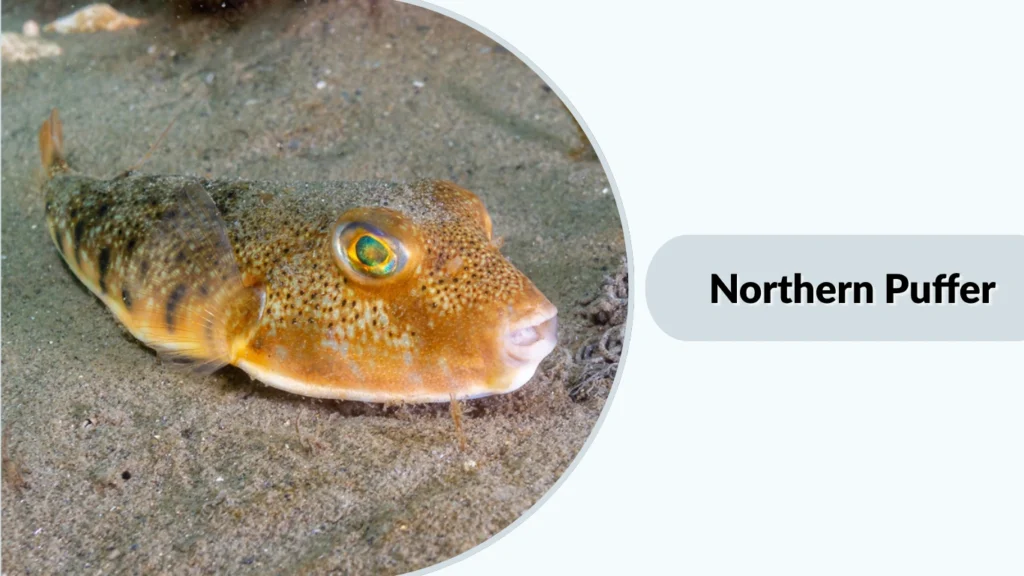
The Northern Puffer is a small marine pufferfish commonly found along the Atlantic coast of North America. It is known for its rounded body, quick movements, and ability to inflate when threatened. Unlike many toxic pufferfish species, this fish is sometimes consumed as food in certain regions. Its active behavior and adaptability allow it to thrive in coastal waters and estuaries.
Identification
- Scientific name: Sphoeroides maculatus
- Small rounded body shape
- Brown or olive body coloration
- Dark spots across the back
- White or pale underside
- Inflates when threatened
Habitat
Northern Puffers inhabit coastal waters, bays, estuaries, and seagrass beds along the Atlantic Ocean. They prefer shallow marine environments with sandy or muddy bottoms where food is plentiful. These fish are commonly found in warm coastal waters during summer months and may move into deeper waters during colder seasons.
Diet
This species mainly feeds on shellfish, small crabs, shrimp, worms, and marine invertebrates found near the ocean floor. Its strong beak-like teeth help crush hard shells efficiently. Northern Puffers actively search for prey in sandy habitats and seagrass areas. Their feeding habits help control populations of small coastal invertebrates naturally.
Behavior
Northern Puffers are active and curious fish that swim more quickly than many other pufferfish species. They often travel in small groups while searching for food in coastal waters. When threatened, they inflate their bodies with water to appear larger. Their alert behavior and adaptability help them survive in changing marine environments.
Lifespan
In healthy coastal habitats, Northern Puffers can live for several years under suitable environmental conditions. Their lifespan depends on water quality, food availability, and protection from predators. In captivity, proper marine care and balanced nutrition are essential for maintaining health, reducing stress, and supporting natural behavior throughout their development.
Interesting Facts
The Northern Puffer is sometimes called the “sugar toad” in parts of the United States. Unlike many pufferfish species, it contains lower toxin levels, making it edible when prepared correctly by experts. Its ability to inflate quickly helps deter predators. This species is also valued in coastal ecosystems for controlling small invertebrate populations.
20. Southern Puffer
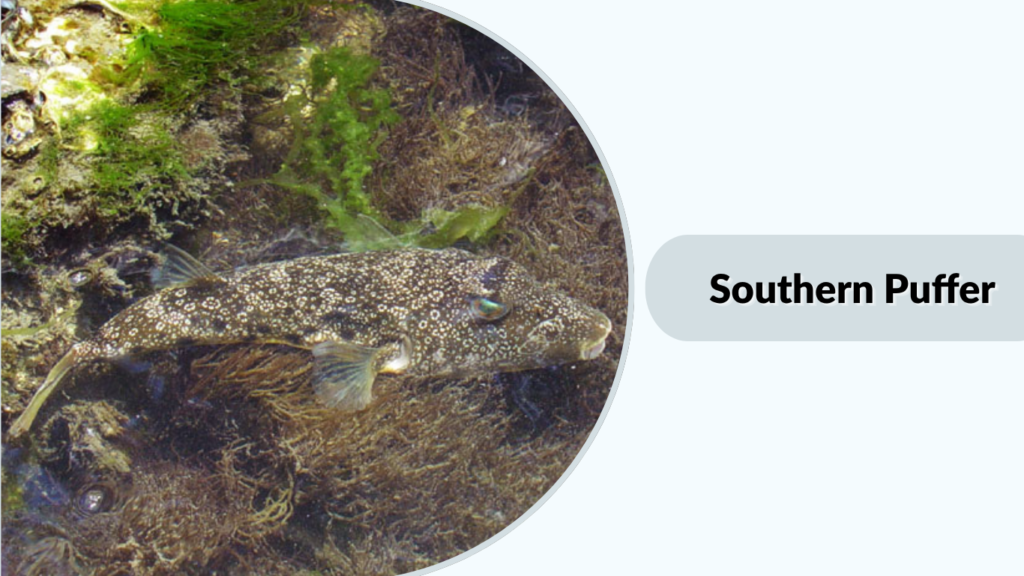
The Southern Puffer is a marine pufferfish commonly found in warm coastal waters of the western Atlantic Ocean and Gulf of Mexico. It is recognized for its rounded body, spotted appearance, and defensive inflation ability. This species inhabits shallow coastal habitats where it searches for small prey among seagrass beds and sandy bottoms. Its adaptability allows it to thrive in changing marine environments.
Identification
- Scientific name: Sphoeroides nephelus
- Rounded body with smooth skin
- Brown or olive body coloration
- Dark spots and markings on body
- White or pale underside
- Inflates when threatened
Habitat
Southern Puffers inhabit shallow coastal waters, estuaries, bays, seagrass beds, and sandy marine environments. They are commonly found in warm regions of the Atlantic Ocean and Gulf of Mexico. These fish prefer calm coastal habitats with abundant food and shelter where they can safely hide from predators and explore nearby feeding areas.
Diet
This species mainly feeds on crustaceans, mollusks, shrimp, worms, and small marine invertebrates found near the ocean floor. Its strong beak-like teeth allow it to crush shells efficiently. Southern Puffers actively search sandy and grassy habitats for prey. Their feeding habits help maintain balance within coastal marine ecosystems naturally.
Behavior
Southern Puffers are generally active and curious fish that spend much of their time exploring shallow coastal habitats. They may swim alone or in small groups while searching for food. When threatened, they inflate their bodies with water to appear larger and more difficult for predators to swallow or attack successfully.
Lifespan
In healthy marine environments, Southern Puffers can live for several years under stable conditions. Their lifespan depends on food availability, water quality, and protection from predators. In captivity, proper marine care, balanced nutrition, and stress-free habitats are important for maintaining health and supporting natural behaviors throughout their lives.
Interesting Facts
The Southern Puffer can quickly inflate its body as a defense mechanism against predators. Like many pufferfish species, it contains toxins in certain internal organs for protection. Its spotted body pattern helps camouflage it among sandy and grassy coastal habitats. This species plays an important role in controlling small invertebrate populations in coastal ecosystems.
21. Balloonfish
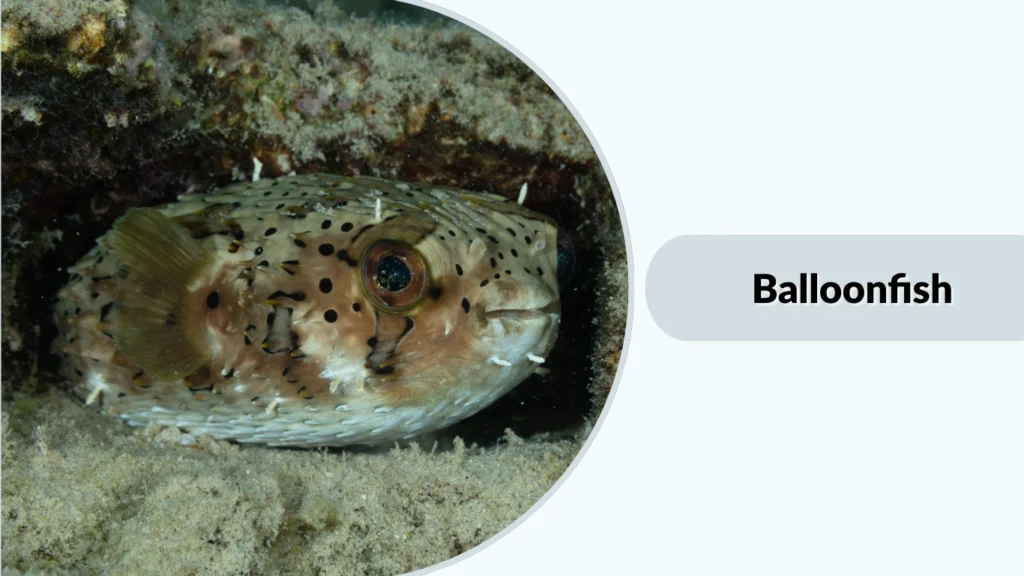
The Balloonfish is a large marine pufferfish famous for its ability to inflate into a round balloon-like shape when threatened. Covered with sharp spines, this species is commonly found in tropical and subtropical oceans worldwide. It inhabits coral reefs, lagoons, and coastal waters where it searches for hard-shelled prey. Its unusual appearance and strong defensive abilities make it one of the most recognizable pufferfish species.
Identification
- Scientific name: Diodon holocanthus
- Long sharp spines across body
- Yellowish or brown body coloration
- Dark spots covering the skin
- Rounded body with large eyes
- Inflates when threatened
Habitat
Balloonfish inhabit tropical coral reefs, lagoons, rocky coastal waters, and sandy marine environments around the world. They prefer shallow reef habitats with caves and crevices for protection during the day. At night, they become more active and search nearby reef areas for food among rocks, sand, and coral structures.
Diet
This species mainly feeds on crabs, shrimp, mollusks, sea urchins, and other hard-shelled marine animals. Its powerful beak-like teeth help crush shells with ease. Balloonfish also consume small invertebrates living around reefs. Their feeding habits contribute to controlling populations of certain reef organisms within marine ecosystems naturally and effectively.
Behavior
Balloonfish are generally slow-moving and solitary fish that rely on defense rather than speed for survival. When threatened, they rapidly inflate their bodies with water or air, causing their spines to stand outward. This defensive display makes them difficult for predators to swallow. Their curious nature often attracts divers in tropical waters.
Lifespan
In healthy marine environments, Balloonfish can live for more than ten years. In captivity, proper care, spacious tanks, and excellent water quality are necessary for long-term survival. Their lifespan depends on balanced nutrition, stress reduction, and maintaining stable marine conditions that support healthy growth and natural behavior patterns throughout their lives.
Interesting Facts
The Balloonfish is capable of inflating several times larger than its normal body size when frightened. Its sharp spines become more noticeable during inflation, offering extra protection against predators. Certain organs contain toxins that may be dangerous if consumed. Its balloon-like defensive behavior inspired its well-known common name among marine enthusiasts.
22. Sharpnose Puffer
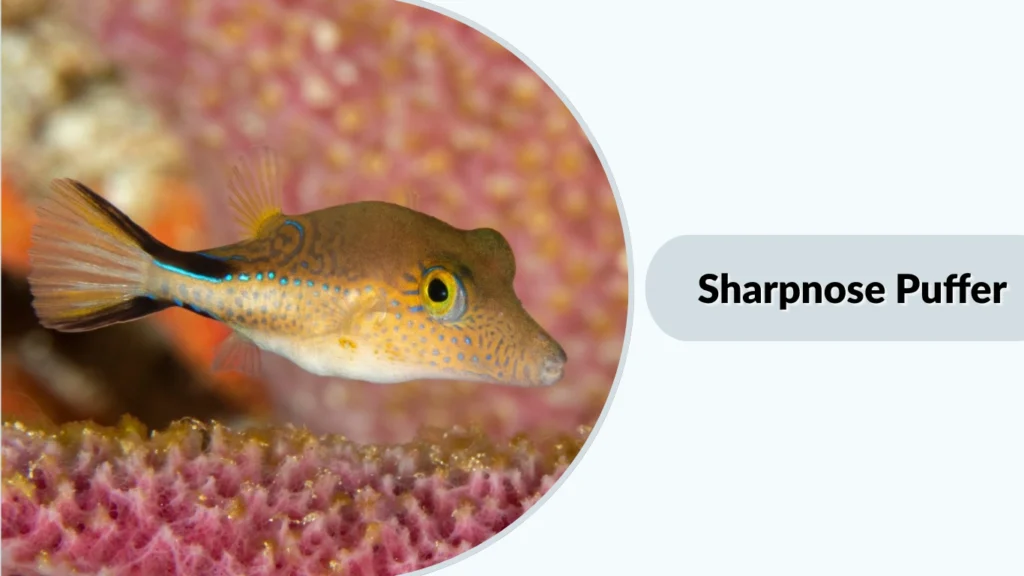
The Sharpnose Puffer is a small marine pufferfish known for its pointed snout, colorful body patterns, and active behavior. It is commonly found in tropical Atlantic and Caribbean waters around coral reefs and rocky coastal habitats. This species is popular among marine aquarium enthusiasts because of its manageable size and attractive appearance. Its curious personality and quick movements make it an interesting reef fish.
Identification
- Scientific name: Canthigaster rostrata
- Pointed sharp-looking snout
- Brown or golden body coloration
- Bright blue lines around the eyes
- Small rounded body shape
- Inflates when threatened
Habitat
Sharpnose Puffers inhabit tropical coral reefs, seagrass beds, rocky coastal areas, and lagoons in the Atlantic Ocean and Caribbean Sea. They prefer shallow marine habitats with coral formations and hiding spaces for safety. These fish often remain near reef structures where they can search for food and avoid larger marine predators effectively.
Diet
This species mainly feeds on small crustaceans, mollusks, worms, algae, and tiny reef invertebrates. Its strong beak-like teeth help crush small hard-shelled prey efficiently. Sharpnose Puffers actively search reef surfaces and sandy areas for food throughout the day. In captivity, they require a balanced diet with both plant and protein sources.
Behavior
Sharpnose Puffers are active, intelligent, and curious fish that constantly explore their surroundings. They are generally peaceful but may become territorial toward smaller tank mates in confined spaces. When threatened, they inflate their bodies with water to discourage predators. Their energetic swimming style and interactive behavior make them popular among aquarium keepers and divers.
Lifespan
In healthy reef environments, Sharpnose Puffers can live for around five to seven years. Aquarium specimens may survive longer with proper care, stable marine conditions, and balanced nutrition. Their lifespan depends on maintaining clean water, reducing stress, and providing enough swimming space and shelter to support healthy long-term development.
Interesting Facts
The Sharpnose Puffer is one of the smaller pufferfish species commonly found in coral reef habitats. Its pointed snout helps distinguish it from many other puffers. Like many pufferfish, it contains toxins within certain organs for defense. Its colorful markings and active personality make it highly attractive in marine aquariums.
23. Brown Puffer
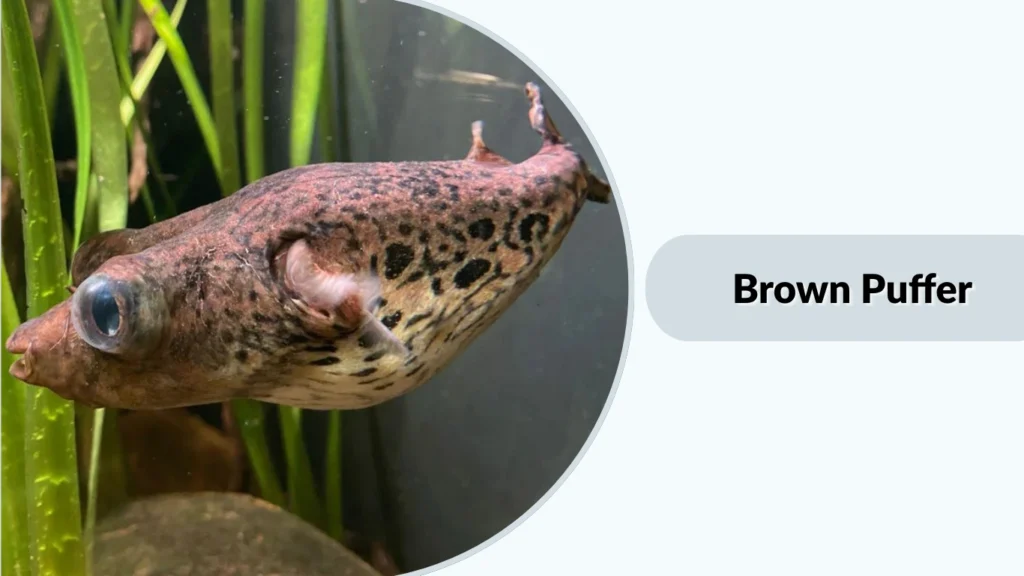
The Brown Puffer is a marine pufferfish recognized for its simple brown coloration, rounded body, and powerful defensive abilities. Found in tropical and subtropical oceans, this species commonly inhabits coral reefs, lagoons, and coastal waters. It is admired for its adaptability and calm behavior. Like other pufferfish, it can inflate its body when threatened, helping protect itself from predators in marine environments.
Identification
- Scientific name: Takifugu rubripes
- Brown or olive body coloration
- Rounded body with smooth skin
- Pale underside coloration
- Large eyes and blunt snout
- Inflates when threatened
Habitat
Brown Puffers inhabit coastal waters, coral reefs, rocky shorelines, estuaries, and sandy marine environments. They are commonly found in warm and temperate ocean regions where food sources are abundant. These fish prefer habitats with hiding places such as rocks and reef structures that provide safety from predators and support natural feeding behavior.
Diet
This species mainly feeds on shellfish, shrimp, crabs, mollusks, worms, and small marine invertebrates. Its strong beak-like teeth are designed to crush hard shells efficiently. Brown Puffers actively search coastal habitats for prey hidden among rocks and sand. Their feeding habits help maintain ecological balance within reef and coastal ecosystems naturally.
Behavior
Brown Puffers are generally slow-moving and solitary fish that spend much of their time exploring the ocean floor. They rely on camouflage, inflation, and toxins for defense rather than fast swimming. When threatened, they quickly inflate their bodies with water to appear larger and discourage attacks from predators nearby in marine habitats.
Lifespan
In healthy marine environments, Brown Puffers can live for more than ten years under stable conditions. In captivity, their lifespan depends on water quality, balanced nutrition, and proper tank care. Maintaining stress-free habitats, spacious swimming areas, and suitable environmental conditions is essential for supporting long-term health and natural behavioral development.
Interesting Facts
Certain species known as Brown Puffers contain powerful toxins that can be dangerous if consumed improperly. In some countries, specially trained chefs prepare pufferfish dishes under strict regulations. Their ability to inflate rapidly is one of the most effective defenses among marine fish. Their calm behavior often contrasts with their dangerous toxic properties.
24. Masked Puffer
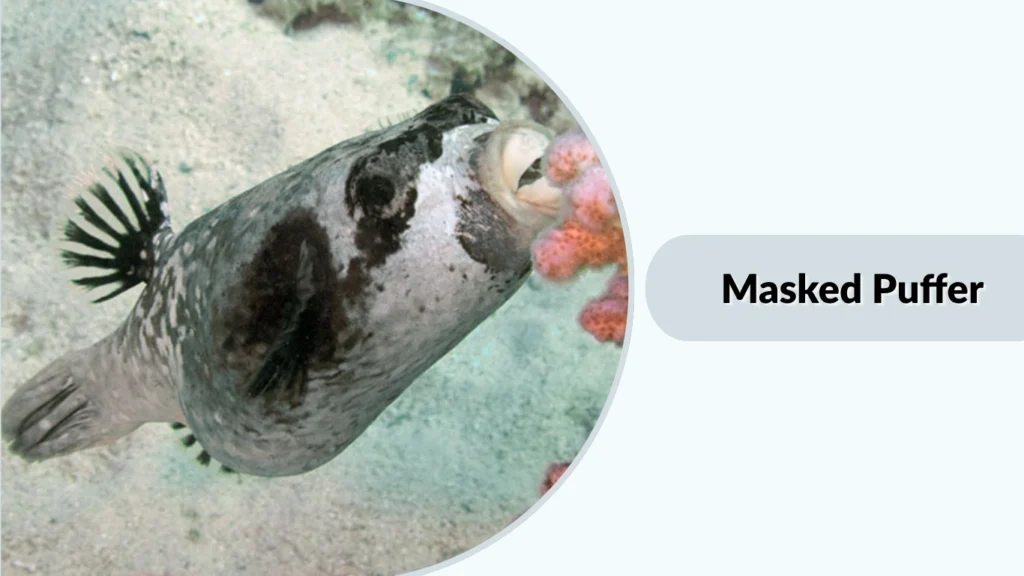
The Masked Puffer is a marine pufferfish known for the dark mask-like markings around its face and eyes. Native to tropical Indo-Pacific waters, this species inhabits coral reefs, lagoons, and rocky coastal habitats. It is admired for its striking appearance, curious behavior, and defensive inflation ability. Its colorful patterns and calm swimming style make it a fascinating species for divers and aquarium enthusiasts.
Identification
- Scientific name: Arothron diadematus
- Dark mask-like facial markings
- Gray or brown body coloration
- Rounded body with smooth skin
- Large expressive eyes
- Inflates when threatened
Habitat
Masked Puffers inhabit tropical coral reefs, lagoons, and shallow rocky coastal waters throughout the Indo-Pacific region. They prefer reef environments with caves, coral formations, and sandy bottoms that provide shelter and feeding opportunities. These fish often remain near reef crevices where they can safely hide and search nearby areas for food.
Diet
This species mainly feeds on crustaceans, mollusks, sea urchins, shrimp, and small reef invertebrates. Its strong beak-like teeth allow it to crush hard shells easily. Masked Puffers may also graze on algae growing around coral reefs. In captivity, they require a varied diet with hard foods to maintain healthy teeth and balanced nutrition.
Behavior
Masked Puffers are generally calm and slow-moving fish that spend much of their time exploring reef habitats. They rely on camouflage, toxins, and inflation for protection rather than speed. When frightened, they inflate their bodies with water to appear larger and discourage predators. Their curious nature often attracts divers in tropical reef environments.
Lifespan
In healthy marine habitats, Masked Puffers can live for more than ten years under stable conditions. Aquarium specimens may survive longer with proper care, balanced nutrition, and excellent water quality. Their lifespan depends heavily on maintaining stress-free environments, suitable marine conditions, and enough swimming space to support natural behavior and healthy development.
Interesting Facts
The Masked Puffer gets its common name from the dark markings that resemble a facial mask around its eyes. Like many pufferfish species, it can move its eyes independently to monitor different directions at once. Certain internal organs contain toxins for protection. Its distinctive facial patterns make it one of the more recognizable reef puffers.
25. Checkered Puffer
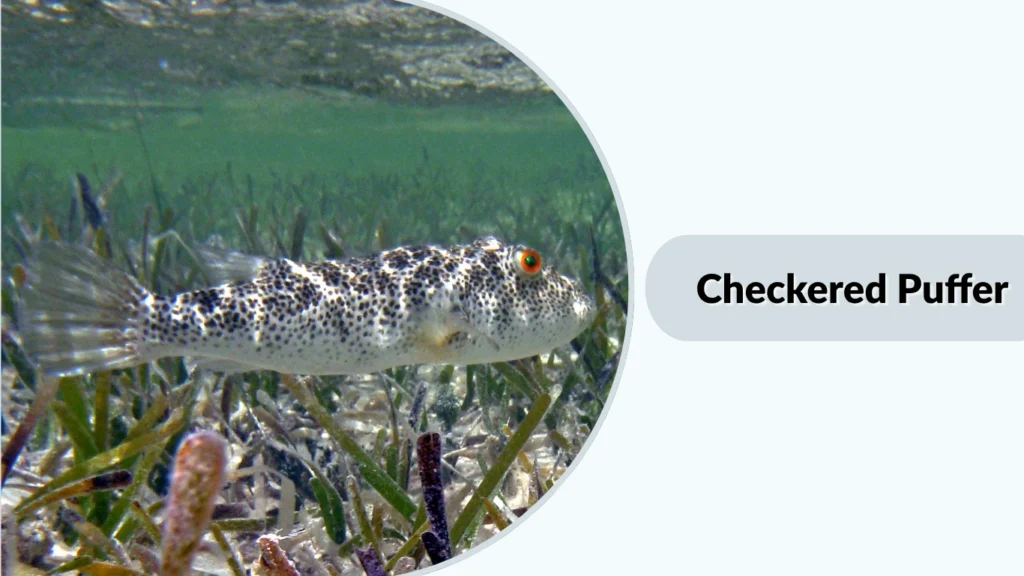
The Checkered Puffer is a marine pufferfish recognized for its checkered body pattern and rounded shape. It inhabits tropical and subtropical coastal waters, coral reefs, and lagoons where it searches for hard-shelled prey among sandy and rocky habitats. This species is admired for its unique markings, curious behavior, and defensive inflation ability. Its patterned appearance helps it blend into reef environments effectively.
Identification
- Scientific name: Sphoeroides testudineus
- Checkered or net-like body pattern
- Gray, brown, or olive coloration
- Rounded body with smooth skin
- Large eyes and blunt snout
- Inflates when threatened
Habitat
Checkered Puffers inhabit shallow coastal waters, estuaries, seagrass beds, coral reefs, and lagoons in tropical and subtropical regions. They prefer sandy or muddy bottoms with nearby vegetation and rocky shelters. These habitats provide protection from predators and suitable feeding grounds where they can search for small marine animals and hidden prey.
Diet
This species mainly feeds on crabs, shrimp, mollusks, worms, and other small marine invertebrates found near the ocean floor. Its strong beak-like teeth help crush shells efficiently. Checkered Puffers actively explore sandy habitats and seagrass areas while hunting. Their feeding habits contribute to maintaining balance within coastal marine ecosystems naturally and effectively.
Behavior
Checkered Puffers are generally calm and slow-moving fish that spend much of their time searching for food along the seabed. They rely on camouflage and inflation as primary defense mechanisms against predators. When frightened, they quickly inflate their bodies with water to appear larger and more difficult for predators to swallow safely.
Lifespan
In healthy coastal environments, Checkered Puffers can live for several years under suitable conditions. Their lifespan depends on stable water quality, food availability, and protection from predators. In captivity, proper marine care, balanced nutrition, and low-stress habitats are important for maintaining healthy growth and supporting natural behavioral development throughout their lives.
Interesting Facts
The Checkered Puffer’s patterned body helps camouflage it among sandy and rocky marine habitats. Like many pufferfish species, it contains toxins within certain organs for defense. It can rapidly inflate when threatened, making it difficult for predators to attack. Its adaptable nature allows it to survive in a wide variety of coastal environments.
26. Speckled Puffer
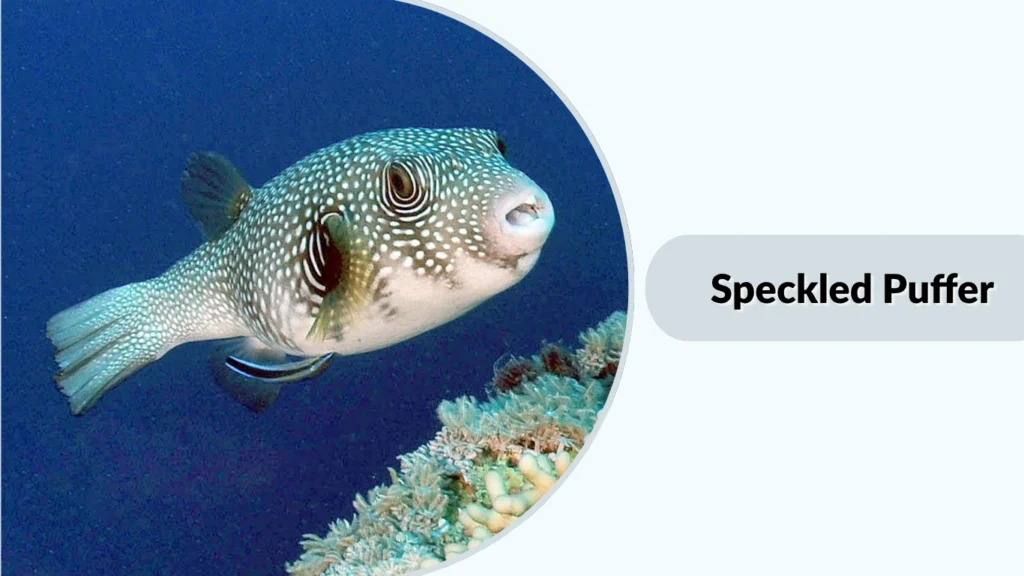
The Speckled Puffer is a marine pufferfish known for the tiny speckled markings covering its body and its excellent defensive abilities. Found in tropical and subtropical coastal waters, this species inhabits coral reefs, lagoons, and rocky marine habitats. It is admired for its patterned appearance, rounded body, and curious behavior. Like other puffers, it inflates when threatened to protect itself from predators.
Identification
- Scientific name: Arothron meleagris
- Small speckled markings across body
- Dark brown or black coloration
- Rounded body with smooth skin
- Large eyes and blunt snout
- Inflates when threatened
Habitat
Speckled Puffers inhabit tropical coral reefs, lagoons, rocky coastal waters, and sandy marine environments throughout warm ocean regions. They prefer shallow reef habitats with caves, coral structures, and crevices that provide protection and feeding opportunities. These fish often remain close to reef shelters where they can safely hide and search nearby waters for food.
Diet
This species mainly feeds on crustaceans, mollusks, sea urchins, shrimp, and small reef invertebrates. Its strong beak-like teeth help crush hard shells effectively. Speckled Puffers may also consume algae growing around reef surfaces. In captivity, they require a varied diet containing hard foods to maintain healthy teeth and balanced nutritional health.
Behavior
Speckled Puffers are generally slow-moving and curious fish that spend much of their time exploring reef habitats. They rely on camouflage, toxins, and inflation rather than speed for defense. When threatened, they quickly inflate their bodies by swallowing water to appear larger and discourage predators from attempting to attack or swallow them.
Lifespan
In healthy marine environments, Speckled Puffers can live for more than ten years under stable conditions. Aquarium specimens may survive even longer with excellent water quality, balanced nutrition, and spacious habitats. Their lifespan depends on reducing stress, maintaining proper marine conditions, and supporting natural behaviors through suitable environmental care and feeding routines.
Interesting Facts
The Speckled Puffer’s body pattern helps camouflage it among rocky reefs and coral habitats. Like many pufferfish species, certain organs contain toxins for protection against predators. It can move each eye independently to observe different directions at once. Its spotted appearance and calm behavior make it popular among marine aquarium enthusiasts worldwide.
27. Longhorn Cowfish Puffer
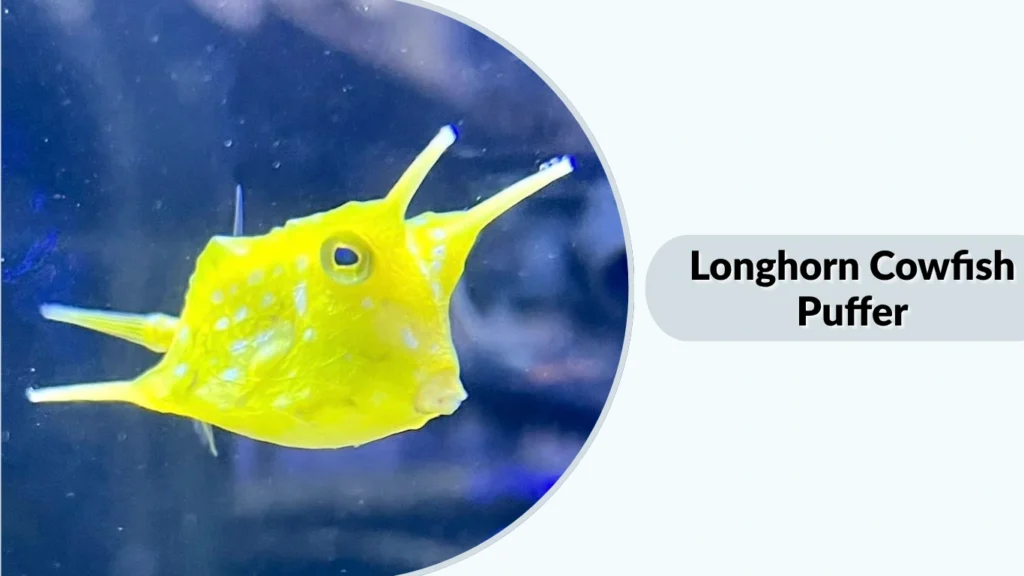
The Longhorn Cowfish Puffer is a unique marine fish recognized for the long horn-like projections extending from the front of its head. Found in tropical Indo-Pacific waters, this species inhabits coral reefs, lagoons, and sandy coastal habitats. It is admired for its box-shaped body, slow swimming style, and unusual appearance. Its distinctive horns and bright coloration make it one of the most recognizable reef fish species.
Identification
- Scientific name: Lactoria cornuta
- Long horn-like projections on head
- Box-shaped body structure
- Yellow or tan body coloration
- Small fins with slow movement
- Releases toxins when stressed
Habitat
Longhorn Cowfish Puffers inhabit tropical coral reefs, lagoons, seagrass beds, and sandy coastal waters throughout the Indo-Pacific region. They prefer shallow marine habitats with calm waters and plenty of hiding spaces. These fish often remain near coral formations and sandy bottoms where they can safely search for food and avoid larger predators.
Diet
This species mainly feeds on small crustaceans, mollusks, worms, algae, and tiny marine invertebrates found near reef habitats. Its small mouth allows it to pick food carefully from sandy and rocky surfaces. Longhorn Cowfish Puffers require a varied diet for healthy growth and proper nutrition within both natural habitats and aquarium environments.
Behavior
Longhorn Cowfish Puffers are generally peaceful and slow-moving fish that spend much of their time exploring reef habitats. They rely on camouflage and toxic secretions rather than speed for defense. When stressed, they may release toxins into the water. Their curious swimming style and unusual body shape attract divers and aquarium enthusiasts alike.
Lifespan
In healthy marine environments, Longhorn Cowfish Puffers can live for several years under stable conditions. In captivity, proper water quality, balanced nutrition, and stress-free habitats are essential for long-term survival. Their lifespan depends heavily on maintaining clean marine conditions, reducing stress, and providing enough swimming space and shelter throughout their lives.
Interesting Facts
The Longhorn Cowfish Puffer belongs to the boxfish family rather than the true pufferfish family. Its horn-like projections help discourage predators from swallowing it. When highly stressed, it can release toxic substances into surrounding water. Its unusual box-shaped body and slow swimming movements make it one of the most distinctive reef fish in the ocean.
FAQs
Are all pufferfish poisonous?
Not all pufferfish are highly poisonous, but many species contain toxins called tetrodotoxins in their organs and skin. These toxins help protect them from predators. Some species have lower toxin levels, while others can be extremely dangerous if eaten without proper preparation by trained professionals.
Why do pufferfish inflate their bodies?
Pufferfish inflate as a defense mechanism when they feel threatened. They quickly swallow water or air to make themselves appear much larger and more difficult for predators to swallow. Some species also have sharp spines that become more visible after inflation for additional protection.
What do pufferfish eat?
Pufferfish mainly eat hard-shelled prey such as crabs, shrimp, mollusks, snails, and sea urchins. Their strong beak-like teeth help crush shells easily. Some species also consume algae and small invertebrates found around reefs, rivers, or coastal habitats depending on the species.
Can pufferfish live in freshwater?
Yes, some pufferfish species live entirely in freshwater environments. Examples include the Fahaka Puffer, Dwarf Puffer, and Congo Puffer. Other species may live in brackish water or marine habitats. Each species requires specific water conditions for healthy growth and long-term survival.
How long do pufferfish live?
Pufferfish lifespan varies by species and habitat conditions. Smaller species may live around five years, while larger marine puffers can survive for more than ten years. Proper nutrition, clean water, stable environmental conditions, and reduced stress are important factors that support longer and healthier lives.