
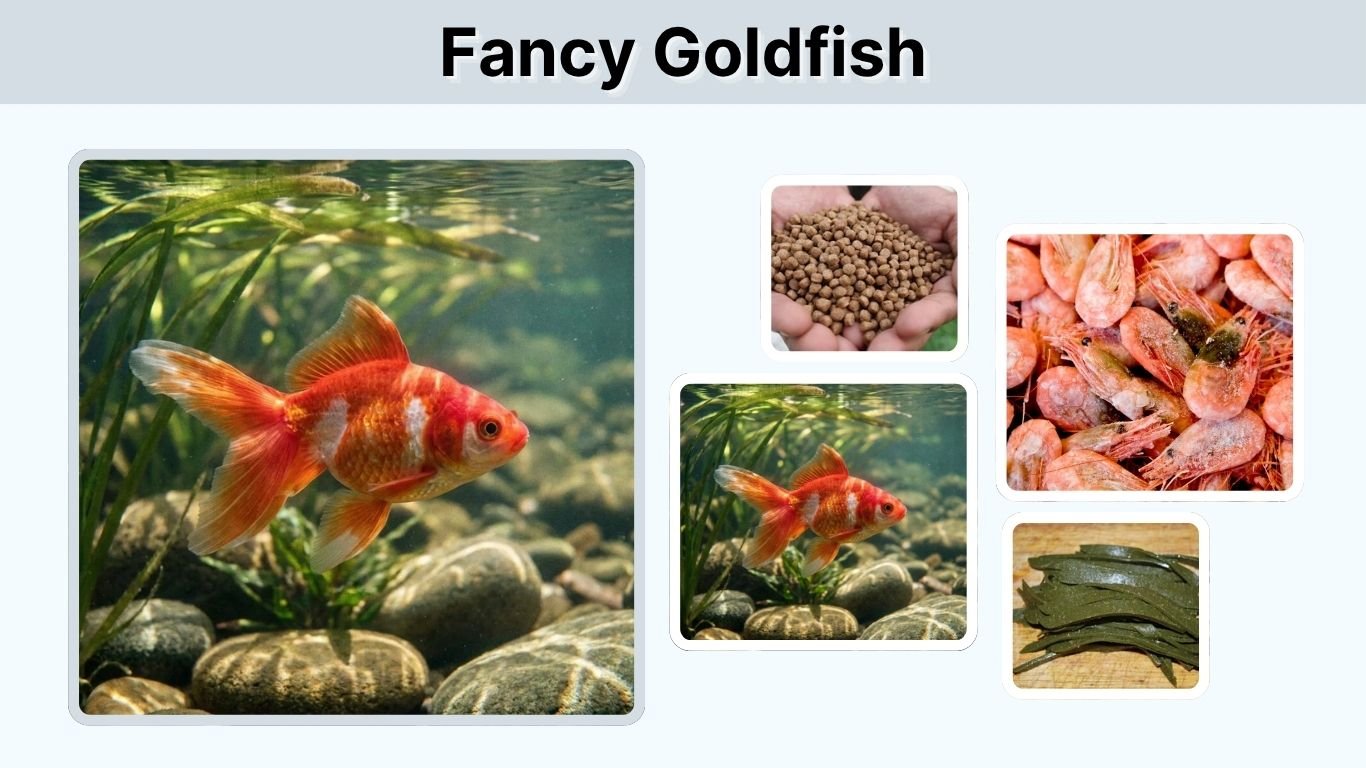
Fancy goldfish are among the most beautiful freshwater aquarium fish, admired for their colorful bodies, flowing fins, and distinctive shapes. Unlike common goldfish, these ornamental varieties have unique physical features that require special attention. Whether you’re interested in Oranda, Ranchu, Fantail, or Black Moor goldfish, understanding their needs is essential. This guide covers popular fancy goldfish types, aquarium setup, feeding, tank mates, lifespan, and practical care tips.
What Are Fancy Goldfish?
Fancy goldfish are selectively bred varieties of the common goldfish species, Carassius auratus. They have been developed over centuries to display distinctive body shapes, elaborate fins, unusual eyes, and attractive colors. Most fancy varieties are slower swimmers than common goldfish, making them better suited to carefully maintained indoor aquariums.
Fancy Goldfish Characteristics
Fancy goldfish have several recognizable features that distinguish them from ordinary goldfish.
- Body Shape: Usually rounded, compact, or egg-shaped.
- Tail: Many varieties have divided or double tails.
- Colors: Orange, red, white, black, blue, and calico.
- Adult Size: Commonly 5–8 inches, depending on variety.
- Lifespan: Often 10–15 years with suitable care.
- Temperament: Generally peaceful and social.
- Diet: Omnivorous, requiring balanced nutrition.
Their unusual body structures can make swimming and feeding more challenging, particularly for varieties with extreme physical characteristics.
Popular Types of Fancy Goldfish
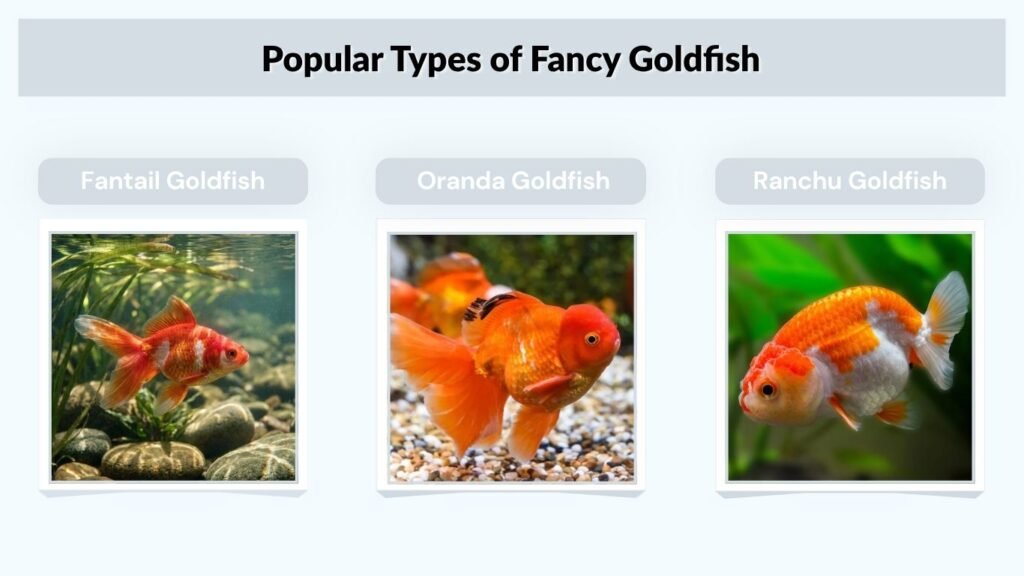
There are numerous fancy goldfish breeds, each displaying distinct colors, body structures, and fin arrangements. Some varieties are relatively hardy, while others need additional attention because of their delicate eyes, fins, or head growths. Understanding these differences helps aquarists choose suitable fish and create compatible aquarium communities.
1. Fantail Goldfish
Fantail goldfish are among the most recognizable fancy varieties. They have rounded bodies and beautiful divided tails that spread outward like fans.
Their relatively straightforward care requirements make them a common choice for aquarists beginning with fancy goldfish. They generally swim more efficiently than highly specialized varieties.
2. Oranda Goldfish
Oranda fancy goldfish are famous for their fleshy head growth, known as a wen. Their rounded bodies and flowing fins create an elegant appearance.
Popular color variations include red cap, black, blue, and calico Orandas. Their head growth requires observation because excessive tissue can occasionally interfere with vision or feeding.
3. Ranchu Goldfish
Ranchu fancy goldfish have short, rounded bodies, curved backs, and no dorsal fins. They also develop prominent head growth.
Often called the King of Goldfish, Ranchus are particularly appreciated for their unusual body shape. Because they are slow swimmers, gentle water movement and appropriately matched companions are important.
4. Black Moor Goldfish
Black Moor goldfish are a type of telescope-eye fancy goldfish recognized by their dark coloration and protruding eyes.
They have rounded bodies and flowing tails. Their delicate eyes can be injured by sharp decorations, making smooth aquarium accessories especially important.
5. Ryukin Goldfish
Ryukin goldfish have deep, rounded bodies and strongly arched backs. Their fins may be short or flowing, depending on the particular variety.
They are generally active fancy goldfish but still require more careful accommodation than streamlined common goldfish.
6. Pearlscale Goldfish
Pearlscale goldfish have rounded bodies covered with distinctive raised, dome-shaped scales that resemble small pearls.
Their compact shape can make swimming less efficient. Avoid overcrowding and select decorations that will not damage their unusual scales.
7. Bubble Eye Goldfish
Bubble Eye goldfish possess delicate, fluid-filled sacs beneath their eyes. These features create an unusual appearance but make them particularly vulnerable to physical injuries.
They need carefully arranged aquariums without sharp decorations, strong currents, or aggressive companions.
Fancy Goldfish Aquarium and Tank Requirements
A properly designed fancy goldfish aquarium supports healthy swimming, digestion, and long-term well-being. Although these fish are often displayed in small tanks, they produce considerable waste and require sufficient water volume. Spacious aquariums, reliable filtration, and stable water conditions are essential for successful fancy goldfish care.
Ideal Fancy Goldfish Tank Size
For one adult fancy goldfish, a 30-gallon aquarium is a practical starting point. A pair is better accommodated in approximately 40–55 gallons or more, depending on their size and variety.
Avoid keeping fancy goldfish permanently in 10-gallon tanks or traditional fish bowls.
Wide, rectangular aquariums are generally preferable because they provide greater horizontal swimming space. Larger aquariums also help stabilize water temperature and chemistry.
Fancy Goldfish Water Temperature
Most fancy goldfish do well in stable, moderately cool water. Their ideal conditions depend partly on the variety and previous acclimation.
Recommended aquarium conditions include:
- Temperature: Approximately 64–74°F (18–23°C).
- pH Level: Roughly 6.5–8.5, with stability essential.
- Ammonia: 0 ppm.
- Nitrite: 0 ppm.
- Nitrate: Kept low through regular maintenance.
- Water Current: Gentle to moderate.
A heater is not always necessary, although one may help prevent fluctuations in unusually cold rooms.
Filtration and Aquarium Decorations
Fancy goldfish need effective mechanical and biological filtration because they produce substantial waste.
Use filters with adjustable flow rates to avoid excessive currents. Provide smooth substrate, rounded stones, and suitable aquarium plants.
Avoid sharp plastic plants and rough ornaments that could damage flowing fins, protruding eyes, or head growths.
Best Food for Fancy Goldfish
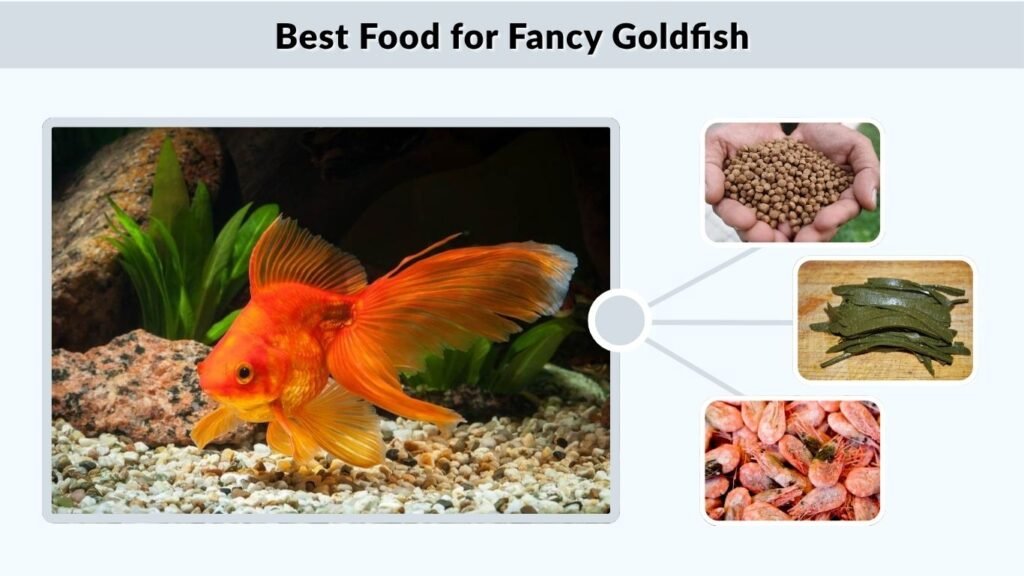
Fancy goldfish are omnivorous fish that need balanced nutrition for healthy growth and development. Their diet should include appropriate protein, carbohydrates, vitamins, and plant-based ingredients. Feeding habits are especially important for compact-bodied varieties because digestive and buoyancy problems can occur more easily.
Recommended Fancy Goldfish Foods
High-quality sinking goldfish pellets are an excellent everyday food choice.
Suitable dietary options include:
- Sinking Pellets: Provide complete daily nutrition.
- Goldfish Gel Food: Offers a soft, nutritious alternative.
- Daphnia: Supplies protein and dietary variety.
- Brine Shrimp: Suitable as an occasional treat.
- Blanched Vegetables: Provide supplementary plant material.
- Shelled Peas: Can be offered occasionally in small portions.
Choose foods formulated specifically for goldfish rather than relying entirely on generic tropical fish flakes.
How Often Should Fancy Goldfish Eat?
Most adult fancy goldfish can be fed once or twice daily in small portions.
Offer only as much food as the fish can consume within approximately two minutes.
Avoid excessive feeding because leftover food can pollute aquarium water. Adjust quantities according to age, body size, temperature, and activity level.
Fancy Goldfish Tank Mates and Compatibility
Fancy goldfish are generally peaceful, but their slow swimming abilities make compatibility particularly important. Faster fish may compete for food, while aggressive aquarium species can damage delicate fins. The safest companions are usually other fancy goldfish with similar body shapes and environmental requirements.
Best Tank Mates for Fancy Goldfish
Suitable companions may include:
- Fantail goldfish
- Oranda goldfish
- Ranchu goldfish
- Black Moor goldfish
- Other similarly sized fancy goldfish
Compatibility depends on individual behavior and swimming ability. Extremely slow varieties may struggle when housed with more active fancy goldfish.
Fish to Avoid With Fancy Goldfish
Common goldfish, comet goldfish, and Shubunkins are generally faster swimmers and may outcompete fancy varieties during feeding.
Aggressive cichlids, fin-nipping barbs, and many tropical fish are also unsuitable.
Avoid keeping extremely small fish with adult goldfish because they may be swallowed.
Fancy Goldfish Size and Lifespan
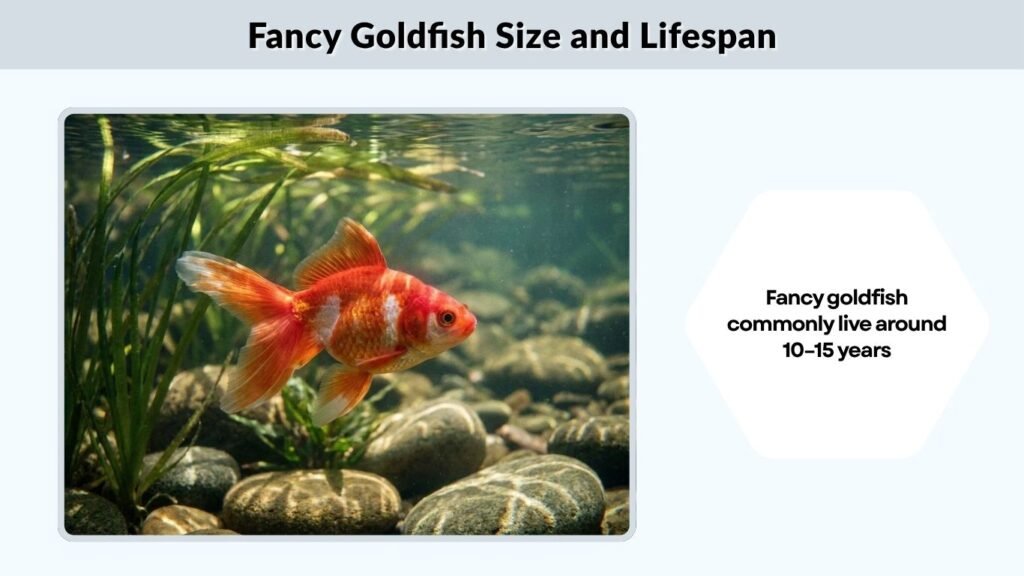
Fancy goldfish are long-term aquarium pets rather than temporary decorative fish. Their final size and lifespan depend on genetics, diet, environmental conditions, and the physical characteristics of individual varieties. Understanding their potential development helps owners plan appropriate aquarium space and provide consistent care throughout their lives.
How Big Do Fancy Goldfish Get?
Most adult fancy goldfish reach approximately 5–8 inches, although some individuals grow larger.
Orandas, Ryukins, and other larger fancy varieties can become substantial aquarium fish despite their rounded body shapes.
Growth is influenced by genetics, nutrition, and water quality. Small tanks should never be used to intentionally restrict development.
How Long Do Fancy Goldfish Live?
Fancy goldfish commonly live around 10–15 years with proper care, while some individuals survive for 20 years or more.
Certain highly specialized varieties may be more vulnerable to health complications associated with their body structures.
Providing suitable food, adequate swimming space, and stable water conditions supports long-term health.
How to Care for Fancy Goldfish
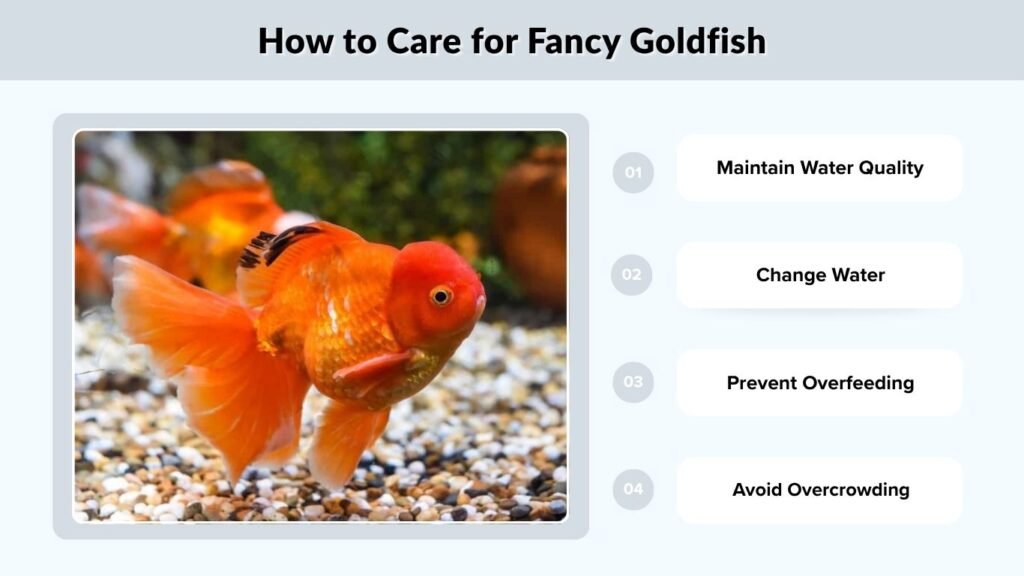
Successful fancy goldfish care involves regular aquarium maintenance, balanced feeding, and daily observation. Their selectively bred features can make them more sensitive to physical injuries and environmental problems than common goldfish. Consistent routines help prevent stress and support healthier lives.
Essential Fancy Goldfish Care Tips
- Maintain Water Quality: Test ammonia, nitrite, and nitrate regularly.
- Change Water: Replace around 10–25% weekly, adjusting according to water-test results.
- Prevent Overfeeding: Provide controlled portions of nutritious food.
- Avoid Overcrowding: Allow sufficient space for each adult fish.
- Use Gentle Filtration: Prevent strong currents from interfering with swimming.
- Inspect Fish Daily: Watch for injuries, abnormal floating, or appetite changes.
- Quarantine New Fish: Reduce the risk of introducing infectious diseases.
Common Health Problems
Fancy goldfish can develop buoyancy disorders, fin rot, parasitic infections, and injuries involving protruding eyes or head growth.
Some conditions result from poor water quality, while others are related to inherited physical characteristics.
Sudden changes in swimming behavior, breathing, or appetite should prompt immediate water testing and veterinary advice when necessary.
FAQs
1. Are Fancy Goldfish Easy to Care For?
Some varieties, particularly Fantails, are relatively manageable for prepared beginners. However, all fancy goldfish require spacious aquariums, effective filtration, and regular maintenance.
2. Can Fancy Goldfish Live in Outdoor Ponds?
Some hardy fancy varieties can survive in carefully managed ponds, but indoor aquariums are generally safer. Delicate varieties may struggle with predators, extreme temperatures, and strong currents.
3. How Many Fancy Goldfish Can Live Together?
The appropriate number depends on aquarium capacity, adult fish size, filtration, and compatibility. A 40–55-gallon aquarium may accommodate two adult fancy goldfish when appropriately maintained.
4. Do Fancy Goldfish Need a Heater?
Not always. Many fancy goldfish thrive at stable room temperatures, although a thermostatically controlled heater can help prevent excessive fluctuations in colder environments.
5. Are Fancy Goldfish Different From Regular Goldfish?
Yes, in appearance and care requirements. Fancy goldfish are selectively bred varieties of the same species as common goldfish, but their rounded bodies, elaborate fins, and other features often require additional care.