
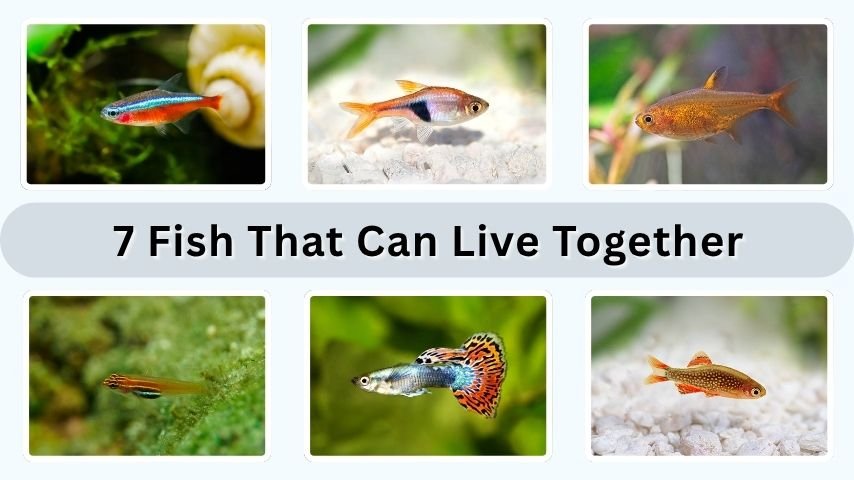
Choosing fish for a small tank can be tricky because not every small fish is peaceful, social, or easy to keep with others. The best choices are calm species that stay small, produce less waste, and can live in groups without causing stress. Neon tetras, ember tetras, chili rasboras, harlequin rasboras, pygmy corydoras, Endler’s livebearers, and celestial pearl danios can create a colorful and balanced small community tank when the aquarium is properly cycled, filtered, and not overcrowded.
1. Neon Tetra
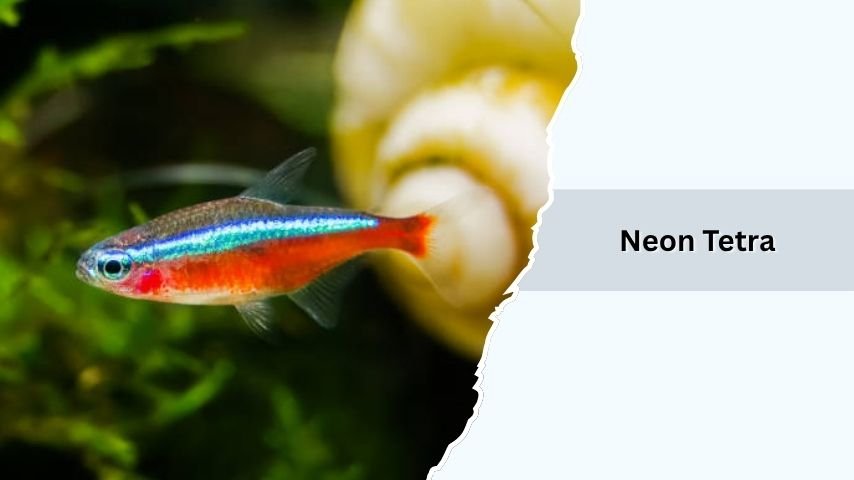
Neon tetra is one of the best small community fish for peaceful aquariums. It is colorful, active, and easy to keep when the tank is stable. Because of its small size and calm nature, it can live with other gentle fish in a small tank. However, neon tetras should be kept in a group because they feel safer when schooling.
Identification
- Small, slim freshwater fish
- Bright blue horizontal stripe across the body
- Red stripe on the lower back half
- Usually grows about 1 to 1.5 inches
- Peaceful schooling fish
- Best kept in groups of 6 or more
- Looks most colorful in a planted tank
Behavior
Neon tetras are peaceful and active swimmers. They usually stay in the middle area of the tank and move together in groups. When kept alone or in very small numbers, they may become stressed and hide often. In a proper group, they look more natural and confident.
Tank Compatibility
Neon tetras can live with other small, peaceful fish that do not nip fins or chase them. Good tank mates include ember tetras, chili rasboras, pygmy corydoras, celestial pearl danios, and small peaceful livebearers. They should not be kept with large or aggressive fish because they may be bullied or eaten.
Care Needs
Neon tetras do best in clean, stable water with gentle filtration. A planted tank with hiding places helps them feel secure. They prefer soft to moderately hard water and should not be added to a brand-new unstable tank. Regular water changes are important because sudden changes in water quality can stress them.
Food
Neon tetras eat small flakes, micro pellets, frozen foods, and live foods. Their mouths are tiny, so food should be small enough for them to swallow easily. A varied diet helps improve their color, energy, and overall health.
Why It Works in a Small Tank
Neon tetras work well in a small tank because they stay small, swim peacefully, and do not produce heavy waste compared with larger fish. They are best for a small community setup when the tank is properly filtered, cycled, and not overcrowded.
2. Ember Tetra
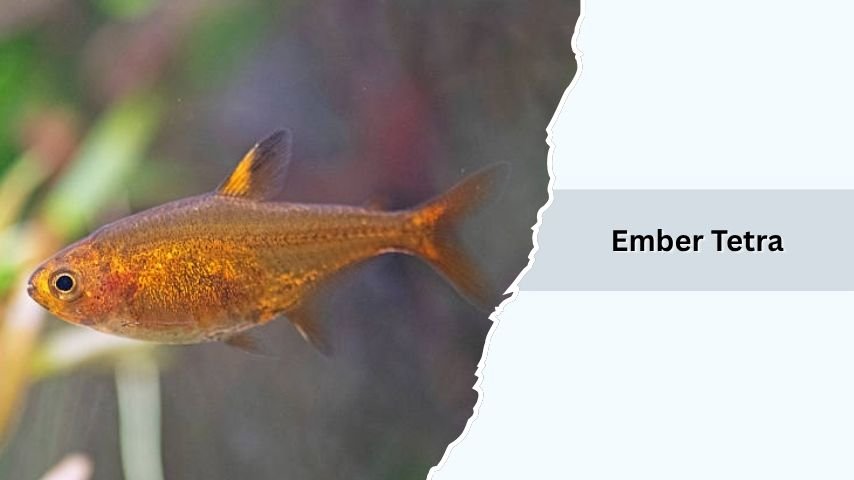
Ember tetra is a tiny, peaceful freshwater fish that fits well in a small community tank. Its warm orange color makes it stand out, especially in planted aquariums. Ember tetras are calm, active, and social, so they should be kept in a group. They are a good choice for beginners who want a colorful fish that stays small.
Identification
- Very small freshwater schooling fish
- Bright orange to reddish-orange body
- Usually grows around 0.8 to 1 inch
- Peaceful and active swimmer
- Best kept in groups of 6 or more
- Looks brighter in planted tanks
- Small mouth and slim body shape
Behavior
Ember tetras are gentle and social fish. They usually swim in the middle area of the tank and feel more secure when kept with their own kind. In a small group, they may hide or look nervous. In a proper school, they become more active and show better color.
Tank Compatibility
Ember tetras can live with other small peaceful fish such as neon tetras, chili rasboras, pygmy corydoras, celestial pearl danios, and small rasboras. They should not be kept with large, aggressive, or fast-chasing fish because their small size makes them easy targets.
Care Needs
Ember tetras need clean, stable water and a gentle filter. They do well in planted tanks with soft hiding areas and open swimming space. A fully cycled tank is important because they can be sensitive to poor water quality. Regular water changes help keep them healthy and active.
Food
Ember tetras eat crushed flakes, micro pellets, frozen baby brine shrimp, daphnia, and other tiny foods. Their mouths are very small, so large foods should be crushed before feeding. A varied diet helps maintain their orange color and energy.
Why It Works in a Small Tank
Ember tetras work well in a small tank because they stay tiny, have a peaceful nature, and do not create much waste. They also mix well with other calm nano fish. A small planted tank with a group of ember tetras can look colorful, active, and balanced.
3. Chili Rasbora
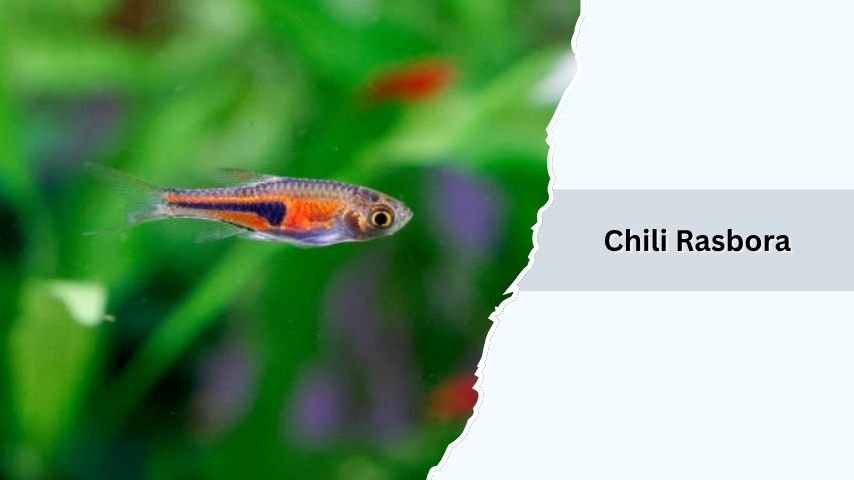
Chili rasbora is a tiny, peaceful nano fish that can live well in a small tank with other gentle species. Its bright red color and active movement make it popular in planted aquariums. Because it is very small, it needs calm tank mates, gentle water flow, and a secure group to feel comfortable.
Identification
- Tiny freshwater nano fish
- Bright red to deep chili-red body
- Dark stripe along the side
- Usually grows around 0.6 to 0.8 inches
- Peaceful schooling or shoaling fish
- Best kept in groups of 8 or more
- Looks best in planted tanks with dark background
Behavior
Chili rasboras are active but gentle fish. They usually swim in the middle and upper areas of the tank. When kept in a proper group, they become more confident and show stronger color. If kept with large or aggressive fish, they may hide often and become stressed.
Tank Compatibility
Chili rasboras can live with other peaceful nano fish such as ember tetras, neon tetras, pygmy corydoras, celestial pearl danios, and small rasboras. They should not be kept with large fish, fin nippers, or fast aggressive feeders because they are very small and easily intimidated.
Care Needs
Chili rasboras need clean, stable water and a mature tank. They do best in planted aquariums with gentle filtration, soft lighting, and hiding spaces. Sudden water changes can stress them, so stable water conditions are very important. Floating plants can help them feel safer.
Food
Chili rasboras need very small foods because their mouths are tiny. They can eat powdered flakes, micro pellets, baby brine shrimp, daphnia, and other small frozen or live foods. Food should be crushed finely so they can eat comfortably.
Why It Works in a Small Tank
Chili rasboras work well in a small tank because they stay extremely small, produce little waste, and have a peaceful nature. They add bright color without needing much space. A planted nano tank with a group of chili rasboras can look lively, natural, and colorful.
4. Harlequin Rasbora
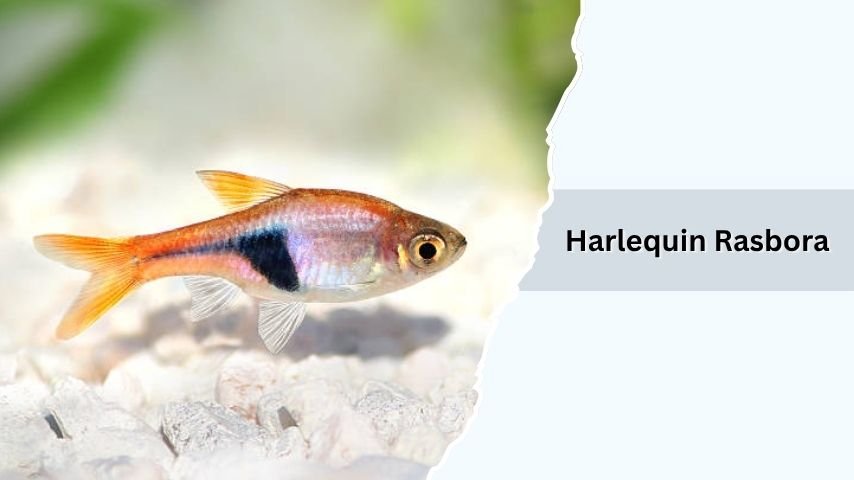
Harlequin rasbora is a peaceful community fish that can live in a small tank if the aquarium is properly planned and not overcrowded. It is slightly larger than chili rasbora but still calm and easy to manage. Its copper-orange body and black triangular patch make it attractive in planted tanks with other gentle fish.
Identification
- Small peaceful freshwater fish
- Copper, orange, or pinkish body color
- Black triangular patch near the back half of the body
- Usually grows around 1.5 to 2 inches
- Calm schooling fish
- Best kept in groups of 6 or more
- Active but not aggressive
Behavior
Harlequin rasboras are peaceful schooling fish that feel safest in groups. They usually swim in the middle area of the tank and move calmly with their group. When kept in small numbers, they may become shy or less active. In a stable planted aquarium, they often show stronger color and more natural behavior.
Tank Compatibility
Harlequin rasboras can live with other peaceful small fish such as neon tetras, ember tetras, pygmy corydoras, celestial pearl danios, and endlers. They should not be kept with aggressive fish, large predators, or fin nippers. Calm tank mates help them stay active and stress-free.
Care Needs
Harlequin rasboras need clean water, steady temperature, and enough swimming space. They do well in planted tanks with open areas in the middle for schooling. A gentle filter is helpful because they do not need strong current. Regular water changes keep them healthy and reduce stress.
Food
Harlequin rasboras eat small flakes, micro pellets, frozen foods, and live foods. They enjoy foods such as daphnia, brine shrimp, and bloodworms when offered in suitable sizes. A mixed diet helps maintain their color and supports healthy growth.
Why It Works in a Small Tank
Harlequin rasboras can work in a small tank because they are peaceful, hardy, and easy to feed. However, they need more room than tiny nano fish, so the tank should not be overcrowded. A small group in a well-planted, filtered tank can create a calm and colorful community setup.
5. Pygmy Corydoras
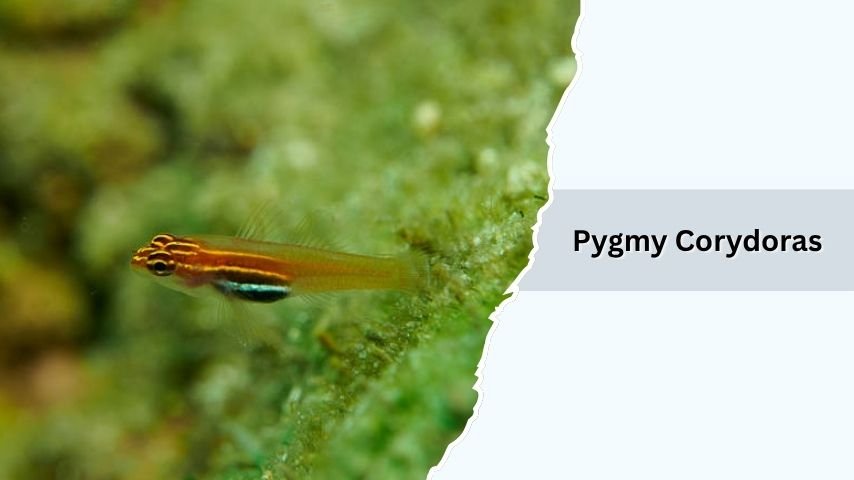
Pygmy corydoras is a tiny bottom-dwelling fish that can live peacefully in a small community tank. Unlike larger cory catfish, it stays very small and often swims in the lower and middle areas. It is social, gentle, and useful for adding activity near the bottom of the aquarium without disturbing other fish.
Identification
- Tiny freshwater catfish
- Usually grows around 1 inch
- Silver-gray body with a dark horizontal stripe
- Peaceful schooling bottom-dweller
- Best kept in groups of 6 or more
- Small barbels around the mouth
- Often rests on plants, sand, or decorations
Behavior
Pygmy corydoras are peaceful and social fish. They spend time exploring the bottom, resting on leaves, and sometimes swimming in the middle of the tank. They feel safer in groups and may become shy if kept alone. Their calm behavior makes them a good match for other small, peaceful community fish.
Tank Compatibility
Pygmy corydoras can live with neon tetras, ember tetras, chili rasboras, harlequin rasboras, celestial pearl danios, and endlers. They should not be kept with aggressive fish or large bottom dwellers that may outcompete them for food. Peaceful tank mates help them stay active and comfortable.
Care Needs
Pygmy corydoras need clean water, gentle filtration, and a soft substrate. Sand or smooth fine gravel is best because rough substrate can damage their delicate barbels. A planted tank with hiding places gives them security. Regular water changes are important because they are sensitive to poor water quality.
Food
Pygmy corydoras eat sinking micro pellets, crushed flakes, frozen daphnia, baby brine shrimp, and small bottom-feeder foods. They should not be expected to live only on leftovers. They need their own food that reaches the bottom so every fish in the group can eat properly.
Why It Works in a Small Tank
Pygmy corydoras work well in a small tank because they stay tiny, remain peaceful, and use the lower areas of the aquarium. They help balance activity in the tank without being aggressive. A small group can make a nano community tank look more natural and lively.
6. Endler’s Livebearer
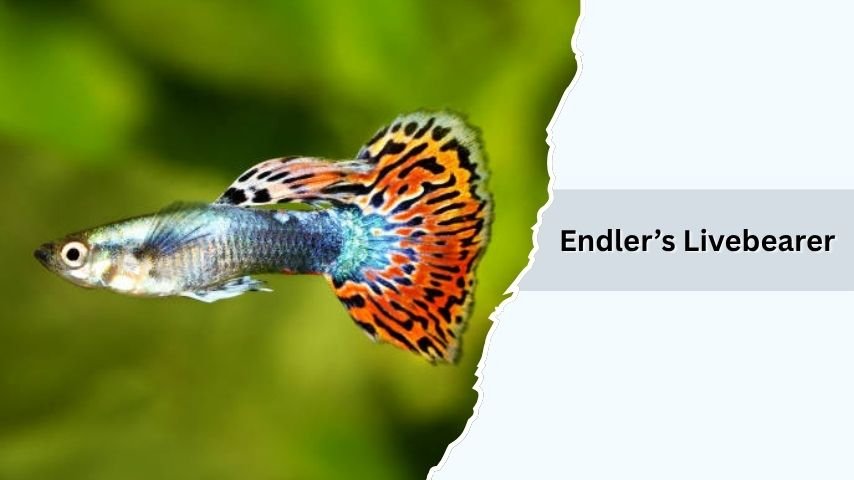
Endler’s livebearer is a small, colorful fish that can live well in a peaceful small tank. Males are especially bright, with green, orange, black, and blue markings. They are active, hardy, and easy to feed. Because they breed quickly, it is important to manage group size and avoid overcrowding in a small aquarium.
Identification
- Small freshwater livebearer
- Males are colorful with bright markings
- Females are larger and usually duller
- Usually grows around 1 to 1.5 inches
- Peaceful and active swimmer
- Gives birth to live fry instead of laying eggs
- Best kept with other calm small fish
Behavior
Endler’s livebearers are active and curious fish. They usually swim in the middle and upper areas of the tank and spend much of the day exploring. They are peaceful, but males may chase females during breeding. A balanced group and enough plants can help reduce stress.
Tank Compatibility
Endler’s livebearers can live with neon tetras, ember tetras, pygmy corydoras, harlequin rasboras, chili rasboras, and celestial pearl danios. They should not be kept with large or aggressive fish because their small size makes them vulnerable. Calm community fish are the best match.
Care Needs
Endler’s livebearers need clean, stable water and a fully cycled tank. They are generally hardy, but poor water quality can still cause stress and disease. A planted tank gives fry and shy fish places to hide. Since they breed often, the tank should not be overstocked.
Food
Endler’s livebearers eat flakes, micro pellets, frozen foods, and live foods. They also pick at tiny bits of algae and biofilm in the tank. A varied diet helps keep their colors bright and supports healthy growth. Food should be small enough for their tiny mouths.
Why It Works in a Small Tank
Endler’s livebearers work well in a small tank because they stay small, are peaceful, and add bright color. They are also active without being aggressive. However, their breeding can quickly increase the population, so a small tank works best with careful stocking or a male-only group.
7. Celestial Pearl Danio
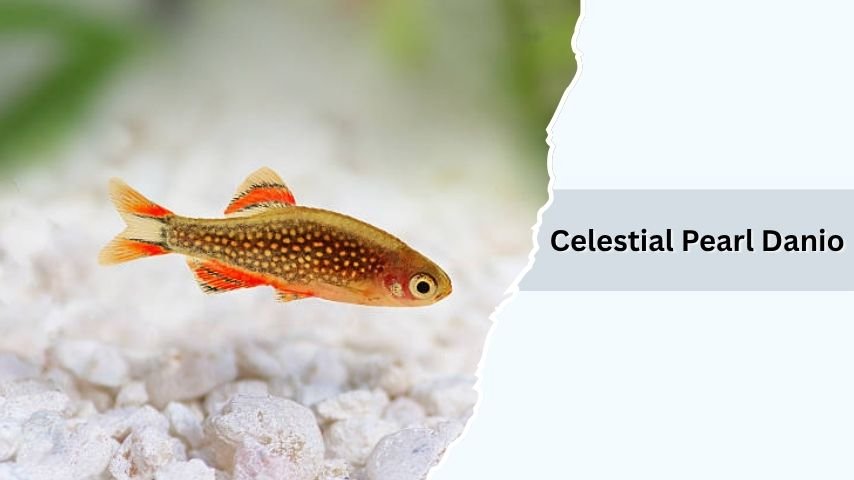
Celestial pearl danio is a small, beautiful nano fish that can live in a peaceful small tank. It has a dark body covered with pearl-like spots and colorful fins. This fish is calm, shy at first, and best kept in a planted aquarium. With gentle tank mates and stable water, it can become active and colorful.
Identification
- Small freshwater nano fish
- Dark body with pearl-like white spots
- Orange or red markings on the fins
- Usually grows around 0.8 to 1 inch
- Peaceful but sometimes shy
- Best kept in groups of 6 or more
- Looks best in planted tanks
Behavior
Celestial pearl danios are peaceful fish, but they can be shy when first added to a tank. They often stay near plants, decorations, or shaded areas until they feel safe. In a proper group, they become more confident and show better color. Males may display to each other, but serious aggression is uncommon in a balanced tank.
Tank Compatibility
Celestial pearl danios can live with neon tetras, ember tetras, chili rasboras, pygmy corydoras, harlequin rasboras, and endlers. They should not be kept with large, aggressive, or very fast fish that may outcompete them for food. Calm nano fish are the safest tank mates.
Care Needs
Celestial pearl danios need clean, stable water and a mature aquarium. They do best in planted tanks with hiding places and open swimming space. Gentle filtration is best because they do not enjoy strong current. Regular water changes help keep them healthy and reduce stress.
Food
Celestial pearl danios eat micro pellets, crushed flakes, frozen daphnia, baby brine shrimp, and other small foods. Their mouths are tiny, so food should be small enough to eat easily. A varied diet helps improve their color, activity, and overall condition.
Why It Works in a Small Tank
Celestial pearl danios work well in a small tank because they stay tiny, remain peaceful, and do not need a large swimming area. They also add a unique spotted pattern that looks beautiful in planted aquariums. A calm, well-planted setup helps them feel secure and active.
FAQs
Can all 7 fish live together in a small tank?
Yes, these fish can live together because they are peaceful and small. However, the tank must be properly filtered, cycled, and not overcrowded. A planted setup with hiding places and open swimming space helps reduce stress and keeps the community balanced.
What is the best small tank size for these fish?
A 10-gallon tank is the minimum for a small community, but a 15 to 20-gallon tank is better. Even small fish need swimming space, stable water, and room to live in groups. Bigger tanks are also easier to keep clean and stable.
Which fish is best for beginners?
Ember tetra, neon tetra, and Endler’s livebearer are good beginner-friendly choices. They are small, peaceful, and easy to feed. However, beginners should still cycle the tank first and test the water regularly to avoid stress, disease, or sudden fish loss.
How many small fish should I keep together?
Most of these fish should be kept in groups of at least 6 because they feel safer with their own kind. Chili rasboras often do better in groups of 8 or more. Avoid mixing too many schooling species in a very small tank.
Do these fish need a planted tank?
A planted tank is not always required, but it is highly recommended. Plants give fish hiding places, reduce stress, improve the natural look of the tank, and help maintain water quality. Shy fish like chili rasboras and celestial pearl danios feel safer with plants.