
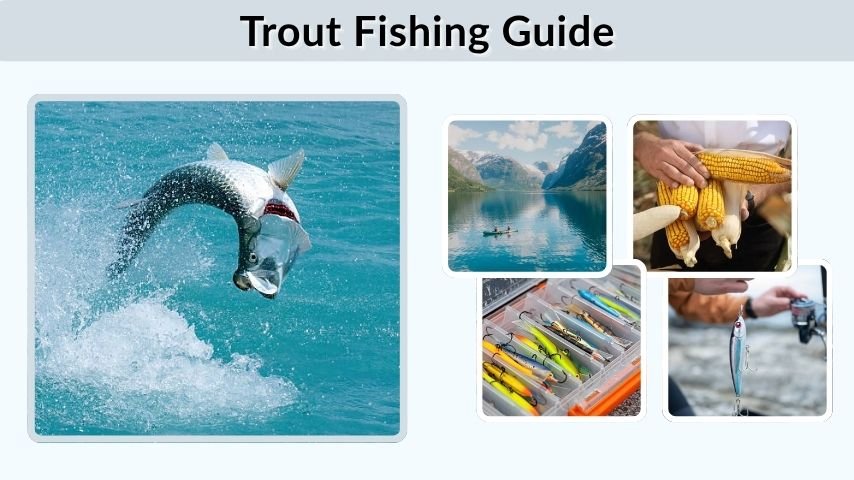
Trout fishing is one of the most enjoyable ways to spend time on the water, whether you are casting in a cold mountain stream, a stocked pond, or a deep lake. Trout are popular because they fight well, taste great, and can be caught with simple gear. With the right setup, bait, lures, and technique, even beginners can quickly improve their chances of success.
Understanding Trout Before You Start Fishing
Before choosing gear or bait, it helps to understand how trout behave. Trout are cold-water fish that usually prefer clean, oxygen-rich water. They are often found in streams, rivers, lakes, and ponds where water temperatures stay cool. Rainbow trout, brown trout, brook trout, and lake trout are among the most common species targeted by anglers.
Trout can be aggressive feeders, but they can also be cautious. Their feeding patterns often depend on water temperature, season, light, current, and food availability. In many places, trout feed on insects, small fish, worms, eggs, crustaceans, and artificial baits. This is why trout fishing can be done with several methods, including bait fishing, lure fishing, spinning, and fly fishing.
Common Places to Find Trout
Trout are not always spread evenly across the water. They usually stay where food is easy to reach and where they can hide from predators.
Look for trout around:
- Deep pools in rivers and streams
- Undercut banks and shaded edges
- Rocks, logs, and submerged structure
- Cold-water inlets and spring-fed areas
- Drop-offs in lakes and ponds
- Fast water beside slower current seams
In rivers, trout often face upstream and wait for food to drift toward them. In lakes, they may move deeper during warm weather and come closer to shore during cooler parts of the day.
Best Trout Fishing Gear for Beginners
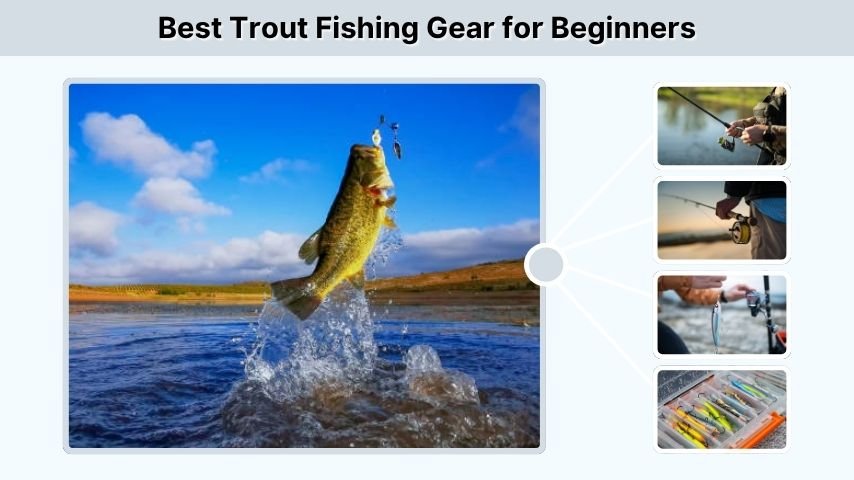
A simple trout fishing setup is enough for most beginners. You do not need expensive equipment to catch trout, but choosing the right rod, reel, line, and tackle will make fishing easier.
For most trout fishing, light or ultralight gear works best. Trout often live in clear water, and heavy tackle can make bait or lures look unnatural. Light gear also makes the fight more exciting, especially when catching smaller stocked trout or wild stream trout.
Basic Trout Fishing Gear Table
| Gear Item | Recommended Choice | Why It Works |
| Rod | 5 to 7-foot light or ultralight spinning rod | Easy to cast and sensitive enough for small bites |
| Reel | 1000 to 2500 size spinning reel | Balances well with light rods |
| Line | 4 to 8 lb monofilament or fluorocarbon | Low visibility and strong enough for most trout |
| Hooks | Size 8 to 14 bait hooks | Small hooks match trout mouths and natural bait |
| Lures | Spinners, spoons, jigs, and small crankbaits | Cover water quickly and trigger strikes |
| Bait | Worms, salmon eggs, corn, dough bait, minnows | Effective for stocked and wild trout |
Choosing a Trout Fishing Rod
A light spinning rod is the easiest choice for most anglers. A 6-foot light-action rod is a good all-around option for ponds, lakes, and small rivers. If you fish tight streams with trees and brush, a shorter rod can help with control. If you fish lakes or larger rivers, a longer rod can improve casting distance.
A sensitive rod tip is important because trout bites can be soft. Sometimes they tap the bait quickly and let go. A rod that helps you feel small strikes can make a big difference.
Choosing Fishing Line for Trout
Light line is usually better for trout fishing. In clear water, trout may avoid thick or highly visible line. Monofilament is affordable and beginner-friendly, while fluorocarbon is harder for fish to see underwater. Many anglers use 4 lb test in clear streams and 6 to 8 lb test in lakes or areas with bigger fish.
Best Bait for Trout Fishing
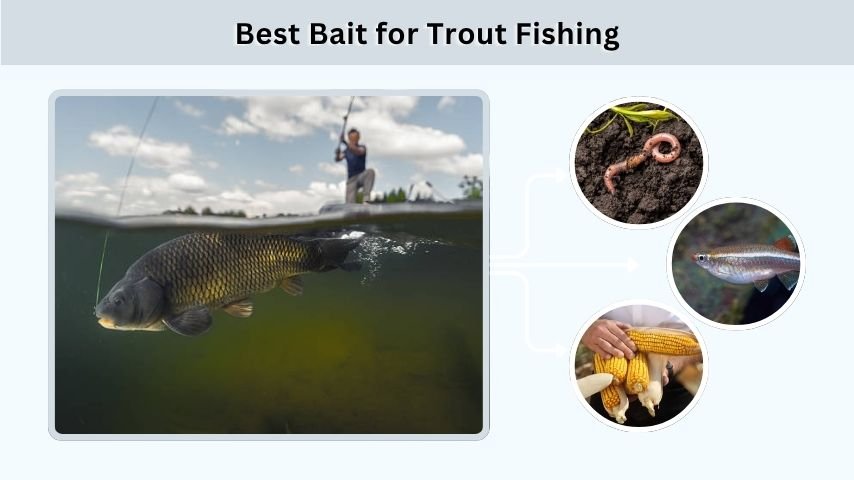
Bait fishing is one of the easiest ways to catch trout, especially in stocked ponds, lakes, and slow-moving water. Natural bait works because it matches what trout already eat, while prepared bait is often designed to attract stocked trout.
Popular Trout Fishing Baits
Some baits work better in certain conditions, so it helps to carry a few options.
Good bait choices include:
- Nightcrawlers or red worms
- Salmon eggs
- Corn
- Dough bait
- Minnows
- Mealworms or wax worms
- Artificial trout nuggets
- Fish eggs or egg imitations
Worms are one of the most reliable trout baits because they look natural and move in the water. Salmon eggs can be excellent in streams, especially where trout are used to feeding on drifting eggs. Dough bait is popular for stocked trout because it floats and releases scent.
How to Rig Bait for Trout
One of the simplest trout fishing rigs is a small hook with a split shot weight placed 12 to 18 inches above it. This lets the bait drift naturally in streams or sink slowly in ponds. For stocked trout in lakes, many anglers use a sliding sinker rig with floating bait. The sinker sits on the bottom while the bait floats above weeds, rocks, or mud.
Keep the presentation small. Trout usually respond better to a natural-looking bait than a large clump on a big hook. If the fish are biting lightly, reduce hook size and use less bait.
Best Trout Fishing Lures to Use
Lures are ideal when you want to cover more water and find active trout. They can imitate baitfish, insects, or small prey. Lure fishing also keeps you moving, which is helpful when trout are spread out.
Top Lures for Trout Fishing
The best lure depends on water type, depth, and trout activity. However, a few lure styles are reliable in many conditions.
Effective trout lures include:
- Inline spinners
- Small spoons
- Soft plastic jigs
- Marabou jigs
- Small crankbaits
- Trout magnets
- Small swimbaits
- Fly-and-bubble rigs
Inline spinners are excellent for beginners because they create flash and vibration. Cast across or slightly upstream in rivers, then retrieve just fast enough to make the blade spin. In lakes, cast near shorelines, points, and drop-offs.
Spoons work well when trout are chasing baitfish. A small spoon with a wobbling action can trigger strikes from rainbow trout, brown trout, and lake trout. Jigs are useful when trout are deeper or less aggressive because they can be worked slowly.
Lure Colors for Trout
Color matters, but water clarity and light conditions matter more. In clear water, natural colors such as silver, gold, brown, olive, and white often work well. In stained water or cloudy conditions, brighter colors can help trout notice the lure.
A good approach is to start natural in clear water and switch to brighter options if trout are not responding. Sometimes a small change in color or retrieve speed can turn a slow day into a productive one.
Trout Fishing Setup for Rivers, Lakes, and Ponds
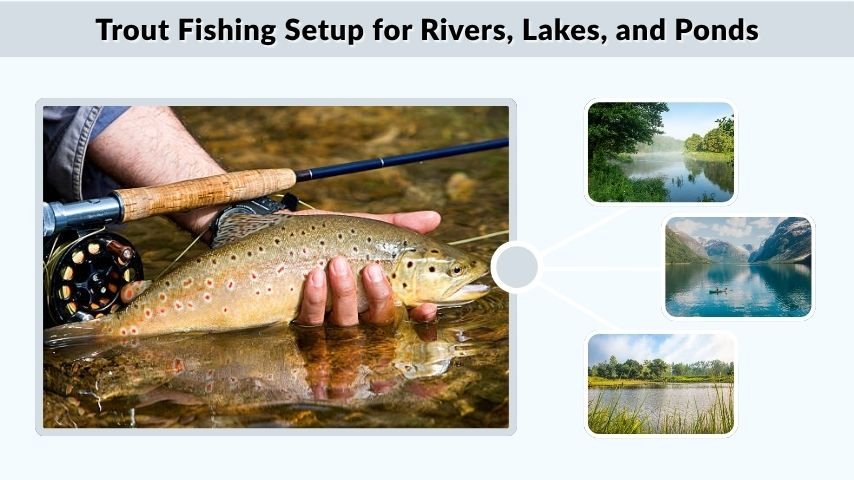
Your trout fishing setup should match the water you are fishing. A rig that works in a stocked pond may not be ideal in a fast stream or deep lake.
River and Stream Setup
In moving water, natural drift is important. Trout often hold behind rocks, near current seams, and along deeper runs. Cast upstream or across the current and let the bait or lure move naturally.
For bait, use a small hook, light split shot, and enough weight to keep the bait near the bottom without dragging too much. For lures, cast slightly upstream and retrieve with the current. Avoid creating too much slack, or you may miss strikes.
Lake and Pond Setup
In lakes and ponds, trout may cruise near shore early in the morning or late in the evening. During warmer parts of the day, they may move deeper. For stocked trout, a bottom rig with floating bait is very effective. For active trout, spinners, spoons, and jigs can help you search more water.
When bank fishing, cast at different angles and distances. Trout may be closer than expected, especially near shade, docks, inlets, or drop-offs.
Best Times and Seasons for Trout Fishing
Trout prefer cool water, so timing can strongly affect success. Spring and fall are often excellent seasons because water temperatures are comfortable and trout feed actively. In summer, fishing can still be good early in the morning, late in the evening, or in colder streams and deeper lakes.
Daily Timing Tips
The best time of day depends on weather and water temperature. Low light often gives trout more confidence to feed near shore or in shallow water.
Productive times include:
- Early morning before the sun gets high
- Late afternoon into evening
- Cloudy days with stable temperatures
- After light rain when water remains clear enough
- During insect activity on rivers and streams
Avoid fishing very warm water for trout when possible. Warm water can stress trout, especially if you plan to release them.
How to Fish for Trout Step by Step
Trout fishing becomes easier when you follow a simple process. Instead of casting randomly, read the water, choose the right presentation, and adjust based on how fish respond.
Beginner Trout Fishing Method
Start with light gear and a simple bait or lure. If you are fishing a stocked pond, try floating bait or worms near the bottom. If you are fishing a stream, drift bait naturally through pools and seams. If you prefer lures, cover water until you find active fish.
Follow these steps:
- Choose a likely trout area with cool, clean water
- Use light line and small hooks or lures
- Cast gently to avoid spooking fish
- Let bait drift naturally or retrieve lures steadily
- Watch your line for taps, stops, or sideways movement
- Set the hook with a quick but controlled lift
- Keep steady pressure while fighting the fish
Do not set the hook too hard. Trout have soft mouths, and a strong hookset can pull the hook free. A smooth lift is usually enough.
Common Trout Fishing Mistakes to Avoid
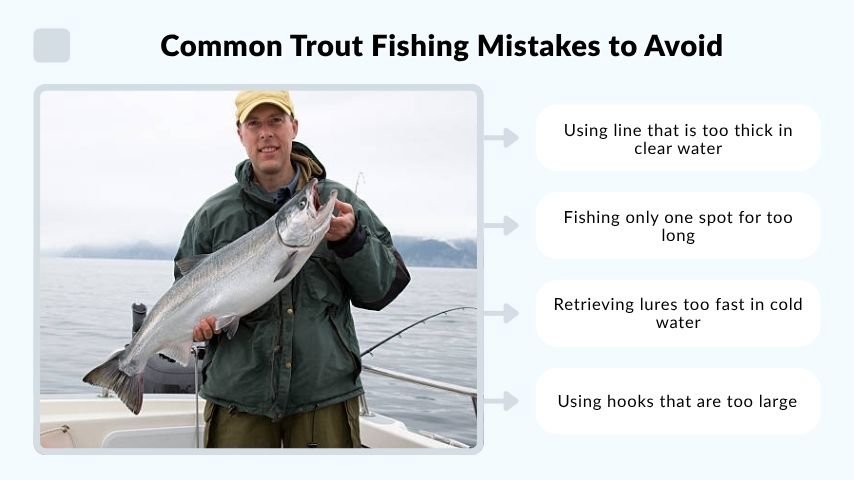
Many beginners struggle because they use tackle that is too heavy, bait that is too large, or presentations that look unnatural. Trout can be easy to catch when conditions are right, but they quickly become difficult when the approach is wrong.
Mistakes That Reduce Your Catch
Avoid these common errors:
- Using line that is too thick in clear water
- Fishing only one spot for too long
- Retrieving lures too fast in cold water
- Using hooks that are too large
- Making loud movements near shallow water
- Ignoring current seams and shaded areas
- Not checking local stocking schedules or regulations
One of the biggest mistakes is failing to adjust. If trout are not biting, change bait size, lure color, retrieve speed, depth, or location. Small adjustments often produce better results than staying with one method all day.
Trout Fishing Regulations and Responsible Catching
Before fishing, always check local trout fishing rules. Regulations can vary by state, river, lake, season, and species. Some waters require a trout stamp, special license, artificial-lure-only tackle, barbless hooks, or catch-and-release fishing.
Responsible trout fishing protects fish populations and keeps waters healthy for future anglers. If you plan to release trout, wet your hands before handling them, keep them in the water as much as possible, and remove the hook gently. If a fish is deeply hooked, cutting the line may be better than causing more injury.
FAQs
What is the best bait for trout fishing?
The best bait for trout fishing depends on where you fish, but worms, salmon eggs, corn, minnows, and dough bait are all reliable choices. Stocked trout often respond well to floating dough bait, while wild trout may prefer natural baits like worms, insects, or small minnows presented in a realistic way.
What is the best trout fishing setup for beginners?
A beginner-friendly trout fishing setup includes a 5 to 7-foot light spinning rod, a small spinning reel, 4 to 8 lb line, small hooks, split shot weights, and simple bait or lures. This setup is easy to cast, sensitive enough for light bites, and suitable for ponds, lakes, rivers, and streams.
Are lures or bait better for trout fishing?
Both lures and bait can work well for trout fishing. Bait is often better for stocked trout or slow fishing conditions because scent helps attract fish. Lures are better when trout are active and spread out because they allow you to cover more water and trigger reaction strikes.
What time of day is best for trout fishing?
Early morning and late evening are often the best times for trout fishing because water temperatures are cooler and trout may feed closer to shore. Cloudy days can also be productive. During warm weather, trout often move deeper or seek colder water, making midday fishing more difficult.
What size hooks should I use for trout fishing?
Most trout fishing situations call for small hooks, usually between size 8 and size 14. Smaller hooks make bait look more natural and are easier for trout to take. If you are using worms, salmon eggs, or dough bait, match the hook size to the bait and expected trout size.