
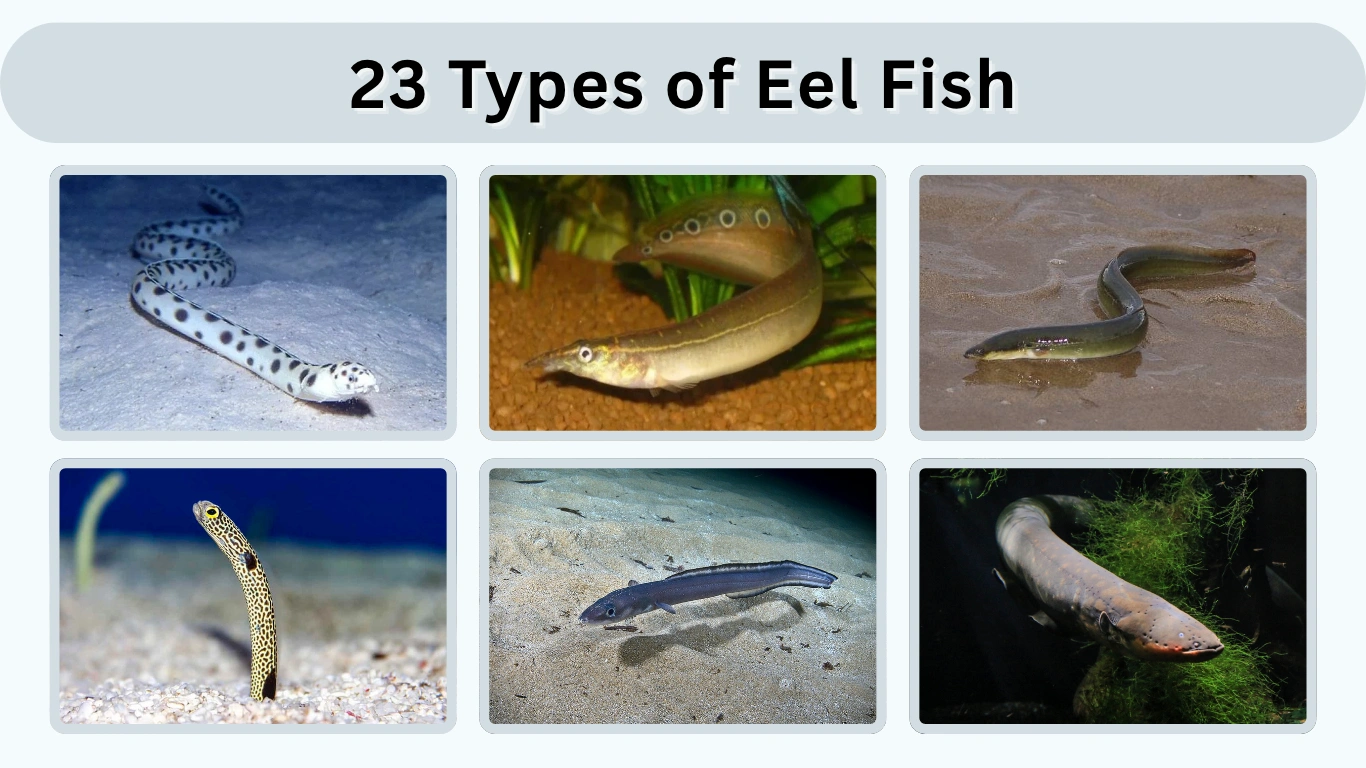
Eel fish are fascinating creatures known for their long, snake-like bodies and unique behaviors. Found in both freshwater and marine environments, they come in a wide variety of shapes, sizes, and colors. Some species migrate across vast distances, while others live deep in the ocean. This guide explores 23 different types of eel fish, highlighting their key features, habitats, and lifestyles to help you better understand these remarkable aquatic animals.
1. European Eel
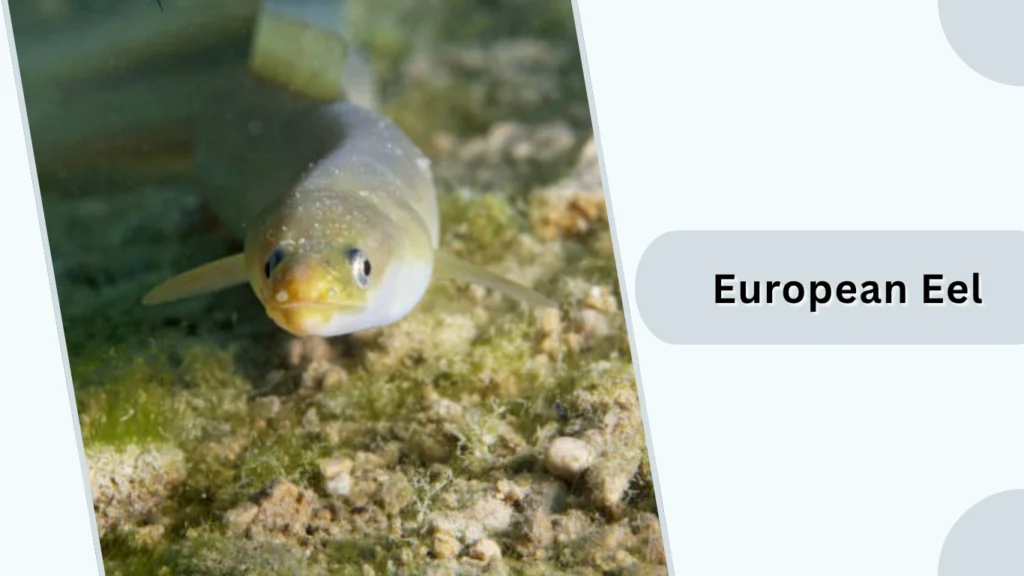
The European eel is a migratory freshwater species found across Europe and parts of North Africa. It is well known for its long and complex life cycle, which includes traveling thousands of kilometers between inland waters and the ocean. This species begins life in the ocean and later moves into freshwater environments where it grows for many years before returning to the sea to reproduce. Its adaptability allows it to survive in a wide range of aquatic conditions, making it one of the most studied eel species in the world.
Identification
- Long, slender, snake-like body
- Smooth and slippery skin with very small scales
- Dark green, brown, or blackish upper body
- Yellowish or pale underside
- Continuous dorsal, caudal, and anal fins
- Small eyes and narrow head
Habitat
The European eel inhabits rivers, lakes, canals, and estuaries throughout its growth phase. It prefers calm or slow-moving freshwater environments with plenty of hiding spots such as mud, rocks, and vegetation. During its early life stage, it lives in the open ocean before migrating to freshwater systems. As it matures, it adapts to both freshwater and brackish environments. Eventually, mature eels migrate back to the ocean, specifically the Sargasso Sea, where spawning occurs. This wide habitat range highlights its ability to tolerate different salinity levels.
Behavior
European eels are primarily nocturnal, becoming active at night to search for food. During the day, they tend to hide in burrows, under rocks, or within dense vegetation. They are known for their secretive nature and strong survival instincts. One of their most remarkable behaviors is their long-distance migration from freshwater habitats to the ocean for reproduction. This journey can span thousands of kilometers. They are also capable of surviving in low-oxygen environments by absorbing oxygen through their skin.
Diet
The European eel is a carnivorous species with a varied diet depending on its size and habitat. Juveniles typically feed on insect larvae, small crustaceans, and worms. As they grow larger, their diet expands to include small fish, mollusks, and amphibians. They are opportunistic feeders and will consume whatever prey is available in their environment. Their strong jaws and sharp teeth allow them to capture and consume a wide range of prey, making them effective predators in freshwater ecosystems.
2. American Eel
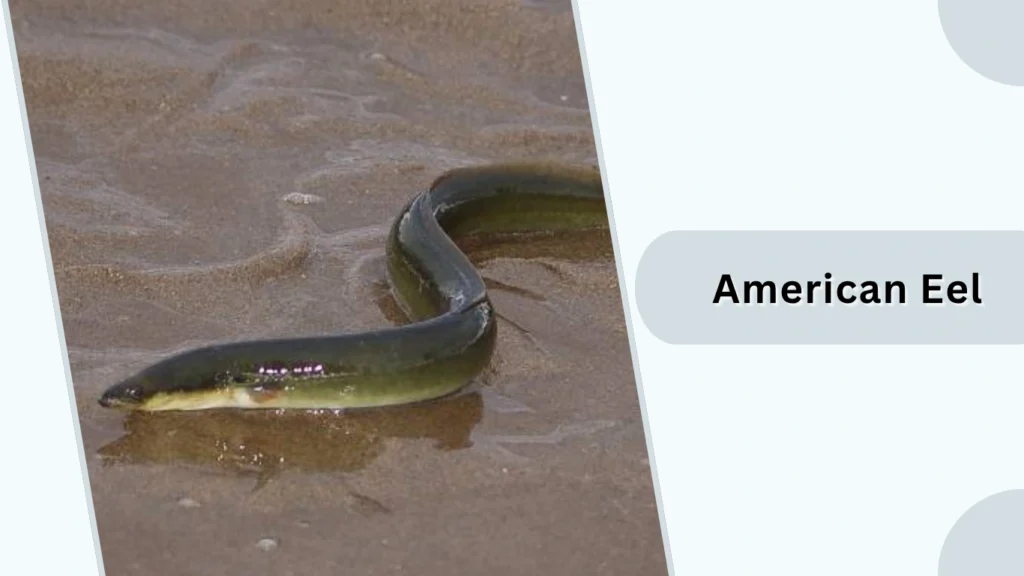
The American eel is a migratory fish native to North America, commonly found in rivers, lakes, and coastal areas along the Atlantic Ocean. Like other true eels, it has a fascinating life cycle that involves traveling between freshwater habitats and the ocean for reproduction. It is highly adaptable and can survive in a wide range of environmental conditions. This species plays an important ecological role and has been part of traditional fisheries for centuries.
Identification
- Long, cylindrical, snake-like body
- Smooth, mucus-covered skin with tiny scales
- Olive-green to brown coloration on the back
- Yellowish sides and whitish belly
- Continuous fin running along the back and underside
- Small head with relatively large eyes
Habitat
The American eel inhabits a variety of environments including rivers, streams, lakes, and estuaries. It prefers slow-moving or still waters with soft bottoms where it can burrow and hide. During its early life stage, it develops in the ocean before migrating into freshwater systems. It can also tolerate brackish water, making it highly versatile. As it matures, it remains in inland waters for many years before migrating back to the Sargasso Sea to spawn.
Behavior
American eels are mostly nocturnal and spend daylight hours hidden in mud, under rocks, or within submerged vegetation. They are solitary and secretive, often avoiding open areas. One of their most notable behaviors is their long migration to the ocean for reproduction. They are also capable of short overland movements during wet conditions, allowing them to reach new water bodies. Their ability to survive in low-oxygen environments makes them highly resilient.
Diet
The American eel is an opportunistic carnivore that feeds on a wide range of prey. Juveniles typically consume insect larvae, small crustaceans, and worms. Adult eels expand their diet to include fish, mollusks, amphibians, and even small aquatic animals. They hunt mainly at night, using their keen sense of smell to locate food. Their flexible feeding habits help them thrive in diverse habitats.
3. Japanese Eel
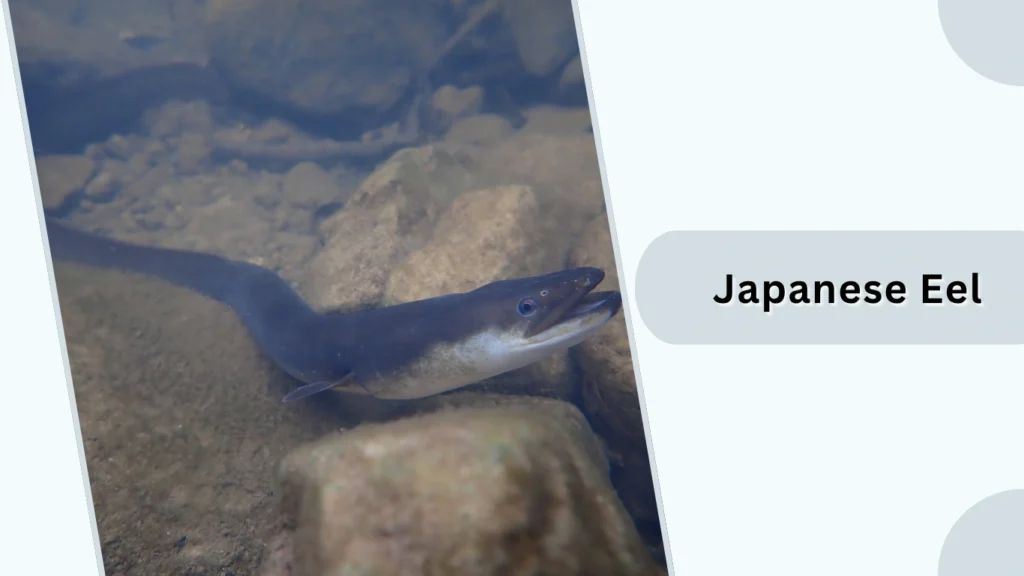
The Japanese eel is a migratory freshwater species native to East Asia, particularly found in Japan, China, Korea, and Taiwan. It is highly valued for its role in regional cuisine and has significant cultural and economic importance. Like other freshwater eels, it has a complex life cycle that includes spawning in the ocean and growing in freshwater environments. Its ability to adapt to different habitats makes it a resilient species.
Identification
- Long, slender, snake-like body
- Smooth skin with very small, embedded scales
- Dark brown to greenish-black upper body
- Yellowish or pale underside
- Continuous fin along the back and underside
- Small head with well-developed jaws
Habitat
The Japanese eel lives in rivers, lakes, estuaries, and coastal waters during its growth stage. It prefers slow-moving freshwater with muddy or sandy bottoms where it can hide during the day. In its early life stage, it develops in the open ocean before migrating to freshwater systems. It can tolerate brackish water, allowing it to thrive in estuarine environments. Mature individuals eventually migrate long distances back to the ocean to reproduce.
Behavior
Japanese eels are mostly nocturnal and remain hidden during daylight hours in burrows or under debris. They are solitary and tend to avoid open water during the day. A key behavior of this species is its long-distance migration between freshwater habitats and ocean spawning grounds. This journey is essential for reproduction. They are also capable of surviving in low-oxygen environments and can remain inactive for extended periods when conditions are unfavorable.
Diet
The Japanese eel is a carnivorous species with a varied diet. Juveniles feed on insect larvae, plankton, and small crustaceans. As they grow, they begin consuming fish, shrimp, worms, and other small aquatic animals. They hunt primarily at night, using their sense of smell and touch to locate prey. Their flexible diet allows them to adapt to different environments and food availability.
4. Conger Eel
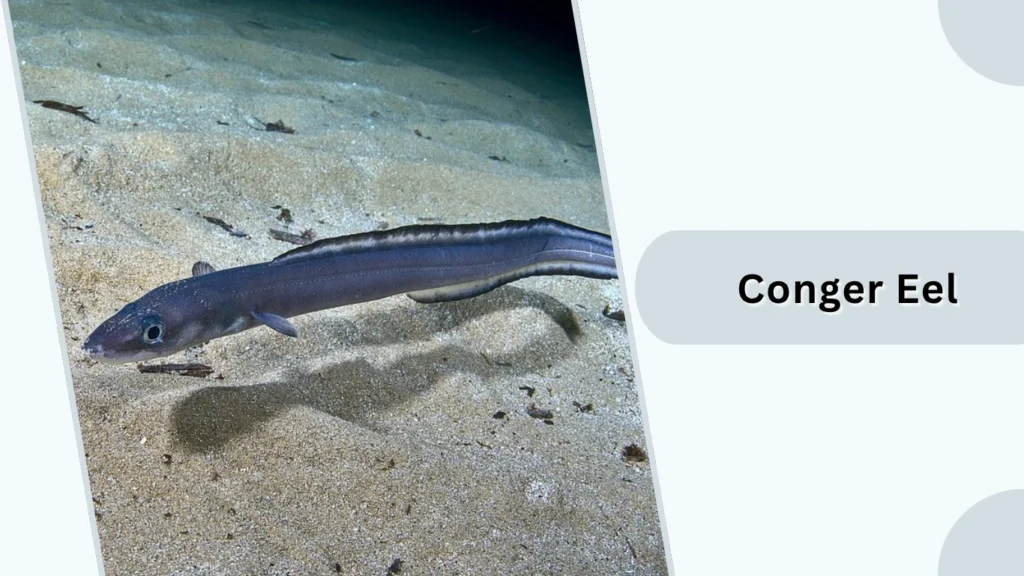
The conger eel is a large marine eel commonly found in coastal waters and deeper parts of the ocean. It is one of the biggest eel species and is widely distributed across the Atlantic Ocean and the Mediterranean Sea. Unlike freshwater eels, conger eels spend their entire lives in saltwater. They are known for their strong bodies and are often seen hiding in rocky seabeds or underwater crevices.
Identification
- Thick, elongated body
- Smooth, scaleless skin
- Gray to dark bluish coloration
- Pale underside
- Large mouth with sharp teeth
- Prominent lateral line along the body
Habitat
Conger eels live in marine environments, especially around rocky coastlines, reefs, and continental shelves. They prefer areas with plenty of hiding spaces such as crevices, caves, and shipwrecks. Juveniles may be found in shallower waters, while adults often move to deeper regions. They are bottom-dwelling fish that stay close to the seabed. Their habitat choice provides both protection from predators and access to food sources.
Behavior
Conger eels are mostly nocturnal and remain hidden during the day inside rocks or holes. At night, they become active and leave their shelters to hunt. They are generally solitary and can be territorial. These eels rely on stealth and quick movements to catch prey. Although they are not typically aggressive toward humans, they can defend themselves if threatened. Their strong jaws make them effective predators in their environment.
Diet
The conger eel is a carnivorous predator that feeds on a variety of marine animals. Its diet includes fish, crustaceans, and cephalopods such as squid and octopus. It hunts primarily at night, using its sharp teeth and powerful bite to capture prey. Conger eels are opportunistic feeders and will take advantage of available food sources in their habitat.
5. Garden Eel
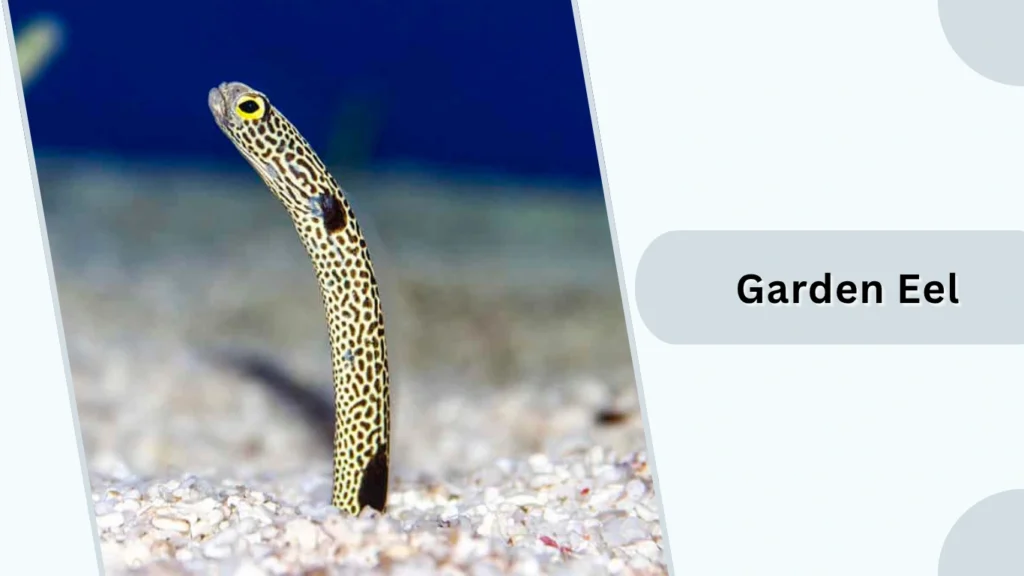
The garden eel is a small, slender eel species known for its unique behavior of living in colonies that resemble underwater gardens. These eels are commonly found in tropical and subtropical oceans, especially in sandy seabeds near coral reefs. They spend most of their lives partially buried in sand, with only the upper part of their bodies visible as they sway with ocean currents to feed.
Identification
- Thin, elongated, worm-like body
- Small head with large eyes
- Smooth skin with light coloration
- Often patterned with spots or bands
- Body adapted for burrowing in sand
- Flexible body that sways with currents
Habitat
Garden eels live in sandy areas of the ocean floor, usually near coral reefs where currents bring a steady supply of plankton. They prefer shallow to moderately deep waters in tropical regions. Each eel creates a burrow in the sand, which it rarely leaves completely. These burrows serve as both shelter and protection from predators. Living in large colonies helps increase their chances of survival, as many individuals can watch for danger.
Behavior
Garden eels are known for their colony-based lifestyle, where hundreds or even thousands live close together. They spend most of their time with their bodies partially extended from their burrows, facing into the current to catch food. When threatened, they quickly retreat into the sand. They are not strong swimmers and rely on their burrows for safety. Their synchronized movements in the current create a distinctive “garden-like” appearance.
Diet
Garden eels primarily feed on plankton and tiny particles carried by ocean currents. They extend their bodies into the water column to capture food drifting by. Their feeding strategy depends heavily on water movement, making currents essential for their survival. They use quick snapping motions to catch prey, allowing them to efficiently gather food without leaving their burrows.
6. Moray Eel
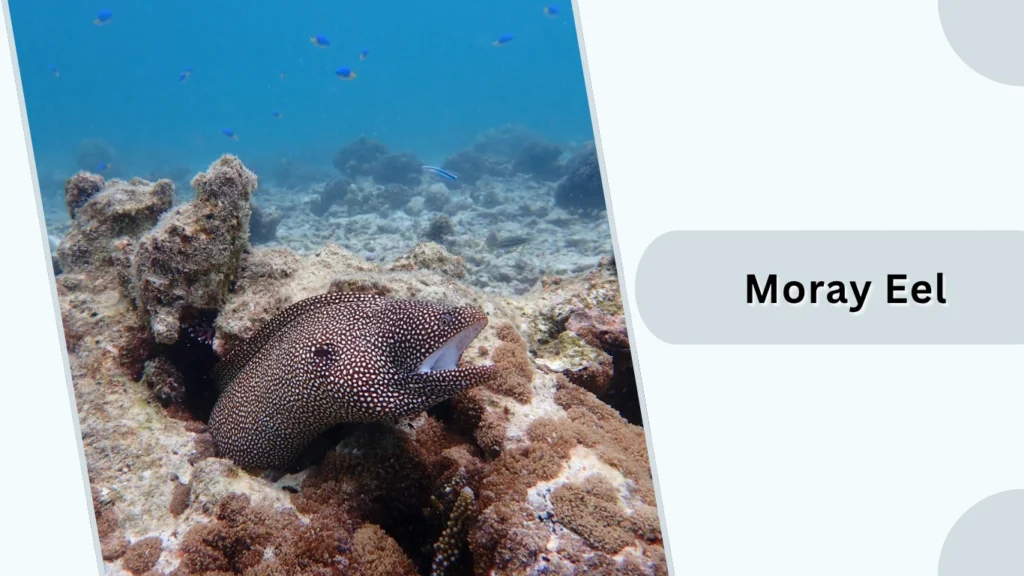
The moray eel is a well-known marine eel species found in tropical and subtropical oceans around the world. It is famous for its fierce appearance, wide mouth, and sharp teeth. Moray eels are commonly seen in coral reefs, where they hide in crevices and rocky holes. Despite their intimidating look, they usually avoid humans and play an important role in maintaining reef ecosystem balance.
Identification
- Long, muscular, snake-like body
- Smooth, scaleless skin often covered in mucus
- Wide mouth with sharp, visible teeth
- Varied colors and patterns depending on species
- Small eyes and elongated head
- Continuous dorsal fin along the back
Habitat
Moray eels primarily inhabit coral reefs, rocky coastlines, and crevices in the ocean floor. They prefer warm, shallow waters but can also be found at greater depths. These eels rely heavily on hiding spots such as holes, caves, and reef structures for protection. They rarely leave their shelters during the day. Their habitat provides both safety from predators and easy access to prey within reef ecosystems.
Behavior
Moray eels are mostly nocturnal and remain hidden during the day with only their heads visible from crevices. At night, they emerge to hunt. They are generally solitary and territorial. Their open-mouth posture is not aggression but a way to pump water over their gills for breathing. Moray eels use ambush tactics to catch prey and can strike quickly when food comes within reach.
Diet
Moray eels are carnivorous predators that feed on fish, crustaceans, and cephalopods such as squid and octopus. They rely on their strong jaws and sharp teeth to पकड़ and hold prey. Some species even have a second set of jaws in their throat to help pull food inward. Their hunting strategy is based on stealth and quick strikes rather than chasing prey.
7. Electric Eel
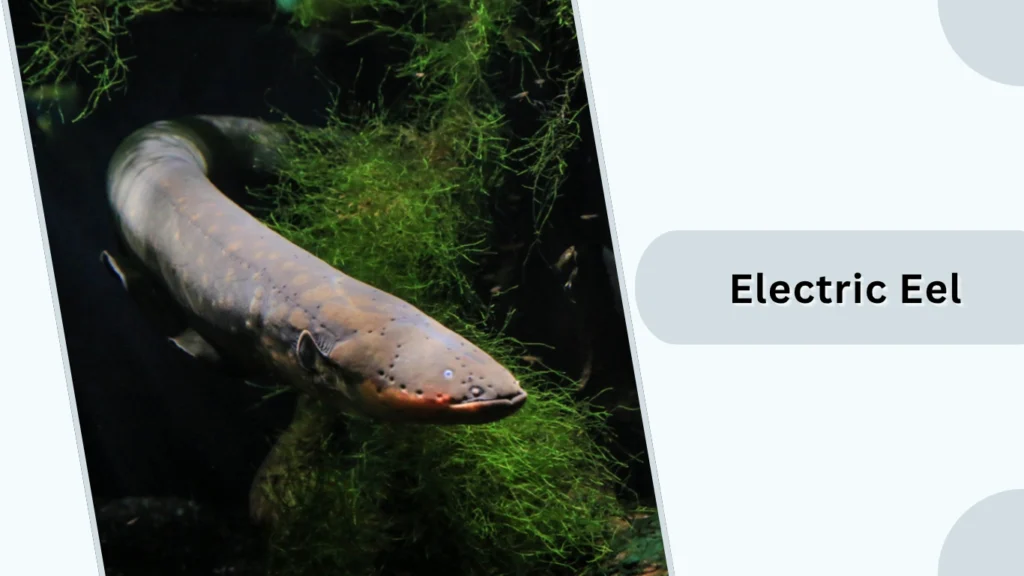
The electric eel is a unique freshwater fish known for its ability to generate powerful electric shocks. Despite its name, it is not a true eel but shares a similar elongated body shape. It is native to rivers and streams in South America, especially in the Amazon and Orinoco basins. This species uses electricity for hunting, navigation, and defense, making it one of the most fascinating aquatic animals.
Identification
- Long, cylindrical, snake-like body
- Smooth, scaleless skin
- Dark gray to brown coloration
- Lighter underside
- Small eyes with poor vision
- Large head with a wide mouth
Habitat
Electric eels inhabit slow-moving rivers, floodplains, swamps, and muddy streams. They prefer shallow waters with low oxygen levels, where many other fish cannot survive. These environments often have dense vegetation and murky water. Electric eels can breathe air by coming to the surface, which allows them to thrive in such conditions. Their habitat choice reduces competition and increases survival chances.
Behavior
Electric eels are mostly nocturnal and tend to be solitary. They rely on their ability to generate electric pulses for navigation and communication in dark or murky waters. When hunting or threatened, they can produce strong electric shocks to stun prey or deter predators. They surface regularly to breathe air. Their slow movement and unique abilities make them highly efficient hunters.
Diet
Electric eels are carnivorous and feed on fish, amphibians, and small invertebrates. They use electric discharges to locate and immobilize prey before consuming it. Juveniles may start with smaller prey like insects and gradually shift to larger animals as they grow. Their hunting method allows them to capture prey even in low-visibility environments.
8. Spiny Eel
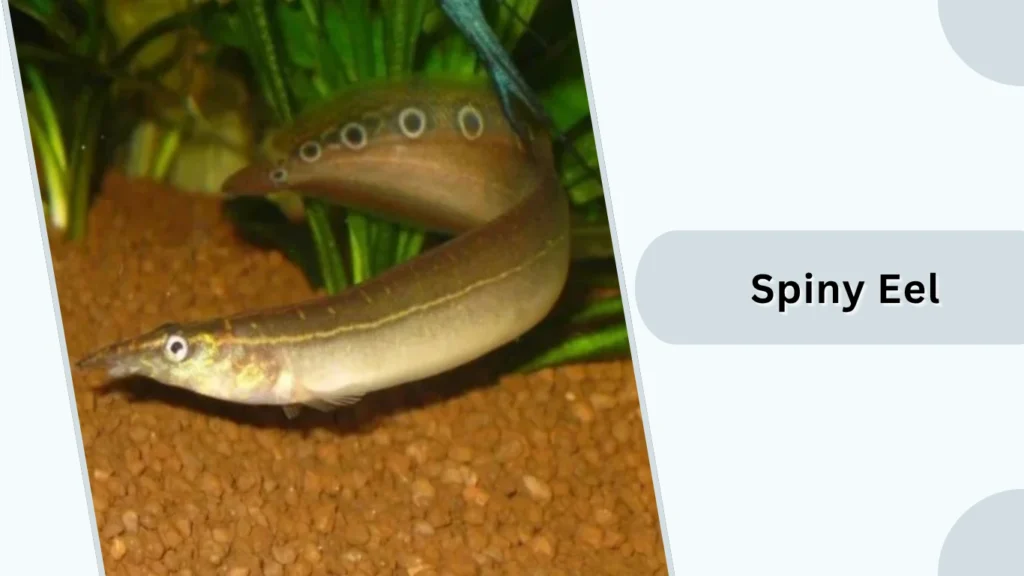
The spiny eel is a group of freshwater and brackish water fish known for their elongated bodies and small, spine-like structures along their back. Despite their name, they are not true eels but share a similar appearance. These fish are commonly found in Asia and Africa and are popular in aquariums due to their unique look and behavior.
Identification
- Long, slender, eel-like body
- Series of small spines in front of the dorsal fin
- Smooth skin with no visible scales
- Brown, yellow, or patterned body coloration
- Pointed snout adapted for digging
- Small fins positioned close to the body
Habitat
Spiny eels live in rivers, streams, lakes, and swamps with soft, sandy, or muddy bottoms. They prefer slow-moving or still waters where they can easily burrow. These environments often contain plenty of vegetation and hiding places. Some species can tolerate brackish water conditions. Their ability to bury themselves helps them avoid predators and stay hidden during the day.
Behavior
Spiny eels are mostly nocturnal and spend much of the day buried in the substrate or hiding among plants and debris. They are generally peaceful but can be shy and secretive. At night, they become active and search for food. Their burrowing behavior is a key survival strategy. They rely on their sense of smell more than vision to navigate their surroundings.
Diet
Spiny eels are carnivorous and feed on small invertebrates such as worms, insect larvae, and crustaceans. Some larger species may also eat small fish. They use their pointed snout to probe into the substrate and locate hidden prey. Their feeding habits make them effective bottom feeders in their natural habitat.
9. Snake Eel
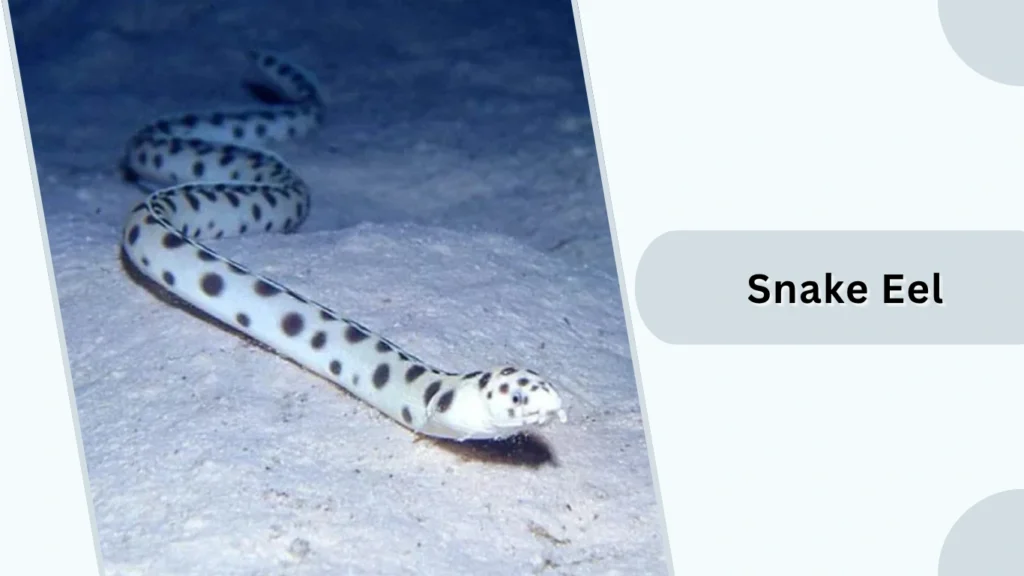
The snake eel is a marine eel known for its long, cylindrical body that closely resembles a snake. It is commonly found in tropical and subtropical oceans, often buried in sand or mud. This eel is a skilled burrower and spends much of its time hidden beneath the ocean floor. Its ability to blend into its surroundings makes it an effective ambush predator.
Identification
- Very long, cylindrical, snake-like body
- Smooth, scaleless skin
- Pointed or hardened tail used for burrowing
- Brown, gray, or spotted coloration
- Small head with narrow mouth
- Reduced or absent fins
Habitat
Snake eels live in sandy or muddy seabeds, typically in shallow coastal waters and near coral reefs. They prefer environments where they can easily burrow and hide beneath the surface. These habitats provide protection from predators and allow them to ambush prey effectively. Some species may also be found in deeper waters, depending on environmental conditions.
Behavior
Snake eels are mostly solitary and spend much of their time buried in the sand with only their heads exposed. They are generally nocturnal and become more active at night when hunting. Their burrowing ability helps them avoid predators and stay hidden during the day. They rely on stealth and quick movements to capture prey rather than chasing it.
Diet
Snake eels are carnivorous and feed on small fish, crustaceans, and worms. They use ambush tactics, striking quickly at prey that comes close. Their diet depends on what is available in their environment. Their ability to remain hidden gives them an advantage when hunting unsuspecting prey.
10. Snipe Eel
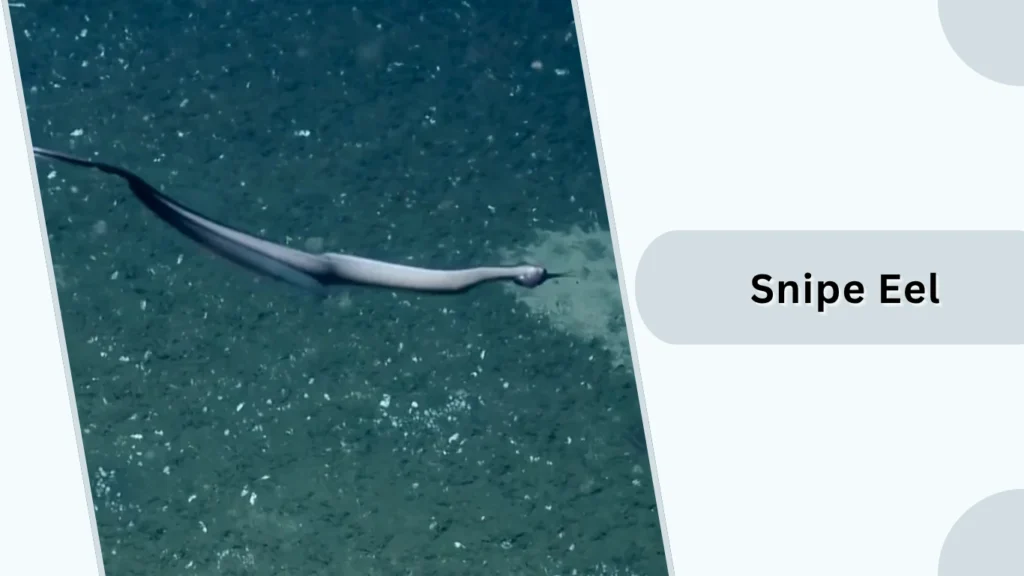
The snipe eel is a deep-sea species recognized for its extremely long, thin body and beak-like jaws. It lives in the open ocean at great depths, far from coastal areas. This eel is rarely seen due to its deep-sea habitat. Its unusual appearance and delicate structure make it one of the most distinctive eel species in the ocean.
Identification
- Very long, slender, thread-like body
- Extremely elongated, beak-shaped jaws
- Small, pointed teeth
- Pale or translucent body coloration
- Tiny fins and reduced body mass
- Large eyes adapted for low light
Habitat
Snipe eels inhabit deep ocean waters, often at depths ranging from hundreds to thousands of meters. They are typically found in the midwater zone, far from the ocean floor and coastline. These environments are dark, cold, and have high pressure. Their body structure is adapted to these extreme conditions, allowing them to move efficiently in open water.
Behavior
Snipe eels are believed to be solitary and drift through deep waters with slow, graceful movements. Due to the lack of light in their environment, they rely on limited vision and other senses to navigate. Their long jaws may help them sense and capture prey. Very little is known about their behavior because of the difficulty in observing them in their natural habitat.
Diet
Snipe eels feed on small planktonic organisms and tiny crustaceans found in deep ocean waters. Their narrow, elongated jaws are adapted for capturing small, drifting prey. They likely feed by snapping their jaws quickly to trap food as it passes by. Their diet reflects the limited food availability in deep-sea environments.
11. Gulper Eel
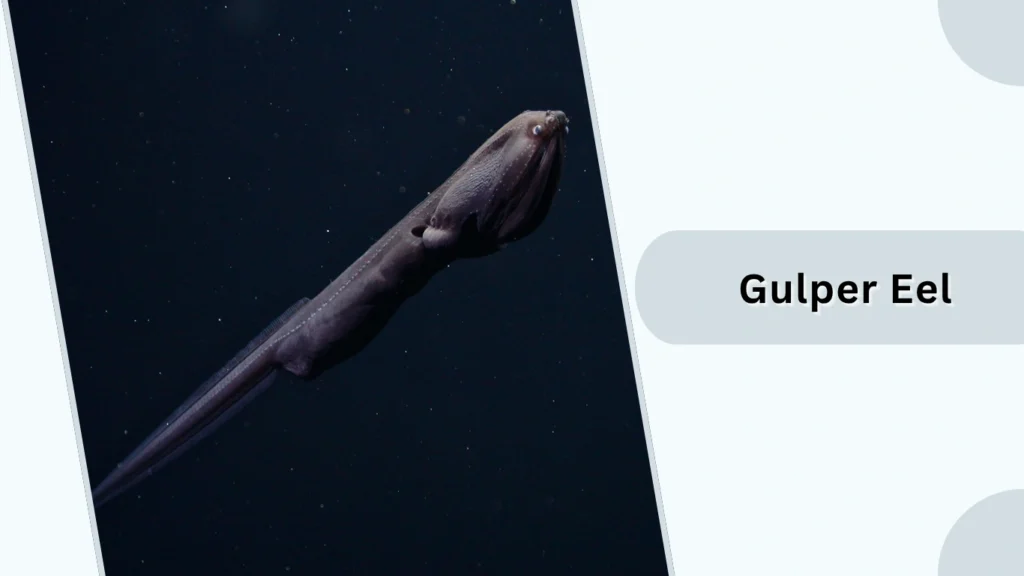
The gulper eel is a deep-sea species famous for its enormous mouth and expandable throat. It lives in the dark depths of the ocean and is rarely seen by humans. This eel has a unique appearance that allows it to consume prey much larger than its own body. Its unusual features make it one of the most fascinating deep-sea creatures.
Identification
- Long, slender body with a whip-like tail
- Extremely large mouth compared to body size
- Expandable throat or pouch
- Small eyes
- Dark or blackish coloration
- Bioluminescent organ at the tail tip
Habitat
Gulper eels inhabit deep ocean waters, typically at depths of several hundred to thousands of meters. They live in the midwater zone, far below sunlight penetration. These environments are cold, dark, and have very high pressure. Their bodies are specially adapted to survive in such extreme conditions, where food is scarce and visibility is low.
Behavior
Gulper eels are solitary and drift slowly through deep waters. They are not fast swimmers but rely on their large mouths to capture prey. The expandable throat allows them to swallow prey whole, even if it is larger than themselves. The glowing tip of their tail may be used to attract prey in the darkness. Their movements are slow and energy-efficient due to limited food availability.
Diet
Gulper eels are carnivorous and feed on fish, crustaceans, and other small marine organisms. They use their massive mouths to engulf prey rather than bite or tear it. Their feeding strategy is adapted to deep-sea conditions, where encounters with prey are rare. This ability to consume large prey increases their chances of survival.
12. Ribbon Eel
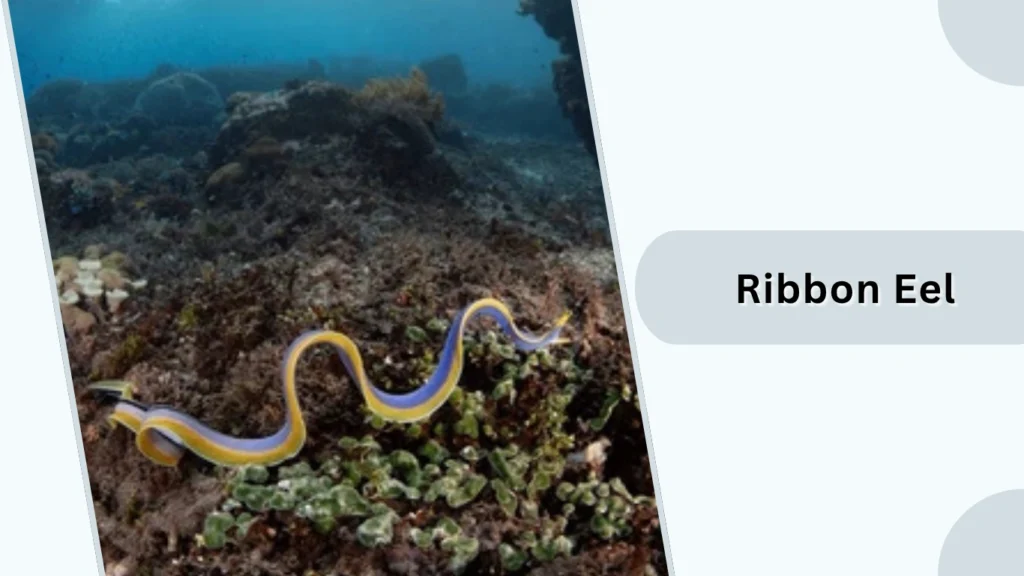
The ribbon eel is a striking marine species known for its bright colors and long, flowing body. It is commonly found in coral reefs of the Indo-Pacific region. This eel is especially unique because it changes color as it matures. Its graceful appearance and vivid coloration make it one of the most recognizable and visually stunning eel species.
Identification
- Long, thin, ribbon-like body
- Bright blue, yellow, or black coloration (changes with age)
- Elongated snout with tubular nostrils
- Small head with wide mouth
- Smooth, scaleless skin
- Continuous fin along the body
Habitat
Ribbon eels live in warm, shallow waters around coral reefs and sandy areas. They prefer environments where they can burrow and hide, often leaving only their head exposed. These habitats provide protection and easy access to food. They are usually found in holes or crevices within reef structures. Their dependence on reef environments makes them sensitive to habitat changes.
Behavior
Ribbon eels are generally solitary and spend much of their time partially hidden in burrows. They sway their bodies in the water, which helps them detect prey and maintain balance in currents. They are known for their unique life cycle, where individuals may change sex as they mature. They are not aggressive and rely on quick strikes to capture prey.
Diet
Ribbon eels are carnivorous and primarily feed on small fish and crustaceans. They use their sharp teeth and quick movements to catch prey that comes close to their hiding spot. Their hunting strategy is based on ambush rather than pursuit. Their diet depends on the availability of small marine animals in their habitat.
13. Wolf Eel
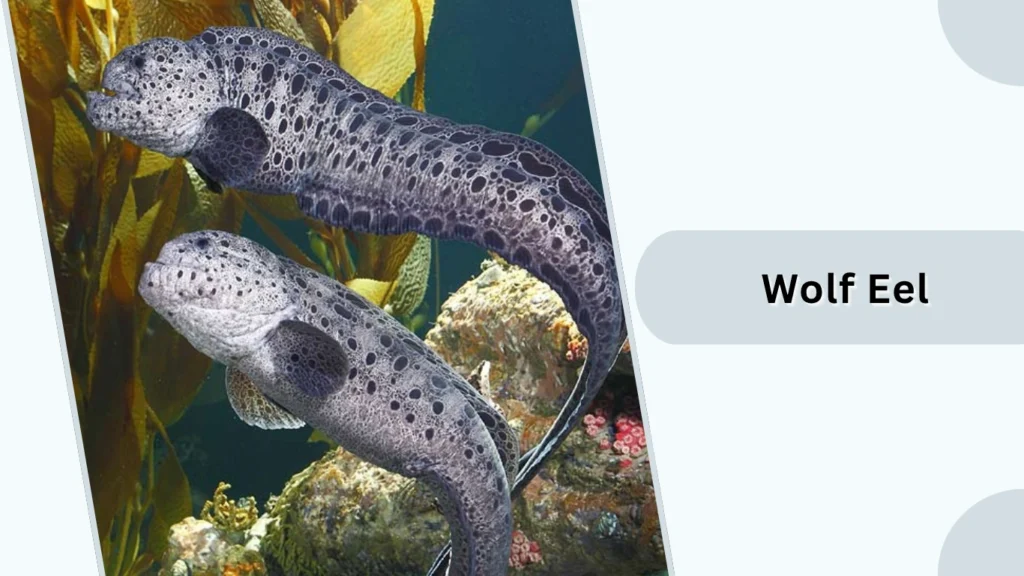
The wolf eel is a large, eel-like marine fish found in the cold waters of the North Pacific Ocean. Despite its name, it is not a true eel but belongs to a different fish family. It is known for its powerful jaws and strong teeth, which give it a fierce appearance. However, it is generally calm and often shows curiosity toward divers.
Identification
- Long, thick, eel-like body
- Large head with strong jaws
- Sharp, prominent teeth
- Gray, brown, or dark coloration
- Small pectoral fins
- Smooth skin with reduced scales
Habitat
Wolf eels live in rocky coastal areas, reefs, and underwater caves in cold marine environments. They prefer habitats with plenty of crevices and holes where they can hide and rest. These environments provide both protection and access to food. They are usually found at moderate depths but can also inhabit deeper waters depending on conditions.
Behavior
Wolf eels are generally solitary but may form pairs, especially during breeding. They spend much of their time inside rocky shelters and are more active at night. Unlike many other eel-like fish, they are not highly aggressive and may even appear curious around humans. They defend their territory if threatened and rely on their strong bite for protection.
Diet
Wolf eels are carnivorous and primarily feed on hard-shelled prey such as sea urchins, crabs, clams, and snails. Their powerful jaws and teeth are specially adapted for crushing shells. They may also consume small fish when available. Their diet plays an important role in controlling populations of certain marine invertebrates.
14. Swamp Eel
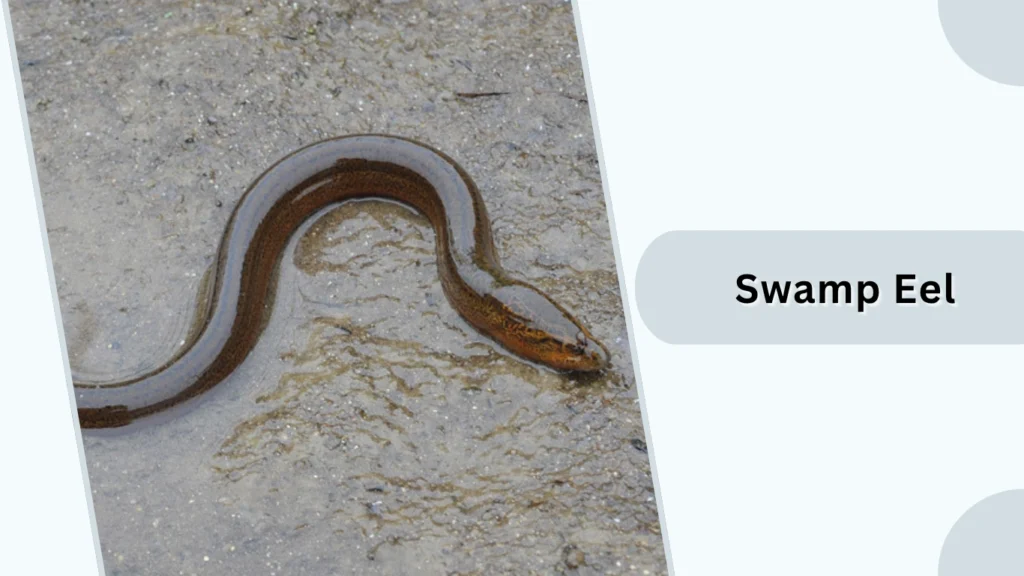
The swamp eel is a freshwater species commonly found in Asia, Africa, and parts of the Americas. It is known for its ability to survive in low-oxygen environments and even move across land for short distances. This eel-like fish is highly adaptable and can live in a variety of aquatic habitats, including those that dry out seasonally.
Identification
- Long, cylindrical, eel-like body
- Smooth, scaleless skin
- Brown, gray, or olive coloration
- Small head with a wide mouth
- Reduced or absent fins
- Slippery body surface
Habitat
Swamp eels inhabit rivers, ponds, swamps, rice fields, and wetlands. They prefer muddy or soft-bottom environments where they can burrow and hide. These fish are often found in areas with low oxygen levels, where many other species cannot survive. They can also tolerate seasonal drying by burrowing deep into the mud. Their ability to breathe air allows them to live in challenging conditions.
Behavior
Swamp eels are mostly nocturnal and spend much of their time hidden in mud or vegetation during the day. They are capable of breathing air and can survive out of water for extended periods. During wet conditions, they may move across land to find new habitats. They are generally solitary and rely on stealth when hunting or avoiding predators.
Diet
Swamp eels are carnivorous and feed on small fish, insects, crustaceans, and worms. They use their strong jaws to पकड़ prey and swallow it whole. Their feeding habits are opportunistic, allowing them to survive in environments where food availability may vary.
15. Duckbill Eel

The duckbill eel is a deep-sea species known for its flattened, bill-like snout that resembles a duck’s beak. It inhabits the open ocean at great depths and is rarely observed in its natural environment. This eel has a slender body and unique adaptations that help it survive in dark, high-pressure conditions where food is limited.
Identification
- Long, slender, eel-like body
- Flattened, duckbill-shaped snout
- Large mouth with small teeth
- Dark brown or black coloration
- Small eyes adapted to low light
- Flexible body structure
Habitat
Duckbill eels live in deep ocean waters, often in the midwater zone far below the surface. These environments are cold, dark, and have very high pressure. They are usually found at depths ranging from hundreds to thousands of meters. Their habitat lacks sunlight, so they rely on specialized adaptations to survive in low-visibility conditions.
Behavior
Duckbill eels are believed to be solitary and slow-moving. They drift through deep waters, conserving energy due to limited food availability. Their elongated snout may help them sense or capture prey in the dark. Because of the extreme depths they inhabit, very little is known about their detailed behavior. Their movements are generally slow and controlled.
Diet
Duckbill eels are carnivorous and feed on small fish and planktonic organisms. They use their wide mouths to capture prey drifting in the water. Their feeding strategy is adapted to deep-sea conditions, where encounters with food are infrequent. This allows them to take advantage of any available prey in their environment.
16. Cutthroat Eel
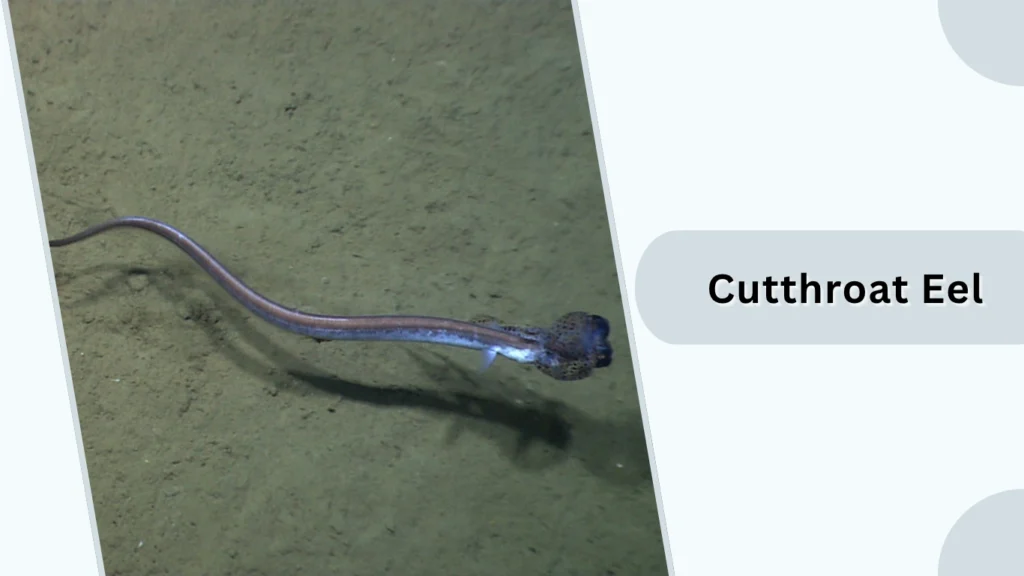
The cutthroat eel is a deep-sea species known for its distinctive appearance and unusual mouth structure. It lives in the open ocean at great depths and is rarely seen. Its name comes from the way its mouth appears to extend far back, giving it a “cut-throat” look. This eel is adapted to survive in dark, high-pressure environments where food is scarce.
Identification
- Long, slender, eel-like body
- Large mouth extending far behind the eyes
- Thin, flexible body structure
- Dark or blackish coloration
- Small eyes adapted to deep-sea conditions
- Reduced fins
Habitat
Cutthroat eels inhabit deep ocean waters, typically in the midwater zone far below the surface. They are found at depths ranging from hundreds to thousands of meters. These environments are cold, dark, and have very high pressure. The lack of sunlight and limited food supply make this habitat challenging, but the eel’s adaptations allow it to survive in such extreme conditions.
Behavior
Cutthroat eels are believed to be solitary and slow-moving. They drift through deep waters, conserving energy due to the scarcity of food. Their large mouth helps them capture prey efficiently when opportunities arise. Very little is known about their detailed behavior because of the difficulty of studying deep-sea species. Their movements are generally slow and deliberate.
Diet
Cutthroat eels are carnivorous and feed on small fish, crustaceans, and other marine organisms. Their large mouth allows them to swallow prey whole. They rely on opportunistic feeding, taking advantage of any available food in the deep ocean. This strategy helps them survive in an environment where meals are unpredictable.
17. Pike Conger
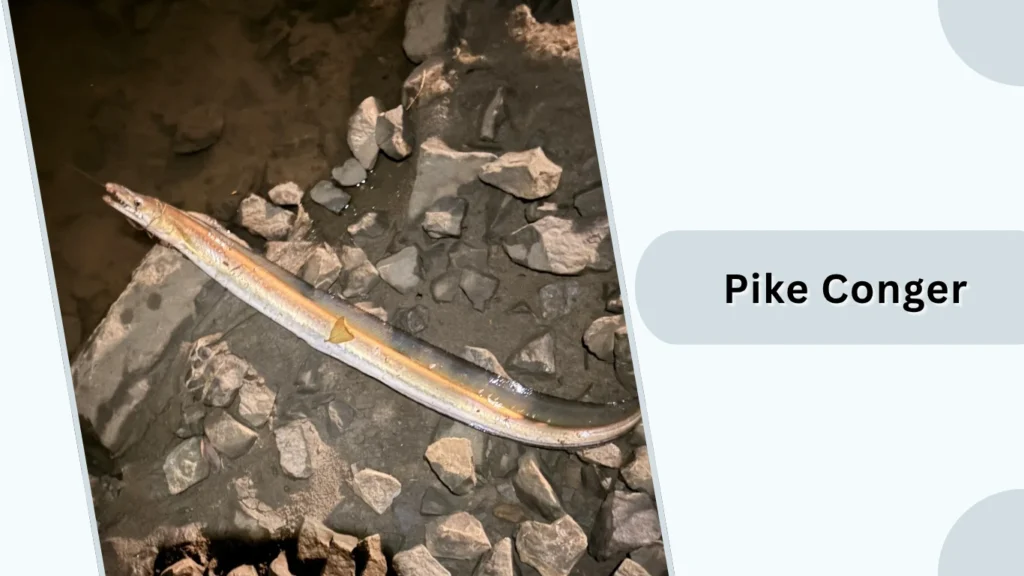
The pike conger is a marine eel species commonly found in coastal waters of the Indo-Pacific region. It resembles a large, elongated fish with a strong, streamlined body. This eel is often seen near sandy or muddy seabeds where it can burrow and hide. It is also important in some regional fisheries and is known for its active predatory behavior.
Identification
- Long, cylindrical, eel-like body
- Pointed head resembling a pike
- Smooth skin with small or reduced scales
- Brown, gray, or yellowish coloration
- Large mouth with sharp teeth
- Continuous fin along the body
Habitat
Pike congers inhabit coastal marine environments, including sandy bottoms, estuaries, and shallow offshore waters. They prefer areas where they can burrow into the substrate for protection. These habitats provide both shelter and access to prey. They are often found at moderate depths but may move to deeper waters depending on environmental conditions.
Behavior
Pike congers are mostly nocturnal and spend much of the day buried in sand or hiding in the seabed. At night, they become active and hunt for food. They are generally solitary and rely on stealth to approach prey. Their strong, flexible bodies allow them to move quickly when needed. They are known to be active predators within their habitat.
Diet
Pike congers are carnivorous and feed on fish, crustaceans, and other small marine animals. They use their sharp teeth to पकड़ and hold prey. Their hunting strategy involves ambush and quick strikes rather than long chases. Their diet varies depending on the availability of prey in their environment.
18. Slender Giant Moray
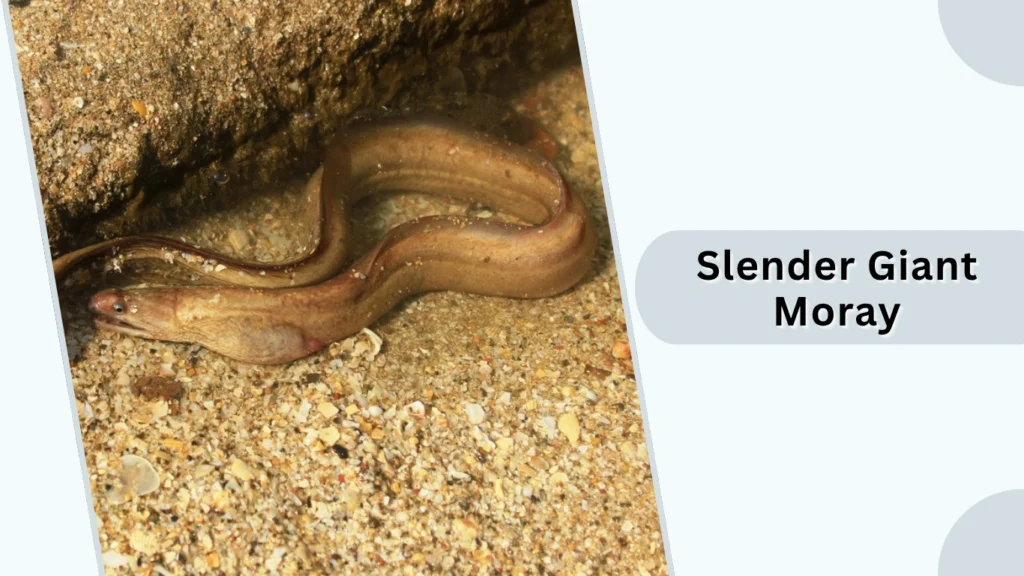
The slender giant moray is a large marine eel found in tropical Indo-Pacific waters. It is known for its elongated body and relatively slimmer shape compared to other giant morays. This species is commonly associated with coral reef environments, where it plays a role as a top predator. Its size and stealth make it an effective hunter in reef ecosystems.
Identification
- Long, slender, eel-like body
- Smooth, scaleless skin
- Brown or gray coloration, sometimes with faint patterns
- Large head with strong jaws
- Sharp, pointed teeth
- Continuous dorsal fin along the body
Habitat
The slender giant moray inhabits coral reefs, rocky coastlines, and lagoons in warm tropical waters. It prefers areas with plenty of crevices, caves, and hiding spots. These environments provide protection during the day and easy access to prey. It is usually found in shallow to moderately deep waters but can occasionally move deeper depending on conditions.
Behavior
This eel is mostly nocturnal and spends daylight hours hidden within reef crevices, often with only its head visible. At night, it emerges to hunt. It is generally solitary and territorial. Like other morays, it keeps its mouth open to help with breathing. It relies on stealth and sudden bursts of speed to capture prey rather than chasing it over long distances.
Diet
The slender giant moray is a carnivorous predator that feeds on fish, crustaceans, and cephalopods. It uses its powerful jaws and sharp teeth to पकड़ and secure prey. Its hunting strategy is based on ambush, taking advantage of its hiding spots within the reef. Its diet helps maintain balance in marine ecosystems.
19. Zebra Moray
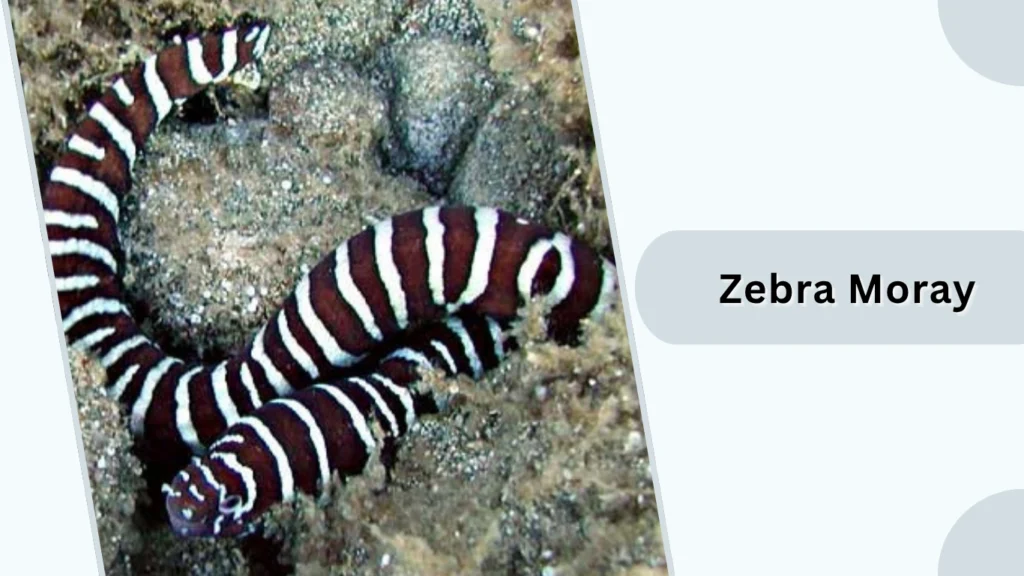
The zebra moray is a distinctive marine eel known for its bold black-and-white striped pattern. It is commonly found in coral reefs across the Indo-Pacific region. Unlike many other moray eels, it has a more blunt snout and specialized teeth designed for crushing hard-shelled prey rather than catching fish. Its unique appearance makes it easy to identify.
Identification
- Thick, elongated eel-like body
- Bold black-and-white vertical stripes
- Blunt, rounded snout
- Small, rounded teeth adapted for crushing
- Smooth, scaleless skin
- Continuous dorsal fin
Habitat
Zebra morays inhabit coral reefs, rocky coastlines, and lagoons in tropical marine environments. They prefer areas with plenty of hiding spots such as crevices, caves, and reef structures. These locations provide protection during the day and access to food. They are usually found in shallow to moderate depths but may also occur in deeper reef zones.
Behavior
Zebra morays are mostly nocturnal and spend the day hidden in reef crevices. At night, they emerge to search for food. They are generally solitary and non-aggressive compared to other moray species. Their calm nature and slow movements make them less intimidating. They rely on their sense of smell rather than vision when hunting.
Diet
Zebra morays are carnivorous but specialize in eating hard-shelled animals. Their diet includes crabs, sea urchins, mollusks, and other crustaceans. Their strong jaws and crushing teeth allow them to break open shells easily. This feeding habit sets them apart from many other moray eels that primarily eat fish.
20. Snowflake Moray
The snowflake moray is a popular marine eel known for its striking white, black, and yellow pattern. It is commonly found in coral reefs across the Indo-Pacific region. This species is often seen in aquariums due to its manageable size and relatively calm behavior. Its unique appearance and adaptability make it one of the most recognizable moray eels.
Identification
- Thick, elongated eel-like body
- White base color with black patches and yellow highlights
- Blunt snout
- Short, rounded teeth
- Smooth, scaleless skin
- Continuous dorsal fin
Habitat
Snowflake morays inhabit coral reefs, rocky shores, and lagoons in warm tropical waters. They prefer areas with plenty of crevices, caves, and hiding spots. These environments provide protection and easy access to prey. They are usually found in shallow to moderate depths and tend to stay close to their shelters during the day.
Behavior
Snowflake morays are mostly nocturnal and spend the day hiding in crevices with only their heads visible. At night, they come out to hunt. They are generally less aggressive than many other moray species. Their open-mouth posture helps them breathe by moving water over their gills. They rely on smell more than sight to locate food.
Diet
Snowflake morays are carnivorous and primarily feed on crustaceans such as crabs and shrimp. They may also eat small fish occasionally. Their teeth are adapted for crushing rather than tearing, making them well-suited for hard-shelled prey. They use a slow, deliberate approach when hunting.
21. Leopard Moray
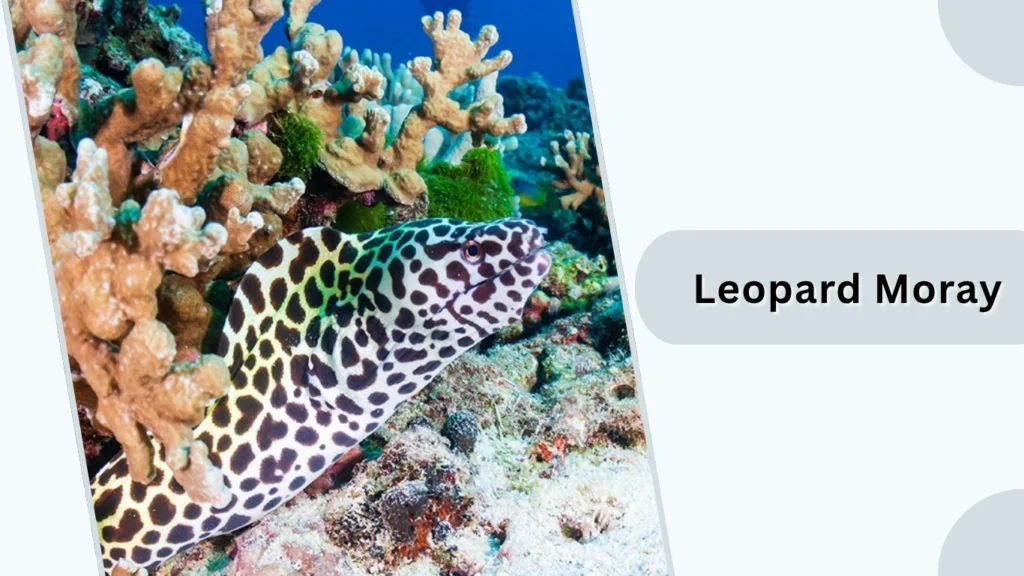
The leopard moray is a visually striking marine eel known for its spotted pattern that resembles a leopard’s coat. It is found in warm tropical waters, particularly around coral reefs in the Indo-Pacific region. This eel is admired for its unique appearance and plays an important role as a predator within reef ecosystems.
Identification
- Long, slender, eel-like body
- Distinct dark spots over a lighter background
- Smooth, scaleless skin
- Elongated head with sharp teeth
- Continuous dorsal fin
- Pattern varies slightly between individuals
Habitat
Leopard morays inhabit coral reefs, lagoons, and rocky coastal areas in tropical marine environments. They prefer habitats with plenty of crevices, caves, and reef structures where they can hide during the day. These environments provide protection and easy access to prey. They are typically found in shallow to moderate depths but may occasionally move deeper.
Behavior
Leopard morays are mostly nocturnal and spend their days hidden within reef crevices. At night, they emerge to hunt. They are generally solitary and territorial. Like other moray eels, they often keep their mouths open to assist with breathing. They rely on stealth and quick strikes rather than long pursuits when capturing prey.
Diet
Leopard morays are carnivorous and feed on fish, crustaceans, and small marine animals. They use their sharp teeth to पकड़ and hold prey. Their hunting method is based on ambush, taking advantage of their hiding spots within the reef. Their diet helps maintain balance in the marine ecosystem.
22. Green Moray
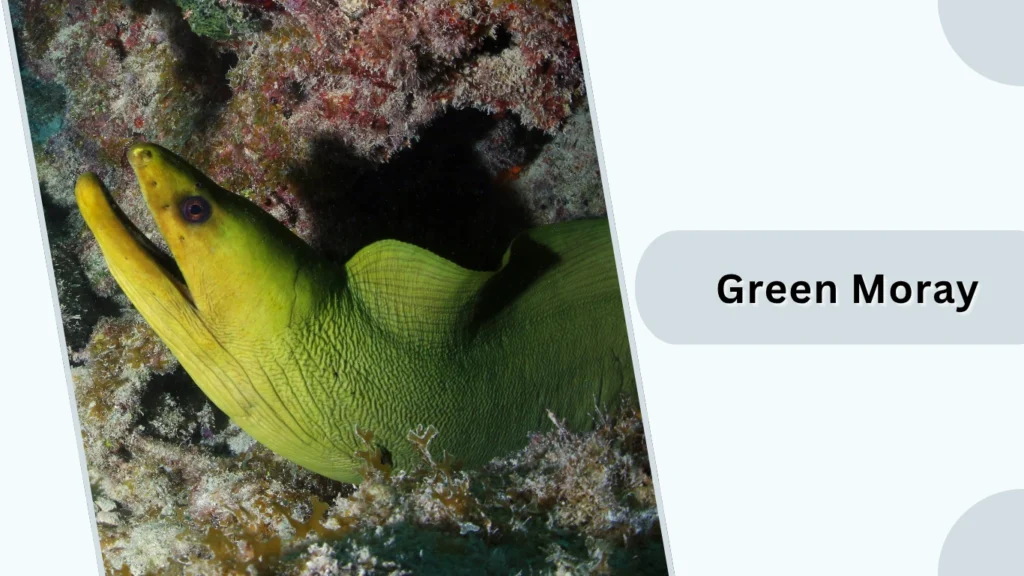
The green moray is a large marine eel commonly found in the western Atlantic Ocean, especially around coral reefs and rocky coastlines. Despite its name, its green color actually comes from a layer of yellow mucus covering its blue skin. It is one of the largest moray eels and is known for its strong presence in reef ecosystems.
Identification
- Long, thick, eel-like body
- Green appearance due to yellow mucus layer
- Smooth, scaleless skin
- Large head with powerful jaws
- Sharp, pointed teeth
- Continuous dorsal fin
Habitat
Green morays inhabit coral reefs, rocky shores, mangroves, and seagrass beds in warm marine waters. They prefer areas with plenty of hiding spots such as crevices, caves, and holes. These environments provide protection during the day and access to prey. They are usually found in shallow to moderate depths but can also occur in deeper waters.
Behavior
Green morays are mostly nocturnal and spend the day hidden in reef crevices with only their heads visible. At night, they emerge to hunt. They are generally solitary and can be territorial. Their open-mouth posture helps with breathing by moving water over their gills. While they may appear aggressive, they usually avoid humans unless provoked.
Diet
Green morays are carnivorous and feed on fish, crustaceans, and cephalopods. They use their sharp teeth and strong jaws to पकड़ and secure prey. Their hunting strategy relies on ambush and quick strikes rather than chasing prey. Their role as predators helps maintain balance in marine ecosystems.
23. Dragon Moray
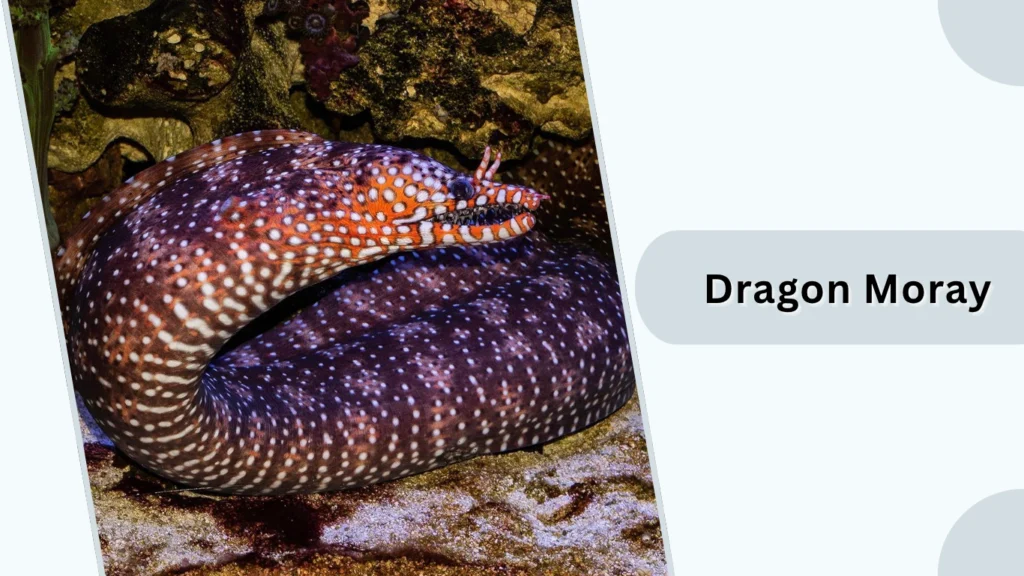
The dragon moray is a rare and visually dramatic eel known for its unique appearance and vibrant coloration. It is found in deep coral reef environments in the Indo-Pacific region. This species is highly prized by divers and aquarium enthusiasts due to its striking features and limited availability. Its unusual look makes it one of the most fascinating moray eels.
Identification
- Long, slender eel-like body
- Bright orange, brown, and white patterned coloration
- Elongated snout with tube-like nostrils
- Large mouth with long, curved teeth
- Smooth, scaleless skin
- Continuous dorsal fin
Habitat
Dragon morays inhabit deep coral reefs and rocky marine environments, typically at greater depths than many other moray species. They prefer areas with caves, crevices, and complex reef structures that provide shelter. These habitats offer protection and access to prey. They are usually found in clear, warm waters of the Indo-Pacific region.
Behavior
Dragon morays are mostly nocturnal and spend their days hidden within reef structures. At night, they come out to hunt. They are generally solitary and rely on stealth to approach prey. Their unusual nostrils may help them detect scents in the water. Due to their rarity, their behavior is not as well documented as other moray species.
Diet
Dragon morays are carnivorous and feed on small fish and crustaceans. They use their sharp, curved teeth to पकड़ and hold prey effectively. Their hunting strategy is based on ambush, using their hiding spots to surprise prey. Their diet depends on the availability of small marine animals in their habitat.
FAQs
What is an eel fish?
An eel is a long, snake-shaped fish found in both freshwater and marine environments. While many species look similar, they belong to different groups. Some are true eels, while others only resemble them. They are known for their flexible bodies, smooth skin, and unique life cycles.
Where do eels live?
Eels can live in a wide range of habitats, including rivers, lakes, oceans, and deep-sea environments. Some species migrate between freshwater and saltwater during their life cycle. Others remain in marine habitats their entire lives. Their adaptability allows them to survive in diverse conditions.
Are all eels dangerous?
Most eels are not dangerous to humans and prefer to avoid contact. Some species, like moray eels, may bite if threatened. The electric eel can produce strong shocks, but it typically uses this ability for hunting or defense rather than attacking humans without reason.
What do eels eat?
Eels are generally carnivorous and feed on fish, crustaceans, worms, and other small aquatic animals. Their diet depends on their size and habitat. Many eels are nocturnal hunters, using stealth and quick movements to catch prey rather than actively chasing it.
How do eels reproduce?
Many eel species have complex life cycles that involve long migrations to specific spawning areas. For example, some freshwater eels travel to the ocean to reproduce. After spawning, the adults usually die, and the young drift or migrate back to freshwater to grow and develop.