
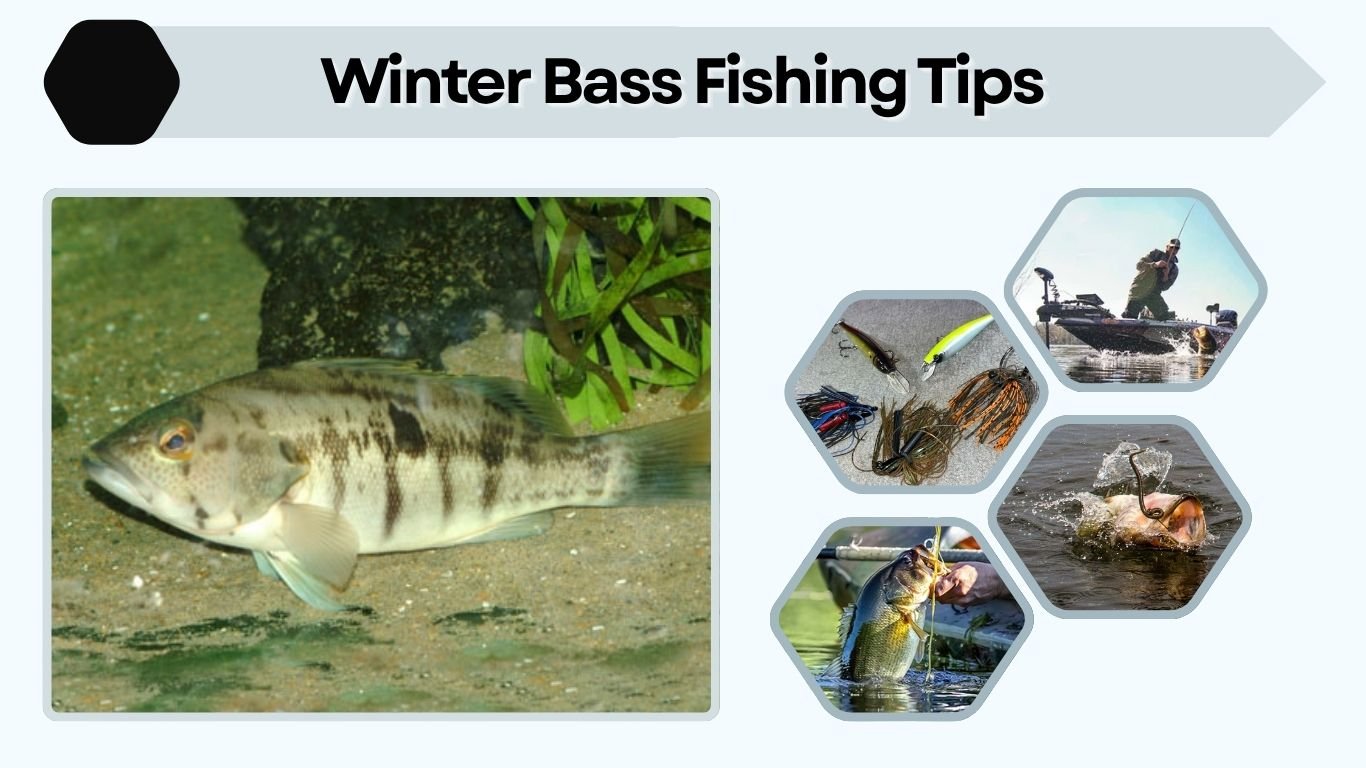
Winter bass fishing can be challenging, but it is also one of the most rewarding times of the year for serious anglers. Cold weather changes bass behavior dramatically, forcing fish to move slower and conserve energy. However, anglers who adapt their techniques can still catch impressive largemouth and smallmouth bass throughout winter.
The key to successful winter bass fishing is understanding seasonal bass movement, choosing the right lures, and slowing down presentations. With proper strategies, winter can produce some of the biggest bass of the year.
Can You Bass Fish in the Winter?
Yes, bass can absolutely be caught during winter. Although colder water temperatures reduce bass activity, the fish still feed regularly to survive.
Many anglers mistakenly believe bass stop biting completely in winter, but that is not true. Winter bass simply become less aggressive and more selective about what they eat.
Why Bass Fishing Changes in Winter
Cold water affects bass metabolism and movement patterns.
Important winter changes include:
- Bass move more slowly
- Feeding windows become shorter
- Fish conserve energy
- Bass often hold deeper
- Aggressive strikes become less common
Because of these changes, anglers usually need slower and more precise presentations.
Is Winter Good for Bass Fishing?
Winter can actually be an excellent season for bass fishing under the right conditions.
Advantages of winter bass fishing include:
- Less fishing pressure
- Clearer water conditions
- Larger bass opportunities
- Reduced boat traffic
- Predictable bass locations
Many experienced anglers enjoy winter because bass often group together around structure, making them easier to target once located.
Understanding Winter Bass Behavior
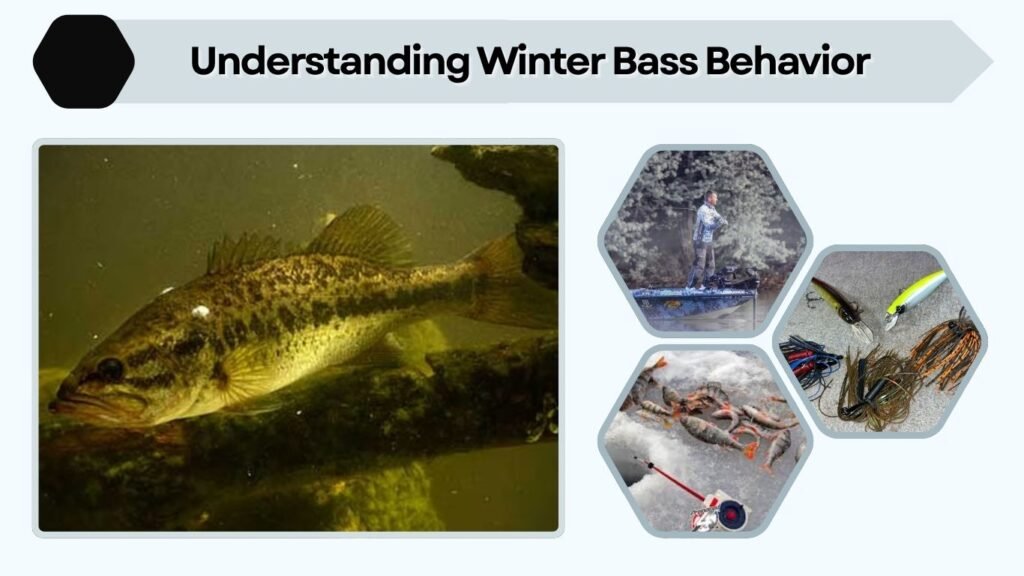
Understanding winter bass behavior is one of the most important parts of successful cold-water fishing. Bass react differently to dropping water temperatures depending on lake conditions, weather, and available food sources.
Both largemouth and smallmouth bass seek areas where they can conserve energy while remaining close to feeding opportunities.
Where Bass Go During Winter
Winter bass often move toward deeper and more stable water conditions.
Common winter bass locations include:
- Creek channels
- Deep drop-offs
- Rocky ledges
- Underwater points
- Standing timber
- Deep grass edges
Bass usually stay close to structure because it provides both protection and feeding opportunities.
Best Time to Fish for Bass in Winter
Winter bass feeding activity often depends heavily on weather conditions and sunlight.
| Winter Condition | Bass Activity Level |
| Sunny afternoons | Higher activity |
| Cold mornings | Slower activity |
| Warm winter fronts | Increased feeding |
| Sudden cold fronts | Reduced movement |
Afternoons are often the best time to fish because water temperatures rise slightly after several hours of sunlight.
Largemouth vs Smallmouth Bass in Winter
Largemouth and smallmouth bass behave differently during winter.
Important differences include:
- Largemouth bass prefer slower presentations
- Smallmouth bass remain slightly more active
- Smallmouth often stay near rocky structure
- Largemouth favor deeper vegetation and cover
Understanding species-specific behavior helps anglers choose better fishing locations and lures.
Best Winter Bass Fishing Lures
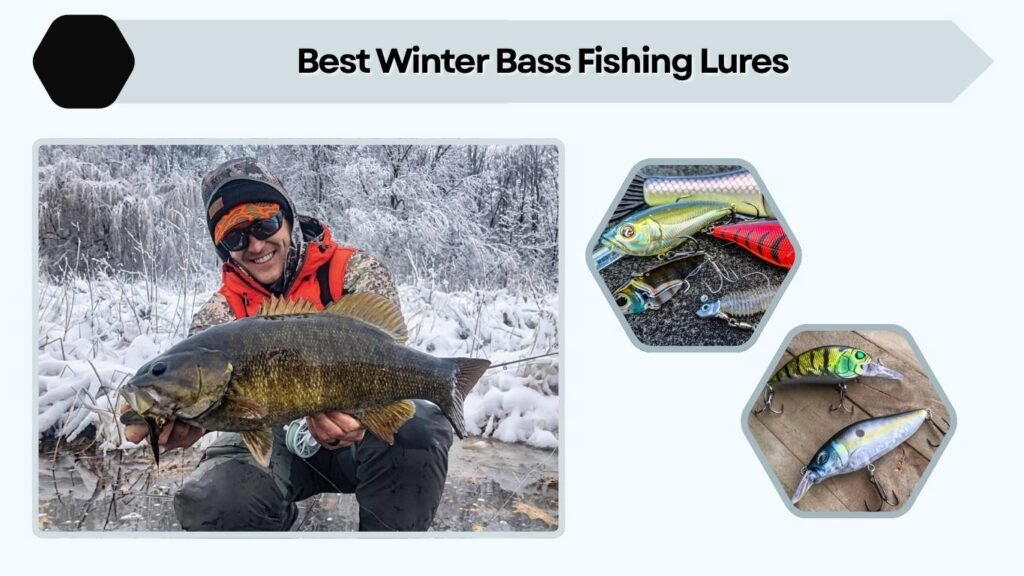
Lure selection becomes extremely important during winter because bass are less willing to chase fast-moving prey. The best winter lures imitate slow, easy meals that require minimal effort from the fish.
Most successful winter lures work best with slow retrieves and frequent pauses.
Top Winter Bass Fishing Lures
Several lure types consistently perform well in cold water.
Popular winter bass lures include:
- Jigs
- Blade baits
- Suspending jerkbaits
- Lipless crankbaits
- Finesse worms
- Spinnerbaits
These lures allow anglers to fish slowly while maintaining good control near structure.
Best Fishing Lures for Bass in Winter
Different lures excel under different winter conditions.
| Lure Type | Best Use |
| Jigs | Slow bottom fishing |
| Jerkbaits | Suspended bass |
| Blade Baits | Deep cold water |
| Finesse Worms | Finicky bass |
| Lipless Crankbaits | Covering water quickly |
Jigs and jerkbaits are often considered the most reliable winter bass fishing lures overall.
Best Colors for Winter Bass Fishing
Natural and subtle lure colors usually work best in cold clear water.
Popular winter lure colors include:
- Shad patterns
- White and silver
- Green pumpkin
- Brown crawfish colors
- Black and blue in muddy water
Matching local baitfish colors often increases winter fishing success.
Best Bait for Winter Bass Fishing
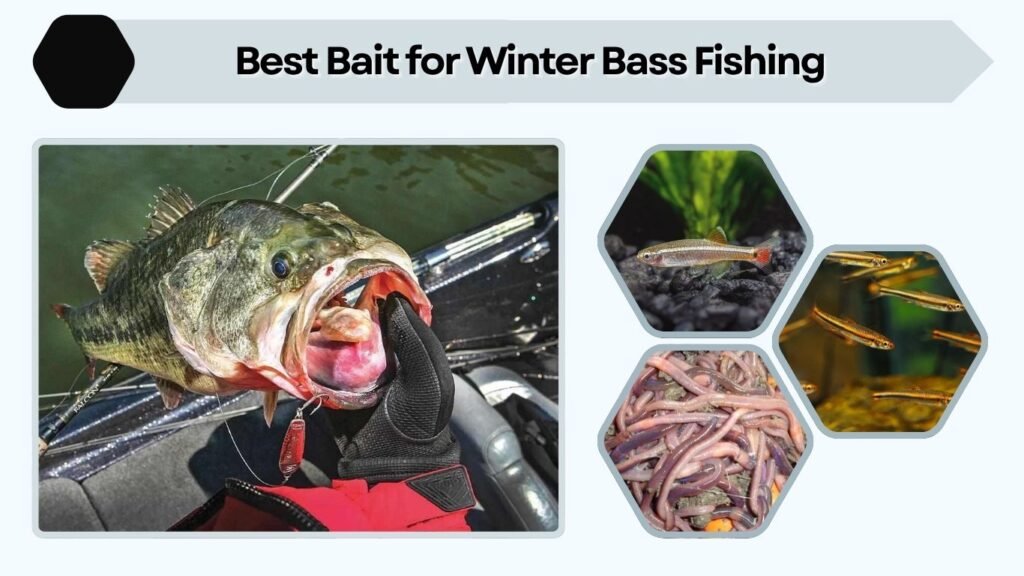
Both live bait and artificial lures can work extremely well during winter bass fishing. The best choice often depends on water clarity, temperature, and bass activity levels.
Winter bass generally prefer smaller and slower-moving prey.
Best Live Baits for Winter Bass
Live bait remains highly effective because cold-water bass are less willing to chase artificial lures aggressively.
Popular live bait choices include:
- Minnows
- Shiners
- Nightcrawlers
- Crawfish
Live bait presentations work especially well for beginners learning winter bass patterns.
Artificial Baits vs Live Baits
Each bait type offers unique advantages during winter fishing.
| Bait Type | Advantages |
| Live Bait | Natural presentation |
| Artificial Lures | Cover more water |
| Soft Plastics | Slow finesse fishing |
| Jigs | Excellent cold-water control |
Artificial lures allow anglers to experiment with different retrieves and cover larger areas efficiently.
Winter Bass Fishing Techniques
Fishing techniques must slow down significantly during winter because bass rarely chase fast-moving lures in cold water.
Patience and precise lure control are critical for success.
Best Winter Bass Fishing Techniques
Several proven techniques work consistently in winter conditions.
Effective winter methods include:
- Slow retrieves
- Vertical jigging
- Dead sticking
- Dragging soft plastics
- Long pauses with jerkbaits
The slower the water temperature becomes, the slower most presentations should be.
How to Fish for Bass in Winter
Winter bass fishing requires patience and careful lure presentation. Unlike warmer seasons, bass usually stay close to structure and avoid chasing prey over long distances.
Helpful winter bass fishing strategies include:
- Fish deeper water first
- Focus on underwater structure
- Use smaller lure sizes
- Retrieve lures slowly
- Pause frequently during retrieves
Many winter bites feel subtle, so anglers should watch their fishing line carefully for slight movement.
Early Winter vs Late Winter Bass Fishing
Bass behavior changes throughout the winter season.
Early winter bass patterns often include:
- Bass transitioning from fall feeding areas
- Increased activity during stable weather
- Fish remaining near mid-depth structure
Late winter patterns usually involve:
- Pre-spawn movement beginning
- Bass moving slightly shallower
- Increased feeding before spring
Adjusting lure styles and locations throughout winter improves fishing success.
Winter Bass Fishing in Ponds
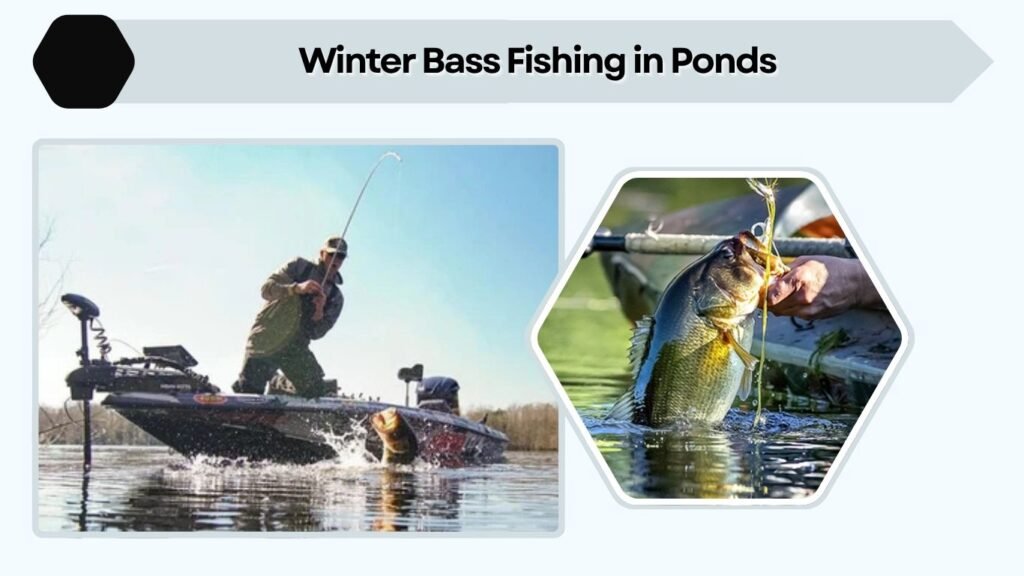
Pond bass fishing during winter can be extremely productive because smaller bodies of water warm more quickly on sunny days.
Pond bass often concentrate in predictable areas during cold weather.
Best Pond Areas in Winter
Important winter pond locations include:
- Deep pond holes
- Fallen trees
- Sun-warmed banks
- Weed edges
- Drop-offs near shallow flats
Bass usually remain close to the deepest available water in small ponds.
Winter Pond Bass Fishing Tips
Simple adjustments help anglers catch more pond bass during winter.
Helpful pond fishing tips include:
- Fish slowly
- Focus on sunny afternoons
- Use finesse lures
- Avoid excessive noise
- Target isolated structure carefully
Smaller ponds often warm faster after several sunny days, increasing bass feeding activity.
Smallmouth Bass Winter Fishing
Smallmouth bass often remain more active than largemouth bass during winter. They commonly stay near rocky structure and deep current areas where baitfish are present.
Cold-water smallmouth fishing can produce aggressive strikes even in low temperatures.
Best Smallmouth Winter Locations
Common winter smallmouth locations include:
- Rocky points
- Deep ledges
- Gravel bottoms
- Current breaks
- Bluff walls
Smallmouth frequently group together during winter, making schools easier to target once located.
Best Smallmouth Winter Lures
Several lure styles work especially well for winter smallmouth bass.
Popular smallmouth lures include:
- Tubes
- Blade baits
- Hair jigs
- Jerkbaits
Natural colors and subtle presentations usually perform best in clear winter water.
Largemouth Bass Fishing in Winter
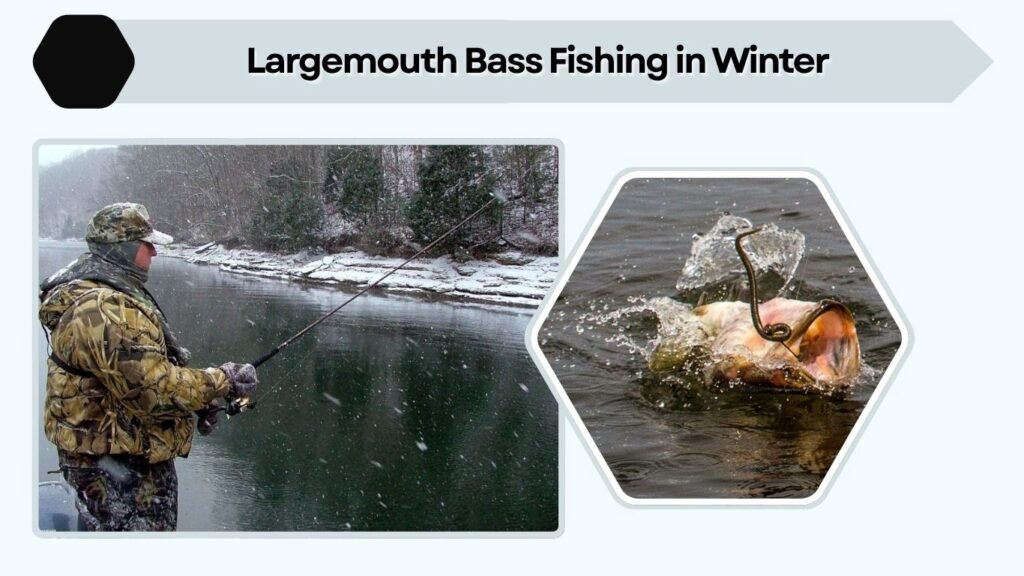
Largemouth bass become slower and less aggressive in cold water, but they still feed regularly throughout winter.
Finding largemouth bass usually involves locating deeper cover and stable water temperatures.
Where to Find Largemouth Bass
Winter largemouth bass commonly hold near:
- Deep vegetation edges
- Creek channels
- Standing timber
- Brush piles
- Warm shallow pockets
Bass often position themselves near areas where they can easily move between deep and shallow water.
Best Largemouth Winter Lures
Reliable winter largemouth lures include:
- Football jigs
- Texas-rigged worms
- Suspending jerkbaits
- Spinnerbaits
Slow-moving bottom presentations usually produce the best results for cold-water largemouth bass.
Winter Bass Fishing by Region
Winter bass fishing patterns vary significantly depending on regional climate and water temperatures.
Southern bass fisheries often remain more active than northern lakes during winter.
Texas Winter Bass Fishing
Texas offers excellent winter bass fishing because water temperatures remain relatively mild.
Popular Texas winter patterns include:
- Lipless crankbait fishing
- Grass fishing techniques
- Shallow feeding activity
- Early pre-spawn movement
Many trophy bass are caught in Texas during winter months.
Florida Winter Bass Fishing
Florida bass remain active throughout much of winter because of warmer climates.
Important Florida winter patterns include:
- Fishing around vegetation
- Shallow-water feeding
- Large bass opportunities
- Active morning and afternoon bites
Florida’s mild weather allows anglers to fish more aggressively compared to colder northern regions.
Northern Winter Bass Fishing
Northern winter bass fishing usually requires slower presentations and deeper-water approaches.
Common northern strategies include:
- Fishing near deep structure
- Using finesse techniques
- Targeting ice-out periods
- Slowing retrieve speeds dramatically
Cold northern waters often create very predictable bass holding areas.
Essential Winter Bass Fishing Gear
Cold-weather fishing requires proper gear for both comfort and performance. Staying warm helps anglers remain focused and fish more effectively.
Important Winter Fishing Gear
Useful winter fishing equipment includes:
- Layered clothing
- Waterproof gloves
- Warm insulated boots
- Sensitive fishing rods
- Fish finders or electronics
Electronics become especially valuable for locating deep winter bass schools.
Best Winter Bass Fishing Gloves
Good winter fishing gloves help protect hands while maintaining casting ability.
Important glove features include:
- Waterproof materials
- Insulation
- Flexible finger movement
- Wind protection
Keeping hands warm improves comfort during long winter fishing sessions.
Common Winter Bass Fishing Mistakes
Many anglers struggle in winter because they continue using warm-weather techniques.
Mistakes to Avoid
Common winter bass fishing mistakes include:
- Fishing too fast
- Using oversized lures
- Ignoring deep water
- Fishing during poor weather windows
- Failing to slow presentations
Winter bass fishing success often depends more on patience than speed.
Interesting Facts About Winter Bass Fishing
Winter bass fishing can produce some surprisingly large fish despite the cold temperatures.
Amazing Facts
- Bass continue feeding all winter
- Winter often produces trophy bass
- Slow retrieves outperform fast retrieves
- Bass rely heavily on structure in cold water
- Sunny afternoons can trigger feeding activity
Understanding winter bass behavior helps anglers stay productive even during the coldest months.
FAQs
What is the best lure for winter bass fishing?
Jigs and suspending jerkbaits are often considered the best winter bass fishing lures. These lures allow slow presentations that match cold-water bass behavior. Blade baits and finesse worms are also highly effective for targeting deep or inactive bass during winter.
Can you catch bass in the winter?
Yes, bass can absolutely be caught during winter. Although colder temperatures slow bass metabolism and movement, they still feed regularly. Successful winter fishing usually requires slower techniques, smaller lures, and targeting deeper water structure where bass conserve energy.
What is the best bait for winter bass fishing?
Minnows, shiners, jigs, finesse worms, and suspending jerkbaits are excellent winter bass baits. Cold-water bass prefer slow-moving prey, so subtle presentations and natural baitfish colors often produce the best results during winter fishing conditions.
Where do bass go during winter?
During winter, bass commonly move toward deeper water areas such as creek channels, drop-offs, rocky ledges, and submerged structure. These locations provide stable temperatures, protection, and easy access to baitfish while allowing bass to conserve energy.
What time of day is best for winter bass fishing?
Sunny afternoons are usually the best time for winter bass fishing because slightly warmer water temperatures increase bass activity. Early mornings are often slower, especially after cold nights or strong winter cold fronts.