
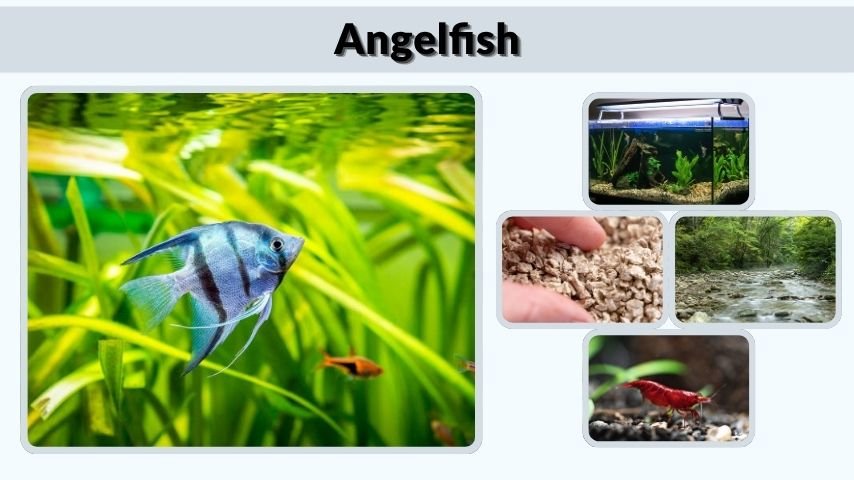
Angelfish are among the most popular freshwater aquarium fish in the world. Known for their graceful swimming, triangular bodies, and elegant fins, these fish add beauty and personality to home aquariums. Native to South America, angelfish belong to the cichlid family and are admired for their intelligence and unique behavior. Whether you are a beginner or an experienced aquarist, understanding angelfish care, habitat requirements, growth patterns, and feeding needs is essential for maintaining healthy and vibrant fish.
What Is an Angelfish?
Angelfish are freshwater cichlids that belong to the genus Pterophyllum. Their distinctive body shape and flowing fins make them one of the most recognizable aquarium fish species. Although they appear delicate, angelfish are relatively hardy and can adapt well to properly maintained aquarium environments.
Scientific Name and Classification
Angelfish belong to the family Cichlidae and are classified within the genus Pterophyllum. Several species exist, with the common angelfish (Pterophyllum scalare) being the most widely kept in aquariums.
Physical Characteristics
Angelfish possess several unique features that distinguish them from other freshwater fish:
- Tall, compressed body shape
- Long dorsal and anal fins
- Triangular appearance
- Distinctive vertical stripes
- Wide range of color variations
These traits contribute to their popularity among aquarium enthusiasts.
Why Angelfish Are Popular
Their combination of beauty, intelligence, and relatively manageable care requirements makes angelfish a favorite choice for community aquariums. They often recognize feeding routines and may even interact with their owners through the aquarium glass.
Angelfish Species and Types
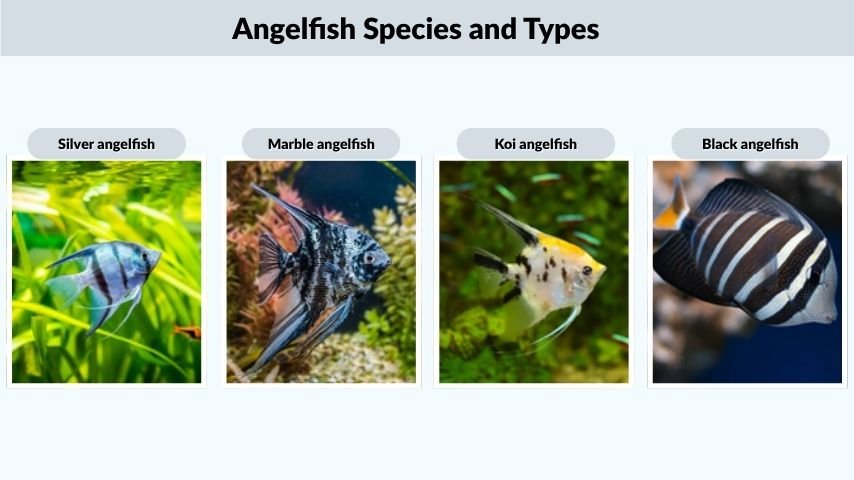
Several angelfish species and ornamental varieties are available to aquarium hobbyists. Selective breeding has produced numerous color patterns and fin types that enhance their visual appeal. Understanding these variations can help aquarists choose fish that best suit their preferences and aquarium goals.
Common Angelfish
The common angelfish (Pterophyllum scalare) is the species most frequently sold in pet stores. It adapts well to aquarium conditions and is available in many color forms.
Altum Angelfish
Altum angelfish are generally larger than common angelfish and are considered one of the most impressive species within the genus. Their tall bodies and graceful fins make them highly sought after by experienced aquarists.
Popular Color Varieties
Selective breeding has created numerous angelfish varieties, including:
- Silver angelfish
- Marble angelfish
- Koi angelfish
- Black angelfish
- Gold angelfish
Each variety offers unique coloration and pattern combinations.
Choosing the Right Variety
When selecting angelfish, aquarists should consider tank size, compatibility with other fish, and personal aesthetic preferences. Most varieties share similar care requirements despite differences in appearance.
Natural Habitat of Angelfish
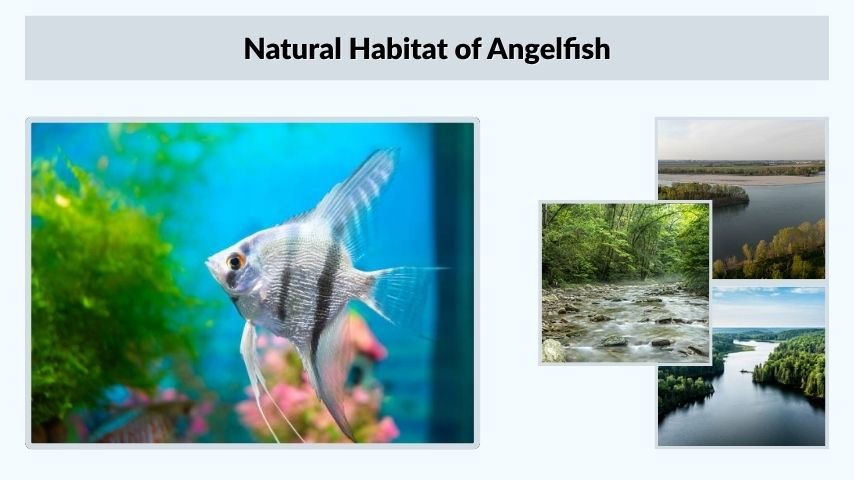
Understanding the natural environment of angelfish helps aquarium keepers recreate conditions that promote health and natural behavior. These fish evolved in slow-moving tropical waters where dense vegetation and submerged structures provide shelter and breeding opportunities.
Where Angelfish Live in the Wild
Wild angelfish originate from the Amazon River Basin and surrounding waterways in South America. They inhabit floodplains, streams, and calm river sections where water movement is relatively gentle.
Amazon Basin Ecosystem
The Amazon ecosystem provides warm temperatures, abundant vegetation, and a variety of food sources. These conditions support the growth and survival of angelfish throughout their life cycle.
Water Conditions
Wild angelfish typically inhabit soft, slightly acidic water. Stable water quality is important because sudden environmental changes can cause stress and negatively affect health.
Angelfish Size and Growth
One of the most important considerations for prospective owners is understanding how large angelfish can become. Many beginners underestimate their adult size and inadvertently place them in aquariums that are too small.
How Big Do Angelfish Get?
Adult angelfish can reach impressive dimensions. While body length generally ranges from 6 to 8 inches, their height including fins may exceed 10 inches under optimal conditions.
Juvenile vs Adult Angelfish
Young angelfish grow rapidly when provided with quality food and proper water conditions. Juveniles often display smaller fins and less developed coloration compared to mature adults.
Factors Affecting Growth
Several factors influence angelfish growth rates:
- Water quality
- Tank size
- Nutrition
- Genetics
- Stress levels
Providing appropriate care helps maximize growth potential and overall health.
Angelfish Lifespan
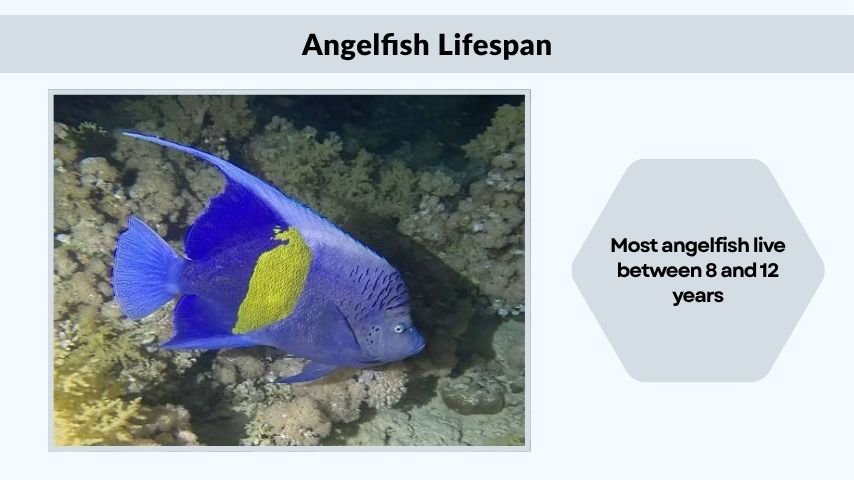
Angelfish are relatively long-lived aquarium fish when cared for properly. Their lifespan depends heavily on water quality, nutrition, and overall husbandry practices. Owners who maintain stable aquarium conditions often enjoy many years with their fish.
Average Lifespan
Most angelfish live between 8 and 12 years in captivity. Some individuals may exceed this range when kept in ideal conditions and protected from disease.
Factors That Affect Longevity
Proper aquarium maintenance plays a major role in lifespan. Consistent water changes, balanced nutrition, and stress reduction help support long-term health and vitality.
Signs of a Healthy Angelfish
Healthy angelfish are active, alert, and display vibrant coloration. They should swim confidently, eat regularly, and show no visible signs of disease or physical injury.
Angelfish Behavior
Angelfish are intelligent and active fish that display a variety of interesting behaviors. While generally peaceful, they can become territorial under certain circumstances. Understanding their temperament and social interactions helps aquarists create a balanced environment that minimizes stress and aggression while encouraging natural behavior.
Temperament
Most angelfish are considered semi-aggressive. They often coexist peacefully with similarly sized fish but may become territorial during breeding periods or when aquarium space is limited.
Social Behavior
Angelfish exhibit several common social behaviors:
- Establishing territories
- Forming breeding pairs
- Displaying dominance hierarchies
- Investigating their surroundings
- Recognizing feeding routines
These behaviors make them engaging fish to observe in home aquariums.
Compatibility With Other Fish
Compatibility depends on tank size, fish temperament, and species selection. Angelfish generally do well with peaceful community fish that are too large to be viewed as prey and not aggressive enough to harass them.
Angelfish Tank Setup
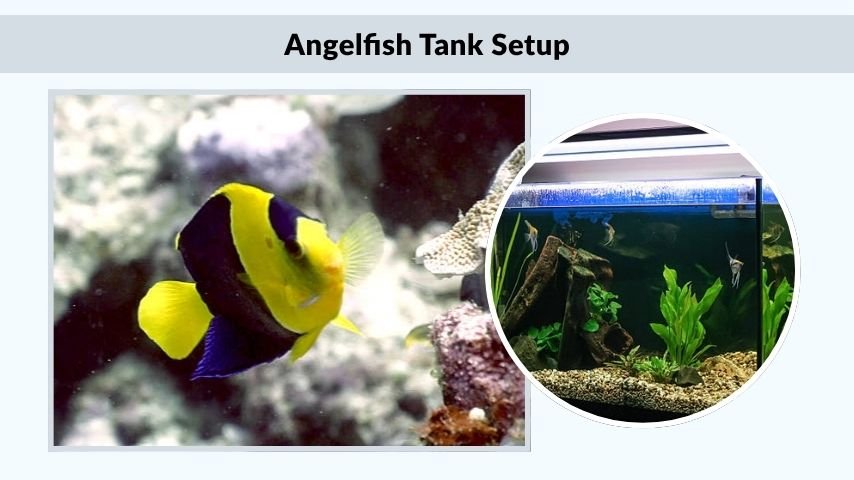
Creating the proper aquarium environment is essential for angelfish health and longevity. Because of their height and active swimming habits, these fish require more vertical space than many other freshwater species. A carefully planned tank setup can help replicate their natural habitat and reduce stress.
Ideal Tank Size
Adult angelfish require spacious aquariums. A tank of at least 20 gallons is often recommended for a single fish, while larger groups benefit from significantly more space. Taller aquariums are preferred because of the species’ vertical body shape.
Water Parameters
Stable water conditions are critical for angelfish health. Ideal conditions generally include warm temperatures, moderate filtration, and clean water with minimal fluctuations.
Essential Tank Equipment
A successful angelfish aquarium should include:
- Quality filtration system
- Reliable aquarium heater
- Thermometer
- Proper lighting
- Live or artificial plants
These components help maintain a healthy and stable environment.
Decorations and Plants
Plants, driftwood, and other decorations provide shelter and reduce stress. Angelfish often use these structures as resting areas and breeding sites, making them valuable additions to the aquarium.
What Do Angelfish Eat?
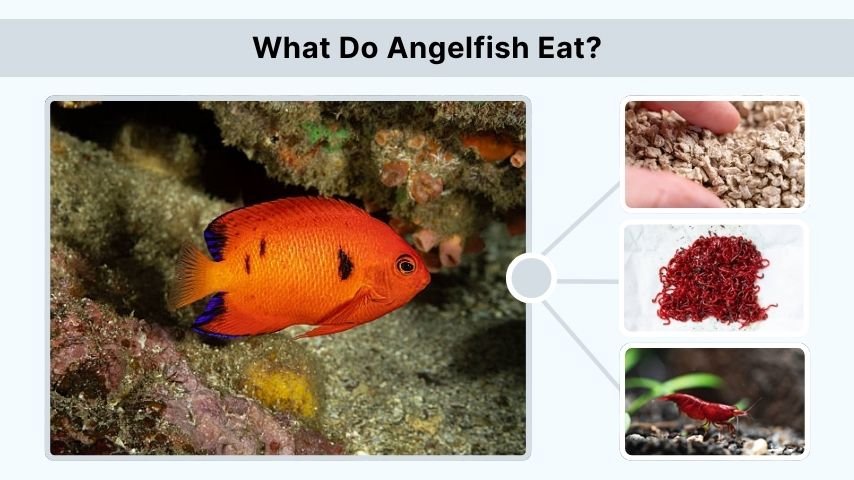
Proper nutrition is one of the most important aspects of angelfish care. In the wild, angelfish consume a varied diet consisting of small aquatic organisms and plant material. Replicating this dietary diversity in captivity promotes healthy growth, coloration, and overall well-being.
Natural Diet
Wild angelfish feed on insects, larvae, crustaceans, and other small organisms found within their environment. Their omnivorous feeding habits allow them to take advantage of a wide variety of food sources.
Best Foods for Angelfish
A balanced angelfish diet may include:
- High-quality flakes
- Premium pellets
- Bloodworms
- Brine shrimp
- Frozen foods
Providing multiple food types helps ensure nutritional completeness.
Feeding Schedule
Most angelfish thrive when fed small portions two or three times daily. Overfeeding should be avoided because uneaten food can reduce water quality and contribute to health problems.
Best Angelfish Tank Mates
Selecting suitable tank mates helps maintain harmony within a community aquarium. While angelfish can coexist with many species, careful planning is necessary because they may view very small fish as food and may compete with highly aggressive species.
Compatible Community Fish
Many peaceful freshwater fish can successfully live alongside angelfish. Species that occupy different areas of the aquarium often work particularly well.
Fish to Avoid
Certain species are less suitable companions because they may nip fins, display excessive aggression, or create stressful conditions. Researching compatibility before adding new fish is always recommended.
Schooling Fish Companions
Several schooling species can complement angelfish aquariums by adding movement and visual interest while generally avoiding territorial conflicts.
Angelfish Breeding Guide
Breeding angelfish can be a rewarding experience for aquarium hobbyists. Healthy adults often form pairs naturally and display distinctive courtship behaviors before spawning. Proper water quality and suitable spawning surfaces increase the likelihood of successful reproduction.
How Angelfish Breed
Breeding pairs typically select a flat surface such as a leaf, aquarium decoration, or piece of slate. The female deposits eggs while the male fertilizes them shortly afterward.
Angelfish Eggs
Angelfish eggs are usually arranged in neat rows on the chosen spawning surface. Parents often guard and clean the eggs to improve survival rates.
Caring for Fry
After hatching, young angelfish require specialized care and appropriately sized foods. Maintaining excellent water quality is especially important during this delicate stage of development.
Common Angelfish Health Problems
Like all aquarium fish, angelfish can experience health issues if environmental conditions deteriorate. Early recognition of symptoms often improves treatment outcomes and reduces the risk of disease spreading throughout the aquarium.
Common Diseases
Several health conditions may affect angelfish, including:
- Ich (white spot disease)
- Fin rot
- Fungal infections
- Swim bladder disorders
- Internal parasites
Routine observation helps identify problems before they become severe.
Prevention and Treatment
Preventive care remains the most effective strategy. Stable water conditions, proper nutrition, quarantine procedures, and regular maintenance significantly reduce disease risks.
FAQs
How many angelfish can live in one aquarium?
The number of angelfish depends on tank size. A single adult angelfish typically requires at least 20 gallons, while a group of angelfish needs a much larger aquarium to reduce territorial disputes and maintain water quality.
Why is my angelfish hiding?
Angelfish may hide due to stress, poor water conditions, illness, aggressive tank mates, or sudden environmental changes. Checking water parameters and observing tank behavior can help identify the cause.
Can angelfish live with shrimp?
Most adult angelfish are not ideal tank mates for small shrimp because they may view them as food. Larger shrimp species may have a better chance of coexisting, but there is still some risk.
How fast do angelfish grow?
Angelfish grow relatively quickly during their first year. With proper nutrition, warm water temperatures, and excellent water quality, juveniles can reach several inches in size within a few months.
Do angelfish need live plants?
Angelfish do not require live plants to survive, but they benefit from them. Live plants provide shelter, improve water quality, reduce stress, and create a more natural environment that encourages healthy behavior and breeding.