
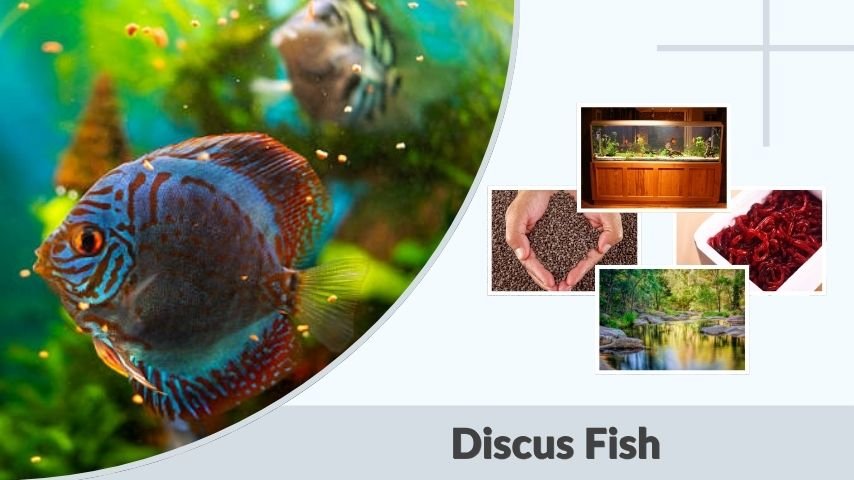
Discus fish are widely regarded as the “King of the Aquarium” due to their vibrant colors, graceful movements, and impressive appearance. Native to the Amazon River Basin, these freshwater fish are highly prized by aquarium enthusiasts around the world. While discus fish can be more demanding than many other aquarium species, proper care and stable water conditions allow them to thrive. Understanding their habitat, growth, behavior, and environmental needs is essential for maintaining healthy and beautiful discus fish.
What Is a Discus Fish?
Discus fish belong to the genus Symphysodon and are members of the cichlid family. Their distinctive disc-shaped bodies and striking color patterns make them one of the most recognizable freshwater aquarium fish. Discus are known for their intelligence, social behavior, and sensitivity to environmental conditions, which is why they are often recommended for aquarists with some fishkeeping experience.
Scientific Name and Classification
Discus fish are classified within the genus Symphysodon. Several naturally occurring species and countless selectively bred varieties exist, each displaying unique color combinations and patterns.
Physical Characteristics
Discus fish possess several traits that distinguish them from other freshwater species:
- Round, disc-shaped body
- Bright and varied coloration
- Long dorsal and anal fins
- Laterally compressed shape
- Graceful swimming style
These characteristics contribute to their reputation as one of the most attractive aquarium fish available.
Why Discus Fish Are Popular
Aquarium hobbyists appreciate discus fish for their elegance and unique personalities. Many owners report that discus fish recognize feeding routines and become comfortable interacting with people who regularly care for them.
Discus Species and Varieties
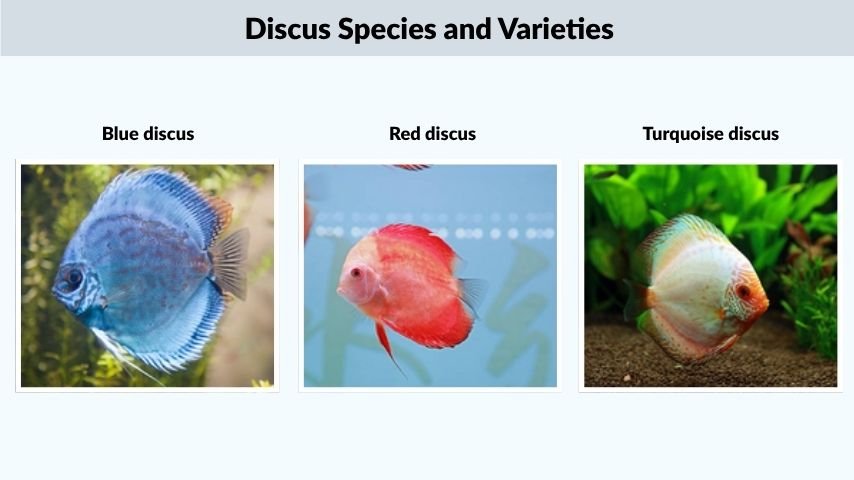
Over the years, both natural diversity and selective breeding have produced a wide range of discus varieties. While all discus share similar care requirements, their coloration and patterns can vary dramatically. Choosing the right variety often depends on personal preference and aquarium goals.
Wild Discus Species
Wild discus originate from different regions of the Amazon Basin. These populations have adapted to local environmental conditions and display subtle differences in coloration and markings.
Common Discus Varieties
Modern aquarium strains include numerous selectively bred varieties. Breeders continue developing new color forms that enhance the beauty of these fish.
Popular Color Variations
Some of the most sought-after discus varieties include:
- Blue discus
- Red discus
- Turquoise discus
- Pigeon blood discus
- Albino discus
Each variety offers distinctive visual appeal while maintaining the characteristic discus body shape.
Choosing the Right Discus
When selecting discus fish, aquarists should consider tank size, compatibility with existing fish, and their experience level. Healthy fish with bright coloration, active behavior, and clear eyes are generally the best choices.
Natural Habitat of Discus Fish
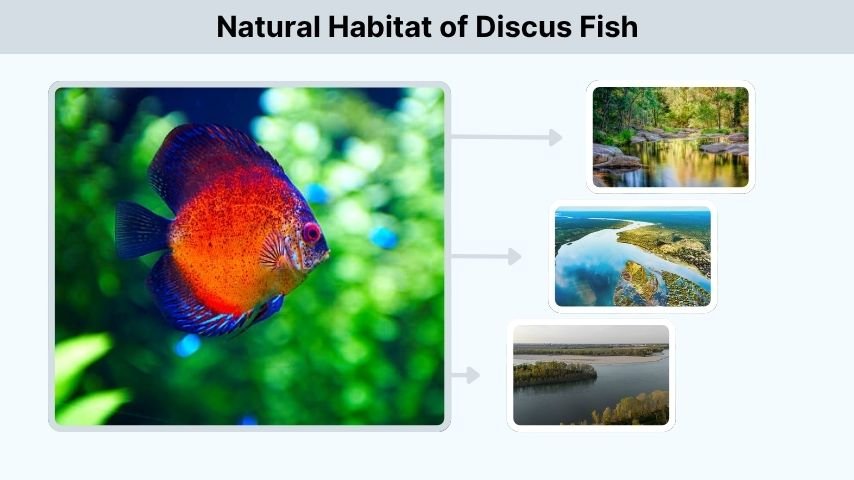
Understanding the natural environment of discus fish helps aquarium keepers recreate suitable living conditions. These fish evolved in warm, slow-moving waters where environmental stability plays a crucial role in their survival and well-being.
Amazon River Origins
Discus fish are native to the Amazon River Basin in South America. They inhabit tributaries, floodplain lakes, and calm river sections where water movement is relatively gentle.
Water Conditions in the Wild
Wild discus thrive in warm, soft, and slightly acidic water. These conditions support healthy growth and natural behavior. Maintaining similar parameters in captivity helps reduce stress and improve overall health.
Vegetation and Environment
Dense aquatic vegetation, submerged roots, and fallen branches provide shelter and security in the wild. Discus often use these structures as hiding places and breeding sites.
Discus Fish Size and Growth
Discus fish are larger than many beginners expect. Their impressive size and body shape make them a striking centerpiece in large aquariums. Providing adequate space is essential for healthy growth and long-term well-being.
How Big Do Discus Fish Get?
Adult discus fish commonly reach 6 to 8 inches in diameter. Under exceptional conditions, some individuals may grow even larger. Their rounded shape gives them a substantial presence within the aquarium.
Juvenile vs Adult Discus
Young discus fish grow rapidly when provided with excellent nutrition and stable water conditions. Juveniles often display less intense coloration, which becomes more vibrant as they mature.
Factors Affecting Growth
Several factors influence discus development:
- Water quality
- Tank size
- Nutrition
- Genetics
- Stress levels
Providing optimal conditions helps maximize growth and coloration.
Discus Lifespan
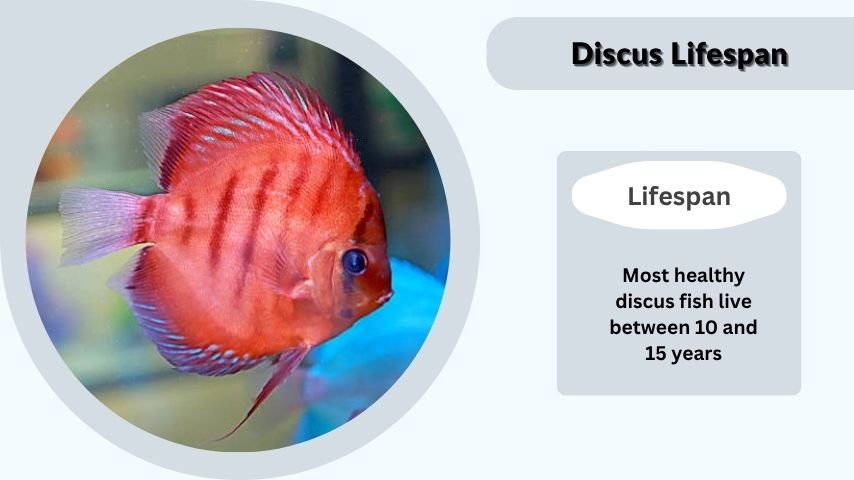
Discus fish are capable of living for many years when cared for properly. Their lifespan depends heavily on water quality, nutrition, disease prevention, and environmental stability. Consistent care is one of the most important factors influencing long-term success.
Average Lifespan
Most healthy discus fish live between 10 and 15 years in captivity. Some individuals may exceed this range when maintained under ideal conditions and protected from disease.
Factors That Affect Longevity
Stable water parameters, a balanced diet, and regular aquarium maintenance all contribute to a longer lifespan. Discus are sensitive fish, and prolonged exposure to poor conditions can significantly reduce their life expectancy.
Signs of a Healthy Discus
Healthy discus fish display bright colors, strong appetites, smooth swimming behavior, and alert interactions with their surroundings. Consistent observation helps detect potential health issues before they become serious.
Discus Fish Behavior
Discus fish are known for their calm and intelligent nature. Unlike many freshwater fish, they display complex social interactions and often develop recognizable routines within the aquarium. Understanding their behavior helps aquarists create an environment that reduces stress and promotes healthy growth.
Temperament
Discus fish are generally peaceful and thrive in calm community aquariums. They prefer stable surroundings and may become stressed if housed with aggressive or overly active fish species.
Schooling Behavior
Discus are social fish and often feel more secure when kept in groups. Common social behaviors include:
- Swimming together in loose groups
- Establishing social hierarchies
- Following feeding routines
- Exploring aquarium decorations
- Interacting with tank mates
Keeping multiple discus often results in more natural and confident behavior.
Territorial Tendencies
Although generally peaceful, discus may become territorial during breeding periods. Breeding pairs often defend spawning sites and may temporarily chase away other fish that approach too closely.
Discus Tank Setup
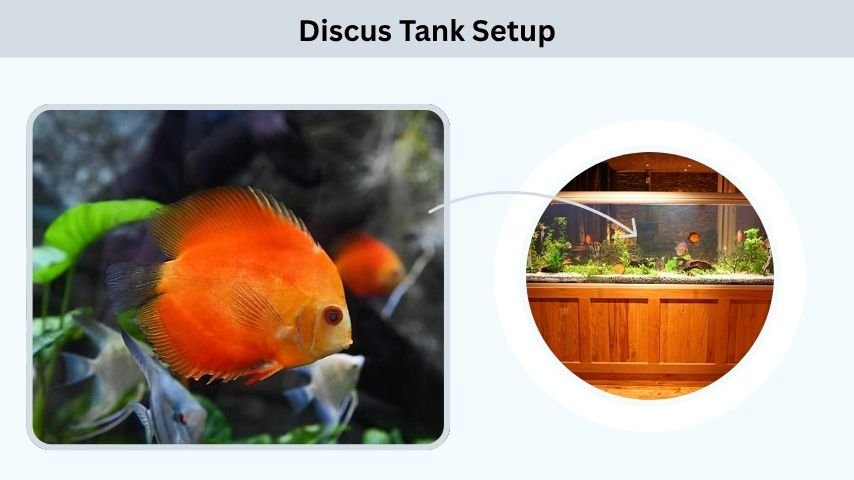
A properly designed aquarium is essential for discus fish health. Because they are sensitive to environmental changes, stable water conditions and adequate space should always be priorities. Creating an environment similar to their natural habitat helps reduce stress and encourages natural behavior.
Ideal Tank Size
Discus require spacious aquariums because of their size and social nature. Most aquarists recommend at least 50 gallons for a small group, with larger tanks providing greater stability and swimming space.
Water Parameters
Maintaining consistent water quality is critical. Discus generally prefer warm temperatures, soft water, and low levels of harmful waste compounds. Regular testing helps ensure conditions remain within acceptable ranges.
Essential Equipment
A successful discus aquarium should include:
- Reliable heater
- Quality filtration system
- Thermometer
- Water testing kit
- Adequate lighting
These items help maintain the stable conditions that discus require.
Filtration and Maintenance
Clean water is one of the most important factors in discus care. Frequent water changes and efficient filtration help prevent the buildup of waste products that can negatively affect health.
What Do Discus Fish Eat?
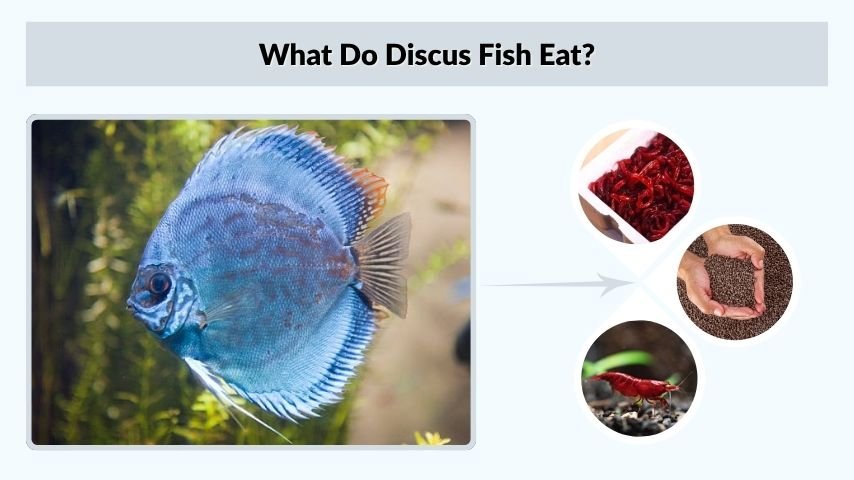
Proper nutrition plays a major role in discus growth, coloration, and disease resistance. In the wild, discus consume a variety of small aquatic organisms and organic matter. Replicating this diversity in captivity supports overall health and vitality.
Natural Diet
Wild discus feed on insect larvae, small crustaceans, worms, and other tiny organisms found throughout the Amazon Basin. Their varied diet provides a broad range of nutrients.
Best Foods for Discus
A balanced discus diet may include:
- High-quality discus pellets
- Frozen bloodworms
- Brine shrimp
- Beef heart preparations
- Specialized discus foods
Offering a variety of foods helps ensure complete nutrition.
Feeding Schedule
Young discus often require more frequent feeding than adults because of their rapid growth. Most mature discus thrive on multiple small meals throughout the day rather than a single large feeding.
Best Discus Tank Mates
Selecting suitable tank mates is important because discus prefer peaceful environments. Aggressive or highly active fish can cause stress and interfere with feeding behavior. Compatibility should always be considered before introducing new species.
Compatible Fish Species
Many peaceful community fish can coexist successfully with discus. Species that enjoy similar water conditions and temperatures generally make the best companions.
Fish to Avoid
Aggressive cichlids, fin-nipping fish, and species that thrive in significantly different water conditions should usually be avoided. Such fish may create unnecessary stress and disrupt the aquarium’s balance.
Community Tank Considerations
When building a discus community aquarium, careful planning helps ensure compatibility. Providing sufficient space and hiding areas reduces competition and encourages peaceful interactions.
Discus Fish Breeding Guide
Breeding discus fish is often considered one of the most rewarding experiences in aquarium keeping. Healthy adults may naturally form pairs and display distinctive courtship behaviors before spawning.
How Discus Breed
Breeding pairs typically choose a vertical surface such as a leaf, breeding cone, or aquarium decoration. The female lays eggs while the male fertilizes them shortly afterward.
Discus Eggs
Discus eggs are carefully guarded by both parents. The adults often clean the spawning site and protect developing eggs from potential threats within the aquarium.
Caring for Fry
One of the most fascinating aspects of discus breeding is parental care. Newly hatched fry feed on a nutritious mucus produced by their parents’ skin, a behavior rarely seen among aquarium fish.
Common Discus Health Problems
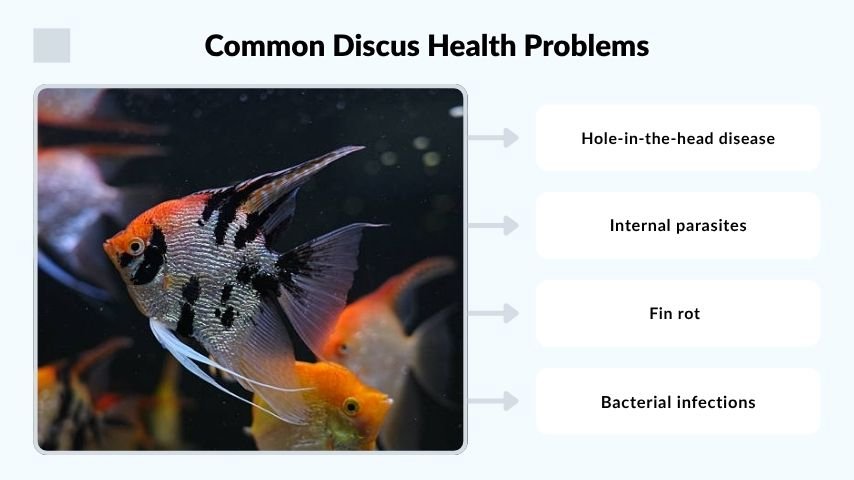
Because discus are sensitive fish, maintaining excellent water quality is essential for disease prevention. Stress, poor nutrition, and unstable environmental conditions can increase susceptibility to illness.
Common Diseases
Several health problems may affect discus fish:
- Hole-in-the-head disease
- Internal parasites
- Fin rot
- Bacterial infections
- Stress-related disorders
Early detection often improves treatment success.
Prevention and Treatment
Preventive care remains the best defense against disease. Regular maintenance, proper nutrition, quarantine procedures, and stable water conditions help keep discus healthy and thriving.
Discus Fish Care Tips for Beginners
Although discus have a reputation for being challenging, success is possible when their basic requirements are understood and consistently met.
Starting With Healthy Fish
Purchasing healthy, active fish from reputable breeders or retailers greatly improves the chances of long-term success.
Avoiding Common Mistakes
Many discus problems result from poor water quality, overcrowding, overfeeding, or sudden environmental changes. Patience and consistency are key factors in successful discus keeping.
Long-Term Success Strategies
Maintaining stable conditions, performing regular water changes, and providing a balanced diet help ensure discussion remains healthy for many years.
FAQs
Are discus fish difficult to keep?
Discus are more demanding than many aquarium fish because they require stable water conditions, warm temperatures, and excellent water quality. However, dedicated aquarists can successfully keep them with proper care.
What temperature do discus fish need?
Most discus thrive in water temperatures between 82°F and 86°F (28°C to 30°C), which is warmer than many common tropical fish species.
Can discus fish live with angelfish?
Yes, discus can sometimes live with angelfish if water conditions are suitable and both species are healthy. However, compatibility depends on tank size and individual fish behavior.
How often should discus fish be fed?
Adult discus are generally fed two to three times daily, while juveniles may require more frequent feedings to support rapid growth.
Why are discus called the “King of the Aquarium”?
Discus earned this nickname because of their striking colors, elegant shape, graceful swimming behavior, and reputation as one of the most impressive freshwater aquarium fish.