
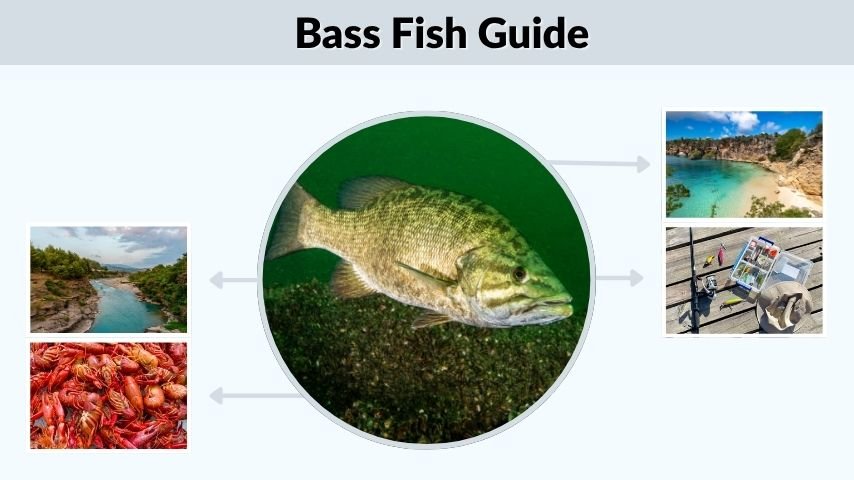
Bass are among the most popular sport fish in North America and many other regions because they are aggressive, strong, and exciting to catch. Anglers target bass in lakes, rivers, ponds, reservoirs, coastal waters, and estuaries. Whether someone is learning about bass fish for the first time or preparing for a fishing trip, understanding their types, habits, feeding behavior, and best baits can make fishing more successful.
What Are Bass Fish?
Bass are a group of fish known for their strong strikes, fighting ability, and wide range of habitats. The word “bass” can refer to several species, including freshwater and saltwater fish. Some bass belong to the sunfish family, while others are true bass from different biological groups.
For most anglers, bass fishing usually means targeting largemouth bass, smallmouth bass, spotted bass, or striped bass. These fish are popular because they are active predators and often respond well to lures.
Why Bass Are So Popular
Bass are popular with both beginners and experienced anglers because they can be caught in many places. A small pond may hold largemouth bass, while a rocky river may produce smallmouth bass. Large reservoirs and coastal systems can hold striped bass or hybrid bass.
Another reason bass are popular is that they often strike artificial lures. This makes fishing more interactive than simply waiting with bait. Anglers can cast, retrieve, pause, twitch, jig, or troll depending on the situation.
Bass fishing also has a strong tournament culture. Many anglers enjoy the challenge of locating bigger bass, choosing the right lure, and adapting to weather, season, water clarity, and fish behavior.
Main Types of Bass
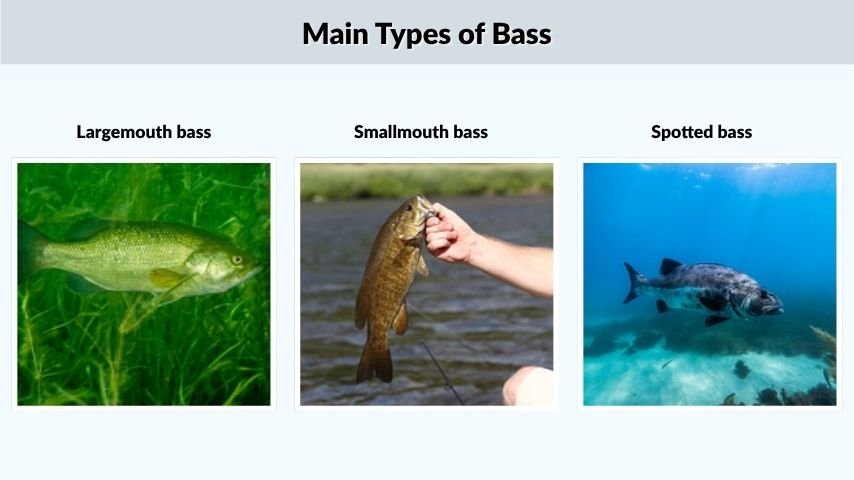
There are many fish called bass, but several species are especially important to anglers. Each type has different habits, preferred habitats, and fishing methods.
Common Bass Species
The most recognized bass species include:
- Largemouth bass: Known for a large mouth, green body, and strong preference for cover such as weeds, docks, stumps, and laydowns.
- Smallmouth bass: Often found in clearer, cooler water with rocks, gravel, current, and deeper structure.
- Spotted bass: Similar to largemouth but usually smaller, often found in reservoirs, rivers, and areas with rocky structure.
- Striped bass: A powerful fish that can live in saltwater, freshwater, and brackish water depending on the population.
- White bass: A schooling fish commonly found in rivers and reservoirs, often caught during feeding activity.
- Sea bass: A name used for several saltwater species, depending on region.
Largemouth bass are often the most searched and targeted bass species, especially in ponds and lakes. Smallmouth bass are prized for their fight, while striped bass are known for size and strength.
Bass Species Comparison
| Bass Type | Common Habitat | Fishing Style | Key Feature |
| Largemouth Bass | Ponds, lakes, reservoirs, slow rivers | Casting near cover | Large mouth and aggressive strike |
| Smallmouth Bass | Clear lakes, rocky rivers, cool water | Jigs, tubes, crankbaits | Strong fight and bronze color |
| Spotted Bass | Reservoirs, rivers, rocky banks | Finesse and structure fishing | Similar to largemouth but smaller mouth |
| Striped Bass | Coastal waters, reservoirs, rivers | Trolling, live bait, casting | Large size and schooling behavior |
| White Bass | Rivers and reservoirs | School fishing and fast lures | Silver body with horizontal stripes |
Where Do Bass Live?
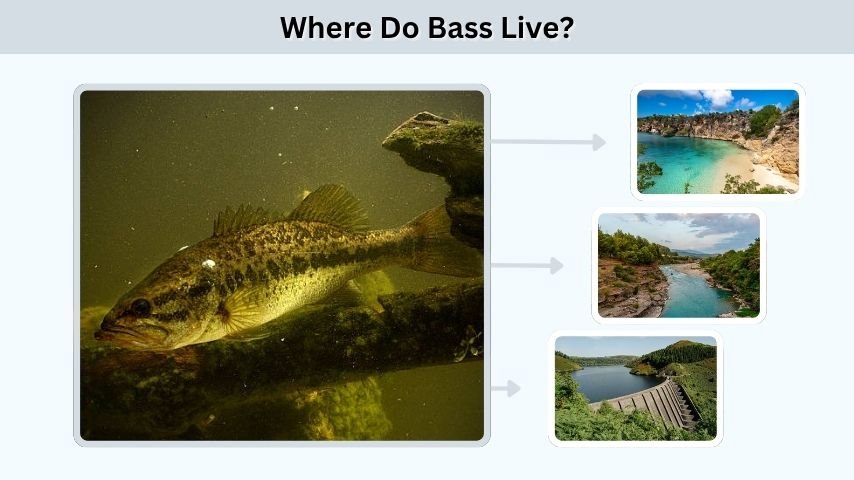
Bass can live in many environments, but each species has preferred conditions. Understanding habitat is one of the most important parts of bass fishing. If you know where bass are likely to hold, you can choose better locations and lures.
Freshwater Bass Habitat
Freshwater bass often use cover and structure. Cover means physical objects that give fish protection, while structure refers to changes in the bottom or water layout.
Good freshwater bass areas include:
- Weed beds and grass lines
- Fallen trees and submerged brush
- Boat docks and pilings
- Rock piles and riprap banks
- Points, ledges, and drop-offs
- Creek channels and underwater humps
- Shaded banks and overhanging trees
Largemouth bass often stay close to cover because they ambush prey. Smallmouth bass are more likely to relate to rocks, current breaks, and open-water structure. Spotted bass often suspend around deep structure or rocky areas.
Saltwater and Brackish Bass Habitat
Some fish called bass live in saltwater or brackish areas. Striped bass are the best-known example. They may move between ocean waters, bays, rivers, and reservoirs. In coastal areas, striped bass often follow baitfish, tides, current, and temperature changes.
Saltwater sea bass species usually relate to reefs, wrecks, rocky bottoms, and deeper coastal structure. Because saltwater bass rules can vary by region, anglers should always check local fishing regulations before keeping fish.
What Do Bass Eat?
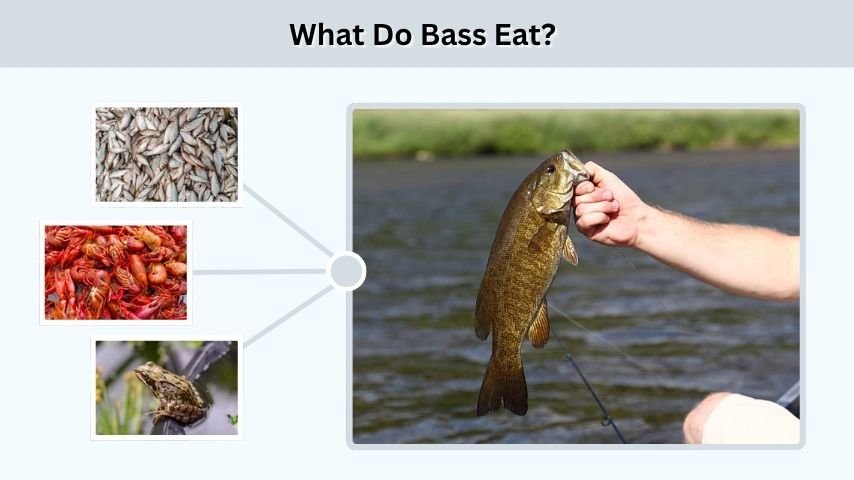
Bass are predators. Their diet depends on size, habitat, season, and available food. Young bass may eat insects, small minnows, and small crustaceans. Larger bass often feed on bigger prey.
Common Bass Food Sources
Bass commonly eat:
- Minnows and shad
- Bluegill and other small sunfish
- Crawfish
- Frogs
- Worms and insects
- Shrimp or small crabs in brackish areas
- Smaller fish of many types
Matching your lure or bait to the natural food source is one of the best ways to catch bass. If bass are feeding on shad, a spinnerbait, crankbait, swimbait, or jerkbait may work. If they are feeding near the bottom on crawfish, a jig or soft plastic creature bait can be effective.
How Bass Feed
Bass often use ambush tactics. They hide near cover, wait for prey, and strike quickly. However, they can also chase schools of baitfish in open water. This is common with striped bass, white bass, spotted bass, and sometimes largemouth bass in reservoirs.
Bass feeding activity is often higher during low-light conditions, such as early morning, evening, cloudy weather, or stained water. In bright sun, bass may move deeper, hide in shade, or stay tight to cover.
Best Baits and Lures for Bass
Choosing the best bait for bass depends on season, water clarity, depth, and fish activity. There is no single lure that works every time, but some options are reliable across many situations.
Productive Bass Lures
Some of the most popular bass lures include:
- Plastic worms for slow fishing around cover and structure
- Jigs for bottom fishing, docks, rocks, and brush
- Spinnerbaits for stained water, wind, and shallow cover
- Crankbaits for covering water and finding active fish
- Topwater lures for morning, evening, and surface strikes
- Swimbaits for imitating baitfish
- Jerkbaits for clear water and cooler conditions
- Frogs for heavy grass, lily pads, and shallow vegetation
Beginners often do well with soft plastic worms because they are simple, versatile, and effective. A Texas-rigged worm can be fished around weeds, wood, docks, and shallow cover with fewer snags.
Live Bait for Bass
Live bait can also catch bass, especially for beginners. Minnows, shiners, nightcrawlers, crawfish, and small baitfish are common choices. Live bait is useful when bass are not aggressively chasing lures.
However, artificial lures allow anglers to cover more water and trigger reaction strikes. Many bass anglers prefer lures because they provide more control and challenge.
Bass Fishing Tips for Beginners
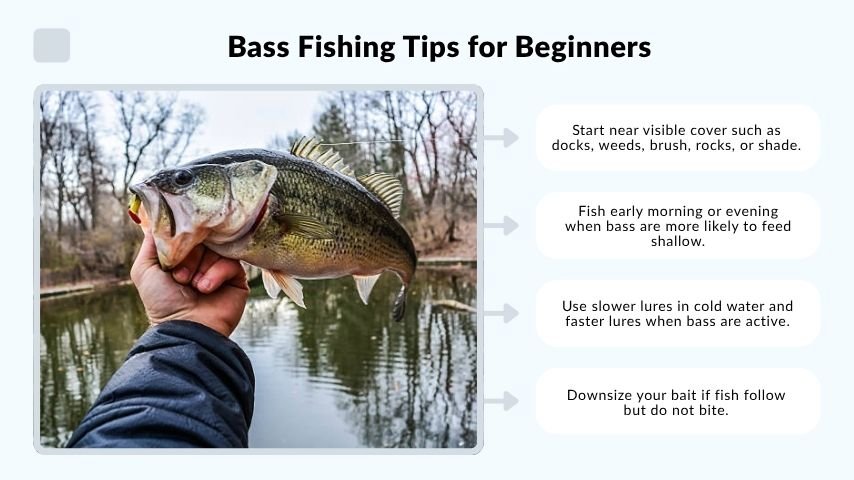
Bass fishing can feel complicated at first, but beginners can improve quickly by focusing on simple patterns. The key is to fish where bass live, use baits that match the conditions, and adjust when fish do not respond.
Simple Tips That Work
Use these beginner-friendly bass fishing tips:
- Start near visible cover such as docks, weeds, brush, rocks, or shade.
- Fish early morning or evening when bass are more likely to feed shallow.
- Use slower lures in cold water and faster lures when bass are active.
- Downsize your bait if fish follow but do not bite.
- Try natural colors in clear water and darker or brighter colors in muddy water.
- Pay attention to wind, current, shade, and baitfish activity.
- Keep moving until you find fish, then slow down in productive areas.
A good beginner setup is a medium-action spinning rod with light to medium line and a few soft plastic worms, small jigs, and crankbaits. This setup can catch bass in ponds, lakes, and rivers.
Common Mistakes to Avoid
Many beginners fish too fast, stay in unproductive water too long, or use the wrong lure for the depth. Bass may be shallow one day and deeper the next. Weather, season, water temperature, and fishing pressure can all change their behavior.
Another common mistake is ignoring small details. A slight change in retrieve speed, lure size, color, or casting angle can make a big difference. Bass often strike when a lure pauses, deflects off cover, or changes direction.
Seasonal Bass Fishing Patterns
Bass behavior changes throughout the year. Understanding seasonal movement helps anglers find fish faster.
Spring Bass Fishing
Spring is one of the best times to catch bass. As water warms, bass move shallower to feed and prepare for spawning. Largemouth bass may be found near flats, coves, grass, docks, and protected banks.
During spring, soft plastics, spinnerbaits, jerkbaits, jigs, and shallow crankbaits can work well. Anglers should avoid disturbing spawning fish in areas where catch-and-release ethics or local rules recommend extra care.
Summer Bass Fishing
In summer, bass may feed early and late, then move deeper or into shade during the heat of the day. Thick grass, docks, deep ledges, and offshore structure can all hold fish.
Topwater lures can be exciting in low light. During the day, anglers may use worms, jigs, deep crankbaits, drop shots, or Carolina rigs.
Fall Bass Fishing
Fall bass often follow baitfish. This can create fast action when bass chase schools near the surface. Crankbaits, spinnerbaits, swimbaits, and topwater lures can all be effective.
The challenge in fall is that fish may move frequently. Finding bait is often the first step to finding bass.
Winter Bass Fishing
Winter bass are usually slower and may hold deeper, especially in colder regions. Slow presentations often work best. Jigs, blade baits, drop shots, and suspending jerkbaits can be useful.
In warmer climates, bass may still feed shallow during sunny periods. The key is to slow down and target high-percentage areas.
Bass Fishing Gear Basics
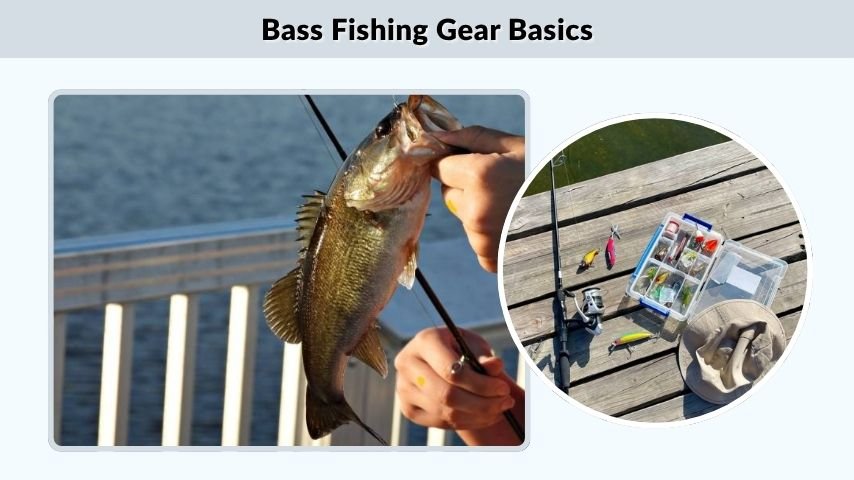
Bass fishing gear does not have to be complicated. A beginner can start with one rod, a small tackle box, and a few proven lures. More advanced anglers may use different rods for different techniques.
Rod, Reel, and Line
A spinning rod is easy for beginners and works well with lighter lures. A baitcasting setup offers more control for heavier lures, accurate casting, and fishing around cover, but it takes more practice.
Line choice matters. Monofilament is affordable and easy to use. Fluorocarbon is less visible underwater and good for many subsurface lures. Braided line is strong and useful for grass, frogs, and heavy cover.
Basic Tackle Box
A simple bass tackle box may include plastic worms, hooks, bullet weights, jigs, spinnerbaits, crankbaits, topwater lures, and a few extra line tools. It is better to learn a small group of lures well than to carry too many options without knowing when to use them.
Bass Fishing Regulations
Bass fishing rules vary by location. Some waters have size limits, bag limits, slot limits, closed seasons, or catch-and-release rules. Regulations may also differ between freshwater and saltwater species.
Before keeping bass, check the current rules for your state, lake, river, or coastal area. Tournament anglers should also review event rules and local fish-care requirements.
Why Regulations Matter
Regulations help protect bass populations and maintain quality fishing. Larger bass are valuable breeders, and smaller bass may need time to grow. Slot limits and bag limits are often designed to balance harvest with healthy fish numbers.
Even where harvest is legal, many anglers release bass to support future fishing. If you release a fish, handle it gently, keep it wet, and return it to the water quickly.
FAQs
What is the most common type of bass?
Largemouth bass are often considered the most common and widely targeted bass, especially in ponds, lakes, and reservoirs. They are popular because they live in many freshwater habitats, strike many kinds of lures, and can grow large. Smallmouth, spotted, striped, and white bass are also common in many regions.
What is the best bait for bass fishing?
The best bait depends on conditions, but soft plastic worms, jigs, spinnerbaits, crankbaits, and live minnows are reliable choices. Beginners often start with plastic worms because they are easy to use and effective around cover. Matching the bait to local forage improves your chances.
Where do bass usually hide?
Bass often hide near cover such as weeds, docks, fallen trees, rocks, brush, and shaded banks. They also use underwater structure like points, ledges, drop-offs, and creek channels. In warmer or colder weather, bass may move deeper, while low-light periods often bring them shallower.
Is bass good to eat?
Many bass are edible, but taste and harvest practices depend on species, water quality, local rules, and personal preference. Some anglers eat smaller legal bass and release larger ones. Always check local fish consumption advisories and fishing regulations before keeping bass for food.
What time of day is best for bass fishing?
Early morning and late evening are often best because bass may feed more actively in low light. Cloudy days, wind, and moving water can also improve fishing. During bright, hot conditions, bass may move to shade, deeper water, or heavy cover, requiring slower and more targeted presentations.