
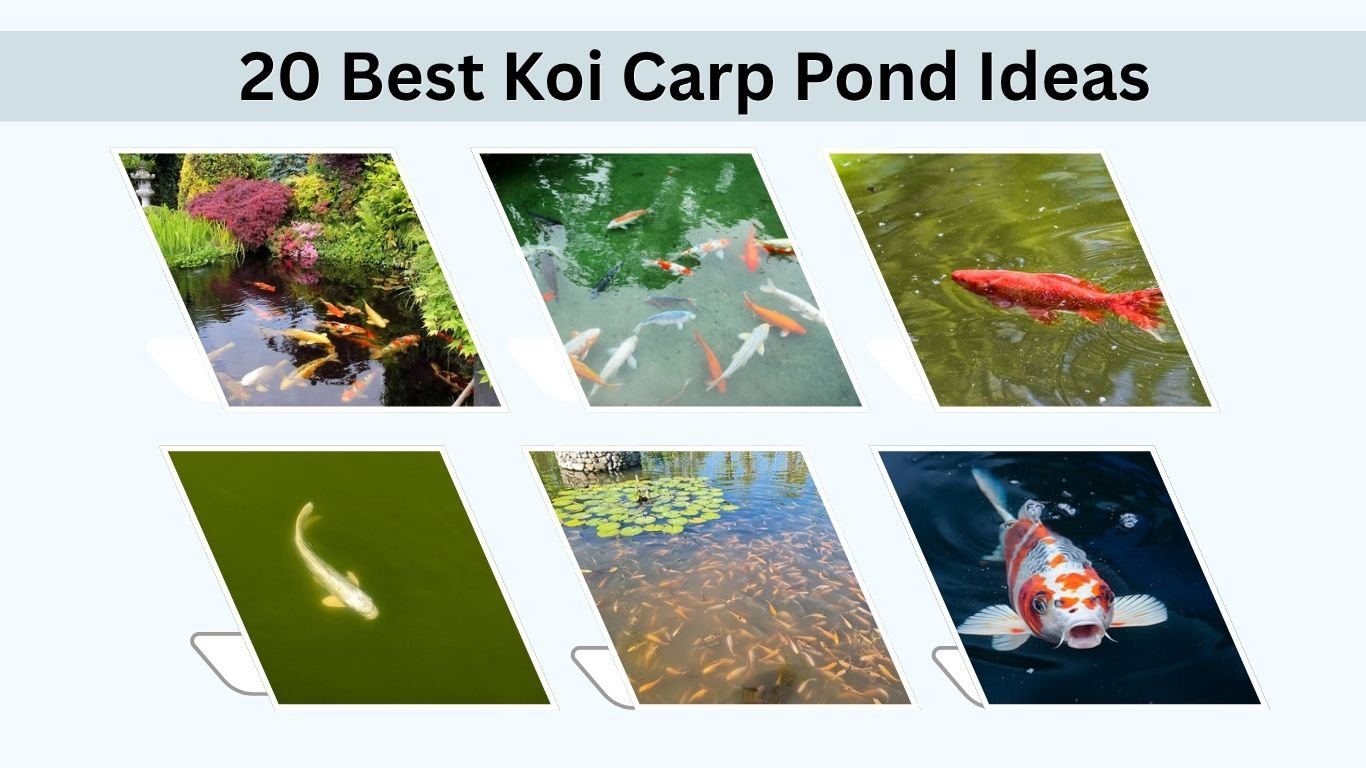
A well-designed koi carp pond can become the centerpiece of any garden while providing a healthy, spacious home for your fish. From Japanese koi carp ponds and natural rock designs to raised, modern, and waterfall ponds, there are many styles to suit different spaces. The best koi carp pond ideas balance appearance with proper pond size, depth, filtration, pumps, plants, and water circulation. Below are 20 inspiring koi carp pond designs to help you plan a beautiful, practical, and easy-to-maintain setup.
1. Japanese Koi Carp Pond
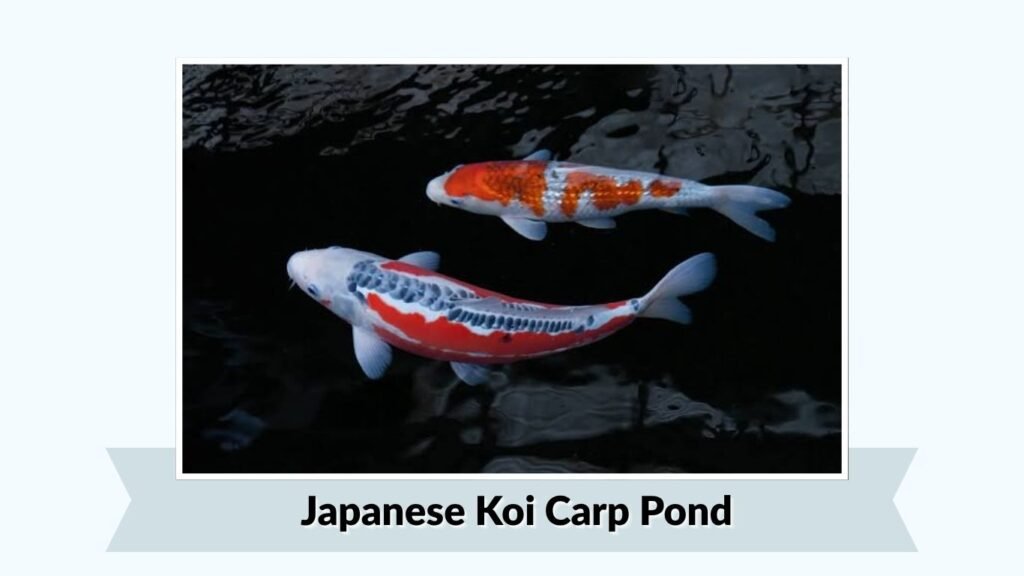
A Japanese koi carp pond combines ornamental fish keeping with a calm, natural-looking garden design. Traditional Japanese koi carp ponds often use rocks, carefully selected plants, open swimming areas, and gentle water movement to create a peaceful atmosphere. A successful koi carp pond design should also provide enough depth, excellent filtration, and reliable circulation so the koi remain healthy as they grow.
Key Design Features
- Pond depth: Aim for around 3–4 feet or deeper where possible.
- Open swimming space: Keep the central area relatively free of obstacles.
- Natural stone: Use rocks around the edges for a traditional appearance.
- Koi carp pond plants: Add suitable aquatic plants without overcrowding the water.
- Filtration: Install an efficient koi carp pond filter system.
- Water circulation: Use properly sized koi carp pond pumps.
- Aeration: Add an air pump, waterfall, or other oxygen source.
- Shade: Provide partial shade to help control excessive summer heat.
Pond Layout and Appearance
A Japanese-style koi carp garden pond usually looks best when its shape blends naturally into the surrounding landscape. Curved edges, stepping stones, low shrubs, bamboo, and carefully positioned rocks can create a traditional appearance.
Avoid filling the entire pond with decorations. Koi need large, unobstructed areas for swimming, especially as they become larger. A viewing area beside the pond can also make it easier to observe the fish and check their condition.
Filtration and Water Quality
Good koi carp pond filtration is essential because koi produce significant amounts of waste. A combination of mechanical and biological filtration helps remove debris while supporting beneficial bacteria that process harmful ammonia and nitrite.
The koi carp pond pump should circulate enough water through the filter without creating excessive current. Regular testing of ammonia, nitrite, nitrate, and pH helps detect water-quality problems before they affect the fish.
Keeping Koi Healthy in the Pond
Keeping koi carp in a pond requires consistent feeding, maintenance, and observation. Feed an appropriate koi pond food according to water temperature and avoid overfeeding.
Remove dead leaves and debris, clean filtration equipment as required, and watch for unusual behavior such as koi lying on the bottom, jumping repeatedly, or swimming abnormally. A well-designed Japanese koi carp pond can provide a beautiful environment for koi for many years.
2. Small Garden Koi Carp Pond
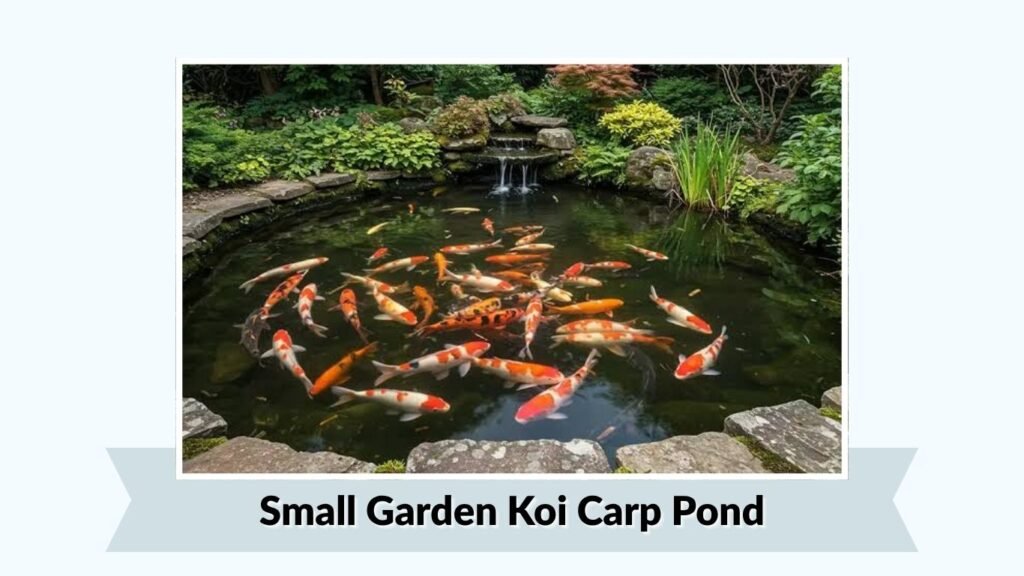
A small garden koi carp pond is a practical choice for homeowners with limited backyard space. The main challenge is providing enough water volume, depth, filtration, and swimming room for koi as they grow. A compact koi carp pond design should prioritize fish health over decorative features while still fitting naturally into the garden landscape.
Key Setup Features
- Depth: Keep the pond around 3 feet deep or more where possible.
- Filtration: Use a properly sized koi carp pond filter.
- Pump: Install a reliable koi carp pond pump for circulation.
- Aeration: Add an air pump, fountain, or waterfall.
- Shade: Provide partial protection from strong sunlight.
- Stocking: Keep fewer koi to prevent overcrowding.
- Plants: Use pond plants around the edges rather than filling swimming areas.
Choosing the Right Pond Size
The best size pond for koi carp depends on how many fish you plan to keep and how large they may eventually become. Small juvenile koi can quickly outgrow a very small pond.
Instead of creating a shallow decorative pool, use as much available space and depth as possible. Greater water volume also helps stabilize temperature and water chemistry.
Filtration and Maintenance
Small koi carp ponds can develop water-quality problems quickly because there is less water to dilute fish waste. Strong mechanical and biological filtration is therefore especially important.
Remove debris regularly, check the filter, perform partial water changes when needed, and monitor ammonia, nitrite, nitrate, and pH. Avoid excessive feeding because leftover food adds unnecessary waste to the system.
Making a Small Pond Attractive
Compact garden ponds can still look impressive with careful landscaping. Natural stones, low-growing plants, a small waterfall, and an open viewing area can create an attractive setting without taking away too much swimming space.
Keep decorations simple and avoid sharp objects that could injure the fish. A well-planned small koi carp pond can become a striking focal point while remaining manageable to maintain.
3. Raised Koi Carp Pond
A raised koi carp pond is built partly or completely above ground level, making it an attractive option for patios, courtyards, and modern gardens. Raised designs can provide easier viewing and maintenance while reducing the amount of excavation required. However, proper pond construction, insulation, filtration, and structural support are essential because large volumes of water create considerable pressure.
Key Design Features
- Strong block, brick, concrete, or reinforced frame construction
- Durable pond liner or waterproof finish
- Adequate koi carp pond depth
- Large biological and mechanical filter
- Efficient pond pump and circulation
- Bottom drain where practical
- Air pump or other aeration system
- Secure edging around the pond
- Insulation for exposed pond walls
Benefits of a Raised Design
Raised koi carp ponds make it easier to sit beside the water and observe fish closely. The elevated walls can also reduce the amount of soil, grass clippings, and garden debris entering the pond.
A raised design may be particularly useful where digging is difficult because of underground utilities, rocky soil, or drainage problems. It can also create a clean, formal appearance in smaller landscaped spaces.
Filtration and Pond Equipment
Because koi produce substantial waste, a raised pond still requires serious filtration. A koi carp pond pump and filter should be selected according to total water volume and expected fish load.
Bottom drains, skimmers, air pumps, and UV clarifiers can be incorporated during construction. Planning these components before filling the pond usually produces a neater and more efficient setup.
Temperature and Safety
Above-ground walls are more exposed to changes in air temperature than fully in-ground ponds. Insulating the sides can help reduce sudden temperature fluctuations.
Raised edges should also be strong and stable enough to withstand water pressure. If children regularly use the garden, suitable barriers or covers may be necessary. With careful construction, a raised koi carp pond can combine attractive design with convenient fish keeping.
4. Natural Koi Carp Pond
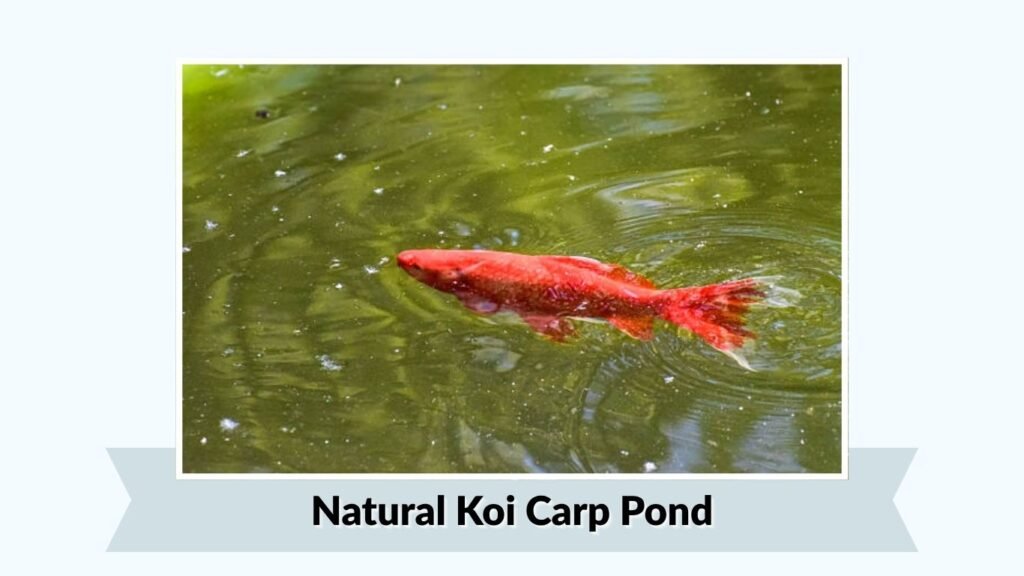
A natural koi carp pond uses rocks, aquatic plants, irregular edges, and gentle landscaping to create the appearance of a naturally occurring water feature. Although the design may look informal, koi still require controlled filtration and good water quality. The goal is to combine a natural pond appearance with the equipment necessary to support large ornamental carp.
Natural Design Elements
- Irregular pond shape
- Natural stone edging
- Aquatic and marginal pond plants
- Gravel or landscaped areas around the pond
- Waterfall or gentle stream
- Partial shade
- Open swimming zones
- Hidden koi carp pond filtration
- Natural-looking planting around equipment
Choosing Suitable Pond Plants
Pond plants for koi carp can improve the appearance of a natural pond and provide shade. Marginal plants placed around the perimeter are often easier to protect from curious koi.
Koi may dig around roots, disturb pots, or eat tender vegetation. Using sturdy planting baskets or separating heavily planted sections can help prevent damage while preserving open swimming space.
Water Quality and Filtration
A natural appearance does not eliminate the need for mechanical and biological filtration. Koi create much more waste than many small pond fish, particularly when heavily fed.
A correctly sized koi carp pond filter system should continuously process the water. Pumps, skimmers, bottom drains, and UV clarifiers can often be concealed behind rocks or landscaping so the pond remains visually natural.
Creating a Balanced Environment
The best natural koi pond combines open water, shaded areas, oxygenation, plants, and reliable filtration. Avoid allowing excessive leaves or organic debris to accumulate because decomposing material can reduce water quality.
A waterfall can increase circulation and oxygen while contributing to the natural look. When properly designed, this style provides the appearance of a wildlife pond while still meeting the more demanding needs of koi carp.
5. Modern Koi Carp Pond
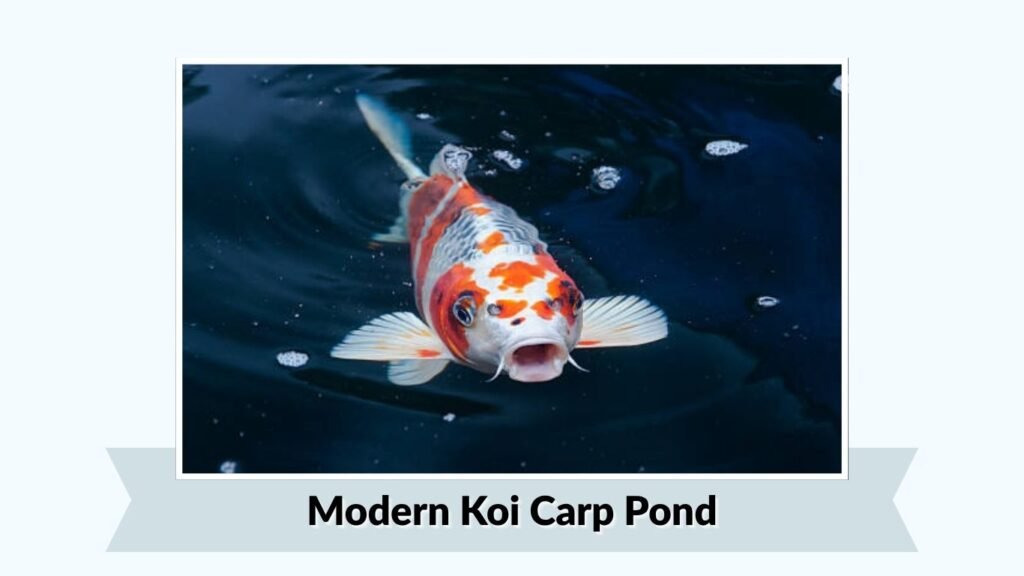
A modern koi carp pond focuses on clean lines, simple landscaping, open water, and highly organized filtration. Rectangular or geometric pond shapes are particularly popular because they complement contemporary homes and make efficient use of limited garden space. Modern koi carp pond designs can also incorporate viewing windows, concealed filters, waterfalls, and subtle lighting.
Modern Pond Features
- Rectangular or square pond shape
- Smooth stone or concrete edges
- Minimal decorative planting
- Large open swimming area
- Concealed koi carp pond filters
- Bottom drain and skimmer
- Efficient pond pump
- Air diffusers
- Waterfall or blade-style water return
- Optional viewing window
Clean and Minimalist Design
Modern koi ponds generally avoid excessive rocks, plants, and ornaments inside the water. Instead, landscaping is concentrated around the pond using paving, architectural plants, timber, or stone.
This minimalist approach gives koi greater visibility and creates an uncluttered appearance. It also makes debris easier to spot and removes potential areas where waste can become trapped.
Pump and Filter Setup
Modern koi carp pond construction should ideally include filtration planning from the beginning. Bottom drains can move settled waste toward the filter, while surface skimmers collect floating debris.
A suitable koi carp pond pump keeps water moving through biological and mechanical filtration. UV clarification may also help control suspended algae and maintain clearer water for viewing the fish.
Viewing and Maintenance
One advantage of a modern pond is easy access for routine maintenance and fish observation. Raised sides or viewing windows can allow owners to see koi closely without leaning over the water.
Good access to pumps, filters, valves, and drains should be included in the design. Combining attractive architecture with practical maintenance features creates a koi pond that remains both visually impressive and easier to manage long term.
6. Waterfall Koi Carp Pond
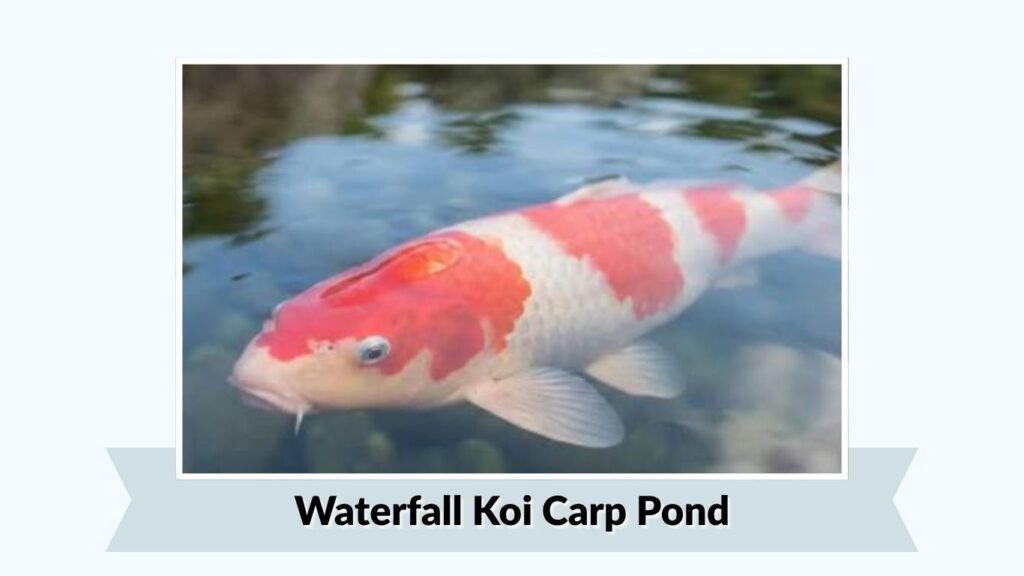
A waterfall koi carp pond combines visual appeal with practical water movement. Flowing water can improve circulation and help increase oxygen exchange, making the pond more attractive and functional. However, the waterfall should complement—not replace—a proper koi carp pond pump, filter system, and aeration setup. The design should also preserve plenty of calm swimming space for koi.
Key Design Features
- Waterfall positioned at one end of the pond
- Reliable koi carp pond pump
- Mechanical and biological filtration
- Open swimming area
- Natural or stacked stone waterfall
- Adequate koi carp pond depth
- Bottom drain where possible
- Partial shade
- Safe, smooth pond edging
Choosing the Waterfall Size
The waterfall should match the overall size of the koi carp pond. A very powerful waterfall in a small pond may create excessive turbulence, while a weak flow in a large pond may provide little circulation.
A gentle to moderate waterfall usually works well for garden ponds. Water should return smoothly to the pond without creating strong currents throughout the entire swimming area.
Pump and Filtration Setup
A koi carp pond pump should be sized according to total water volume, filter requirements, and the height of the waterfall. Pumps lose flow as they push water upward, so the vertical lift must be considered when choosing equipment.
The pond should still use efficient mechanical and biological filtration. A waterfall alone cannot remove solid waste or safely process ammonia produced by koi.
Maintenance and Fish Safety
Check the waterfall regularly for blocked pipes, leaking edges, and accumulated debris. Leaves and algae can reduce water flow over time.
The waterfall area should not contain sharp stones where koi could injure themselves. Keep enough calm water away from the waterfall so fish can rest comfortably. When planned properly, a waterfall koi carp pond creates both an attractive focal point and a healthier, well-circulated environment.
7. Rock Garden Koi Carp Pond
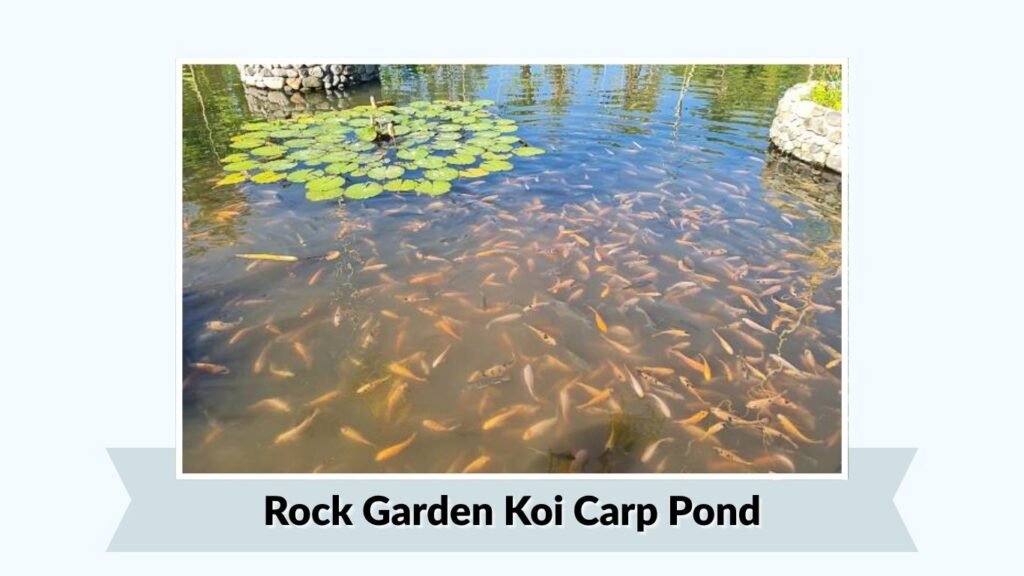
A rock garden koi carp pond uses carefully positioned stones and landscaping to create a natural, decorative appearance. Rocks can help blend a koi carp garden pond into the surrounding landscape, but they should be used thoughtfully. Too many stones inside the pond may trap debris and reduce swimming space, so the best designs concentrate most decorative rockwork around the edges.
Key Rock Garden Elements
- Large natural stones around the perimeter
- Smooth pond edging
- Gravel landscaping outside the water
- Open swimming area
- Waterfall or small stream
- Marginal pond plants
- Hidden koi carp pond filter
- Reliable circulation pump
- Adequate pond depth
Planning the Rock Layout
Use several larger stones rather than covering every section with small rocks. Larger rocks can create stronger visual features while leaving more open water for the koi.
Place decorative stones around the pond rather than across the bottom whenever practical. This makes pond maintenance easier and reduces areas where uneaten food, fish waste, and leaves can accumulate.
Combining Rocks With Plants
Pond plants for koi carp can soften the appearance of stone edges and make the pond feel more natural. Marginal plants, grasses, and low shrubs are particularly effective around a rock garden pond.
Avoid allowing roots or loose soil to enter the water. Koi may also disturb aquatic plants, so planting baskets or protected planting zones can be useful.
Maintaining Clean Water
Rock garden ponds still require strong koi carp pond filtration. Decorative landscaping should never interfere with skimmers, bottom drains, pumps, or water returns.
Periodically clean areas between rocks where organic debris collects. Good circulation prevents stagnant zones and keeps water moving toward the filter. With careful planning, a rock garden koi pond offers a natural appearance without sacrificing water quality or fish health.
8. Above-Ground Koi Carp Pond
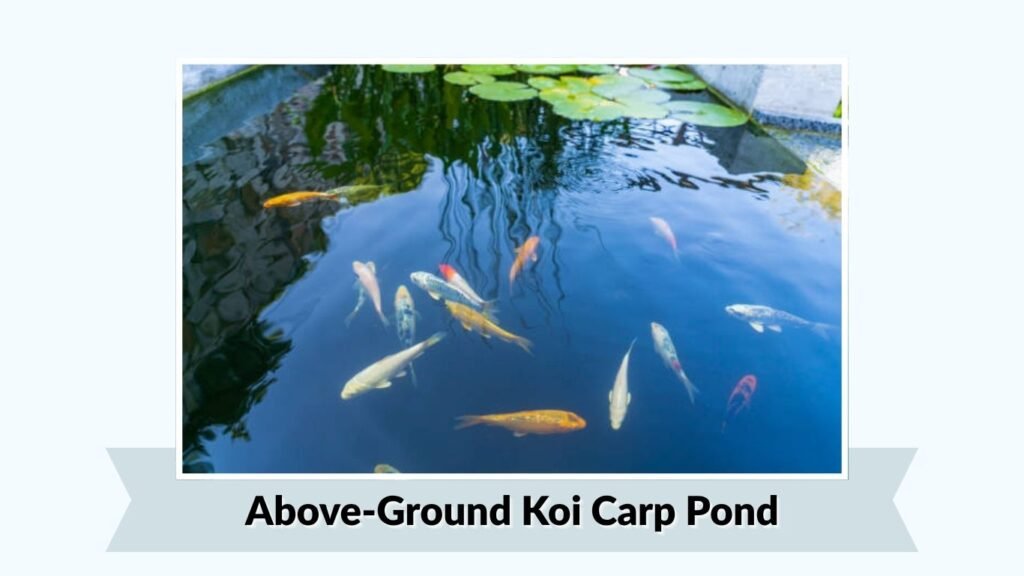
An above-ground koi carp pond is built almost entirely above the surrounding soil level. This design can work well in patios, courtyards, and gardens where extensive excavation is difficult. Because the pond walls must support substantial water pressure, strong construction is essential. Proper insulation, koi carp pond filtration, circulation, and adequate depth should all be included from the beginning.
Essential Setup Features
- Reinforced structural walls
- Waterproof pond liner or coating
- Strong foundation
- Adequate koi carp pond size
- Mechanical and biological filtration
- Koi carp pond pump
- Air pump or diffuser
- Bottom drain where practical
- Insulated walls
- Secure top edging
Construction Considerations
Concrete blocks, reinforced concrete, brick, timber framing, or purpose-built pond systems may be used depending on the design. The structure must remain stable after thousands of pounds of water are added.
A perfectly level foundation is particularly important. Uneven support can create stress on walls and waterproofing materials, increasing the risk of leaks or structural damage.
Temperature Control
Above-ground koi carp ponds can experience greater temperature changes because the sides are exposed to outside air. Insulating the walls helps slow rapid heating in summer and cooling during colder weather.
In climates with severe winters, additional protection or koi carp pond heaters may sometimes be considered, depending on local conditions and pond depth.
Filtration and Daily Care
Install a properly sized koi carp pond filter system before adding fish. Because many above-ground ponds are relatively compact, overcrowding can quickly create water-quality problems.
Regularly test ammonia, nitrite, nitrate, and pH, and remove debris from filters and skimmers. Providing good aeration and limiting fish numbers helps maintain stable conditions. A well-built above-ground pond can offer easy viewing while providing koi with a secure long-term home.
9. Formal Rectangular Koi Carp Pond
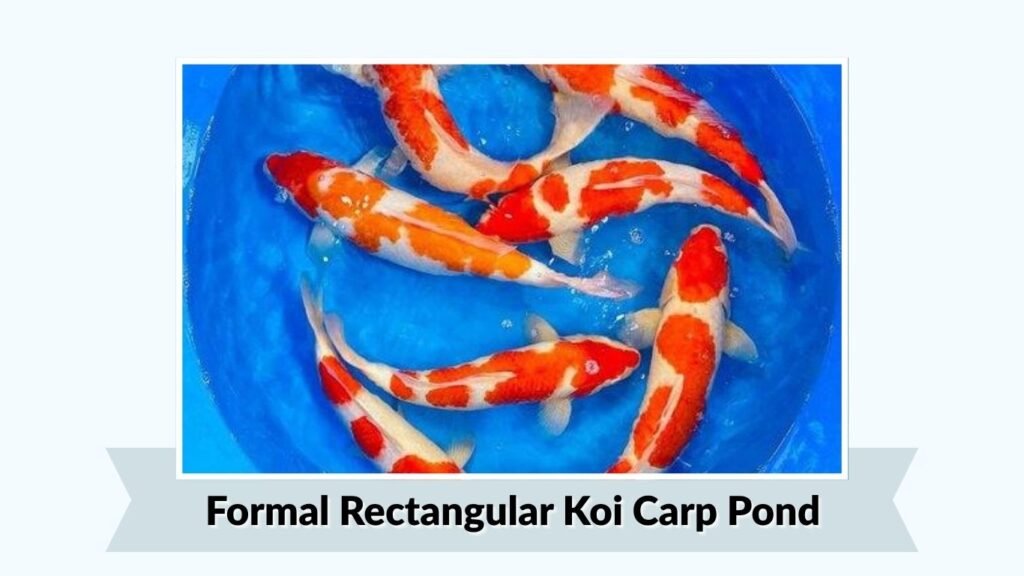
A formal rectangular koi carp pond offers a clean, organized appearance that works especially well in modern gardens, courtyards, and landscaped patios. Straight sides make it easier to plan bottom drains, water returns, viewing windows, and filtration. This koi carp pond design also maximizes usable swimming space because fewer decorative features interfere with the fish.
Key Design Elements
- Rectangular or square shape
- Straight vertical walls
- Smooth pond lining
- Bottom drains
- Surface skimmer
- Powerful koi carp pond filter
- Properly sized pond pump
- Air diffusers
- Optional viewing window
- Minimal internal decoration
Why Rectangular Ponds Work Well
Straight walls make water circulation easier to manage and reduce unnecessary shallow areas. They can also provide more predictable water volume, which simplifies filtration and pump calculations.
A rectangular layout is especially useful for keepers who want to observe koi body shape, patterns, and swimming behavior clearly.
Pond Depth and Swimming Space
A formal koi carp pond should provide enough depth for adult fish rather than functioning as a shallow ornamental pool. Approximately 3–4 feet or deeper is often preferred for substantial koi ponds, depending on climate and construction.
Keep the interior relatively open. Koi need room to turn, cruise, and swim without repeatedly encountering ornaments or rocks.
Filtration and Appearance
Filtration equipment can be hidden behind walls, screening, plants, or a dedicated filter chamber. Bottom drains and skimmers help move waste efficiently toward the koi carp pond filter systems.
Modern waterfalls or narrow water blades can be added for movement without disrupting the formal appearance. With strong filtration and thoughtful construction, a rectangular koi pond offers an excellent balance between attractive landscaping, easy maintenance, and healthy swimming space.
10. Deep Koi Carp Pond
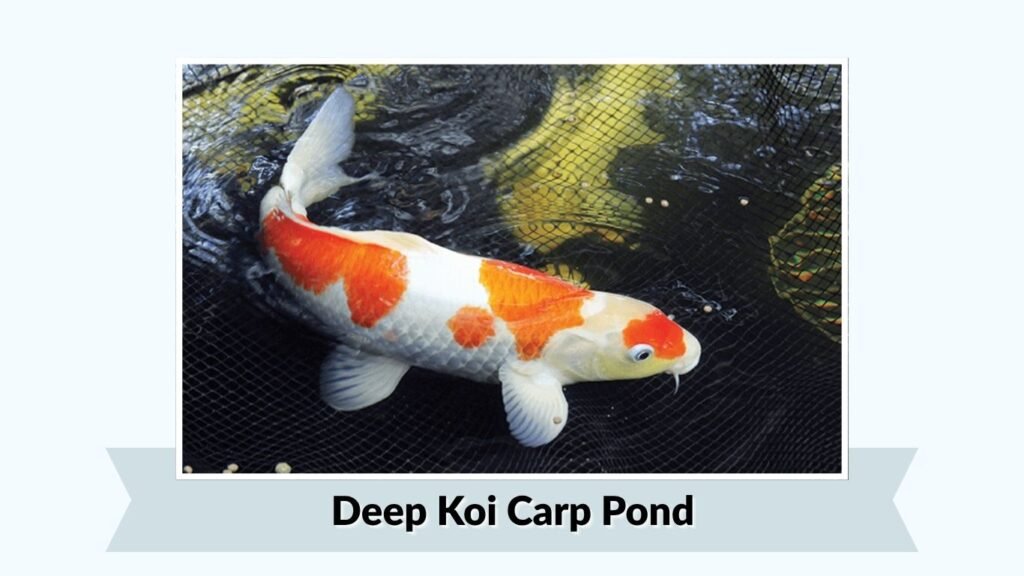
A deep koi carp pond provides greater water volume, more stable temperatures, and additional vertical swimming space for mature koi. Depth is especially important where seasonal temperatures fluctuate significantly. Although a deeper pond usually costs more to construct, it can create a more stable long-term environment when combined with suitable filtration, aeration, and safe access for maintenance.
Important Deep-Pond Features
- Around 3–4 feet deep or more where suitable
- Large water volume
- Strong biological filtration
- Bottom drains
- Koi carp pond pumps
- Air diffusers or air pumps
- Surface skimmer
- Safe vertical or gently sloping walls
- Easy maintenance access
- Predator protection
How Deep Should a Koi Carp Pond Be?
There is no single depth suitable for every location, but koi ponds are commonly designed substantially deeper than ordinary decorative garden ponds. Around 3–4 feet is a practical target for many setups, while experienced keepers may build deeper ponds.
Climate, fish size, construction method, and local safety requirements should all influence the final depth.
Benefits of Greater Depth
More water usually changes temperature more slowly than a shallow pond, helping protect koi from rapid temperature swings. Greater depth can also offer fish additional refuge from predators and intense surface heat.
However, koi do not simply grow to the size of the pond. Genetics, food, health, water quality, and available space all influence their adult size.
Filtration and Oxygenation
Deep water does not automatically guarantee good conditions. The koi carp pond pump and filter must circulate and treat the entire pond volume effectively.
Bottom drains can help remove settled waste, while air diffusers improve oxygenation and circulation in deeper areas. Monitor water quality throughout the year, especially during warm periods when oxygen levels may decline. A properly designed deep koi carp pond provides a stable, spacious environment suited to keeping large koi for many years.
11. Koi Carp Pond With Aquatic Plants
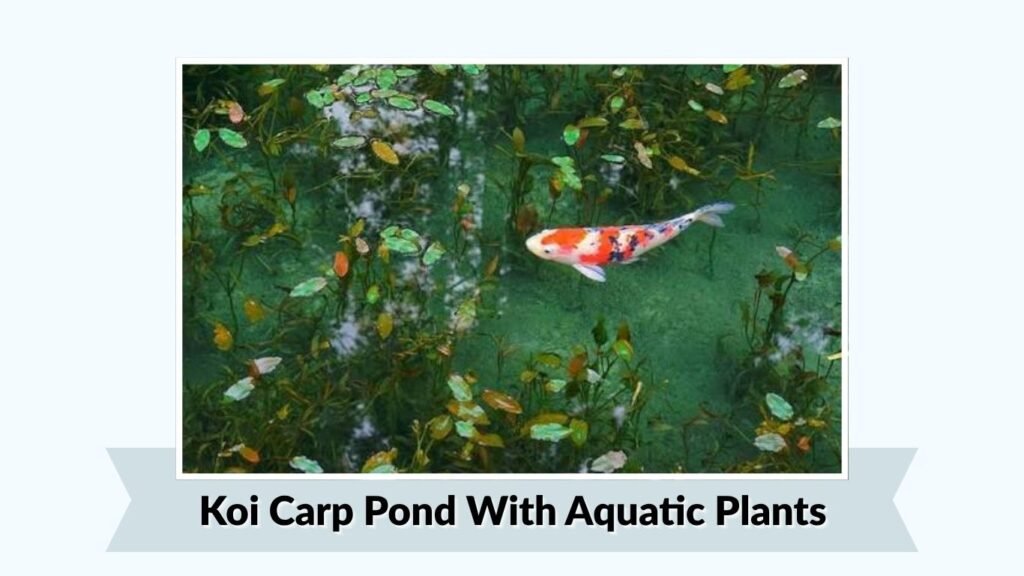
A koi carp pond with aquatic plants combines colorful fish with natural greenery, creating an attractive garden feature while providing shade and shelter around the pond. However, koi are active fish that often dig around roots or nibble soft vegetation. Successful koi carp pond plants should therefore be positioned carefully so they enhance the pond without reducing swimming space or interfering with filtration.
Best Features to Include
- Hardy marginal pond plants
- Protected planting baskets
- Floating plants in controlled areas
- Open central swimming space
- Strong koi carp pond filtration
- Reliable pond pump and aeration
- Partial natural shade
- Easy access for plant trimming
- Barriers around delicate plants
Choosing Pond Plants for Koi Carp
Hardy marginal plants are often easier to manage than delicate underwater species. Plants can be positioned around shelves or pond edges where koi have less opportunity to uproot them.
Avoid filling the entire pond with vegetation. Adult koi require plenty of open water, and excessive plant growth can trap debris or restrict circulation. Plants should complement the koi carp pond design rather than dominate it.
Protecting Plants From Koi
Koi naturally investigate their environment with their mouths. They may disturb soil, knock over pots, or eat tender leaves and roots.
Heavy planting baskets, stones around containers, or separated planting zones can protect vegetation. Another option is creating a shallow planted section connected visually to the main pond while keeping larger koi away from vulnerable plants.
Filtration and Maintenance
Plants can absorb some nutrients, but they are not a replacement for koi carp pond filters. Koi produce substantial waste, so mechanical and biological filtration remains essential.
Remove dead leaves, trim excessive growth, and prevent decomposing plant material from accumulating. Combining healthy plants with efficient filtration and good circulation creates a balanced-looking koi carp garden pond.
12. Koi Carp Pond With Viewing Window
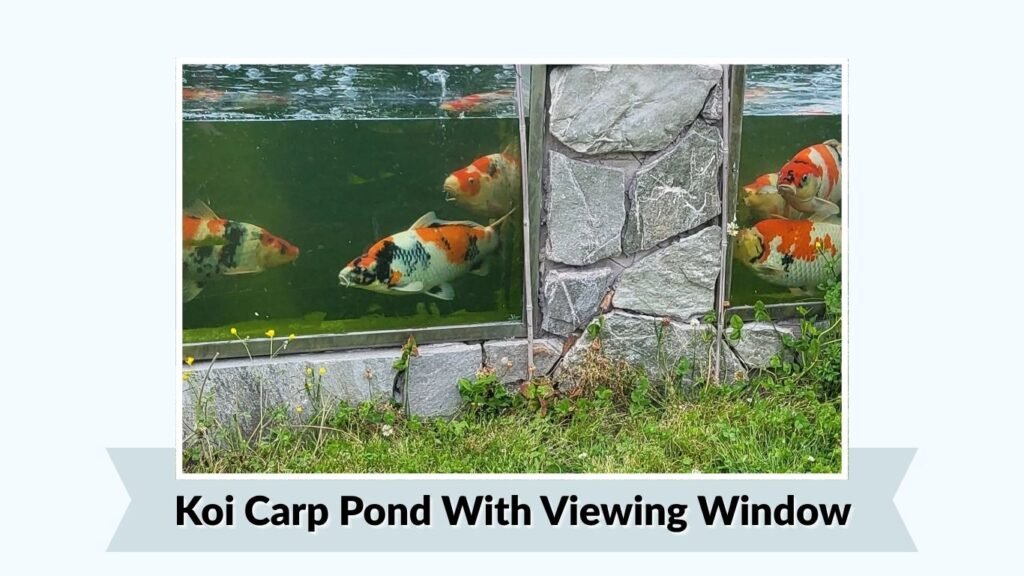
A koi carp pond with a viewing window allows owners to see their fish from the side instead of only from above. This feature is particularly popular in raised and modern koi carp pond designs because it provides a clear view of koi colors, body shape, and swimming behavior. Proper construction is essential because the window must safely withstand constant water pressure.
Important Design Features
- Thick pond-rated viewing panel
- Strong reinforced pond walls
- Proper waterproof sealing
- Raised or semi-raised construction
- Open swimming area
- Bottom drain
- Koi carp pond filter system
- Efficient pond pump
- Good aeration
- Easy window-cleaning access
Best Position for the Window
The viewing panel should be positioned where people naturally sit or walk past the pond. Patios, seating areas, and garden paths are ideal locations.
Avoid placing the window where strong reflections make viewing difficult. A shaded or partially shaded position can improve visibility while helping limit excessive algae growth on the inside surface.
Construction and Waterproofing
A viewing window must be designed as part of the pond structure rather than added casually afterward. The surrounding wall requires enough strength to support both the panel and the pressure created by the water.
High-quality sealing is equally important. Poor installation can result in leaks, so many large builds benefit from professional pond construction advice.
Keeping the View Clear
Clear water depends heavily on effective koi carp pond filtration. Mechanical filters remove suspended debris, while biological filtration processes dissolved fish waste. A UV clarifier may also help control green suspended algae.
The window itself should be cleaned gently when algae develops. With good water quality and regular maintenance, a viewing window can become one of the most impressive features of a koi pond.
13. Backyard Koi Carp Pond
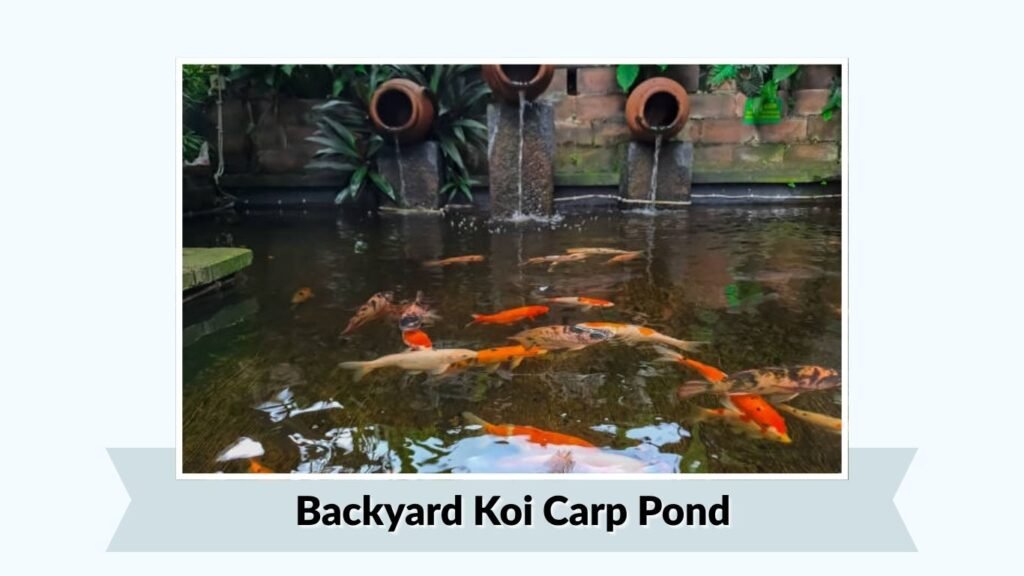
A backyard koi carp pond can transform an ordinary outdoor area into a relaxing garden focal point. It can be designed in a natural, formal, raised, or modern style depending on available space. Before building a koi carp pond, owners should consider adult fish size, pond depth, filtration, drainage, electrical access, maintenance space, and nearby trees or structures.
Backyard Pond Essentials
- Suitable koi carp pond size
- Approximately 3–4 feet of depth where practical
- Mechanical and biological filtration
- Reliable koi carp pond pump
- Air pump or diffuser
- Bottom drain where possible
- Surface skimmer
- Partial shade
- Predator protection
- Safe access around the pond
Choosing the Best Location
A backyard pond should be visible from frequently used areas such as a patio, kitchen window, or seating space. This makes the fish easier to enjoy and helps owners notice potential koi carp pond problems quickly.
Avoid building directly beneath large deciduous trees when possible. Falling leaves can increase maintenance and add decomposing organic material to the water.
Planning for Adult Koi
Small koi may initially make a large pond appear empty, but they can become substantial fish. Designing for their adult size prevents overcrowding later.
A larger water volume also tends to provide greater environmental stability than a very small pond. Keep the central swimming area open and avoid excessive decorations that could restrict movement.
Backyard Pond Maintenance
Regular koi carp pond maintenance includes checking filters, removing debris, monitoring water quality, and observing fish behavior. Ammonia and nitrite should be monitored carefully, especially in new ponds.
Keep pumps and filters easy to reach. A beautiful backyard pond that requires dismantling landscaping whenever equipment needs servicing can quickly become frustrating. Good planning makes routine care considerably easier.
14. Patio Koi Carp Pond
A patio koi carp pond is ideal for homeowners who want to enjoy koi close to outdoor seating or entertainment areas. Raised and geometric pond designs usually work particularly well on patios because they use space efficiently and provide excellent fish visibility. The supporting surface, pond volume, filtration equipment, electrical supply, and adult size of the koi must all be considered carefully.
Key Patio Pond Features
- Raised or semi-raised structure
- Strong, level foundation
- Compact geometric design
- Adequate koi carp pond depth
- Viewing window if desired
- Concealed filter system
- Quiet koi carp pond pump
- Air diffuser
- Secure edging
- Easy maintenance access
Making the Most of Limited Space
Patios often have less available space than large gardens, so the pond design needs to be efficient. Rectangular or square ponds can maximize water volume while occupying a relatively compact footprint.
Avoid making the pond extremely shallow simply to save space. Depth contributes useful water volume and gives koi more swimming room without dramatically increasing the pond’s surface footprint.
Concealing Pond Equipment
Pumps, filters, UV clarifiers, and air pumps can affect the appearance of a small patio if they are left exposed. Equipment can be concealed inside ventilated cabinets, behind screens, or within dedicated filter compartments.
Always maintain easy access. Filters require routine cleaning, and pumps or valves may eventually need repairs.
Creating a Relaxing Viewing Area
Place seating where the koi can be seen easily without blocking maintenance routes. A viewing window can provide an especially impressive perspective in a raised patio pond.
Gentle water movement from a small waterfall or return can add pleasant sound, but avoid excessive splashing near furniture. With thoughtful planning, a patio koi carp pond can bring the experience of a larger garden pond into a compact outdoor area.
15. Large Koi Carp Pond
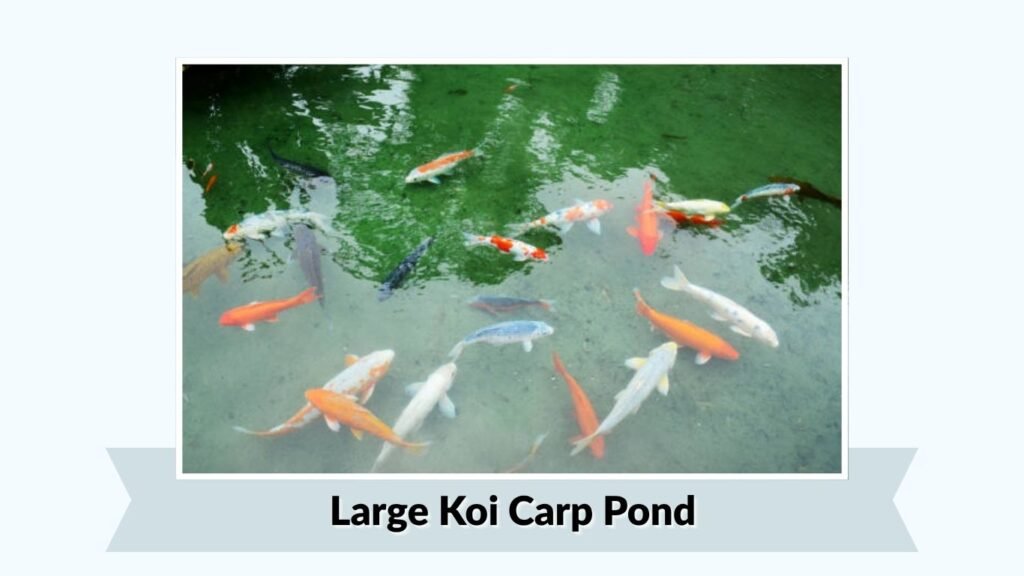
A large koi carp pond offers generous swimming space and makes it possible to keep several mature koi without creating the cramped conditions associated with undersized ponds. Large ponds can also support impressive Japanese, natural, or formal designs. However, greater water volume requires carefully planned koi carp pond pumps, filtration, drainage, aeration, and maintenance systems.
Important Features for Large Ponds
- Generous swimming area
- Suitable depth for mature koi
- Multiple bottom drains where required
- Large mechanical filter
- High-capacity biological filtration
- Properly sized pond pumps
- Surface skimmers
- Strong aeration system
- UV clarifier if needed
- Accessible filter and equipment area
Planning Pond Size and Depth
The best size pond for koi carp depends on the number and eventual size of the fish. Large koi require more water volume than juveniles, especially when several fish are kept together.
Depth of around 3–4 feet or greater is common in dedicated koi ponds, although climate and construction requirements should influence the final design. Open swimming space is generally more valuable than excessive internal decoration.
Filtration for Large Koi Ponds
Large koi carp pond filter systems must handle both the total pond volume and the biological load created by the fish. Undersized filtration may lead to persistent water-quality problems even when the pond itself is spacious.
Bottom drains and skimmers can continuously transport waste toward mechanical filtration, while biological media supports bacteria that process ammonia and nitrite.
Maintaining a Large Pond
Large ponds may be more stable than small ponds, but they are not maintenance-free. Regularly inspect pumps, filters, air systems, drains, and water parameters.
Avoid overstocking simply because the pond looks large. Mature koi require considerable room, oxygen, and filtration capacity. With appropriate equipment and sensible stocking, a large koi carp pond provides one of the best environments for displaying and keeping adult koi long term.
16. Minimalist Koi Carp Pond
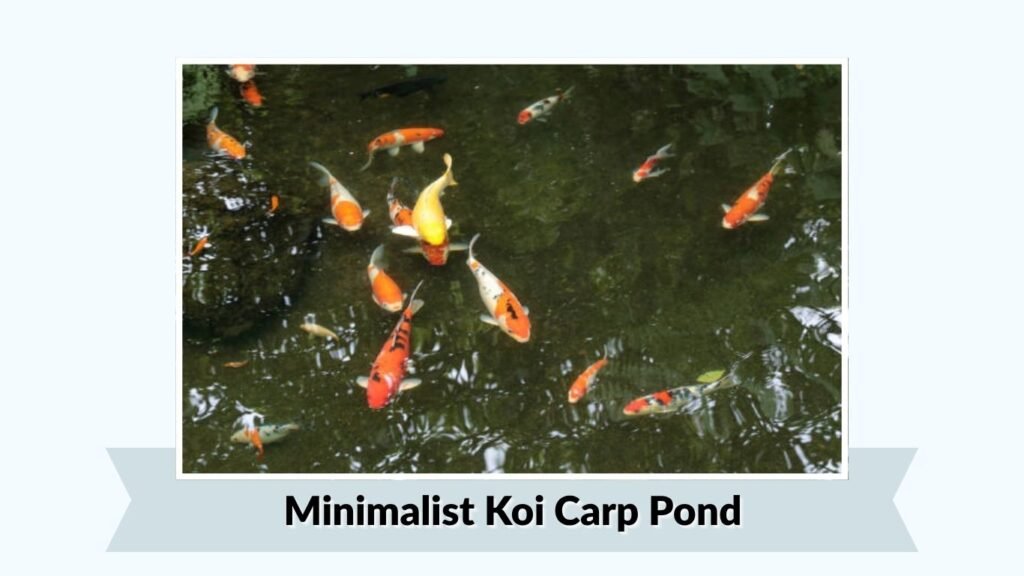
A minimalist koi carp pond uses clean lines, open water, limited decoration, and carefully concealed equipment to create a simple but elegant appearance. This style works especially well in modern gardens, courtyards, and patios. Because the design avoids excessive rocks and plants, it also leaves more usable swimming space for koi and can make routine pond maintenance easier.
Key Minimalist Features
- Simple square or rectangular shape
- Smooth pond walls and edges
- Large open swimming area
- Limited pond ornaments
- Concealed koi carp pond filters
- Bottom drain
- Surface skimmer
- Efficient koi carp pond pump
- Air diffuser
- Optional viewing window
Keeping the Design Simple
The main principle of a minimalist koi carp pond design is avoiding unnecessary features. Instead of covering the pond with rocks, fountains, and large amounts of vegetation, choose one or two strong design elements.
Stone paving, a single waterfall blade, a viewing window, or a few architectural plants around the pond can provide visual interest without making the area look crowded.
Filtration and Water Clarity
Clear water is particularly important in a minimalist pond because the koi become the main visual attraction. Mechanical filtration removes suspended debris, while biological filtration processes ammonia and nitrite produced by the fish.
A correctly sized koi carp pond pump should continuously circulate water through the filtration system. A UV clarifier can also be useful where suspended algae regularly causes green water.
Maintenance and Koi Care
Keep the pond bottom free from accumulated waste and regularly empty skimmer baskets or mechanical filters. Test water quality and observe the koi for changes in appetite, swimming, or appearance.
Minimal internal decoration makes these tasks easier because there are fewer places for debris to collect. With adequate depth, filtration, and swimming room, a minimalist koi pond offers a clean appearance without sacrificing the needs of the fish.
17. Koi Carp Pond With Bridge
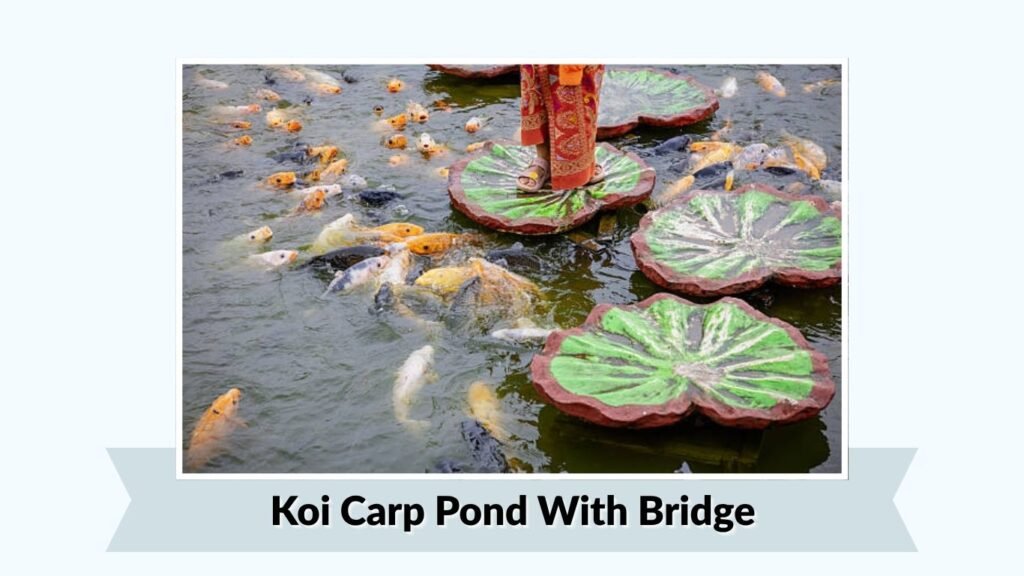
A koi carp pond with a bridge creates a striking garden feature while allowing people to view the fish from directly above the water. Bridges work particularly well with Japanese koi carp ponds, natural garden ponds, and larger landscaping projects. The bridge should be positioned carefully so it enhances the design without limiting swimming space or making access to pond equipment difficult.
Important Bridge Pond Features
- Strong weather-resistant bridge
- Secure non-slip walking surface
- Open swimming space below
- Natural stone or landscaped edges
- Suitable koi carp pond depth
- Mechanical and biological filtration
- Reliable pond pump
- Good aeration
- Safe access for maintenance
Choosing the Bridge Position
A bridge can cross the narrowest part of an irregular pond or connect two sections of a garden path. Positioning it near a deeper open area gives visitors a good view of koi swimming below.
Avoid installing large support structures in the middle of the pond if they could reduce swimming space or collect debris. Where possible, support the bridge from the pond edges.
Creating a Japanese-Style Appearance
A gently curved timber bridge can complement a Japanese koi carp pond particularly well. Natural stones, bamboo, ornamental grasses, and carefully positioned shrubs can strengthen the traditional appearance.
Keep landscaping balanced rather than overcrowded. The koi themselves should remain one of the main visual elements of the pond.
Safety and Maintenance
Bridge materials should tolerate constant outdoor exposure and moisture. Surfaces can become slippery from rain or algae, so adequate grip is important.
Make sure filters, pond pumps, skimmers, and other koi carp pond equipment remain accessible after the bridge is installed. Regularly inspect structural supports and keep leaves from collecting beneath the bridge. A properly designed bridge provides both a practical walkway and an attractive viewing point.
18. Multi-Level Koi Carp Pond
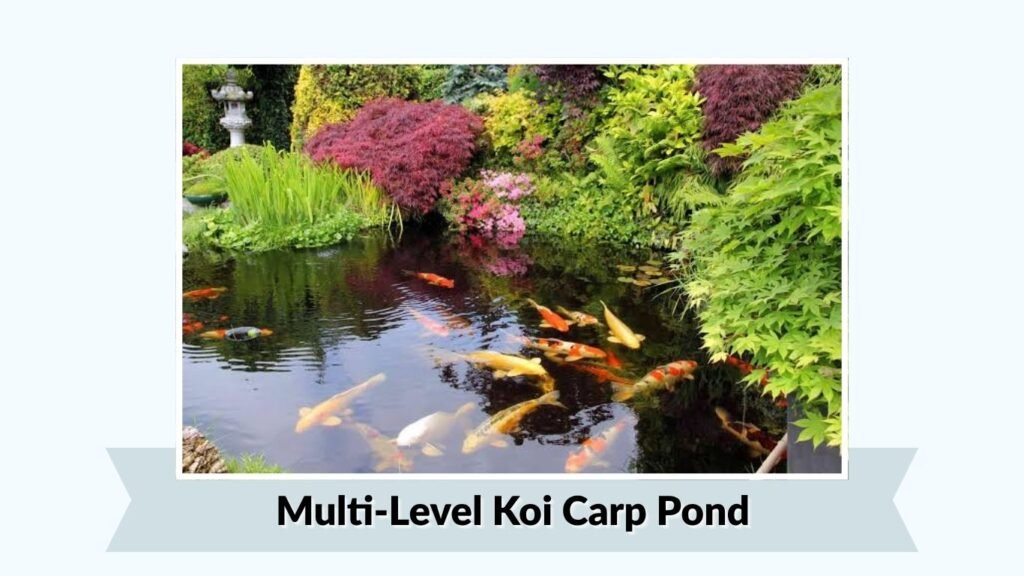
A multi-level koi carp pond uses two or more connected water areas positioned at different heights. Water may flow from an upper section into the main koi pond through a waterfall, channel, or short stream. This design can create impressive movement and sound, but the main koi area must still provide sufficient depth, swimming room, filtration, and stable water conditions.
Key Multi-Level Features
- Deep main koi pond
- Upper pond or water reservoir
- Connecting waterfall or channel
- High-capacity koi carp pond pump
- Mechanical filtration
- Biological filtration
- Bottom drain in the main pond
- Surface skimmer
- Good aeration
- Secure overflow system
Planning the Different Levels
The main pond should usually provide most of the water volume and swimming space for the koi. Smaller upper levels can be used as decorative water features or planted areas.
Avoid making koi move through shallow channels between sections. Large koi need adequate depth and may injure themselves if encouraged into narrow or rocky areas.
Pump and Water Circulation
A multi-level setup requires a pond pump capable of lifting water from the lower pond to the highest return point. Pump performance decreases as the vertical height increases, so head height should be considered when choosing equipment.
Water should return safely without causing excessive splashing or losing significant volume outside the pond.
Filtration and Maintenance
All connected water should ideally be treated as one system when calculating koi carp pond filtration requirements. Waste from the fish can circulate throughout the entire setup.
Inspect waterfalls, pipes, spillways, and overflow points regularly for blockages or leaks. Leaves and algae can change water flow and potentially cause water loss. When carefully designed, a multi-level koi pond adds dramatic landscaping while maintaining healthy conditions in the main fish area.
19. Koi Carp Pond With Fountain
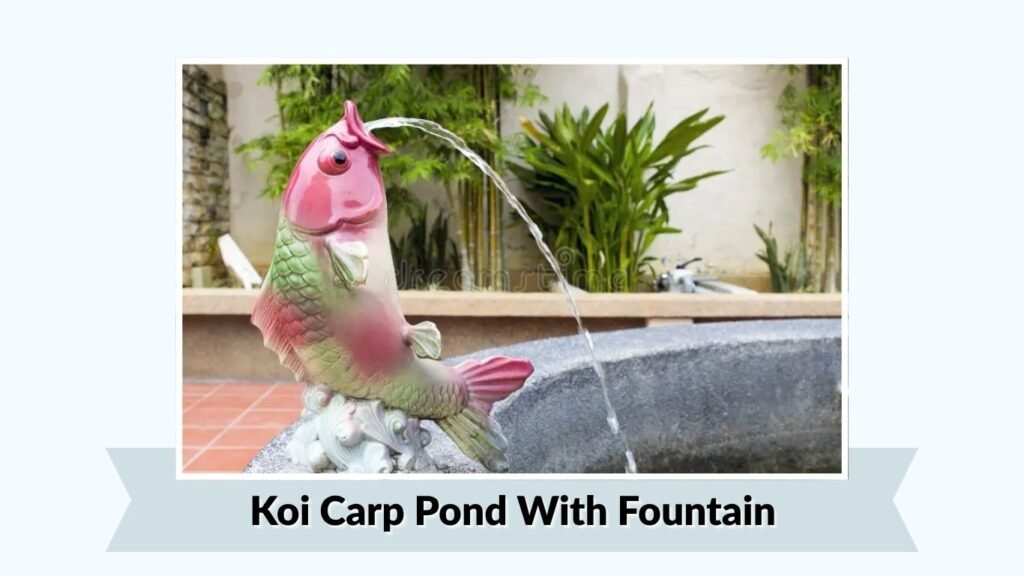
A koi carp pond with a fountain combines ornamental fish with moving water and can create an attractive focal point in a garden. Fountain movement can assist surface agitation and oxygen exchange, but it should not replace proper filtration or dedicated aeration. The fountain must also be selected carefully because excessive spray and strong turbulence can disturb koi and increase water loss.
Useful Fountain Features
- Low or medium fountain spray
- Separate or integrated pond pump
- Mechanical and biological filtration
- Open swimming area
- Adequate koi carp pond depth
- Air pump or diffuser
- Stable fountain base
- Easy-clean fountain nozzle
- Protected electrical supply
Choosing a Suitable Fountain
A modest fountain is usually more suitable for koi than a very powerful decorative jet. High sprays can lose water through wind and evaporation while creating unnecessary disturbance.
Position the fountain where koi still have access to calmer areas of the pond. The fish should not be forced to remain continuously within strong water movement.
Fountain Pump and Filtration
Some fountains use their own pump, while others can be incorporated into the wider koi carp pond pump system. Whatever method is used, sufficient flow must still pass through proper mechanical and biological filters.
A decorative fountain cannot remove fish waste or process harmful ammonia. Koi carp pond filter systems remain essential, particularly in heavily stocked ponds.
Maintenance and Water Quality
Fountain nozzles can become blocked by algae, leaves, or small particles, so inspect and clean them regularly. Monitor pond water levels because fountain spray may increase evaporation.
Avoid allowing untreated tap water to enter continually just to replace losses. Test ammonia, nitrite, nitrate, and pH regularly and maintain the filtration system. Used correctly, a fountain can enhance the appearance of a koi pond while contributing gentle water movement.
20. Koi Carp Pond With Waterfall and Stream
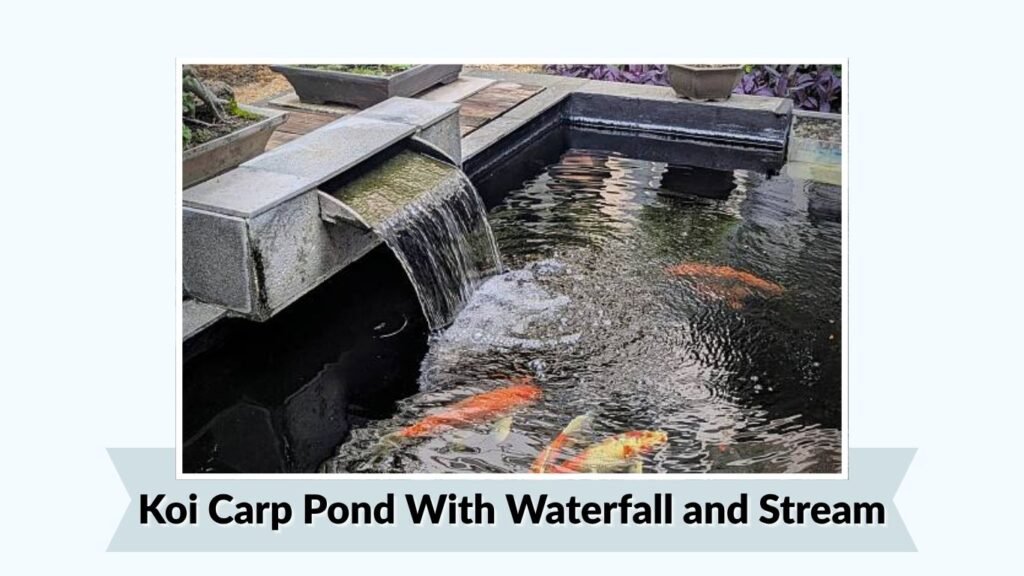
A koi carp pond with a waterfall and stream creates one of the most natural-looking garden pond designs. Water can be pumped from the main koi pond to an upper stream before flowing downhill through rocks and small waterfalls. The result combines sound, movement, and attractive landscaping, while the main pond provides the deeper water required by mature koi.
Main Design Features
- Deep main koi carp pond
- Landscaped stream
- One or more waterfalls
- High-capacity pond pump
- Mechanical and biological filter
- Bottom drain
- Surface skimmer
- Natural stone edging
- Marginal pond plants
- Adequate aeration
Designing the Stream
The stream should have a waterproof liner extending well beyond its normal water level to reduce leaks. Small changes in height can create gentle cascades without requiring a steep slope.
Rocks can be used to guide the water naturally, while pond plants may be positioned along the banks. Keep loose soil and mulch away from areas where rain could wash them into the pond.
Waterfall and Pump Setup
The koi carp pond pump must be powerful enough to move water to the top of the stream while overcoming the vertical lift and pipe resistance. The desired stream width also affects the flow required.
Waterfalls can improve surface movement and oxygen exchange, but additional air pumps may still be beneficial, particularly during warm weather or when many koi are kept.
Keeping the System Healthy
Streams and waterfalls can collect leaves, algae, and sediment, so they need periodic cleaning. Inspect the edges regularly because displaced rocks or plants can redirect water outside the liner and gradually drain the pond.
Continue using proper koi carp pond filtration rather than relying on the stream alone. With careful construction and maintenance, a waterfall-and-stream pond can combine the appearance of a natural watercourse with the controlled environment needed for healthy koi.
FAQs
Koi carp ponds require more planning than ordinary decorative garden ponds because koi can grow large, produce considerable waste, and live for many years. Pond depth, size, filtration, pumps, plants, temperature, and stocking levels all affect fish health. These common questions cover some of the most important things beginners should understand before building or maintaining a koi carp pond.
How Deep Should a Koi Carp Pond Be?
A koi carp pond is commonly around 3–4 feet deep or more where practical. Greater depth provides additional swimming space and can help reduce rapid temperature changes. Climate, pond construction, fish size, and local safety requirements should also be considered when deciding the final pond depth.
What Is the Best Size Pond for Koi Carp?
The best size depends on the number and adult size of the koi. Larger ponds are generally easier to manage because they provide more swimming space and greater water stability. Avoid choosing a pond size based only on small juvenile koi, since healthy fish can grow considerably over time.
What Filter Is Best for a Koi Carp Pond?
A koi carp pond should use both mechanical and biological filtration. Mechanical filtration removes solid waste and debris, while biological filtration supports beneficial bacteria that process ammonia and nitrite. The filter system should be sized according to pond volume and the number of koi rather than pond dimensions alone.
Can You Put Goldfish in a Pond With Koi Carp?
Yes, goldfish and koi can usually live together in a sufficiently large, well-filtered pond. However, koi grow much larger and may compete aggressively for food simply because of their size. Provide enough space, filtration, oxygen, and feeding opportunities for both species.
How Long Do Koi Carp Live in a Pond?
Koi carp commonly live for 20–30 years when kept in good conditions, and some can survive considerably longer. Clean water, suitable pond depth, high-quality food, good filtration, proper oxygen levels, disease prevention, and stable seasonal conditions all contribute to a longer koi carp pond lifespan.