
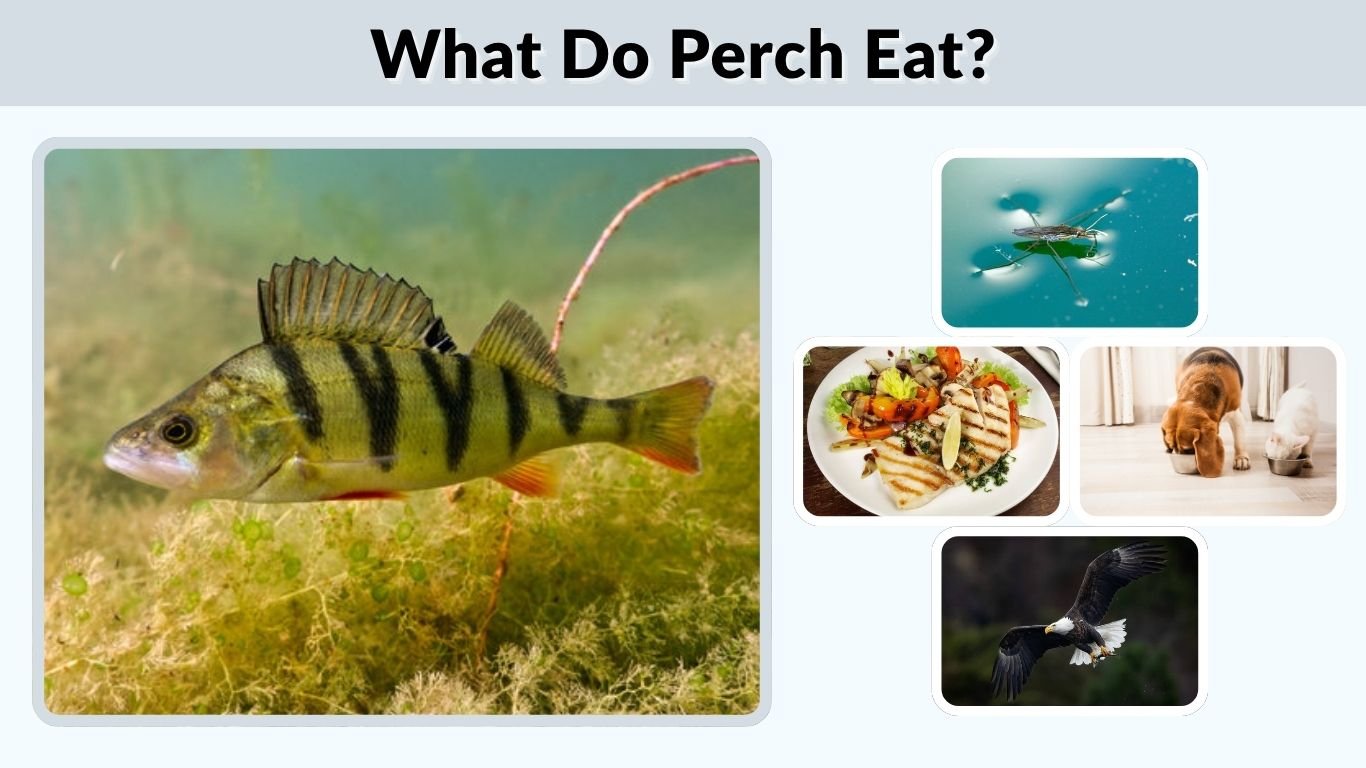
Perch are popular freshwater and coastal fish known for their schooling behavior, small mouths, and mild white meat. When people ask “what do perch eat,” they may mean yellow perch, white perch, surf perch, Nile perch, or even ocean perch sold in stores. In most North American fishing discussions, “perch” often refers to yellow perch. These fish eat insects, larvae, worms, small fish, crustaceans, and other small aquatic life. Their diet also explains why simple baits like worms and minnows work so well.
What Do Perch Eat in the Wild?
Perch are opportunistic feeders, which means they eat whatever suitable food is available in their habitat. Yellow perch live in ponds, lakes, and slow-flowing rivers, often near clear water and vegetation. The U.S. Fish & Wildlife Service notes that yellow perch are commonly found near vegetation and that newly hatched perch switch to a zooplankton diet after using their yolk sac for about a week.
As perch grow, their food choices become larger. Young perch begin with tiny plankton and small aquatic animals. Larger perch eat insect larvae, worms, small minnows, fish eggs, crayfish, freshwater shrimp, and other small prey.
| Perch Life Stage | Common Foods |
| Larval perch | Yolk sac, then zooplankton |
| Young perch | Tiny insects, plankton, small larvae |
| Adult perch | Minnows, worms, insects, crayfish, eggs |
| Large perch | Small fish, larger insects, crustaceans |
What Do Yellow Perch Eat?
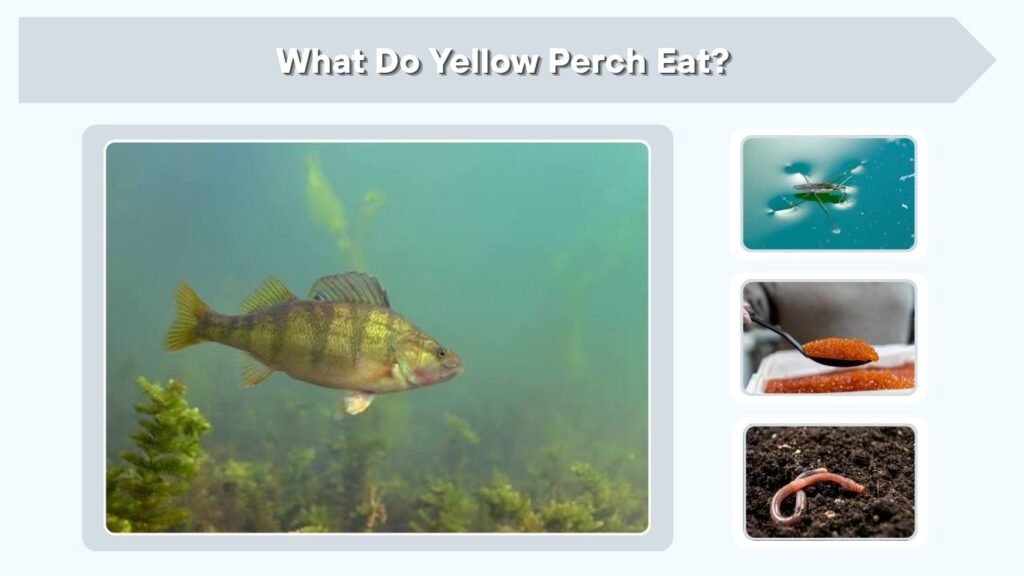
Yellow perch eat different foods depending on age, season, and lake conditions. Young yellow perch often feed on zooplankton and tiny invertebrates. Adult yellow perch eat aquatic insect larvae, small fish, crayfish, fish eggs, worms, and other small animals.
Common Yellow Perch Foods
- Zooplankton
- Midge larvae
- Mayfly nymphs
- Worms
- Small minnows
- Fish eggs
- Crayfish
- Freshwater shrimp
- Small snails
- Aquatic insects
Yellow perch are also prey for many bigger fish, so they often travel in schools and use weeds, shorelines, and structure for protection. The U.S. Fish & Wildlife Service notes that larval and juvenile yellow perch are eaten by bass, walleye, and other predators.
What Do White Perch Eat?
White perch are not true perch in the same family as yellow perch. They belong to the temperate bass family, but many anglers still call them perch. Maryland DNR identifies white perch as Morone americana and describes them as silvery fish that range from Nova Scotia to South Carolina, with strong populations from the Hudson River to Chesapeake Bay.
White perch eat insects, worms, small fish, fish eggs, shrimp, small crustaceans, and clams. In tidal rivers and brackish areas, they may feed heavily on small aquatic animals near the bottom. In lakes and reservoirs, they often eat insects, larvae, and small baitfish.
Do Perch Eat Minnows?
Yes, adult perch eat minnows. Minnows are one of the best natural foods for larger perch, especially in lakes with strong baitfish populations. This is why live minnows are one of the most popular baits for perch fishing.
A small perch may not be able to swallow a large minnow, but bigger yellow perch can eat young-of-year fish and small baitfish. When perch are feeding on minnows, anglers often catch them with small live minnows, tiny jigs, or soft plastics that imitate baitfish.
Do Perch Eat Worms?
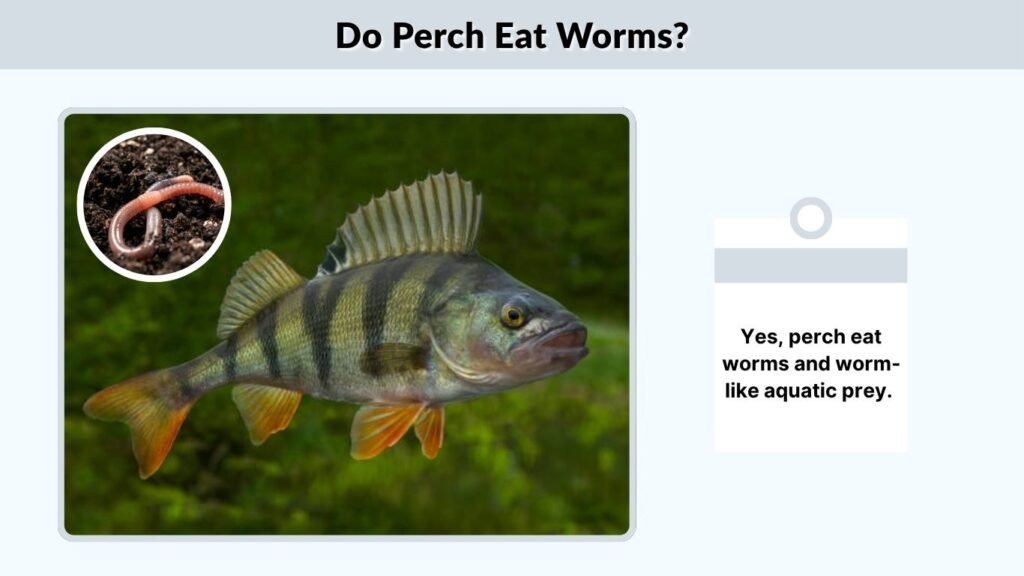
Yes, perch eat worms and worm-like aquatic prey. Earthworms and nightcrawler pieces are classic perch baits because they are easy for perch to smell, see, and swallow. In the wild, perch may eat aquatic worms, larvae, leeches, and other soft-bodied animals near the bottom.
For fishing, a small piece of nightcrawler often works better than a whole large worm. Perch have small mouths, so smaller bait can lead to better hook-ups.
Do Perch Eat Algae, Bread, or Corn?
Perch may accidentally consume tiny plant material while feeding, but they are not true algae-eating fish. Their main diet is animal-based, including insects, small fish, larvae, crustaceans, and worms. Algae is not a primary food for yellow perch.
Bread and corn are also not natural perch foods. A perch may peck at small pieces in some situations, but these are not ideal bait or healthy food sources. Anglers usually have better success with worms, minnows, spikes, wax worms, small jigs, or insect-style lures.
Do Perch Eat Other Fish?
Yes, larger perch can eat other fish. They usually target small minnows, young baitfish, or fish fry that fit into their mouths. Perch are not large predators like pike or musky, but they are still meat-eating fish when they get big enough.
They may also eat fish eggs. In some waters, white perch can be especially aggressive egg-eaters, which is one reason they can affect other fish populations when introduced outside their native range.
Do Perch Eat at Night?
Perch can feed in low light, but yellow perch are usually more active during the day than at night. They often bite best during morning, late afternoon, and periods of stable light. During ice fishing season, many anglers find that perch bite well during daylight hours.
At night, perch may become less active or move deeper, depending on water clarity, oxygen, temperature, and predator pressure. If fishing after dark, small glowing jigs, bait, or areas with structure may still produce bites, but perch are usually not as famous for night feeding as walleye or catfish.
What Eats Perch?
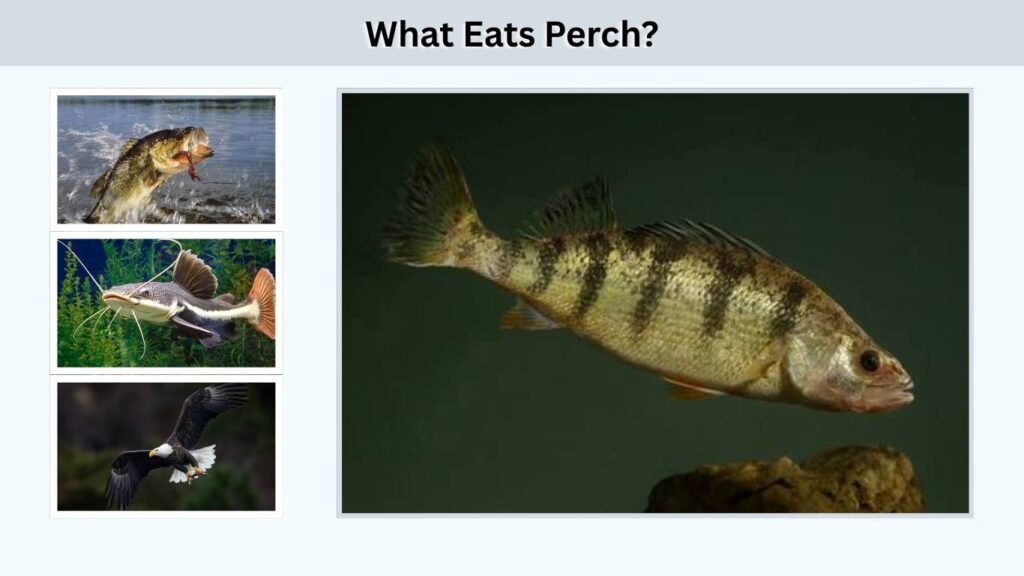
Perch are important prey fish in many freshwater food chains. Young perch are eaten by larger fish, birds, turtles, and other predators. Bigger perch are still eaten by large game fish and fish-eating birds.
Minnesota DNR says yellow perch are common prey for fish-eating predators such as largemouth bass, smallmouth bass, northern pike, musky, walleye, crappie, lake trout, and bullheads, as well as birds such as gulls, herons, loons, mergansers, cormorants, eagles, and kingfishers.
Common Perch Predators
- Bass
- Walleye
- Northern pike
- Musky
- Lake trout
- Catfish
- Crappie
- Snapping turtles
- Herons
- Loons
- Eagles
- Cormorants
This predator pressure is one reason perch often school together. A large group makes it harder for predators to single out one fish.
Best Bait Based on What Perch Eat
Because perch eat small aquatic animals, the best baits usually imitate worms, insects, minnows, or larvae. You do not need large bait to catch perch. Small and natural is often better.
| Natural Food | Good Fishing Bait |
| Aquatic insects | Wax worms, spikes, small jigs |
| Worms | Nightcrawler pieces, red worms |
| Minnows | Small live minnows, minnow-style plastics |
| Crustaceans | Tiny soft plastics, small jigs |
| Fish eggs | Small scented baits in some areas |
For yellow perch, small hooks, light line, and bait near the bottom often work well. If perch are schooling, catching one fish can mean more are nearby.
Is Perch Good to Eat?
Yes, perch is widely considered good to eat. Yellow perch are especially popular because they have mild, slightly sweet, flaky white meat. They are commonly fried, baked, air-fried, or served in fish dinners.
White perch are also good to eat, although their flavor can depend on water quality and how they are cleaned. Surf perch, ocean perch, European perch, and Nile perch are also eaten in different regions, but they are not all the same species.
Why People Like Eating Perch
Perch is popular because it has a mild taste and does not usually have a strong “fishy” flavor. The fillets are thin, so they cook quickly. Fried perch is especially common around the Great Lakes, while baked or pan-seared perch works well for people who want a lighter meal.
Are Yellow Perch Good to Eat?
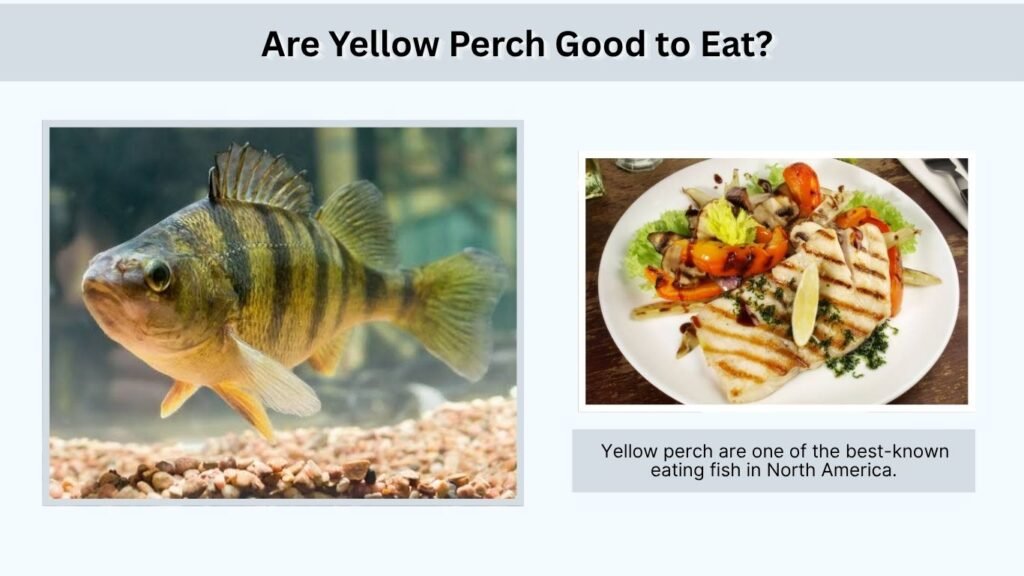
Yellow perch are one of the best-known eating fish in North America. Their meat is white, tender, and mild. Many anglers consider yellow perch one of the best panfish because they are easy to cook and taste good with simple seasoning.
The most common cooking methods include pan-frying, deep-frying, baking, broiling, and air frying. Because perch fillets are thin, avoid overcooking them. A light breading with lemon, salt, pepper, and tartar sauce is a classic option.
Are White Perch Good to Eat?
Yes, white perch are good to eat, especially when caught from clean water and handled properly. Maryland’s tourism fishing guide describes white perch as easy to catch and good to eat, with a season open all year in that region.
White perch are often smaller than many game fish, so cleaning them can take more effort. However, many anglers enjoy them fried, baked, or cooked whole when legal and properly cleaned.
Can You Eat Perch Skin, Eggs, or Bones?
You can eat perch skin if the fish is properly cleaned and cooked, but many people remove the skin for a milder taste. Skin-on fillets can become crisp when pan-fried, but scale removal is important if the skin is left on.
Perch eggs are edible when fully cooked, but they should not be eaten raw. Raw fish eggs can carry parasites or bacteria, and local contamination advisories may still apply. Perch bones are small and not usually eaten intentionally. Most people fillet perch or carefully remove bones before serving.
Can Pregnant Women Eat Perch?
Pregnant women can eat many types of fish, but they should choose lower-mercury options and follow local advisories, especially for fish caught by family or friends. FDA and EPA advice recommends that pregnant or breastfeeding people eat 8 to 12 ounces per week of a variety of lower-mercury seafood.
For locally caught perch, EPA and FDA advise checking fish advisories. If there is no advisory, they recommend eating only one serving of that locally caught fish and no other fish that week; they also note that some family- or friend-caught fish, including perch, may be more likely to have advisories because of mercury or other contaminants.
Can Cats and Dogs Eat Perch?
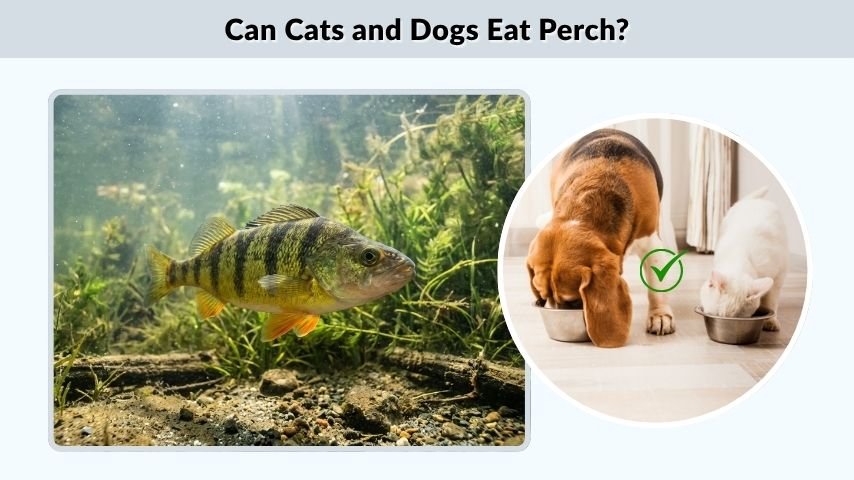
Cats and dogs can usually eat plain, fully cooked perch in small amounts if the bones are removed. Do not give pets raw perch, seasoned perch, fried perch, garlic, onion, spicy breading, or fish with bones. Bones can cause choking or digestive injury.
Fish should be a treat, not the main diet, unless your veterinarian recommends a fish-based pet food. If your pet has allergies, pancreatitis, kidney disease, or digestive problems, ask a vet before feeding fish.
Best Way to Eat Perch
The best way to eat perch depends on personal taste. For a classic fish-fry flavor, use light breading and fry the fillets until golden. For a healthier option, bake or air-fry them with lemon, garlic, pepper, and a little oil.
Simple Perch Cooking Ideas
- Pan-fried perch with lemon
- Baked perch with herbs
- Air-fried perch fillets
- Perch tacos
- Perch sandwich
- Whole fried white perch
- Lightly breaded yellow perch
Keep the seasoning simple because perch has a mild flavor. Strong sauces can overpower the fish.
FAQs
What do perch eat the most?
Perch mostly eat small aquatic animals such as insect larvae, worms, minnows, zooplankton, crayfish, shrimp, and fish eggs. Young perch eat tiny plankton, while adult perch eat larger prey like minnows and insects.
Do yellow perch eat minnows?
Yes, adult yellow perch eat small minnows and young baitfish. This is why live minnows and minnow-style lures are popular choices for perch fishing.
Are perch good to eat?
Yes, perch are good to eat. Yellow perch are especially popular because they have mild, sweet, flaky white meat. White perch and several other perch-like fish are also commonly eaten.
Can you eat perch while pregnant?
Pregnant women can eat fish, but they should choose lower-mercury options and follow local fish advisories. For locally caught perch, check your state or local advisory before eating it. FDA and EPA recommend 8 to 12 ounces weekly of lower-mercury seafood for pregnant or breastfeeding people.
What fish eat perch?
Many larger fish eat perch, including bass, walleye, northern pike, musky, lake trout, crappie, and catfish. Birds such as herons, loons, eagles, and cormorants also eat perch.