
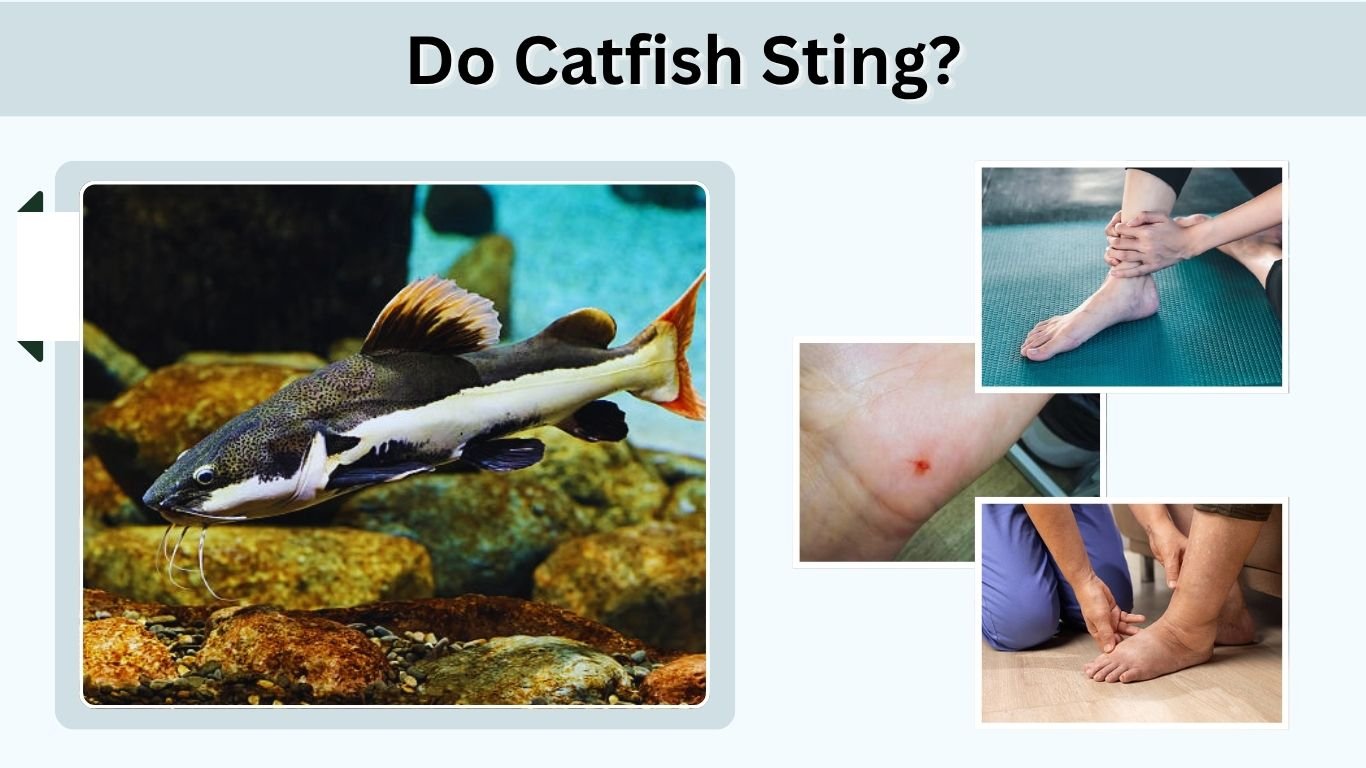
Catfish are popular with anglers, but handling one carelessly can result in a painful puncture wound. Despite a common belief, catfish do not sting with their whiskers. Injuries usually occur when the sharp spines associated with their dorsal or pectoral fins puncture the skin. Depending on the species and depth of the wound, a catfish sting can cause intense pain, swelling, bleeding, and occasionally infection. Knowing where the dangerous spines are and how to handle catfish safely can greatly reduce your risk.
Do Catfish Sting?
Yes, catfish can cause painful sting-like injuries. However, they do not attack people with a specialized stinger like a bee or wasp. Instead, the injury happens when a person is punctured by a sharp fin spine.
Catfish have strong defensive spines associated with the dorsal and pectoral fins. In some species, these structures can introduce venomous material into a puncture wound, contributing to pain, swelling, and inflammation.
Most injuries happen when anglers grab a struggling fish, attempt to remove a hook, step on a catfish, or handle one incorrectly.
What Part of a Catfish Stings You?
The parts responsible for most catfish sting injuries are:
- Dorsal spine: Located along the top of the fish.
- Pectoral spines: Located near the sides behind the head.
- Sharp spine edges: Some species have especially rigid or serrated spines capable of creating deep puncture wounds.
The injury can become more complicated if part of a spine breaks off inside the wound. Retained catfish spine fragments sometimes require medical imaging and professional removal.
How Does a Catfish Sting You?
A catfish generally does not deliberately chase and sting a person. Instead, the fish spreads or locks its defensive spines when frightened or being handled.
If your hand, foot, or another body part presses against one of these spines, it can penetrate the skin. A struggling fish may make the puncture deeper because it twists suddenly while being held.
This is one reason catfish injuries commonly affect the hands of anglers.
Do Catfish Whiskers Sting?
No. The long whisker-like structures around a catfish’s mouth are called barbels, and they are not the structures responsible for typical catfish sting injuries.
The potentially dangerous structures are the sharp dorsal and pectoral fin spines. Medical reports of catfish envenomation specifically describe punctures from these fin spines.
What Are Catfish Whiskers For?
Barbels are sensory structures that help catfish investigate their surroundings. They are particularly useful while the fish searches for food.
Because the barbels are prominent and located around the mouth, people sometimes mistakenly assume they contain the catfish’s “stingers.”
Can You Hold a Catfish by Its Whiskers?
Holding a catfish by its barbels is not a good handling method. Instead, anglers should control the fish while keeping their hands clear of the dorsal and pectoral spines.
Smaller catfish can be especially awkward because their rigid spines may easily reach the handler’s fingers or palm.
What Does a Catfish Sting Feel Like?
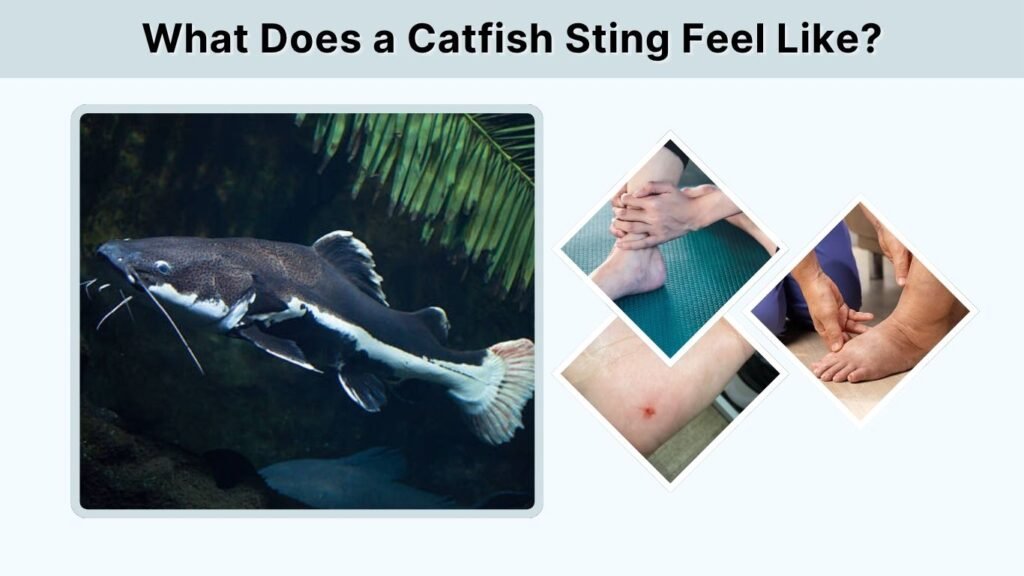
A catfish spine puncture can be surprisingly painful. The exact experience varies according to the species, location of the injury, depth of penetration, and whether venomous tissue or a broken spine remains in the wound.
Reported catfish envenomations range from localized pain and bleeding to significant swelling and more serious complications.
Common Catfish Sting Symptoms
Possible symptoms include:
- Immediate sharp or burning pain
- Bleeding from the puncture
- Redness around the wound
- Swelling
- Tenderness
- Throbbing pain
- Reduced movement when the hand or finger is affected
A deeper wound can damage nearby tissues, and infection is another important concern.
How Long Does a Catfish Sting Last?
There is no single duration for every sting. A minor puncture may gradually improve, while a deep injury, retained spine fragment, or infection can cause symptoms to persist or worsen.
Increasing pain rather than improving pain deserves attention, particularly if redness and swelling begin spreading.
Are Catfish Stings Dangerous?
Most catfish spine injuries are localized, but they should not automatically be considered harmless. Serious complications have been documented, particularly with deep wounds, retained spine fragments, venomous species, and infections.
Can a Catfish Sting Kill You?
Death from an ordinary catfish spine injury appears to be very uncommon, but potentially severe reactions and complications have been reported. Medical literature describes systemic effects such as low blood pressure, breathing problems, abnormal heart rhythms, and serious infection in uncommon cases.
Severe symptoms following a sting require emergency medical attention.
Can a Catfish Sting Become Infected?
Yes. Catfish injuries are puncture wounds exposed to water, fish tissue, and bacteria.
Freshwater injuries may involve organisms such as Aeromonas, while saltwater injuries can involve Vibrio species and other bacteria.
Warning signs can include increasing redness, warmth, worsening swelling, drainage, fever, or pain that becomes stronger rather than improving.
Catfish Sting Treatment and First Aid
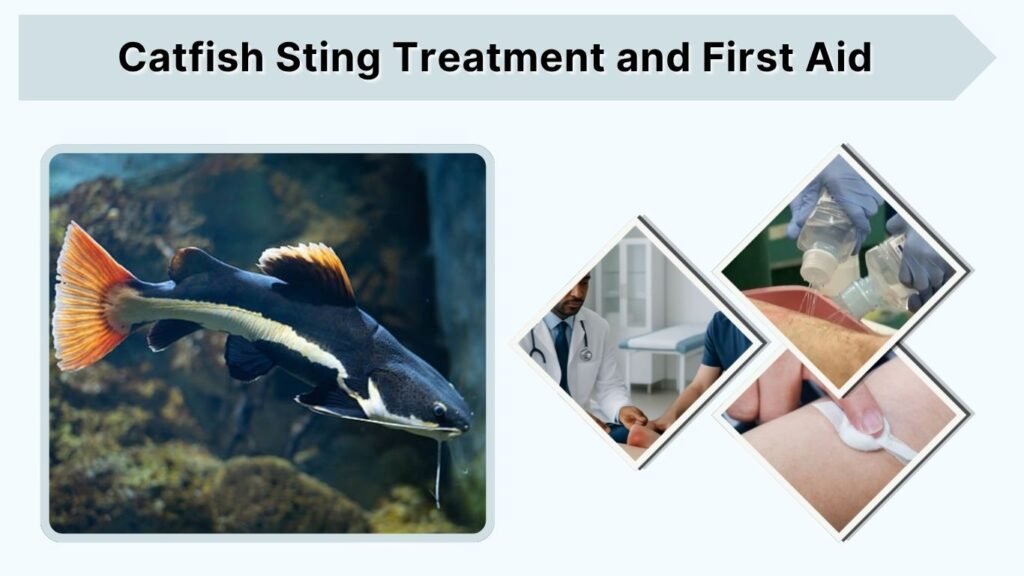
Proper wound care is important because a small puncture on the surface may sometimes hide deeper tissue injury or a retained spine fragment.
Published medical reports describe wound cleaning, pain control, evaluation for retained foreign material, and appropriate medical treatment when necessary.
What to Do After a Catfish Sting
For a catfish spine injury:
- Get away from the fish and prevent another puncture.
- Control significant bleeding with gentle pressure.
- Clean and irrigate the wound thoroughly.
- Check for an obviously retained spine, but do not aggressively dig into a deep wound yourself.
- Seek medical evaluation for deep punctures, severe pain, suspected retained fragments, or worsening symptoms.
Hot-water immersion has also been used for pain relief after catfish envenomation. Published reports describe using hot but not scalding water, with excessive heat avoided because it can burn the skin.
Do Catfish Stings Need Antibiotics?
Not every puncture should be treated with antibiotics without medical evaluation. However, clinicians may consider antibiotics when there is significant contamination, infection, a deep injury, or other risk factors.
Catfish wounds can involve unusual freshwater or saltwater bacteria, so antibiotic selection should be made by a healthcare professional rather than by using leftover medication at home.
Tetanus vaccination status may also need to be checked after a puncture wound.
Which Catfish Can Sting?
Catfish comprise many different species, and the danger posed by their fin spines varies. Both freshwater and saltwater catfish can cause spine injuries.
Channel Catfish
Channel catfish have sharp dorsal and pectoral spines. Anglers should handle smaller individuals carefully because their spines can readily puncture the hand.
Hardhead Catfish
Saltwater hardhead catfish are particularly associated with painful spine injuries. Their sharp spines can penetrate deeply, and retained fragments may complicate the wound. Medical reports specifically document injuries caused by hardhead catfish spines.
Gafftopsail Catfish
Gafftopsail catfish are another saltwater species that should be handled carefully because of their prominent fin spines.
Bullhead Catfish
Bullheads also possess defensive fin spines. Although they are relatively small fish, their size should not make anglers careless when removing hooks or handling them.
How to Avoid Getting Stung by a Catfish
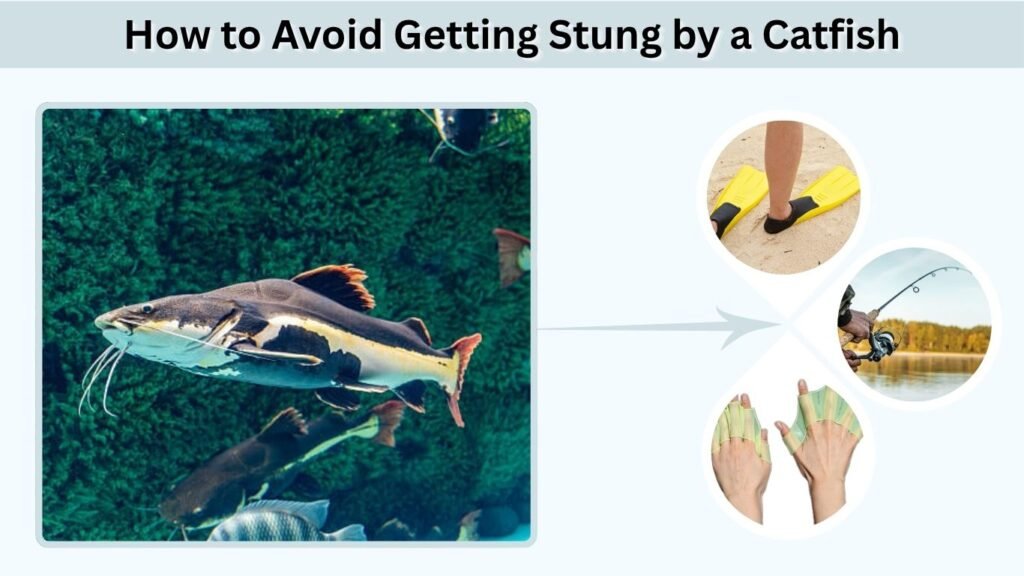
Most catfish spine injuries can be reduced by careful handling.
- Identify the dorsal and pectoral spines before grabbing the fish.
- Keep fingers away from the bases of the fins.
- Maintain firm control of a struggling catfish.
- Use suitable fish-handling tools when necessary.
- Never assume a small catfish cannot injure you.
- Wear protective footwear around areas where catfish may be lying on shore or in shallow water.
The most important rule is simple: watch the fins, not the whiskers.
FAQs
Do catfish sting or bite?
Catfish can bite, but the common injury people describe as a catfish “sting” usually results from being punctured by a sharp dorsal or pectoral fin spine. The fin spines are therefore the main concern when anglers handle catfish.
Do catfish whiskers sting you?
No. Catfish whiskers, known as barbels, are sensory structures rather than the typical source of sting injuries. The sharp dorsal and pectoral fin spines are responsible for most catfish punctures.
What does a catfish sting look like?
A sting may initially look like a small puncture wound with bleeding, redness, and swelling around it. More serious wounds can become increasingly painful or swollen, particularly when infection develops or a spine fragment remains embedded.
What happens if a catfish stings your hand?
You may experience immediate sharp pain, bleeding, swelling, and tenderness. Because hand injuries can involve tendons, nerves, joints, or retained fragments, deep punctures or persistent symptoms should be evaluated by a healthcare professional.
When should you see a doctor for a catfish sting?
Seek medical care for severe or increasing pain, heavy bleeding, a deeply embedded spine, numbness, difficulty moving the affected area, spreading redness or swelling, drainage, fever, breathing problems, faintness, or other significant symptoms.