
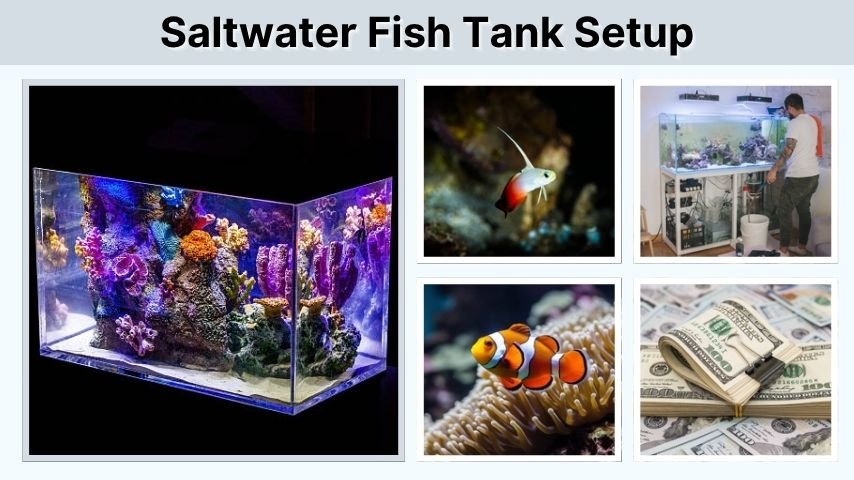
Setting up a saltwater fish tank can feel complicated at first, but it becomes much easier when you follow the right steps. A marine aquarium needs proper equipment, stable water conditions, and patient cycling before fish are added. Whether you want a small saltwater fish tank setup or a larger 55-gallon aquarium, planning the setup correctly helps keep your fish healthy from the start.
Understanding a Saltwater Fish Tank Setup
A saltwater fish tank setup is different from a freshwater aquarium because marine fish need carefully balanced saltwater, stable temperature, proper filtration, and good water movement. The goal is to create a safe environment that copies natural ocean conditions as closely as possible.
For beginners, the best approach is to start simple. A fish-only saltwater tank setup is usually easier than a reef tank because it does not require advanced coral lighting or strict reef-level water chemistry. Once you understand the basics, you can upgrade to corals, live rock, or a sump system later.
Fish-Only vs Reef Saltwater Tank
A fish-only saltwater tank focuses mainly on marine fish. It may include decorations, artificial rock, or live rock, but it does not depend on corals. This type of setup is more beginner-friendly.
A reef saltwater fish tank setup includes corals, invertebrates, and stronger lighting. Reef tanks are beautiful but usually need more testing, maintenance, and equipment.
Basic Saltwater Fish Tank Setup List
Before adding water or fish, gather all the main equipment. Buying the right items early helps prevent mistakes and saves money later.
| Setup Item | Purpose | Beginner Tip |
|---|---|---|
| Aquarium tank | Holds fish, rock, sand, and water | 20–55 gallons is easier than very small tanks |
| Stand | Supports the tank safely | Use a level, strong aquarium stand |
| Salt mix | Creates marine water | Use reef or marine salt, not table salt |
| Filter | Removes waste and debris | Choose one rated for your tank size |
| Heater | Keeps temperature stable | Aim for a reliable adjustable heater |
| Powerhead | Adds water movement | Marine fish need steady flow |
| Sand or substrate | Covers the tank bottom | Rinse before adding if required |
| Rock | Provides hiding spaces and bacteria surface | Dry rock or live rock can be used |
| Test kits | Measures water quality | Test ammonia, nitrite, nitrate, and pH |
| Light | Helps viewing and supports corals if added | Basic light is fine for fish-only tanks |
Choosing the Right Tank Size
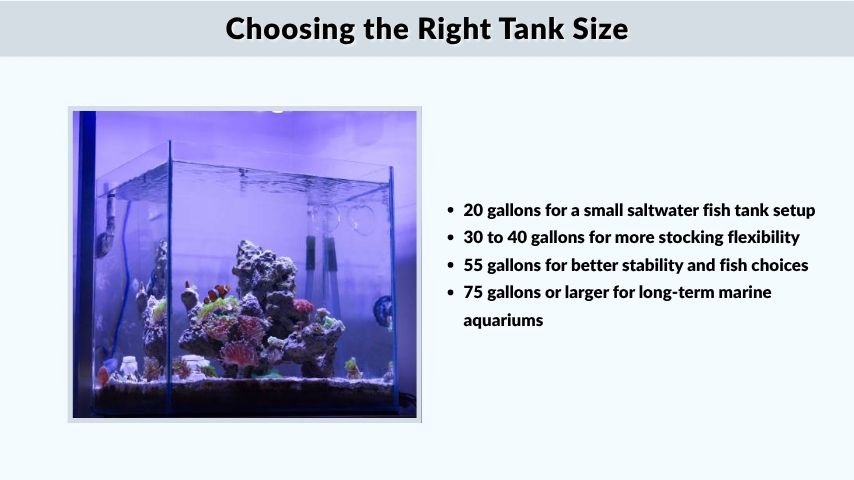
Tank size is one of the most important decisions. Many beginners think a smaller tank is easier, but very small saltwater tanks can be harder to keep stable. Water temperature, salinity, and waste levels change faster in small tanks.
A 10-gallon saltwater fish tank setup can work, but it requires careful stocking and frequent maintenance. A 20-gallon setup is better for beginners who want a small aquarium but more stability. A 55-gallon saltwater fish tank setup gives even more room for fish and is usually easier to manage long term.
Best Tank Sizes for Beginners
Good beginner tank sizes include:
- 20 gallons for a small saltwater fish tank setup
- 30 to 40 gallons for more stocking flexibility
- 55 gallons for better stability and fish choices
- 75 gallons or larger for long-term marine aquariums
If your budget allows, avoid going too small. A slightly larger tank gives you more time to correct water problems before they become dangerous.
How to Setup a Saltwater Fish Tank Step by Step
A proper setup takes time. You should not add fish the same day you fill the aquarium. Saltwater tanks need to cycle first, which allows beneficial bacteria to grow and process fish waste.
Step 1: Place the Tank and Stand
Choose a strong, level surface away from direct sunlight, windows, and heating vents. Saltwater aquariums are heavy once filled, so the stand must support the full weight of the tank, water, rock, and sand.
Make sure you can easily access the back of the tank for filters, cords, and maintenance.
Step 2: Add Rock and Sand
Add your aquascape before filling the tank completely. Rock gives fish places to hide and creates surface area for beneficial bacteria. Sand creates a natural look and provides space for certain marine organisms.
You can use dry rock, live rock, or a mix of both. Live rock may help introduce bacteria faster, but dry rock is often cheaper and easier to control.
Step 3: Mix and Add Saltwater
Saltwater should be mixed with a proper marine salt mix and fresh purified water. Many aquarium keepers use RO/DI water because tap water can contain chemicals, minerals, or nutrients that cause algae problems.
Mix the saltwater in a separate container if possible. Use a heater and pump to dissolve the salt fully before adding it to the aquarium.
Step 4: Install Equipment
Once the tank has water, install the heater, filter, powerhead, thermometer, and light. Make sure the heater is fully submerged before turning it on.
Good water movement is important because saltwater fish need oxygen-rich water. A powerhead helps prevent dead spots where waste can collect.
Saltwater Fish Tank Filter Setup
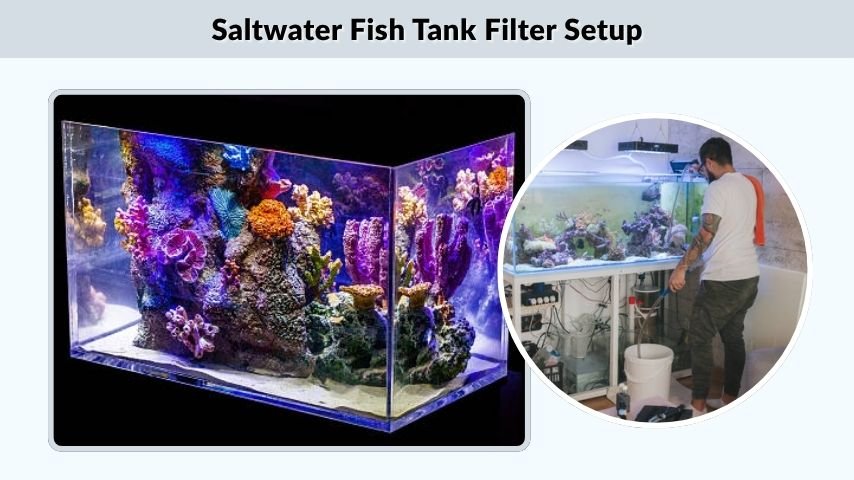
Filtration keeps the aquarium cleaner and safer for fish. A basic saltwater fish tank filter setup may include mechanical, biological, and chemical filtration.
Mechanical filtration traps visible debris. Biological filtration uses beneficial bacteria to break down harmful waste. Chemical filtration, such as activated carbon, can help remove odors and impurities.
Common Filter Options
Beginners often use:
- Hang-on-back filters for small and medium tanks
- Canister filters for larger fish-only tanks
- Sponge filters for quarantine tanks
- Sump systems for advanced setups
- Protein skimmers for removing organic waste
A protein skimmer is not always required for a small fish-only setup, but it can be very helpful in larger saltwater aquariums.
Saltwater Fish Tank Sump Setup
A sump is a separate tank or container placed below the main aquarium. Water flows from the display tank into the sump, passes through equipment, and returns to the aquarium by pump.
A saltwater fish tank sump setup is popular because it hides equipment and increases total water volume. More water volume usually means better stability.
Why Use a Sump?
A sump can hold:
- Protein skimmer
- Heater
- Filter media
- Return pump
- Refugium section
- Extra water volume
Beginners do not always need a sump, especially for a basic saltwater fish tank setup. However, if you are planning a large aquarium or reef system, a sump is a smart long-term option.
Cycling a Saltwater Fish Tank
Cycling is the process of growing beneficial bacteria that convert toxic ammonia into less harmful nitrate. This step is essential before adding fish.
During cycling, ammonia rises first, then nitrite, and finally nitrate appears. Once ammonia and nitrite stay at zero, the tank is usually ready for its first fish.
How Long Cycling Takes
A saltwater tank cycle usually takes several weeks. The exact time depends on the rock, bacteria source, temperature, and method used.
Do not rush this stage. Adding fish too early can expose them to ammonia and nitrite, which can stress or kill them. Use test kits to confirm the cycle instead of guessing.
Adding Fish to a New Saltwater Tank
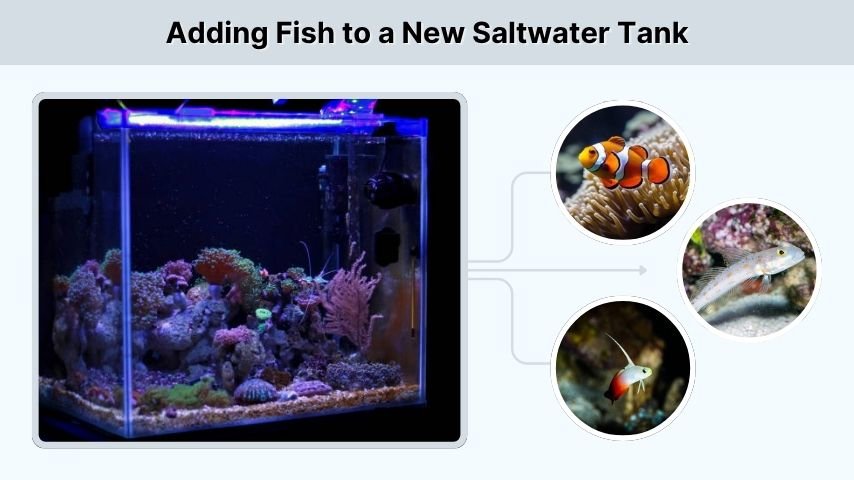
After the tank is cycled, add fish slowly. Start with hardy beginner-friendly marine fish and avoid overstocking. Adding too many fish at once can overload the biological filter.
Clownfish, gobies, firefish, and some damselfish are common beginner choices, but always research each species before buying. Some marine fish become aggressive or grow too large for small tanks.
Stocking Tips for Beginners
Follow these basic rules:
- Add only one or two fish at first
- Wait before adding more livestock
- Choose peaceful fish for community tanks
- Avoid fish that outgrow your aquarium
- Quarantine new fish when possible
A quarantine tank helps prevent diseases from entering your main aquarium. A simple saltwater quarantine tank setup usually includes a small bare tank, heater, sponge filter, hiding place, and basic light.
Saltwater Fish Tank Setup Cost
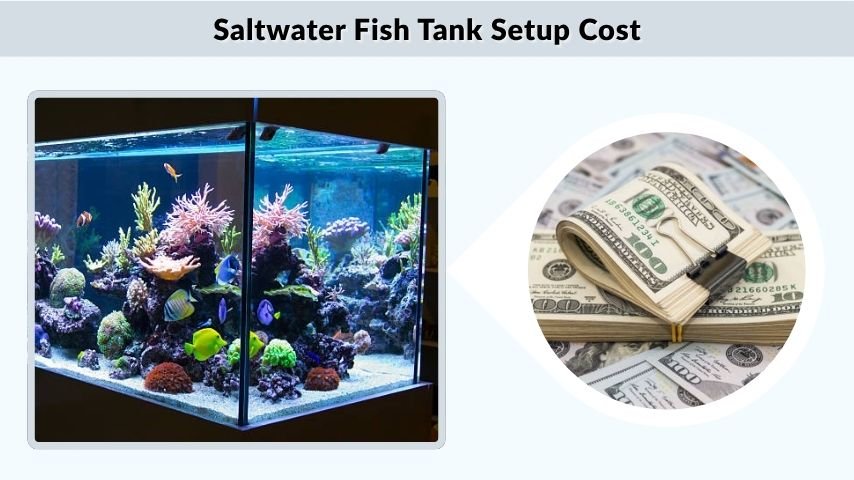
The cost to setup a saltwater fish tank depends on tank size, equipment quality, livestock, and whether you buy new or used items. A small setup may cost less at first, but very cheap equipment can cause problems later.
A 10-gallon saltwater fish tank setup may be affordable, but it limits fish choices. A 55-gallon saltwater fish tank setup costs more but gives better stability and more stocking options.
Main Cost Factors
Saltwater setup costs usually include:
- Tank and stand
- Salt mix and water
- Heater and thermometer
- Filter or sump system
- Powerheads
- Sand and rock
- Test kits
- Light
- Fish and food
- Maintenance supplies
For beginners, it is better to spend money on reliable equipment and test kits before buying expensive fish.
Maintenance After Setup
A saltwater aquarium needs regular care to stay healthy. Maintenance keeps waste low, salinity stable, and fish comfortable.
The most important tasks are water testing, water changes, cleaning glass, removing uneaten food, and checking equipment. Small problems are easier to fix when you catch them early.
Weekly Maintenance Tasks
A simple weekly routine may include testing water, cleaning algae from the glass, checking salinity, and removing debris. Many tanks also need partial water changes every one or two weeks.
Top off evaporated water with fresh water, not saltwater. When water evaporates, salt stays behind, so adding more saltwater can raise salinity too high.
Common Beginner Mistakes
Many new hobbyists make mistakes because they rush the setup or buy fish too soon. Saltwater tanks reward patience.
Avoid adding fish before the cycle is complete. Do not overfeed, because extra food breaks down and creates waste. Also, avoid mixing fish that are aggressive or unsuitable for your tank size.
Mistakes to Avoid
Common mistakes include:
- Using table salt instead of marine salt mix
- Adding fish before cycling
- Overstocking the tank
- Skipping water tests
- Using untreated tap water
- Buying incompatible fish
- Ignoring evaporation and salinity changes
Learning these basics early can prevent many expensive problems.
FAQs
How do I setup a saltwater fish tank for beginners?
Start with a suitable tank, stand, heater, filter, powerhead, salt mix, rock, sand, and test kits. Add mixed saltwater, run the equipment, and cycle the tank before adding fish. Beginners should start with hardy fish and avoid adding too many at once.
What do I need to setup a saltwater fish tank?
You need an aquarium, stand, marine salt mix, purified water, heater, filter, powerhead, thermometer, sand, rock, test kits, and lighting. A protein skimmer, sump, and quarantine tank are optional but helpful depending on the setup.
How much does a saltwater fish tank setup cost?
The cost depends on tank size and equipment quality. Small tanks usually cost less, while 55-gallon or larger setups cost more because they need stronger filtration, more saltwater, more rock, and larger equipment. Livestock and maintenance supplies also add to the total cost.
Is a 10-gallon saltwater fish tank setup good for beginners?
A 10-gallon saltwater tank can work, but it is less forgiving because water conditions change quickly. Beginners may find a 20-gallon or larger aquarium easier to maintain. If using a 10-gallon tank, keep stocking very light and test water often.
Do I need a sump for a saltwater fish tank?
No, beginners do not always need a sump. A basic fish-only saltwater tank can run with a good filter and regular maintenance. However, a sump is useful for larger tanks because it hides equipment, adds water volume, and improves filtration options.